Insta360 Goes All In Against DJI
 06/26 2026
 567
567

An Uneven War.
Author I He Jian Editor I Wang Bin
Cover I All Quiet on the Western Front
The all-out war between DJI and Insta360 has begun.
Last week (June 10), Insta360 officially launched its first handheld gimbal camera, the Luna Ultra, featuring a horizontal dual-lens design and a starting price of 3,999 yuan in China. This marks Insta360's second major push into DJI's core territory, following its entry into the drone market last year.
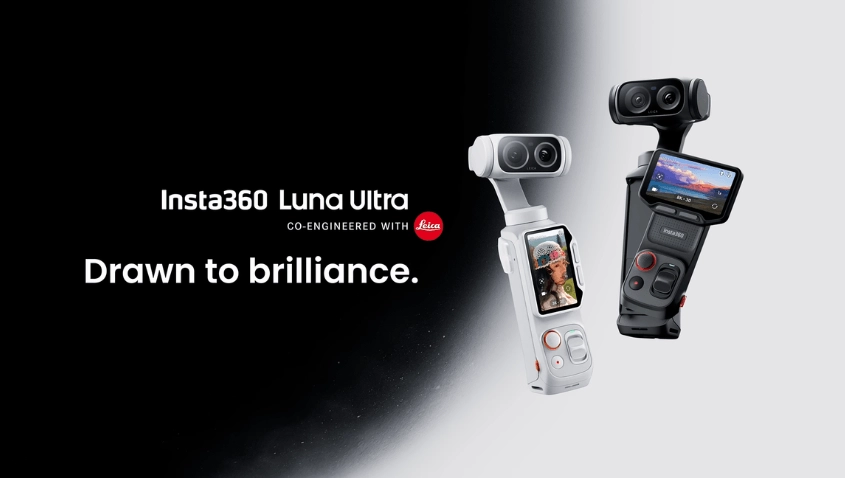
Insta360 Luna Ultra
On the same day as the Luna Ultra's release, DJI filed a patent infringement lawsuit against Insta360 in the United States, seeking a court order to ban sales of Insta360's gimbal cameras in the U.S. and compensation for related losses. Insta360 subsequently filed a countersuit in the U.S. and submitted invalidation requests for related patents in China.
On June 15, DJI officially released the Osmo Pocket 4P, featuring a vertical dual-lens design and a starting price 200 yuan lower than the Insta360 Luna. The Pocket 4P went on sale in China on June 23. DJI had previously released the Pocket 4 in April this year, with a starting price of 2,999 yuan.
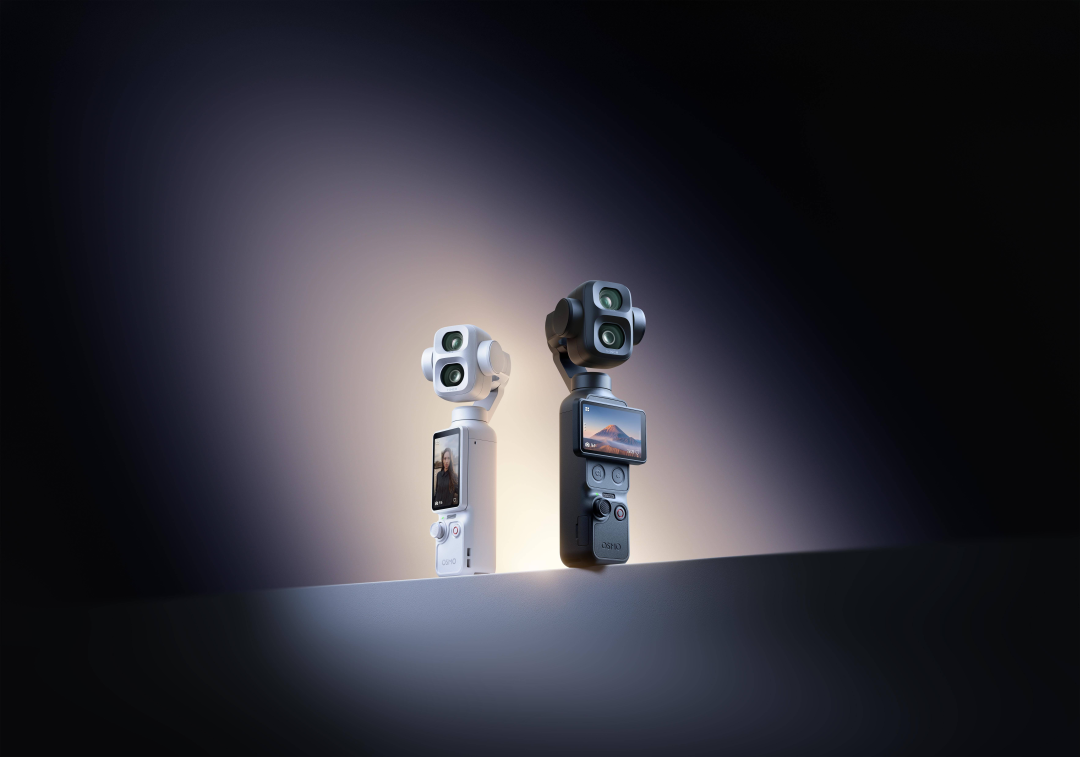
DJI Osmo Pocket 4P
Prior to this, DJI had already sued Insta360 in Shenzhen in March over drone-related patent ownership issues. This marked DJI's first such lawsuit in China, coming less than three months after the launch of Insta360's drone, the Yingling A1.
At the time, Insta360 founder Liu Jingkang responded by stating that DJI's claim was that patents developed by former employees within one year of departure should belong to DJI. "We carefully reviewed patents applied for by the employees during that period, and the existing evidence shows they were all original ideas and independently innovated results developed within Insta360," he said.
Apart from taking legal action, DJI made no further public statements. DJI founder Frank Wang had previously stated in an interview with LatePost, "We look forward to a healthy competitive business environment and a higher level of tacit understanding of rules among entrepreneurs, rather than constantly creating publicity stunts in the media."
On June 17, Yuan Yue, head of Insta360 China, publicly stated that after filing patent infringement lawsuits against a competitor, the company had faced organized attacks by paid online trolls in a short period. In response, Insta360 launched the "Justice for 6 Yuan" initiative, offering a reward of up to 100,000 yuan in gold slippers for clues about the trolls.
Earlier, Frank Wang had shared his impression of Liu Jingkang, describing him as "a very young and energetic boss, reminding me of Red Boy."
But now, Red Boy wants to stir up trouble in heaven too.
The Real All-Out War
Over the past year, competition between Insta360 and DJI has intensified, with both sides engaging in a full-scale war over products, pricing, supply chains, distribution channels, talent, patents, and public opinion. The intensity surpasses even that of China's new energy vehicle market.
However, compared to the competition in handheld gimbal cameras, the past year's battles between Insta360 and DJI over drones, thumb cameras, and panoramic cameras may have been merely local skirmishes.
The panoramic drone Yingling A1, released late last year, marked Insta360's first foray into DJI's core product category. However, the A1 focused on panoramic imaging and gesture control, rather than the core selling points of DJI's drones. Moreover, Yingling is a third-party brand incubated by Insta360, not its own brand, making it more of a trial run in the drone market. According to plans, Insta360 will also launch drone products under its own brand.
In contrast, the Insta360 Luna Ultra appears more mature, directly competing with the DJI Pocket 4P in terms of both hardware specifications and pricing. Following the releases of the Insta360 Luna and DJI Pocket 4P, social media has been flooded with comparative reviews of the two products.
The Pocket series is DJI's most successful product line outside of drones, having pioneered the handheld gimbal camera market. The previous model, the Pocket 3, has sold over 10 million units and remains in high demand. According to Frank Wang, DJI's imaging division is a top priority outside of drones, and he believes DJI will surpass Sony within a decade.

DJI Pocket 3
The success of the Pocket 3 has attracted numerous hardware manufacturers to enter the market. In addition to Insta360, smartphone makers OPPO, Vivo, Honor, and Xiaomi are reportedly secretly developing similar products, with OPPO and Vivo expected to launch handheld gimbal cameras as early as the second half of this year.
Insta360 emphasizes that it began developing the Luna long before the Pocket 3's popularity, having established a team in 2020 and determined the dual-camera route with its first demo. The company claims that some of its previous products, such as the gimbal conference camera Insta360 Link and the smartphone gimbal Flow series, were also derived from its gimbal camera research and development.
Initially, it was believed that the Insta360 Luna's release would come after the DJI Pocket 4P, but Insta360 ultimately announced its product first. According to the Economic Observer, as early as early June, both the DJI Pocket 4P and Insta360 Luna Ultra had finalized their product firmware and official promotional materials, ready for launch. With similar product specifications and performance, both companies seemed to prefer a later release to gain a pricing advantage.
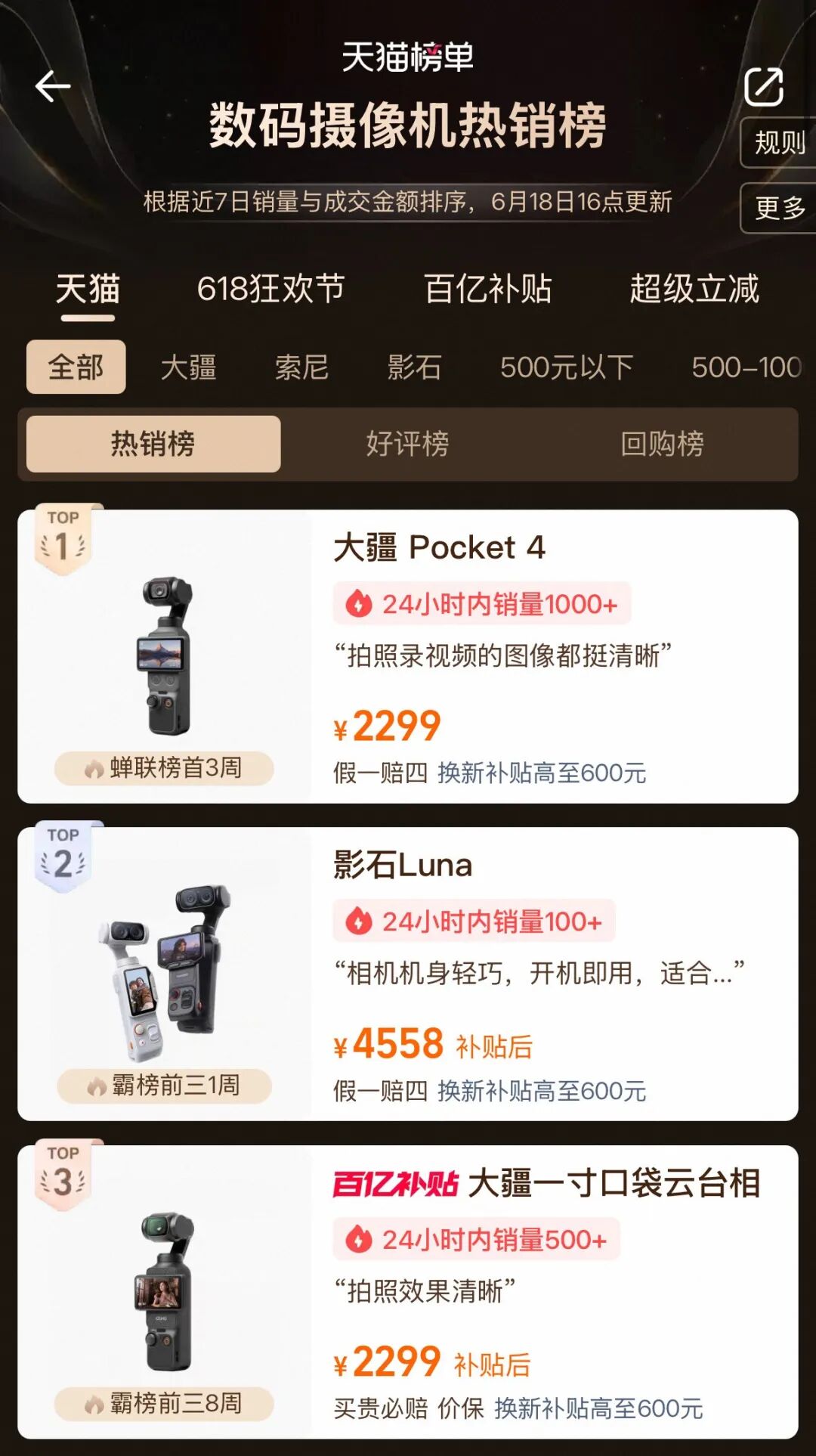
After Insta360 announced the Luna Ultra's starting price of 3,999 yuan in China on June 10, DJI set the Pocket 4P's starting price at 3,799 yuan for its later release. Currently, the DJI Pocket 4P has not officially gone on sale. On Tianmao's best-selling digital camera list (as of June 18), the Insta360 Luna ranked second, while the DJI Pocket 4 and Pocket 3 ranked first and third, respectively.
The Patent War Becomes Inevitable
On the first day of the Insta360 Luna's release, DJI filed a patent lawsuit in the U.S. District Court for the Eastern District of Texas, Marshall Division, alleging that the Insta360 Luna Ultra camera infringed on four of DJI's utility patents related to gimbal control devices, integrated handheld gimbals, gimbal control methods, and independent tracking systems. 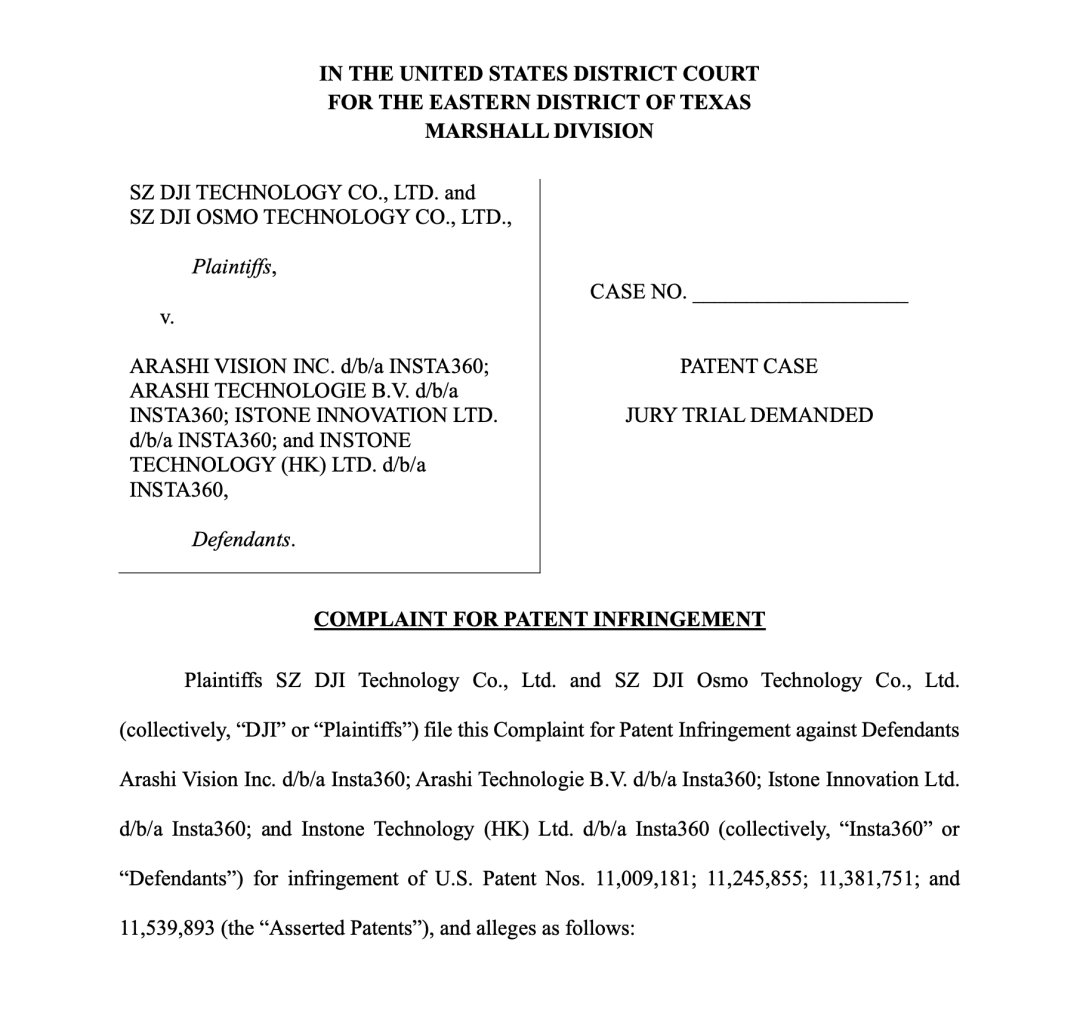
DJI Sues Insta360 for Patent Infringement
The next day, Insta360 filed a patent countersuit in the same court, accusing DJI of infringing on five of Insta360's invention patents covering technologies such as gimbal stabilization algorithms, gimbal pointing control, camera image stabilization, motion data overlay, and panoramic video stabilization.
Unlike DJI's previous drone patent ownership lawsuit in China, both companies' patent lawsuits in the U.S. accuse each other of patent infringement and seek court injunctions to ban sales of the involved products in the U.S. and compensate for losses.
The choice of venue for both companies' U.S. lawsuits is also noteworthy. The U.S. District Court for the Eastern District of Texas, Marshall Division, is one of the most famous patent litigation hubs in the United States. Over the years, companies including Apple, Google, and Samsung have been involved in high-stakes patent lawsuits there.
However, the core reason for these two Chinese companies to travel thousands of miles to file patent lawsuits in the United States is the importance of the North American market.
In fact, neither company's largest market is mainland China; both generate the majority of their revenue overseas, particularly in North America. Insta360's overseas revenue has long accounted for 70% or more of its total. While DJI has not disclosed its revenue, industry estimates suggest that overseas revenue similarly accounts for 70%-80%.
The U.S. market is not only the largest for drones globally but also one of the biggest for handheld gimbal cameras. However, affected by last year's U.S. Federal Communications Commission (FCC) ban, DJI and its products were placed on the "Covered List," preventing new products from obtaining FCC radio equipment certification and blocking their sale in the U.S. The ban has affected DJI's new Pocket 4/4P models, with the Pocket 3 remaining DJI's main product in the U.S.
Insta360, however, has not been affected by the ban. The Insta360 Luna Ultra is now officially available in the North American market, with a starting price of $769.99 (approximately 5,200 yuan). With the Pocket 4/4P absent from North America, Insta360 may seize DJI's market share by leveraging the Luna's generational advantage. The success or failure in the North American market will directly determine the competitive landscape between the two companies in the gimbal camera market.
No wonder DJI was so quick to file a patent lawsuit in the U.S. With its flagship products absent, winning the lawsuit as soon as possible would minimize losses. Meanwhile, DJI has also submitted a judicial review application to the U.S. Court of Appeals for the Ninth Circuit, requesting the court to overturn or reaffirm the FCC ban.
Objectively speaking, patent wars are a common tactic used by tech companies in market competition and are unrelated to moral considerations. As early as the smartphone era, Apple successfully used patent wars to block HTC's hot sales in North America, while China's Meizu M8 was forced to halt production due to Appearance design (appearance design) patent infringement allegations from Apple.
Previously, Insta360 had also faced patent lawsuits from GoPro in the U.S. In February this year, the U.S. International Trade Commission (ITC) ruled that all six patent allegations filed by GoPro against Insta360 were unfounded. To win the lawsuit against GoPro, Insta360 stated that it had spent over $10 million.
Liu Jingkang said he fully understands the mindset of giants like GoPro and DJI when their market share is threatened. However, he pointed out that DJI's panoramic cameras and thumb cameras may also fall within the scope of Insta360's 28 patents, "but we have not taken the initiative to sue." According to Liu, as a small company with limited resources, Insta360 prefers to invest in research and development rather than legal battles, aiming to grow the market and the pie through differentiation.
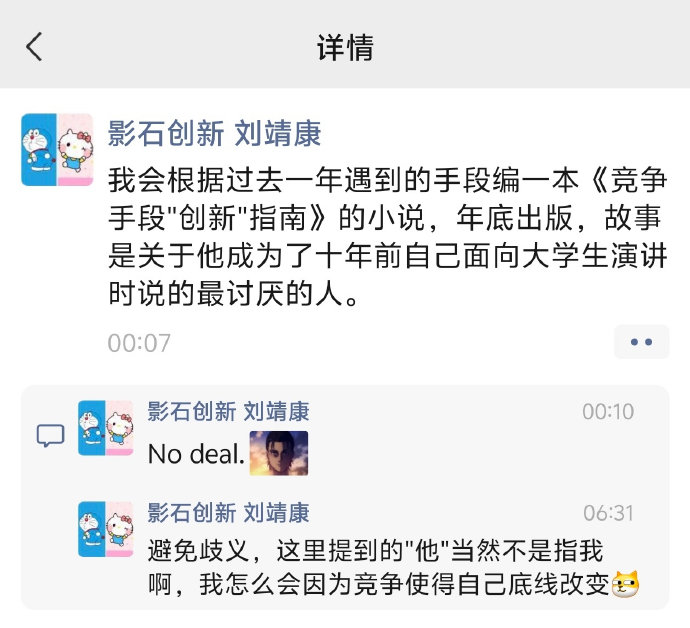
Insta360 founder Liu Jingkang has expressed dissatisfaction with DJI's competitive tactics. He once stated in a WeChat Moments post that he would compile a novel about the competitive tactics he has encountered over the past year, a story about "becoming the person he hated the most when speaking to college students a decade ago." He added that the "he" in the story was certainly not himself. Outsiders widely believe that Liu was subtly criticizing DJI founder Frank Wang.
Insta360 Goes All In
The market often views Insta360 as the next DJI, and the media tends to exaggerate the intensity of the war between the two. However, there is still a significant gap in their sizes. Media reports claim that DJI's sales exceeded 80 billion yuan last year, with profits topping 20 billion yuan. In contrast, Insta360's annual revenue was less than 10 billion yuan, with profits below 1 billion yuan.
This is an uneven war. For DJI, competition with Insta360 represents a partial defensive and containment effort. For Insta360, however, competing with DJI requires an all-out effort, with no room for failure.
Last year, while Insta360's annual revenue surged by 75.76%, its net profit attributable to shareholders declined by 6.62%. In the first quarter of this year, Insta360's revenue growth reached a record high of 83.11%, but its net profit attributable to shareholders plummeted by 52.02%, with Deducting non net profit (non-recurring profit and loss adjusted net profit) falling even further by 61.27%.
Excessive research and development expenditures have continuously dragged down Insta360's profitability. In 2025, Insta360's R&D spending reached 1.53 billion yuan, nearly doubling year-on-year, with single-year R&D investment exceeding the total of the previous three years. In the first quarter of this year, Insta360's R&D investment doubled again year-on-year to 465 million yuan.
In his letter to shareholders in Insta360's 2025 annual report, Liu Jingkang stated that over the past year, in addition to its existing product lines, Insta360 had strategically invested in developing two drone models, including the Yingling A1, gimbal cameras, wireless lavalier microphones, and three other product categories, while also custom-developing three chips. The strategic investments in these areas accounted for 80% and 300% of the net profit attributable to shareholders for the same periods last year and in the first quarter of this year, respectively, leading to a decline in the company's short-term profit indicators.
Apart from R&D investments in new products, Insta360's sales expense ratio has also continued to rise over the past year. In 2025, Insta360's selling expenses reached 1.679 billion yuan, soaring by 103.31% year-on-year. In the first quarter of this year, selling expenses reached 449 million yuan, up 75.54% again.
The rise in selling expenses is related to Insta360's entry into new product categories such as drones and gimbal cameras, as well as its increased offline presence. Early last year, Insta360 had only 36 offline stores, but the number has now approached 300.
Liu Jingkang believes that as new product categories such as gimbal cameras, microphones, and drones are launched, Insta360's previous investments will translate into revenue and boost profits. However, he also acknowledged that short-term profits remain under pressure from rising storage costs and other factors.
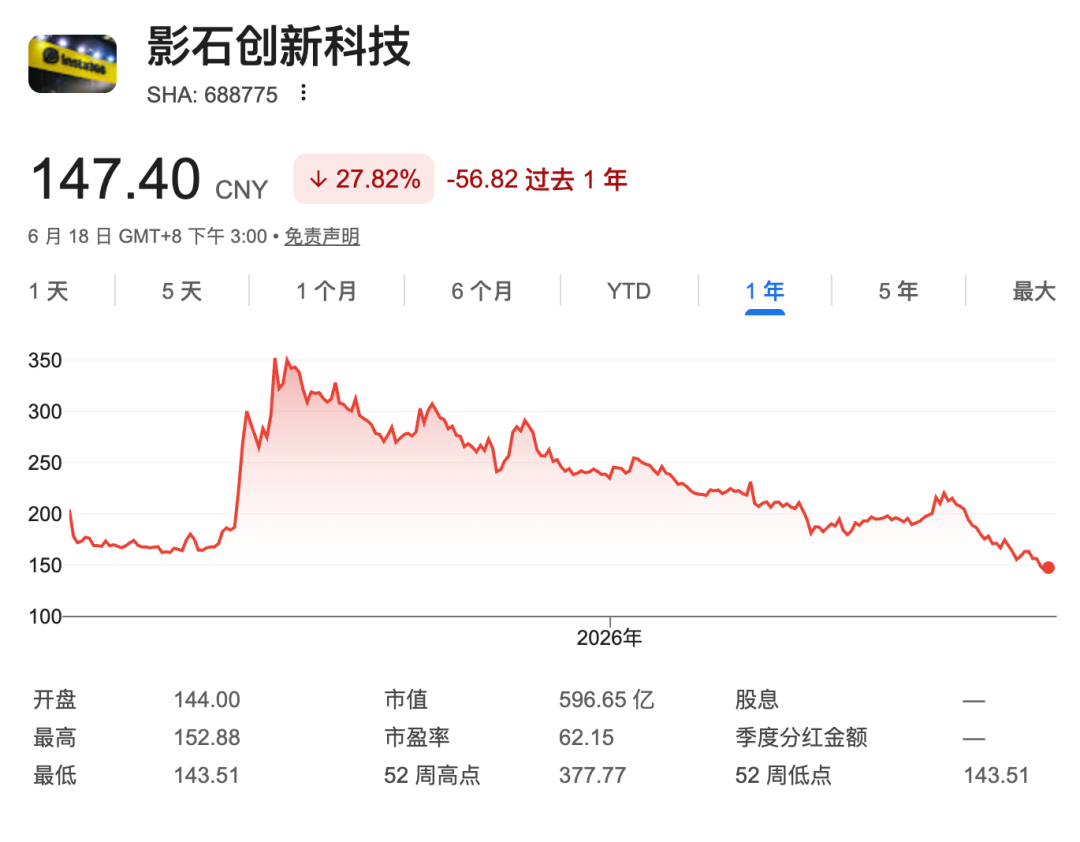
Insta360's Stock Price Trend Chart
In September last year, Insta360's stock price once soared to a high of over 377 yuan, with its market capitalization exceeding 150 billion yuan. However, since then, Insta360's stock price has been on a downward trajectory, with the latest stock price falling to around 150 yuan and its market capitalization dropping below 600 billion yuan.
In comparison, DJI has a much more solid foundation than Insta360, with more refined control over production costs and the supply chain. From previous thumb cameras and panoramic cameras to this year's panoramic drones and gimbal cameras, DJI's similar products are priced more competitively than Insta360's. Even though Insta360 expanded its offline stores to 300 last year, there is still a significant gap compared to DJI's over 700 stores.
The Insta360 Luna Ultra marks the first full-scale confrontation between Insta360 and DJI this year, but the scale of this conflict will not be limited to this. Last year, Insta360 already released the panoramic drone, the Yingling A1. Without surprise, they will soon launch their own branded drone products, continuing to launch attacks on DJI's territory.
Not to mention the smartphone manufacturers who are eyeing the market covetously. In recent years, the growth rate of the smartphone market has stagnated, and rising storage prices have put pressure on the low-end market. OPPO, Vivo, Honor, and Xiaomi urgently need to explore new markets, and gimbal cameras are among the few smart hardware products still experiencing rapid growth.
Insta360 undoubtedly hopes for as many challengers as possible. Liu Jingkang has publicly praised other players in the gimbal camera market on social media more than once, attempting to emphasize externally that the gimbal camera market is not solely contributed by DJI. When Honor launched the Robo Phone, a smartphone integrated with a gimbal camera, he also did not hesitate to praise it.
Insta360 is the first company to launch a full-scale assault on DJI's empire. However, DJI will not only face Insta360 as its adversary.

© All rights reserved by Shanshang. Unauthorized reproduction is prohibited.
-
![]()
ByteDance, DJI, and Xiaohongshu Secure Top Three Positions Among China’s Fastest-Growing Unicorns
-
Tesla's in-car voice system in China is finally learning to 'understand human language'
-
![]()
Foreigners Are Amazed: Chinese Electric Vehicle Drive Systems Unveil Innovative 'Poses'
-
![]()
700,000 Brothers and the Future of Robots: Behind JD.com's 'Nirvana Plan'
-
![]()
Zhipu's Trillion-Dollar Valuation: A New Chapter for China's AI
-
![]()
Is Laifen, a 'Dyson Alternative' on the Rise, Now Ensnared by the 'Alternative Curse'?
-
![]()
Beyond Patents: Insta360 and DJI Compete in Retail
-
![]()
Piercing Through Industry Chaos: The Curtain Rises on Compliance for Autonomous Driving