OPPO and Meizu Emulate Nothing in Prioritizing AI: Is AI Hardware the Future for Smartphone Makers?
 08/06 2026
 529
529
Smartphone manufacturers are increasingly shifting their focus toward AI hardware.
Recently, foreign media outlet Smartprix reported that smartphone brand Nothing is repositioning itself as an AI-centric company, with its smartphone business taking a backseat. According to insiders cited by Smartprix, Nothing's internal AI projects now take precedence over its smartphone products, receiving strong support from founder Carl Pei himself.
Nothing's smartphones initially drew attention for their transparent back covers and LED light strips. Carl Pei, co-founder of OnePlus, struck out on his own in 2020, and his company has been in operation for less than six years.
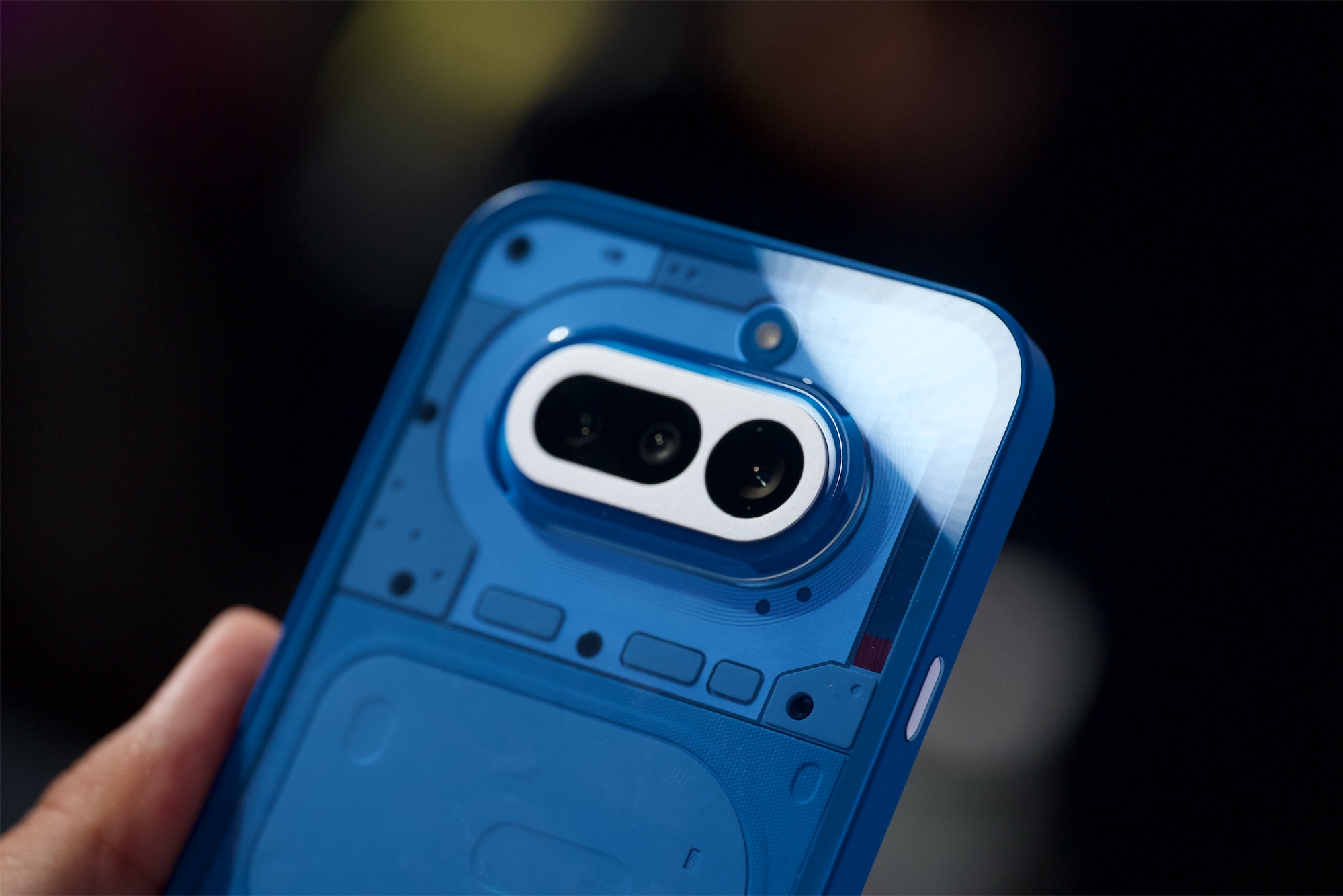
Image source: Leitech
Nothing is not the first smartphone brand to undergo such a transformation. On February 27 this year, Meizu announced the suspension of its self-developed hardware projects for new domestic smartphone models, pivoting entirely toward AI-driven software development. OPPO took an early lead, hosting an AI strategy conference in February 2024 and making AI a core strategic focus. Although vivo has not made an official announcement, it is quietly advancing projects for AI glasses and gimbal cameras.
A clear trend is emerging: smartphone manufacturers are gradually evolving into AI hardware companies.
Nothing's transformation is logical within the current smartphone industry landscape. The smartphone business is becoming increasingly challenging, with even major players facing uncertainty, let alone niche brands like Nothing.
Over the past two years, countries have been frantically building AI data centers, leading to a surge in demand for high-bandwidth memory used in servers. Naturally, chip manufacturers are redirecting their production capacity toward HBM, as profits are several times higher—a reasonable move, given the pursuit of profitability. The issue arises because producing 1GB of HBM consumes more than three times the wafer capacity required for 1GB of standard DDR5 memory. With limited production capacity, every additional unit allocated to servers reduces availability for smartphones.
Consequently, storage chip costs have surged by over 80%, with no signs of abating. IDC data shows that in low-end smartphone models, storage now accounts for over 65% of the total bill of materials cost, up from just over 10% in the past. Some models in the sub-¥1,000 category are now being sold at a loss or have ceased production entirely.
Meanwhile, pressure continues to mount. Qualcomm announced a comprehensive price hike for its chips starting September 1. Apple described the current situation as a "once-in-a-century flood." During his visit to Apple's headquarters last year, TSMC CEO C.C. Wei made the most significant price increase request in recent years. According to foreign media wccftech, TSMC demanded that Apple pay $30,000 for each 2-nanometer wafer, 50% higher than the $20,000 for 3-nanometer wafers, with the cost of individual A20 chips soaring to $280, nearly double that of the previous A19 generation.
Samsung's actions are even more absurd. Its semiconductor division rejected a long-term supply agreement request from its own smartphone division, prioritizing server customers willing to pay higher prices. This is probably the most ridiculous news I've heard this year.
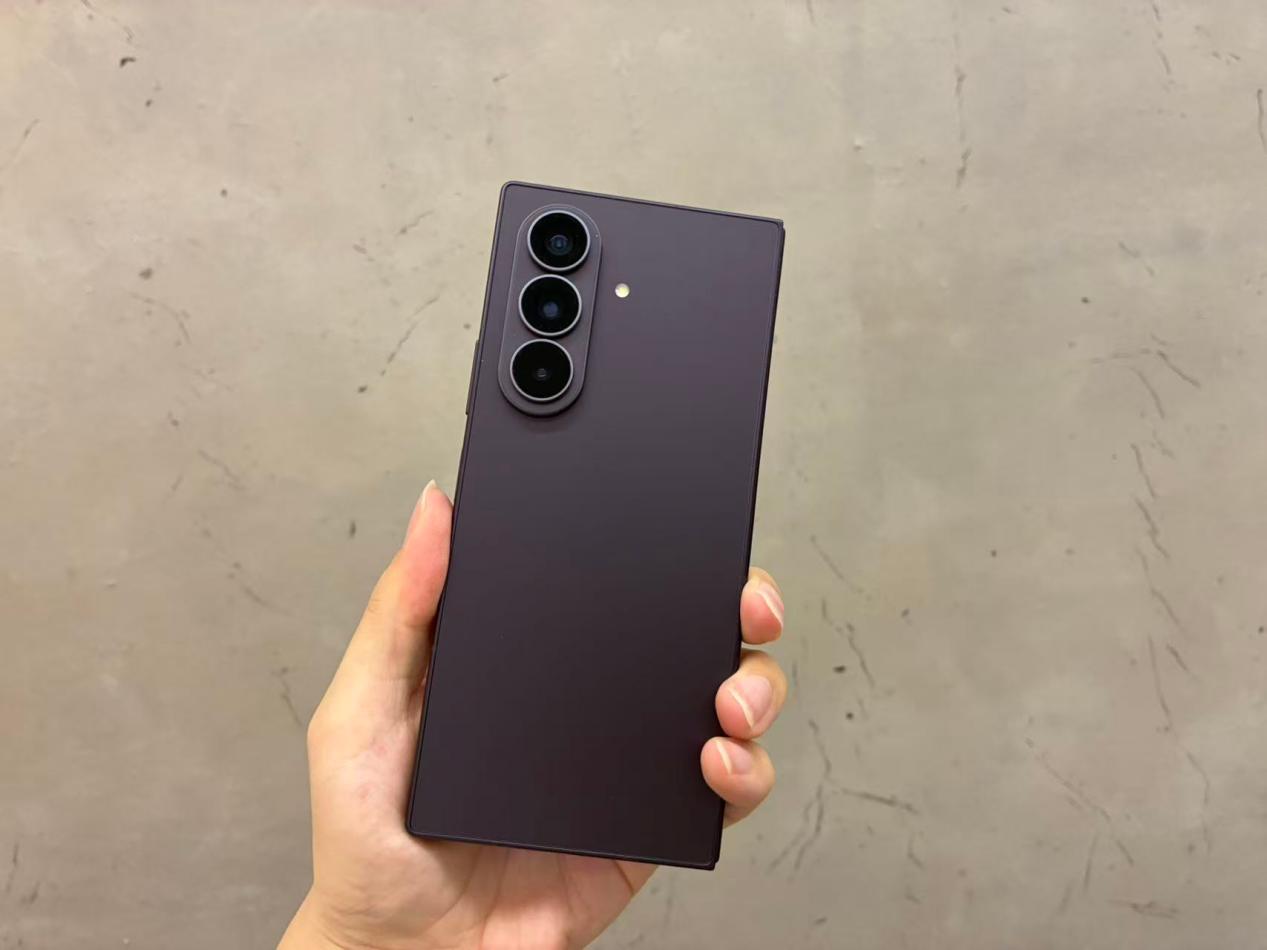
Image source: Leitech
Since January this year, Xiaomi and OPPO have lowered their full-year shipment expectations by over 20%, vivo by nearly 15%, and Transsion to below 70 million units, explicitly citing rising component costs like storage in their financial reports.
OPPO, OnePlus, vivo, Xiaomi, and Honor collectively raised prices starting in March, with new product price increases starting at ¥1,000 and mid-to-high-end models rising by ¥2,000-3,000.
If this is the situation for leading manufacturers, one can imagine the predicament of mid-tier and smaller players.
Meizu was the first to falter. In February, Meizu announced the suspension of its self-developed hardware projects for new domestic smartphone models, stating that "the sustained surge in memory prices has made the normal commercialization of next-generation products unfeasible." In July, OPPO's subsidiary realme also announced the suspension of domestic product updates, redirecting all resources overseas.
Nothing's market share is even smaller than realme's. In six years of operation, its global smartphone market share remains negligible, with annual shipments hovering in the millions. At this scale, negotiating procurement with storage manufacturers is challenging, as even meeting minimum order quantities is difficult, let alone having bargaining power.
Carl Pei had already sounded the alarm earlier this year: There would be no new flagship model in 2026, with the Phone 3 continuing for another year. At the time, he stated it was "not launching new models for the sake of it." Looking back now, that statement can also be interpreted as laying the groundwork for today's transformation.
Thus, while Nothing's shift is driven by the allure of AI, the more practical reason is that there is little room left for smaller players in the smartphone market.
Nothing's transformation will occur in stages, with the first phase launching in September this year. According to leaks, the initial product lineup includes four items: ear-clip earphones from sub-brand CMF, second-generation over-ear headphones, the brand's first smartwatch, and its first CMF smart speaker, all scheduled for release between August and September, continuing the transparent design aesthetic. Of course, smartphones will still be sold, with the Phone 3 remaining this year's flagship, but there will be no new flagship model in 2026.
At the SXSW conference in March, Carl Pei stated that traditional smartphone apps will eventually be replaced by AI agents, with the core of future devices being AI systems that understand user intent. Once devices comprehend user needs, they will automatically execute tasks.
Nothing's future trajectory remains to be seen, but it has an advantage: its earphones and other hardware devices already hold a certain market share, so it's not starting from zero.
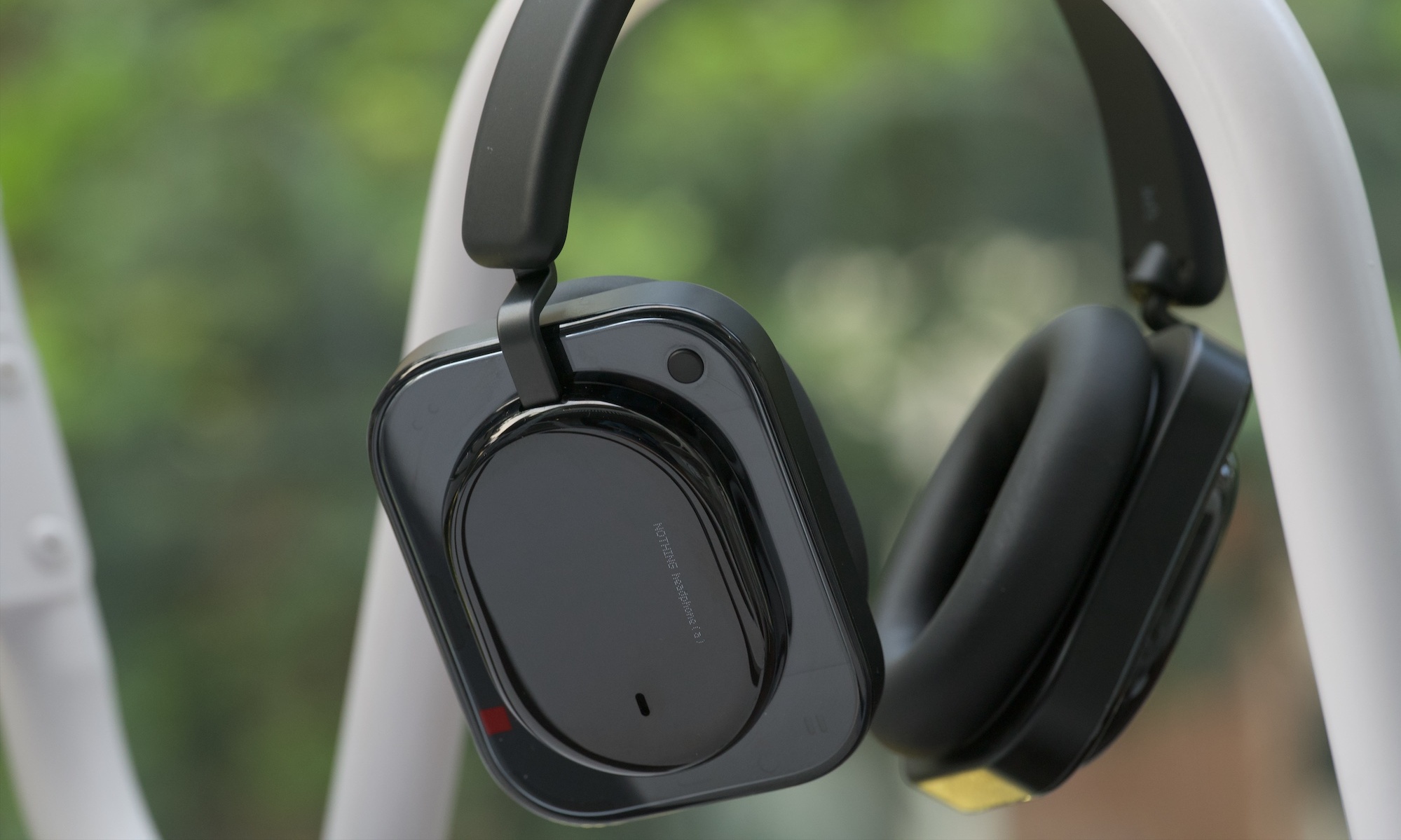
Image source: Leitech
In contrast, Meizu's transformation has been far more drastic. After suspending smartphone self-development, it retained AI glasses and the Trendy brand PANDAER, both operating independently in the market. In April, Geely-backed ECARX officially took over all intellectual property rights for Flyme OS and the Flyme Auto infotainment system, Meizu's most valuable assets. Subsequently, rumors emerged that employees from the StarV AR system team had joined Rayneo Innovation. While officials responded that AR operations remained normal, the loss of core personnel is undeniable.
At this point, while labeled a transformation, informed observers recognize it as a desperate move to survive.
Of course, not all transformations are life-or-death struggles. OPPO made the earliest official announcement among mainstream manufacturers. On February 18, 2024, Tony Chen issued an internal letter designating the year as the "first year of AI smartphones." Two days later, at its AI strategy conference, OPPO announced the establishment of an AI center, concentrating company resources on AI.
Pete Lau stated at the conference that AI smartphones would represent the third phase of the smartphone industry, following feature phones and smartphones. The simultaneous announcement included the 1+N intelligent agent ecosystem strategy—one AI super agent plus an agent development platform. OPPO also partnered with IDC to release the industry's first AI Smartphone White Paper.
That Chinese New Year, OPPO rolled out over 100 AI features to tens of millions of users. The AI Erase feature alone was used an average of 15 times per day per user, earning OPPO's ColorOS high praise from tech enthusiasts during that period.
Two years on, OPPO has achieved remarkable results. Beyond smartphones, in 2025, OPPO tablet sales grew by 112%, while watches and earphones saw increases exceeding 50%, with a combined growth rate of 121% across these three categories. The inaugural sale of the Find N6 foldable set a record for foldable smartphone sales on JD.com and Tmall over the past year.
On-device AI is also set to debut, with the Omni full-modal model developed in collaboration with MediaTek enabling real-time Q&A directly on smartphones. This year, OPPO continues to expand its IoT product lineup, introducing new tablets, smartwatches, and ear-clip earphones. According to IDC data, in 2025, OPPO ranked first globally in the $500-$550 price segment and third in average selling price.

Image source: Leitech
While vivo has not made any overt transformation moves, by late 2025, it internally approved the development of an integrated handheld gimbal camera, directly competing with DJI's Osmo Pocket. The project leader confirmed a team of over 200 members and a dedicated, unlimited R&D budget.
According to supply chain sources, this product will feature a 1-inch 50MP primary camera, Zeiss-coated lenses, and Vlog Stabilization 4.0 technology, capable of shooting 4K 120fps video while weighing under 180 grams. Set for release this year, it will also integrate with the concurrent X500 series flagship smartphones.
Beyond gimbals, vivo is also developing AI glasses, though this project has taken a dramatic turn. In January 2026, multiple industry media outlets reported that vivo abruptly halted its AI glasses R&D project, which had been in preparation for six months. Sources claimed the team had developed multiple product demos covering mainstream technologies like audio-video interaction and monochromatic displays, nearly ready for production. However, vivo canceled the project due to concerns over severe market homogenization.
Just half a year later, vivo reinstated AI glasses R&D. On one hand, AI large models were accelerating terminal deployments in 2026, with AI capabilities undergoing comprehensive upgrades. On the other hand, AI glasses were selling reasonably well, and with Huawei and Xiaomi having already established positions, the market window was rapidly closing.
From these actions, it's clear that the shift toward AI hardware has reached a critical point.
Returning to the initial question: Is transforming into an AI hardware company the inevitable endgame for all smartphone manufacturers? Leitech (ID: leitech) believes this is highly likely, though "endgame" should be taken with a grain of salt.
Smartphones will not disappear—Nothing continues selling the Phone 3, and OPPO and vivo keep iterating their smartphone lines. However, smartphones have entered a replacement cycle, with diminishing per-unit profits. Manufacturers need new hardware to sustain declining revenues.
AI hardware happens to be gaining momentum at this precise moment. Taking AI glasses as an example, LuoTu Technology statistics show that in 2025, China's smart glasses sales reached 1.454 million units, a 211% year-over-year increase, with camera glasses growing from nearly zero to 500,000 units. While this volume pales in comparison to the billion-plus smartphones sold annually, a 211% growth rate is something the smartphone industry hasn't seen in years.
This script played out two decades ago. Around 2007, the MP3 market reached its ceiling, prompting Meizu to abandon its thriving MP3 business and pivot to smartphones. The M8 was later regarded by many as the starting point for domestic Chinese smartphones.
OPPO and vivo's parent company, BBK Electronics, also started with repeaters, electronic learning devices, and MP3 players before transitioning to smartphones. Those who successfully transformed became today's industry leaders. Those reluctant to change, like Newman and Blue Magician—once leading MP3 brands—clung to their existing markets for three to four more years before disappearing entirely after smartphones consumed the entire MP3 category.
Today's AI glasses, gimbal cameras, and smart wearables occupy the same position as smartphones did back then. These categories are just gaining traction, supply chains remain flexible, and companies with imaging and supply chain expertise can smoothly transition.
Of course, betting on the right direction and achieving success are two different matters. Transformation cannot save companies whose core businesses are already failing; it merely provides an additional path for those with healthy fundamentals. The only certainty is that after 2026, we may no longer find any purely smartphone-focused companies.
Nothing, AI hardware, OPPO, vivo, AI smartphones
Source: Leitech
All images in this article come from the 123RF licensed image library. Source: Leitech
-
![]()
China's L3/L4 Mandatory Standards Have Arrived: A Practitioner's Straightforward Interpretation
-
![]()
Commercial Space Launch Pads: Why Are They Always in Short Supply?
-
![]()
Unveiling the "Three Secrets" Behind SAIC-GM's Contract Renewal!
-
![]()
An AI Unicorn is Born in the US Logistics Industry! HappyRobot Secures $150M in Series C Funding, Valuation Reaches $1.2B
-
Xingyu Shares, the 'Headlight King,' Makes Another Attempt at Listing on the Hong Kong Stock Exchange: Dividends with One Hand, Fundraising with the Other
-
Reviewing July's Plunge: Three Fates of AI Assets
-
![]()
Tencent, Alibaba, and ByteDance Make Significant Investments in AI-Driven Office Solutions, Revolutionizing the Industry
-
![]()
Challenges Ahead for Raysharp Semiconductor's IPO Amidst Controlling Shareholder's Limited Dominance