Unveiling the "Three Secrets" Behind SAIC-GM's Contract Renewal!
 08/06 2026
 361
361
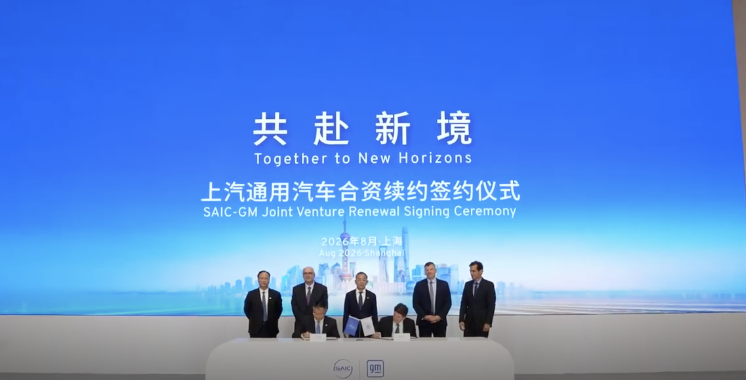
On August 5th, at the Shanghai World Lounge, as shareholders from both sides signed the documents, SAIC and General Motors extended their 29-year joint venture partnership by another two decades. They plan to roll out at least 30 new energy vehicles by 2030 and expect to launch an overseas "reverse export" initiative in October this year.
In an era where extending joint venture agreements is commonplace, and non-renewals make headlines, many have taken note of this joint venture brand, which has experienced the most turbulent renewal process: GAC Honda renewed its contract two years early; SAIC Volkswagen did so six years in advance; SAIC-GM's original contract was set to expire in June 2027, meaning the two sides only had a 10-month window for early renewal. The fact that they ultimately signed at the eleventh hour seems, to some extent, like a "last-minute" accomplishment under the pressure of a countdown...
From preliminary talks last year to the breakdown of negotiations this year, various signs indicate that the negotiation process between SAIC and General Motors was far from smooth in this, their longest joint venture agreement. Perhaps someone will inquire: Why was the renewal negotiation between SAIC and General Motors so arduous?
In previous renewals, discussions centered on production capacity and product introduction; however, for General Motors this time, the biggest hurdle was that the Chinese side sought to take the reins of product definition and development leadership, leaving General Motors with merely the power to "sign and confirm." From General Motors' perspective, there has never been a "renewal" in the history of Chinese joint ventures where the Chinese side "secured everything" and the foreign side "ceded power"!
Consequently, the renewal seemed more akin to a "handover ceremony" of management rights to General Motors, or even a "coup"—a voluntary surrender of control by the foreign side, retreating to become a "strategic investor"!
Thus, the toughest negotiation in history, coupled with the longest renewal term on record, made every detail of the renewal process starkly contrasting.
Editor | Li Jiaqi
Image Source | Internet
1. Why Did SAIC-GM Opt for a 20-Year Renewal?
As joint ventures in the Chinese market approach their 40th anniversary, many mainstream joint venture brands have faced renewal windows in recent years. If we consider the practices of SAIC Volkswagen and GAC Honda, the usual joint venture convention has mostly been a decade. However, this time—with SAIC-GM—the 20-year contract term, once finalized, directly set a new benchmark for the longest renewal term approved for a joint venture enterprise to date.
It's crucial to note that SAIC-GM's renewal negotiations unfolded against the backdrop of a domestic auto market transitioning entirely to inventory, General Motors' global contraction, and factory closures and layoffs. On the surface, General Motors and SAIC's willingness to sign this "maximum" long-term contract completely eliminated the "exit option" for both shareholders, making the renewal a commitment to "stay in China for the long haul" rather than a temporary measure. In reality, the fundamental factor driving both sides to lock in a 20-year term was essentially a shift in the distribution of benefits.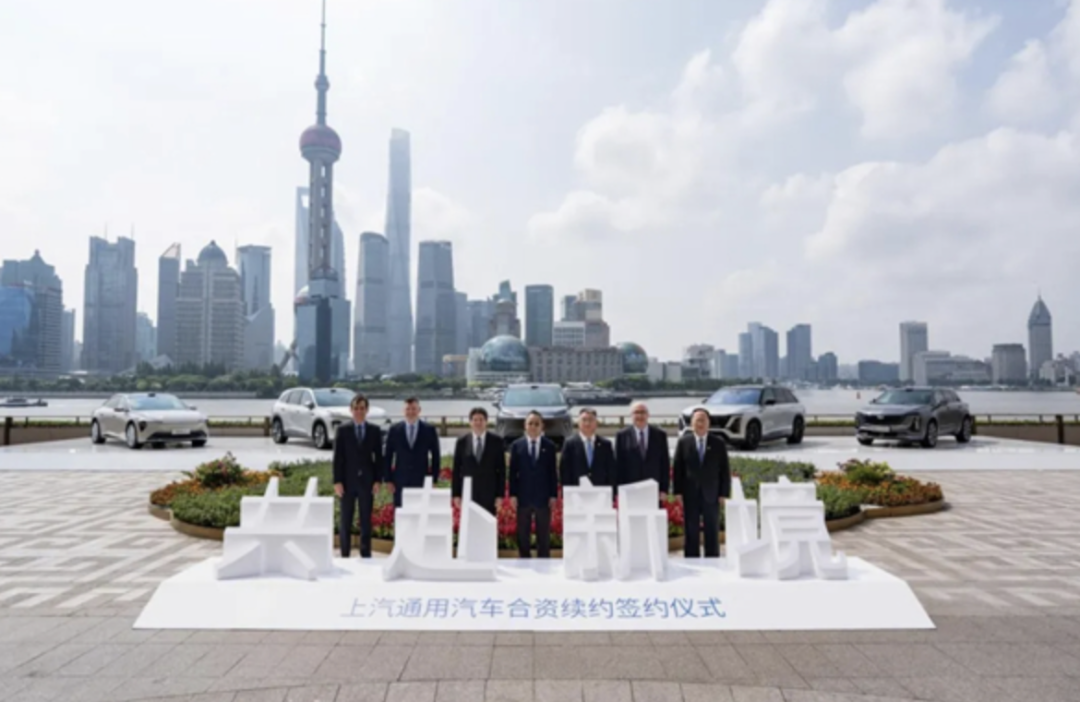
To comprehend the rationale behind the 20-year signing period, one must grasp the origins of SAIC-GM's "Xiaoyao Platform." According to public information, the development of the SAIC-GM Xiaoyao platform commenced around 2020, spanned five years, and was officially unveiled in April 2025. Viewed in the context of SAIC-GM's declining sales and profit pressures in 2023, the Xiaoyao platform emerged during SAIC-GM's most challenging period, representing, to some extent, the Chinese side's ace in the hole in response to market pressures.
As previously disclosed by SAIC-GM, the platform was developed under the leadership of SAIC-GM's Pan Asia Technical Automotive Center (PATAC), with a total investment surpassing 10 billion yuan. In principle, the platform's R&D costs were shared by SAIC and General Motors according to their equity stakes. Public information reveals that the technical route, product definition, and development leadership of the platform were largely controlled by SAIC-GM's Chinese team. Typically, the development cycle for a new platform is 5-7 years, encompassing around 5 years of development and 1-2 years of validation.
Usually, the eighth year involves the initiation and development of a second-generation platform. If the contract term adhered to the 10-year convention, it would mean that for SAIC, negotiations with General Motors would have to recommence in the eighth year, rendering all previous investments sunk costs, potentially becoming a boon for General Motors. If the term were extended to 10-20 years, buffer periods for domestic legal and regulatory approvals would constrain the freedom of cooperation between the two sides.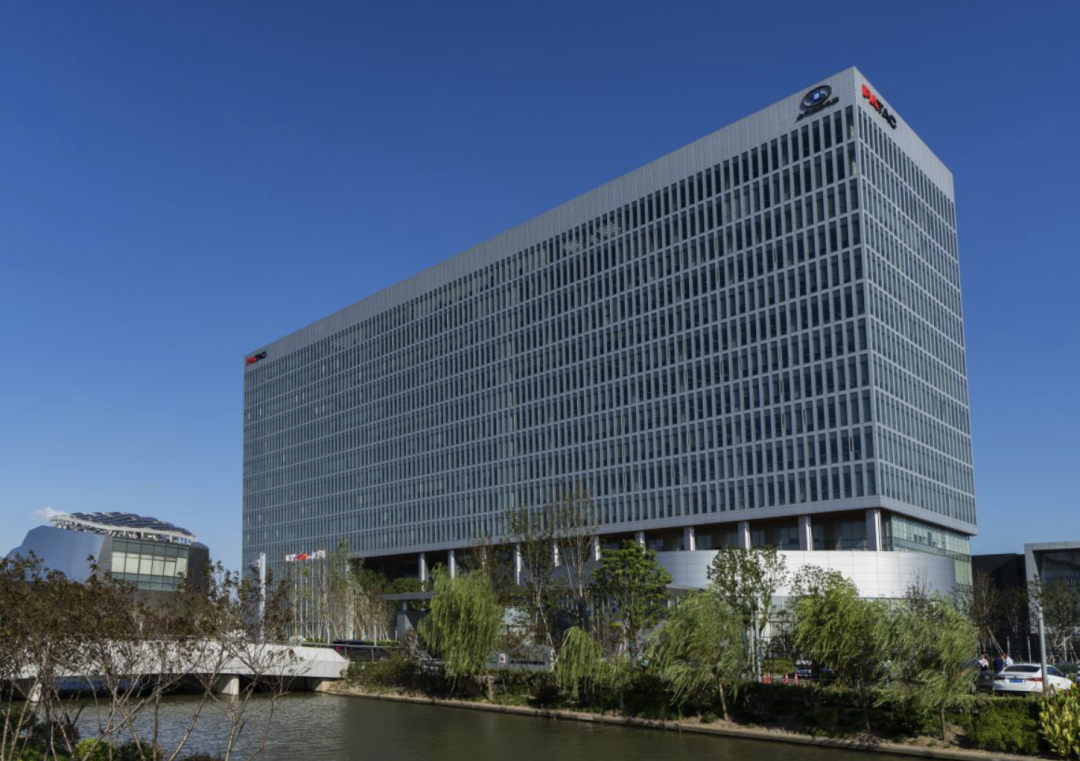
It's important to note that major contract changes involving Sino-foreign joint ventures in China require approval from multiple departments, including the Ministry of Commerce and the National Development and Reform Commission. If a two-year approval buffer period is deducted, the actual effective operating time left for both sides becomes exceedingly tight. During this period, the second-generation platform transition will have just concluded, and the critical generation of models that can truly validate China's reverse technological output remains to be seen.
Therefore, 20 years emerged as the only figure that could marginally align SAIC's product cycle, industry cycle, and regulatory approval cycle under triple constraints. For General Motors, once the joint venture renewal exceeds 20 years, or follows the 30-year agreement established when SAIC-GM was founded, it means General Motors' business in China would be fully integrated into the Chinese ecosystem, effectively relinquishing all rights to reselect technology. In terms of corporate governance, this would equate to a permanent transfer of power, leading capital markets to view General Motors as permanently entrusted in China. Wall Street would likely redefine General Motors from a global company to a North American regional company, with foreign media estimating that such a choice would cause General Motors' market value to evaporate by at least 30%. 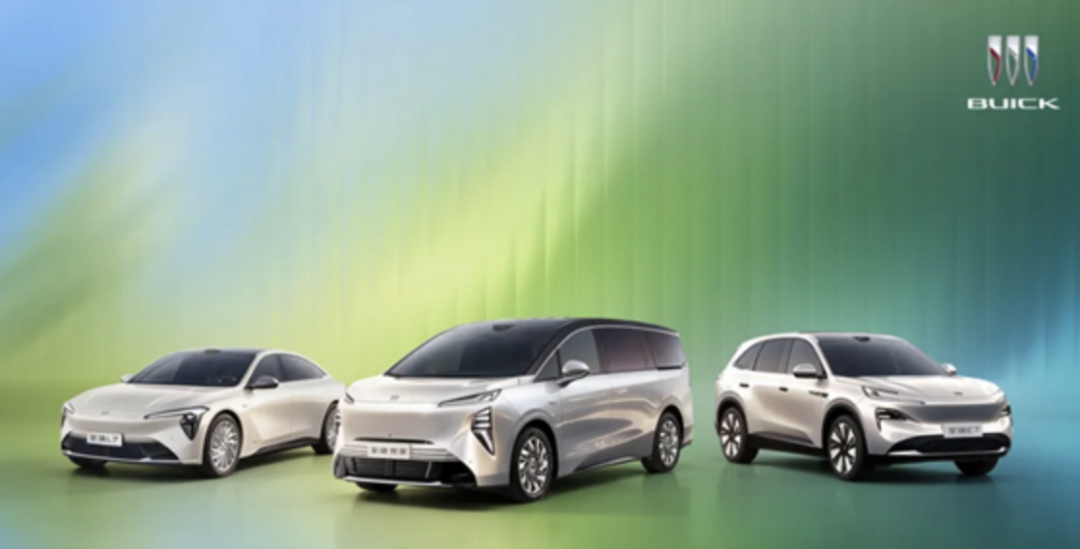
In comparison, 20 years is a relatively suitable period to satisfy a brand's complete cycle from rebranding to full localization.
However, considering General Motors' previous actions to accelerate the search for supply chain alternatives outside China for North American models by 2027, as part of a series of moves to actively mitigate "China risk," it's possible that General Motors' desire to exit China may be even more urgent than the 20-year timeframe suggests.
2. What Is the Relationship Between Xiaoyao and Ultium?
According to the renewal goals, both sides agreed to launch at least 30 new energy vehicles by 2030. This means SAIC-GM will need to roll out an average of more than six new energy vehicles per year, a development pace and intensity unprecedented among joint venture brands. As of the first half of this year, joint ventures in China have launched a total of only 54 new energy vehicles, meaning SAIC-GM will occupy a significant product proportion in the entire joint venture new energy market going forward.
The ability to launch products swiftly, as officially acknowledged during the signing, is inseparable from the empowerment of SAIC-GM's new Xiaoyao platform. However, according to previous Reuters reports, General Motors' next-generation Cadillac Optiq (Proud Song) formally abandoned the U.S.-developed Ultium platform in favor of the Chinese-developed Xiaoyao platform. This at least proves, from another perspective, that Xiaoyao has achieved full combat readiness within General Motors.
This raises another question: Why would SAIC still opt for a joint venture? After all, the main theme of joint ventures over the past 40 years has been "market for technology." Now that Chinese companies have grasped core technologies such as the Xiaoyao platform, 900V pure electric, plug-in hybrid, extended-range, localized intelligent driving, and cockpit systems, the value proposition of joint ventures seems to be increasingly diminishing.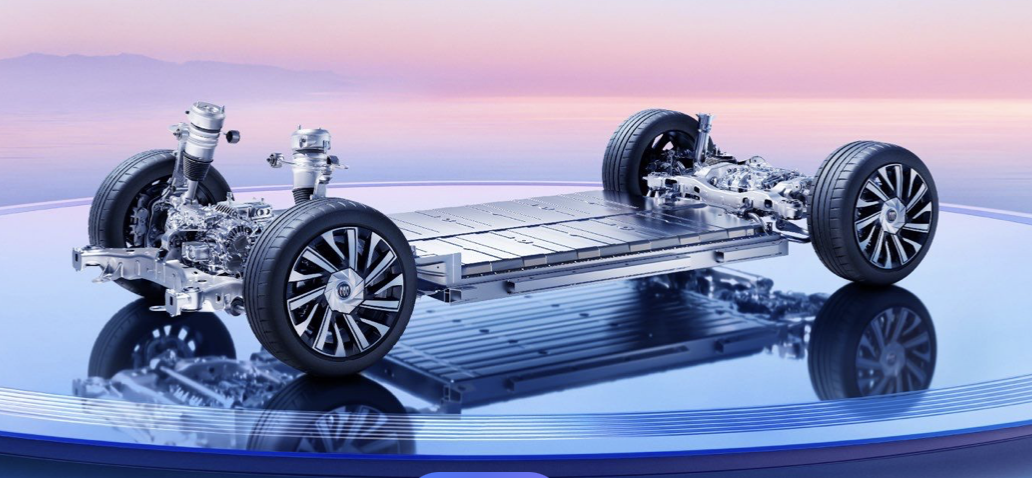
In February, Lu Xiao, then-general manager of SAIC-GM, provided a clear explanation during a media briefing on the Xiaoyao platform's upgrade: After the launch of the new-generation super-integrated vehicle architecture, the Ultium platform will upgrade from pure electric drive to Ultium 2.0 multi-drive platform, with Xiaoyao and Ultium maintaining compatibility in physical hardware layers (battery pack dimensions, electric drive interfaces, thermal management logic). In other words, the differences between Xiaoyao and Ultium primarily lie in upper-level control logic and vehicle definition.
If we align SAIC Group's technology roadmap, it becomes evident that SAIC currently possesses three major vehicle platforms and four key systems, collectively known as the "Seven Major Technology Foundations" internally. Among these, the whole-vehicle architectures closest to Xiaoyao's positioning include the Starcloud Platform, Everest Architecture, and Galaxy Architecture, focusing on pure electric, electrified hybrid, and electric hydrogen technology routes, respectively. This indicates that technologically, SAIC is fully capable of independently developing a technology platform separate from the Ultium platform.
Many still believe that SAIC-GM chose Ultium as the technological foundation for the Xiaoyao platform to preserve the luxury feel and joint venture quality. However, they overlook a fundamental reality: In automotive manufacturing, immense sunk costs often deprive a company of the right to reselect, and facts prove that Xiaoyao has shouldered Ultium's "silent shackles" since its inception. By 2024, SAIC-GM's cumulative investment in electrification had reached 70 billion yuan, with three Ultium mega-factories in Shanghai Jinqiao, Wuhan, and Yantai successively entering operation, achieving nearly 100% localization of key components, including battery cells. Almost all robots, molds, AGVs, and fixtures on the production lines were customized for Ultium's physical dimensions; Ultium's supply chain, with procurement contracts for battery cells, BMS chips, and high-voltage connectors signed for at least three years, combined with over 20 years of joint venture relations, means SAIC-GM's organizational structure, R&D processes, and quality standards are largely built around General Motors' system.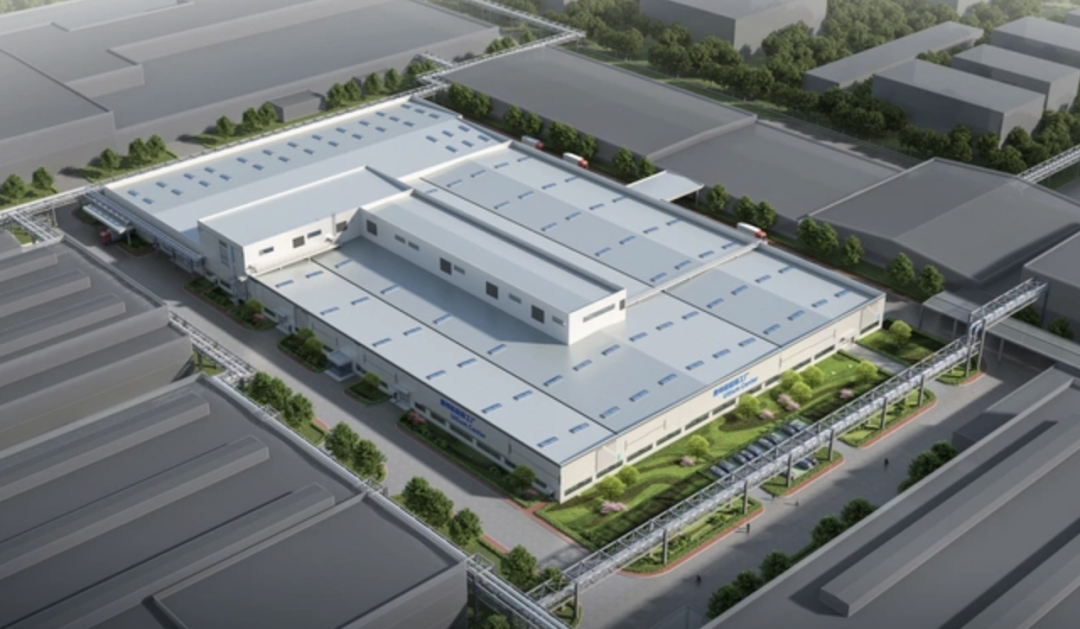
If SAIC were to independently build a platform or abandon Ultium, the retooling costs for the three factories alone would amount to tens of billions of yuan, with at least a two- to three-year product gap. By 2024, SAIC-GM's net assets had already reached -10.191 billion yuan, with a full-year loss of 26.688 billion yuan. Forget 2020; even now, SAIC-GM may not have the funds for such a massive transformation.
This is why there have been persistent reports that during the renewal negotiations, SAIC insisted on adjusting the joint venture equity from 50:50 to SAIC holding 51% and General Motors 49%; demanded that all domestic user data, vehicle intelligence data, and software service revenues belong to the Chinese side, prohibiting General Motors from cross-border access; and required General Motors to open the underlying technology of the Ultium platform, including the electronic electrical architecture, BMS battery algorithms, high-voltage system source code, and allow PATAC to independently optimize and iterate.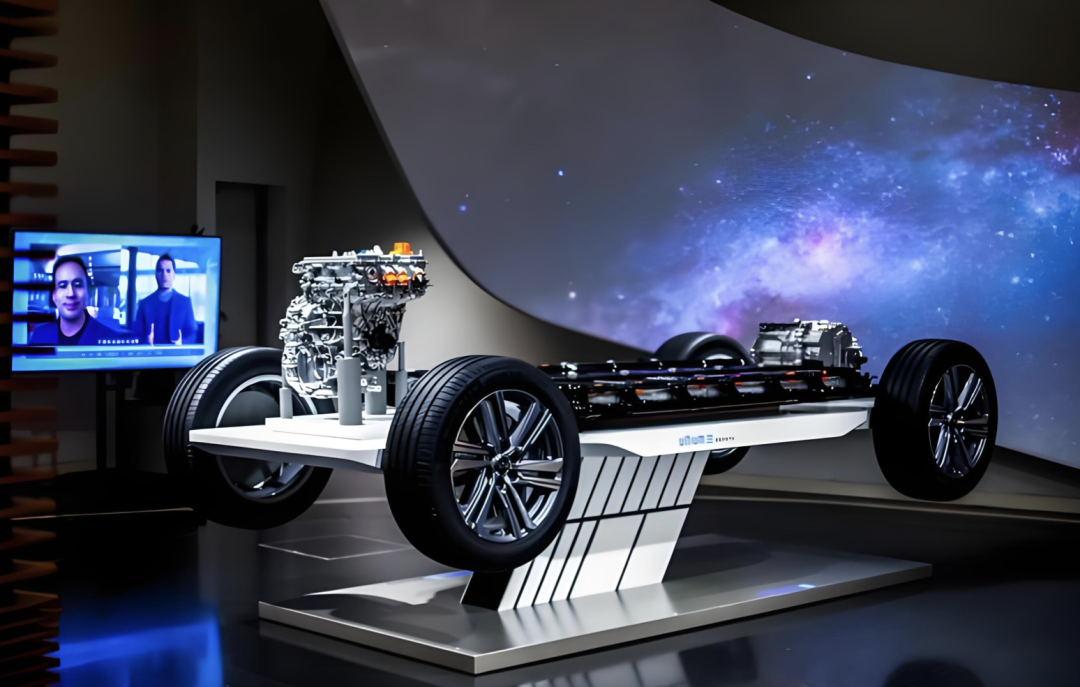
Although none of these demands were explicitly stated in the latest renewal agreement released by SAIC-GM, whether they were "negotiated away" or "left unsaid" remains unclear. However, one thing is certain: If significant disagreements remain, inevitable frictions will arise over technical and data usage boundaries even after the renewal. Thus, this 20-year agreement, reluctantly signed by both sides, is less about "both sides being confident in the Chinese market" and more about two parties bound by sunk costs and practical interests choosing to defer conflicts for 20 years.
As a result, the reality of this protracted joint venture game theory between SAIC and General Motors is: Neither side won, neither side lost, but neither side is entirely comfortable.
3. A Game Neither Lost Nor Truly Won
This is not conspiracy theory. If you carefully analyze the details of this 20-year ultra-long renewal agreement, you'll find: SAIC's leverage lies in its local capabilities and supply chain cost advantages in the Chinese market; General Motors' leverage lies in brand licensing, global channels, and export markets... If one only looks at the signals released during the signing ceremony, many might think this is a new joint venture story where "the Chinese side wins big." However, reality is often more complex and nuanced than stories.
Currently, SAIC-GM seems to have shifted its development logic from "global localization" to "China globalization." Initially, SAIC introduced General Motors to sell cars in China; now, leveraging General Motors to go global, SAIC aims to sell Chinese-developed, Chinese-manufactured vehicles worldwide. After all, behind the entire renewal negotiation, this represents the most imaginative change in scope!
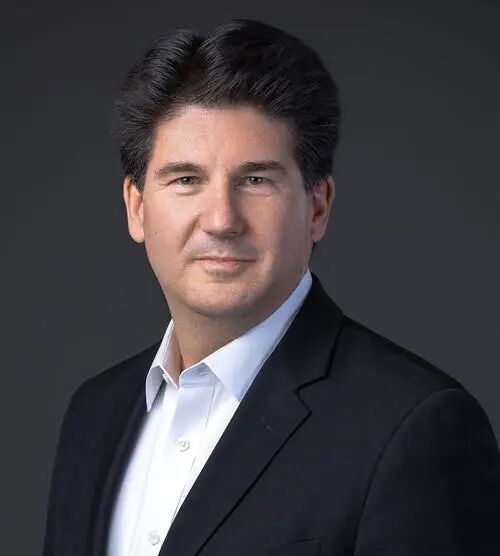
However, if you believe that this prolonged "joint venture awkwardness" will come to a temporary halt with this signing, you're being overly optimistic about the intricacies of game theory (strategic interactions). As Julian Blissett, Global Senior Vice President of General Motors, explicitly stated at the signing ceremony: SAIC-GM will "back the local team in leading the R&D of new models, new energy, and intelligent technologies." Yet, few are certain whether Blissett's reference to "Chinese-led" pertains to a qualitative or quantitative aspect. Perhaps no one can precisely define a clear quantitative benchmark.
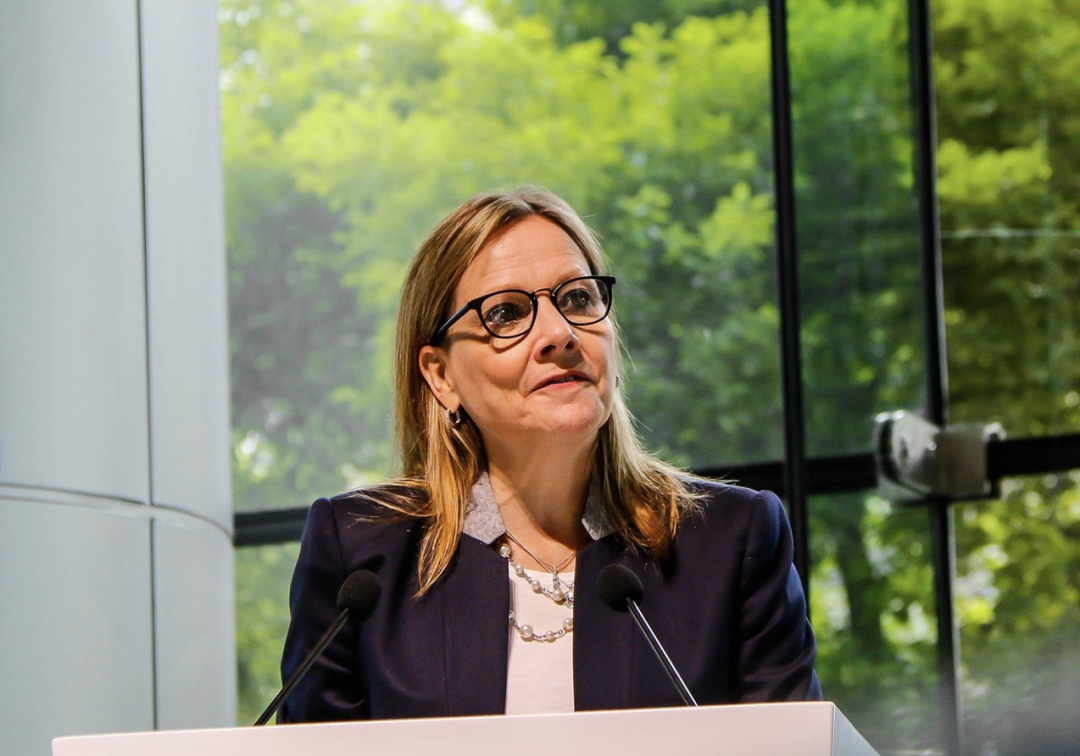
Another instance is the statements made by both shareholders during the signing ceremony. Wang Xiaoqiu, Chairman of SAIC Group, remarked, "Let more high-quality intelligent electric products embark from Shanghai to the global market." Meanwhile, Mary Barra, CEO of General Motors, highlighted in her "congratulatory video" that the renewal reflects their "commitment to Chinese users" and will persist in implementing the "In China, For China" strategy.
It's evident that one emphasized "In China," while the other stressed "Going Global." These subtle differences in wording reveal a nuanced cognitive gap that persists even after the renewal, concerning the future orientation of the joint venture entity. Clearly, General Motors prioritizes its sales volume in the Chinese market, whereas SAIC is concerned with whether its R&D achievements can be reverse-exported on a global scale.
But at least for now, the open-ended challenge that GM has posed to SAIC-GM is indeed a formidable one to tackle! The most intricate part is that while GM is fervently "de-Sinicizing" in North America, it is relying on local supply chains to manufacture cars in China, with SAIC-GM desperately "Sinicizing." As GM progresses further down this path of dual technical standards, the issue of supply chain fragmentation for SAIC-GM will only intensify. An auto analyst who has long monitored joint ventures commented, "This mechanism is destined to leave the main enterprise in a quandary as exports rise."
From another vantage point, let's examine the mutual value generated among different joint ventures in the post-joint venture era: With Volkswagen, China has secured tangible investments and access to global R&D resources from German automakers; with Toyota, China has gained leeway for global product definition; with BMW and Mercedes-Benz, China has at least secured premium brand value and a steady influx of cutting-edge technical standards; even with Ford, both Jiangling and Changan have acquired the technical foundations for commercial vehicles and off-road vehicles.
But what about SAIC-GM?
What seems to be a 28-year foundation of joint R&D is, in essence, a 50-50 joint venture entity between SAIC and GM. Even the intellectual property rights of the Xanadu platform remain unresolved—will they be divided 50-50 between SAIC and GM, or will they be solely owned by SAIC, which spearheaded the development? With such a fundamental question of whether it leans more towards Chinese or American interests still unresolved, debates over whether it will involve "Chinese technology feeding back into the global market" or remain a "one-way technical cooperation output" are destined to become even more convoluted...
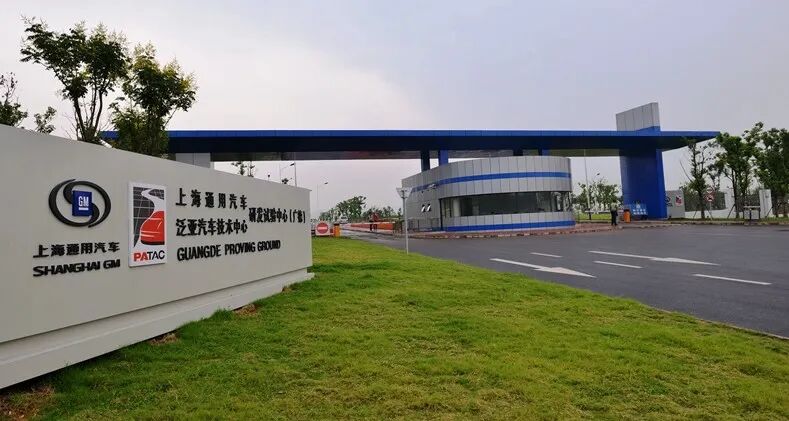
To be candid, the pressure SAIC-GM is under today is understandable. After all, its domestic joint venture market share has dwindled to a mere 28.2%. With the ongoing price war and the rapid erosion of brand loyalty for Buick, there's little profit margin left for the joint venture to offer SAIC. Keeping factories operational and maintaining production capacity has become the top priority.
The issue, however, lies in the fact that, unlike other foreign entities, GM has progressively less to "bring in" to China. If SAIC-GM's previously anticipated plan to introduce the technical source code of the Ultium platform ultimately falls through, China's joint venture history may well witness its first case of an "isolated joint venture" with "no inflow of technology and no outlet for brand expansion." As for whether SAIC-GM can replace GM's portion with its own brands and channels within 20 years, it will require not just astute minds but also visionaries to make it a reality.
Otherwise, this renewal agreement will most likely transform into a 20-year "reprieve" and an isolated joint venture case that is neither a failure nor a success.
End
With flair and insight, "Whoosh"~ off we go...
-
![]()
Google No Longer Lets Top Scientists 'Call the Shots'
-
![]()
Ctrip Loosens Its Grip on Hotels, While Fliggy Remains Trapped Within Taobao
-
![]()
Four Visits to Lu Fang: The Vision of VOYAH in My Heart | Insight
-
![]()
Hot Stocks to Track | SpaceX: Releases First Quarterly Report After Listing, Revenues Soar by 92%, Capital Expenditure Reaches $18.4 Billion, Trillion-Dollar Target Advanced to 2030
-
![]()
Hot Stocks to Monitor | SpaceX: Releases Inaugural Quarterly Report Post-IPO, Revenue Soars 92%, Capital Expenditure Reaches $18.4 Billion, Trillion-Dollar Revenue Goal Moved Up to 2030
-
![]()
Porsche China Shifts Focus Amid Sales Struggles
-
![]()
Without a Web Celebrity CEO, It Still Achieved Over 100,000 Monthly Sales in Its Debut Month! Who Is Zero Run Motor Proving Wrong?
-
![]()
A New 20-Year Deal! SAIC and GM Renew Their 'Joint Venture': Are They Competitors or Allies?