Samsung Galaxy Z Fold 8 Review: Ultra-Slim Dual Design Shines, but Telephoto Absence is a Bummer
 08/15 2026
 338
338
In February 2019, Samsung unveiled the Galaxy Fold, its first foldable smartphone. Although it wasn't the inaugural foldable phone on the market, Samsung has unquestionably dominated the global foldable smartphone sector for a considerable time.
However, the past two years have seen foldable smartphone development outpace Samsung's initial trajectory. Domestic large foldables have become thinner, boasted larger batteries, and featured less pronounced creases. Even the form factors of the inner and outer screens have evolved.
So, can the 2026-released Galaxy Z Fold 8 restore Samsung's 'leadership' in foldable smartphones? Leitech (ID: leitech) has had early access to this new device for several days, and here's our evaluation.
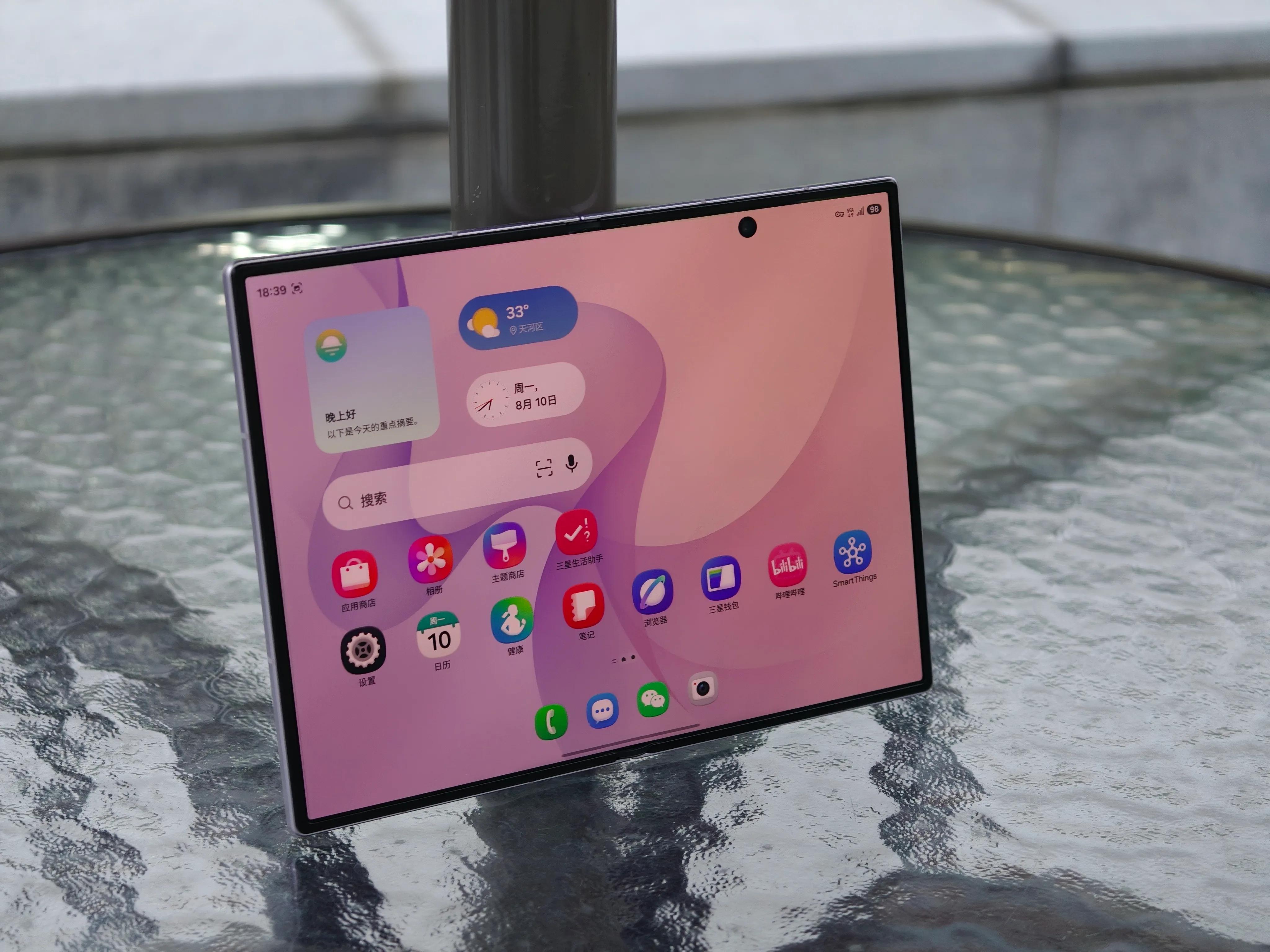
Image Source: Leitech
Design and Craftsmanship: Still Among the Best
While many foldable smartphones have embraced the 'lightweight' trend in recent years, few have achieved the ultimate lightweight design of the Galaxy Z Fold 8, according to Leitech's experience.
Typically, lightweight foldables use curved edges to minimize contact between the frame and fingers, creating a thinner grip. However, the Fold 8 bucks this trend: its 4.5mm thickness is presented in a 'right-angled straight-edge' form, and at 201g, it's even lighter than the Nothing Phone 4(a) I'm currently using.
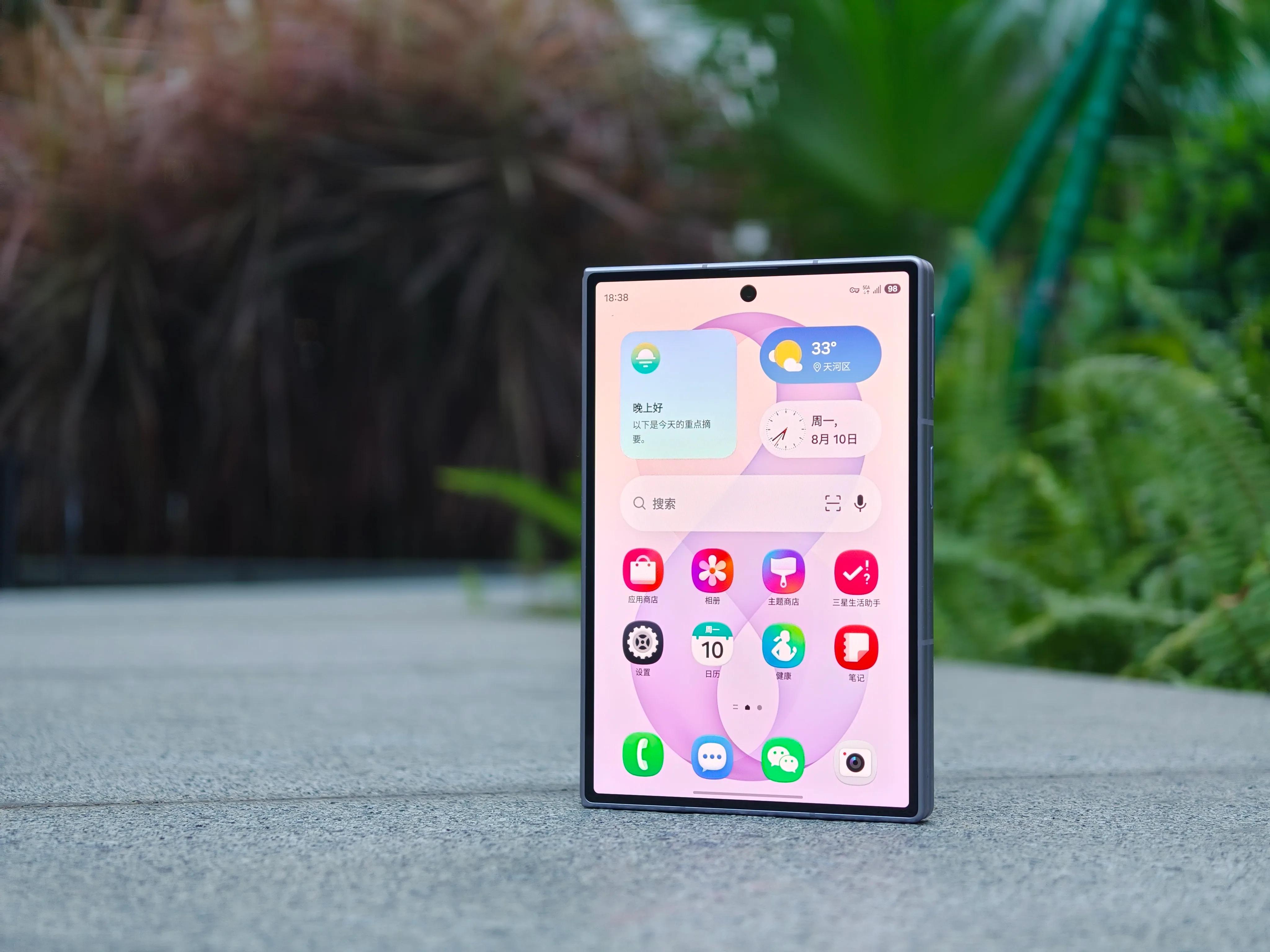
Image Source: Leitech
I handed the Fold 8 to several colleagues for evaluation, and the consensus was that this foldable smartphone feels 'unbelievably lightweight.' The last time a phone's lightweight nature was described as 'unrealistic' was likely in reference to the iPhone Air. From the Fold 8, it's evident that Samsung still excels in smartphone design and craftsmanship.
Another testament to Samsung's expertise in foldable screens is the screen crease on the Fold 8. Frankly, the crease area isn't narrow, and it's quite noticeable under direct light. However, among the many foldable smartphones Leitech has tested, Samsung's handling of the indentation has consistently been among the smoothest, and the Fold 8 is no exception.
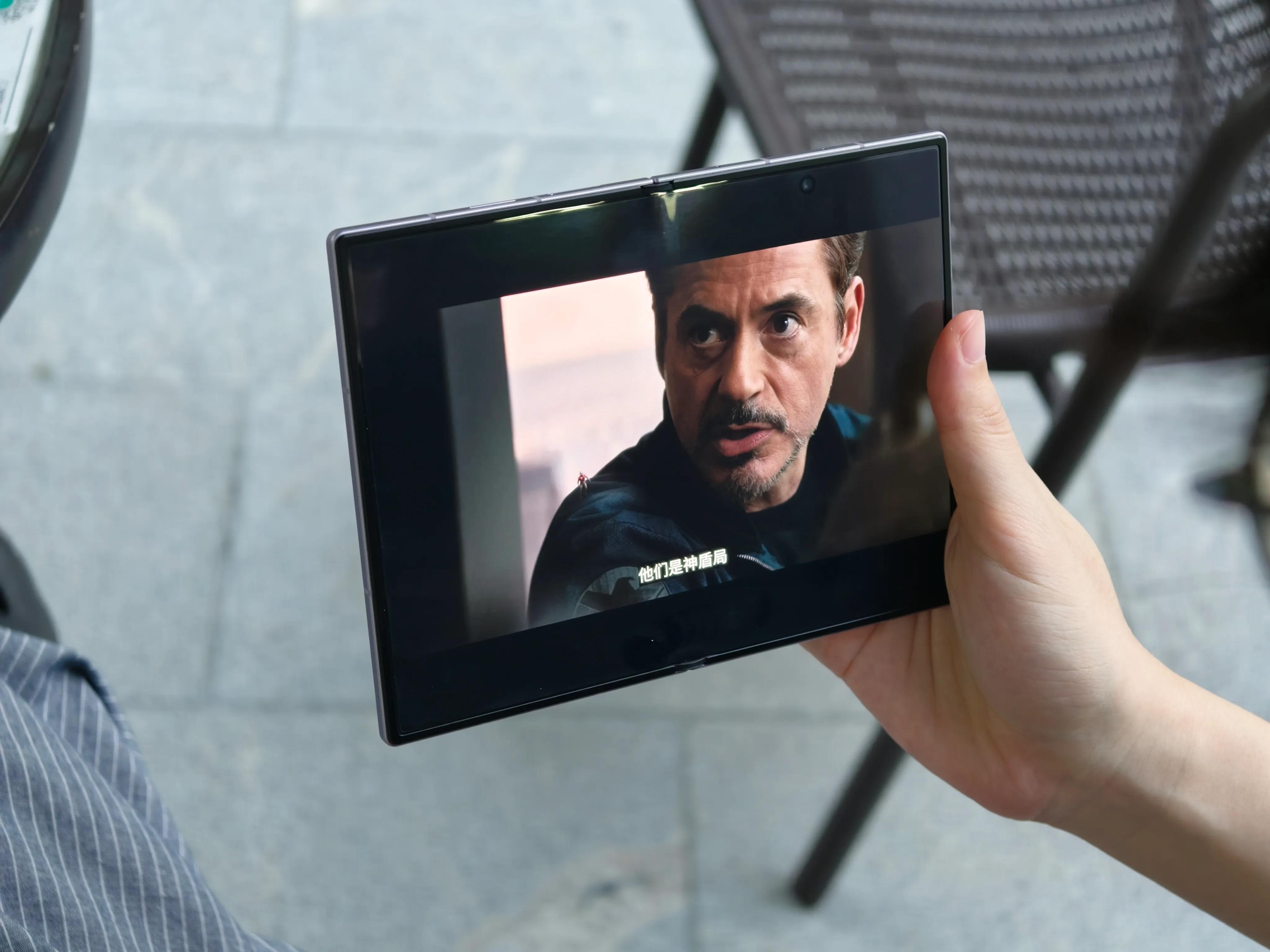
Image Source: Leitech
In simpler terms, the Fold 8 increases the width of the crease area appropriately, significantly reducing the degree of concavity in the crease region, and allowing the indentation to transition as smoothly as possible with the non-creased area. The result is direct: when fingers glide over the crease area, the feel remains consistent, and the screen crease area doesn't exhibit a 'collapsed' feel when pressed.
Within the foldable smartphone category, the Fold 8's crease handling is already top-notch; considering its mere 4.5mm thickness, I can only say that Samsung's prowess in device design and craftsmanship is truly remarkable.
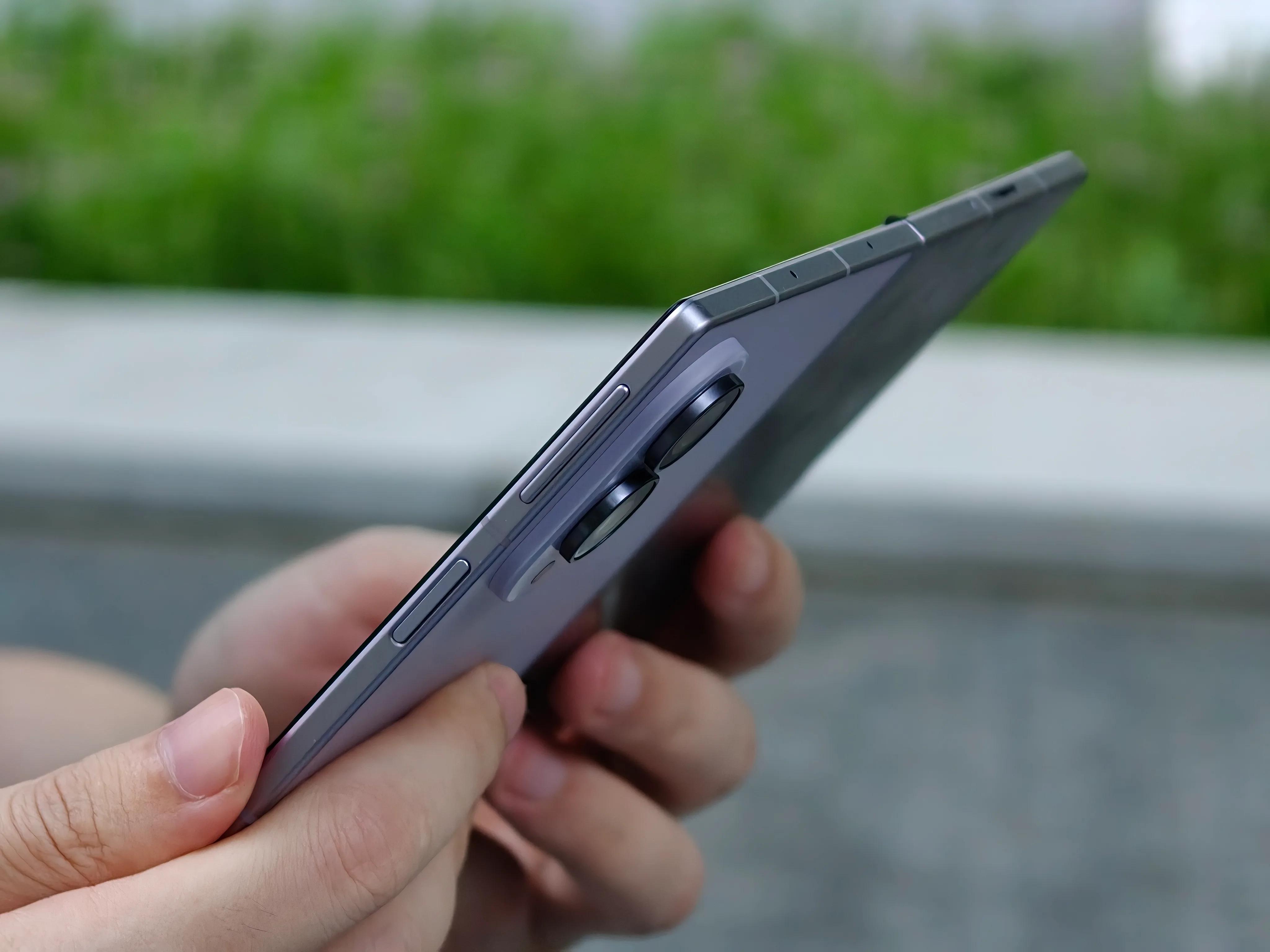
Image Source: Leitech
Key Specifications
Since the previous press release has already provided detailed information, we'll only discuss the key configurations of the Galaxy Z Fold 8 here:
The phone is powered by the Qualcomm Snapdragon 8 Supreme Gen 5 processor. This Leitech unit is the 12GB+256GB version (priced at 12,899 yuan); it features two 50MP rear cameras, a wide-angle and an ultra-wide-angle, paired with a 4800mAh battery. Notably, the Galaxy Z Fold 8 supports 33W wired fast charging and 27W wireless fast charging, and the Chinese version offers a single Nano-SIM + eSIM combination.
Outer Screen for Quick Tasks, Inner Screen for Immersive Experiences
The most significant difference between the Galaxy Z Fold 8 and previous Galaxy foldable smartphones lies in its unique screen ratio.
While the 5.5-inch outer screen isn't large, under the same diagonal length, the 10:16 outer screen of the Galaxy Z Fold 8 offers a larger display area and wider horizontal space compared to traditional 'full-screen' designs. The larger display area makes reading long texts more comfortable, while the wider horizontal space provides a better outer screen input experience.
Based on my several days of experience with the Galaxy Z Fold 8, I no longer encounter the previous issue of my thumbs clashing when typing on the outer screen.
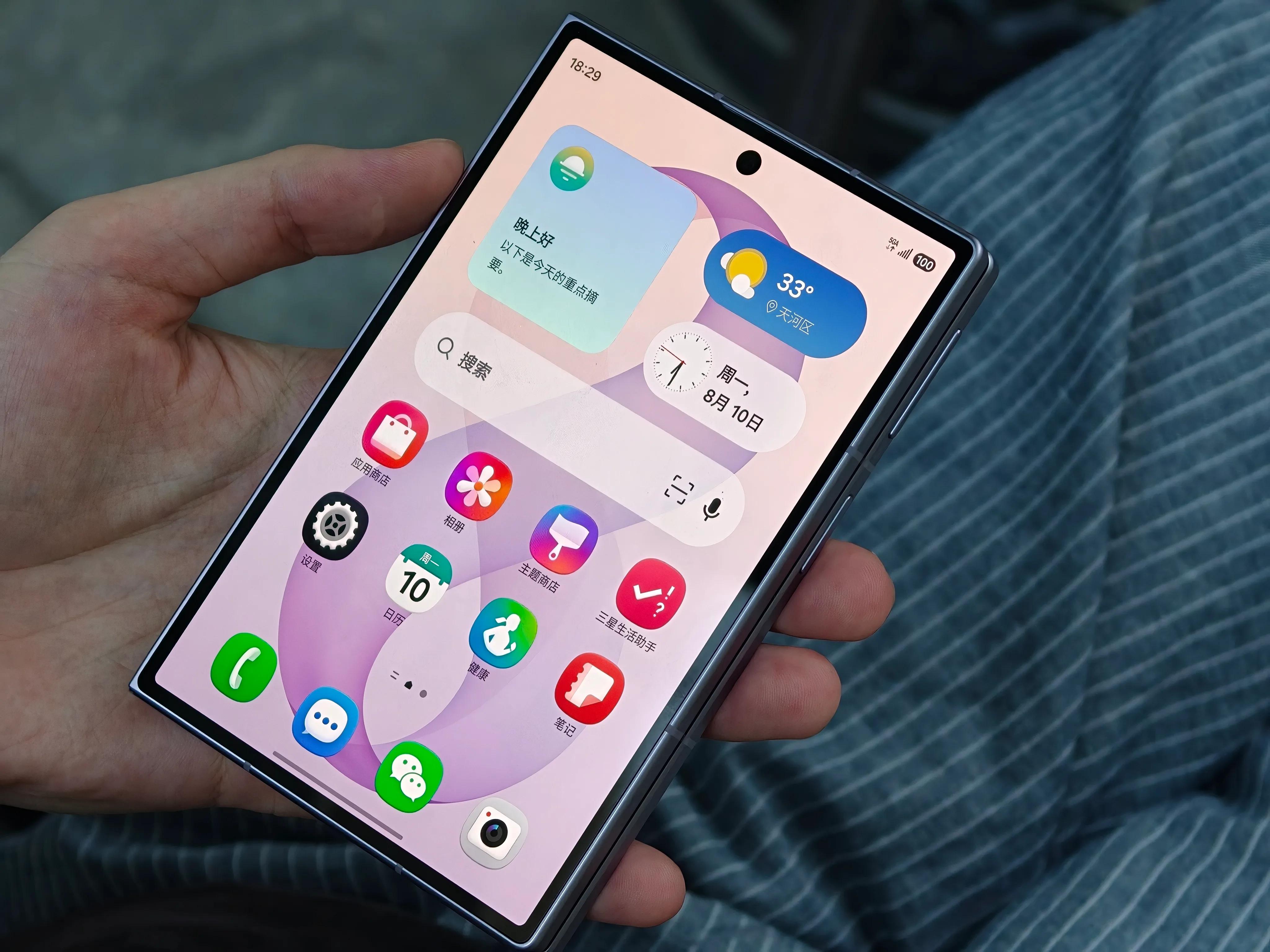
Image Source: Leitech
In my opinion, tasks suitable for the outer screen are quite clear: checking notifications, replying to messages, changing songs, navigating, and scanning codes. These operations take only a few minutes and don't necessitate unfolding the phone each time.
As for the inner screen, the Galaxy Z Fold 8 features a 7.6-inch, 4:3 ratio screen that unfolds like an open book. When browsing web pages, there isn't much empty space on the sides; when held horizontally, common vertical apps can be displayed at a more comfortable width.
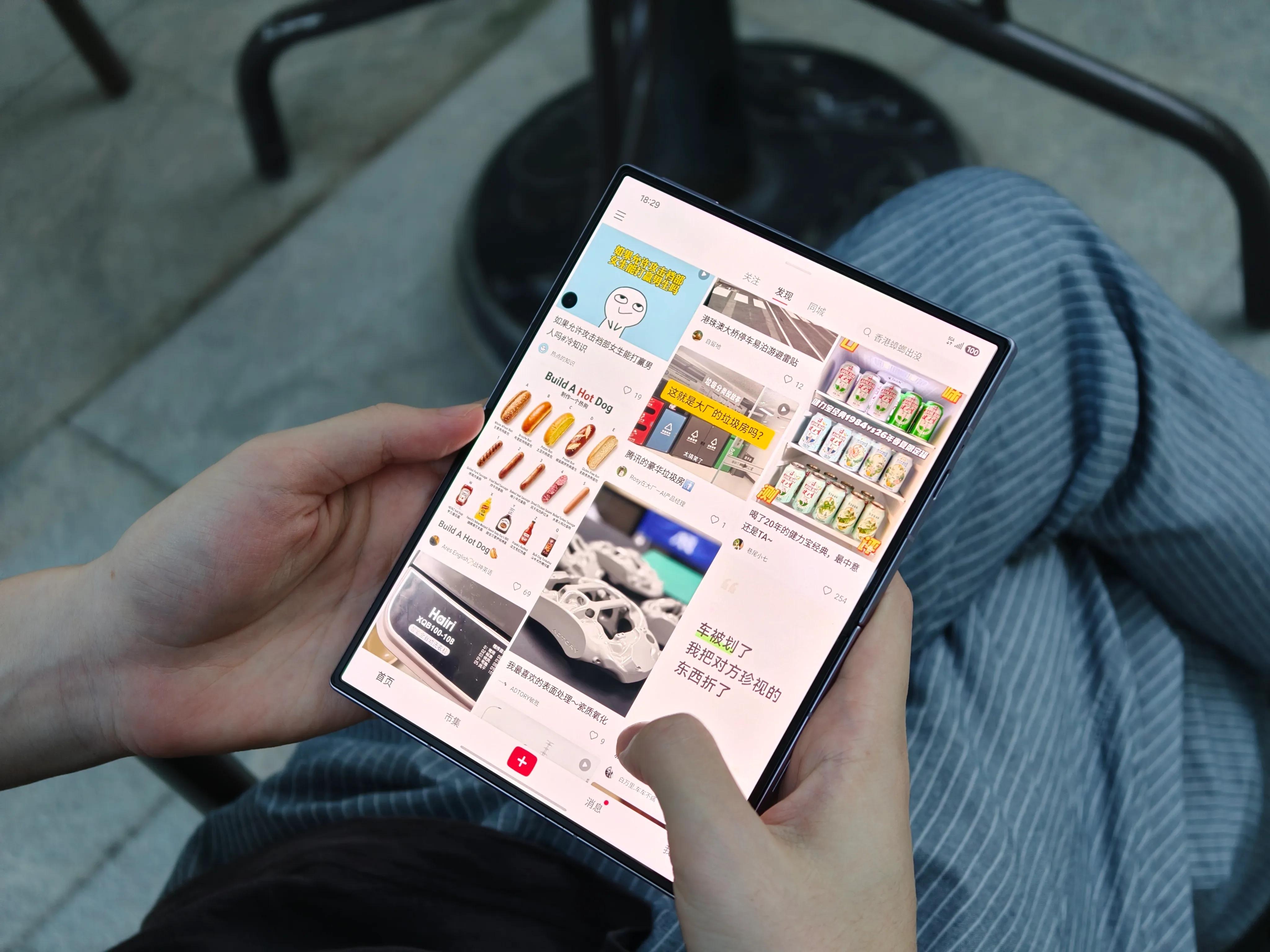
Image Source: Leitech
When playing 16:9 widescreen videos, there are indeed black bars above and below the screen on the Galaxy Z Fold 8; however, compared to full-screen phones, the actual picture size isn't small. For older movies, 4:3 aspect ratio old animations, or IMAX Enhanced format videos, this 4:3 screen can fully utilize the vertical display space, with the picture almost filling the entire inner screen, providing an especially comfortable viewing experience.
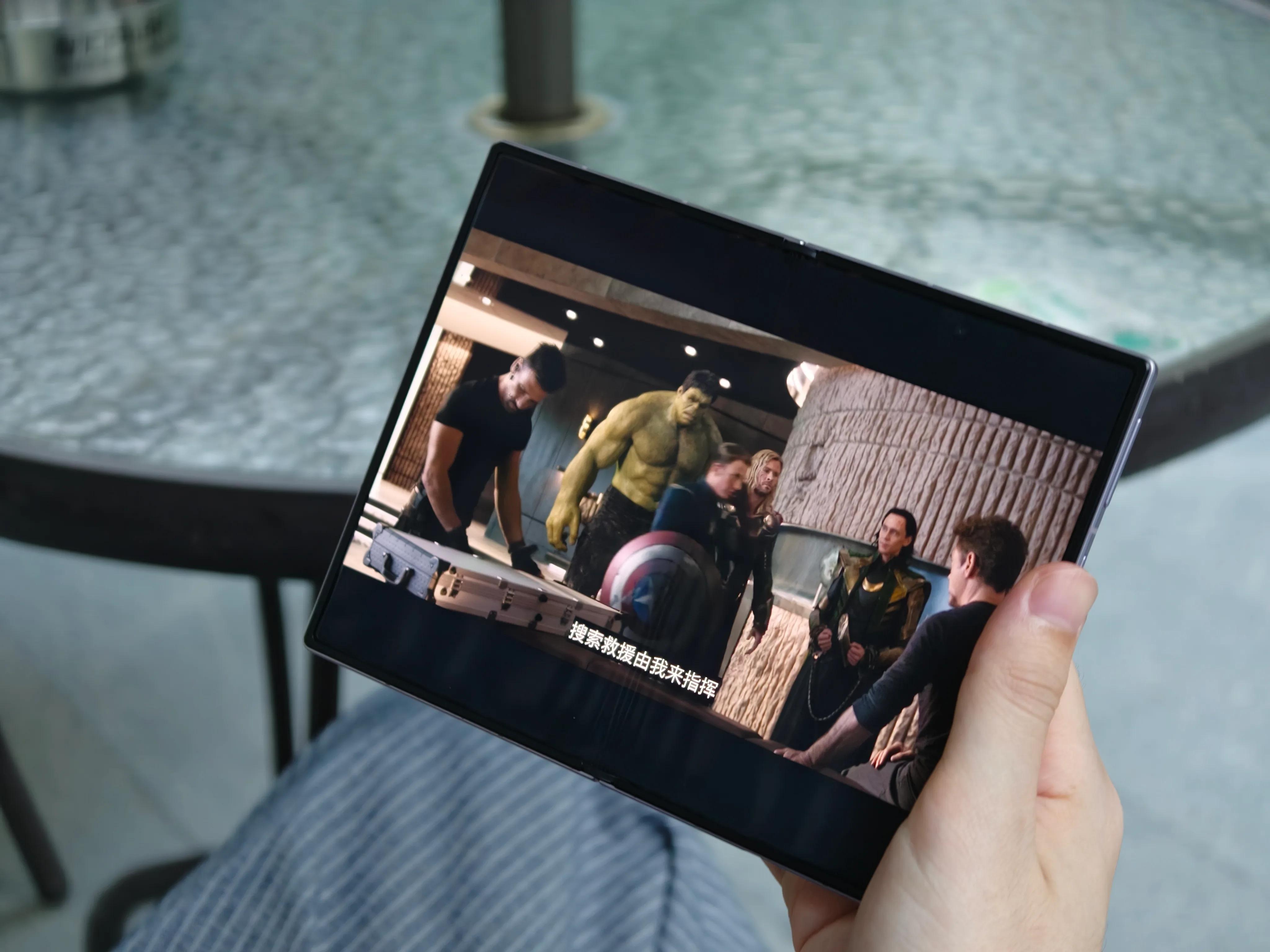
Image Source: Leitech
Of course, this new ratio may require some time for third-party apps to adapt. Based on my two-week experience, some apps on the Galaxy Z Fold 8 still force portrait or landscape orientation. However, commonly used apps like WeChat, Weibo, Xiaohongshu, and even Duolingo actively adapt to the two different screen ratios on the Galaxy Z Fold 8, with some apps even switching to 'tablet mode' when running on the inner screen, providing a quite satisfactory experience.
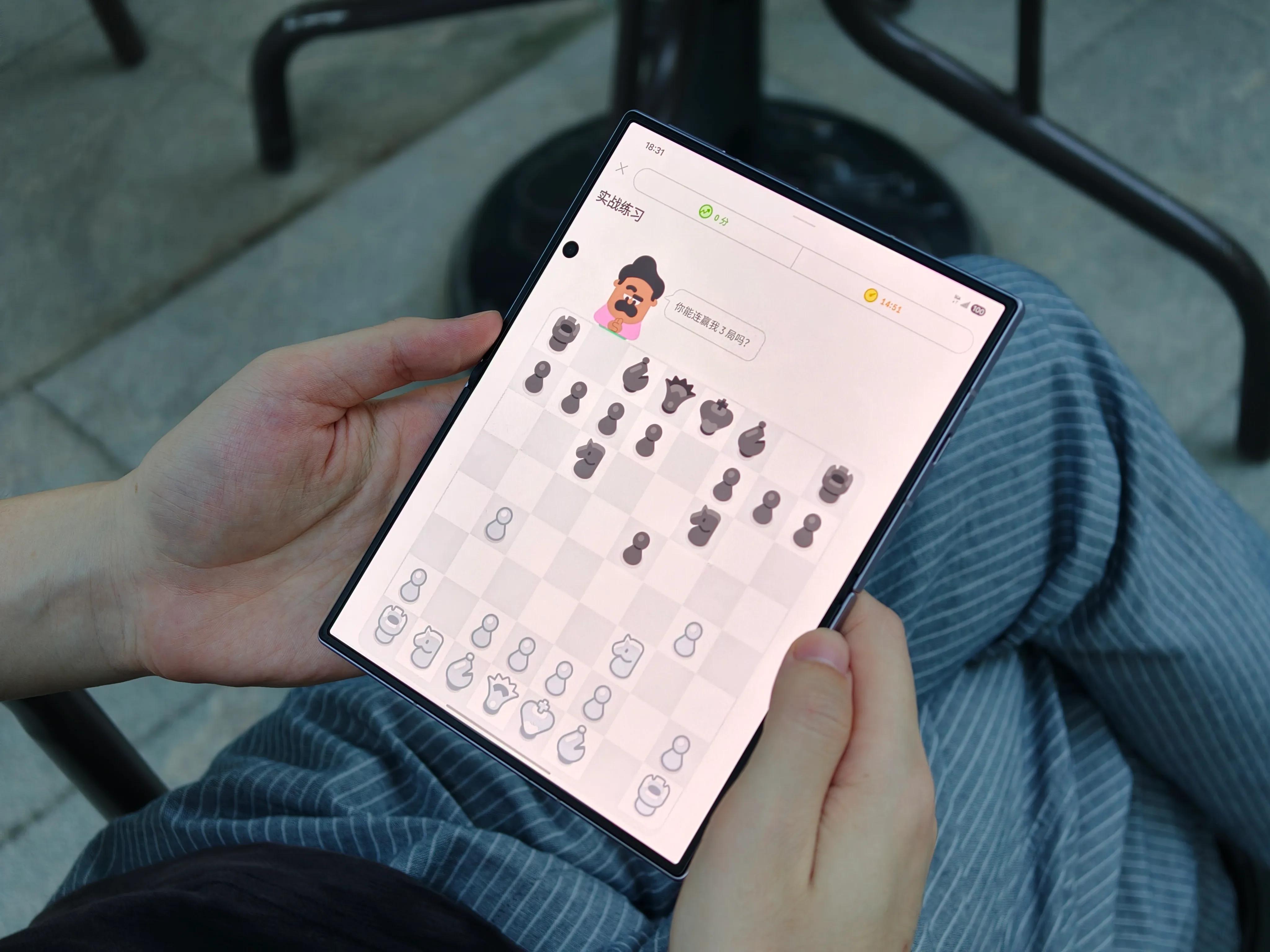
Image Source: Leitech
If I have to find an issue, Leitech believes that the camera position on the inner screen of the Galaxy Z Fold 8 is slightly awkward. Compared to cameras placed in the corners of the inner screen, Samsung's central punch-hole on one side of the screen doesn't affect video playback but falls precisely within my visual attention area when reading vertically, giving a sensation akin to a 'screen leak.'
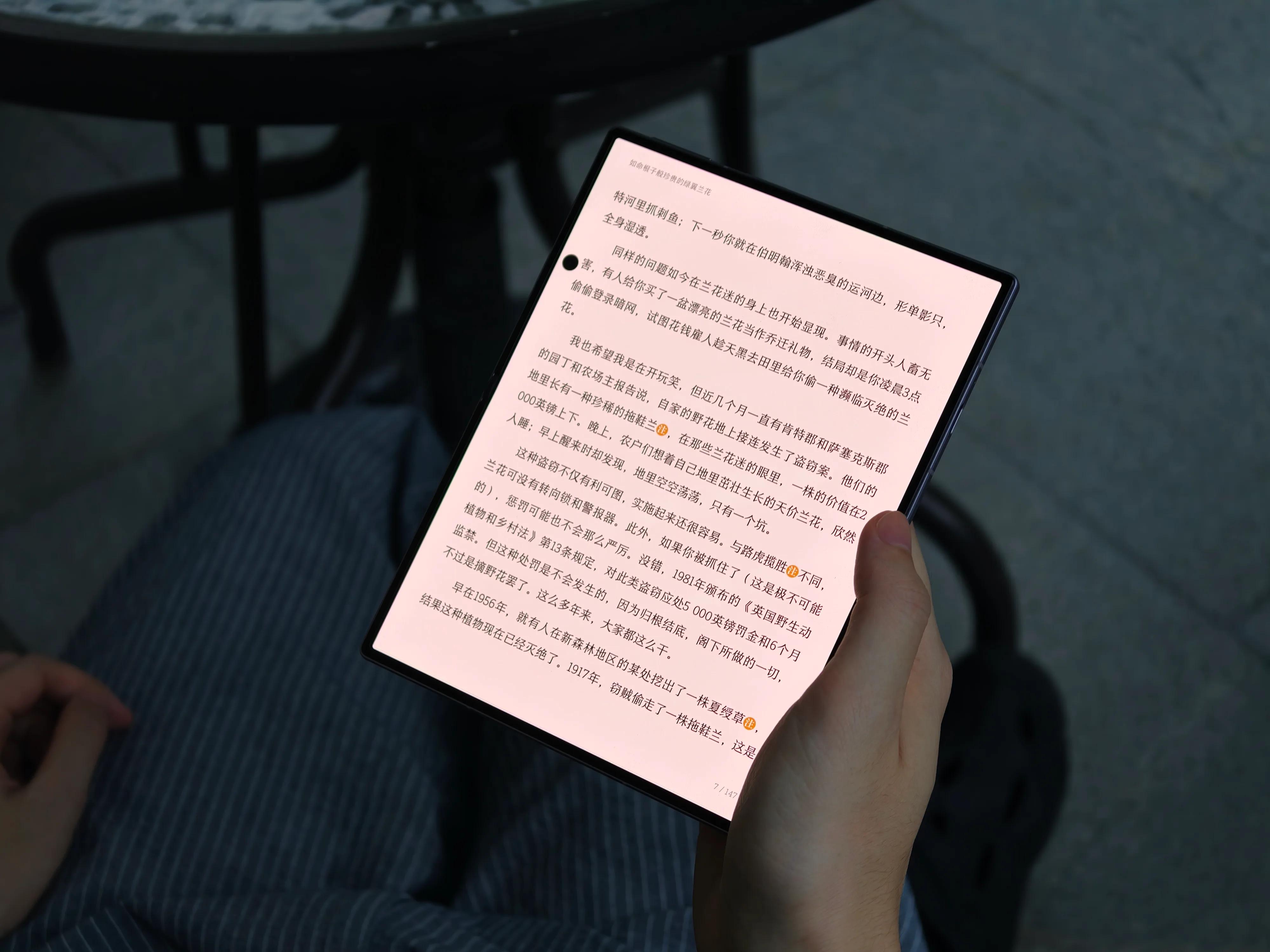
Image Source: Leitech
After attempting unsuccessfully to 'reconcile' with this inner screen camera, I decided to switch the background of WeChat Reading to dark mode to avoid seeing it.
Impressive Imaging, but Telephoto Absence is a Major Drawback
To achieve a smaller and thinner body, the Fold 8's cameras have also undergone compromises. The Galaxy Z Fold 8 is equipped with a 50MP main camera and a 50MP ultra-wide-angle camera but lacks a dedicated telephoto lens.
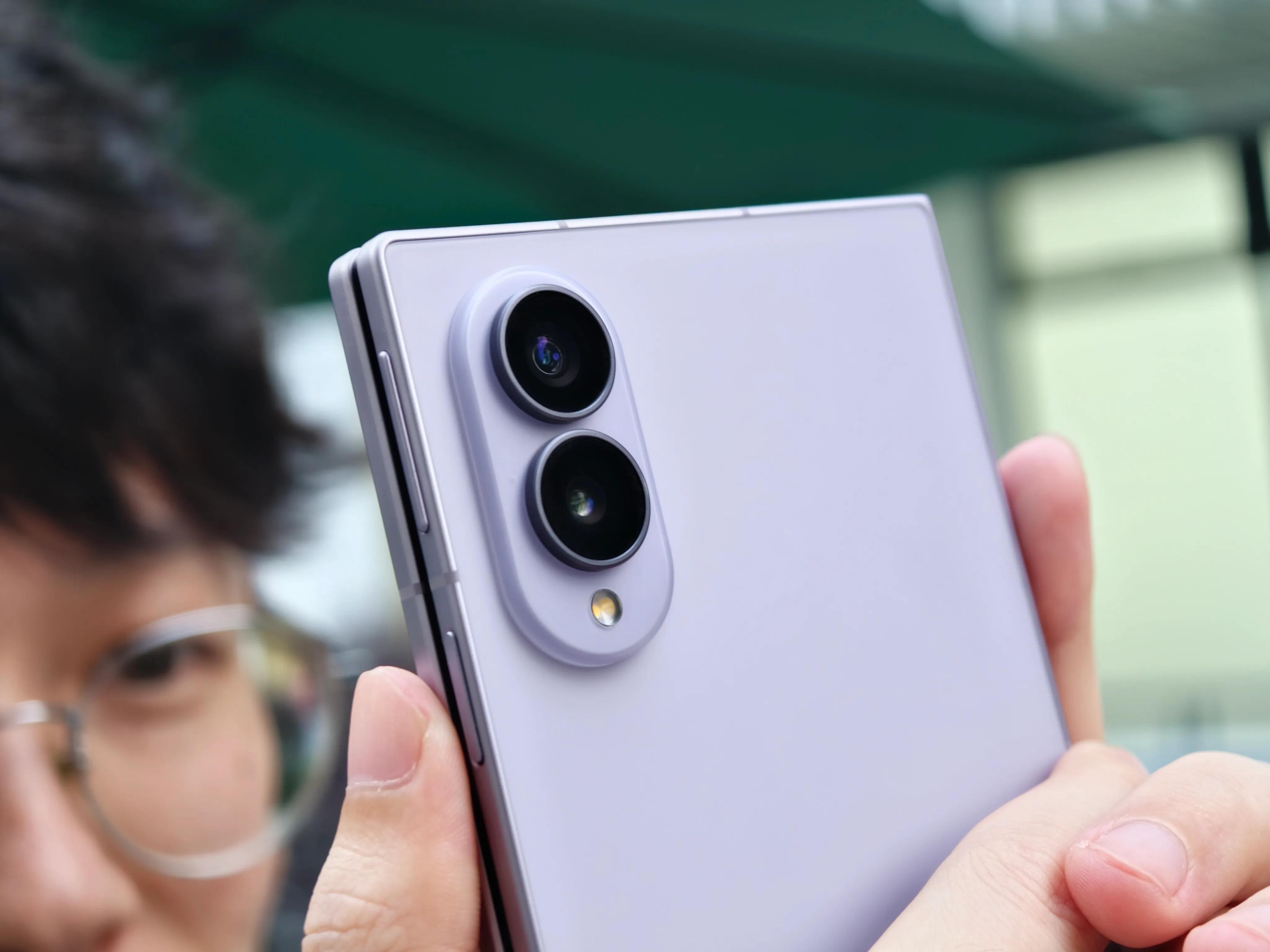
Image Source: Leitech
Fortunately, the basic performance of both cameras is relatively stable. During the day, casual shots with the main camera offer sufficient resolution and color for daily recording. For architecture, group photos, and indoor spaces, the ultra-wide-angle camera comes in handy.
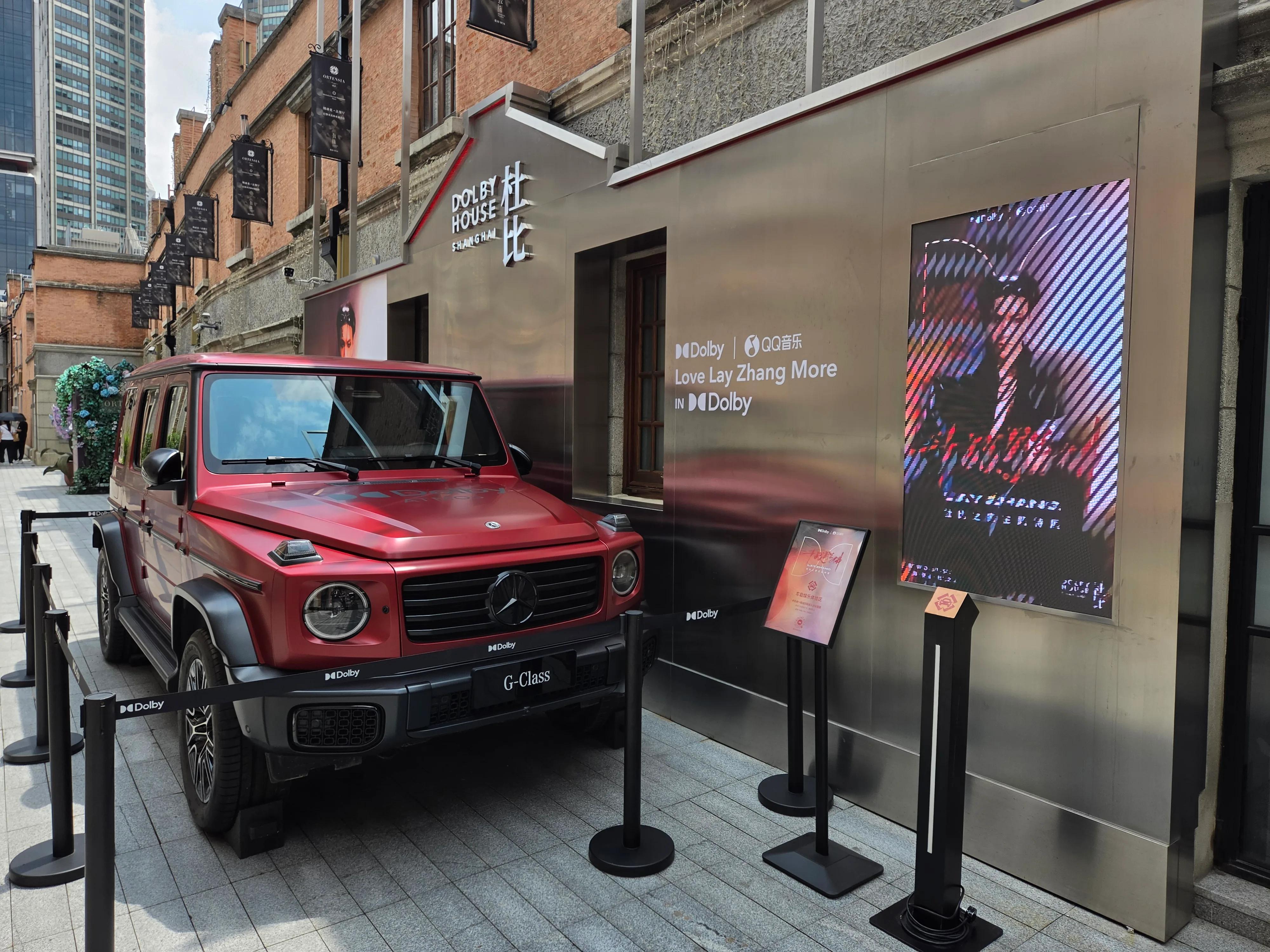

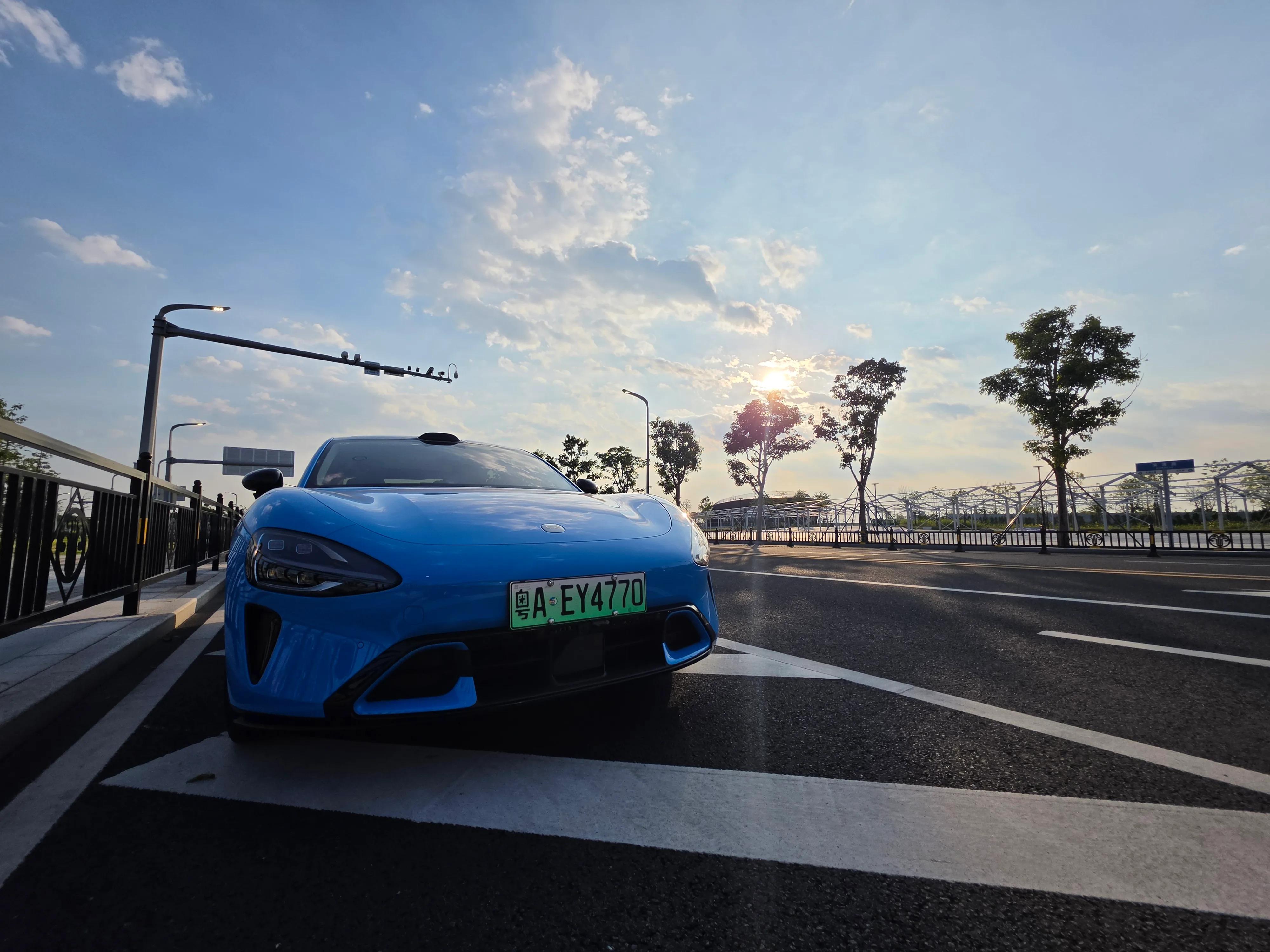
Image Source: Leitech
Like other foldable smartphones, the outer screen of the Galaxy Z Fold 8 adds a unique foldable-specific feature to photography: when the phone is unfolded, the outer screen can be used to preview the framing, eliminating the need for repeated reminders from the photographer when taking group photos and ensuring satisfaction with the results when photographing a girlfriend.
However, what I desire most is a telephoto lens: the Fold 8's telephoto shots can only rely on main camera cropping. The ordinary 2× zoom effect is barely acceptable, but at 4× zoom, the picture details become somewhat lacking.

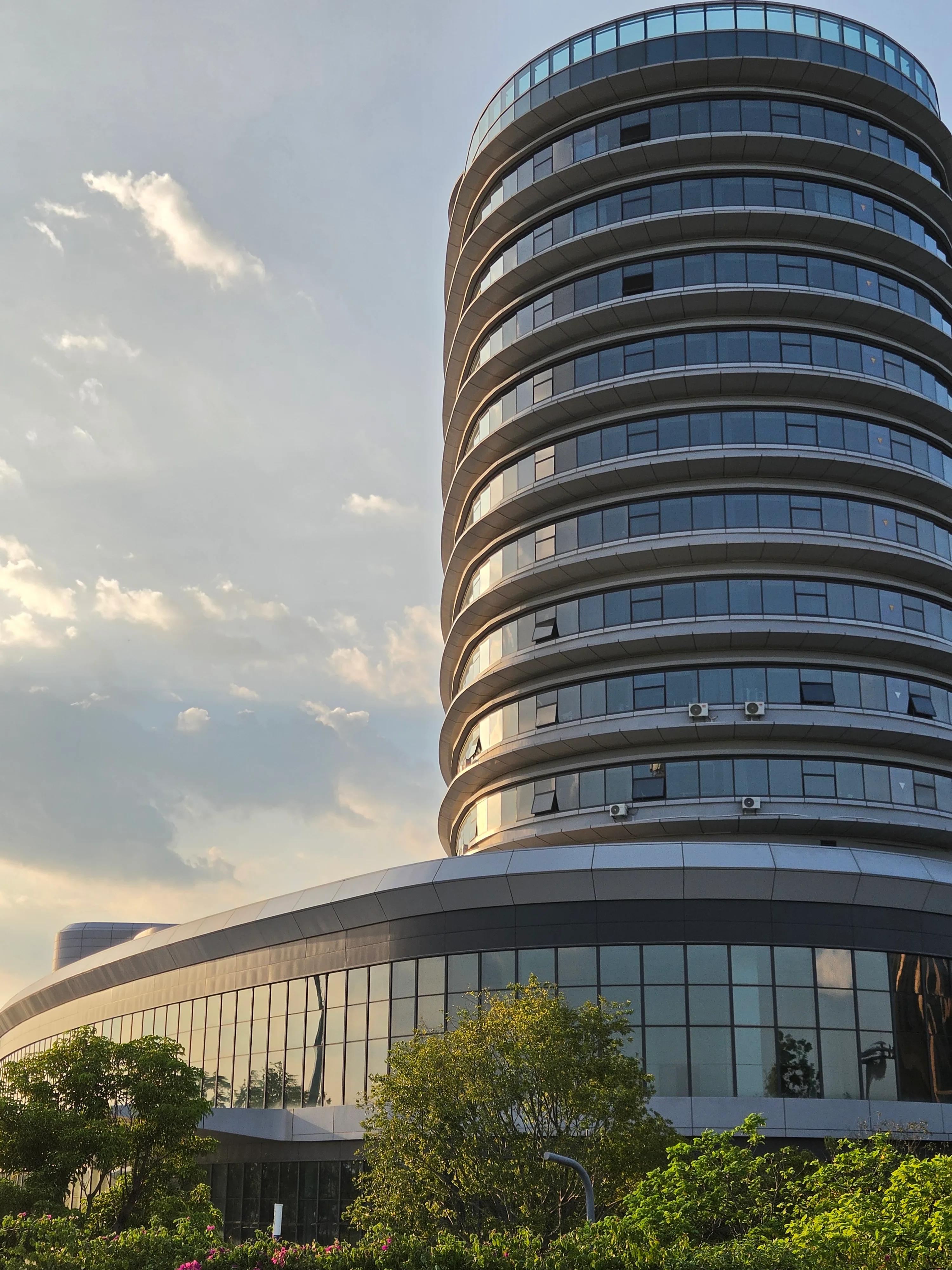
Image Source: Leitech
From a product design perspective, I can understand Samsung's decision to omit the telephoto camera on the Galaxy Z Fold 8 to achieve an ultra-thin body. However, considering its $1,900 price point, this omission is somewhat regrettable.
Conclusion: Dual Design Shines, Samsung's Large Foldable 'Promising'
Following our custom, before providing purchase recommendations, let's summarize the pros and cons of the Galaxy Z Fold 8 based on Leitech's review template.
Advantages:
1. The body is lightweight, even lighter than some non-foldable smartphones;
2. Two screens with different ratios cater to both smartphone and tablet usage scenarios;
3. Smooth crease without collapse.
Disadvantages:
1. Lacks a dedicated telephoto camera;
2. Relatively small battery capacity;
3. Some apps are not yet optimized.
Based on my two-week experience, I believe the Galaxy Z Fold 8 is a phone that may not stand out on paper but is easy to like once held. It doesn't continue to enlarge the inner screen or desperately cram more lenses into the body. Instead, it has made significant efforts to readjust the size, ratio, and feel of foldable smartphones, providing a comfortable experience in three usage scenarios: 'outer screen one-handed,' 'inner screen portrait,' and 'inner screen landscape.'
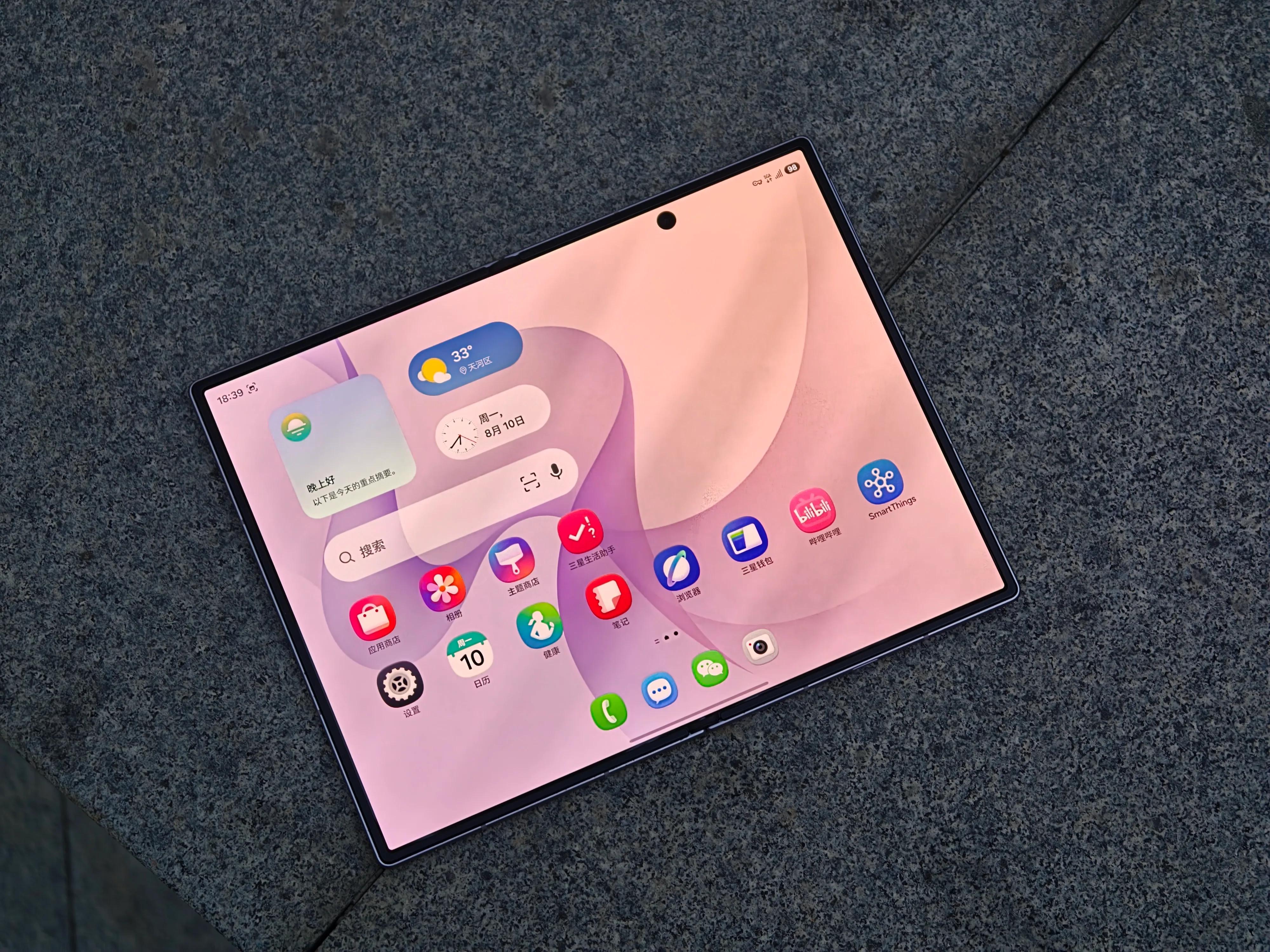
Image Source: Leitech
Regarding the inconsistent aspect ratios of the inner and outer screens, based on actual experience, I believe this is actually an advantage of the Galaxy Z Fold 8. Some 'large foldable' phones on the market adopt an 'equal ratio' design for the inner and outer screens. On one hand, this design provides a similar experience on both screens; however, on the other hand, it also means that the inner and outer screens are merely small and large versions of each other, essentially still 'large smartphones.'
In contrast, the Galaxy Z Fold 8's approach allows the inner and outer screens to work as a 'smartphone + tablet' combination, aligning more closely with the logic of foldable smartphones' 'dual form factor.' Use the outer screen when in smartphone mode and unfold the inner screen when in tablet mode. This approach of adapting different form factors to different scenarios is more reasonable than a 'one-size-fits-all' strategy.
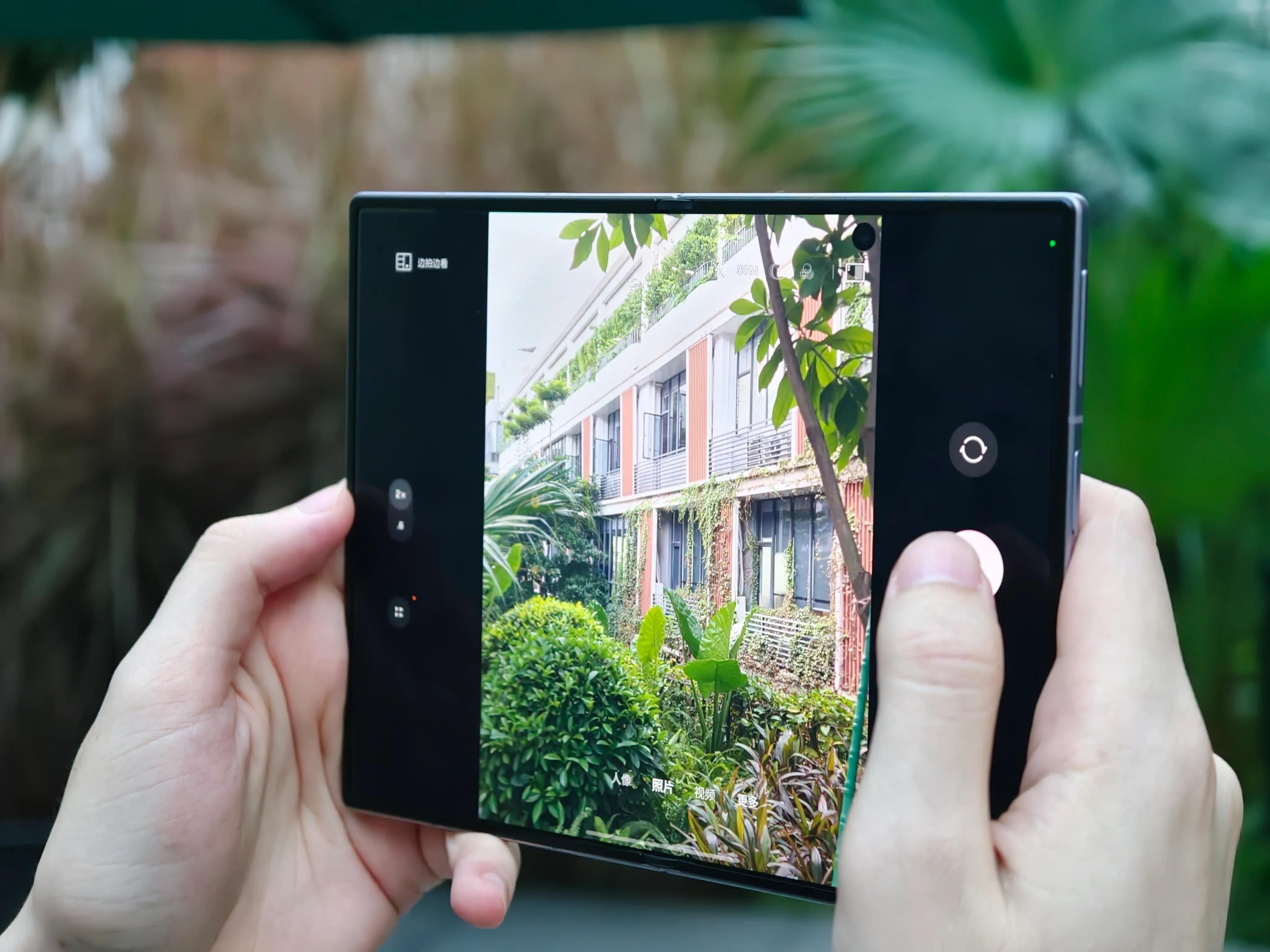
Image Source: Leitech
Therefore, in Leitech's view, the Galaxy Z Fold 8 represents Samsung's most interesting attempt in foldable smartphones in recent years. It breaks away from Samsung's previously relatively fixed large foldable design philosophy, showcasing Samsung's understanding of the 'large foldable' form factor and providing users with different choices. While the absence of a telephoto camera is indeed regrettable, it does not detract from the fact that the Galaxy Z Fold 8 is one of the most well-rounded foldable smartphones currently available.
So, who is the Galaxy Z Fold 8 suitable for? If you have always wanted to try a large foldable smartphone but have been deterred by the weight, thickness, and outer screen feel of traditional large foldables, then the Galaxy Z Fold 8 is definitely worth considering. However, if you have a rigid demand for medium and telephoto photography, such as using your phone to photograph press conferences and products like me, then without another phone, the Galaxy Z Fold 8 may not be the best fit for you.
On the bright side, although Samsung's foldable screens have evolved to the eighth generation, products like the Fold 8, a 'wide foldable,' represent only the first-generation attempt for Samsung. If Samsung continues to iterate along this path, the next-generation Galaxy Z Fold is expected to become even more versatile.
But if you're eager to experience Samsung's 'wide foldable' now and don't have a 'pressing need' for telephoto photography in a foldable phone, then the Galaxy Z Fold 8 is indeed the most suitable choice.
-
![]()
Samsung Galaxy Z Fold 8 Review: Ultra-Slim Dual Design Shines, but Telephoto Absence is a Bummer
-
![]()
Dongfeng VOYAH’s New Car Makes a Splash, Targeting More Than Just the 30s and 40s Crowd
-
![]()
Annual Salary of 700 Million Fails to Retain Him! AI Genius Jiahui Yu Departs Meta to Launch His Own Startup
-
Qianwen Seeks to Move Beyond Its 'Alibaba Identity'
-
![]()
How Can We Comprehensively Resolve Ctrip's Monopoly Issue?
-
![]()
From Computing Power Supply-Demand Dynamics to Capital Integration: Jin Jing New Energy Embarks on a New Business Phase
-
![]()
Top Domestic Computing Power Supplier Exceeds Net Profit Forecasts for First Half of the Year
-
![]()
Wanwei Advanced Materials Plans to Raise 2.3 Billion Yuan through Private Placement to Boost PVA Optical Film Production!