Yu Chengdong’s AITO M9 Dominates Sales Charts, Netizens Weigh In: ‘Pricing Too Low for Luxury Buyers’
 08/19 2026
 392
392
 Image Source: Weibo
The domestic high-end SUV market, particularly in the 500,000-600,000 RMB price range, has recently been abuzz with excitement.
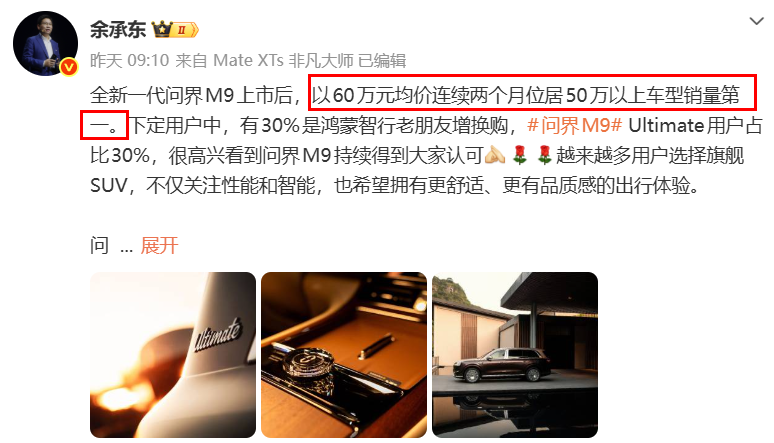 Image Source: Weibo
Yu Chengdong recently unveiled impressive market data: The new AITO M9, with an average transaction price of 600,000 RMB, has secured the top spot in domestic sales for vehicles priced over 500,000 RMB for two consecutive months.
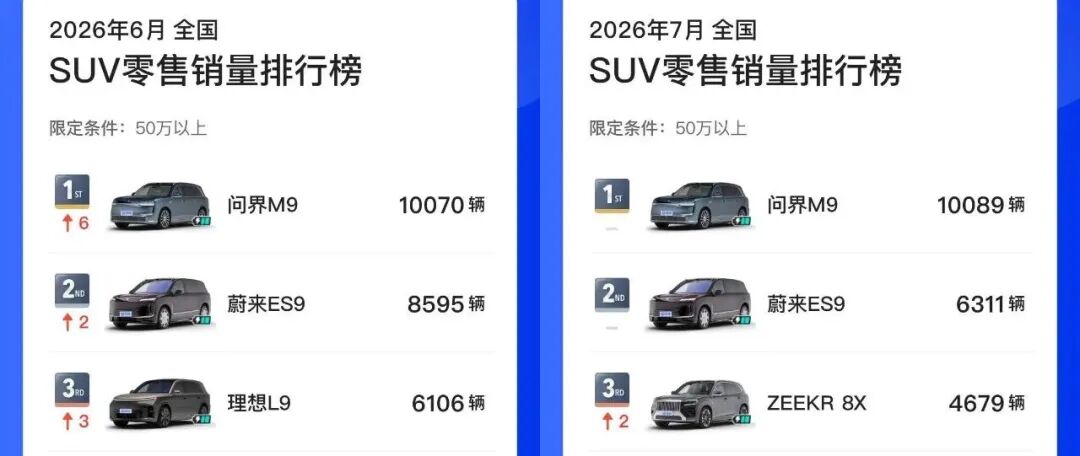 Image Source: Yiche APP
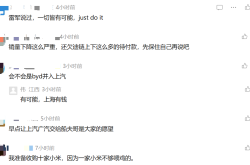
These figures have sparked lively discussions across the automotive community. While the sales rankings highlight a significant achievement, online opinions are sharply divided. Netizens have flooded forums with a mix of praise, criticism, and humorous memes.
“Mr. Yu, I think the price is too low—it undermines our status as high-end buyers.” “Why didn’t you tell me about this amazing car sooner? Waaah!” “Didn’t the previous M9 already redefine luxury and safety? How does this Ultimate Edition improve on that?” “30% repeat customers? They’re really capitalizing on the same group.” “I’ve been waiting for three months—my patience is wearing thin.” “AITO’s high-end brand keeps hitting it out of the park, month after month.” “I ordered three months ago but haven’t even seen the car or test-driven it at a dealership.” “Selling cars via PPT—Mr. Yu is pioneering a new approach.”
The blend of praise and criticism is undeniable. While the model’s popularity is undeniable, complaints about delayed deliveries of the top-tier version persist.
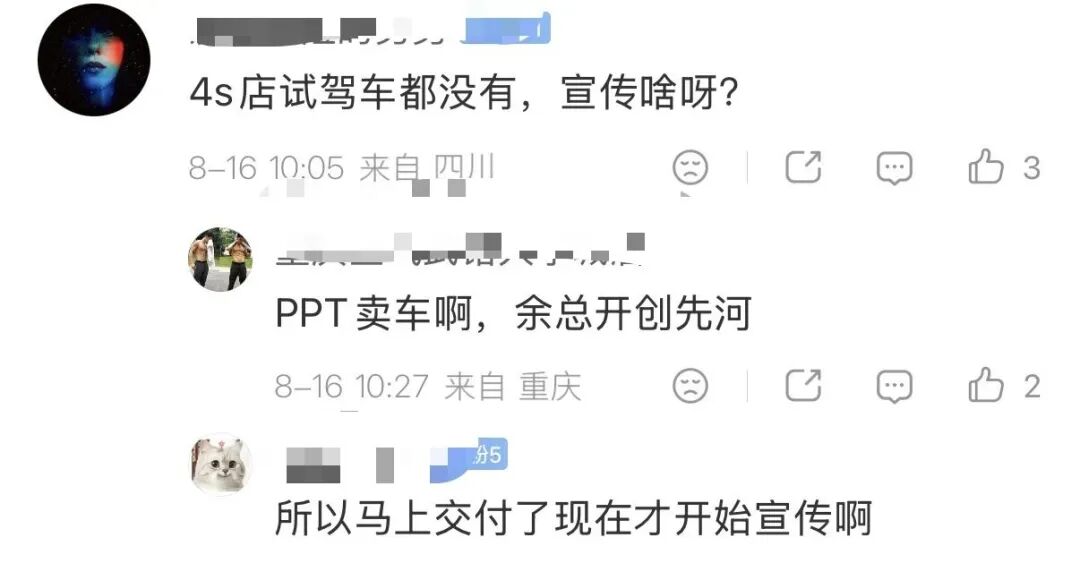

Image Source: Weibo 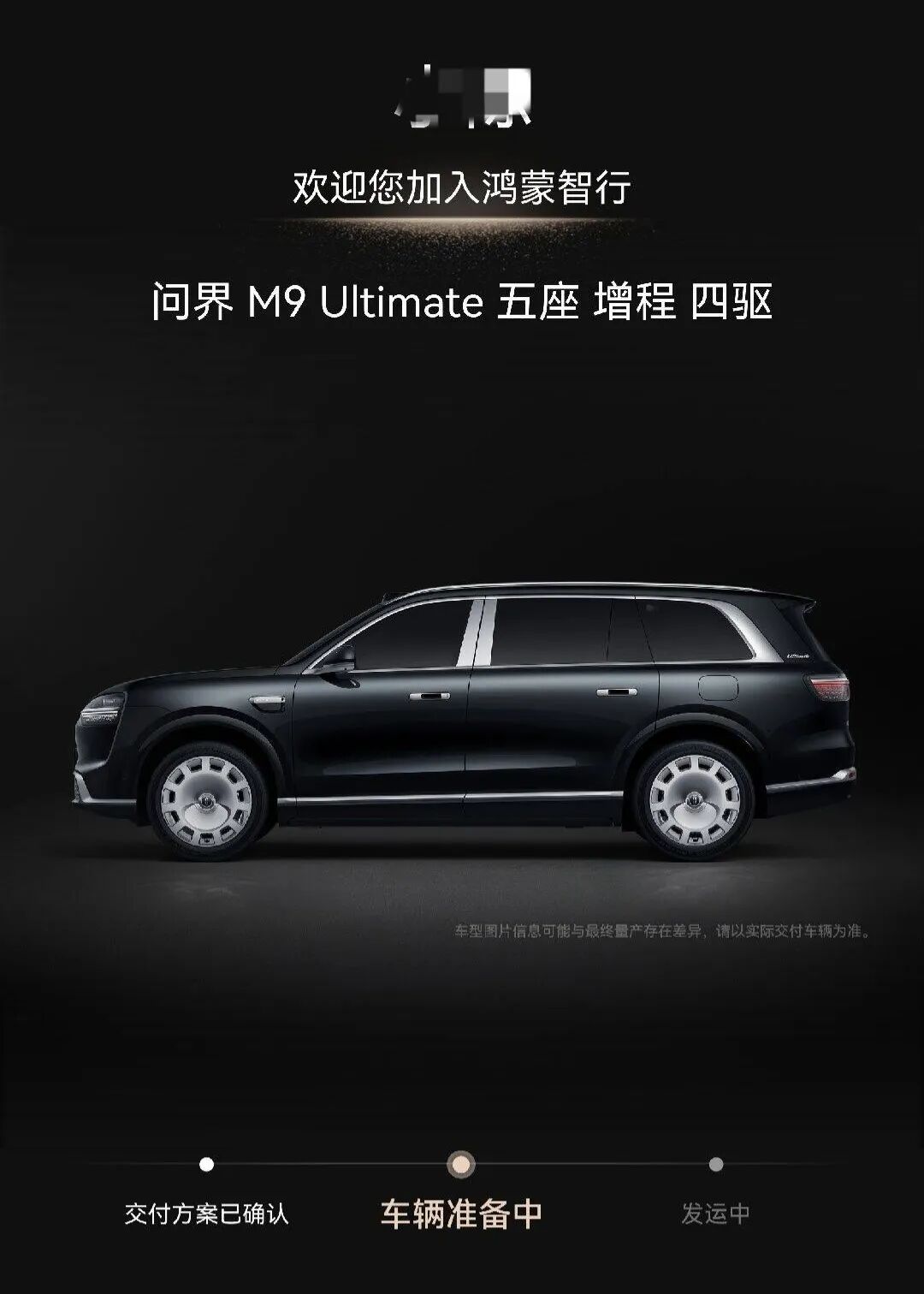 Many ‘Huawei Fans’ placed orders via PPT Image Source: Dachang Finance and Economics Society Fans
Additionally, Yu Chengdong highlighted the AITO M9 Ultimate, emphasizing that the Extended Edition represents the brand’s deeper exploration of flagship experiences. It’s not just about adding features but delivering a comprehensive upgrade in luxury, performance, and intelligence.
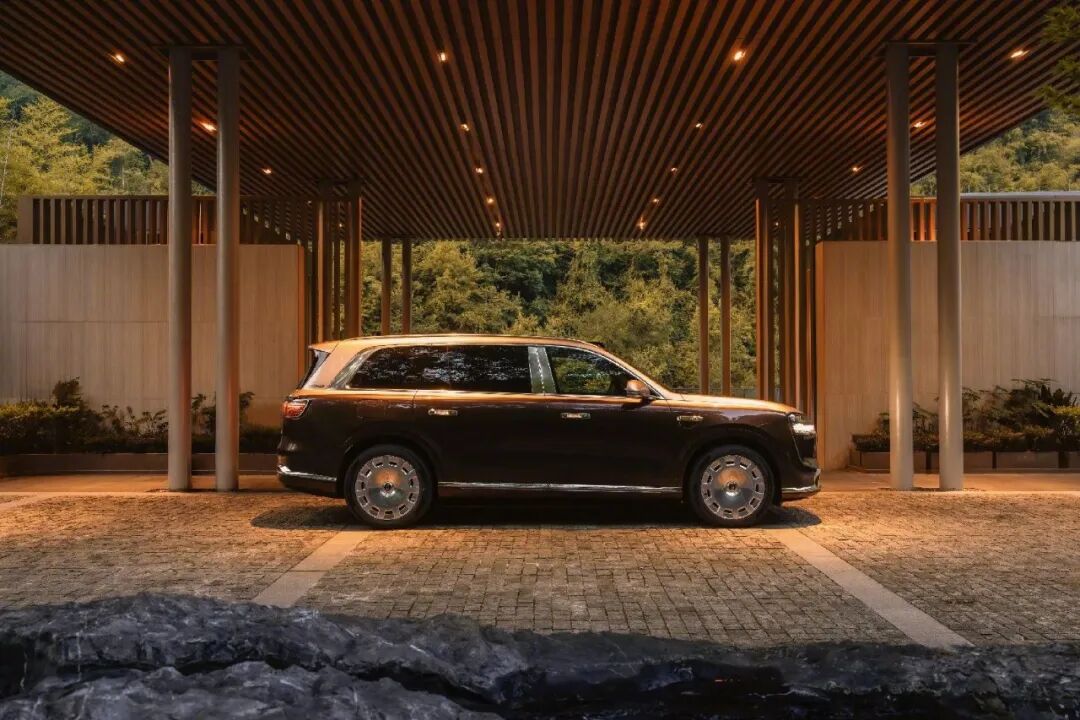
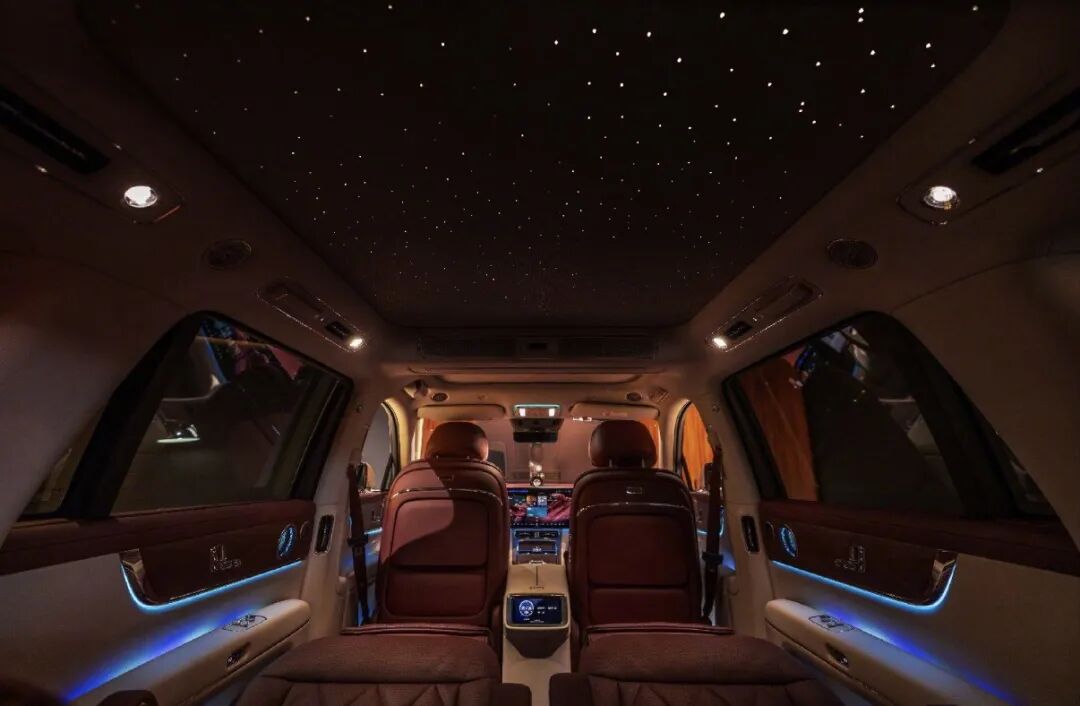 Image Source: Weibo
Yu Chengdong demonstrated the core design of the M9 Ultimate Extended Edition’s second-row rotating seats: the seatbelt is integrated directly into the seat itself. This innovative one-piece seatbelt solution perfectly addresses common issues, allowing for extensive sliding, turning, reclining, and zero-gravity mode activation. No matter how the seat adjusts, the seatbelt remains effectively positioned, balancing cabin versatility with driving safety. Video Source: Weibo
Breaking Down the Impressive Results: What Lies Beneath
“The all-new AITO M9, with an average transaction price of 600,000 RMB, has ranked #1 in sales for vehicles priced over 500,000 RMB for two consecutive months.” This statement carries significant weight—don’t just skim past it.
First, the genuine average transaction price of 600,000 RMB. Note that this isn’t the manufacturer’s suggested retail price (MSRP) but the actual average amount consumers are paying. A few years ago, it was unthinkable for a domestic SUV to reach this price point. Now, a substantial number of buyers are willing to spend 500,000-600,000 RMB, indicating strong market acceptance of the M9’s value proposition.
Second, #1 in overall sales for vehicles priced over 500,000 RMB. This metric is crucial—it doesn’t discriminate by brand or price tier (whether a car sells for 500,000 RMB, 1 million RMB, or 2 million RMB). In other words, in China’s most fiercely competitive luxury vehicle segment, the AITO M9 has outperformed traditional luxury competitors.
Third, maintaining the #1 position for two consecutive months. Achieving high sales immediately after a new model launch isn’t unusual—it could reflect initial excitement or concentrated order fulfillment. Sustaining the top spot for two months proves this isn’t a fleeting trend but indicates a stable market foundation.
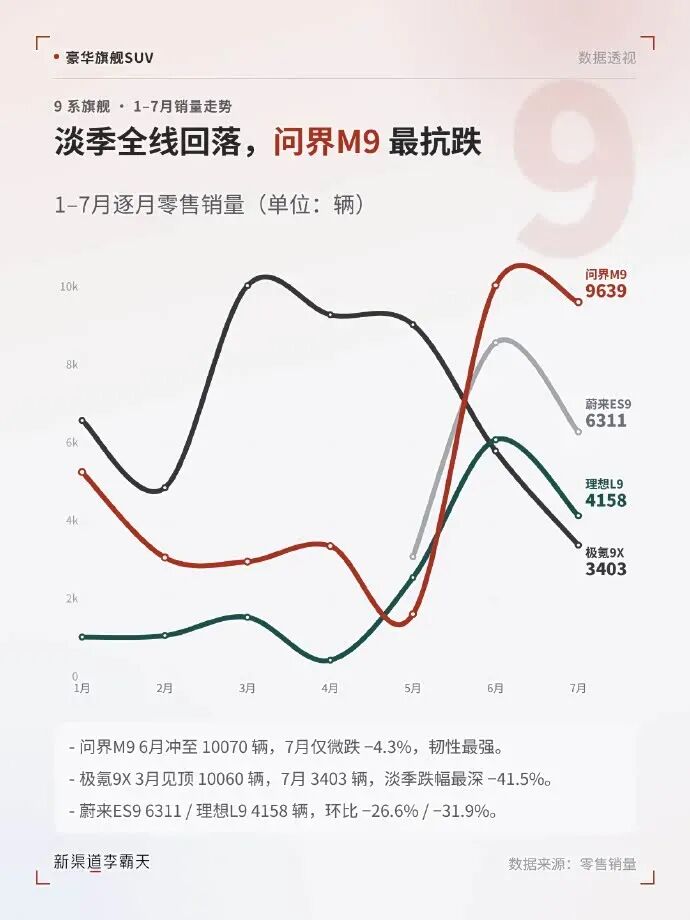 Image Source: Autohome
Two additional 30% data points are particularly noteworthy: 30% of orders come from existing HarmonyOS Smart Travel owners upgrading or repurchasing, while the Ultimate Extended Edition accounts for another 30% of orders.
One-third of owners repurchasing could be seen as a testament to brand loyalty, though some netizens joke, “They’re exclusively targeting repeat customers—ha, I’m one too.” Objectively, existing customers willing to buy again do validate the product’s appeal. However, rapid iteration cycles may leave earlier adopters feeling left out when they see the new upgrades. Meanwhile, the 30% share for the top-tier version suggests many buyers refuse to settle for base models, opting instead to splurge on fully loaded configurations. This reveals far greater consumer potential in China’s domestic high-end market than many anticipated.
Top-Tier Release Met With Three-Month Silence: Display Cars and Deliveries Lag
While the sales figures are impressive, the M9 Ultimate Extended Edition faces significant criticism for one major issue: an early announcement followed by a slow rollout.
Officially unveiled in May, the model then went silent for three full months with virtually no delivery progress. Many consumers remained unaware that this top-tier version of the refreshed M9 even existed.
For an extended period, physical dealerships faced awkward situations: no display cars available, let alone test drives. Customers could only revisit launch event recordings or browse online images. Many early adopters waited anxiously, joking, “After three months of waiting, my patience is wearing thinner than the Extended Edition’s waistline,” while some impatient buyers canceled orders, fueling online complaints.
Questions also arose: The previous M9 claimed to redefine luxury and safety—now the Ultimate Edition introduces another round of upgrades. Where does this model’s ceiling lie?


In response to mounting public opinion, Yu Chengdong finally addressed the concerns: The first batch of M9 Ultimate display cars would arrive in stores this week, with staggered deliveries beginning in August. He also promised ongoing video updates to showcase the vehicle’s features in detail.
After three months of anticipation, the top-tier flagship is finally moving from PPT presentations to physical dealerships, ready to meet consumers.
According to official statements, the M9 Ultimate Extended Edition doesn’t merely stack configurations but pushes the flagship experience further with comprehensive upgrades in luxury, performance, and intelligence. The hardware is fully loaded: over 30 crystal craftsmanship details throughout the vehicle, 800V high-voltage fully active suspension, a 2.0T range extender paired with Huawei’s coaxial triple-motor system, and a 360-degree perception matrix composed of six LiDAR sensors—all elevating the vehicle’s hardware specifications to new heights.
With display cars arriving and deliveries commencing, HarmonyOS Smart Travel will likely heavily promote the Ultimate Edition. No wonder some netizens exclaim: “Why wasn’t this amazing version released sooner?”
Flagship ‘9 Series’ Models Clash: Divergent Strategies Emerging
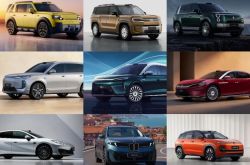
The domestic full-size flagship SUV segment, priced between 500,000-600,000 RMB, has reached fever pitch. The AITO M9 Ultimate Extended Edition, NIO ES9, Li Auto L9, and Zeekr 9X—four “9 Series” heavyweights—now compete in the same arena. While their price ranges overlap significantly, each brand approaches the high-end market differently, reflecting distinct philosophies.
The AITO M9 Ultimate Extended Edition pushes product capabilities to new heights, offering both range-extended and pure electric versions to eliminate range anxiety. With six LiDAR sensors supporting Huawei’s intelligent driving system, 800V suspension, and a coaxial triple-motor setup, technology serves as its greatest strength. Crystal craftsmanship details enhance its luxury appeal, catering to both business receptions and large family outings. Its primary drawback has been the initial delays in display car availability and deliveries, drawing considerable criticism.
The NIO ES9 follows a pure electric executive route, with its greatest asset being battery swapping—a three-minute recharge that competitors cannot replicate. The vehicle emphasizes urban business use, featuring fully loaded second-row executive seats, superior chassis tuning, and a comprehensive user service system. However, its pure electric-only setup creates dependency on NIO’s swap station network, making it more suitable for business users in first- and second-tier cities.
The Li Auto L9 represents a steady, market-tested approach, designed entirely around family needs. Its mature range-extender technology, in-car entertainment, and comfort configurations cater specifically to multi-child households. With strong sales volume and an extensive service network, it rarely faces delivery issues. Compared to the other three models, its intelligent driving hardware appears more conservative, and its business luxury appeal is weaker—its core strength lies in perfecting the family vehicle experience.
The Zeekr 9X features a super electric hybrid architecture, emphasizing raw performance with a 900V high-voltage platform and a triple-motor setup that delivers explosive acceleration. Air suspension, premium sound systems, and flexible five- or six-seat configurations appeal to driving enthusiasts. However, the brand lacks established prestige in high-end business circles, and its intelligent driving systems are still undergoing refinement.
No single model clearly dominates; each targets different consumer groups. Some prioritize all-around intelligent driving and hassle-free travel, others value prestige and supporting services, some focus on family comfort, while others crave acceleration and hardware specifications. This four-way competition has elevated the domestic flagship segment to new heights of intensity.
Having weathered initial delivery challenges, the new M9 has seen sales rebound strongly, reclaiming its segment leadership. The second-half showdown among these “9 Series” models promises to be compelling. While online praise includes claims of “blockbuster hits and monthly sellouts,” delivery timelines remain a critical challenge behind the hype.
Domestic Flagships Clash Head-On: Market Embraces 500,000-600,000 RMB Domestic Vehicles
With the AITO M9, NIO ES9, Li Auto L9, and Zeekr 9X competing directly, China’s full-size flagship SUV segment has entered an era of direct confrontation. The 500,000-600,000 RMB price range is no longer exclusive to traditional BBA luxury brands. Domestic new energy vehicles are proving with concrete sales figures that superior product strength compels consumers to vote with their wallets.
In earlier years, a 500,000-600,000 RMB budget would lead most buyers to traditional luxury brands. Now, a growing number of Chinese consumers choose domestic flagships—this reflects not just individual model success but a genuine turning point for China’s automotive industry moving upmarket.
Traditional luxury brands rely on century-old heritage, while domestic flagships win through intelligence, chassis technology, spaciousness, and genuine configuration generosity. With both options now available, consumers face a tougher choice.
This raises the question: When considering a 600,000 RMB domestic full-size flagship, would you prioritize its intelligent technology or the heritage of a traditional luxury brand?
Interactive Topic: With a 600,000 RMB budget, would you choose the M9 Ultimate, NIO ES9, Li Auto L9, or Zeekr 9X? Share your thoughts in the comments!
Disclaimer: This article represents commentary from Dachang Finance and Economics and does not constitute investment advice. All corporate data and regulatory events mentioned derive from publicly available information and are for reference only. Official announcements should be considered authoritative. Image sources noted online; please contact for copyright removal if needed.
-
![]()
Li Shufu Passes the Torch: Is Geely Stepping into the 'An Conghui Era'?
-
![]()
[In-depth Report] Reconstructing a New Talent Foundation to Secure Victory in the New Automotive Arena
-
![]()
Baidu: Legacy Businesses Continue to Struggle, AI Relies Solely on Computing Power Dividends
-
![]()
Geely: Riding the Wave of Overseas Expansion, Can It Mirror BYD's Success?
-
![]()
Xiaomi: Repeated Challenges—Can the Extended-Range Vehicle Be Its Redemption?
-
![]()
New Cars Swarm Chengdu Motor Show, Competing for Market Share in the Second Half of the Year
-
![]()
Q2 Sees 100,000 Vehicle Deliveries Amid 2.6 Billion Yuan Loss! Xiaomi Automobile Places Its Bets on Pengcheng
-
![]()
BYD Addresses Acquisition Rumors of SAIC Motor, Netizens Propose Acquiring Xiaomi Auto Instead