Has Xiaomi Weathered Its Toughest Times?", "Xiaomi, Financial Report, Chips, Automobiles, AI
 08/26 2026
 502
502
By Wang Huiying
Edited by Ziye
"The industry's most challenging period is behind us."
On August 18, at Xiaomi's Q2 2026 financial results briefing, Lu Weibing, President of Xiaomi Group, delivered this message to the market and investors.
Six days later, on August 24, Xiaomi hosted the Xuanjie Chip Technology Communication Event. Lei Jun, the founder of Xiaomi, attended in person and unveiled three self-developed chips. It is reported that the Xuanjie O3 will debut alongside the Xiaomi 18 Fold foldable smartphone in September. The O100 and D100 are designed for AI acceleration and intelligent driving, respectively, with commercial availability expected next year.
"Our advancements in both SoC and baseband technologies reflect Xiaomi's commitment to tackling fundamental technological challenges," Lei Jun stated candidly.
Both Lu Weibing and Lei Jun are correct. The industry is indeed on the mend, and the downturn in consumer electronics is abating. Xiaomi is making significant strides in chips, automobiles, and AI, progressing at an impressive pace.
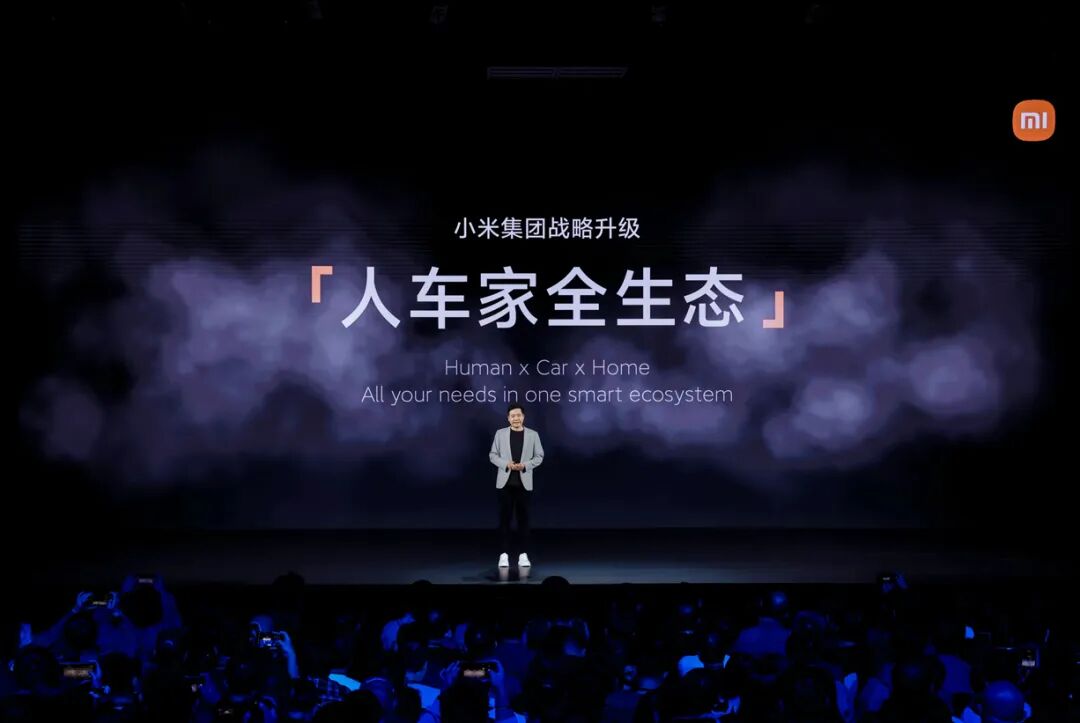
Image Source: Xiaomi Official Website
However, a closer examination of the financial report released six days prior reveals a nuanced picture—Xiaomi's revenue has rebounded, and its technological breakthroughs are notable, but profit growth has lagged.
While the industry's toughest times may indeed be over, Xiaomi's fortunes seem to be still on the mend. In the first half of the year, Xiaomi bet big on a comprehensive ecosystem spanning people, vehicles, and homes, aggressively pursued premium smartphones, and invested heavily in intelligent automobiles. These moves align with long-term tech industry trends, showcasing a high degree of strategic foresight.
Yet, operationally, Xiaomi faces the reality of a slowing legacy business and a new business still struggling to turn a profit. The 100-billion-yuan revenue milestone acts as a magnifying glass, highlighting the growth dividends from the automotive sector while obscuring the underlying weaknesses in the consumer electronics core.
At the mid-year mark, Xiaomi resembles a car struggling through a gear shift. The new gear is engaged, but the power has yet to kick in, while fuel consumption is visibly rising.
To return to a growth trajectory, Xiaomi cannot afford to rest on its laurels just yet.
Xiaomi's Q2 2026 financial report painted a picture of "recovery" in the market.
With quarterly revenue of 108.9 billion yuan, the company surpassed the 100-billion-yuan threshold. Compared to the sluggish first quarter, the superficial numerical improvement might suggest that Xiaomi has turned a corner. However, assessing a company's recovery requires delving deeper than just the totals.
A breakdown of the revenue composition raises questions about the true value of these figures.
The first contributor is the automotive sector. Revenue from smart electric vehicles and AI innovation businesses reached 24.9 billion yuan in Q2, up 17.1% year-on-year, increasing its share in group revenue from less than 20% a year ago to 23%. Cumulative deliveries of the SU7 series exceeded 500,000 units, with quarterly deliveries surpassing 100,000 units for the first time.

Image Source: Xiaomi Group Official Website
The second contributor is seasonal. Q2 has traditionally been a peak season for consumer electronics, with the 618 shopping festival providing a fixed boost to IoT product sales. This year, Xiaomi's IoT business revenue reached 31.3 billion yuan, showing a noticeable recovery from the previous quarter but declining by 19.2% year-on-year. This suggests that the Q2 IoT rebound was more a natural industry rhythm than a qualitative business shift.
Stripping away automotive and seasonal revenues and focusing on Xiaomi's core smartphone × AIoT segment reveals a different story. Financial reports show that Xiaomi's Q2 revenue from traditional smartphone and IoT businesses was 84 billion yuan, accounting for 77% of total revenue but declining by 11% year-on-year, becoming the primary drag on Xiaomi's earnings.
Overall, beneath the 100-billion-yuan revenue surface, the endogenous recovery of traditional core businesses remains sluggish. The automotive business has inflated the overall revenue denominator, partially masking the weak growth of the consumer electronics mainstay.
The "puffiness" in revenue is directly reflected in the profit momentum.
In the first half of 2026, Xiaomi's adjusted net profit was 12.291 billion yuan, a sharp 42.8% year-on-year decline. In Q2 alone, adjusted net profit was 6.2 billion yuan, down 42.6% year-on-year. With revenue slightly down and profits plunging by 40%, these contrasting indicators point to cost issues.
During the financial results conference call, Xiaomi's management attributed the profit decline primarily to external factors, namely rising memory chip prices. Indeed, this is a supply chain pain point shared by the entire smartphone industry.
TrendForce data shows that contract prices for generic DRAM rose by 93% to 98% in Q1, while NAND Flash prices increased by 55% to 60%. The proportion of memory chips in smartphone material costs surged from the past 10% to 15% to over 30%.
Lu Weibing calculated during the call that, based on Q2 costs, the memory cost alone for an 8GB+128GB version would exceed 1,500 yuan when factored into the smartphone's retail price.
To counter cost pressures, Xiaomi proactively adjusted its product mix. The average selling price (ASP) of smartphones surged by 25.9% year-on-year, increasing by nearly 300 yuan to a historic high of 1,351 yuan. The proportion of domestic high-end models priced above 3,000 yuan rose to 32.1%.
Under this premium smartphone structure, the gross margin of the smartphone business held steady at 8.5%. Many investors had feared it might drop below 8% or even 7%. However, this came at the cost of a significant sacrifice in shipment volume. Financial reports show that Xiaomi's smartphone shipments in Q2 were 31.2 million units, a sharp 26.5% year-on-year decline. According to Omdia data, the global market only contracted by 6%, meaning Xiaomi's decline was steeper than the industry average.
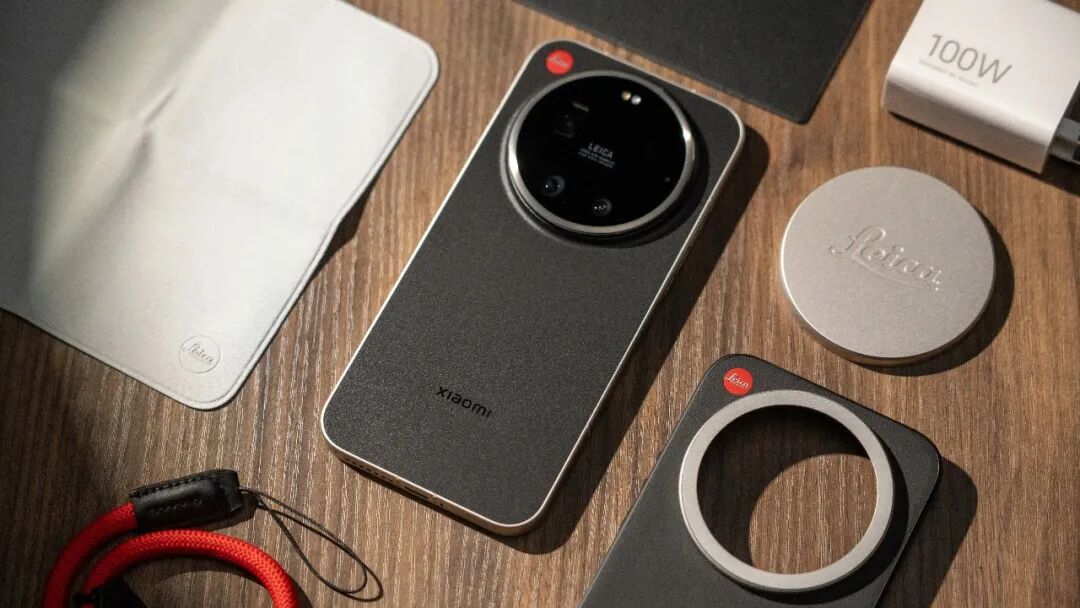
Image Source: Xiaomi Mobile Official Weibo
Rising costs present an objective external challenge. Under the same conditions, competitors can still achieve market share growth, indicating that supply chain issues are only part of the equation. Product, brand, and competitive strategy alignment also play crucial roles in a company's positioning.
The capital markets have already interpreted the underlying message of this financial report.
Xiaomi's stock price declined from a historic high of 61.45 HKD in June 2025 to a low of 21.56 HKD in June 2026, erasing nearly 1 trillion HKD in market value.
Notably, in the first half of the year, Xiaomi repurchased approximately 11.7 billion HKD worth of shares, surpassing the total for the entire previous year. Management is using real money to regain capital confidence, but the markets have not responded favorably, perhaps waiting for a more definitive signal.
How Much Tangible Progress Has Xiaomi Made in Premium Smartphones, Automobiles, and AI?
The signal the capital markets are waiting for is essentially whether old and new growth drivers can smoothly transition—whether legacy businesses can stabilize and new ventures can take off.
This touches on Xiaomi's most pressing issue.
At the Xuanjie Chip Technology Communication Event on August 24, Xiaomi announced three new chips. Strategically, the Xuanjie O3 targets smartphones, the O100 targets on-device AI, and the D100 targets intelligent driving.
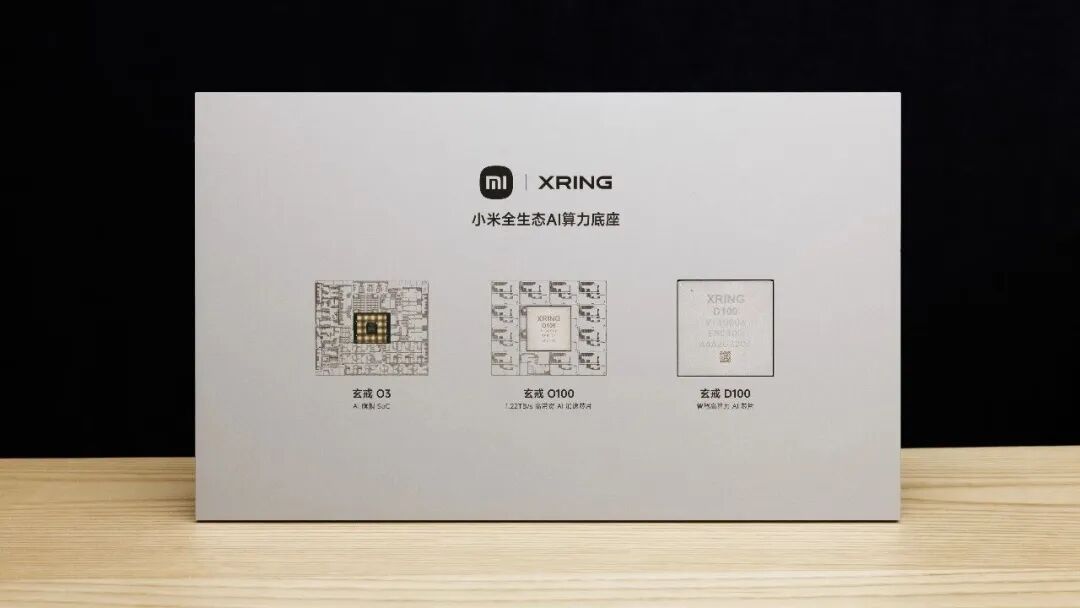
Image Source: Xiaomi Official WeChat Account
"From pockets to cabins, from living rooms to factories, a unified Xuanjie computing base spans all scenarios of people, vehicles, and homes," Lei Jun summarized. He also revealed that since restarting large-scale chip development in 2021, Xiaomi has invested over 21 billion yuan and assembled a chip team of nearly 3,000 people.
This statement is Xiaomi's response to the capital markets and aligns with its core narrative for the first half of the year. Smartphones, automobiles, and AI are advancing simultaneously, with self-developed chips linking the entire ecosystem of people, vehicles, and homes.
Xiaomi's direction is clear, and its ambition is significant. However, ambition is one thing, and reality is another. In the first half of the year, Xiaomi invested heavily in these three areas but has yet to achieve a comprehensive profit breakthrough. The mismatch between old and new growth drivers has become increasingly apparent.
As Xiaomi's foundational growth engine, smartphones followed a contractionary path in the first half of the year.
Facing the dual pressures of rising memory chip prices and industry price wars, Xiaomi proactively adjusted its product mix. It strategically reduced production and distribution of mid-to-low-end volume models under the Redmi brand, abandoning the traditional approach of trading scale for market share. Instead, it focused R&D, channel, and marketing resources on high-end models like the Xiaomi Digital Flagship and foldable screens, with the core goal of raising the ASP of smartphones and restoring hardware gross margins.
With memory costs high and mid-to-low-end profits pushed to their limits, betting on upward mobility was preferable to competing on price in a saturated market.
The ASP did rise, but the high-end market is not easily penetrated. In the first half of the year, Apple and Huawei captured the majority of the domestic high-end market. For Xiaomi to compete, adjusting its product mix alone is insufficient. Brand perception inertia, channel adaptability, and user trust accumulation cannot be resolved with a single product or chip. The results of the smartphone business in the first half of the year already reflect market choices.
Take the upcoming Xiaomi 18 Fold in September as an example. Although it will feature the O3 chip, the foldable screen market is highly competitive. Beyond technology, chips face a long validation cycle from announcement to mass production and market acceptance.
If premium smartphones represent the repair and upgrade of the legacy engine, then intelligent automobiles and AI are Xiaomi's all-in bets on new growth engines and the core value that capital markets once placed high hopes on.
From the first-half performance data, new businesses have achieved scalable revenue breakthroughs and visible growth rates but remain trapped in a money-losing, cash-burning dilemma without forming a positive profit loop.
The innovation business segment, represented by automobiles, reported an operating loss of 2.6 billion yuan in Q2 and a cumulative loss of approximately 5.7 billion yuan in the first half of the year, continuously eroding the group's overall profits. Revenue per vehicle dropped from 253,700 yuan to 229,300 yuan, while gross margins slid from 26.4% to 19.2%, primarily due to product mix adjustments and rising component costs.
Even with impressive SU7 delivery volumes, the capital-intensive and long-cycle nature of the automotive industry means that per-unit profits cannot cover the enormous fixed costs of factory depreciation, channel expansion, ongoing R&D, and new model reserves.
More critically, Xiaomi Automobile is still in its scale expansion phase. The upcoming Pengcheng series models will enter the market soon,叠加 (superimposed) with R&D and commercialization investments in intelligent driving chips. For a considerable time to come, the automotive business's cash-burning model will be difficult to reverse.
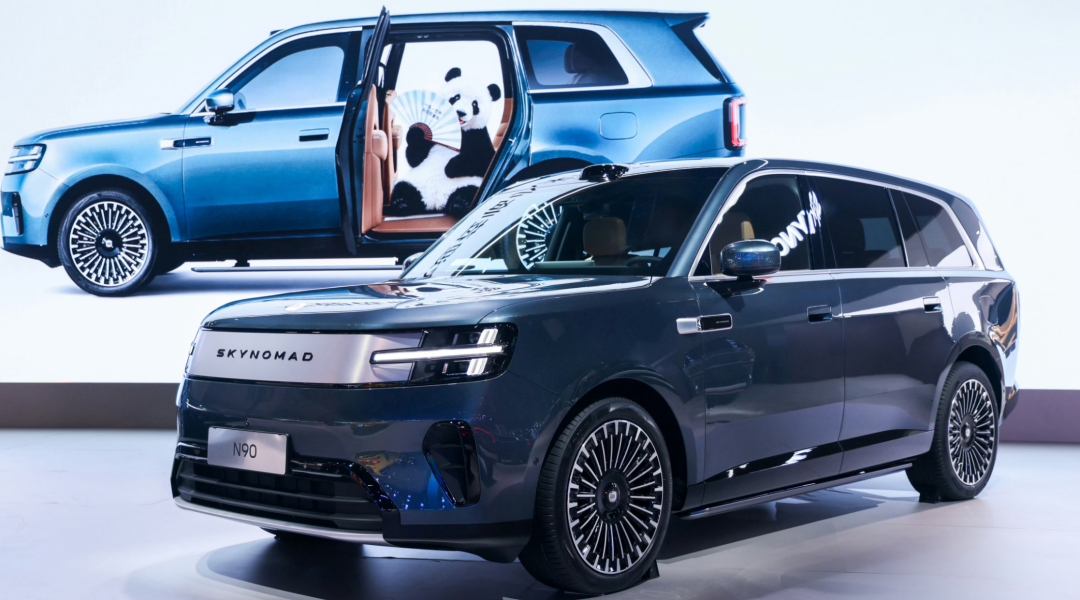
Image Source: Xiaomi Pengcheng Official Weibo
Compared to the scalable landing of the automotive business, the AI business and self-developed chips remain in the early stages of technical implementation with insufficient commercial monetization. In the first half of 2026, Xiaomi's AI business achieved approximately 1 billion yuan in revenue for the first time, with B-end commercialization landings such as MiMo large model API calls marking a 0-to-1 breakthrough.
However, from a commercial value perspective, the monetization capabilities of AI and self-developed chips remain weak, primarily relying on lightweight B-end services. Scalable profit models such as C-end payments, ecosystem empowerment, and technology licensing have not yet materialized.
Various self-developed chips primarily serve as internal enablers to enhance terminal product competitiveness and have not been commercially exported externally, failing to form independent revenue growth points. The stark contrast between sustained high R&D investments and limited monetization income keeps new businesses in a state where inputs exceed outputs for the long term.
Viewing the three business lines together, the conclusion is clear. In the first half of the year, Xiaomi made genuine investments in smartphones, automobiles, and AI, but most outcomes remain in progress. Each new engine is still in the "ignition phase," far from truly propelling the entire vehicle forward.
From the dual perspectives of industry cycles and corporate transformation, Xiaomi's current strategic layout represents a necessary experiment.
The smartphone industry has long bid farewell to incremental growth, entering a downcycle characterized by intense competition and thin profits. Relying solely on the consumer electronics mainstay can no longer support the long-term growth of tech giants. Against this backdrop, pursuing premium smartphones to escape low-end competition and heavily investing in intelligent automobiles to open up a trillion-dollar second growth curve is a consensus among leading consumer electronics manufacturers.
Nonetheless, heading in the right direction appears insufficient to counterbalance the structural risks inherent in the short-term transition phase. Xiaomi is incurring operational costs as it undergoes transformation.
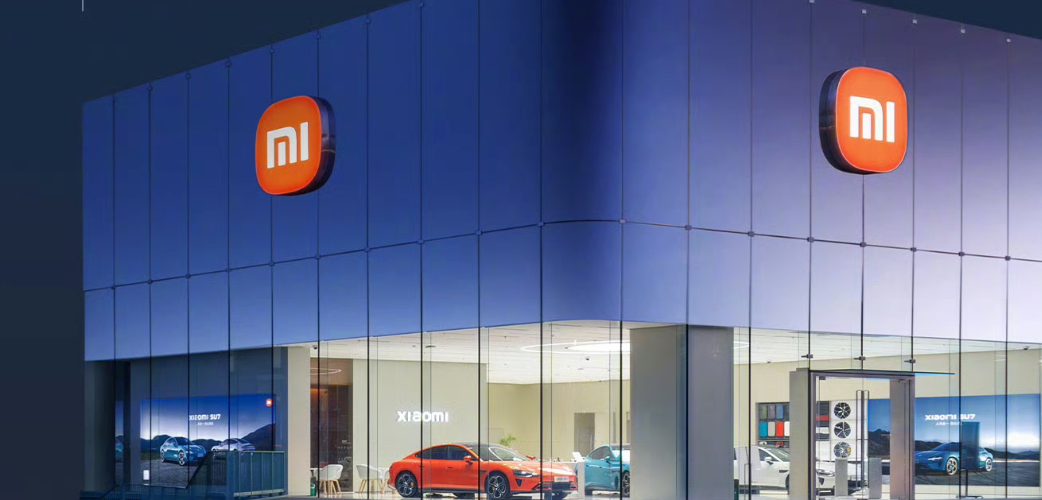
Image Source: Xiaomi Official Weibo
The most notable conflict arises from the discrepancy between brand perception and product strategy—an implicit risk often overlooked in Xiaomi's transformation journey. To revitalize its smartphone business and penetrate the high-end market, Xiaomi has been shedding its image of cost-effectiveness. It is elevating its brand prestige through premium models, self-developed chips, and technological advancements, striving to align itself with elite tech brands.
Conversely, Xiaomi Automobile is leveraging cost-effectiveness to gain a foothold, with the Pengcheng series pre-priced starting at 259,900 yuan. How will consumers perceive the "Xiaomi" brand in this light? This persistent divergence in brand perception among the general public not only impedes the solidification of a high-end smartphone image but also makes it challenging for Xiaomi Automobile to shed its cost-effective tag, posing long-term risks to brand elevation.
Compared to these latent brand risks, financial pressures are more immediate and are narrowing Xiaomi's window for transformation. As of the end of June 2026, the company's cash reserves stood at 219.3 billion yuan—a seemingly robust financial cushion. However, considering the automotive business's current quarterly losses of 2 to 3 billion yuan, along with escalating R&D investments and diminishing profits from the smartphone segment, the longevity of these funds is a matter that demands careful consideration.
Objectively speaking, Xiaomi's transformation has yielded some positive results. Smartphone average selling prices (ASPs) continue to climb, the SU7 has carved out a niche in the mainstream pure electric sedan market, and the AI business has achieved initial commercialization. Nevertheless, all progress remains at the stage of quantitative accumulation without qualitative leaps, still falling short of profit cycles and sustainable growth.
Moreover, whether the Pengcheng series can emerge as the second growth pillar for the automotive business is a pivotal variable. The SU7 and YU7 bolstered sales volumes in the first half of the year, but both the revenue per vehicle and gross profit margins are on a decline. In the latter half of the year, whether the two extended-range SUVs from Pengcheng can stabilize gross profit margins while boosting sales volumes is a critical step for the automotive business to transition from financial drainage to revenue generation.
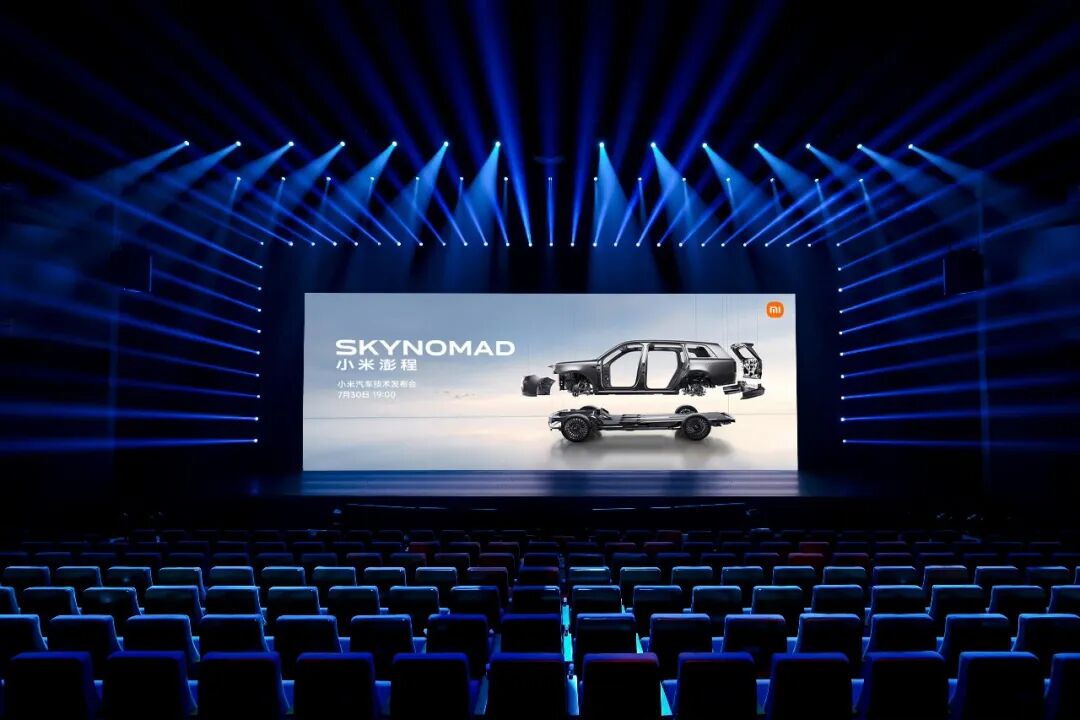
Image source: Xiaomi Pengcheng's official Weibo
The extended-range vehicle market is even more saturated than the pure electric vehicle market. The Ideal L series and AITO M series have already established a strong presence. Pengcheng's task is to capture market share, which is undoubtedly more daunting. However, the profit per vehicle for extended-range models generally surpasses that of pure electric vehicles. If Pengcheng can strike a balance between volume and price, it has the potential to become the automotive business's first genuine profit generator.
On the flip side, the chip business, hailed as the 'cornerstone of Xiaomi's AI strategy,' represents the core technological edge for Xiaomi's foray into the ultra-high-end market. Ultimately, the market performance of chips in tandem with products will be the determining factor.
These three variables correspond to the three most crucial defensive lines for Xiaomi at present. Any unexpected breakthrough in any one of them could accelerate the pace of the entire transformation; any delay could prolong the transition period and escalate costs.
Returning to the initial assessment, while the industry's most challenging period may have passed, Xiaomi's critical phase of transformation and structural adjustment persists. In the latter half of the year, whether smartphone costs can rebound, whether the automotive business can curtail losses and enhance efficiency, and whether self-developed technologies can deliver tangible value will ultimately dictate whether Xiaomi can capitalize on the industry's recovery to truly emerge from the throes of transformation.
(The header image of this article is sourced from the official website of Xiaomi Group.)
-
![]()
Insta360 Sidesteps Price Wars, Pursues New Avenues for Growth
-
![]()
Strategic Emphasis on Digital Photonics Gains Momentum! Optical Behemoth Reports RMB 12.4 Billion in H1 Revenue
-
![]()
In-depth | Li Shufu's "Turn at the Peak": Why Did Geely Choose to Change Leadership at Its Prime?
-
![]()
Has Xiaomi Weathered Its Toughest Times?", "Xiaomi, Financial Report, Chips, Automobiles, AI
-
![]()
Has Xiaomi Ridden Out the Storm?
-
![]()
Why Are Children Better at Learning Languages Than AI? MIT TR: Large Models Need to Burn Down an Entire Forest, While Kids Only Need 100 Million Words
-
![]()
Workplace Transformations Amidst AI Influence: Ensnared in Involution, Yet Struggling to Discover Work’s True Value
-
![]()
The Most Absurd Semi-Annual Report: Revenue Surges 20%, Yet Most Automakers Aren't Actually Making Money