iPhone 21 to Be First Equipped with a 200-Megapixel Camera: Is It Finally on Par with Android?
 01/07 2026
 575
575
In the tech world, falling behind in hardware means getting left in the dust.
On January 7th, Morgan Stanley's latest research report revealed a surprising twist: Apple reportedly won't adopt a 200-megapixel camera until the iPhone 21 series in 2028. This delay places Apple several years behind its Android counterparts in this particular arena.
Some Apple enthusiasts argue that pixel count is irrelevant and that algorithmic prowess is what truly matters. However, the reality is that Android flagships have already embraced 200-megapixel cameras. These devices not only boast main cameras with such high resolution but also incorporate 200-megapixel sensors in their telephoto lenses, making ultra-clear shooting across all focal lengths a standard feature.
Notably, Samsung introduced its 200-megapixel ISOCELL HP2 sensor back in 2023 and has since iterated to the HP5, with multiple generations of optimization for low-light performance and focusing capabilities.
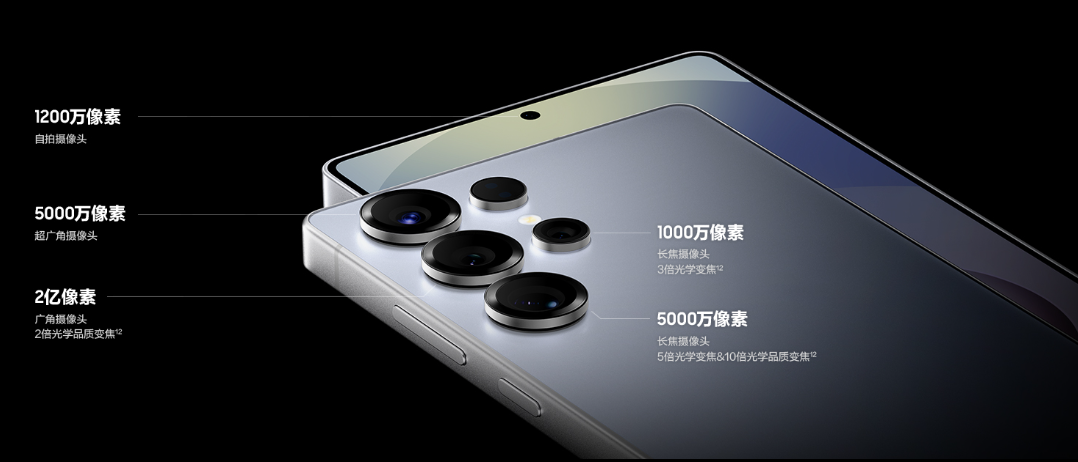
Image Source: Samsung Official Website
Turning our attention back to Apple, even the latest iPhone 17 series still sports rear cameras with a 48-megapixel resolution. While Apple's algorithms are indeed remarkable, enabling high-quality photo output from 48-megapixel sensors, they still fall short when compared to Android's 200-megapixel offerings, which allow for effortless cropping and zooming while preserving intricate details.
Numerous iPhone users, including those around Xiaolei, lament that when attempting to zoom in on distant landscapes or text, the details become noticeably blurred, underscoring the limitations imposed by hardware specifications.
The research report also highlights a crucial piece of information: the 200-megapixel sensor for the iPhone 21 will be sourced from Samsung, breaking Sony's long-standing exclusive supply arrangement. In Xiaolei's view, this shift is more significant than the sensor's megapixel count itself.
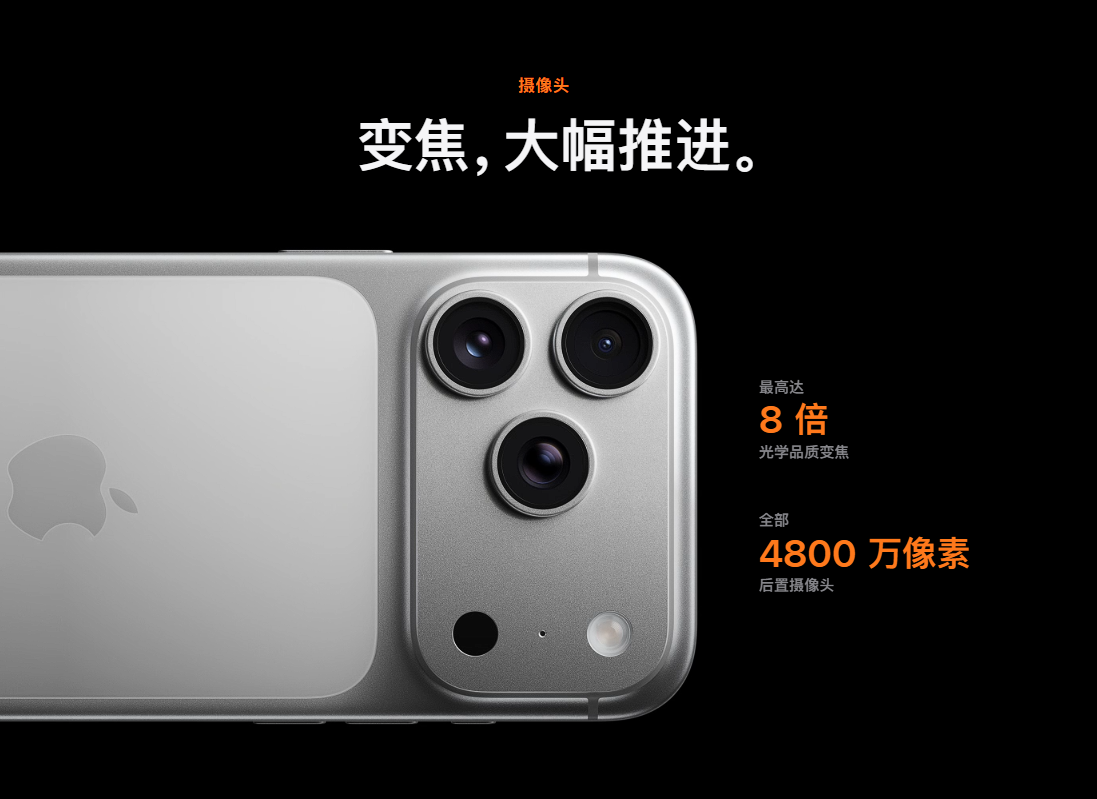
Image Source: Apple Official Website
For years, Apple has relied on Sony sensors, which, while consistently delivering high quality, have faced their own set of challenges. For instance, during a chip shortage a few years ago, rumors circulated that Sony's sensor production capacity was insufficient, potentially affecting iPhone supply.
Introducing Samsung as a supplier not only diversifies supply chain risks, mitigating delays caused by issues with a single supplier, but also potentially drives down Apple's procurement costs through competitive bidding. Whether Apple will pass these savings on to consumers remains uncertain and depends on Apple's business strategy.
Beyond the 200-megapixel camera, the research report also discloses that the iPhone 18 Pro will feature a variable aperture main camera.
This technology is not new to the Android ecosystem. Samsung introduced variable aperture in its S9 series back in 2018. Nowadays, flagship models from Huawei, OPPO, and other brands offer freely adjustable apertures, enabling them to capture bright images in low-light conditions and clear images in strong light, along with more natural portrait bokeh effects. Apple is merely playing catch-up with this feature.
In addition to camera upgrades, iPhone's sensing systems are also poised for a significant overhaul.
Morgan Stanley researchers have expressed confidence that Apple will likely introduce the long-awaited under-display Face ID technology in 2027, coinciding with the 20th anniversary of the original iPhone's release. This innovation will completely transform the iPhone's front-facing appearance.
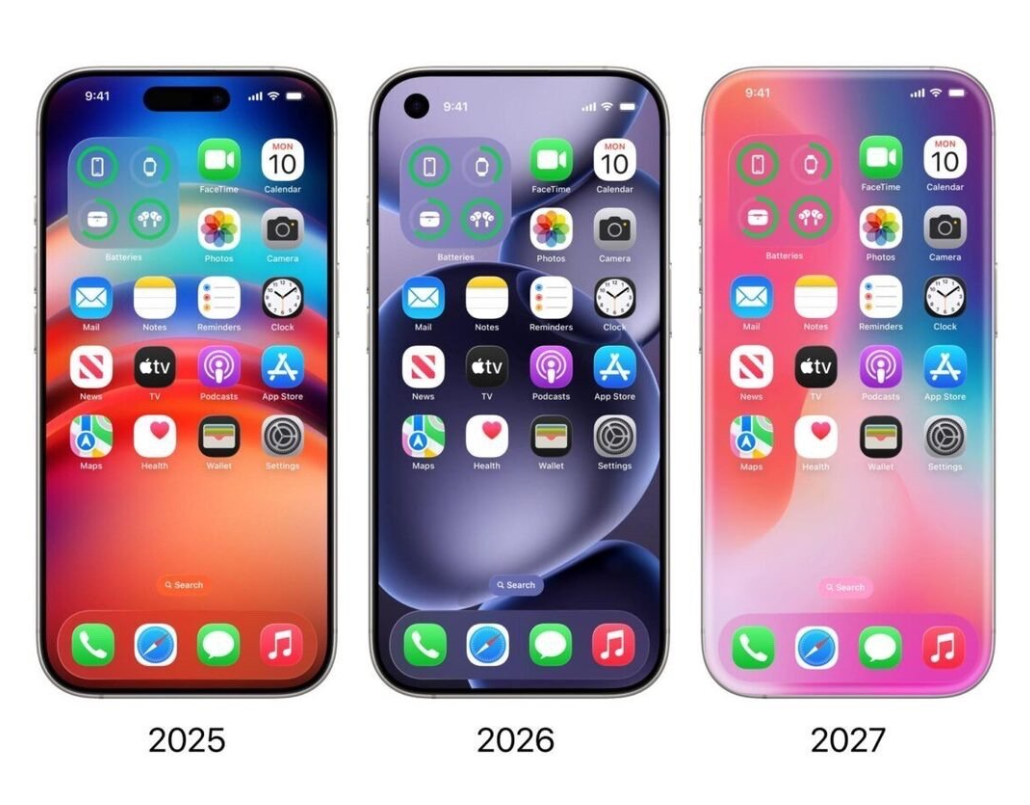
Image Source: Weibo
Why does Apple consistently lag in imaging hardware? Xiaolei believes that, on the one hand, Apple exercises excessive caution and refrains from adopting new technologies until they are fully mature. On the other hand, Apple previously relied on its algorithmic strengths to retain users and didn't feel the need to rush into hardware upgrades.
However, the landscape has changed. Android flagships have made significant strides in algorithms, coupled with their overwhelming hardware specifications. If Apple doesn't step up its game, it risks losing its imaging edge.
That said, despite Apple's late entry into the 200-megapixel arena, Xiaolei still harbors some expectations for its performance. After all, Apple's expertise in computational photography is well-established. If Apple can fully unlock the potential of Samsung's 200-megapixel sensor and combine it with its own algorithmic optimizations, it might achieve a latecomer advantage.
However, the premise is that by the time of its 2028 release, Android hasn't already moved on to 400-megapixel sensors, in which case Apple would truly be left behind.
Finally, Xiaolei poses a question to the readers: Do you think Apple's upgrade to a 200-megapixel camera and variable aperture is too little, too late, or just in time? Would you hold out for the iPhone 21 for these features? Feel free to share your thoughts in the comments section.
-
The RTX 3060 Makes a Comeback Amid a Mix of Old and New Hardware, Making 2026 the Worst Year for the PC Industry
-
![]()
Zhang Yiming Achieves Jack Ma's 'Dream': Douyin Surpasses 1 Billion Monthly Active Users First!
-
The Complete Decline of Fuel-Powered Vehicles! Only One Model in July's Top 10 Sales
-
![]()
What Are the Three World Models in BYD's HyWorldVLA: Pixel-Level, Latent Space, and Hybrid?
-
Raking in 23.7 Billion Yuan in Just Half a Year! Has Foxconn Industrial Internet Turned a New Leaf?
-
Offline Competition Among Big Companies for Customers: The Battle for Desktop Access with Office Agents
-
![]()
Starting at 3199 yuan, the REDMI K100 series has been launched, making me start to worry for the Xiaomi 18
-
![]()
Xiaomi's MiMo Stages a Two-Year Comeback to Top Global Inference Volume Rankings