Yu Minhong Shudders: How Five 'Top Streamers' Nearly Bankrupted a Listed Company
 08/26 2026
 381
381

Image Source: Weibo
In the live-stream e-commerce sector, the gravest risk is not dwindling traffic but a company's destiny being dictated by a handful of streamers. East Buy once fell prey to this scenario but managed to execute a self-rescue operation worthy of a case study.
Recently, East Buy unveiled its first full-year financial report since the departure of its first-generation top streamers, presenting data that defies expectations across the industry: Despite the exit of core streamers such as Dong Yuhui, Mingming, Tianquan, Zhongcan, and Linlin, the company not only averted decline but witnessed a remarkable surge in performance.
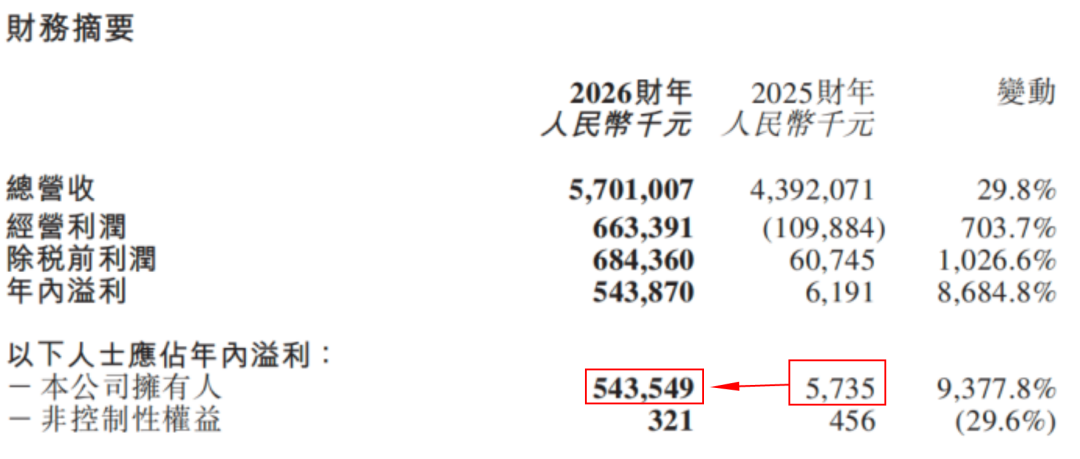
In the fiscal year 2026, East Buy's revenue soared to RMB 5.701 billion, marking a nearly 30% year-on-year increase, with a real growth rate exceeding 36%. Net profit attributable to the parent company skyrocketed by 9,300% year-on-year, jumping from RMB 5.73 million the previous year to RMB 540 million, successfully turning a loss of RMB 110 million into a profit, with operating profit reaching RMB 663 million.
Behind this impressive performance lies a stark industry reality: East Buy expanded its workforce by 411 employees yet managed to slash annual salary costs by RMB 400 million.
Financial report data clearly shows: The total number of employees rose from 1,401 to 1,812, while total compensation plummeted from RMB 1.2 billion to RMB 800 million. The missing RMB 400 million in salaries did not vanish into thin air but was fully converted into the company's net profit.
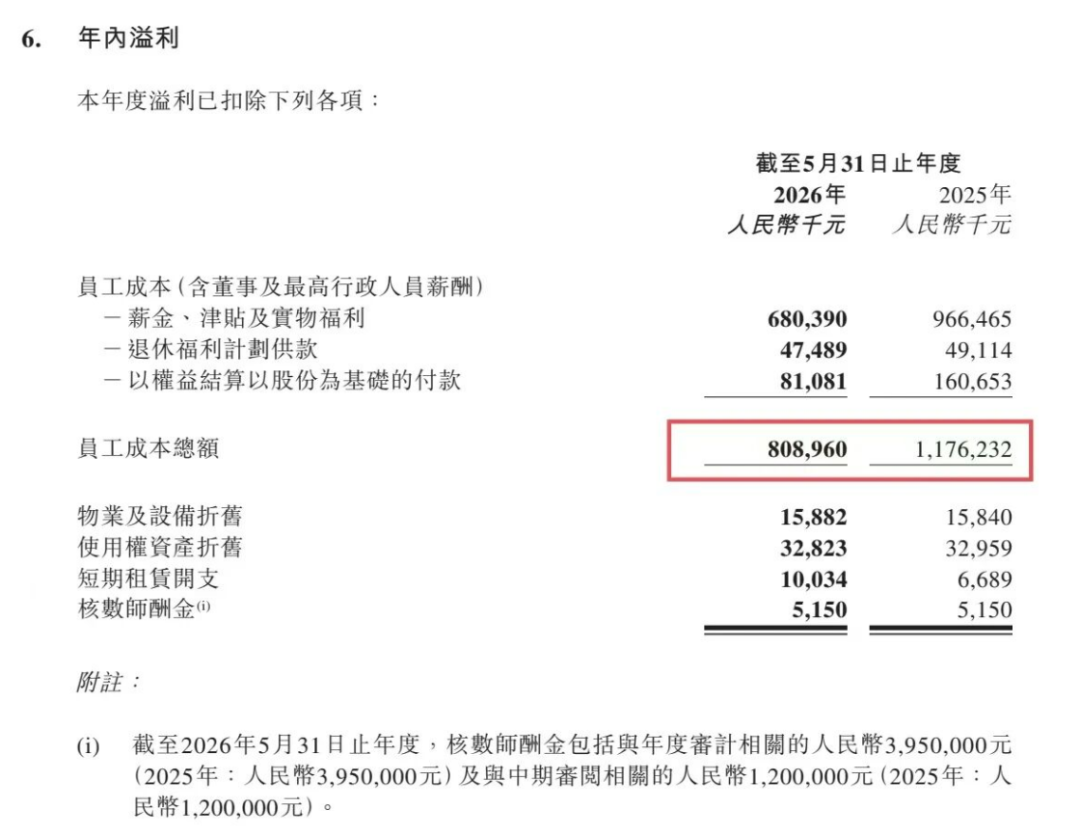 Image Source: East Buy Announcement
In essence: Previously, East Buy toiled to support five super streamers; now, by trimming the exorbitant salaries of top streamers, all profits flow back to the enterprise. Yu Minhong's two-year 'de-top streamer' reform has finally been fully realized.
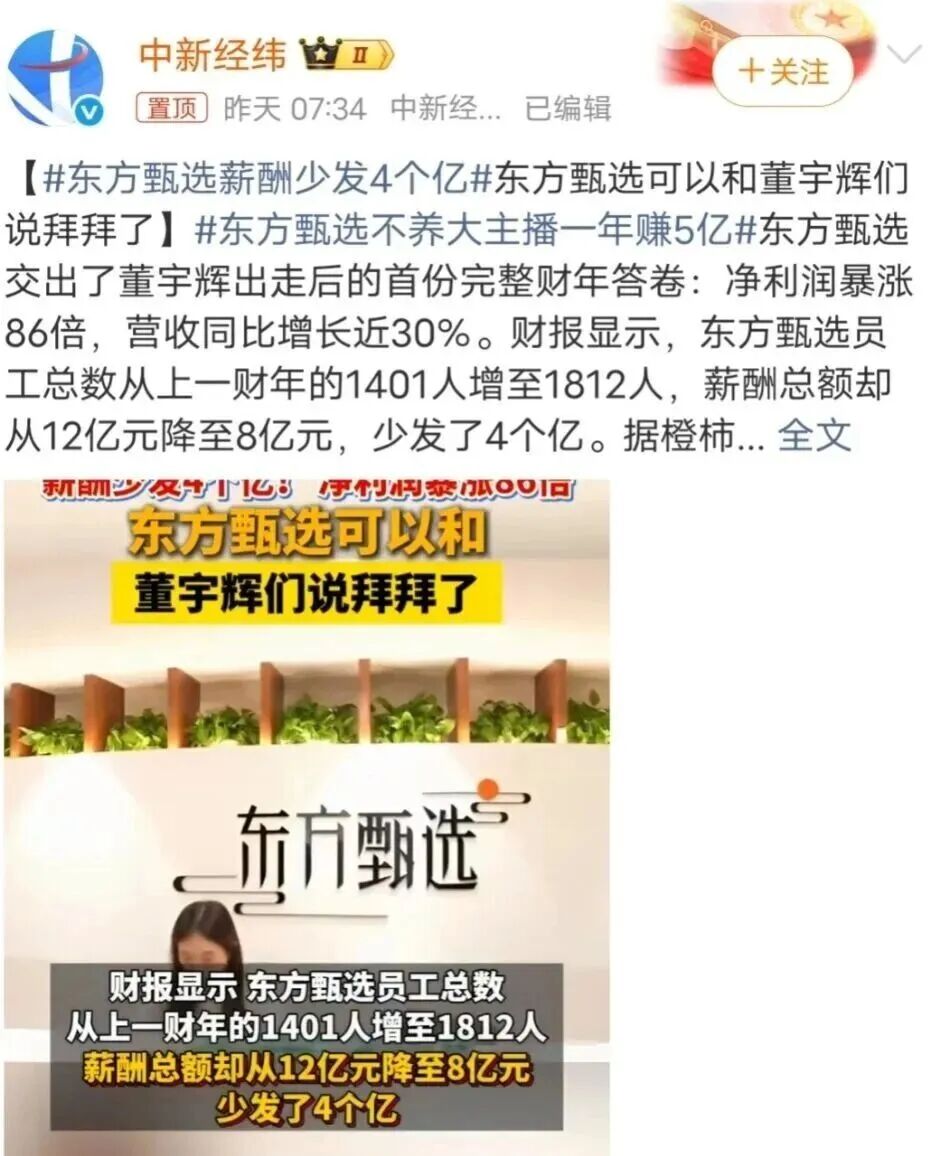
Image Source: Weibo
01 Painful Past: Five 'Super Streamers' Earned RMB 400 Million More Than 400 Employees Combined!
At its zenith, East Buy appeared to be thriving, yet it was ensnared in a precarious situation. Back then, East Buy lacked brand differentiation—users didn't recognize the platform or the products, only the top streamers. Dong Yuhui, Dun Dun, Sun Dongxu, Mingming, and Tianquan accounted for 90% of the live-stream room's traffic and sales, receiving top-tier industry salaries in return.

The time when the former trio of mentor and apprentices were happiest was also when netizens were happiest. Image Source: Weibo
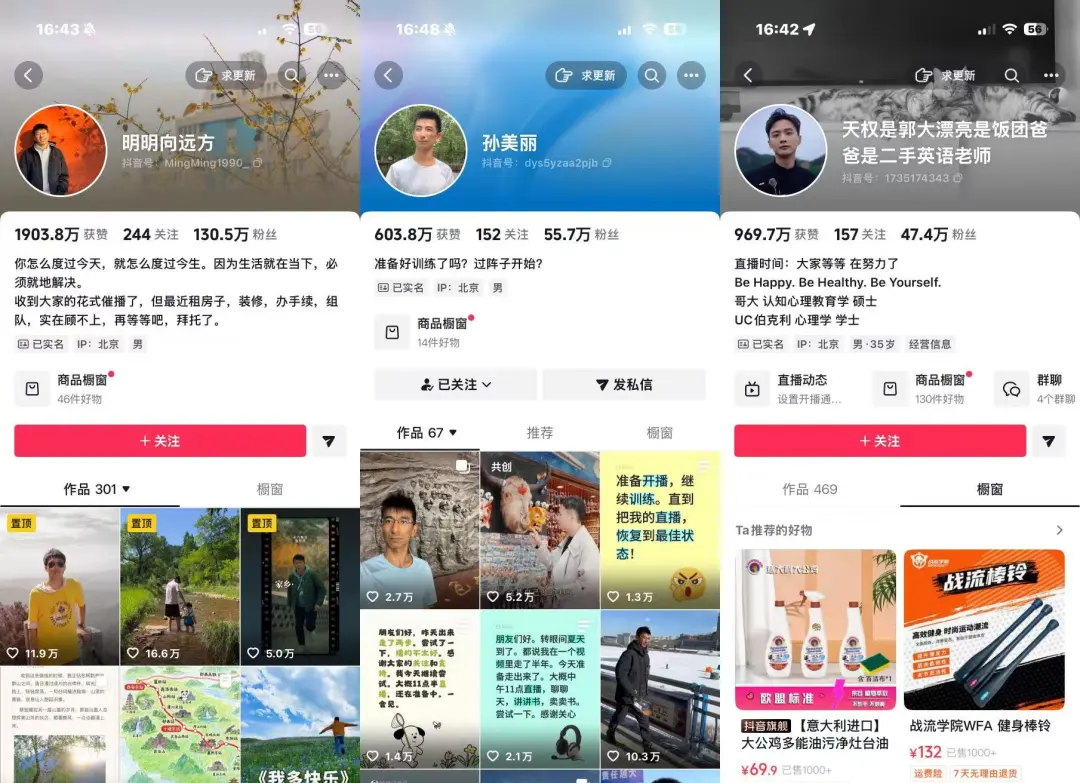 Image Source: Douyin
How exaggerated was the salary gap? Public data reveals that in the first half of 2024 alone, Dong Yuhui earned over RMB 260 million in six months through profit-sharing with Huihui Tongxing. The other four top streamers received hefty signing fees, traffic-sharing revenue, and dedicated team costs, with their combined salaries far surpassing the total compensation of hundreds of ordinary employees.
At that time, the RMB 1.2 billion annual salary pool was predominantly allocated to the five top streamers, while thousands of supply chain, quality control, and operations staff had to share the remaining resources, creating an extremely imbalanced salary structure. While the outside world only saw East Buy's explosive popularity, only Yu Minhong knew: The company appeared to be a platform, but in reality, it was a tool for super streamers.
More alarming than exorbitant salaries was the concentration of risk. Traffic, reputation, and sales were all tied to personal IPs, with streamers being the company's lifeblood. Once a streamer left, fans, orders, and reputation would all drain away, with all risks ultimately borne by the company.
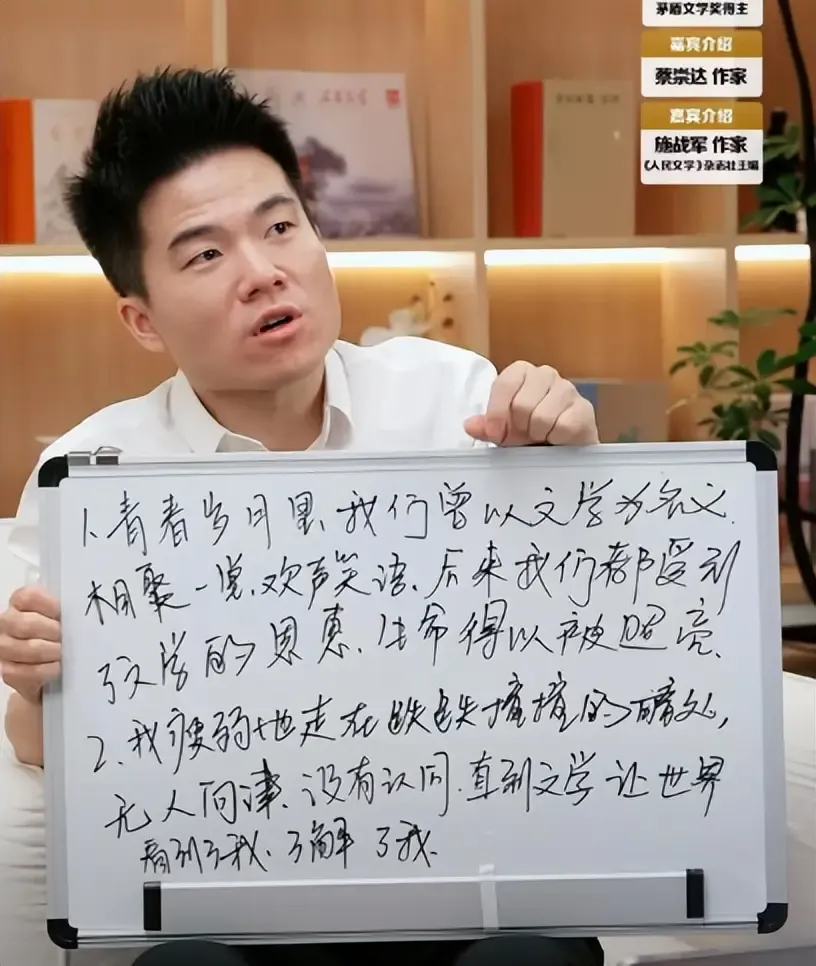 Image Source: Douyin
To break free from these shackles, East Buy embarked on a radical reform in 2024. In July 2024, it completely severed ties with the Dong Yuhui system; in 2025, Dun Dun and Sun Dongxu left one after another; in April 2026, four core streamers, including Mingming and Tianquan, departed in quick succession.
Nearly the entire initial top streamer matrix left, with constant negativity online predicting that East Buy's popularity would plummet and it would quickly fade into obscurity. But the latest financial report delivered a resounding rebuttal: After bidding farewell to exorbitant top streamers, East Buy not only didn't collapse but shed its burdens and achieved steady profitability.
02 Complete Transformation: Abandoning Streamer Dividends, Betting on Long-Term Product Foundations
Many mistakenly believe that the RMB 400 million salary reduction was achieved through cost-cutting layoffs and employee exploitation, but in reality, it represents a complete restructuring of East Buy's business logic.
In the past, East Buy was 'people-centric': heavily investing in top streamers, relying on personal personas to drive traffic and performance, with profits ultimately flowing to the streamers while the company served as a mere intermediary. Now, it has fully shifted to being 'product-centric', cutting the inflated salaries of top streamers and redirecting the saved funds toward supply chain, quality control, product R&D, and other foundational enterprise strengths.
This explains the seemingly contradictory phenomenon: The more employees hired, the lower the labor costs became.
None of the over 400 new hires were exorbitantly paid top streamers; they were all supply chain specialists, quality inspectors, product managers, and back-office operators. Currently, East Buy's supply chain and product teams number 983, accounting for half of the company. Over the past six months, the quality control team has expanded by nearly 80%, while the number of product managers has doubled. In the fiscal year 2026, tens of millions of yuan were invested in self-operated quality inspections, with RMB 10 million allocated as a special fund to strictly inspect external link products, mitigating risks from the source.
These tasks lack trending topics or traffic—they simply involve repeatedly verifying raw materials, conducting sample inspections, and optimizing after-sales service. But it is precisely these meticulous foundational efforts that have driven the ultimate shift in consumer mindset: Consumers no longer pay for streamer sentiment but for product quality and brand trust. Personal traffic has been fully transformed into corporate brand equity.
While solidifying its products, East Buy has completely abandoned the 'gambling' model of relying on a few individuals to carry the entire show, instead fully building a matrix of mid-tier streamers. Within a year, the on-air team expanded from over 20 to over 80, with plans to exceed 100 next year. Simultaneously, it has launched a multi-category Douyin matrix, with multiple streamers rotating, accounts segmented, and operations divided, thoroughly dispersing the weight of individual streamers and eliminating the risk of 'one person leaving, performance collapsing'.
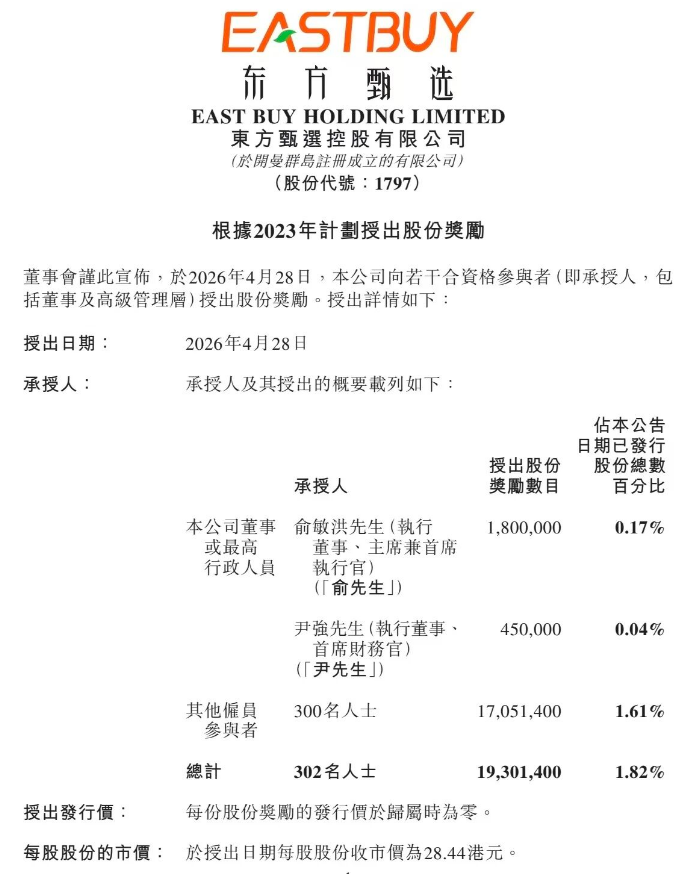
Image Source: East Buy Equity Incentive Announcement
To complement this new team model, the company introduced a major equity incentive plan, with over 300 core employees sharing in multi-million-level stock dividends, completely breaking free from reliance on a single top streamer and transitioning to team-based, systematic operations. Thus, East Buy has completed its ultimate transformation: from an internet celebrity company betting on personal IPs to a formal enterprise steadily earning through products, supply chains, and systems.
03 Industry Trend: Live-Stream E-Commerce Bids Farewell to the Era of Individual Heroes
East Buy's de-top streamer move is not an isolated case but the inevitable outcome for the entire live-stream e-commerce industry.
The industry's first half was a pure era of traffic dividends, where super IPs came with built-in traffic and achieved overnight success. But as the dividends faded, everyone came to realize the reality: Businesses propped up by individuals may seem lively but are actually fragile. With uncontrollable costs, extreme risks, and inability to scale, they cannot sustain long-term development.
Top MCNs have collectively begun 'de-heroization' transformations. After Luo Yonghao stepped back from the spotlight and shifted to the AR sector, 'Crossing Friends' decisively shed its personal IP label, incubating over 50 vertical live-stream rooms and expanding across multiple platforms, maintaining stable profitability without relying on the founder's presence.
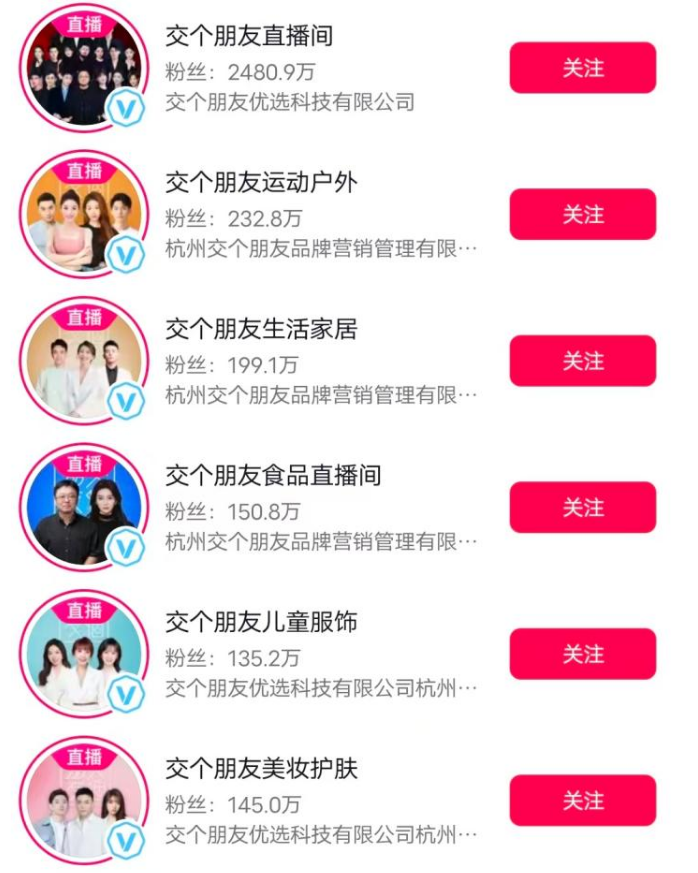 Image Source: Douyin
Xin Xuan followed suit, with Xin Ba voluntarily stepping back and upgrading the signing system to a partnership model, fully supporting mid-tier streamers. Last year's Double 11, 31 streamers went live in tandem, with mid-tier streamer sales surging nearly 30%, achieving promotional targets even without the founder present.
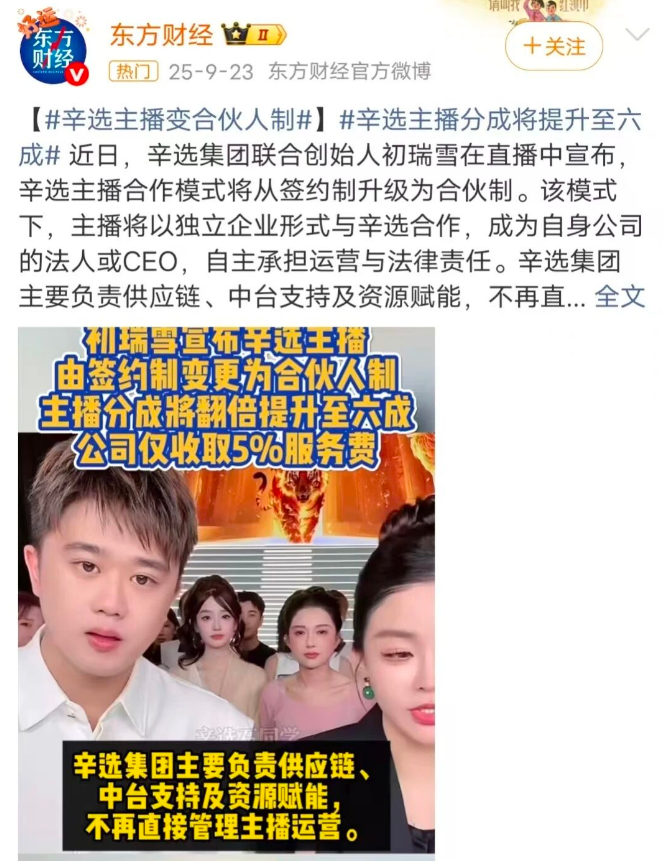
Image Source: Weibo
A clear industry consensus has emerged: De-IP-ification, decentralization, productization, and systematization. Super streamers are short-term dividends but long-term liabilities—tying a company's fate to an individual is the biggest business flaw. Today, competition in the track has long since moved beyond 'streamer popularity'; the real core now lies in supply chains, quality control, repurchase rates, and operational systems.
04 Hidden Worries Behind the Prosperity: Freed from Streamers, Bound to Platforms
While East Buy's transformation—with a 9,300% surge in net profit and RMB 400 million in cost optimization—is impressive, two major hidden concerns cannot be ignored amid the flourishing data.
First, the explosive profit growth is severely distorted. This year's profit surge stems from an extremely low base in the fiscal year 2025 (just RMB 5.73 million), offering limited reference value. Compared to its 2023 peak, the gap is stark: At a similar RMB 10 billion GMV scale, 2023 saw RMB 10 billion in GMV and RMB 970 million in net profit; in 2026, with RMB 10.2 billion in GMV and higher revenue, net profit was just RMB 540 million, less than 60% of the peak.
Second, while East Buy has escaped streamer dependency, it has fallen deep into platform reliance—the core reason profits cannot return to their peak. After losing Dong Yuhui's built-in free traffic, East Buy can only maintain popularity through paid traffic, causing marketing expenses to skyrocket. Sales and marketing expenses were just RMB 300 million in FY2023 but surged to RMB 1.1 billion in FY2026, nearly quadrupling in three years.
Previously, super streamers drove traffic and secured resources for the platform; now, without personal IPs, East Buy can only spend real money to buy traffic and orders. Yu Minhong once attempted to break free, testing Taobao live-streaming and launching its own app to escape Douyin's grip, but the efforts ultimately fizzled out.
Financial report data tells the most honest and compelling story: After fully iterating its streamer team and implementing de-IP-ification reforms, East Buy's revenue and net profit accelerated in the second half of FY2026, with net profit surging by over 200% year-on-year. Freed from streamer dependency, East Buy now earns money more stably, healthily, and sustainably.
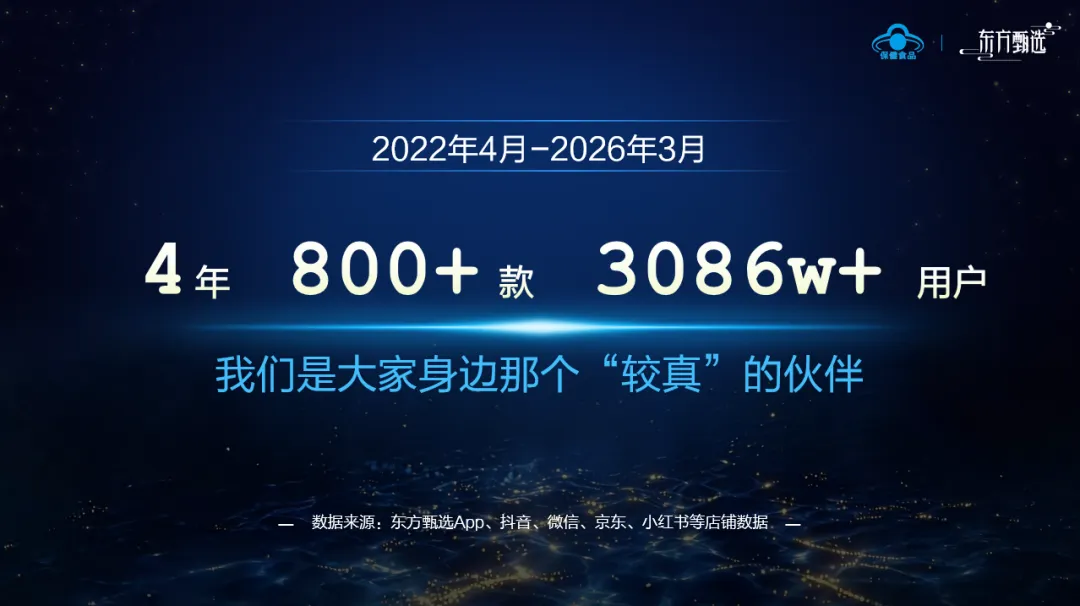
Image Source: East Buy
Currently, 99% of East Buy's traffic, orders, and fans rely entirely on Douyin, with matrix fans exceeding 60 million and nearly 100 million annual orders originating from the platform. In contrast, its self-operated app has just 350,000 paying members, minimal daily traffic, and only one offline experience store, completely unable to support its business fundamentals.
From being held hostage by streamers to being controlled by platforms, East Buy has merely swapped its shackles without achieving true independent growth.
05 Conclusion: True Good Businesses Never Rely on Heroes
Reviewing East Buy's turbulent two-year transformation reveals the most fundamental business truth: Enterprises that can weather cycles must be de-personalized and de-heroized.
Businesses relying on super individuals may explode in popularity quickly but collapse even faster; only those built on systems, products, supply chains, and teams can achieve steady, long-term profitability. Yu Minhong's ruthless decision to cut RMB 400 million in top streamer salaries and bid farewell to numerous top streamers may seem like damage control, but it was actually a radical move to thoroughly reshape the company's foundations
Disclaimer: The content of this article is confined to offering financial commentary on prominent companies and should in no way be interpreted as investment advice. All the corporate data and details about regulatory events mentioned herein are extracted from publicly accessible sources and are presented solely for reference purposes, pending official announcements. The images utilized in this article are sourced from the internet. Should there be any copyright concerns, please reach out to us for their prompt removal.
-
![]()
When 'Ferrari' and 'Porsche' Become Commonplace, How Should We Choose a Car?
-
![]()
Shunwei and Lenovo Co-Invest in Another AI Agent Startup Emerging from the CapCut Ecosystem
-
![]()
Yu Minhong Shudders: How Five 'Top Streamers' Nearly Bankrupted a Listed Company
-
AI-Related Business Revenue Surpasses 60% for the First Time, iSoftStone's 'Full-Stack Intelligence' Strategy Enters Harvest Phase
-
Some Investors Reap 100-Fold Returns While Others Suffer Losses Right at Entry: Zhipu's Market Value Plummets by Over HK$500 Billion—Has the Valuation Logic for AI Large Models Transformed?
-
![]()
Focusing on Data and Delivery, Kingsoft Office Leads the Enterprise AI Race
-
![]()
Goldman Sachs Executive Sounds Alarm: Overreliance on AI Could Diminish Human Reasoning Skills
-
![]()
The Allure of 'Acquisition Spree': Li Shufu's Left Turn, Xu Jiayin's Right