When 'Ferrari' and 'Porsche' Become Commonplace, How Should We Choose a Car?
 08/26 2026
 558
558
The aesthetic trajectory of China's automotive industry has taken an intriguing turn.
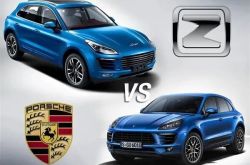
In the industry's infancy, the superficial imitations of supercars by Landwind and Zotye were mere isolated incidents during a tumultuous period, never gaining mainstream acceptance. It was Lei Jun and Xiaomi Automobile that truly dethroned the exclusive allure of Ferrari and Porsche aesthetics, democratizing them for the mass market and sparking an aesthetic awakening among the public.
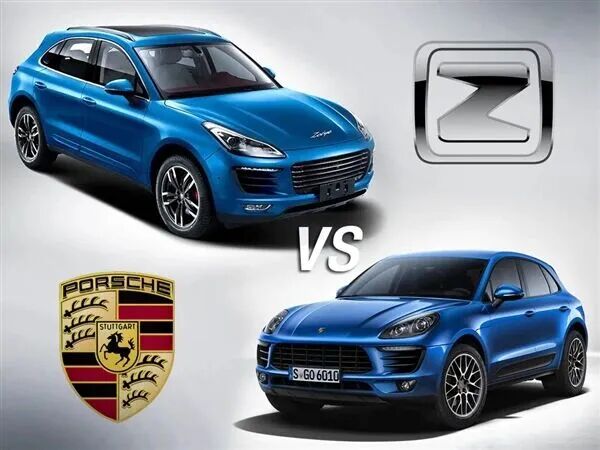
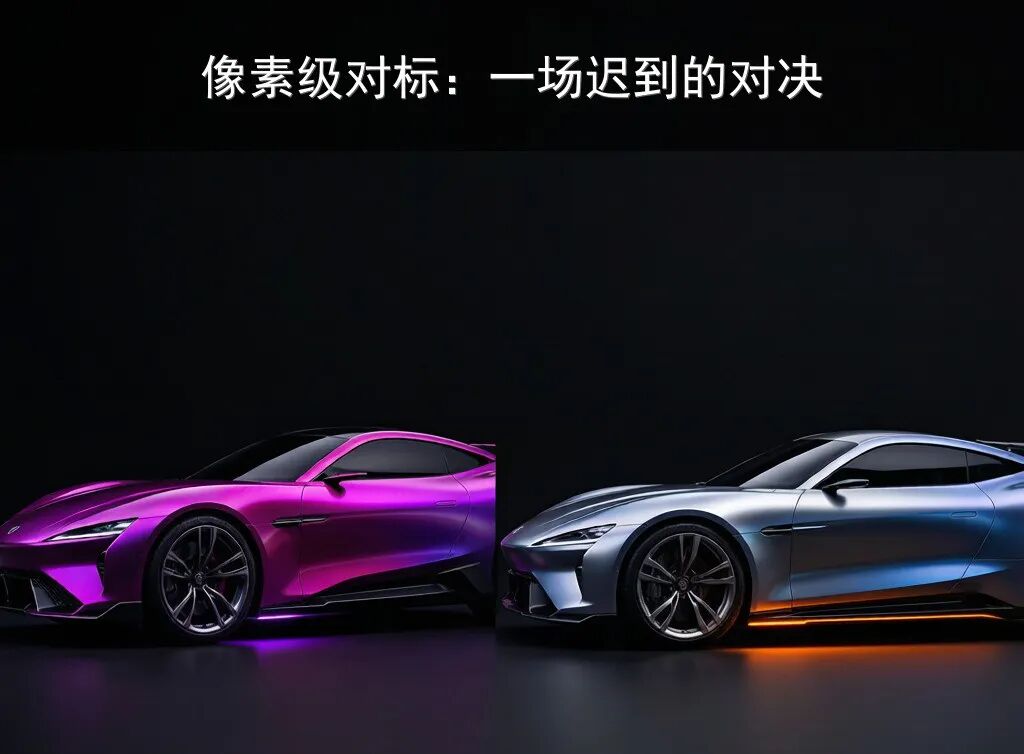
Image Source: Weibo
The launch of the Xiaomi SU7 redefined the aesthetic benchmark for new energy vehicles in the RMB 200,000 price bracket. With the tagline 'paying homage to the classics,' it brought the sporty and luxurious proportions, low-slung and wide stance refined by Ferrari and Porsche over decades, from the realm of million-dollar supercars to the mainstream design standards of affordable electric cars. More impressively, this homage transcended mere plagiarism; through balanced body proportions, refined surfaces, and mature craftsmanship, it transformed paying tribute to the classics into a new industry standard.
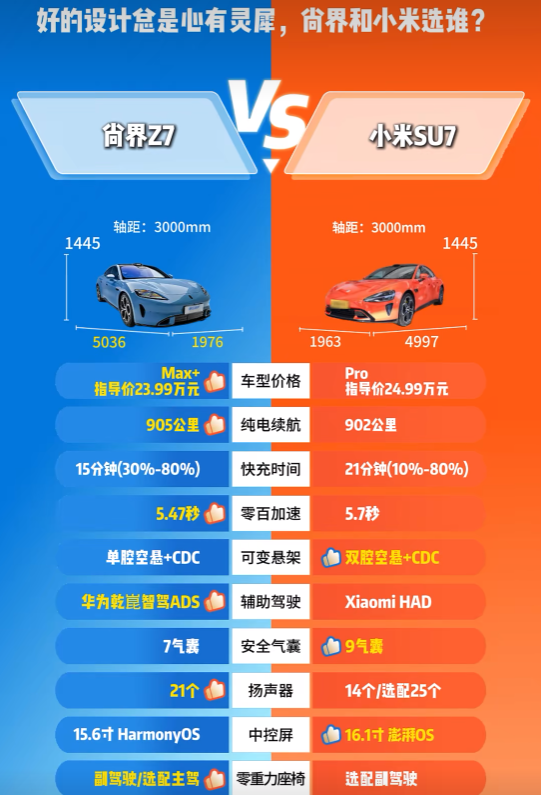 A comparison between Shangjie Z7 and Xiaomi SU7, with only a RMB 100 price difference. Image Source: Weibo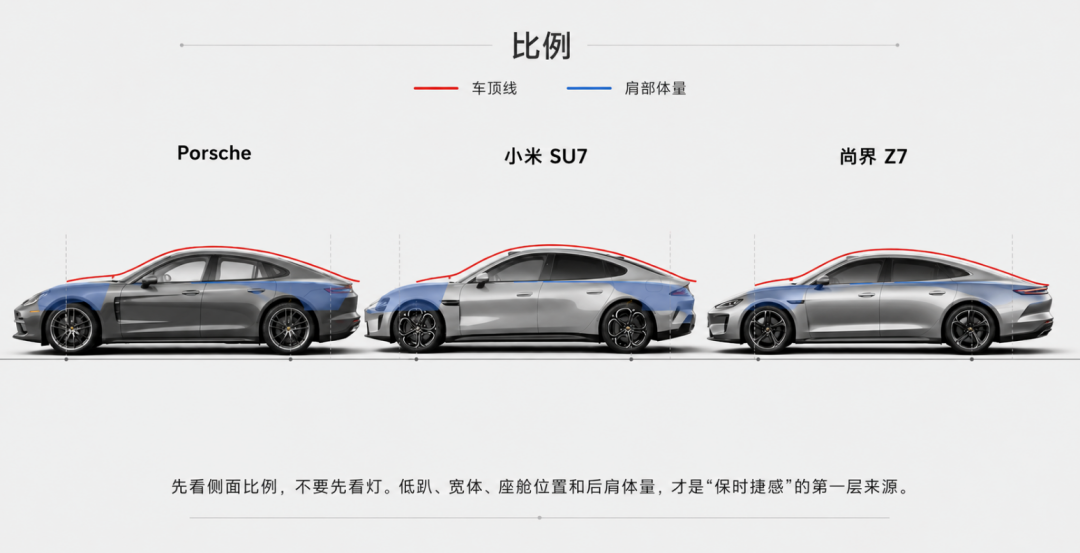
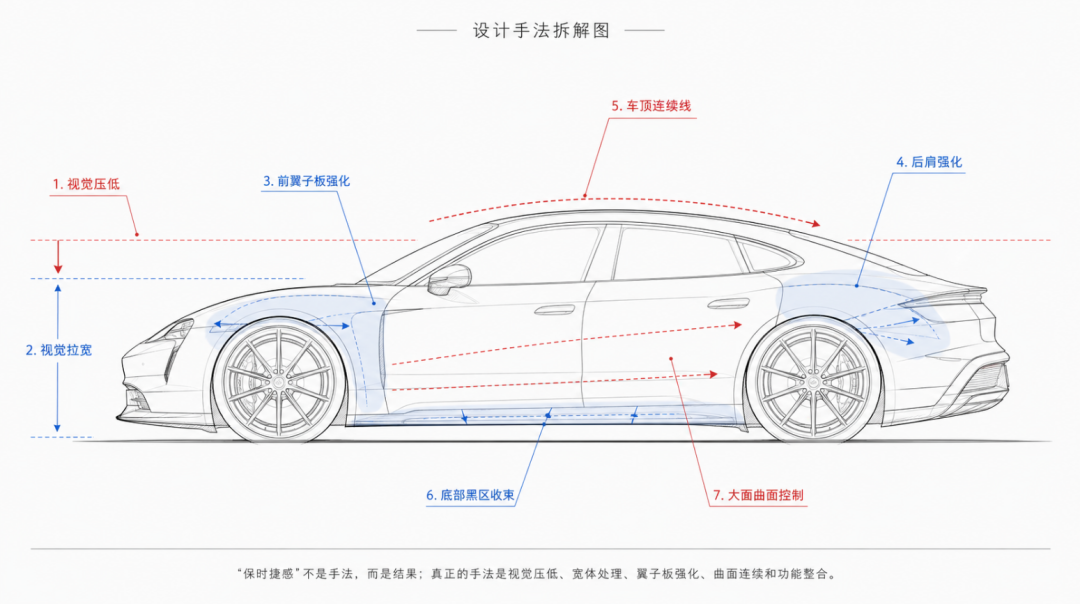
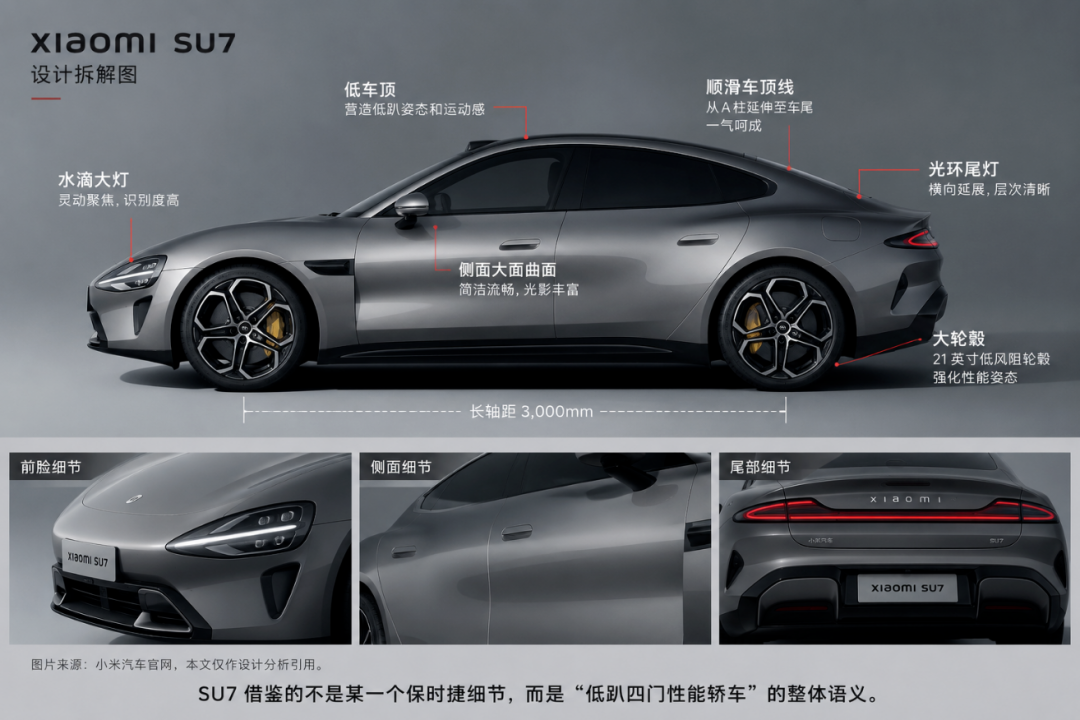
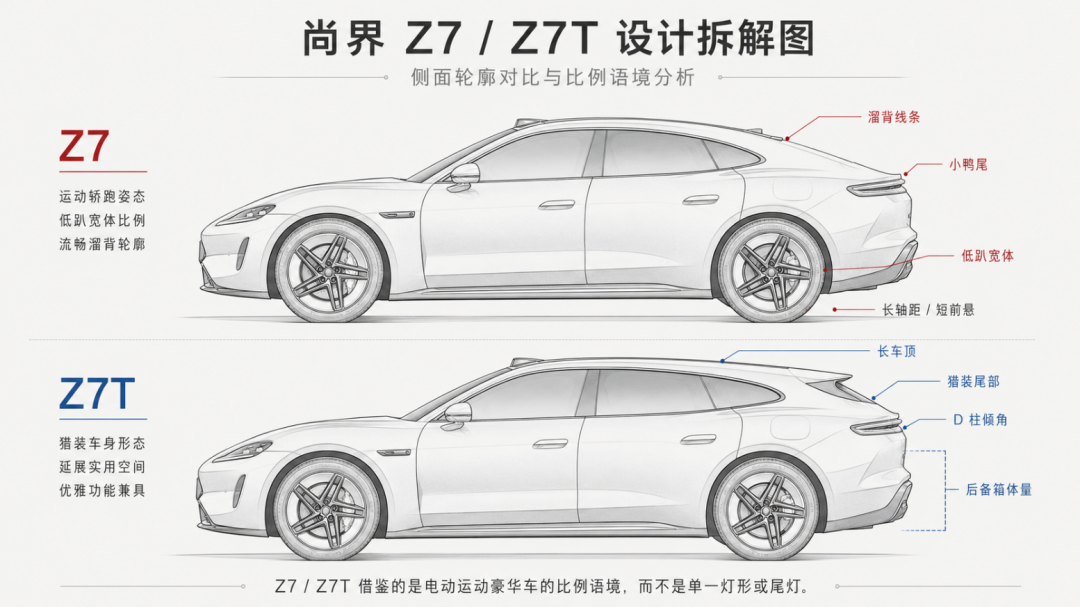 Image Source: Enlightenment from the Creation Workshop @WeChat Official Account
Since then, the supercar trend in the domestic new energy market has surged uncontrollably. In the 2026 new car market, low-slung bodies, muscular wheel arches, fastback coupes, and FUV crossover physiques have become the norm. Automakers have tacitly agreed to collectively benchmark against the aesthetic templates of Ferrari and Porsche, and even Xiaomi Automobile, leading to a sweeping design trend across the entire Chinese automotive market.
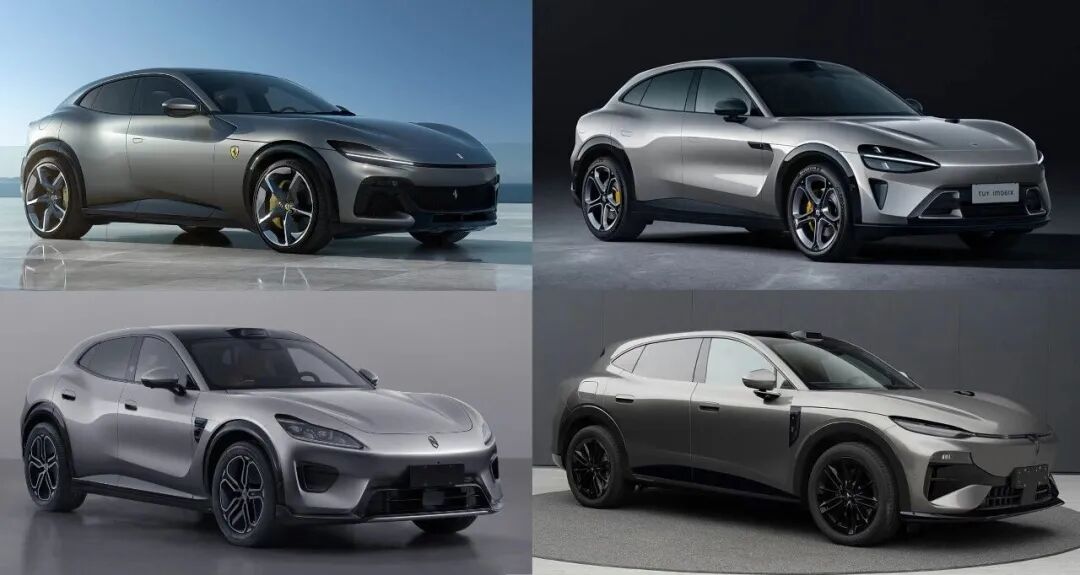 Top Left: Ferrari Top Right: Xiaomi Bottom Left: Seres Bottom Right: Voyah
This trend has deep roots. During the fuel car era, the Landwind X7 mimicked the Porsche Cayenne, the Leopaard CT7 drew inspiration from the Panamera, and the Hanteng X7 and Geely GE borrowed design cues from the Porsche family. The domestic sports car FAGLE Carrie even combined traits from two supercars, mimicking the Porsche 718's body and the Ferrari F12's front fascia, positioning itself as an affordable supercar. The Zotye SR9 and T700 were iconic models from the early days of domestic imitation.
With the advent of the new energy era, the trend of imitation has intensified. The Hongmeng Zhixing Seres S7's headlight design continues the design lineage of the old Porsche Taycan; the lines and headlights of the Qijing GT7 hunting coupe show traces of the Panamera. The FUV category, pioneered by the Ferrari Purosangue, has sparked a wave of imitation in China, with several new models such as the Voyah Zhiguang S, Seres RX, Arcfox Alpha T7, Changan Qiyuan Q06, and Xiaomi YU7 all using the Ferrari FUV's body stance as their design benchmark.
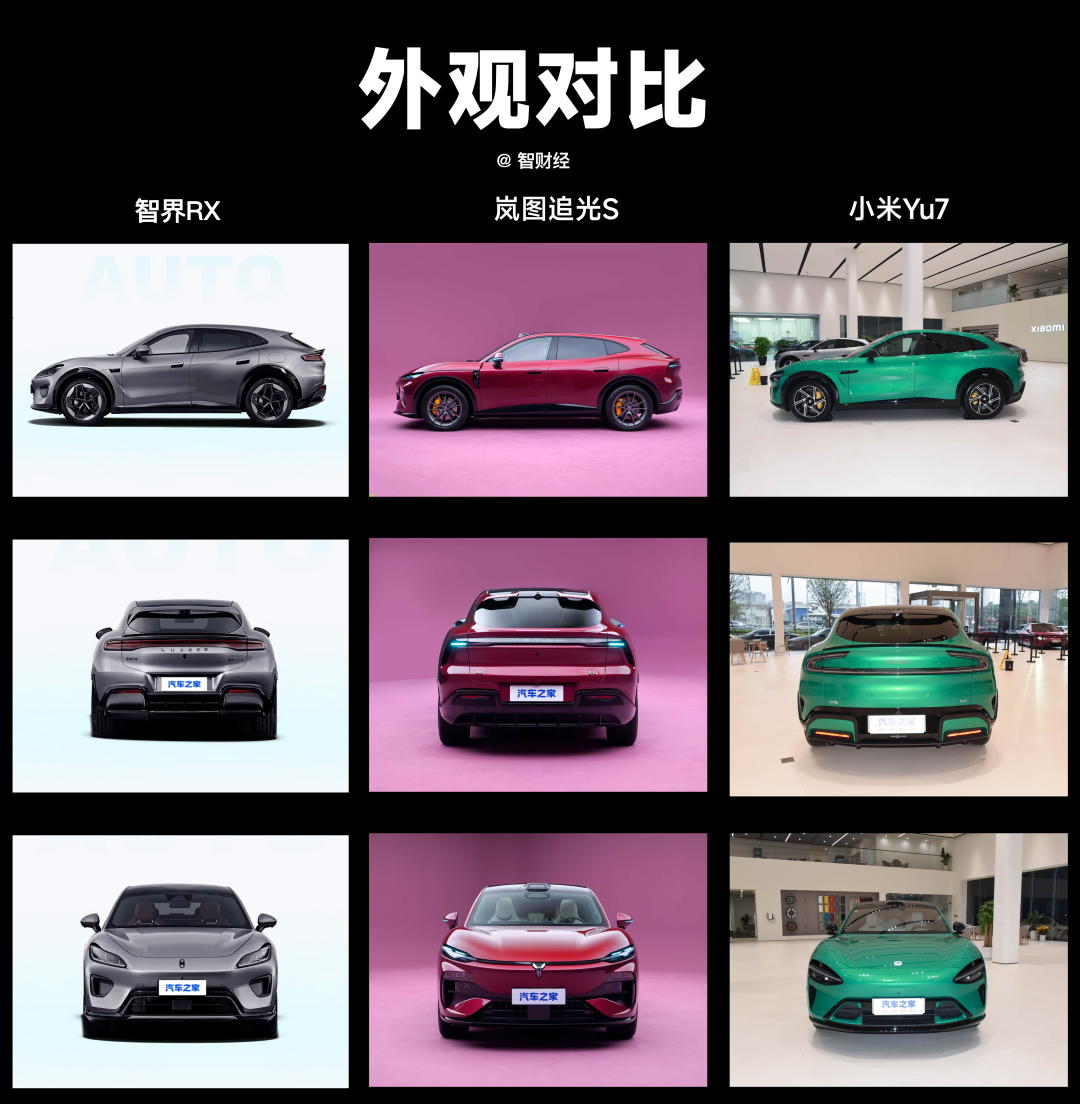 Image Source: Zhicaijing
The marketing tactics of the Seres RX have exposed the thin veil of industry norms. The brand heavily promoted the joining of a former Ferrari designer and claimed to possess authentic supercar design pedigree, while in reality, the model had already been finalized and mass-produced before the designer's arrival. This deliberately packaged marketing gimmick eventually drew public scrutiny from Ferrari and became a classic industry farce. The truth behind it is straightforward: the so-called overseas supercar design endorsement is mostly a capital marketing ploy where packaging outweighs substance.
 Image Source: Weibo
As automakers flock to ride the wave of supercar aesthetics, they are also heavily recruiting overseas designers to bolster their credentials. This persistent chaos points to a core pain point in the industry: while our battery, electric drive, and intelligent driving technologies have reached the global top tier, the industry remains mired in a mindset that venerates big names.
Historical Repeat: The Foreign Admiration Detour Taken by Japanese Automakers
The aesthetic dilemma of domestic automobiles is not unique; three decades ago, Japanese automakers aiming for the global premium market took the same detour.
In the 1980s and 1990s, Japanese cars swept the global market with their cost-effectiveness, but their local designs were not recognized by the Western mainstream. To break through the premium barrier, Lexus, Honda, Infiniti, and Mazda all leveraged overseas design teams that had collaborated with Ferrari and Porsche, relying on Western aesthetic authority to endorse their brand premiumization.
At that time, the consensus among Japanese automakers was pragmatic: while hardcore technologies could be developed independently, brand soft power such as luxury and sporty qualities had to be empowered by Western supercar aesthetic authority. But history has already delivered its verdict: foreign designers can draw the shell but cannot provide the brand's soul.
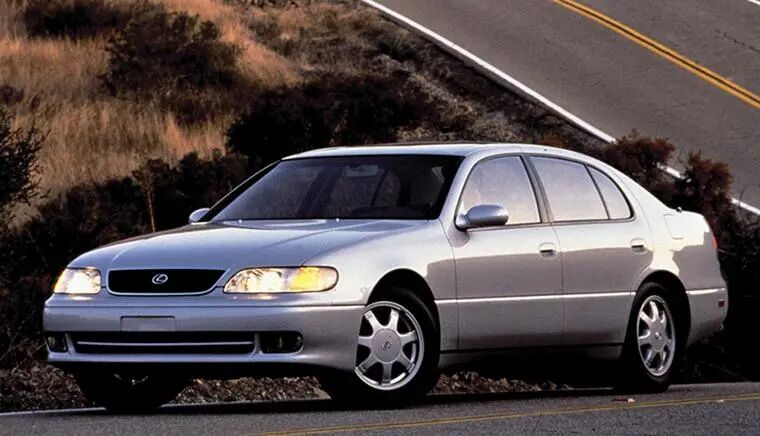
The first-generation Lexus GS with a strong European flair
Lexus ultimately established itself in the premium segment through Japanese engineering aesthetics of extreme restraint, not European supercar shells; the Honda NSX achieved legendary status by improving the drawbacks of traditional supercars being difficult to drive and impractical; Mazda broke through by completely abandoning Western templates and creating its unique brand ethos through self-developed Kodo design.
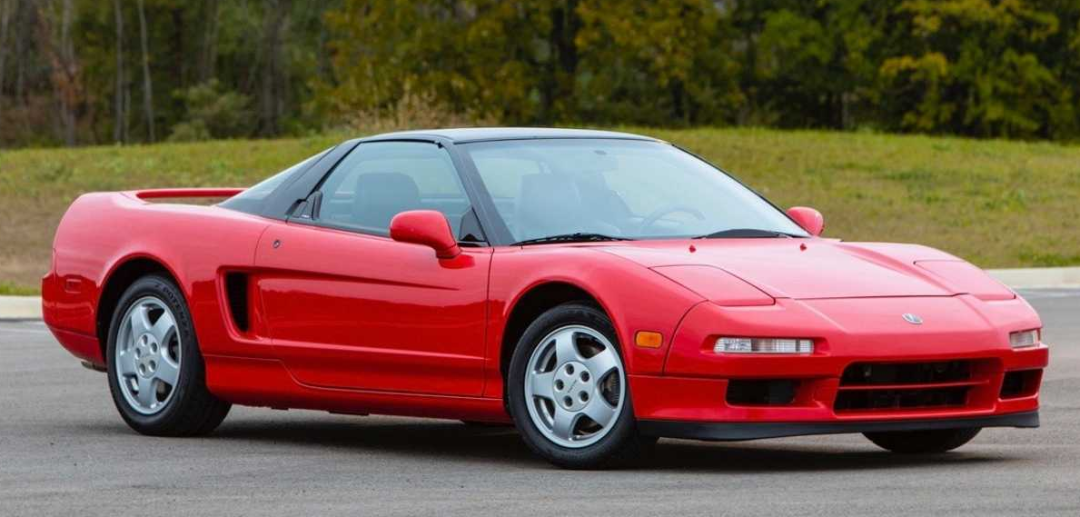
The core watershed in the maturity of Japanese design is clear: shifting from spending money to have foreigners prove their sophistication to building their own system and redefining sophistication. The classic lines of Ferrari and Porsche are never the result of individual genius but systematic achievements piled up through team R&D, track accumulation, and wind tunnel testing. Without proprietary technology and cultural soil, even the biggest-name designers can only produce ill-fitting patchwork.
Unfortunately, many domestic automaker managers are still trapped in the early-stage mindset of the Japanese. They are unwilling to spend years refining a proprietary design language and instead spend millions in annual salaries to buy overseas designer titles to package their brands. Using overseas aura to conceal fuzzy brand positioning and using appearance borrowing to avoid the lengthiness and risks of original R&D is the core ailment of venerating big names.
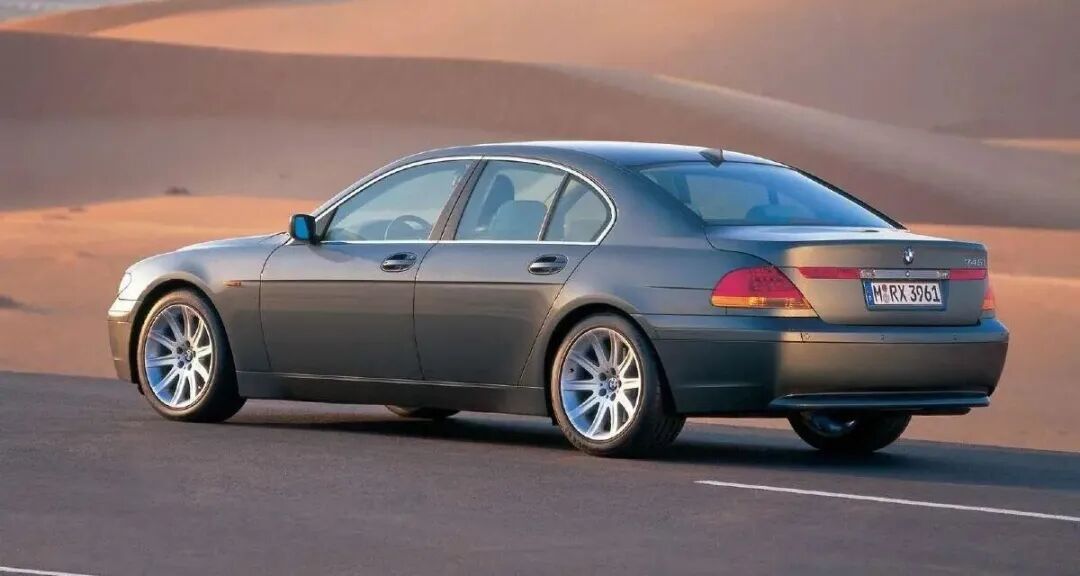
Capital can buy a name but not the precipitation of time. Behind BMW's classic designs lies a complete engineering system and tolerance for trial and error, but in the domestic new energy sector, where the competitive landscape shifts rapidly and automakers have extremely short lifespans, capital's zero-tolerance rules completely cut off the possibility of long-term design refinement and iteration. This is not just a lack of aesthetic confidence but also commercial speculation: treating design as a quick cosmetic fix rather than the core skeleton for long-term brand growth.
Toyota, which has undergone iterations, has long seen through the essence: overseas inspiration can only be borrowed, and brand aesthetics must be internalized and grown independently. True brand charm never comes from heavy spending but is the result of generations of products innovating and slowly precipitating. Looking back at the present in the future, whether the industry will be left with a unique Oriental automotive aesthetic or a sea of uniform supercar replicas, the answer lies in every short-sighted decision made today.
Collective Supercar Trend: Imitation Is Never Aesthetics, But Survival Game
'Imitating design language is easy, but the soul behind the design cannot be copied.' This sentiment from a Porsche executive sums up the current automotive market reality. Today, at auto shows, without the badges, one sees shadows of the Taycan, Panamera, and Purosangue everywhere. Behind the nationwide supercar trend lies the helplessness of luxury brands and the survival game of domestic automakers. She used two words—honored and helpless. Honored that in the past few years, Porsche's designs have indeed inspired a highly unified design aesthetic in the Chinese automotive industry. As for why helpless, I believe everyone understands.

Image Source: Weibo
Supercar borrowing is not exclusive to automakers; it has been prevalent in the civilian modification circle for years. The Toyota MR2 replicating a Ferrari supercar with scissor doors, the Celica modified to resemble an F430, the Accord turned into a Lamborghini, and the 300C transformed into a Rolls-Royce are all common operations. However, there is a fundamental difference between civilian amateur modifications and automakers' mass-produced collective imitation.
Over the past decade, domestic battery, electric drive, and intelligent driving technologies have achieved leapfrogging breakthroughs, yet the chaos of aesthetic imitation has only increased. The reason has never been technological shortcomings but the inability to bear market risks. Original design inevitably comes with public controversy and market uncertainty. In the new track's extremely cruel survival rules, a poor reputation for the first product likely means the brand's complete exit, with capital offering almost no room for trial and error.
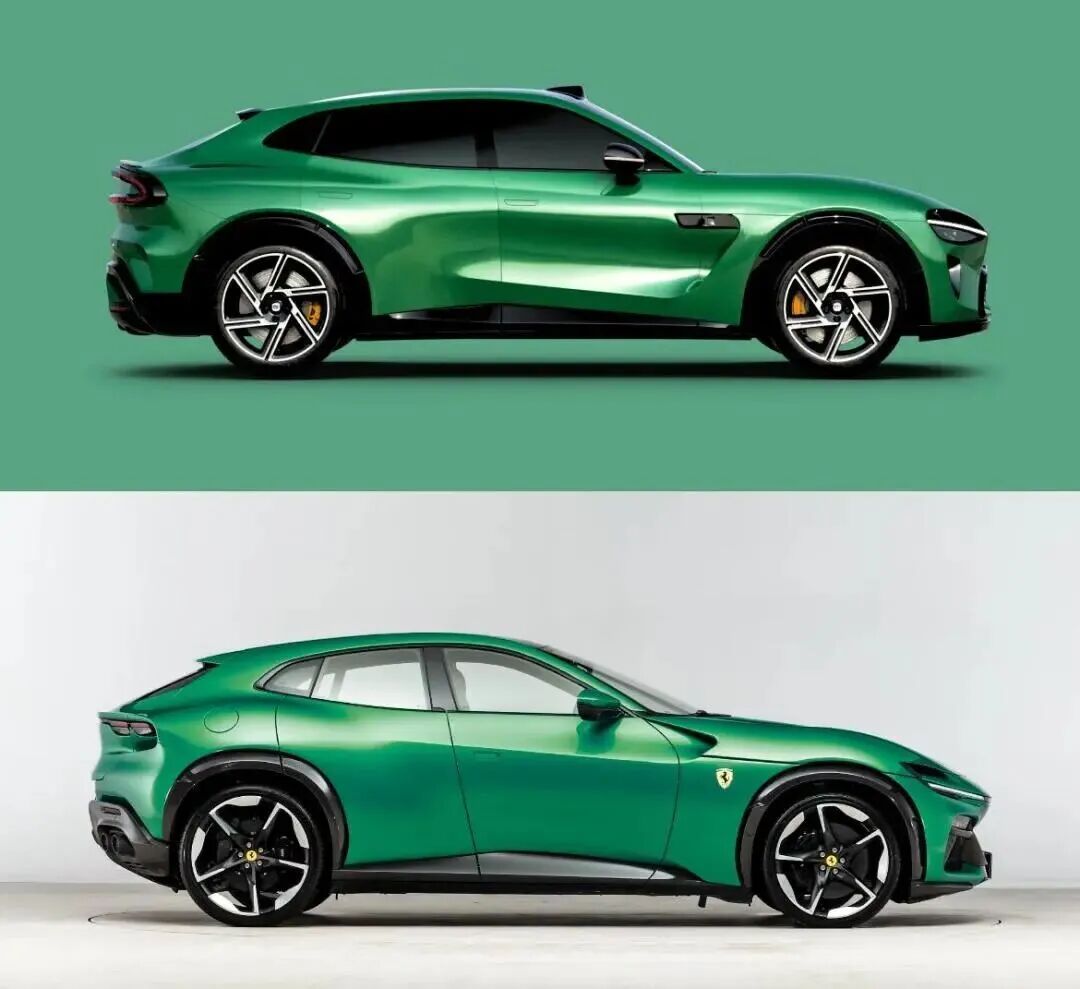 Image Source: Weibo
Against this backdrop, playing it safe has become the optimal solution for automakers. The aesthetic systems of Ferrari and Porsche, verified over decades, have never failed, and the user perception of 'sporty luxury' is already ingrained. New brands can quickly bind themselves to premium attributes and boost product premiums by borrowing mature supercar physiques without lengthy market education. Meanwhile, the industry's extreme competition has significantly shortened design R&D cycles, making borrowing mature templates the optimal choice for fast-paced gaming. Throughout the global automotive development history, Toyota, Hyundai, and even Porsche itself have all gone through stages of borrowing and iteration at their starts.
The current industry borrowing is already distinct from the crude copying of the Zotye era; most models achieve shell borrowing of supercar aesthetics while completely self-developing their core battery, electric drive, and intelligent driving technologies. We must objectively distinguish between deliberate imitation and engineering convergence: for electric vehicles to reduce drag and optimize range, a closed front fascia and low-slung fastback are the optimal engineering solutions, which coincidentally overlap with the natural physique of top supercars. The contour similarity of the Xiaopeng New P7 is a typical result of technological convergence.
Original design comes with high risks and investments, while borrowing offers low risks and high adaptability. This unequal game has created the norm of new cars 'looking alike.' For domestic design to emerge from the shadow of supercar aesthetics, the market must ultimately pay for and tolerate original design.
Borrowing ≠ Plagiarism: The True Focus Should Never Be Just the Skin
Today, most domestic sports coupes and FUV models are labeled as supercar look-alikes. The Xiaomi SU7 is jokingly called the 'Xiaomi-etti,' and various new energy models cannot escape supercar benchmarking discussions. However, defining industry phenomena solely as 'plagiarism' is too one-sided. Domestic automakers flocking to supercar physiques are essentially borrowing their century-old logic of sporty and luxurious proportions. For new brands without historical accumulation, borrowing this globally verified visual credibility is the optimal shortcut for brand upward breakthroughs.
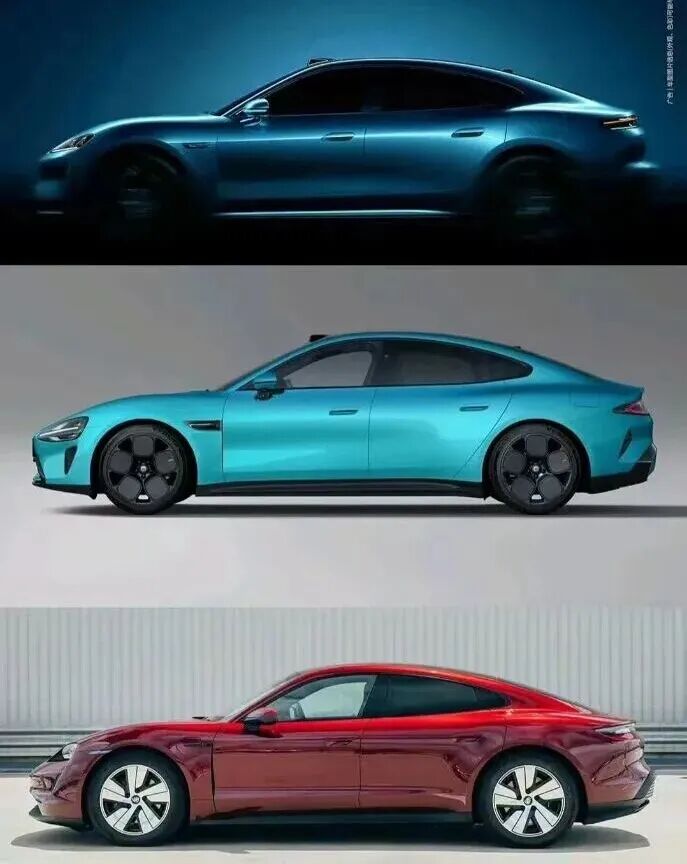
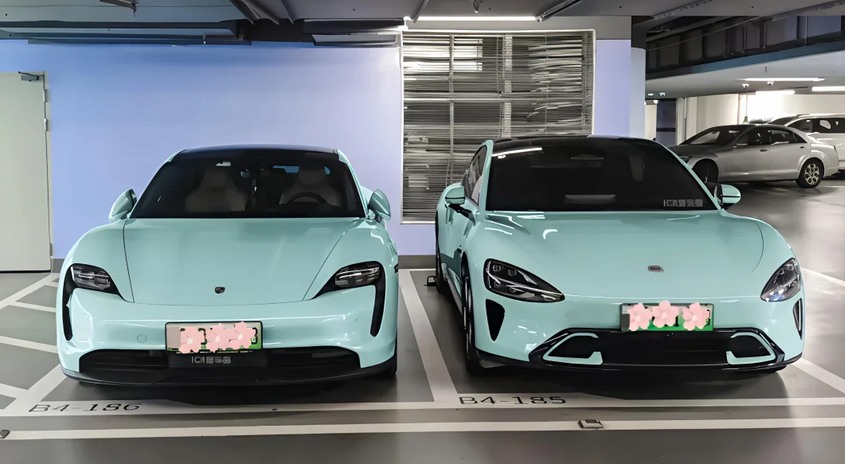
Image source: Xiaohongshu
Similar proportions do not equate to plagiarism. The naturally long wheelbase and short front overhang structure of pure electric platforms can easily lead to similar body shapes. The key to distinguishing between inspiration and copying has never been the degree of visual similarity, but rather the underlying logic: whether one learns the fundamental engineering principles or simply copies superficial decorative elements.
The aura of sophistication that surrounds supercars is a product of a comprehensive engineering aesthetic system. The low profile of these vehicles is a result of engineering efforts aimed at lowering the center of gravity, rather than a mere flattening of the car's body for aesthetic purposes. The wide bodywork is a testament to the power of the wheel arches that envelop the wheels, rather than a blind widening of the car's frame. The sloping rear end represents a harmonious blend of aesthetics and functionality, rather than a rigid, arbitrary cut. The premium feel is derived from the interplay of light and shadow on the car's delicate curves, rather than from an artificial creation of a sporty vibe through excessive creasing.
For automakers, adopting tried-and-tested supercar designs is a prudent business strategy to mitigate market risks. However, this approach comes with significant drawbacks. Over-reliance on external templates over time can completely erase a brand's unique design identity. For the average consumer, it's essential to bear in mind the following criteria: similar proportions are a deliberate design strategy; understanding the underlying engineering logic reflects a brand's design prowess; mastering the interplay of light and shadow on curves showcases design finesse; and simply copying light clusters and outer contours is a superficial form of imitation.
The true competitive edge of supercar brands has never solely rested on their appearance. Instead, it lies in the consistent underlying logic that permeates every aspect of their design: engineering dictates proportions, proportions shape posture, posture conveys emotion, curves determine texture, and the design language remains consistently coherent over time. When selecting a car, there's no need to dismiss it outright just because it bears a resemblance to a supercar. The focus should be on whether the design serves a practical purpose, whether the craftsmanship justifies the price, and whether the car possesses unique brand identification features.
Drawing inspiration from classics is an inevitable phase in the growth of domestic automakers. However, inspiration should serve as a stepping stone, not a crutch. Blindly taking shortcuts and relying on templates will never allow these automakers to shed the label of imitation. Only by patiently honing a unique Eastern aesthetic can they achieve the transformation from merely 'building cars' to 'crafting distinctive cars'.
Our prowess in new energy technology is already on par with the global elite. While we can certainly learn from stronger players in terms of appearance, a brand's essence can only develop organically. To transition from being a major automotive nation to a leading automotive powerhouse, the competition extends beyond just range and computing power. It also encompasses having an automotive aesthetic and design system that is deeply rooted in local culture and uniquely our own.
Interactive Topic: When purchasing a car, does an appearance that 'resembles supercars like Ferrari or Porsche' add to or detract from its appeal? Are you more inclined to pay a premium for bold, original designs that may spark controversy, or do you prefer tried-and-true, safe styling that has been validated by the market? Feel free to share your thoughts in the comments section.
Disclaimer: This article is solely a Zhicaijing commentary and does not constitute any form of investment advice. The corporate data and regulatory events mentioned herein are sourced from publicly available information and are intended for reference purposes only; specifics should be based on official releases. Images are sourced from the internet; if there are any copyright issues, please contact us for prompt removal.
Show your support with a 'Like,' 'Share,' and 'Heart' all in one click!
We welcome your thoughts and opinions in the comments section!
Stay tuned for daily insights on intelligent technology and finance!
-
![]()
When 'Ferrari' and 'Porsche' Become Commonplace, How Should We Choose a Car?
-
![]()
Shunwei and Lenovo Co-Invest in Another AI Agent Startup Emerging from the CapCut Ecosystem
-
![]()
Yu Minhong Shudders: How Five 'Top Streamers' Nearly Bankrupted a Listed Company
-
AI-Related Business Revenue Surpasses 60% for the First Time, iSoftStone's 'Full-Stack Intelligence' Strategy Enters Harvest Phase
-
Some Investors Reap 100-Fold Returns While Others Suffer Losses Right at Entry: Zhipu's Market Value Plummets by Over HK$500 Billion—Has the Valuation Logic for AI Large Models Transformed?
-
![]()
Focusing on Data and Delivery, Kingsoft Office Leads the Enterprise AI Race
-
![]()
Goldman Sachs Executive Sounds Alarm: Overreliance on AI Could Diminish Human Reasoning Skills
-
![]()
The Allure of 'Acquisition Spree': Li Shufu's Left Turn, Xu Jiayin's Right