2025 Sales of Domestic Auto Brands Unveiled: Polarization Deepens, Who Takes the Lead and Who Lags Behind?
 01/04 2026
 690
690
As the clock struck midnight to usher in 2026, major automakers were eager to unveil their “final exam results.” Data reveals that BYD's cumulative annual sales soared past 4.6 million units, firmly holding an absolute lead. Leapmotor, with nearly 600,000 units delivered throughout the year, emerged as the top performer among new automotive forces. Li Auto, however, stood out as the only brand among leading new forces to witness a year-on-year decline in annual sales.
In terms of sales volume, the industry has evolved into a “one superpower, multiple strong contenders” scenario, with BYD leading the pack. Its annual sales exceeding 4.6 million units have granted it a substantial market share.
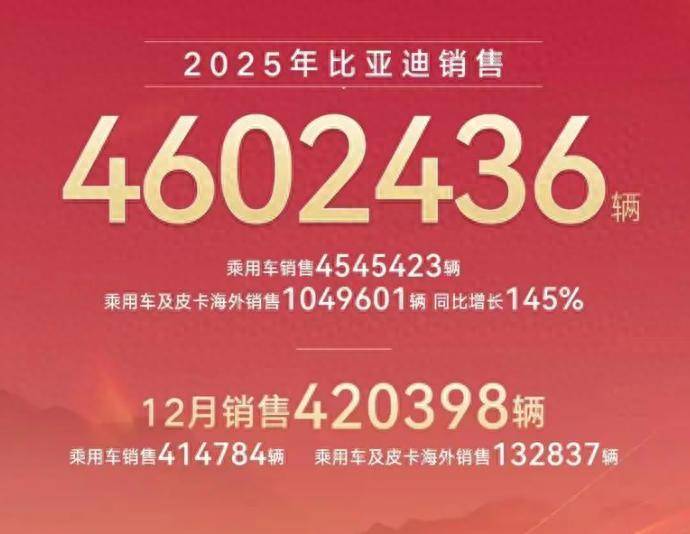
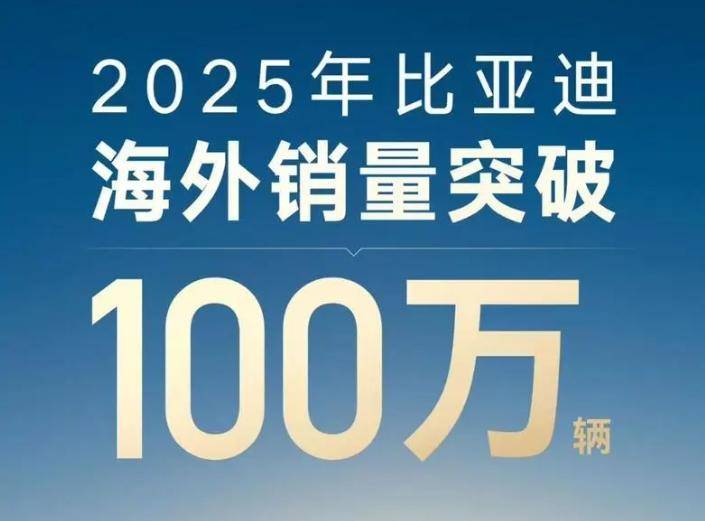
In December, BYD saw an approximate 18.2% year-on-year decline, directly impacting the monthly market landscape. Yet, another key data point demands greater attention: its overseas annual sales surpassed 1 million units for the first time, marking a staggering 145% year-on-year surge.
Leapmotor made a remarkable “comeback.” With nearly 600,000 units delivered throughout the year, it outpaced all its rivals among new automotive forces, clinching the title of the 2025 new energy sales champion.
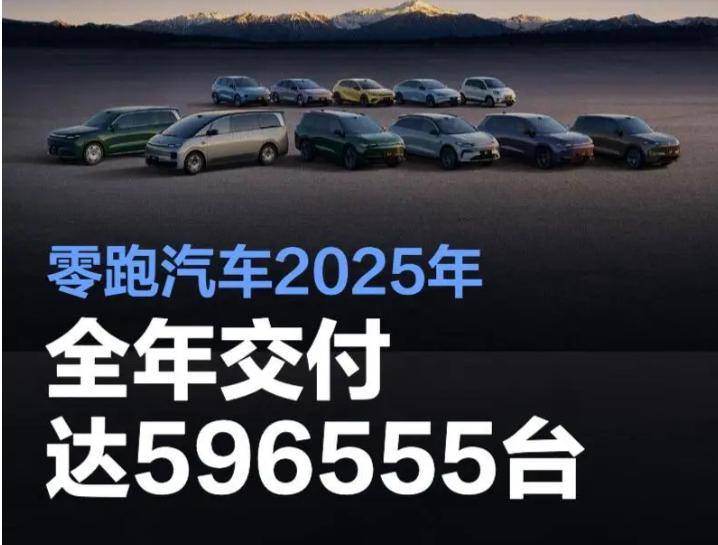
A 103% year-on-year increase in annual sales signifies that its sales volume doubled within a single year. Leapmotor's cost-effective strategy and comprehensive product lineup precisely met the core demands of the market.
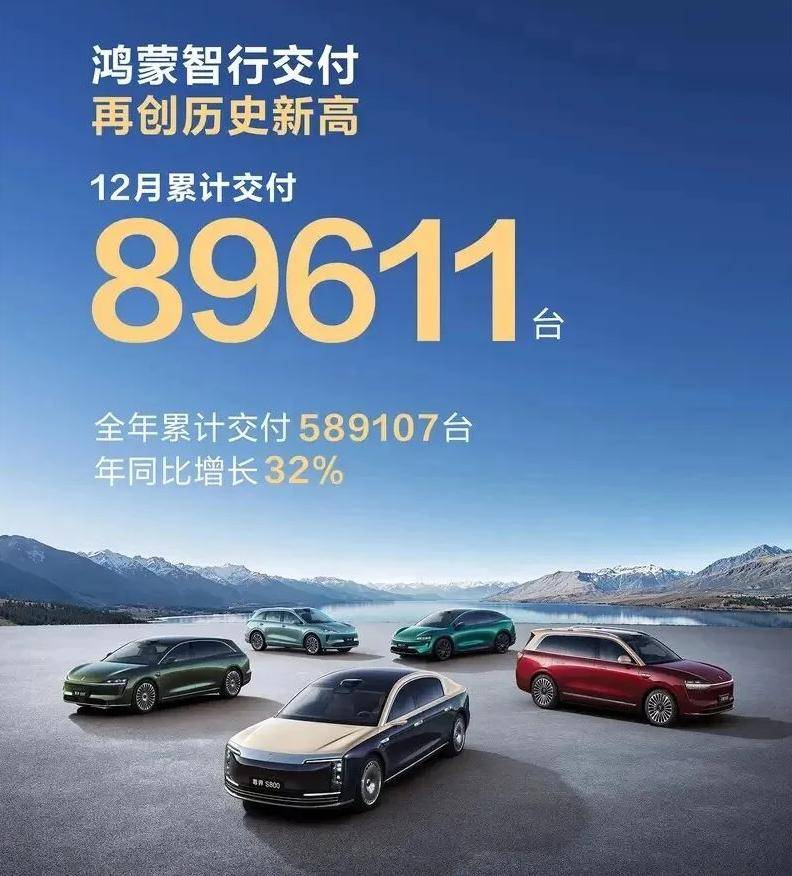
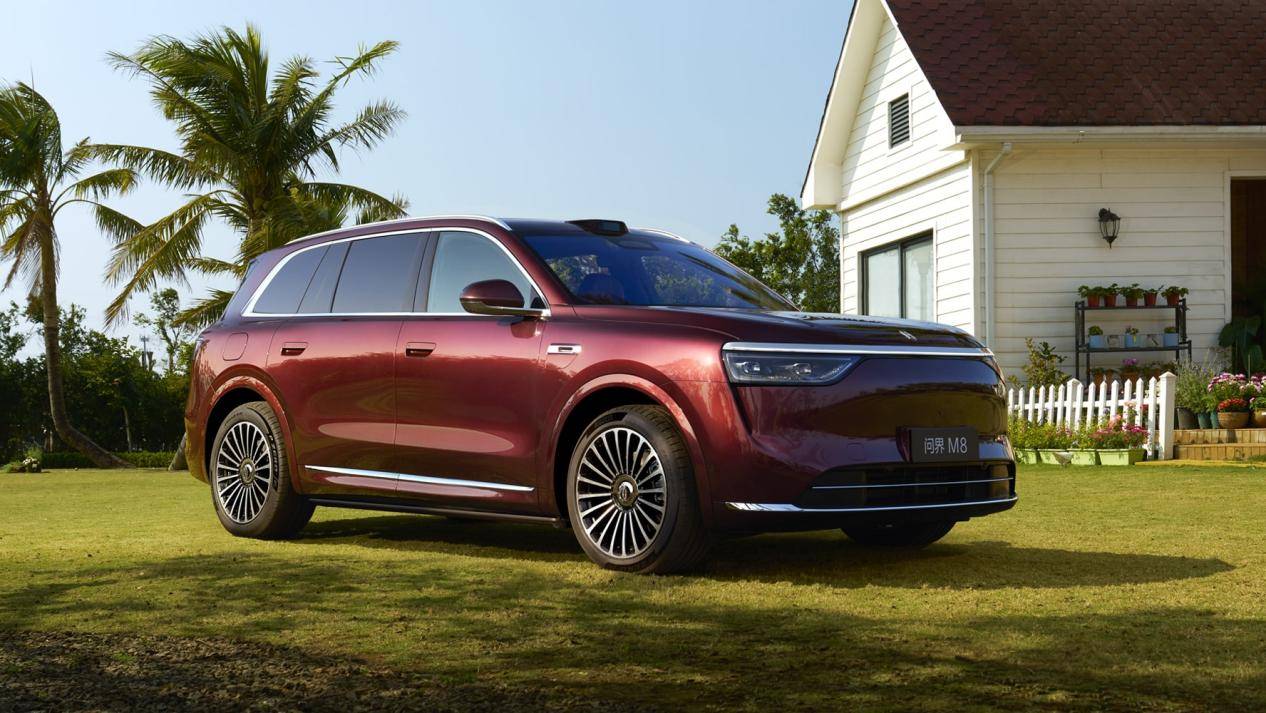
Moreover, 2025 witnessed explosive growth among cross-border brands and traditional new forces. Among them, Harmony Intelligent Mobility delivered 589,000 units annually, becoming the biggest variable with a 32% growth rate. With an average transaction price per vehicle of 390,000 yuan, it surpassed traditional luxury brands like BMW (322,000 yuan) and Mercedes-Benz (324,000 yuan), marking a historic moment where a domestic brand overtook BBA in terms of price and value.
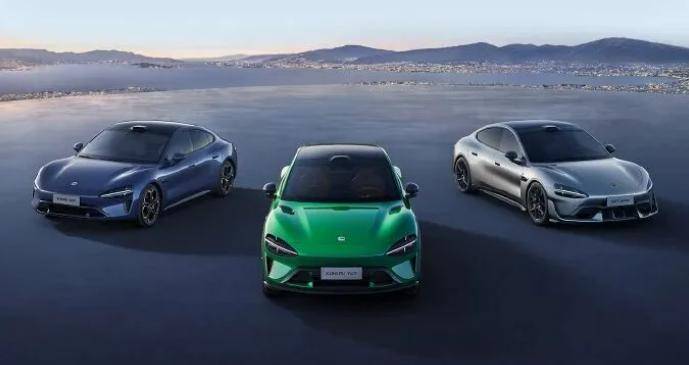
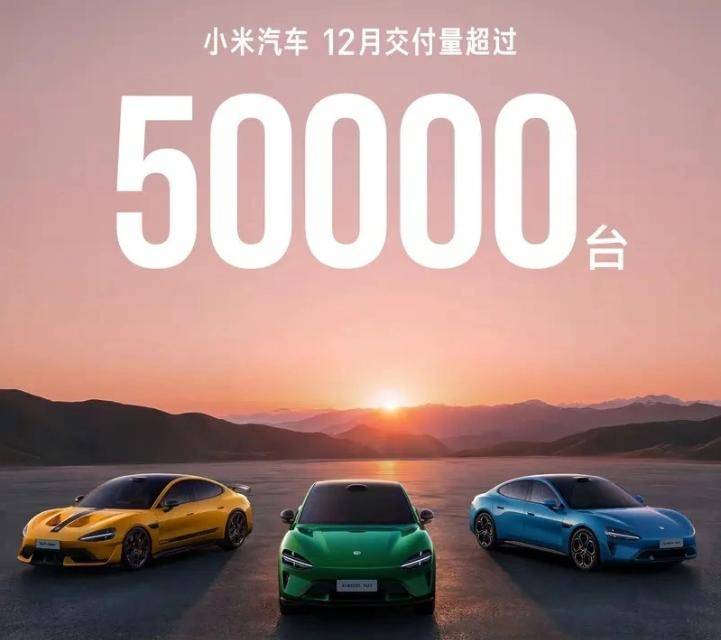
Xiaomi Auto also completed its impressive transition from a “newcomer” to a “mainstream player.” Although it vaguely announced “over 400,000 units” delivered throughout the year, it had already surpassed its annual target of 350,000 units well ahead of schedule. More significantly, its December deliveries exceeded 50,000 units for the first time, setting a new monthly record for the brand.
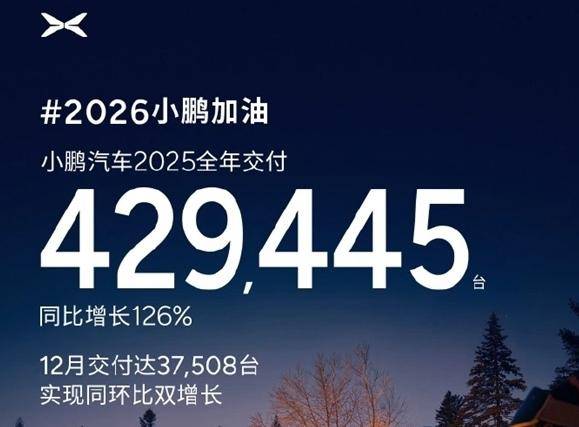
XPENG Motors also experienced rapid growth, with annual deliveries surging by 126% year-on-year, exceeding its target. Besides the success of new models like MONA, XPENG's another key highlight was its overseas market, where deliveries increased by 96% year-on-year, expanding its presence to 60 countries and regions worldwide.
In 2025, the results of traditional automotive groups' transitions became more apparent. Geely Auto's annual sales exceeded 3 million units, growing by 39% year-on-year, with new energy products undoubtedly being the biggest contributor.
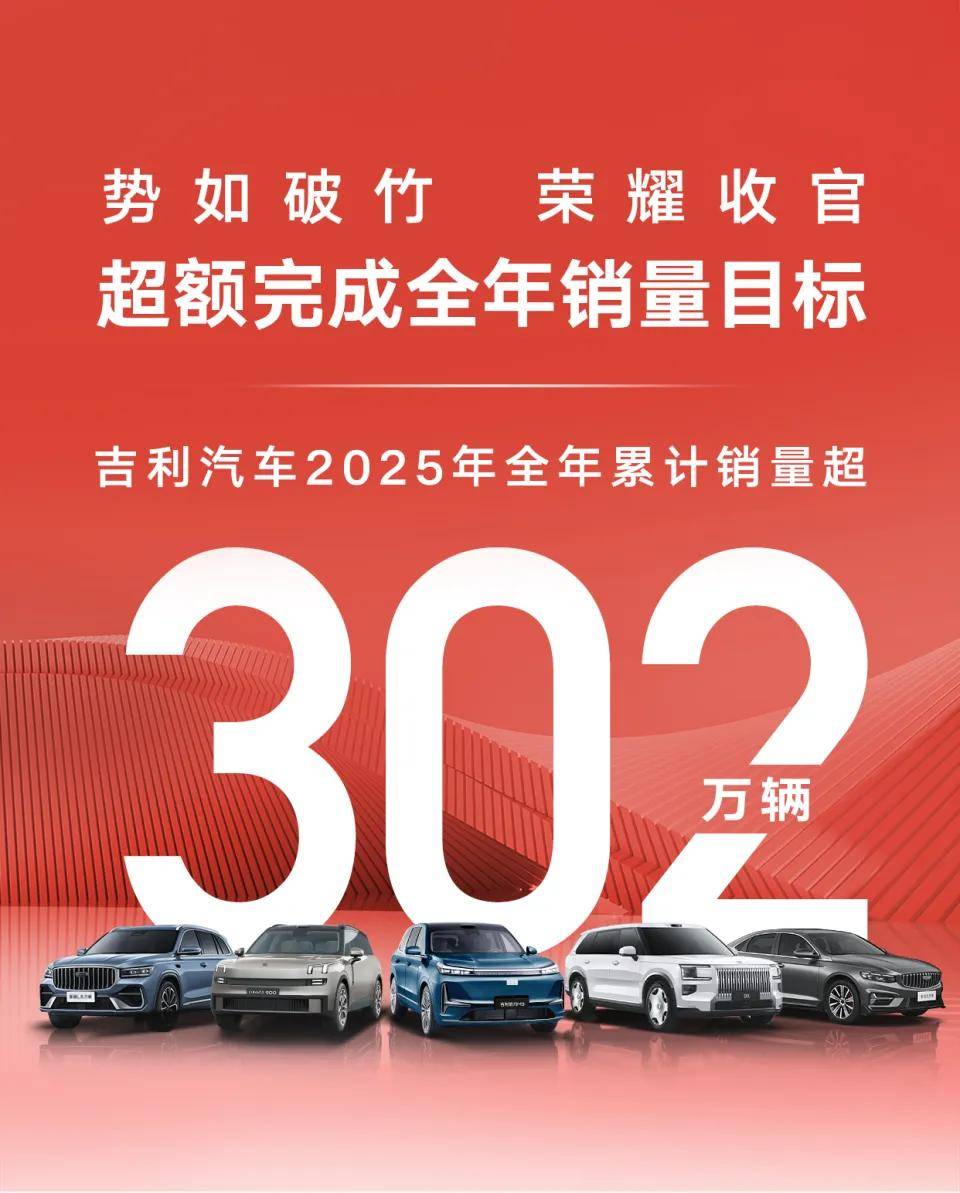
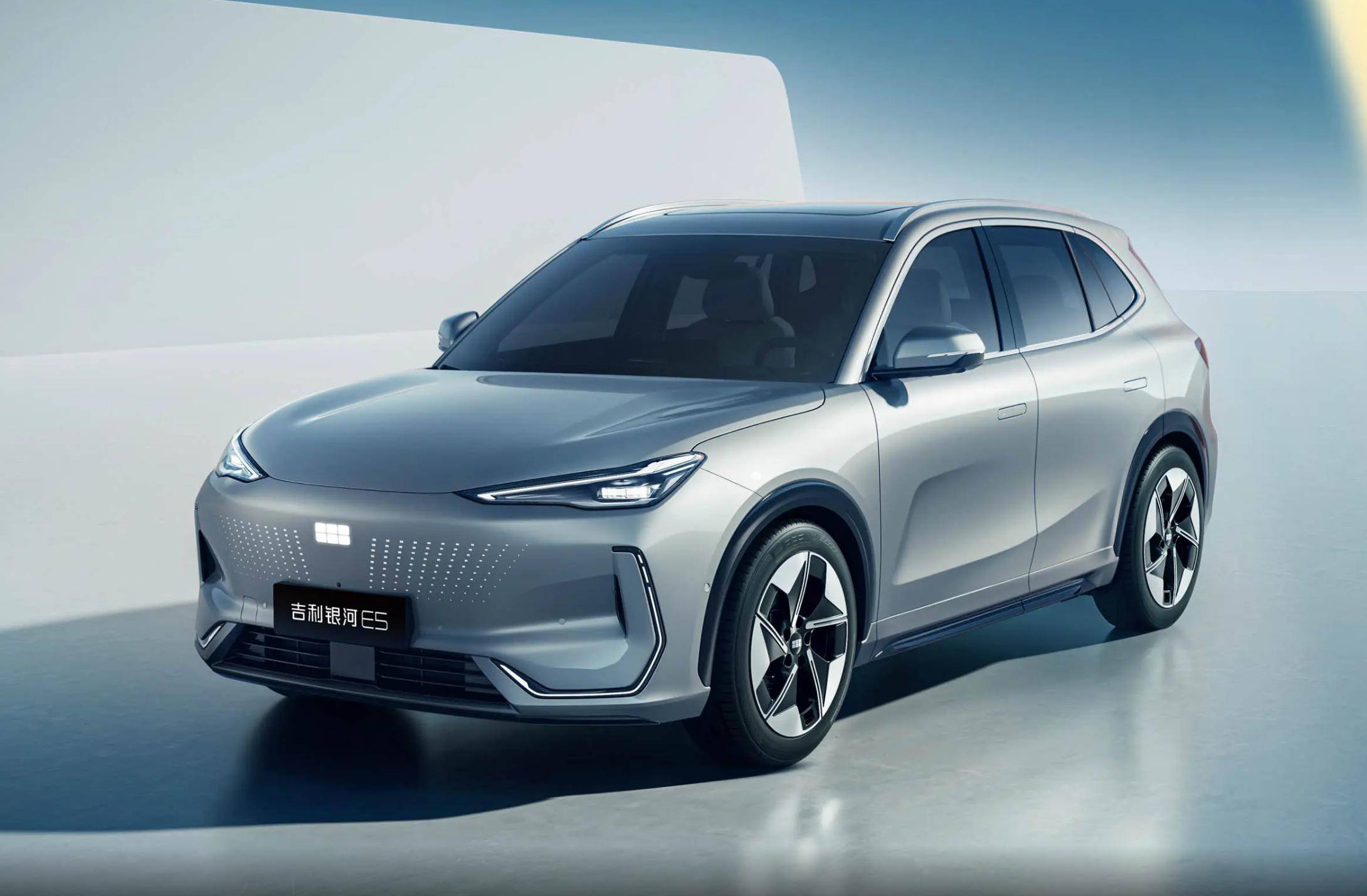
Its Galaxy series achieved 1 million sales in just 29 months, setting a record for the growth speed of Chinese new energy brands. Zeekr, a high-end pure electric brand, also surpassed 30,000 deliveries for the first time in December after being privatized and merged into Geely.
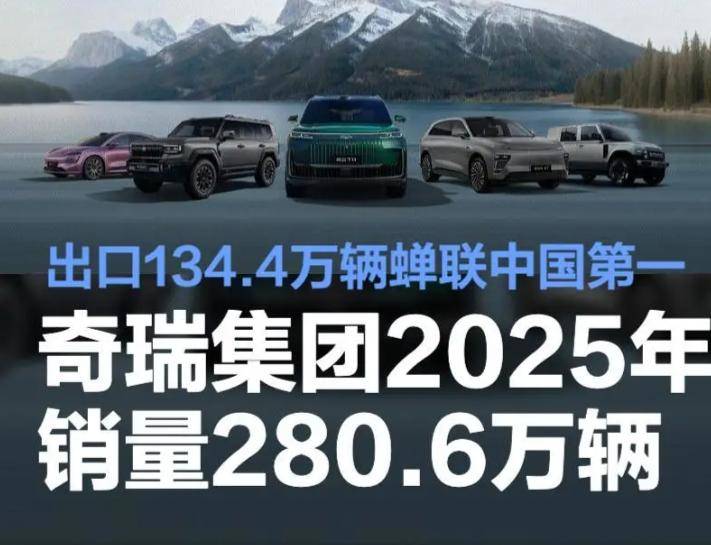
Chery Group solidified its position in the top tier with annual sales of 2.8064 million units, growing by 7.8% year-on-year. It's worth noting that Chery is a typical “export-oriented” automaker. In 2025, its overseas export sales repeatedly hit new highs, becoming the fastest Chinese brand to reach 1 million annual exports. Its global layout serves as a formidable competitive advantage.
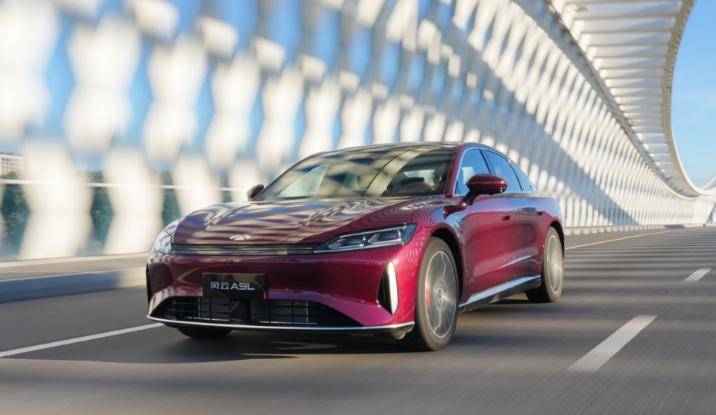
Meanwhile, Chery's new energy transition is also accelerating. Its Fengyun series, such as the A9L model, has achieved monthly sales of over 10,000 units, while new models like the Jetour Shanhai series have also garnered strong market orders.
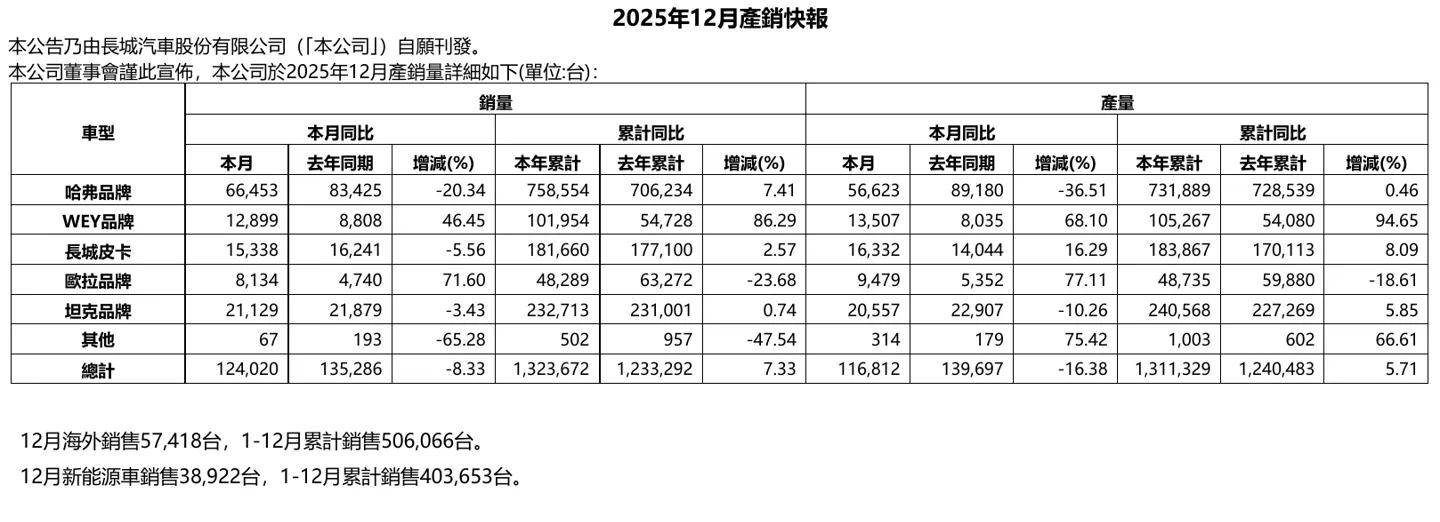
Great Wall Motors achieved a new annual sales record with a 7.33% year-on-year increase. Its new energy vehicle sales reached 403,700 units, accounting for over 30% of total sales, while overseas sales accounted for as high as 38.2%, with both strategic segments setting new historical records.
Within the emerging brand camp, the competitive landscape underwent profound changes in 2025, presenting a “two extremes” scenario.
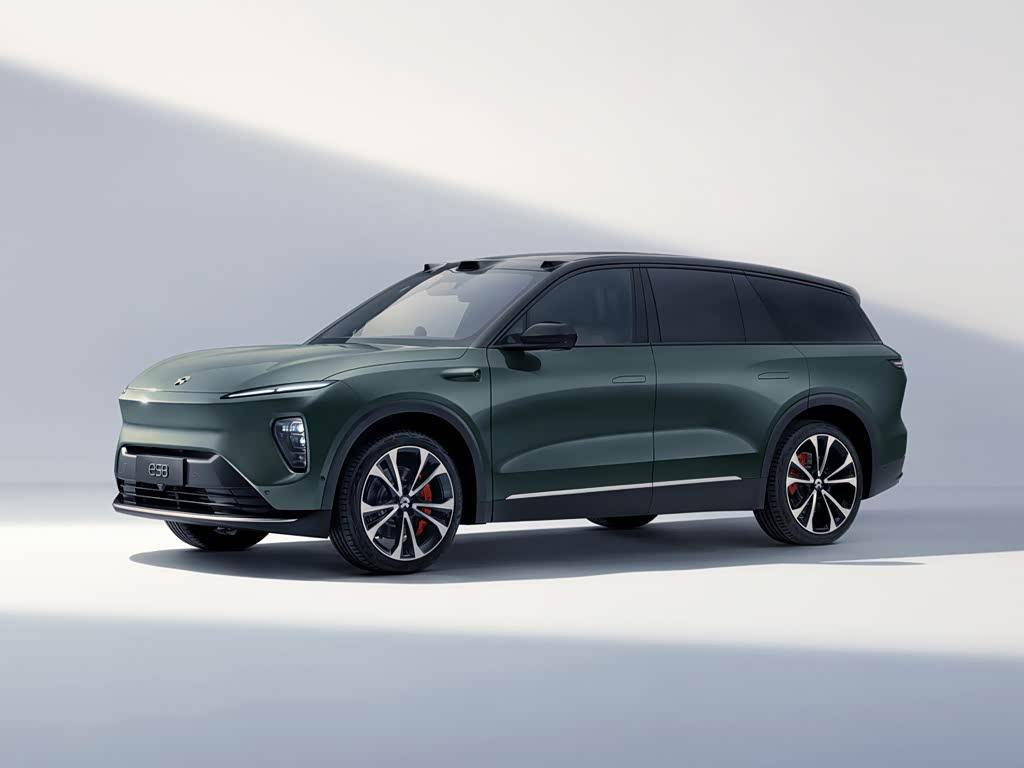
On one hand, NIO and XPENG both achieved record-high deliveries. NIO's December deliveries also hit a new historical peak. On the other hand, Li Auto became the only brand among leading new forces to experience a year-on-year decline in annual sales, dropping by about 19%.
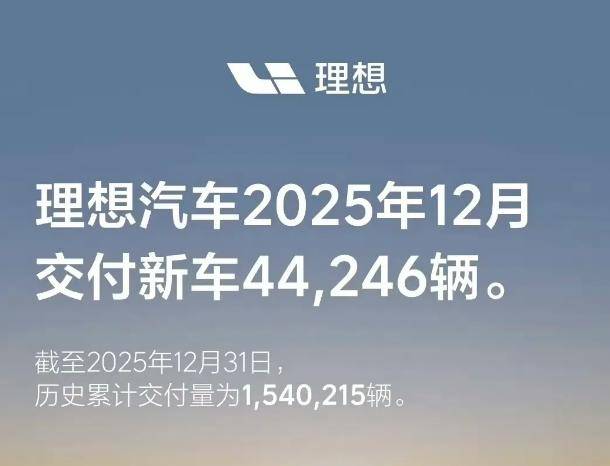
The pressure of reality is further reflected in target completion rates. According to statistics, among major new force brands, only Leapmotor, Xiaomi, and XPENG exceeded their annual sales targets. NIO, Li Auto, and others fell significantly short of the ambitious blueprints set at the beginning of the year.
Final Thoughts
The 2026 “national subsidy” policy for new energy vehicles has been refined to provide subsidies based on the proportion of the new vehicle's sales price. This change implies relatively stable subsidies for high-end models and reduced subsidies for low-priced models.
The Chinese automotive market is bidding farewell to inclusive growth and transitioning to a more ruthless and intellectually demanding elimination round. Amid the pain of abandoning “quantity-only” thinking, brands that possess not only scale but also clear technological paths, flexible organizational systems, and global visions will demonstrate greater resilience. What are your thoughts on this? Feel free to share in the comments section.
-
![]()
Enflame Tech's IPO Journey: Navigating Over 5.9 Billion Yuan in Losses and Soaring Debt in Q1 This Year
-
![]()
Trillion-Yuan Giant Li Shufu 'Streamlines': Could Levc Be the Casualty?
-
![]()
AI Competes for Electricity and Generates Power in the Gobi Desert
-
![]()
The First Batch of Victims of the AI Bubble: Programmers
-
![]()
ByteDance, DJI, and Xiaohongshu Secure Top Three Positions Among China’s Fastest-Growing Unicorns
-
Tesla's in-car voice system in China is finally learning to 'understand human language'
-
![]()
Foreigners Are Amazed: Chinese Electric Vehicle Drive Systems Unveil Innovative 'Poses'
-
![]()
700,000 Brothers and the Future of Robots: Behind JD.com's 'Nirvana Plan'