BMW's Official Price Adjustment: Price System Collapse and Eroding Brand Loyalty
 01/05 2026
 854
854
Written by / Xue Fei
Produced by / Five-Star Vehicle Review
At the dawn of 2026, BMW China officially announced an adjustment to its recommended retail prices, implementing across-the-board price reductions for 31 key models, encompassing both internal combustion engine and pure electric vehicles. The flagship pure electric model, the i7 M70L, experienced a direct price cut of RMB 301,000, plummeting from RMB 1.899 million to RMB 1.598 million. The domestically produced entry-level model, the 225L M Sport Package, was slashed to RMB 208,000, marking a historic low for BMW's domestically produced models in China. The number of models priced below RMB 300,000 surged from three to ten, completely dismantling the price barrier between luxury and mainstream brands.
This unprecedented price adjustment, while seemingly a market gesture of "value enhancement," is, in reality, a reactive breakthrough prompted by the disruption of traditional luxury brands' pricing systems by market forces. It underscores the underlying logic of the restructuring of China's luxury car market.
01 Sales Pressure and Inventory Strain: The Survival Anxiety Behind Price Cuts
BMW's unprecedented price adjustment is fundamentally an urgent response to market challenges, primarily driven by deteriorating business performance.
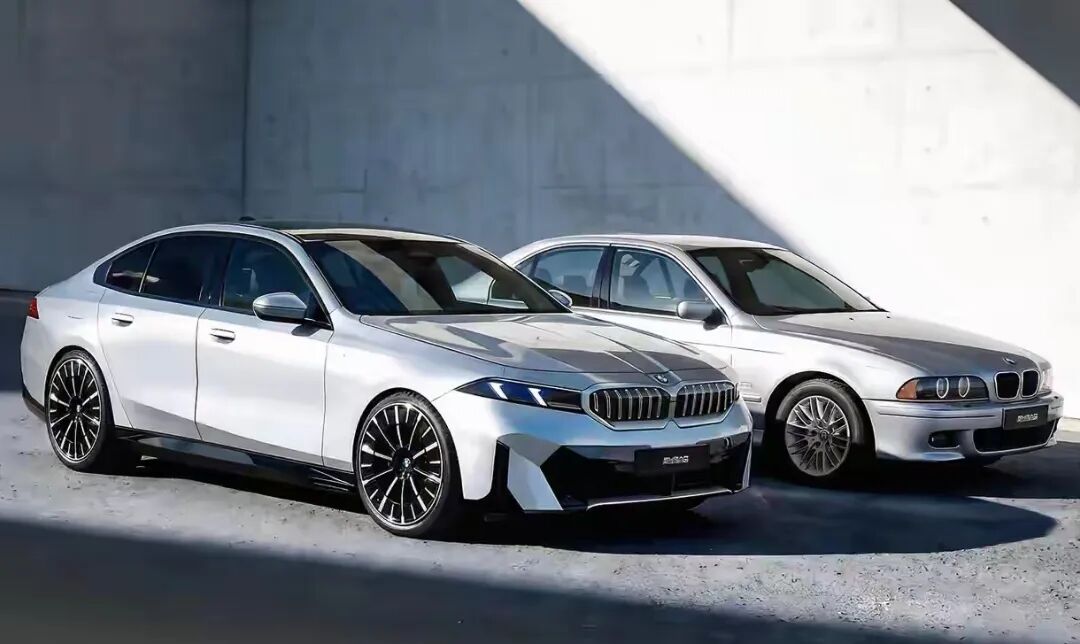
In the first three quarters of 2025, BMW's cumulative sales in China reached 465,000 units, a 11.2% year-on-year decline, accounting for only 26% of its global sales. China emerged as the only major market where BMW witnessed a double-digit sales drop, in stark contrast to the 2.4% year-on-year increase in BMW's global sales during the same period.
Formerly dominant models have collectively lost market share: the mid-to-large SUV X5 saw sales plummet to 5,498 units in October 2025, ranking 12th and being overshadowed by domestic premium models like the Li Auto L9 and Seres M9. The sales mainstay, the 5 Series, sold fewer than 8,000 units in August 2025, trailing behind the Audi A6L's 12,941 units, with traditional strongholds being steadily eroded.
Inventory pressures have further intensified the urgency for price cuts. Data from the China Automobile Dealers Association reveals that in November 2025, the inventory coefficient for high-end luxury and imported brands rose to 1.58, a 37.4% month-on-month increase, surpassing the inventory warning line.
Against this backdrop, BMW's dealer network has found itself in a passive situation of "trading volume for price." A salesperson at a BMW 4S store in Shenzhen disclosed that previous dealer discounts had reached the RMB 150,000 range, with some models even incurring losses on each sale.
The transition from "dealer-led covert discounts" to "manufacturer-led overt adjustments" signifies the complete collapse of BMW's long-standing price control system, compelling it to yield to market pressures.
02 Market Upheaval and Competitive Restructuring: The Demise of Traditional Luxury Logic
The disruption of BMW's pricing system is an inevitable consequence of the dramatic transformation in China's automotive market ecosystem.
The rapid penetration of new energy vehicles has fundamentally rewritten the competitive landscape. Data from the China Passenger Car Association indicates that from January to November 2025, the retail penetration rate of new energy vehicles in China's narrow passenger car market reached 53.6%, remaining above 50% for nine consecutive months and peaking at 59.5% in November. The transition from internal combustion engines to electric vehicles has become an irreversible trend, with the market officially shifting from policy-driven to market-driven.
However, BMW's electrification transformation has significantly lagged behind Chinese market demands, with pure electric models accounting for less than 10% of sales and lacking competitive advantages in core areas such as battery systems and smart cockpits. Faced with competition from models like the BYD Han and NIO ET7, BMW's premium pricing strategy has become unsustainable.
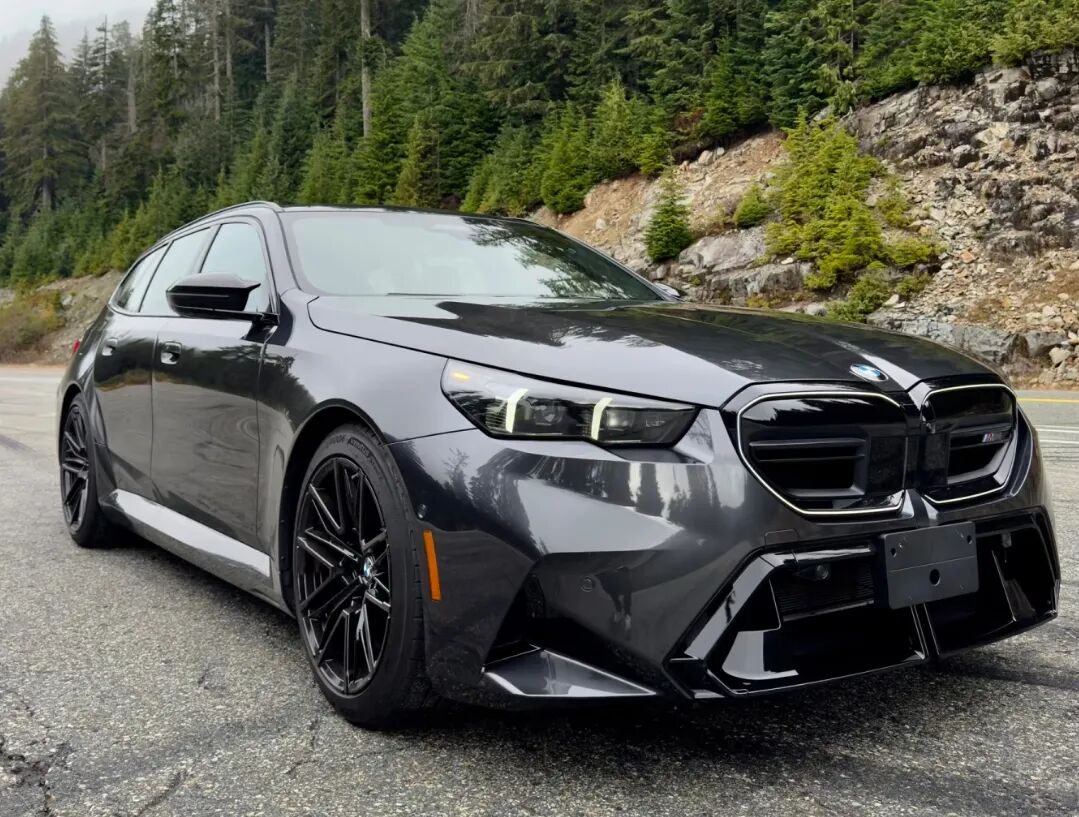
The rise of domestic premium brands has directly undermined the premium basis of traditional luxury vehicles. Today, a budget of RMB 300,000 can secure domestically produced new energy models equipped with advanced intelligent driving systems and ultra-long ranges, while BMW's pure electric models at the same price point not only lag in configuration but also fall short in intelligent experience.
Consumer definitions of "luxury" have shifted from brand labels to value experiences. Generation Z car buyers prioritize fresh features like smart cockpits and AR navigation over mere brand heritage.
This transformation in consumer perception has rendered BMW's traditional strategy of relying on its "Blue Sky and White Cloud" logo to sustain premium pricing completely ineffective, compelling it to narrow the product competitiveness gap through price cuts.
Meanwhile, the price war in the luxury car market has shown signs of escalating. Mercedes-Benz's entry-level A-Class offers terminal discounts of up to RMB 110,000, with the A 180 L's bare car price dropping to RMB 141,300. Audi's current A4L typically sees terminal discounts of RMB 100,000, with the entry-level model's bare car price falling below the RMB 190,000 range. The upcoming Q5L offers discounts exceeding RMB 180,000, with a landing price of around RMB 300,000.
The collective price cuts by the BBA (BMW, Mercedes-Benz, Audi) trio have shattered the long-standing price consensus, with the once-stable luxury car pricing system now fully loosened, propelling the industry into a phase of intense "close-quarters combat" in the inventory market.
03 Brand Dilution and Transformation Dilemmas: The Underlying Concerns Behind Price Cuts
BMW's pricing strategy resembles a double-edged sword. While it may stimulate short-term consultation growth (with 4S store consultations in the Beijing area surging more than 50% during the New Year's holiday), it harbors multiple long-term risks.
The most direct impact is the dilution of brand value. When BMW models become accessible at RMB 200,000-plus, the long-accumulated premium brand image is severely weakened. Existing owners face "asset depreciation"—i7 owners watch as their new cars drop by RMB 300,000, while second-hand BMW 5 Series prices fall 25% within a year, posing a severe test of brand loyalty.
The profitability crisis within the dealer network further intensifies. As official guide prices decline, dealer profit margins continue to shrink, with some models trapped in a vicious cycle of "losing money on each sale."
To maintain profitability, dealers may resort to "creative" after-sales practices, such as recommending unnecessary maintenance projects or using aftermarket parts, ultimately damaging consumer experience and brand reputation.
At the same time, BMW's price cuts also aim to clear inventory ahead of the 2026 launch of its new-generation platform models. However, if profit contraction affects R&D investment for the next generation of models, the lack of R&D funds during this critical period of electrification and intelligentization transformation could further widen the gap with competitors.
More alarmingly, the formation of a "price cut dependency" looms. Currently, most consumers adopt a wait-and-see attitude toward BMW's price cuts, anticipating further reductions from competitors and creating a vicious cycle of "the more prices drop, the more consumers wait." After Mercedes-Benz A-Class price cuts, sales declined by 39.4%, indicating that pure price wars can no longer sustainably drive sales growth.
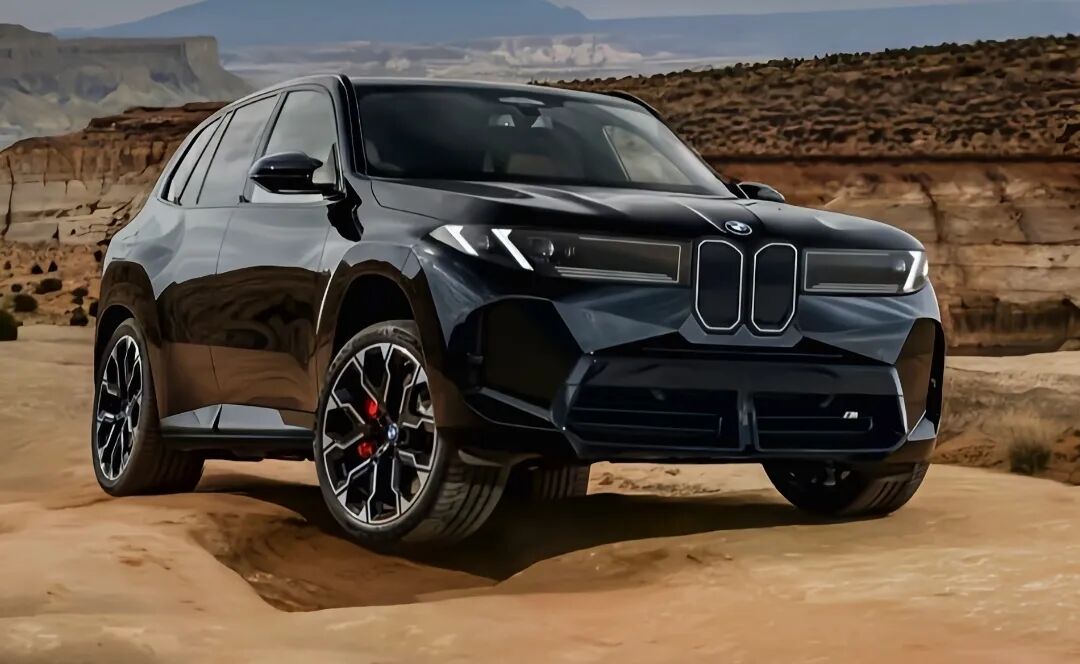
For BMW, while its new-generation platform models are slated for domestic production in 2026, they still lag behind leading new energy players in electrification technology reserves and intelligentization ecosystem construction. Without promptly addressing these technological shortcomings, relying solely on price cuts will trap BMW in a vicious cycle of "lower prices → thinner profits → insufficient R&D → weaker product competitiveness."
BMW's large-scale price adjustment at the start of the year marks the official end of the era dominated by brand premiums in China's luxury car market. The disruption of the pricing system essentially represents a restructuring of market competition logic. The era when traditional luxury brands could sustain premium pricing through core technologies like engines and transmissions, along with brand heritage, has ended. In its place, a value-driven competition led by electrification and intelligentization technologies has emerged.
For BMW, price cuts are merely a temporary measure to alleviate short-term pressures, not a long-term strategy. To establish a firm footing in the restructured market, BMW must accelerate its electrification transformation, deepen localized technology R&D and collaboration, and build differentiated advantages in core areas such as battery systems, smart cockpits, and autonomous driving. Simultaneously, it needs to balance brand value with market share, reshaping the luxury experience through service upgrades and ecosystem construction to avoid getting trapped in a pure price war.
This price storm is not just a test for BMW but a transformation signal for the entire luxury car industry. As the market shifts from incremental to inventory competition and from brand-driven to value-driven competition, both traditional luxury brands and new energy players must prioritize technological innovation and user experience to stand out in the industry shakeout.
The disruption of BMW's pricing system may well be a necessary step toward the maturity of China's luxury car market, where a new market landscape emphasizing value and inclusivity is taking shape.
------- The end -------
-
![]()
Enflame Tech's IPO Journey: Navigating Over 5.9 Billion Yuan in Losses and Soaring Debt in Q1 This Year
-
![]()
Trillion-Yuan Giant Li Shufu 'Streamlines': Could Levc Be the Casualty?
-
![]()
AI Competes for Electricity and Generates Power in the Gobi Desert
-
![]()
The First Batch of Victims of the AI Bubble: Programmers
-
![]()
ByteDance, DJI, and Xiaohongshu Secure Top Three Positions Among China’s Fastest-Growing Unicorns
-
Tesla's in-car voice system in China is finally learning to 'understand human language'
-
![]()
Foreigners Are Amazed: Chinese Electric Vehicle Drive Systems Unveil Innovative 'Poses'
-
![]()
700,000 Brothers and the Future of Robots: Behind JD.com's 'Nirvana Plan'