这家汽车公司彻底放弃插混车
 01/16 2026
 550
550
Introduction
Introduction
While plug-in hybrids (PHEVs) have become a hot commodity in the Chinese market, some automakers, despite leading in niche segments, have opted to discontinue all their PHEV products.
According to the latest news, Stellantis Group, ranked fourth globally in sales, has canceled its entire lineup of plug-in hybrid electric vehicles (PHEVs).
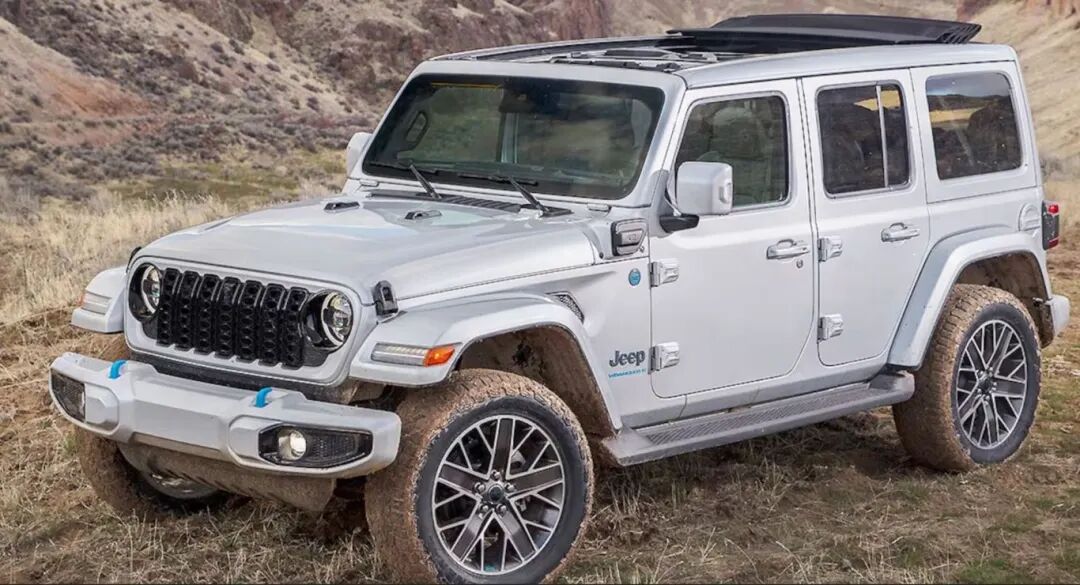
On January 9th, Stellantis announced that it will discontinue a series of plug-in hybrid models by 2026, including the Jeep Wrangler 4xe, Jeep Grand Cherokee 4xe, Chrysler Pacifica Plug-In Hybrid, and the Alfa Romeo Tonale Plug-In Hybrid.
Additionally, the company canceled the Jeep Gladiator 4xe before its launch last year and stopped importing the Dodge Hornet Plug-In Hybrid from Italy in July due to tariff issues.
Stellantis stated in a press release, “To meet evolving customer needs and regulatory requirements, Stellantis continuously evaluates its product strategy. As customer demands shift, Stellantis will gradually phase out plug-in hybrid electric vehicle (PHEV) programs in North America starting with the 2026 model year.”
For the Chinese automotive community, Stellantis' move actually represents a double twist.
First, while its PHEV performance cannot compare with that of Chinese companies, among overseas automakers, Stellantis' PHEV business has been relatively noteworthy.
According to U.S. agency statistics, since its launch in 2021, the Jeep Wrangler 4xe under Stellantis has consistently been one of the best-selling plug-in hybrid electric vehicles in the United States. Based on registration data, the vehicle ranked first in U.S. PHEV market sales last year.
Over the past five years, Stellantis has been committed to making these PHEV models bestsellers in their niche markets, once capturing 22% of the U.S. PHEV market share. Now, it has made a “sharp turn.”
Second, the trend observed domestically has been a continuous rise in popularity of PHEVs, which still outperformed the overall market even after a supposed “cooling off” in 2025.
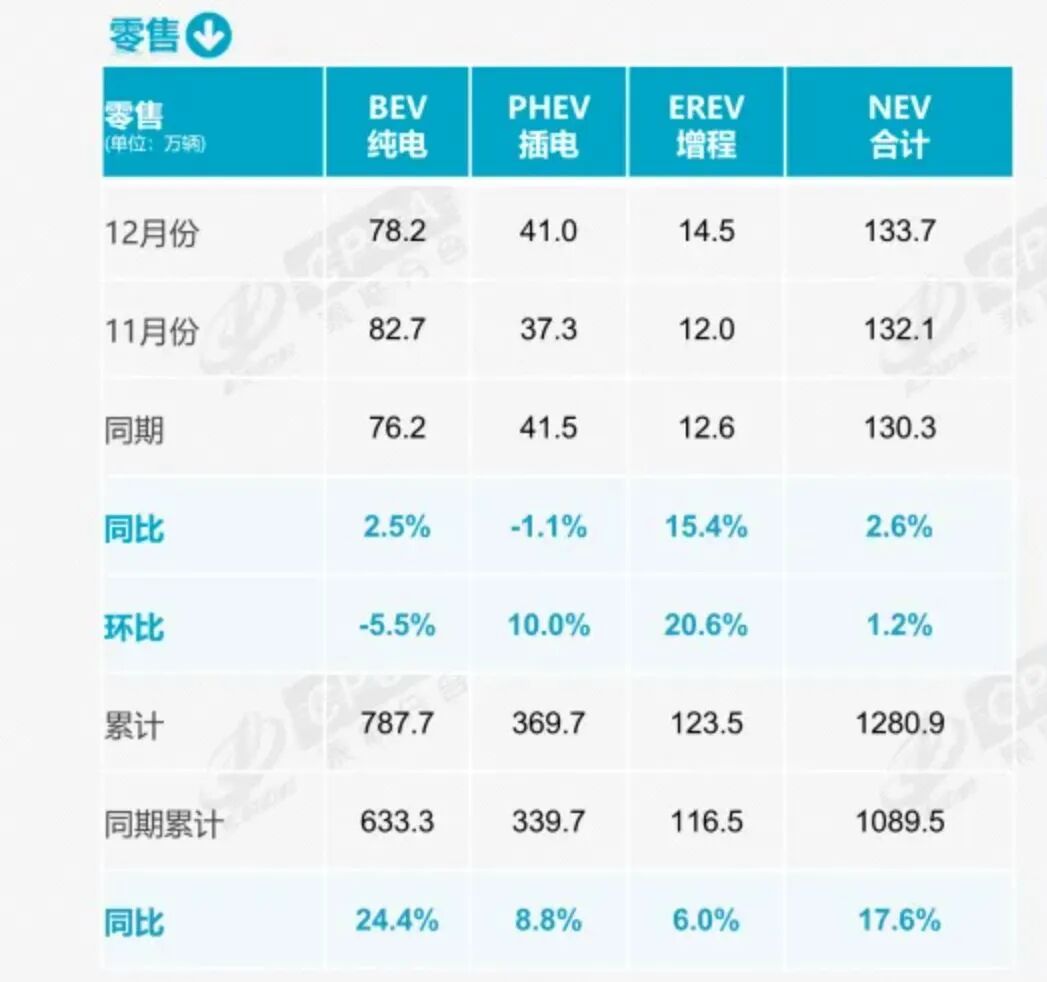
In 2025, retail sales of narrowly defined PHEVs in the Chinese market reached 3.697 million units, up 8.8% year-on-year. If extended-range electric vehicles (EREVs) are included in the broader definition of PHEVs, total sales last year reached 4.932 million units, up 8.1% year-on-year.
Although this lags behind the 24.4% year-on-year surge in BEV sales to 7.877 million units, PHEV growth outperformed the overall narrowly defined passenger car market, which grew 3.8% year-on-year to 23.744 million units.
This is primarily due to the surge in sales of small BEVs like the Seagull and Starry Wish in 2025 and an 8.8% year-on-year decline in fuel-powered vehicle sales to 10.935 million units.
According to an analysis by Automobile Community, Stellantis is not abandoning automotive electrification but rather adjusting based on its own circumstances.
First, Stellantis stated in its announcement, “The company will focus on more competitive electrification solutions, including offering hybrid and extended-range electric vehicles in areas that best meet customer needs.”
Next, the company's electrification strategy will shift its focus to hybrid electric vehicles (HEVs), extended-range electric vehicles (EREVs), and battery electric vehicles (BEVs).
For example, the redesigned Jeep Cherokee/Liberty, currently being shipped to U.S. dealerships, utilizes hybrid electric technology.
In terms of extended-range technology, new innovations will debut this year on the Jeep Grand Wagoneer (Grand Cherokee) and Ram 1500 models.
Second, Stellantis' current PHEV technology is not advanced.
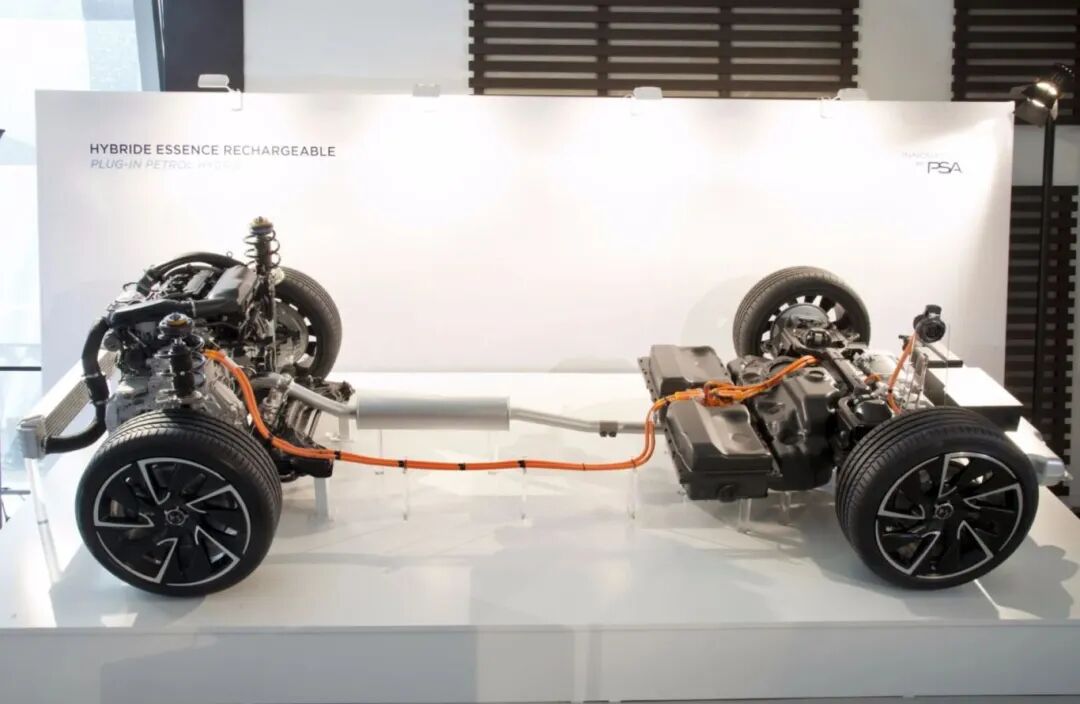
We often say, “The new PHEVs in the Chinese market are entirely different technologies from the old ones.” Represented by BYD's DM-i, the new PHEV technology adopts a P1+P3 (engine crankshaft, transmission output shaft) architecture, often offering an all-electric range of over 100-200 kilometers.
In contrast, the P0+P2 architecture used by Stellantis in the Wrangler 4xe is actually an improved version of the old P2 motor, with a WLTC all-electric range of only 43 kilometers. The domestically sold C5 AIRCROSS 1.6T AT PHEV also has a WLTC all-electric range of just 49 kilometers.
Third, Stellantis has not established a significant presence in the domestic PHEV market.
Automobile Community reviewed the data and found that among the models locally produced by the group in China, only three feature PHEV technology: Citroën C5 X 1.6T AT PHEV, Citroën E43EIC PHEV, and C5 AIRCROSS 1.6T AT PHEV, with cumulative sales of 5,387 units from January to November 2025.
Fourth, Stellantis has a record of quality issues.
In recent years, Stellantis has initiated multiple recalls due to fire risks in its plug-in hybrid models. The most recent recall was in November last year, involving 320,065 Wrangler 4xe and Grand Cherokee 4xe models, with owners advised to park their vehicles away from buildings or other vehicles and not to charge them.
A Stellantis spokesperson stated that the recalls did not influence this decision, attributing it instead to a shift in customer demand.
In reality, any company's choice of technology path will be weighed based on its own circumstances. While PHEVs suit the entire Chinese market, they may not be suitable for certain automakers.
Editor-in-Chief: Shi Jie Editor: He Zengrong
THE EN
-
![]()
Enflame Tech's IPO Journey: Navigating Over 5.9 Billion Yuan in Losses and Soaring Debt in Q1 This Year
-
![]()
Trillion-Yuan Giant Li Shufu 'Streamlines': Could Levc Be the Casualty?
-
![]()
AI Competes for Electricity and Generates Power in the Gobi Desert
-
![]()
The First Batch of Victims of the AI Bubble: Programmers
-
![]()
ByteDance, DJI, and Xiaohongshu Secure Top Three Positions Among China’s Fastest-Growing Unicorns
-
Tesla's in-car voice system in China is finally learning to 'understand human language'
-
![]()
Foreigners Are Amazed: Chinese Electric Vehicle Drive Systems Unveil Innovative 'Poses'
-
![]()
700,000 Brothers and the Future of Robots: Behind JD.com's 'Nirvana Plan'