Mercedes-Benz, BMW, and Audi Encounter a Unified Slump in the Chinese Market: What's Behind the Struggles of the BBA Brands?
 01/27 2026
 722
722
When examining the evolution of the global automotive landscape, Mercedes-Benz, BMW, and Audi undoubtedly emerge as the foremost automakers, many of which boast a heritage spanning over a century. Recently, reports have surfaced regarding their collective downturn in the Chinese market, prompting the question: Why are these globally acclaimed brands facing difficulties?
I. Mercedes-Benz, BMW, and Audi Face a Unified Slump in the Chinese Market
According to a report by The Paper, the traditional luxury car trio of BBA (Mercedes-Benz, BMW, and Audi) recently released their global sales data for 2025. The figures reveal a significant decline in global sales for both Mercedes-Benz and Audi, with only BMW experiencing a marginal increase of 0.5%.
Specifically, BMW led the trio with 2.4637 million global deliveries, marking a slight year-on-year increase of 0.5% and becoming the sole brand to sustain growth. Audi delivered 1.6236 million vehicles globally, a year-on-year decrease of 2.9%. Mercedes-Benz performed the weakest, with a total group delivery of 2.16 million vehicles, a year-on-year decline of 10%. Its core passenger car segment delivered 1.8 million vehicles, a year-on-year drop of 9%, marking six consecutive years of declining sales.
In terms of performance in the Chinese market, all three BBA brands experienced declines. Among them, BMW had the highest sales volume, while Mercedes-Benz saw the largest drop, with sales falling by nearly 20%. Overall, the combined sales of the three automakers in China for 2025 decreased by approximately 260,000 units compared to 2024.
Commencing January 1, 2026, BMW China adjusted the suggested retail prices for 31 of its main models, with price reductions exceeding 10% for 24 models and over 20% for five models. The BMW iX1 eDrive25L saw the largest reduction at 24%, while the BMW i7 M70L had the highest absolute price drop of RMB 301,000.
Similarly, according to a report by Red Star News, starting from December 31, 2025, various automakers began announcing their promotional policies for the beginning of 2026. According to incomplete statistics from Red Star Capital Bureau, as of the time of writing, 16 brands have released limited-time promotional policies for January, covering nearly 70 models.
II. What's Behind the Struggles of the BBA Brands?
Mercedes-Benz, BMW, and Audi, which have long held sway over the Chinese luxury car market, are now facing an unprecedented collective slump. What lies behind this phenomenon?
Firstly, the collective downturn of BBA is an inevitable consequence of the changing times. The decline of Mercedes-Benz, BMW, and Audi is hardly surprising. In recent years, with the robust rise of domestic new energy vehicles, these traditional luxury car brands have found themselves under attack from multiple fronts. Once upon a time, BBA were almost synonymous with luxury cars. In the 1980s and 1990s, these three names not only represented luxury vehicles but also served as unique social symbols. During the early days of market economy development, owning a BBA car was a sign of identity and upward mobility for ordinary people. Returning home for the Chinese New Year in a BBA vehicle would make one the envy of the entire village, while being chauffeured in a BBA for business occasions was a symbol of prestige and status.
However, this advantage, built on brand prestige and fuel-based technological barriers, has only lasted for a few decades. After entering the 21st century, especially in recent years, in the face of China's new energy vehicle wave, the traditional advantages of BBA are rapidly eroding. Domestic newcomers such as NIO, Li Auto, and XPeng, as well as high-end new energy brands spawned by traditional automakers, are rising strongly. Numerous well-known luxury car hits have emerged, such as BYD's Yangwang, Huawei's Zunjie S800, and AITO M9. These superior products not only lead in terms of intelligence and electrification but also completely overturn the logic of traditional luxury cars in terms of user experience, service models, and product iteration speed. Consumers no longer blindly worship the emblems of the "German Three," but instead place greater emphasis on range capabilities, intelligent cockpits, autonomous driving levels, and even OTA upgrade frequencies.
When a domestic electric vehicle priced at RMB 300,000 can offer smoother human-machine interaction, a more comfortable riding experience, and lower usage costs than a RMB 500,000 BBA fuel-powered car, brand premium is no longer an unshakable moat. The dilemma faced by BBA is essentially a restructuring of the value system triggered by a technological paradigm shift, and they happen to be standing on the edge of the impending collapse of the old order.
Secondly, the setbacks faced by BBA in the Chinese market also reflect their underlying difficulties. From a global perspective, the decline in the Chinese market is particularly glaring for BBA. This is primarily because Chinese consumers have higher expectations for innovation in automotive products, and the market competition is even more fierce, directly contributing to the decline in performance of these three automakers.
Chinese consumers are among the most discerning and innovation-seeking consumer groups in the world. With economic development and an upgrade in consumption attitudes, Chinese consumers' demands for automobiles are no longer limited to traditional luxury, comfort, and performance. Instead, they place greater emphasis on technological sophistication, intelligence, and personalization. They hope that their cars can become mobile intelligent terminals, equipped with advanced intelligent connectivity functions, autonomous driving capabilities, and personalized customization services. However, BBA has struggled to meet these innovative demands from Chinese consumers. Their traditional design philosophies and product development models find it difficult to quickly adapt to changes in the Chinese market, and the new products they introduce often lack sufficient innovative highlights to attract the attention of Chinese consumers.
At the same time, the intensity of competition in the Chinese automotive market is unparalleled compared to other markets. In addition to the rise of domestic new energy brands, numerous domestic and foreign automotive brands are also engaged in fierce competition in the Chinese market. Major brands are introducing competitive products and marketing strategies one after another to vie for market share. In this fiercely competitive market environment, BBA faces tremendous pressure. Their brand advantages are gradually weakening, while their price advantages are not apparent, leading consumers to be more inclined towards brands that offer higher cost-performance ratios and more innovative elements when choosing cars, thus resulting in a decline in BBA's performance.
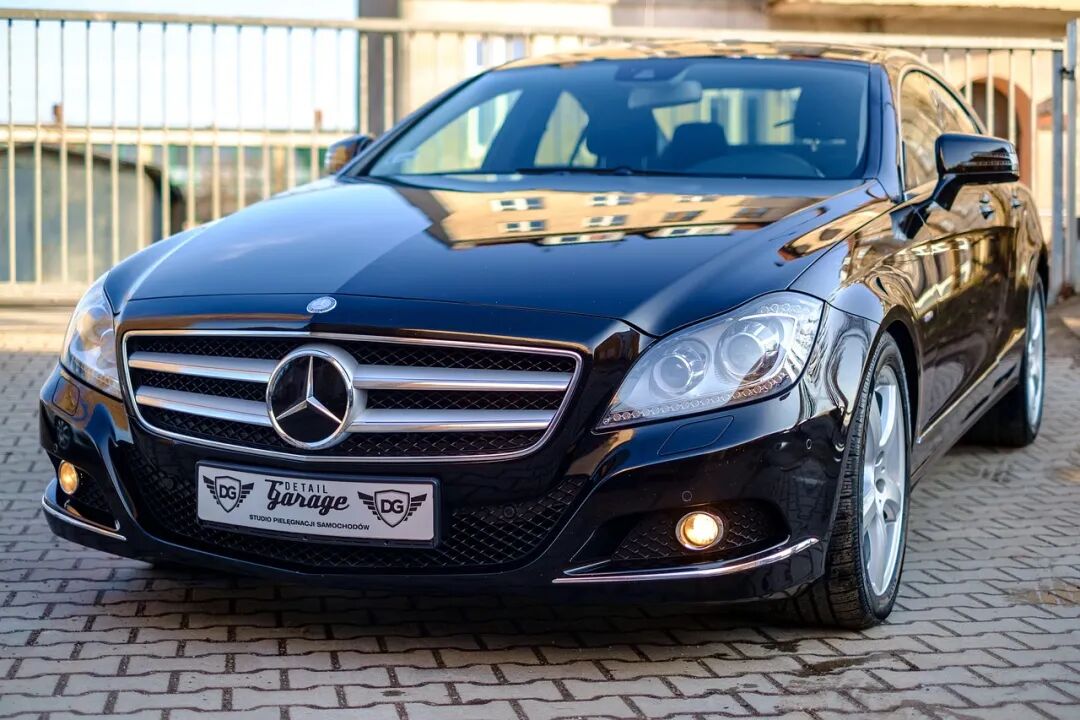
Thirdly, the insufficient transformation towards new energy and intelligence is becoming a core issue for BBA. Although the three automakers continue to undergo changes, their performance pales in comparison to the rapid progress of domestic new energy vehicles, revealing a relative deficiency in their new energy transformation. The transformation dilemma faced by BBA essentially stems from path dependence and organizational inertia during the industrial transformation period of traditional luxury brands.
In terms of new energy transformation, BBA initially adopted a "fuel-to-electric" conversion model, lacking the technical architecture support of native pure electric platforms. This resulted in their electric vehicle models struggling to compete with domestic new energy vehicles in terms of range, energy efficiency, and spatial layout. This technological gap cannot be bridged in the short term. Even now, as they accelerate the launch of pure electric platform models, their product definitions still fail to fully break away from the mindset of the fuel car era and lack sufficient insight into the core needs of Chinese consumers.
In the field of intelligence, BBA's lag is even more pronounced. Issues such as sluggish infotainment systems, complex interaction logics in intelligent cockpits, and insufficient localization adaptation of high-level intelligent driving functions stand in stark contrast to the smooth experiences offered by domestic models. More critically, BBA lacks the ability to integrate at the ecosystem level. In contrast, Chinese brands quickly establish ecosystem advantages in areas such as intelligent driving and vehicle connectivity through collaborations with tech giants. This ecosystem-based competitive barrier makes it difficult for BBA's single-point technological breakthroughs to form effective competitiveness. Furthermore, BBA's price reduction strategies have not only failed to reverse sales but have also disrupted their own pricing systems, diluted brand value, and trapped them in a vicious cycle of "the more they reduce, the less they sell," further highlighting the passivity and inadequacy of their transformation strategies.
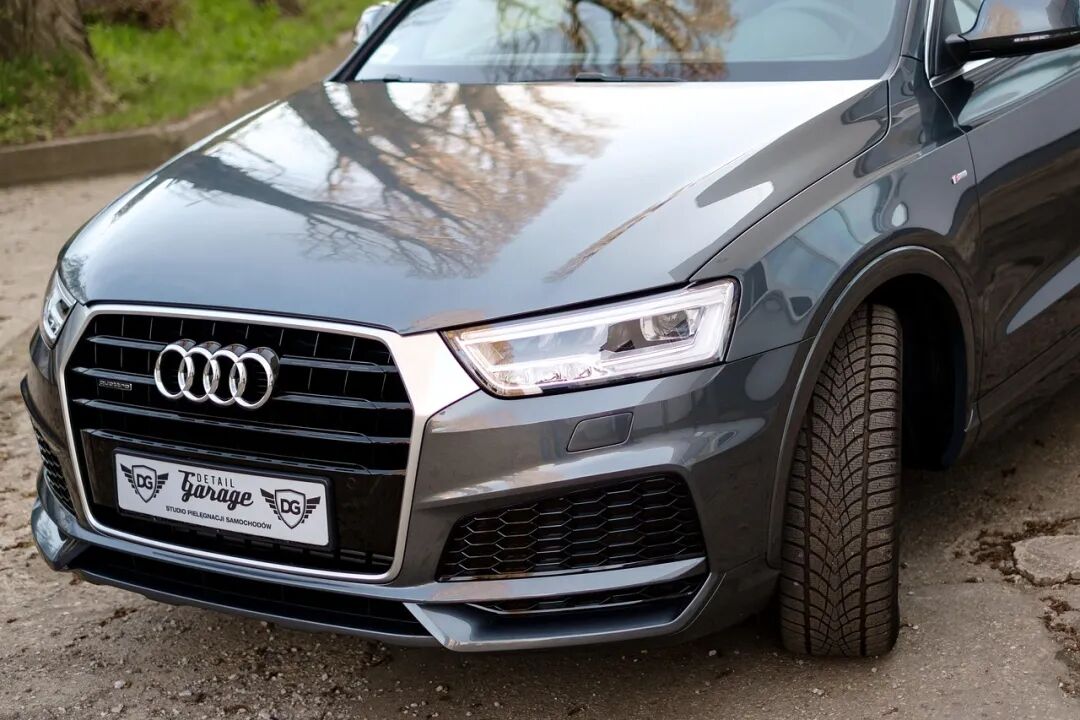
In the long run, there are no perpetual champions in the market. The previous strength of BBA lay more in their years of accumulation and advantages. However, faced with the overtaking maneuver of the Chinese automotive industry, Mercedes-Benz, BMW, and Audi need to respond with even more innovation. The history of industrial economics tells us that no great enterprise can withstand the alternation of industrial cycles. Nokia's dominance in the feature phone era did not save it from its decline in the smartphone era, and Kodak's absolute advantage in the film realm could not halt the wave of digital photography. The past decades of glory for BBA were based on the dividends of the internal combustion engine era, an advantage with significant historical specificity.
Faced with the overtaking maneuver of the Chinese automotive industry, BBA is confronted not only with product competition but also with the need to reshape their business models and corporate cultures. The agile development, user co-creation, and ecosystem strategies demonstrated by Chinese automakers represent a subversion of the traditional automotive industry chain. For BBA, if they do not undergo a thorough self-revolution, discard their "arrogance and prejudice," and stop treating the Chinese market merely as a sales market instead of a core engine for global innovation, their decline will be irreversible. The future luxury car market will undoubtedly belong to those enterprises capable of redefining luxury, mastering core technologies, and possessing rapid iteration capabilities.
END
-
![]()
Enflame Tech's IPO Journey: Navigating Over 5.9 Billion Yuan in Losses and Soaring Debt in Q1 This Year
-
![]()
Trillion-Yuan Giant Li Shufu 'Streamlines': Could Levc Be the Casualty?
-
![]()
AI Competes for Electricity and Generates Power in the Gobi Desert
-
![]()
The First Batch of Victims of the AI Bubble: Programmers
-
![]()
ByteDance, DJI, and Xiaohongshu Secure Top Three Positions Among China’s Fastest-Growing Unicorns
-
Tesla's in-car voice system in China is finally learning to 'understand human language'
-
![]()
Foreigners Are Amazed: Chinese Electric Vehicle Drive Systems Unveil Innovative 'Poses'
-
![]()
700,000 Brothers and the Future of Robots: Behind JD.com's 'Nirvana Plan'