Automakers Team Up with Home Appliance Giants to Redefine Trillion-Dollar Industry: Who Secures the Next Ticket?
 01/30 2026
 547
547
"The Competitive Logic of the Automotive Industry Has Changed" Author: Zhen Yao | Editor: Li Guozheng | Produced by: Bangning Studio (gbngzs)
Imagine this scenario: On a winter evening, during your commute home, a voice command—"I'm almost home"—pre-warms your air conditioner, starts your rice cooker, and closes your curtains.
This once-futuristic vision of smart living is now a reality, thanks to the cross-industry integration of automakers and home appliance giants.
As 2026 begins, cross-industry collaboration between automakers and home appliance companies continues to intensify.
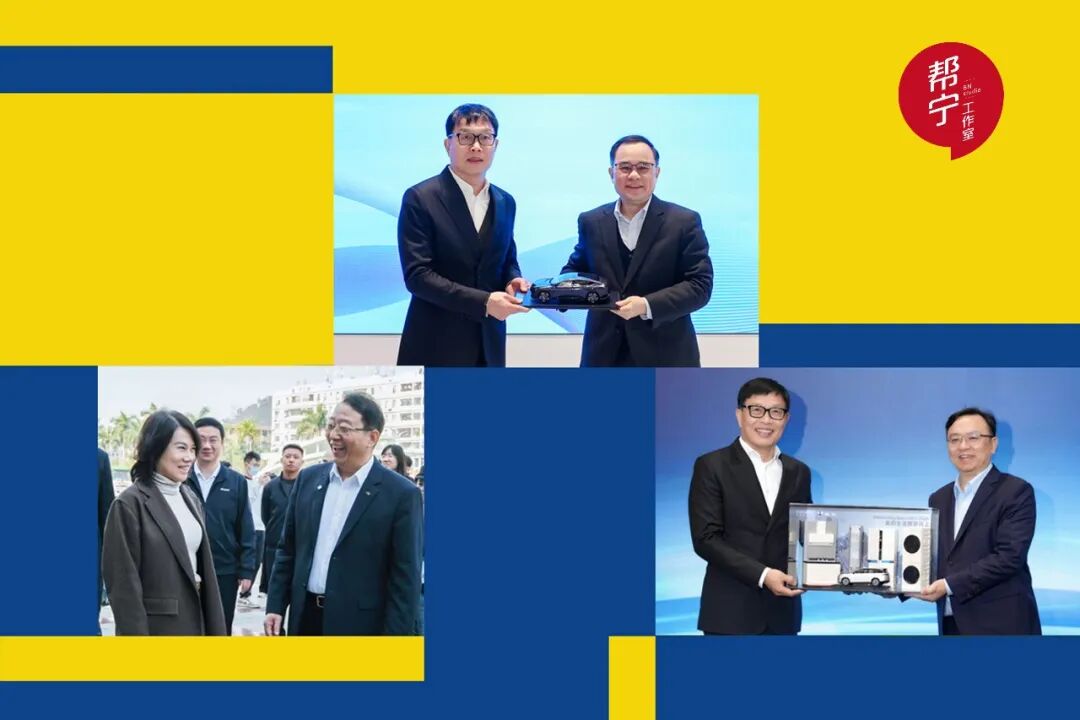
Recently, Changan Automobile and Midea Group signed a comprehensive strategic partnership agreement in Foshan. Changan Chairman Zhu Hua Rong and Midea Chairman and President Fang Hongbo attended the ceremony, officially launching a joint effort to build an integrated smart living ecosystem. This marks another concrete case of cross-industry fusion.
"During the signing ceremony, we demonstrated vehicle-to-home control capabilities," a Changan representative told Bangning Studio. By issuing voice commands through Changan's vehicle models, users can synchronously activate or deactivate home devices such as lights, curtains, air conditioners, and air purifiers, creating a fully immersive smart living experience.
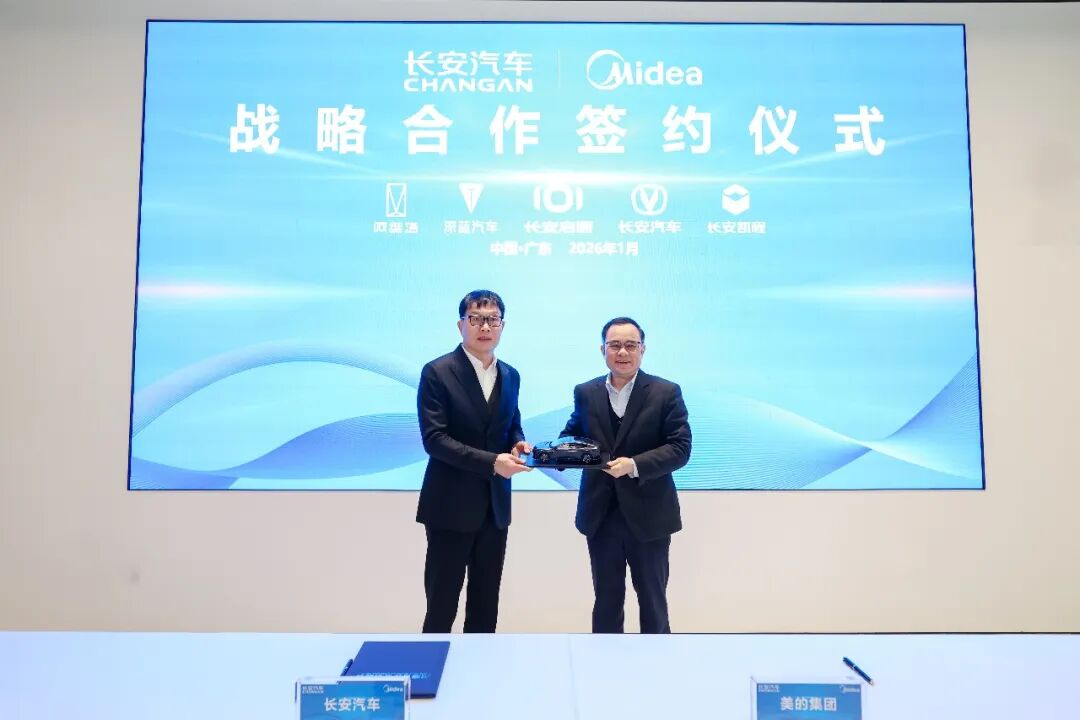 ● Fang Hongbo, Chairman and President of Midea Group (left); Zhu Hua Rong, Chairman of Changan Automobile (right)
Earlier, GAC Group Chairman Feng Xingya led a delegation to visit Gree Electric Appliances, where he discussed the integrated development of a "human-vehicle-home" smart ecosystem with Gree Chairman Dong Mingzhu and her management team.
Feng Xingya wrote on Weibo: "The automotive ecosystem is rapidly expanding from a single industry to a cross-domain comprehensive sector. GAC must adopt an 'out-of-the-box' mindset to deepen cross-industry collaboration, effectively driving diversified upgrades in the automotive ecosystem and creating products and experiences that better meet user needs."
Unexpectedly, during their exchange, Dong Mingzhu's remarks were misinterpreted as "Gree chips will replace half of GAC's automotive chips in the future," sparking widespread online discussion.
GAC Group later clarified, stating, "The relevant remarks were made during impromptu on-site exchanges and do not represent any substantive agreements or supply arrangements. If specific collaboration projects materialize, we will promptly announce them through official channels."
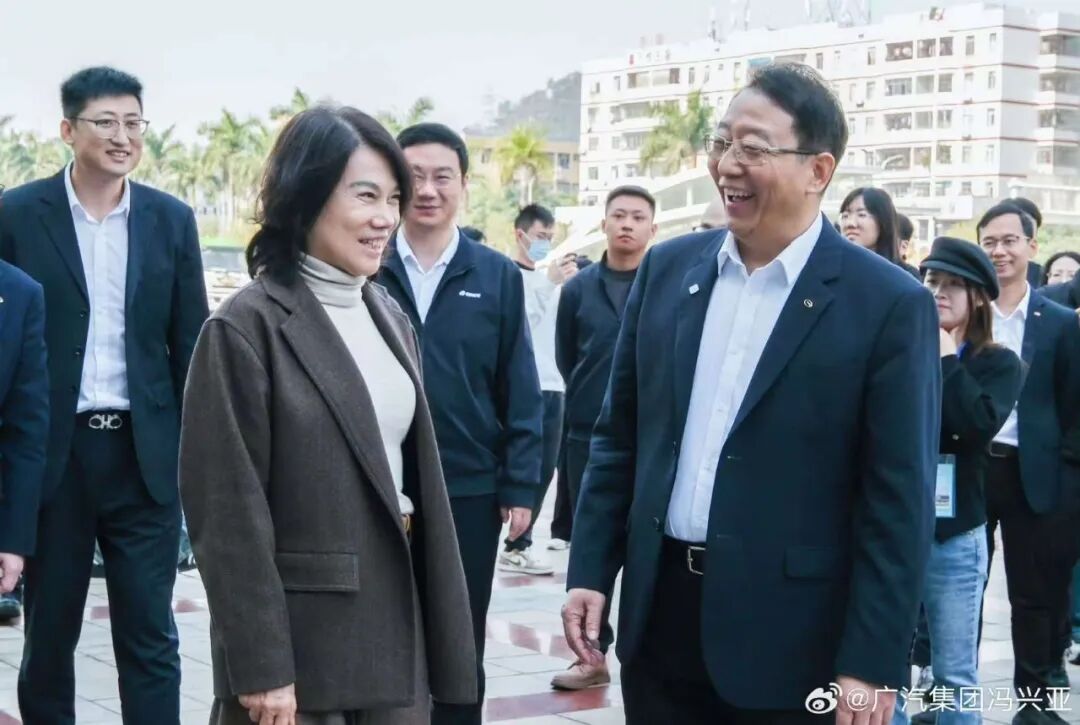 ● Dong Mingzhu, Chairman of Gree Electric Appliances (left); Feng Xingya, Chairman of GAC Group (right)
Dongfeng Motor also collaborated with Gree. On January 10, Dongfeng General Manager Feng Changjun appeared on CCTV's "Dialogue" program, where he told Dong Mingzhu, "Your Dongfeng vehicle not only takes you places but also pre-activates your home's air conditioner, lights, and even prepares cold drinks in your juicer!" This highlighted the vast potential of vehicle-home integration.
Additionally, Huawei's Executive Director, Head of the Product Investment Review Committee, and Terminal BG Chairman Yu Chengdong visited GAC Group and Dongfeng Motor on January 5 and 14, respectively, with a clear goal: to deepen the integration of HarmonyOS ecosystem with automakers.
Earlier adopters exist as well.
On November 24, 2025, Fang Hongbo became the owner of a Yangwang U8L Dingshi Edition, with BYD Chairman and President Wang Chuanfu personally delivering the vehicle in Shenzhen. On the same day, Midea Group and BYD signed a strategic partnership agreement for a "human-vehicle-home smart ecosystem," integrating core strengths in smart vehicles, smart homes, and AIoT to break down barriers between vehicle and home scenarios.
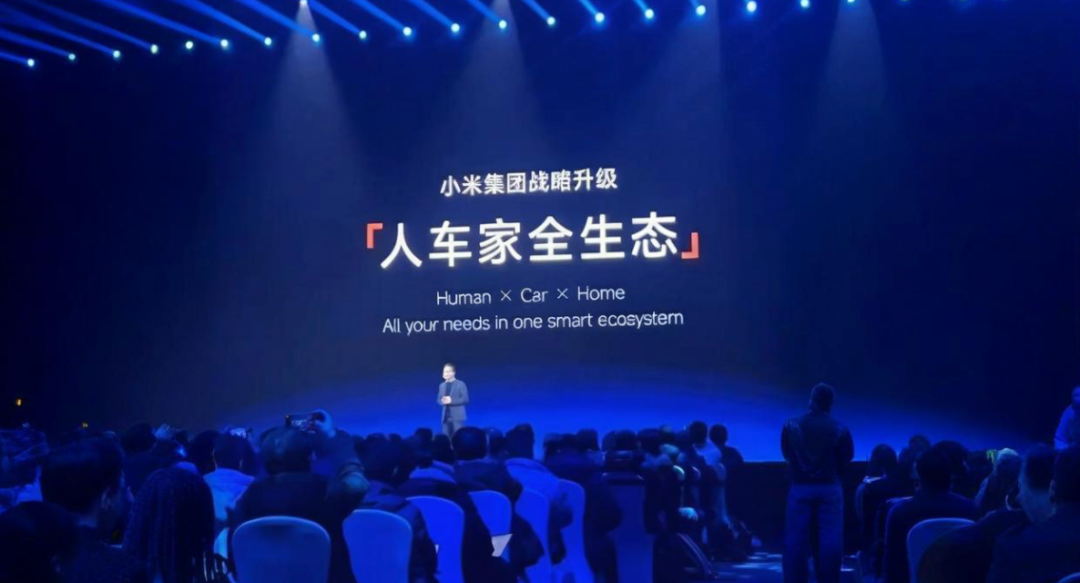
"As Xiaomi's automotive deliveries surge, its global ecosystem monthly active users have reached 742 million, with over 1 billion devices connected to its AIoT platform," Xiaomi Group President Lu Weibing revealed at Xiaomi's "Human-Vehicle-Home Full Ecosystem" Partner Conference on December 17, sharing the latest data on its software-hardware ecosystem and automotive business.

"In today's fiercely competitive market, automakers and home appliance giants are coming together to break through growth bottlenecks," an industry insider told Bangning Studio. This cross-industry collaboration benefits both sides.
On one hand, the home appliance industry, after years of development, has reached market saturation, with intensifying price wars. Smart vehicles, as a third living space, have become a critical entry point for home appliance companies to expand their smart home ecosystems and seek new growth opportunities.
On the other hand, while automakers possess core technologies in electric powertrains and intelligent driving, they lack expertise in home scenario operations and user behavior data accumulation. Home appliance companies like Midea, Haier, and Skyworth, with years of experience in smart homes, can fill these gaps, enabling seamless vehicle-to-home and home-to-vehicle control.
More importantly, companies like Harmony Intelligent Mobility and Xiaomi have already established full-scenario ecosystem loops, deeply ingrained in user minds. Traditional automakers risk losing users to ecosystem fragmentation if they do not proactively collaborate with home appliance giants to enrich scenario experiences.
Bangning Studio believes that behind this cross-industry fusion lies a profound transformation in the automotive industry's competitive logic.
▍01 Can Vehicles Control Homes, and Vice Versa?
What is the experience like with Huawei's full ecosystem paired with HarmonyOS cockpit?
A Harmony Intelligent Mobility owner shared their real experience: The HarmonyOS-powered central control screen in the vehicle is highly intelligent, capable of directly controlling 23 categories of home devices, including robot vacuum cleaners, air conditioners, and lights. Additionally, when the vehicle is 2 kilometers away from home, the system automatically executes commands to pre-cool/warm the air conditioner, start the water heater, and disable security systems, ensuring a comfortable environment upon arrival.
"Three technological innovations support this," a Huawei engineer explained. StarFlash technology enables 328 devices to respond within milliseconds; AI ultra-sensitive sensors accurately detect human presence; and the distributed operating system breaks down hardware boundaries. "We're not just connecting devices—we're weaving a lifestyle."
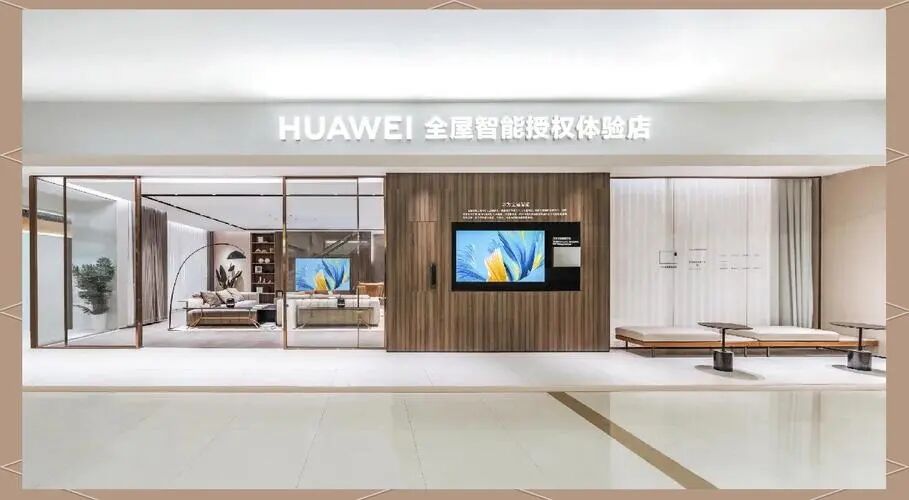
Tengshi Automobile offers a similar experience.
"In the future, Tengshi N8L users can control all smart home appliances from their vehicle and monitor vehicle status in real-time from home, enabling bidirectional vehicle-home control," said Li Hui, Tengshi's brand leader, during the strategic partnership announcement with COLMO, Gree's premium home appliance brand.
Changan Automobile and Midea have also realized vehicle-to-home control. Take the "Comfortable Homecoming" mode as an example: Previously, returning home required manually activating home appliances and waiting for comfort. Now, users simply say, "Activate Comfortable Homecoming" to Xiaoan (Changan's AI assistant), and lights, curtains, and other devices synchronize instantly.
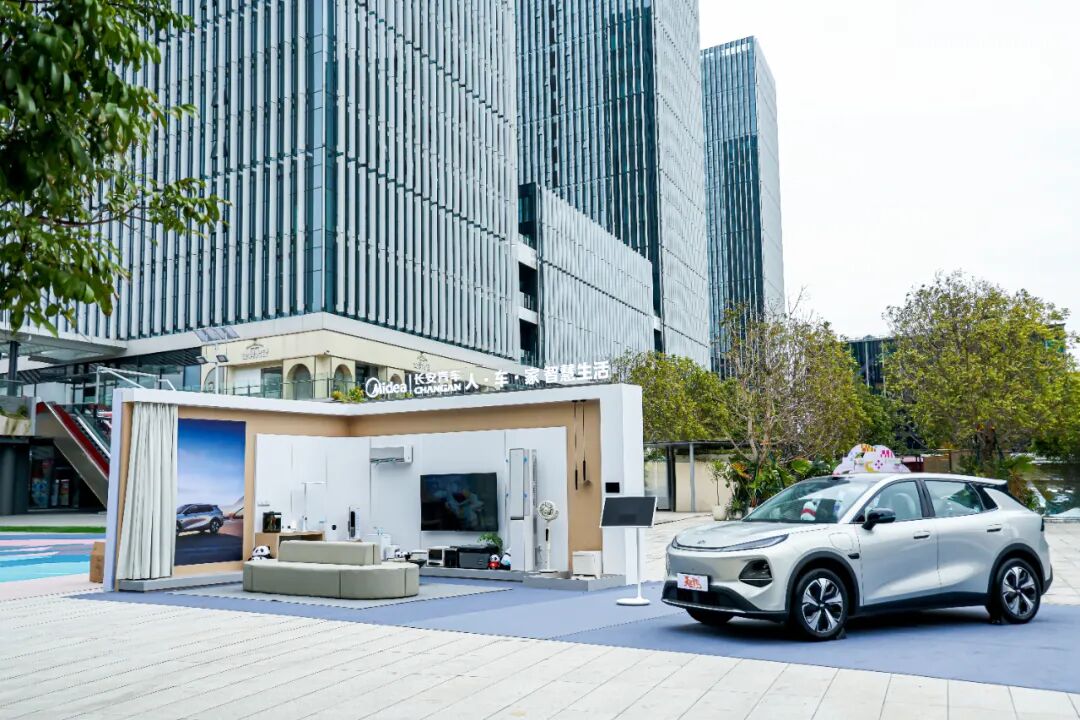
The "Worry-Free Departure" mode addresses common concerns about leaving appliances on. Users just say, "Activate Worry-Free Departure," and the vehicle automatically turns off home appliances.
For pet owners, the "Pet Care" mode activates air conditioners and air purifiers by saying, "Activate Pet Care," ensuring pets are cared for even when owners are away, redefining the concept of "home."
"In the future, users can control their vehicles via the Midea app, checking status and preparing the vehicle in advance for true cross-terminal collaboration," the source predicted.
▍02 From Hardware Competition to Ecosystem Battles
This cross-industry fusion will not result in one side dominating the other but will instead foster a new breed of companies proficient in both automotive manufacturing and scenario operations.
The times have changed.
Historically, the automotive industry competed on hardware specifications and manufacturing craftsmanship, such as engine performance and precision engineering. Today, smart vehicles are evolving beyond transportation tools into central hubs connecting various aspects of life.
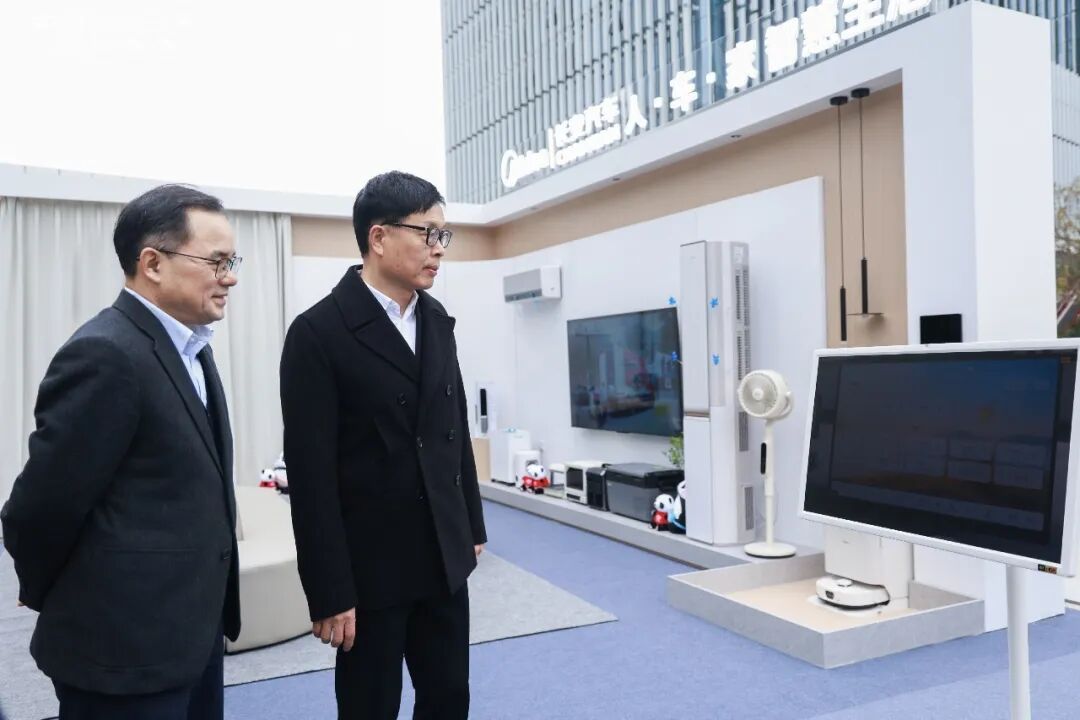
Industry competition has upgraded from product comparisons to full-scenario ecosystem battles.
Collaboration between automakers and home appliance companies now extends beyond simple functional linkages to encompass technology, supply chains, and sales channels.
For instance, Midea's partnership with Changan involves supplying core components like thermal management systems and motor controls, integrating Midea's precision manufacturing expertise into the automotive supply chain. Both companies will open their IoT platforms and in-vehicle system interfaces, standardizing cross-industry technical languages for smoother integration.
The collaboration between GAC Toyota and Xiaomi serves as another Typical Case (typical case).
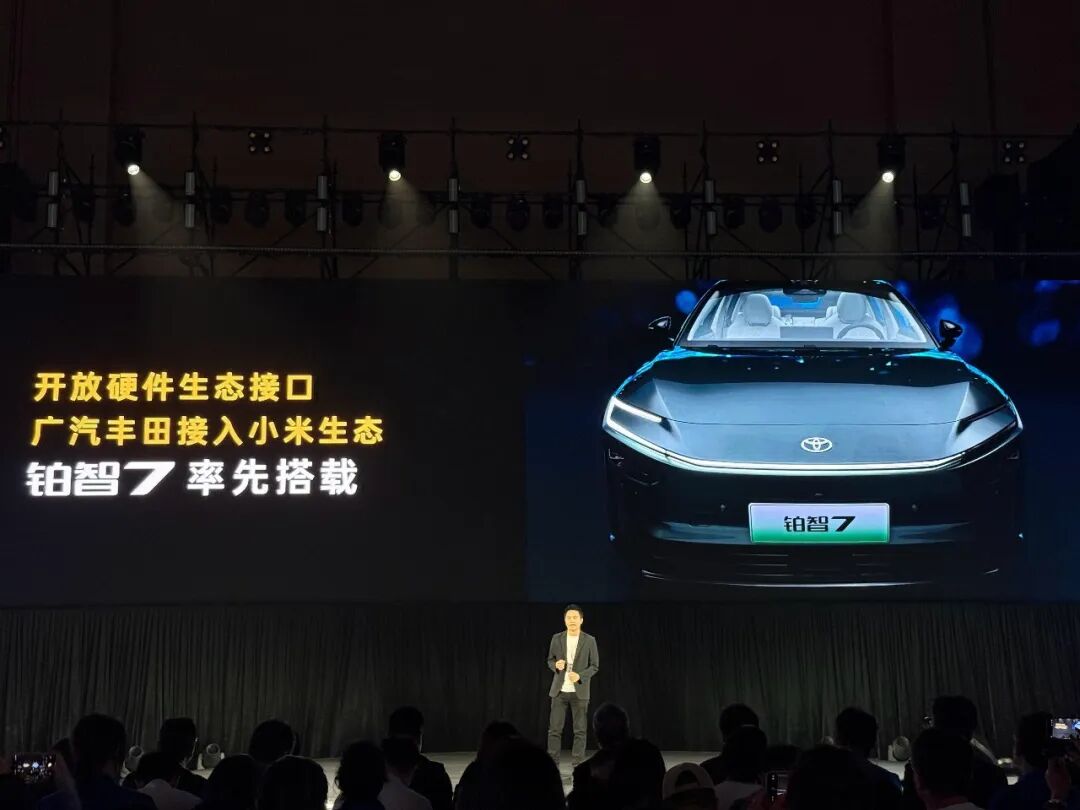
GAC Toyota, the first joint venture brand to integrate Xiaomi's ecosystem, will make some of its models compatible with Xiaomi tablets, in-vehicle audio systems, and other devices while supporting Apple iPad integration for whole-vehicle system linkage.
"Our collaboration with GAC Toyota represents a meeting of innovators from different automotive sectors," said Fan Jia Lin, Deputy General Manager of Xiaomi Automobile's Sales and Operations Department. "GAC Toyota's deep expertise in precision manufacturing, combined with Xiaomi's cutting-edge exploration in AIoT ecosystems, will jointly expand automotive ecosystem boundaries and Refactoring the Value Network of the Automotive Industry (reconstruct the automotive industry's value network)."
Channel integration is also advancing. Both sides will share user resources, transforming 4S dealerships into showcases for smart home products, thereby broadening customer bases.
Smart technologies are accelerating this fusion. 2026 is seen as a critical year for L3 autonomous driving adoption, when vehicles may truly become mobile living rooms, driving explosive demand for in-vehicle home control and scenario-based smart services.
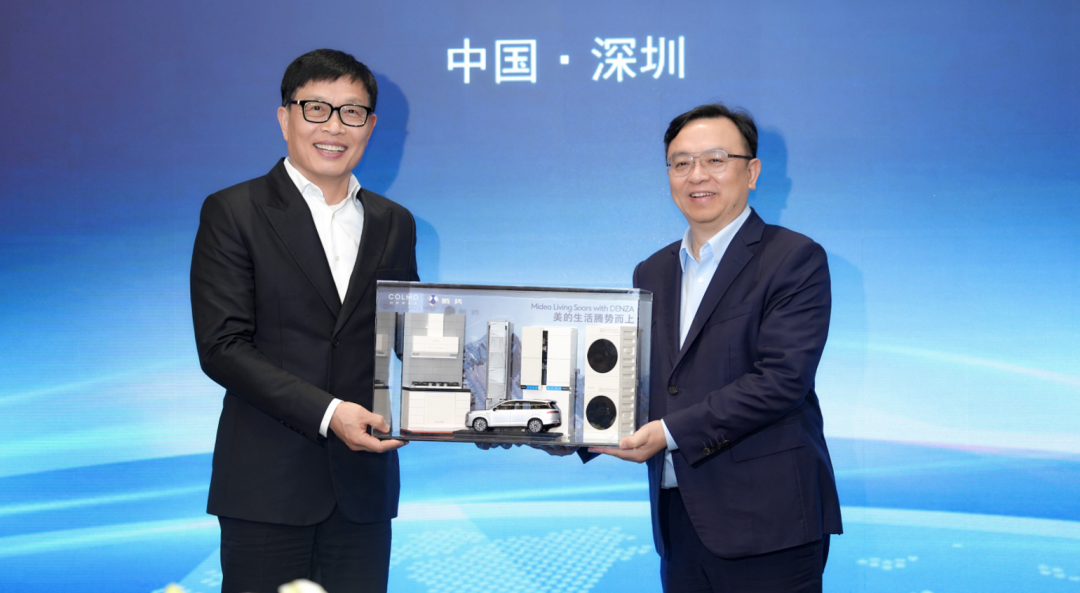 ● Fang Hongbo, Chairman and President of Midea Group (left); Wang Chuanfu, Chairman and President of BYD (right)
By preemptively Layout scene fusion (deploying scenario integration), automakers and home appliance companies aim to seize market opportunities in the autonomous driving era and meet surging user demands.
From an industry perspective, automotive-home appliance crossovers and strategic synergies represent not only complementary strengths between companies but also China's manufacturing sector's collective transformation in the digital age.
"As hardware value diminishes, device connectivity and scenario operation capabilities become the core future values," the interviewed expert noted. This cross-industry fusion will not lead to one side absorbing the other but will instead create a new category of companies skilled in both automotive manufacturing and scenario operations, reshaping the smart living industry landscape.
Over the next five years, R&D, supply chain integration, and ecosystem collaboration centered around the "human-vehicle-home" full-scenario ecosystem will become the most critical dynamic for automotive and home appliance companies.
Combining research from IDC, McKinsey, Huawei, and multiple securities firms, the "human-vehicle-home" full ecosystem market is projected to reach 10 trillion yuan by 2030, spawning even larger derivative economic value.
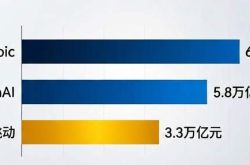
Leading players are accelerating their layout (deployments). Xiaomi has set a clear strategic goal: to build a 3 trillion yuan full ecosystem market across smartphones, automobiles, and major home appliances, with plans to invest 200 billion yuan in core R&D over the next five years.
As netizens joked, "Your car will soon remember your home better than you do."

-
![]()
Enflame Tech's IPO Journey: Navigating Over 5.9 Billion Yuan in Losses and Soaring Debt in Q1 This Year
-
![]()
Trillion-Yuan Giant Li Shufu 'Streamlines': Could Levc Be the Casualty?
-
![]()
AI Competes for Electricity and Generates Power in the Gobi Desert
-
![]()
The First Batch of Victims of the AI Bubble: Programmers
-
![]()
ByteDance, DJI, and Xiaohongshu Secure Top Three Positions Among China’s Fastest-Growing Unicorns
-
Tesla's in-car voice system in China is finally learning to 'understand human language'
-
![]()
Foreigners Are Amazed: Chinese Electric Vehicle Drive Systems Unveil Innovative 'Poses'
-
![]()
700,000 Brothers and the Future of Robots: Behind JD.com's 'Nirvana Plan'