9 yuan/liter for gasoline vs. 0.9 yuan/kWh for electricity: Is it too late to buy an electric vehicle now?
 03/27 2026
 559
559
Amid global turmoil and persistently high oil prices, who would have thought that new energy vehicles would become the biggest winner?
"Filling up with 92-octane gasoline leads to debt; filling up with 95-octane leads to bankruptcy."
"I bought the car last year, but I can't afford to fill it up with gas this year."
"What used to be a carefree 300 yuan fill-up now turns into a hesitant 200 yuan top-up."
"With oil prices surging so fiercely while wages remain stagnant, life has become incredibly tough."
At 24:00 on March 23rd, domestic refined oil prices will undergo their sixth round of adjustments, with the price of 92-octane gasoline expected to rise by more than 1.6 yuan/liter once again.
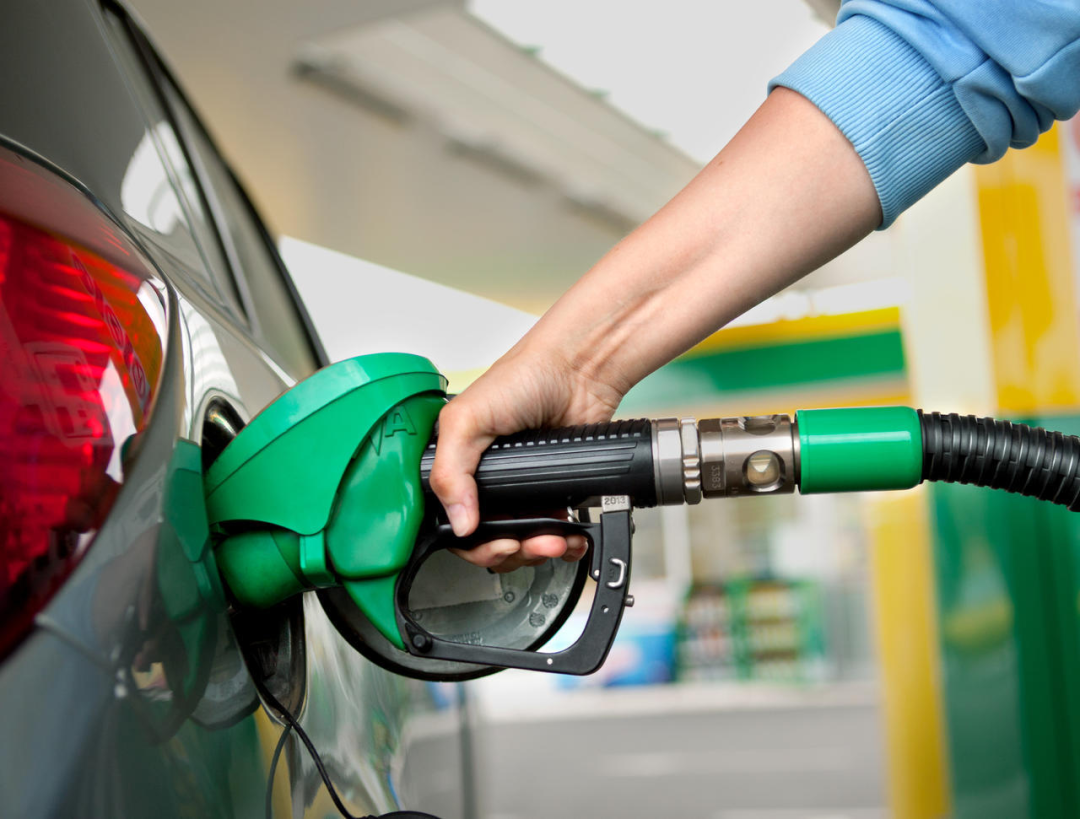
It is noteworthy that current international oil prices remain significantly higher than the average over the cycle. If international oil prices do not decline markedly, the expected increase in domestic oil prices will continue to widen.
Based on calculations using the Jinlianchuang pricing model, assuming international oil prices remain unchanged from the level on March 16th, the adjustment range for this round of retail fuel prices will be around 2,000 yuan/ton. This translates to increases of 1.60 yuan, 1.69 yuan, and 1.7 yuan per liter for 92-octane gasoline, 95-octane gasoline, and 0-diesel, respectively.
For a small family car with a 50L fuel tank capacity, filling up will cost approximately 80 yuan more. If the tank capacity is 70L, the additional cost will be 112 yuan.
Anxiety for gasoline-powered vehicle owners
At 24:00 on March 23rd, which is 0:00 Monday morning, a nationwide unified price adjustment will take place.
Whether it's PetroChina, Sinopec, or private gas stations, all will implement the new prices simultaneously, without advance or delay, no exceptions. Simply put, once midnight passes, fuel prices will go up directly. Car owners who want to save money should not miss the final window of opportunity.
In fact, this is already the sixth oil price hike this year.
At 24:00 on March 9th, oil prices underwent their fifth increase in 2026, surging by more than 0.52-0.61 yuan/liter. In Beijing and Shanghai, the price of 92-octane gasoline has reached or exceeded 7.6 yuan/liter.
After this increase, it is almost certain that the price of 92-octane gasoline will break through the "9 yuan" threshold.
While people may claim it's unnecessary, this weekend, gas stations across the country have been packed with gasoline-powered vehicles filling up in advance, some even requiring hours of queuing, reminiscent of the charging scene on expressways during the Spring Festival travel rush.
Some netizens commented, "It's all just for a few extra bucks."
The last time oil prices surged like this was during the Russia-Ukraine conflict. On June 15, 2022, the price of 92-octane gasoline reached 9.33 yuan, while 95-octane gasoline soared to 9.93 yuan.
In February of that year, the Russia-Ukraine conflict erupted. Russia is one of the world's top three oil producers, and the conflict directly impacted global energy supply expectations. In early June, the EU's sixth round of sanctions took effect, announcing a ban on Russian seaborne crude oil within six months and petroleum products within eight months, expected to reduce Russian oil exports by about 3 million barrels per day. Market panic over a widening supply gap sent Brent crude oil prices soaring to the $124-125 range in early June.
After the Middle East conflict, the prospect of a quick resolution has completely vanished, evolving into an endless tug-of-war.
Brent crude oil prices have once again surpassed $100. Although the battleground is in the Middle East, the soaring oil prices represent an "invisible tax" directly resulting from the war, shouldered by the entire world.
If we're just talking about price hikes in China, Vietnam nearly came to a standstill.
In short videos uploaded by some bloggers, Vietnam's fuel shortage crisis has become so urgent that motorcycles queuing for fuel at gas stations stretch for tens of meters, while buses even require a group effort to push-start due to fuel shortages... Even aviation fuel has run critically low, grounding flights.
Many gas stations in Hanoi have been forced to post purchase limits: motorcycles are limited to 30,000-50,000 Vietnamese dong per fill-up, while cars are limited to 300,000-500,000 Vietnamese dong per fill-up based on model—amounting to less than half a tank (a full tank costs around 1.3 million Vietnamese dong).
It must be said that China's early development of clean energy and new energy vehicles was far too forward-thinking.
A boon for new energy?
Faced with the relentless surge in oil prices, many are asking: If the Middle East turmoil continues, will oil prices keep rising? Could they break through 10 yuan this year? Ultimately, the question that pops up is: Are you still driving a gasoline-powered car?
During the two oil crises in the 1970s, the once-dominant American large-displacement vehicles saw their sales collapse, while fuel-efficient Japanese cars shone brightly. Today, a similar scenario is unfolding, and the opportunity for new energy vehicles, represented by electric cars, to dominate the industry may have truly arrived.
Shen Fei, President of Ledao Motors, couldn't resist posting a somewhat "schadenfreude" moment on his social media amid the soaring oil prices: "Looking at the long queues at gas stations, I have a question for friends who haven't switched to electric vehicles yet—how much longer are you willing to wait in this line?"

Let's do a simple calculation: A compact gasoline-powered car has an average annual fuel cost of about 7,000-9,000 yuan; a pure electric vehicle charged at home has an average annual electricity cost of about 1,000-1,500 yuan, while public charging costs about 2,000-2,500 yuan; a plug-in hybrid model can use both gasoline and electricity, with an average annual energy cost of about 3,000-4,000 yuan for urban commuting on electricity and long-distance travel on gasoline.
Over a five-year ownership period, a pure electric vehicle saves about 30,000-40,000 yuan compared to a gasoline-powered vehicle, while a plug-in hybrid saves about 20,000-30,000 yuan, enough to cover the price difference when purchasing a vehicle of the same class. It can be said that with every oil price increase, this payback period shortens, and consumers' willingness to switch strengthens.
A taxi driver, who drives an average of 350 kilometers per day with a fuel consumption of 8 liters per 100 kilometers, will see their monthly fuel costs increase by about 1,000 yuan. Freight drivers face even greater pressure, with long-haul trucks traveling 15,000 kilometers per month and consuming 35 liters per 100 kilometers, resulting in a monthly fuel cost increase of over 10,000 yuan after the adjustment.
Mr. Liu, a ride-hailing driver in Hangzhou, is one of the few still driving a gasoline-powered vehicle. This round of oil price hikes may be the final straw. "Occasional price hikes and filling up once in a while are no big deal, but it's been rising all year, and I can't take it anymore."
"At this rate, oil prices could easily break through 10 yuan. I'll be spending an extra 100 yuan a day, or 300 yuan a month." Mr. Liu said, noting that his trusty old Toyota, which has been with him for over a decade, doesn't seem so fuel-efficient anymore in the face of such high oil prices.
Especially when compared to his friends driving new energy vehicles in the group chat, the contrast is even more striking. Mr. Liu has decided to switch to a new energy vehicle before May Day this year, taking advantage of the recently introduced car consumption subsidies in Hangzhou.
Some analysts believe that the penetration rate of new energy vehicles in China has already reached 48.5% in 2025, with institutions generally predicting a full-year penetration rate exceeding 57%-60% in 2026, and sales expected to surpass 19 million units. Gasoline-powered vehicle sales, which once accounted for 70-80% of the market, are expected to fall to around 40%, potentially shifting from the mainstream to a marginal choice.
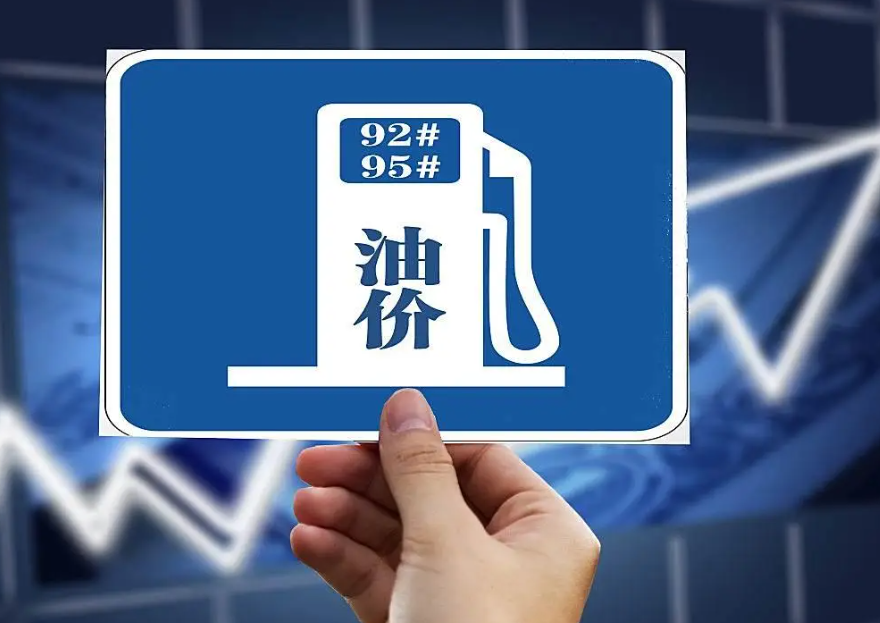
The rise in gasoline prices is essentially a market signal for the energy structure transition. While not the fundamental driving force behind the development of new energy vehicles, it serves as a key catalyst for their accelerated adoption.
When the operating costs of gasoline-powered vehicles continue to rise, and when new energy vehicles offer superior product performance, convenience, and economic benefits, consumers' choices are already self-evident.
Recently, multiple new energy vehicle brands have launched targeted marketing campaigns in response to rising oil prices, including incentives like "fuel subsidies" and "charging packages." Some brands have even developed dedicated "fuel vs. electricity cost comparison" mini-programs, allowing consumers to intuitively see the differences in operating costs between vehicles with different powertrains.
Amid global turmoil and persistently high oil prices, who would have thought that new energy vehicles would become the biggest winner?
Note: Some images are sourced from the internet. If there is any infringement, please contact us for removal.
-END-
-
![]()
The Unstoppable Rise of 'Optical Progress and Copper Decline': Sunny Optical’s Strategic Vision for the Next Decade
-
![]()
AI + Going Global in the Second Half: No Intermission for Robot Vacuum Cleaners
-
![]()
The Suffering Endured in E-commerce, Walmart Doesn't Want to Repeat in AI
-
![]()
What Does the Doubling of New Energy Vehicle Exports Mean?
-
![]()
Ghosn: 'Only I Can Save Nissan'
-
![]()
Volkswagen Lays Off 100,000 Employees, The Elephant Sits Down
-
![]()
Expanding Production Capacity! Yutong Optics Acquires Approximately 1.5 Hectares of Industrial Land in Chang'an, Dongguan
-
![]()
Why Is Nokia Making a Comeback in the AI Era?