Weekly Stock Review | A-Shares Slip Below 3900 Points Again, Oil Crisis Accelerates New Energy Growth
 04/07 2026
 416
416
This week's review of automotive stocks offers a glimpse into the dynamic and diverse automotive market.
After a week of fluctuations, A-shares ultimately failed to maintain their position above 3900 points, experiencing a notable decline on the final trading day of the week, casting a shadow of uncertainty ahead of the Qingming holiday.
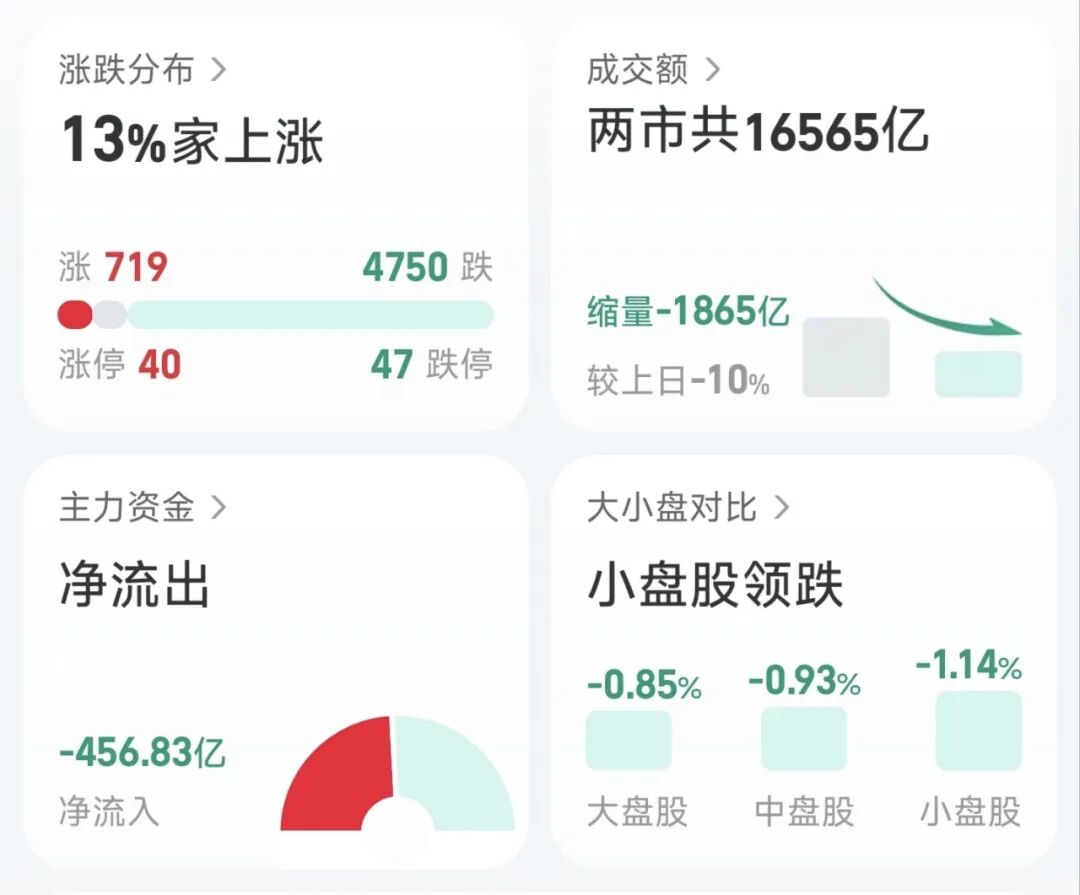
By Friday's close, trading activity across both markets had tightened, with the Shanghai Composite Index falling by 1% to 3880.10 points, the Shenzhen Component Index dropping 0.99% to 13352.90 points, and the ChiNext Index declining 0.73% to 3149.60 points. The combined trading volume for both markets reached 1656.5 billion yuan, marking a 10% decrease from the previous day. Apart from the main index, the majority of major indices were in the red, with only safe-haven government and corporate bond indices registering slight gains.
In a market characterized by a somber mood, there was little warmth to be found, as 4750 stocks declined and 47 hit their limit down. Main funds chose to exit the market significantly, with a net outflow of 45.6 billion yuan in a single day. However, slight signs of recovery emerged as the decline in main funds and trading volume suggested the market had entered a cooling-off period.
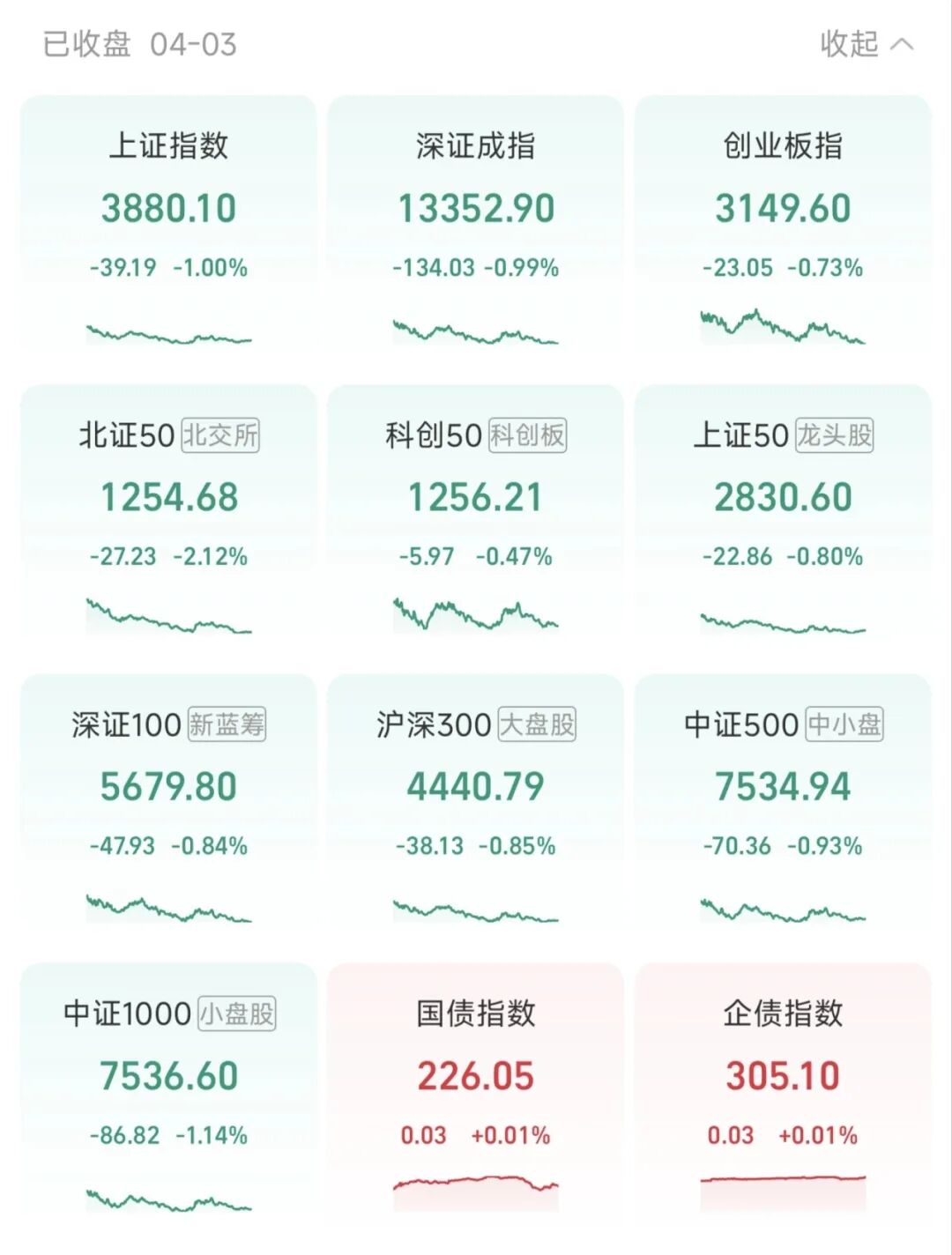
Among the popular sectors, crude oil emerged as the new market hotspot, replacing chips and artificial intelligence, with CNPC Capital becoming the second-largest recipient of net inflows from main funds on April 3rd. This reflects the country's growing emphasis on energy system construction.
The Middle East situation impacted oil prices, with the spot price of Brent crude oil surging to $141 per barrel on April 3rd, and futures prices continuing to climb. Reports also surfaced that tolls for passing through the Strait of Hormuz would be settled in RMB, boosting confidence in related industries.
High oil prices also spurred growth in the new energy vehicle industry. Data revealed that following the significant rise in oil prices, orders for mainstream new energy brands increased by approximately 20% in a single week, with transaction volumes doubling in some cities. Historical data indicates that for every 10% increase in oil prices, new energy penetration rates rise by 1.5-2 percentage points.
As March sales figures for mainstream brands were released, the market witnessed a wave of growth, with several domestic new energy vehicle brands in the Hong Kong stock market experiencing rapid increases.
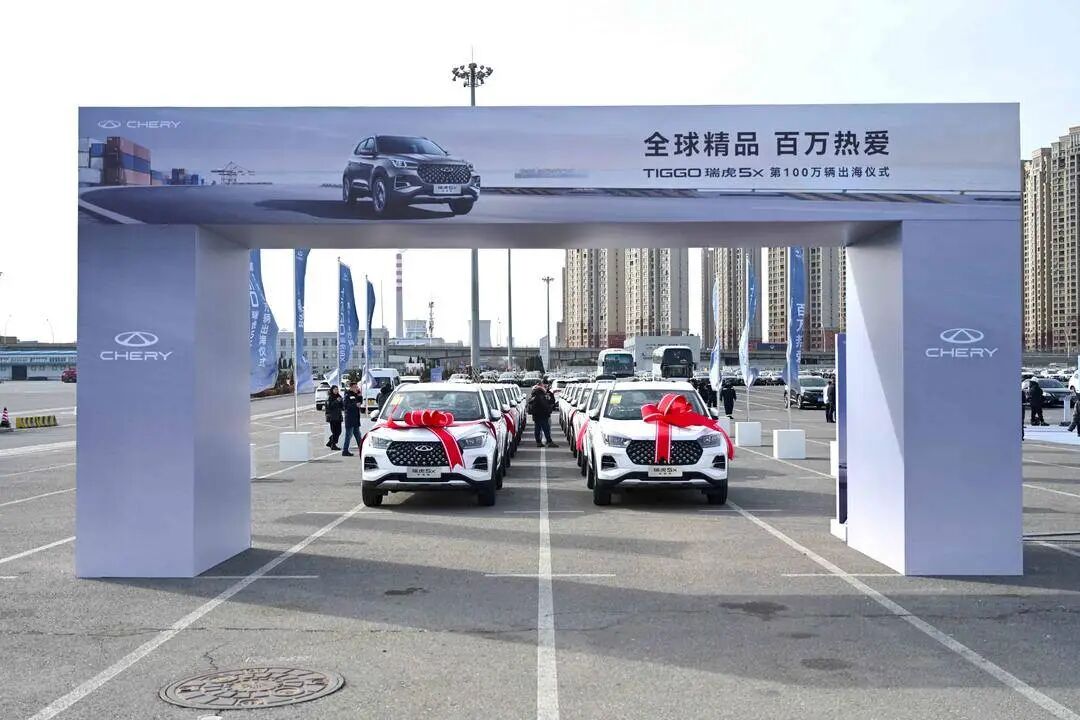
Leading the charge was Chery Automobile, which saw a single-day increase of 15.26% and a cumulative two-day increase of nearly 20% following the sales announcement.
In March, Chery Group sold 240,000 vehicles, a 12% year-on-year increase, with cumulative sales exceeding 600,000 vehicles in the first quarter and new energy sales surpassing 160,000 vehicles.
More significantly, Chery's overseas market continues to expand, with the official announcement of its South African factory in the first quarter, expected to commence production of its first model in 2027.
Chery also maintained its position as the top vehicle exporter by month, with exports exceeding 100,000 vehicles for 11 consecutive months, reaching 140,000 vehicles in March, a 72% year-on-year increase.
After achieving stability in the domestic market, overseas markets are becoming the core driver of sales growth for self-owned brands. Chery's long-standing presence in overseas markets makes capital more inclined to invest, especially amidst rising international oil prices, with new energy vehicles also garnering significant attention in overseas markets.
Besides Chery, self-owned brands have demonstrated explosive growth in exports. In March, BYD's overseas sales approached 120,000 vehicles, a 65.2% year-on-year increase, accounting for nearly 40% of total sales.
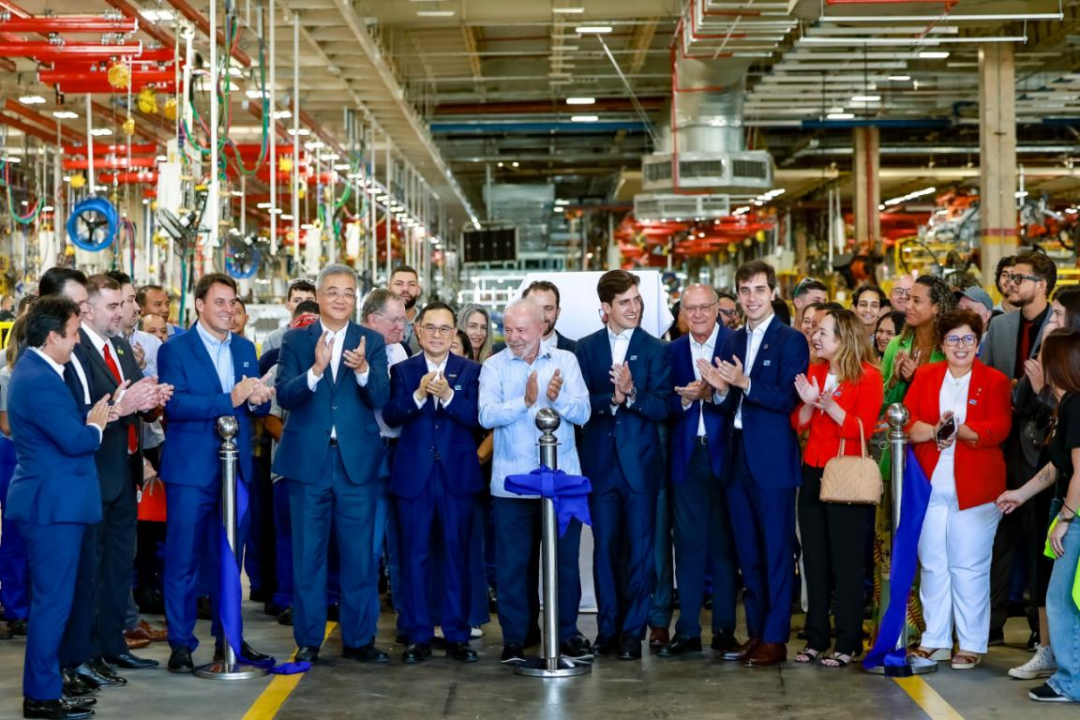
Changan Automobile's overseas sales exceeded 100,000 vehicles, a more than 60% month-on-month increase. In March, Changan Automobile's chairman, Zhu Huarong, led a team to Brazil to witness the rollout of the first model from the Brazilian joint venture factory.
According to Changan Automobile's sales plan, the overseas market is expected to exceed 1 million vehicles by 2026. The official production start at the Brazilian joint venture factory is a significant move to lay out the South American and even the entire American market.
Changan Automobile was also one of the companies whose stock price rose against the trend on Friday, with a slight increase of 0.5%, indicating its strong resilience despite unfavorable market conditions. According to ratings from 8 institutions over the past 90 days, 6 recommend buying, and 2 recommend holding, still showing optimism for Changan Automobile.
Following Chery, BYD, and Changan in export sales is Geely Automobile, with exports exceeding 80,000 vehicles in March, a more than 120% year-on-year increase, making it the fastest-growing self-owned brand in exports for March.
Of course, Geely's current focus remains on the domestic market, leading BYD by a slim margin in the first quarter to become the sales champion. However, based on March sales data, the competition between Geely and BYD continues, and who will truly claim the 2026 sales crown remains uncertain. However, BYD's rapid expansion in overseas markets has already created a certain gap with Geely Group.
Driven by favorable sales, Geely Automobile's stock also continued to rise in the Hong Kong stock market, increasing by 8.37% in a single day on April 2nd and nearly 14% in a single week.
As for new forces in the market, with sales recovering in March, most stock prices saw significant increases, generally around 10%, marking a triumphant moment.
Specifically, Leapmotor regained the sales crown in March, pulling ahead of other brands with an absolute advantage of 50,000 vehicles. On the first day of the sales announcement, its stock price surged by 9%, returning to above HK$50.
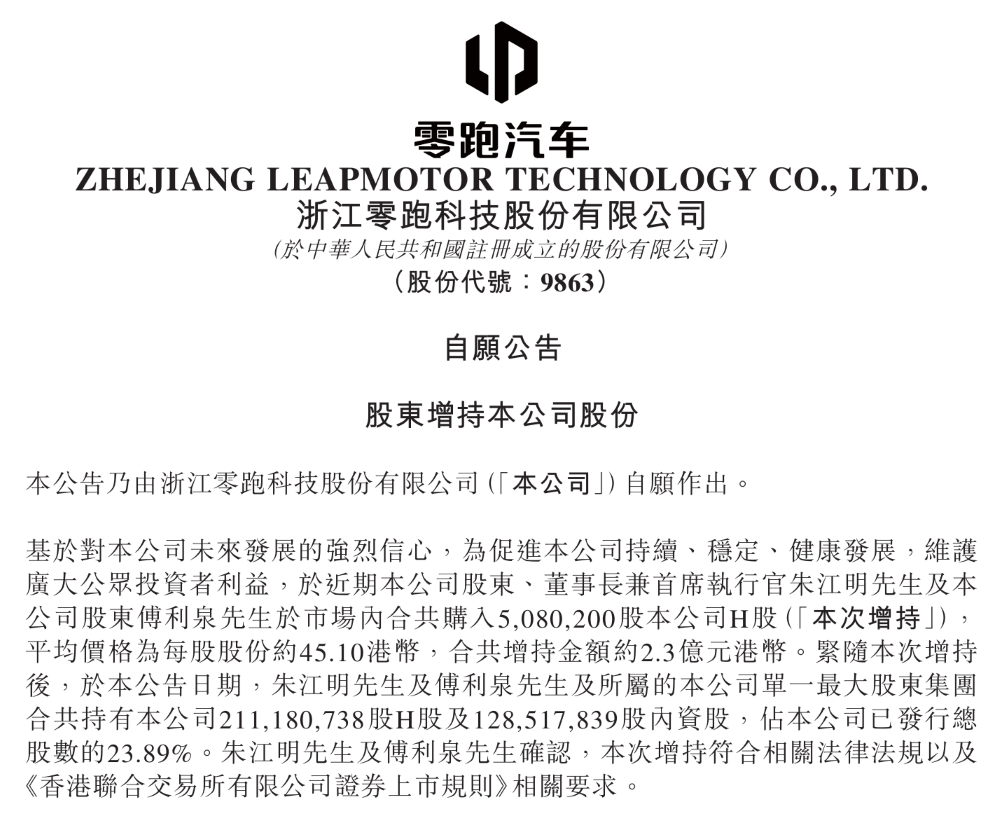
More importantly, amidst the stock price recovery, on April 2nd, Leapmotor Technology announced that its chairman, Zhu Jiangming, and shareholder Fu Liquan purchased 5.08 million shares, with the increase amounting to over HK$200 million.
Generally, share purchases are made to release positive signals and stabilize stock prices. However, given Leapmotor's current upward trajectory, the decision to increase holdings at this time also reflects the major shareholders' confidence in Leapmotor's future growth.
Besides Leapmotor, NIO and Li Auto performed well in the Hong Kong stock market, with weekly increases exceeding 10%. Only XPeng Motors closed lower on April 2nd.
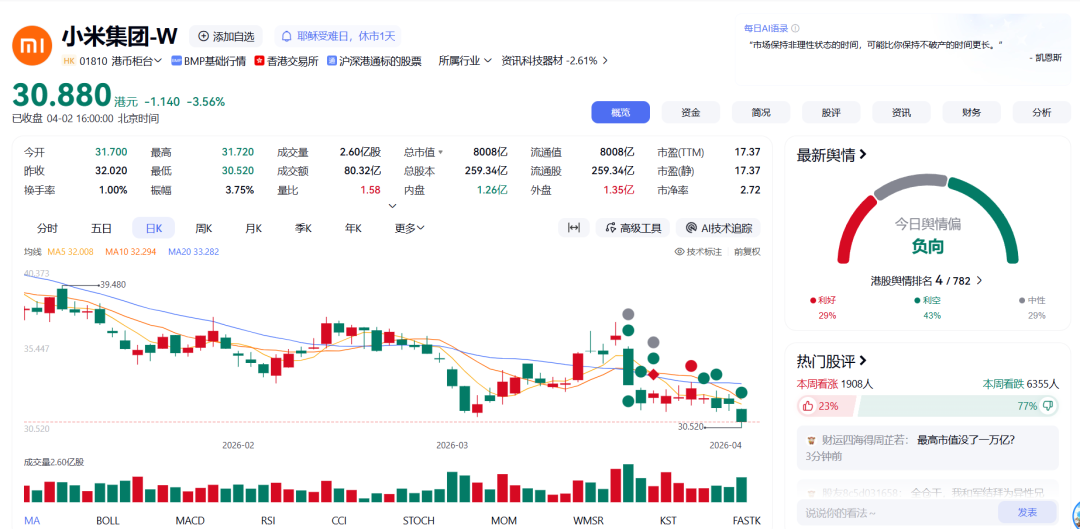
As for the highly anticipated Xiaomi Group, its impressive annual report did not bring lasting positive effects. With the release of March sales figures, its stock price fell again, dropping by more than 6% in a single week and returning to HK$30.88 per share. It remains uncertain whether it can hold above HK$30.
However, amidst the overall positive trend for new energy vehicles, core lithium batteries have shown less resilience, with significant outflows of main funds on Friday, exceeding 12 billion yuan.
Among them, CATL saw a substantial outflow of over 2.2 billion yuan from main funds, causing its stock price to plummet by 3.67%. As the leader in power batteries, CATL has always been a market bellwether, with most funds heavily invested in it, holding a market value exceeding 180 billion yuan.
As the only power equipment industry in the top ten of A-share market value, CATL is a flagship. Affected by the stock price decline, to boost confidence, CATL has already spent over 4 billion yuan repurchasing shares in the past year and will continue to implement repurchase plans.

A conflict in the Middle East has once again thrust the energy industry into the spotlight, presenting opportunities amidst risks. Amidst global oil market turbulence, the new energy industry may witness new rapid growth, with upstream power batteries, photovoltaics, energy storage, and other industries also experiencing new outbreaks.
Note: Some images are sourced from the internet. If there is any infringement, please contact us for removal.
-END-
-
![]()
AI Gives Volcano Engine a Chance to 'Change the Table'
-
![]()
A Smart Parking IPO Emerges in Xiamen with a 204% Surge on the First Day of Listing
-
![]()
Alibaba Exits Gaming Industry: A Strategic Move Forward?
-
![]()
New Car Model Faces Unprecedented Negative Campaign; Leapmotor Navigates Through Challenges Amid Profitability Concerns
-
![]()
Overnight Vanishing Act: 1.8 Trillion Gone! Silicon Giants Are Splurging While Carbon-Based Consumers Are Priced Out
-
![]()
2026 China GEO Industry Application Scenario Maturity and Supplier Selection Analysis Report (Part 1)
-
![]()
Fresh Air in Healthy Cabins Starts with a CO2 Sensor
-
![]()
The Unstoppable Rise of 'Optical Progress and Copper Decline': Sunny Optical’s Strategic Vision for the Next Decade