Why Do Young People’s Old Phones Suddenly Seem Faster Amidst Mobile Price Hikes?
 04/07 2026
 459
459
In recent years, the trend among consumers has been to replace their mobile phones at the first sign of lag. However, with the looming wave of mobile phone price increases, media outlets have observed that young people’s older phones are suddenly performing better. What is behind this change?
I. Shifts Following Mobile Phone Price Hikes
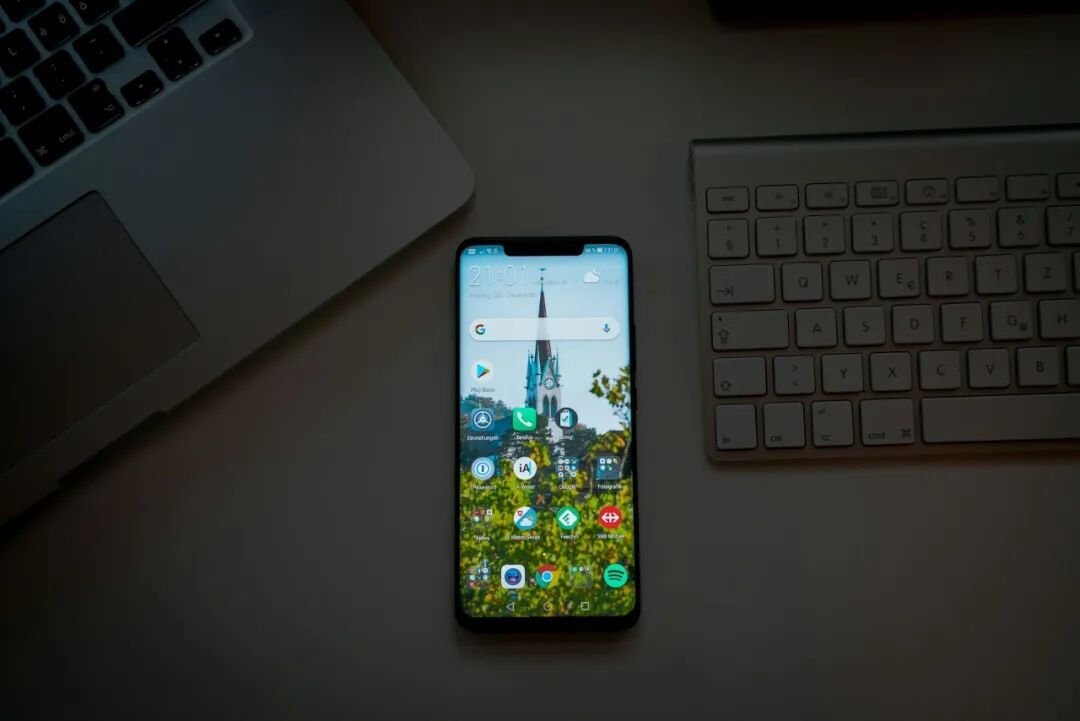
According to a report by New Weekly, an article titled "After They All Hike Prices, Young People's Old Phones Suddenly Stop Lagging" became a trending topic on social media. It mentioned that in late February, discussions like "Mobile phones are about to see across-the-board price hikes" and "The era of budget phones is over" went viral among netizens. Initially, most people were skeptical, dismissing it as a marketing ploy by manufacturers to boost spring sales.
This skepticism, in hindsight, revealed a lack of understanding. As March arrived, the rumors transitioned from mere speculation to a harsh reality. Consumers, in turn, became more pragmatic. After all, the replacement cycle for mobile phones had already extended to three and a half years. Rather than chasing price increases, they began to consider how to extend the life of their current devices for a few more years.
The reason this round of mobile phone price hikes became a focal point is its unprecedented scale. Unlike past increases, which were limited to high-end flagship models, this time, the price hikes spanned from budget phones to high-end foldable screens, affecting both new releases and older models across all price ranges.
The most impacted models were mid-to-low-end Android "budget phones" priced between 1,000 and 2,000 yuan, which focused on cost-effectiveness. According to analyses from multiple authoritative research reports, these phones generally have a gross profit margin below 20% and are highly sensitive to component costs. A significant rise in storage costs could push these phones into negative gross profit margins, making it easy to "lose money on every unit sold."
After news of the price hikes spread, September, a migrant worker in Guangzhou, opened a shopping app and checked the price of a desired phone in his cart. Even after applying national subsidies and trade-in discounts, it was still nearly 800 yuan more expensive than the original price.
After some thought, he cleared his shopping cart and instead ordered a battery replacement service for less than 200 yuan. "With a new battery, it can last another two or three years. Right now, I have 40% of my storage left, and after clearing some space, it'll do just fine."

II. Why Do Young People’s Old Phones Suddenly Seem Faster?
After the wave of price hikes, many young people noticed that their old phones seemed to suddenly "stop lagging." What logic lies behind this phenomenon?
Firstly, the wave of price hikes reshapes consumer expectations. The trend of mobile phone price hikes has directly led to the prevalence of a "wait-and-see" consumer mentality, with many people beginning to hold onto their money. In this context, the mindset of using old phones for a few more years has gradually taken shape. Price is the most sensitive lever for regulating supply and demand. When the cost of core components like memory chips is passively driven up by the AI industry boom, mobile phone manufacturers have no choice but to pass these cost pressures onto consumers. This sharp fluctuation in price signals has disrupted the rigid two-year replacement cycle that consumers have long adhered to.
Against the backdrop of high prices, consumers' awareness of opportunity costs has significantly increased. The substantial rise in the cost of purchasing a new phone means that the value of foregone alternatives or savings has also grown. Therefore, rational consumers choose to delay their purchase decisions and enter a "wait-and-see" state. This collective wait-and-see behavior forces consumers to reevaluate the value of their existing devices. Old phones, once deemed "outdated" and "laggy," now have their usage value rediscovered in the absence of high-cost-performance new alternatives. This is not a physical mutation in the performance of old phones but rather a shift in consumers' psychological thresholds. Under the pressure of price hikes, consumers' tolerance for old devices has increased, and their urgency to upgrade has decreased, leading to a subjective consensus that "old phones can still hold up." This retreat of psychological defenses is the first layer of logic behind why old phones "stop lagging."
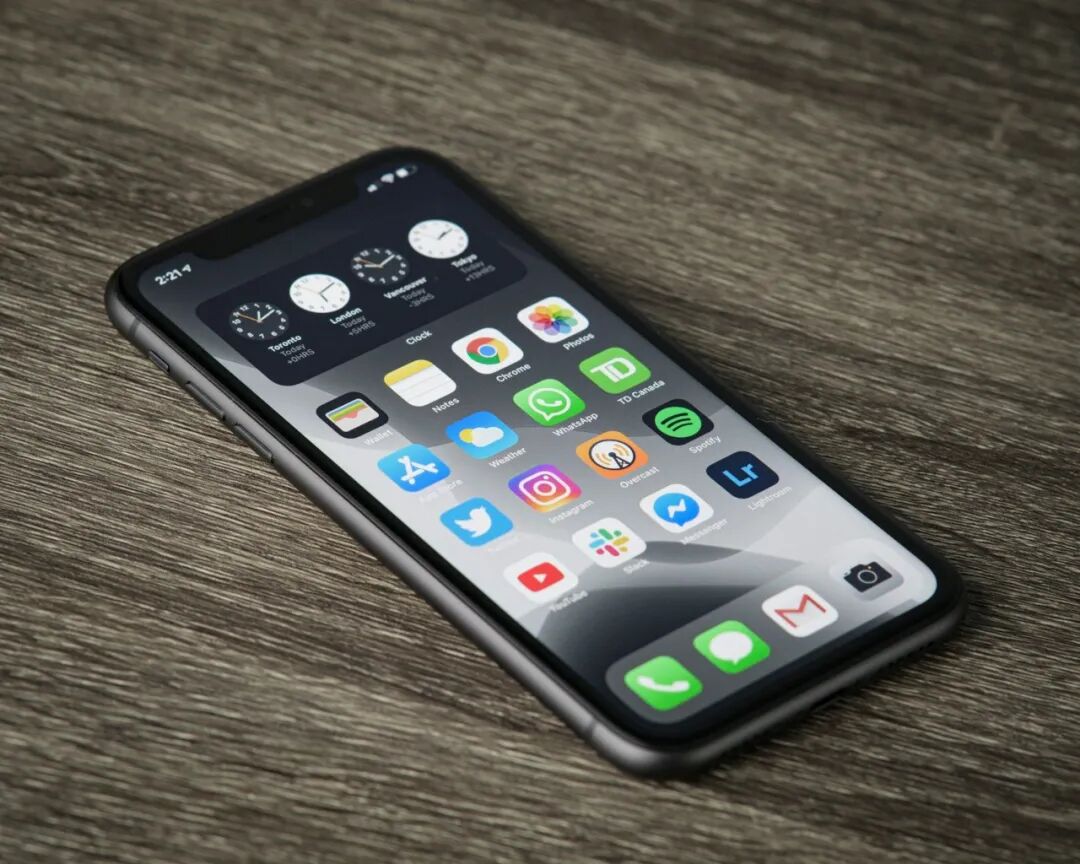
Secondly, the repair market's improvement extends device lifespans. With the growing sophistication of the mobile phone repair market, options like battery replacements and even memory upgrades have become relatively convenient choices. A simple component update can effectively extend a phone's usable life. In the evolution of industrial ecosystems, after-sales service and the secondary market are important benchmarks for measuring an industry's maturity. In the past, mobile phone repairs often faced pain points such as expensive parts, high technical barriers, and information asymmetry, leading "replacement over repair" to become the norm. However, with changes in the economic logic of recycling electronic waste and the maturation of third-party repair supply chains, mobile phone repairs have moved from a niche industry into the mainstream.
In particular, the surge in storage chip prices has unexpectedly activated the market for "salvaged parts." Due to the high cost of new chips, core components salvaged from old devices, such as memory, flash storage, and motherboards, have become highly sought-after in the repair market for their relatively low cost and stable performance. This market mechanism allows consumers to significantly enhance their phone's core experience at a very low marginal cost. For most people, mobile phone repairs, especially on-site repairs, have now become extremely convenient. For the majority of phone users, this is undoubtedly an exciting prospect—spending a little money to achieve a qualitative improvement in phone performance is undeniably appealing.
For consumers, this represents a highly cost-effective and rational choice. Instead of paying a hefty premium for a new phone, they can address the two major pain points of battery drain and insufficient storage through "minimally invasive" repairs. The improvement of the repair market essentially provides a low-cost "life-extending" solution for old phones, physically breaking the "lagging" curse and substantially prolonging the usage cycle of old devices.
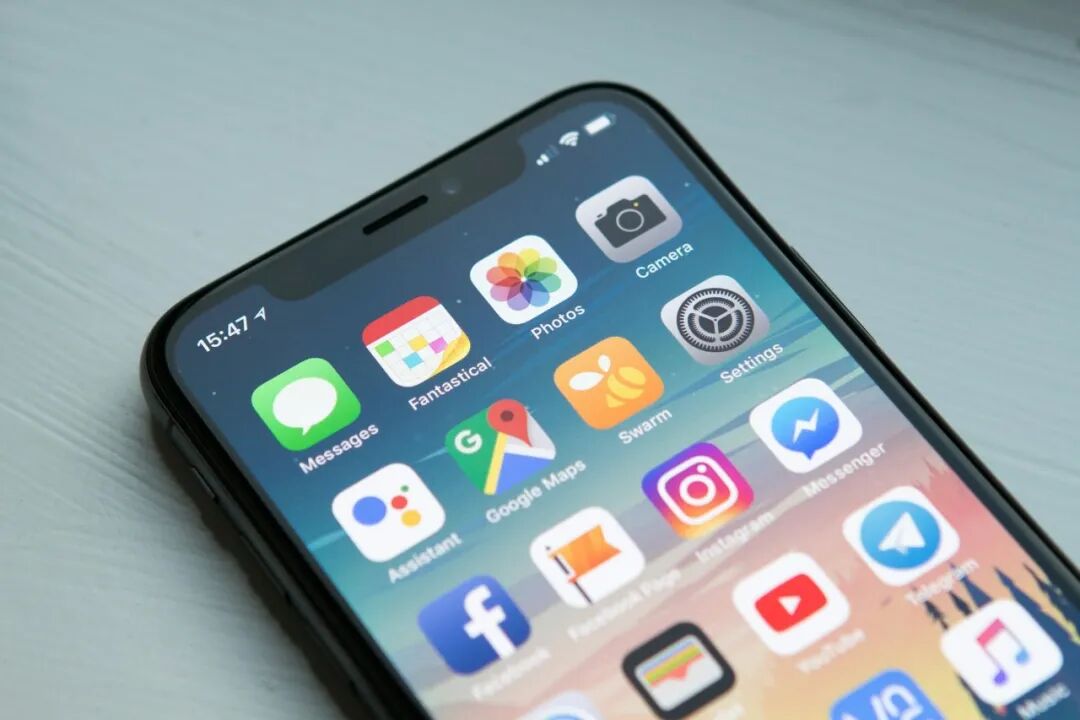
Thirdly, the reconstruction of mental accounts alleviates anxiety about lagging. Often, the perception of a phone's lag is psychologically driven. Now, with mobile phone prices rising and replacement costs increasing, many people choose to optimize their phones rather than immediately upgrade. From a consumer psychology perspective, consumers' perceptions of products are often influenced by various factors. During phone usage, when minor lags or sluggish performance occur, if consumers lack a strong desire to upgrade, they often alleviate this discomfort through self-suggestion or simple optimization actions.
For example, clearing the phone's cache or closing unnecessary background programs. While these actions do not fundamentally solve the phone's performance issues, they can improve the user experience to some extent, making consumers feel that their phone has "sped up." Against the backdrop of mobile phone price hikes, the increased cost of upgrading makes consumers cherish their existing phones more. They are more willing to invest time and effort into optimizing their phones rather than easily choosing to upgrade.
This psychological shift makes them subjectively feel that the lagging issues of their old phones have been alleviated, as if the phones have suddenly "stopped lagging." While this may contain an element of self-deception, understanding the underlying logic reveals that it is actually a consensus among most electronics users. Before the smartphone era, most traditional feature phones running on the Symbian system were also quite laggy, yet consumers were content with them—this is the psychological logic at play.
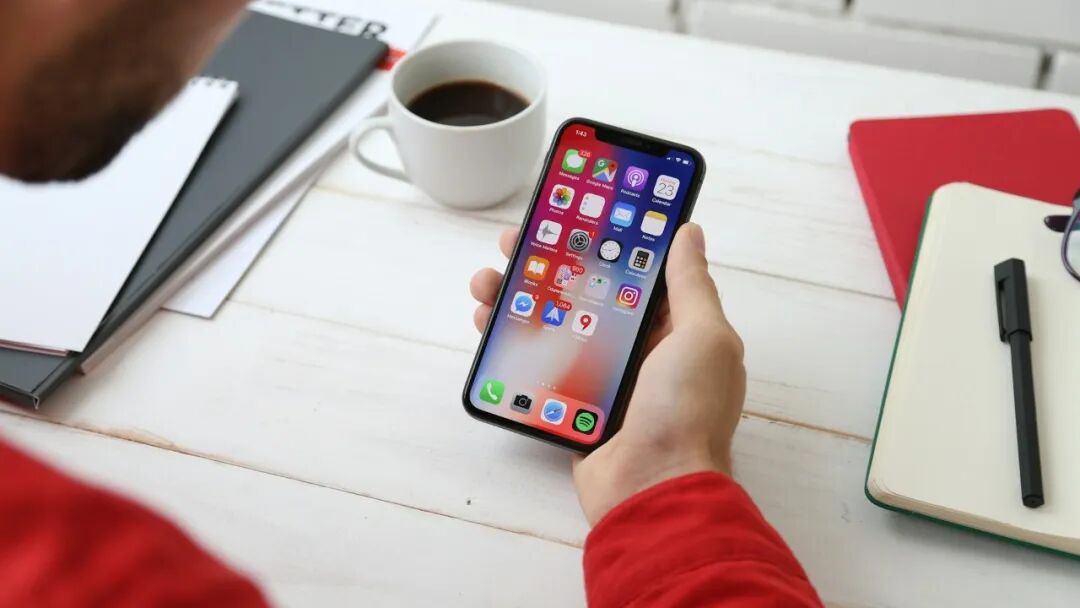
Fourthly, the ebb of pseudo-demand sparks consumer awakening. Consumer behavior in any industry tends to evolve from "blindly chasing the new" to "rational maturity," and the mobile phone industry is no exception. This round of price hikes has served as a catalyst for this cognitive awakening. In the past, manufacturers created pseudo-demand through buzzwords like "AI revolution," "pixel upgrades," and "foldable screen innovation," guiding young people to pay for unnecessary features. Many young people fell into "performance anxiety," believing that only the latest models could meet their needs, leading to frequent upgrades. However, with the arrival of price hikes, young people have started to crunch the numbers—spending six or seven thousand yuan on a new phone, only to find that most of the new features are unused, while spending a few hundred yuan on repairing their old phone can fully meet daily needs. The cost-effectiveness gap between the two options is stark.
This cognitive awakening has allowed young people to see through manufacturers' marketing tactics, realizing that "I don't actually need such high performance, that a battery replacement can extend my phone's life, and that manufacturers' 'AI revolutions' are just ways to make me spend more." This awakening is not about downgrading consumption but about maturing consumption; it's not about being unable to afford new phones but about refusing to pay for pseudo-demand. It represents a shift in young people's consumption philosophy from "conspicuous consumption" to "practical consumption."
This maturation of consumer cognition will, in turn, force mobile phone manufacturers to change their development strategies, shifting from "stacking specs and hyping concepts" to "focusing on practicality and improving quality." For young people, this awakening makes them cherish their old phones more, actively exploring their usage value, and keeping them running smoothly through optimizations and repairs. The dual effects of this "cognitive awakening + cost constraints" have ultimately created a counterintuitive phenomenon where higher prices lead to fewer upgrades, making it inevitable that old phones suddenly stop lagging.
In reality, it's not that phones have stopped lagging but that the logic behind phone lagging has undergone a fundamental transformation, along with changes in consumer mindset. This is perhaps the most noteworthy aspect of the situation.
-
![]()
Proposed to Raise 955 Million Yuan through Private Placement! Huicheng Vacuum Boosts Localization of Ultra-Precision Optical Coating Equipment
-
![]()
Cash Flow Soars 13-Fold! What Major Strategic Move is Wuhan Five Square Optoelectronics Planning?
-
![]()
Leaked Design of vivo X500: Reverts to Circular Camera Module in Top-Left Corner, Pays Homage to Classic X90 Aesthetic
-
![]()
DeepSeek Shows Signs of Foraying into Code Agents, Launches WeChat Official Account Focused on Harness
-
![]()
Auto Companies Deny Claims That ‘Cooperation with Huawei Is Non-Essential’, as Huawei Transforms into a ‘Public Platform’
-
![]()
Starship to Independently 'Return to the Launch Tower': SpaceX's Ambitions Extend Beyond Rocket Building to Dominating Space Transportation
-
![]()
Starship Set to Independently 'Return to the Launch Tower': SpaceX is Revolutionizing Space Transportation, Not Just Building Rockets
-
![]()
Anthropic and OpenAI Face Off Against Deepseek