Final Ruling: Independent Brands Ascend to New Peaks in the Hybrid Passenger Vehicle Market
 04/15 2026
 526
526
At the 2026 High-Level Forum on the Development of Intelligent Electric Vehicles, Professor Ouyang Minggao from Tsinghua University remarked in his keynote speech that by 2030, new energy passenger vehicles are anticipated to constitute over 70% of the annual new passenger vehicle sales, with the majority of the remaining sales being large-battery hybrid models (HEVs). The ratio of pure electric vehicles to plug-in and extended-range models is estimated to be 7:3. By 2035, new energy passenger vehicles are projected to account for more than 80% of the annual new passenger vehicle sales.
An alternative viewpoint suggests that in the future domestic passenger vehicle market, pure electric vehicles will make up 40%, plug-in hybrids (including extended-range models) will account for 30%, and fuel-powered vehicles will represent 30%. The fuel-powered vehicles will predominantly be hybrid models.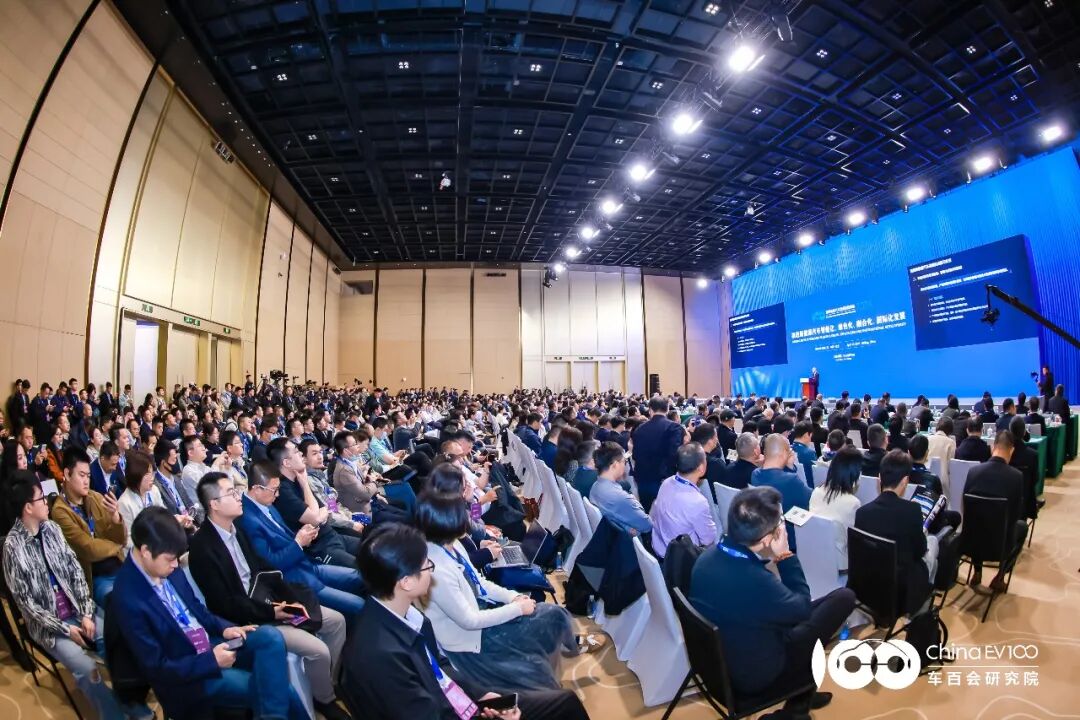
According to data from the China Association of Automobile Manufacturers (CAAM), domestic passenger vehicle sales reached 24.065 million units in 2025, comprising 13.005 million new energy passenger vehicles and 11.06 million fuel-powered passenger vehicles. Although new energy passenger vehicles outnumbered fuel-powered ones, the latter still maintained a substantial market presence of over 11 million units. In the years ahead, the fuel-powered passenger vehicle market will continue to be a significant sector with a scale of tens of millions of units, making it a market that cannot be ignored.
Among the over 11 million fuel-powered passenger vehicles sold in 2025, only slightly over 600,000 were hybrid models without external charging capabilities, constituting about 5%. These models were primarily produced by Toyota, Lexus, and Honda.
Since hybrid models (HEVs) are classified as energy-efficient fuel vehicles and are not included in the new energy vehicle category, they are ineligible for preferential policies. To date, among the models sold by domestic independent brands, hybrid models are almost non-existent, while there are numerous plug-in hybrid models (PHEVs) classified as new energy vehicles.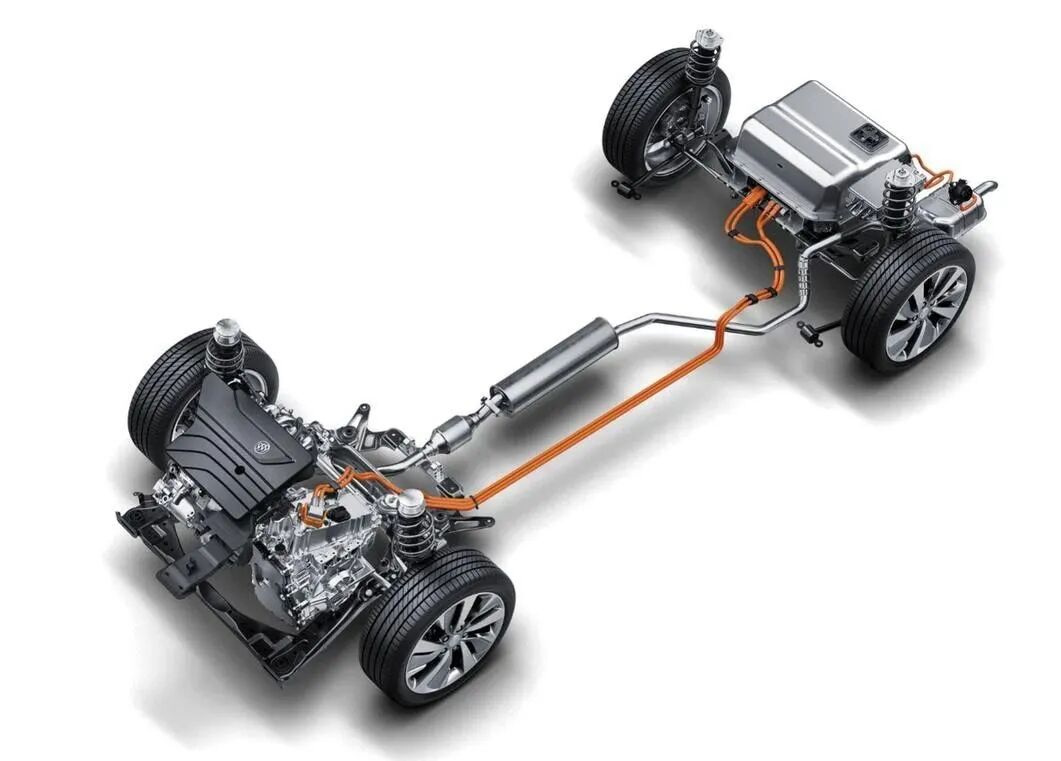
According to CAAM statistics, in 2025, among domestic new energy passenger vehicle sales, plug-in hybrid models (including extended-range models) reached 5.861 million units, with hundreds of models available, accounting for nearly one-third of new energy passenger vehicle sales.
Despite the growing share of new energy passenger vehicles, fuel-powered vehicles will still command a vast market of tens of millions of units in the short term. The future of fuel-powered vehicles lies in hybrid models that offer significant energy savings and emissions reductions without requiring external charging. This has become a widely acknowledged development trend in the industry.
In recent years, major domestic independent brand automakers such as SAIC, Changan, Geely, and Chery have broken through foreign technical barriers and focused on independent research and development. They have successively introduced new-generation hybrid technologies and models, aggressively targeting the hybrid passenger vehicle market that has long been dominated by Japanese brands.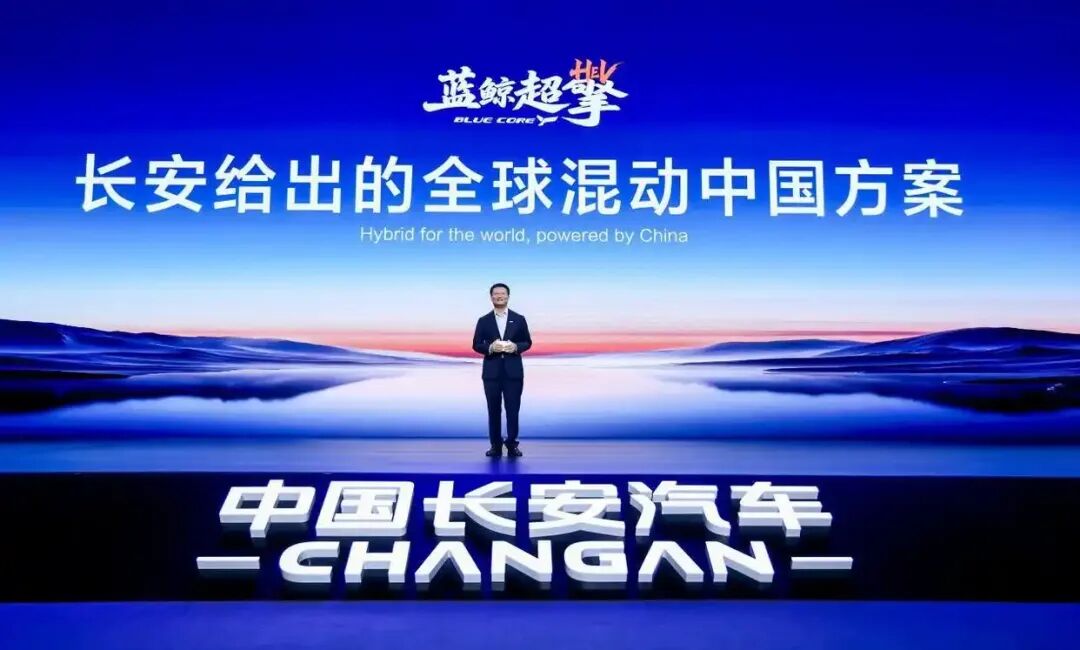
On March 30, Changan Automobile held the "Global Hybrid, Chinese Solution" global launch event for its Blue Whale Super Engine hybrid technology in Chongqing, where Changan officially unveiled its Blue Whale Super Engine hybrid technology. This technology integrates electric technology into traditional fuel vehicles, diverging from the traditional fuel-centric hybrid technology route. Developed over six years of independent research, it achieves lower fuel consumption levels than Japanese models in the same class.
On April 13, Geely Automobile Group officially released its global next-generation AI hybrid technology solution—i-HEV Intelligent Engine Hybrid. This technology deeply integrates globally leading powertrain systems with cutting-edge three-electric technologies in the industry. With a measured combined fuel consumption as low as 2.22L per 100km, the world's highest mass-produced engine thermal efficiency of 48.41%, and the first HEV model to achieve Level 1 energy efficiency, it sets multiple industry records and comprehensively revolutionizes traditional hybrid technology. Meanwhile, Geely's i-HEV Intelligent Engine Hybrid technology will be first applied to several best-selling models of its China Star fuel vehicle lineup this year, including the Xingrui, Xingyue L, fourth-generation Bo Yue L, and fifth-generation Emperor Hao.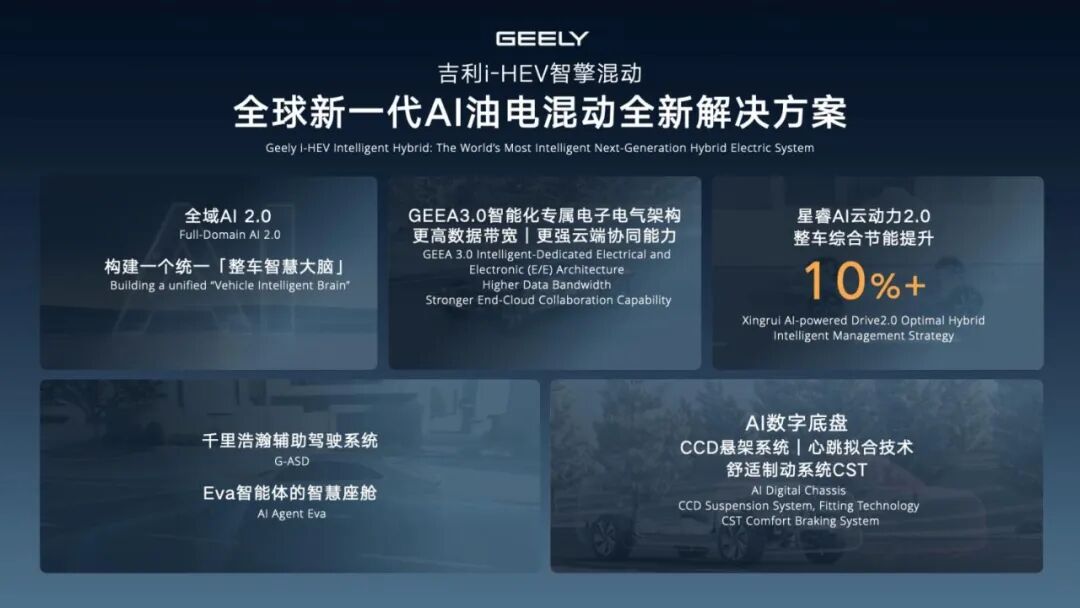
On April 13, at the pre-sale launch event for the Roewe i6, Zhang Liang, Deputy General Manager of SAIC Passenger Vehicles and General Manager of SAIC Passenger Vehicle Sales Company, stated that SAIC Passenger Vehicles leads the industry in hybrid technology, being the earliest, most advanced, and strongest. We introduced hybrid technology in Europe many years ago, on par with Toyota.
On April 22, Chery Automobile will host the "New Fuel Night" event in Beijing to unveil its latest large-battery hybrid technology.
Following this year's Beijing Auto Show, a significant number of independent brand passenger vehicles equipped with the latest hybrid technologies will officially enter the market, seizing new heights and creating substantial waves in China's fuel-powered passenger vehicle market. Who will emerge victorious in this fierce competition? Let us wait and see. (End)
-
![]()
Jitian Xingzhou: A Pioneer in Optical Payloads Secures Hundreds of Millions in Series B Funding!
-
![]()
Orders Secured Through to the Second Half of the Year! The Rationale Behind the 'Surge' in Demand for This Company’s Optical-Grade Base Films
-
![]()
Beyond Patents: The Retail Rivalry of Insta360 and DJI Unfolds
-
![]()
180 Billion Market Cap Vanished! How Did Seres Fall So Far?
-
![]()
Blockbuster! Domestic storage takes the global double crown for the first time, from an AI company
-
![]()
China Spearheads Formulation! World's Pioneering Global Technical Regulation for Automated Driving Systems Greenlit and Unveiled
-
![]()
Farewell to Pulsed Support Policies: Three Major Auto Policy Directions from Multiple Departments Take Effect on the Same Day
-
![]()
Embercore AI’s Accelerated Funding: The Robot Industry’s Shift Toward ‘Learning Systems’