Why Bother Making Sedans When Large SUVs Are All the Rage?
 04/20 2026
 597
597
Introduction
Introduction
Unless it's an entry-level economy sedan, those priced over 150,000 yuan are likely to struggle.
This week has seen another flurry of auto launches, with at least 20 new models unveiled, including six on the 16th alone. In the first half of April, nearly 40 new models hit the market, not to mention the deluge of new cars at the Beijing Auto Show on April 24th.
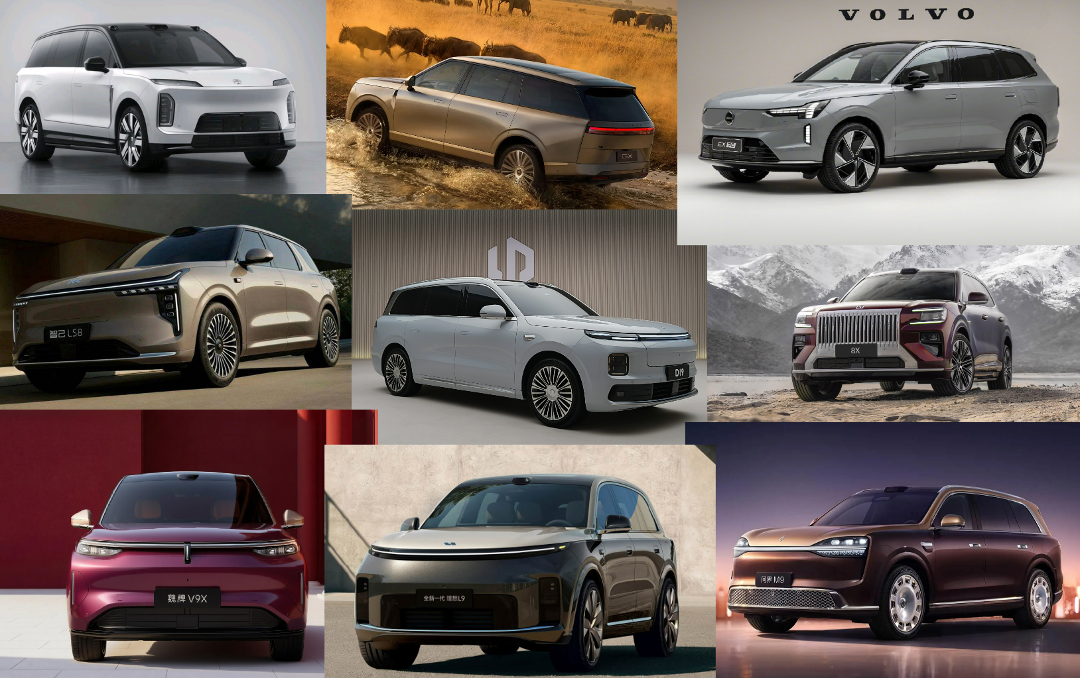
However, among these new models, SUVs, particularly large SUVs, dominate the landscape. Over the past week, only four sedans were launched, accounting for just one-fifth of the new releases, with the rest being SUVs. Among the SUVs launched in the past half-month, large SUVs have an exceptionally high proportion, including models like the XPENG GX, NIO ES9, Volvo EX90, IM LS8, Leapmotor D19, Zeekr 8X, WEY V9X, as well as upcoming updates like the Li Auto L9 and Seres M9. In contrast, the number of new mid-size and full-size sedans is dwindling, with market enthusiasm and sales performance remaining notably indifferent (cold and unenthusiastic).
This is not a mere coincidence in the industry but a response shaped by consumers' long-term choices in the market.
Reviewing the performance of the entire new energy passenger vehicle market in 2025, only a handful of sedan models in the price range above 150,000 yuan have consistently performed well. Apart from a few models like the Xiaomi SU7, Tesla Model 3, BYD Han, XPENG P7, Geely Galaxy Star 8, and Fengyun A9L, there are few blockbusters that can consistently exceed 5,000 monthly sales. Many mid-to-high-end sedans, developed with substantial investment and meticulous craftsmanship, have ultimately fallen into the Embarrassing situation (awkward situation) of mediocre sales.
A harsh reality now confronts the entire industry and product planners at automakers: in the Chinese auto market, the consumption upgrade segment above 150,000 yuan is increasingly unsuitable for sedans to thrive.
Many can't help but ask: Why have sedans, which long dominated the mainstream and embodied the automotive dreams of the Chinese people, reached this point? Is it really that the Chinese no longer love sedans? The answer is not so simple.
01 Have the Chinese Fallen Out of Love with Sedans?
The vast majority of young consumers prioritize sedans for their first vehicle.
The reasoning is straightforward: sedans offer superior handling, a lower chassis, agility, reduced wind resistance, and elegant design, aligning with the pursuit of driving quality for individuals or couples. However, once they move to the next life stage—marriage, childbirth, and starting a family, especially after welcoming a new life into their home—their first choice for a new car almost invariably shifts to an SUV without hesitation.
Many colleagues and friends around me have made the same choice. They drove sedans in their youth, seeking driving pleasure, but switched to spacious SUVs once they had children. It's not that sedans are inadequate; rather, the demands of family vehicles have surpassed the pursuit of driving pleasure alone.
This shift from personal to family vehicles is not an isolated phenomenon but a widespread reflection of the realities in the Chinese automotive consumer market.
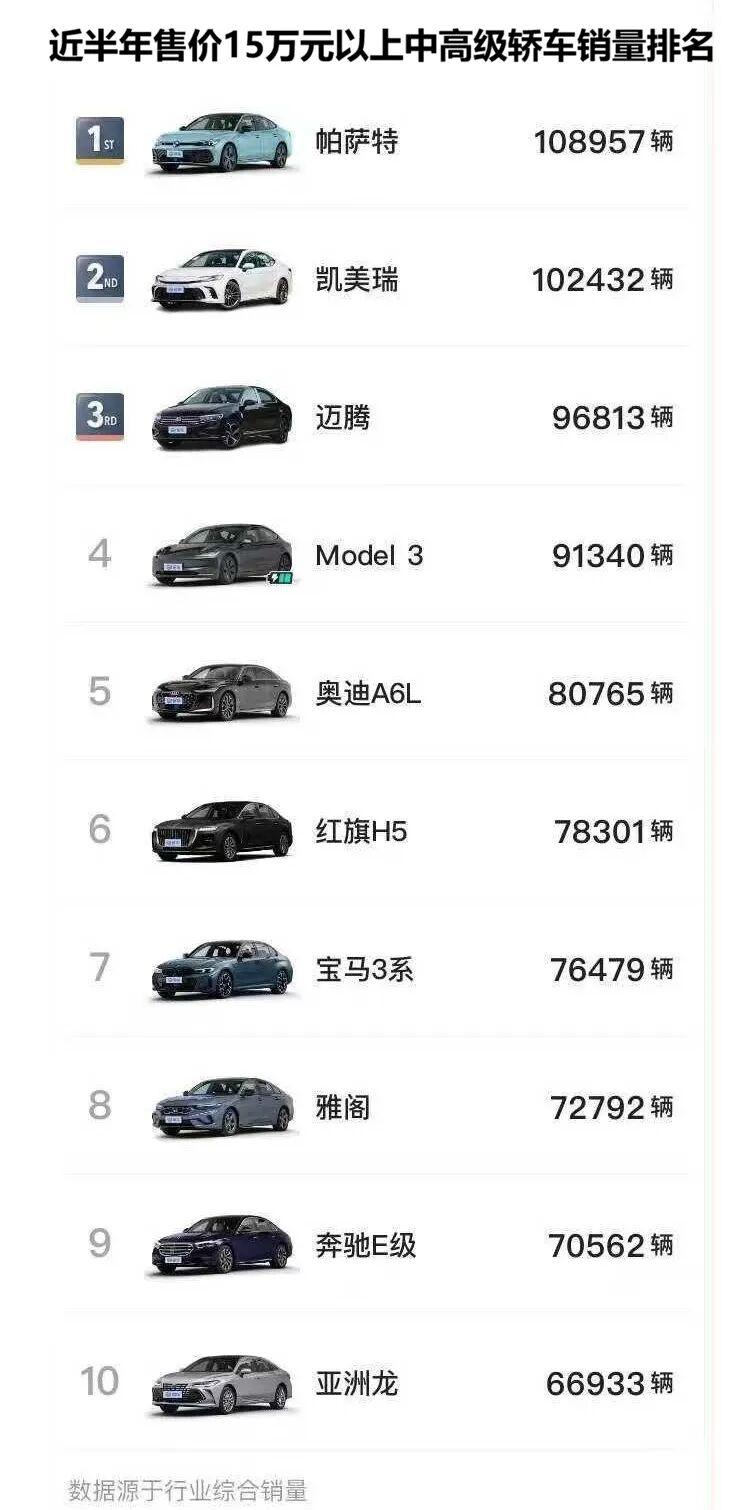
Data from authoritative institutions like the China Passenger Car Association shows that the overall market share of sedans and SUVs in China has long been nearly evenly split, suggesting a balanced competition between the two.
However, when we break down the price segments, a completely different picture emerges. Currently, the majority of sedan sales are driven by entry-level models priced below 100,000 yuan, serving as economy commuter cars, first cars for young people, or second cars for families. These models fulfill roles in urban commuting, as first cars for young individuals, or as secondary family vehicles.
Yet, once the price range extends to the consumption upgrade segment above 150,000 yuan, the market share of sedans lags significantly behind SUVs, with the gap widening.
Looking back at the history of automotive development in China, there was indeed a long-standing and profound affection for sedans among the Chinese people. In the early days when cars were just entering ordinary households, standard three-box sedans like the Volkswagen Santana represented what many considered the ideal "car." With a distinct front and rear, smooth lines, and a stable stance, they conformed to traditional aesthetics and symbolized dignity and formality. During that era, sedans also held clear comprehensive advantages, with better handling, high-speed stability, ride comfort, and fuel efficiency, making them more suitable for daily use than SUVs.
But times have fundamentally changed. After two generations of consumer evolution, the vehicle needs of Chinese families have undergone a radical transformation. It has become increasingly clear that for real-life family scenarios, the practicality, convenience, and space offered by SUVs are irreplaceable by sedans.
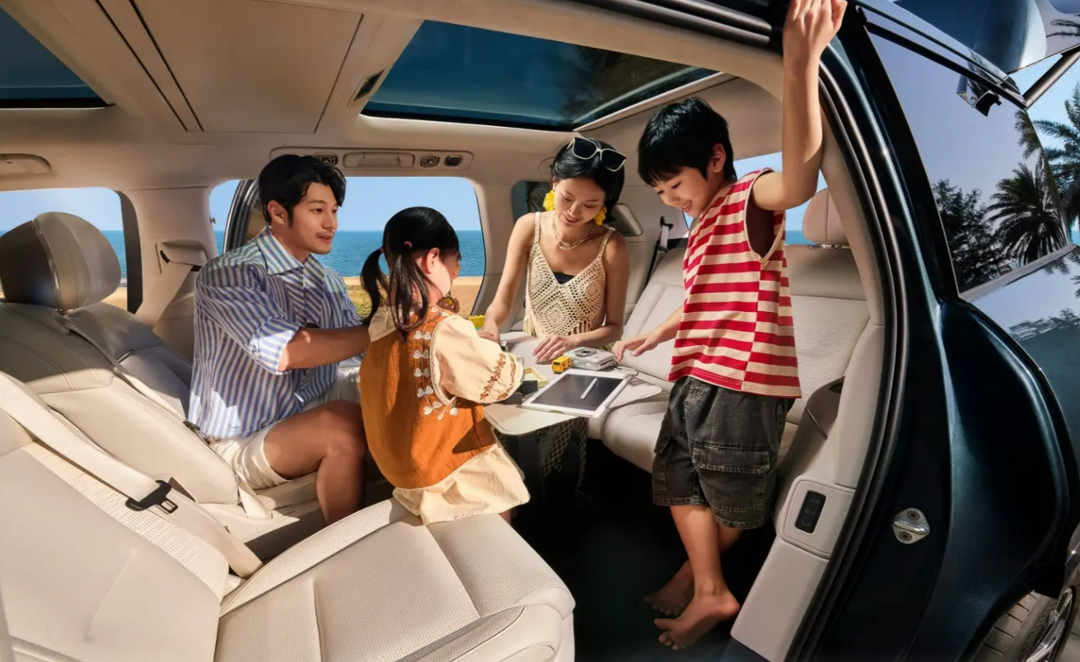
Especially after consumption upgrades, users' pursuit of spacious interiors, high seating positions, strong cargo capacity, and versatile usage scenarios has far surpassed their demand for handling and driving pleasure.
The core reason behind this lies in the vehicle usage structure of Chinese families, which dictates that SUVs are destined to become the mainstream.
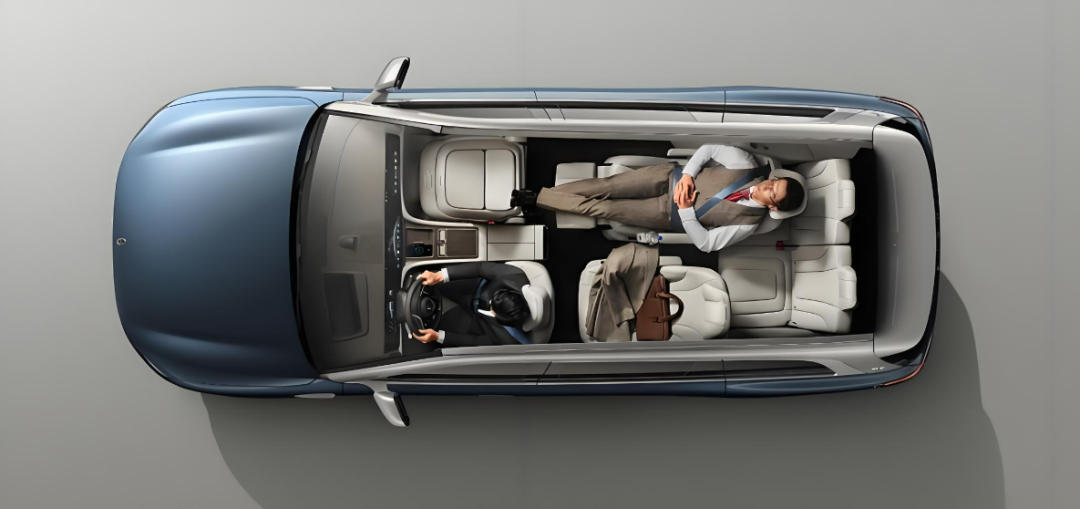
In the Chinese market, the vast majority of families still own only one vehicle, which must serve multiple purposes: daily commuting for the couple, ferrying children, transporting elderly family members, weekend outings, and long-distance travel during holidays. It needs to accommodate strollers, luggage, children's bicycles, and various other items, facilitate easy entry and exit for the elderly and children, offer better off-road capability on complex roads, and provide ample and comfortable seating space for the entire family.
In contrast to markets like Europe and Japan, where we observe significant differences, users there primarily travel solo or in pairs due to narrow urban roads and limited parking spaces, making small cars and sedans more popular. China, with its vast land and abundant road resources, sees family travel scenarios dominated by multi-person trips, with frequent long-distance travel across the country's extensive territory, creating a near-rigid demand for space and cargo capacity.
Therefore, the vehicle consumption trend in China is increasingly aligning with the logic of the U.S. market, pursuing larger bodies, more spacious interiors, stronger cargo capacity, and all-around versatility. Large SUVs and multi-functional models have become the top choices for family users.
Sedans, which once dominated the market, are rapidly losing their advantages in the face of such demand changes.
02 SUVs Are the Inevitable Mainstay, While Station Wagons and Other New Categories Accelerate the Shift
Many still insist that sedans offer better handling, a more stable chassis, and superior high-speed performance, which was indeed true in the era of internal combustion engines. SUVs, with their higher bodies and centers of gravity, tend to lag behind sedans in terms of handling, body roll, and stability. At the same time, large SUVs also face issues like insufficient power, high fuel consumption, and elevated costs.
Going back a decade or so, the reason why Chinese automakers prioritized sedans was not that sedans were more promising but that they simply lacked the capability to build large vehicles well at the time. Therefore, automakers had to start with sedans, which had lower barriers to entry and were easier to control costs, gradually accumulating technology.
However, with the advent of the new energy era, building large vehicles has become both a trend and a necessity. On one hand, it represents the specific manifestation of Chinese brands' aspirations to move upmarket and premiumization (premiumization)—only large vehicles can command higher prices. On the other hand, the rapid rise of Chinese technology has made building large vehicles no longer a daunting task.
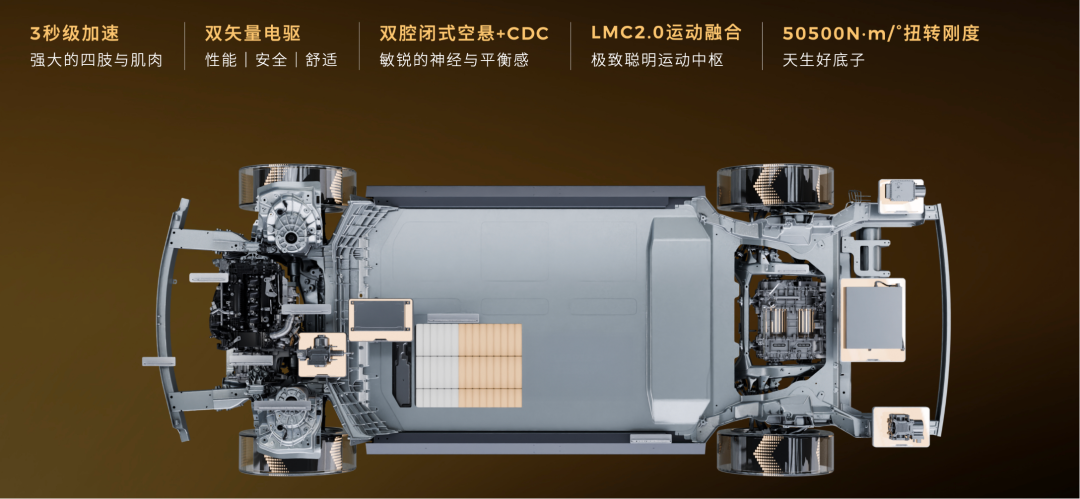
Firstly, there's the issue of energy consumption. Electric motors are highly efficient, and electricity consumption is controllable. Coupled with China's mature and low-cost battery supply chain, even large SUVs with an electricity consumption of over 20 kWh per 100 kilometers remain far cheaper to run than fuel-powered vehicles. The vast gap between electricity and fuel costs makes large vehicles no longer "gas guzzlers," with operating costs fully acceptable to families.
Secondly, there's the power issue. Electric motors inherently produce high torque and deliver smooth output, eliminating the need for large-displacement engines and complex transmissions to endow a large vehicle with light, powerful, and responsive acceleration. Electric or hybrid SUVs in the 100,000-yuan range can offer a power experience comparable to traditional fuel-powered vehicles priced at 300,000 yuan or more. Power is no longer a weakness for large vehicles.
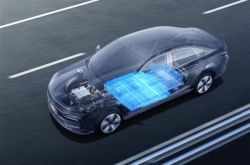
More critically, regarding chassis and handling, the flat layout of battery packs in the chassis allows for a nearly 50:50 front-to-rear axle weight distribution, significantly lowering the center of gravity and fundamentally improving the handling stability of SUVs. Meanwhile, technologies like double-wishbone and multi-link independent suspensions are now available in mainstream price ranges. Configurations like electromagnetic suspension, air suspension, and active suspension, once exclusive to luxury cars priced at 700,000-800,000 yuan, are becoming increasingly common in models priced around 200,000 yuan.
Additionally, issues that consumers have long criticized about large vehicles, such as difficulty in driving and parking, are now being addressed with intelligent driving systems and rear-wheel steering, making driving and parking hassle-free and delivering an excellent experience.
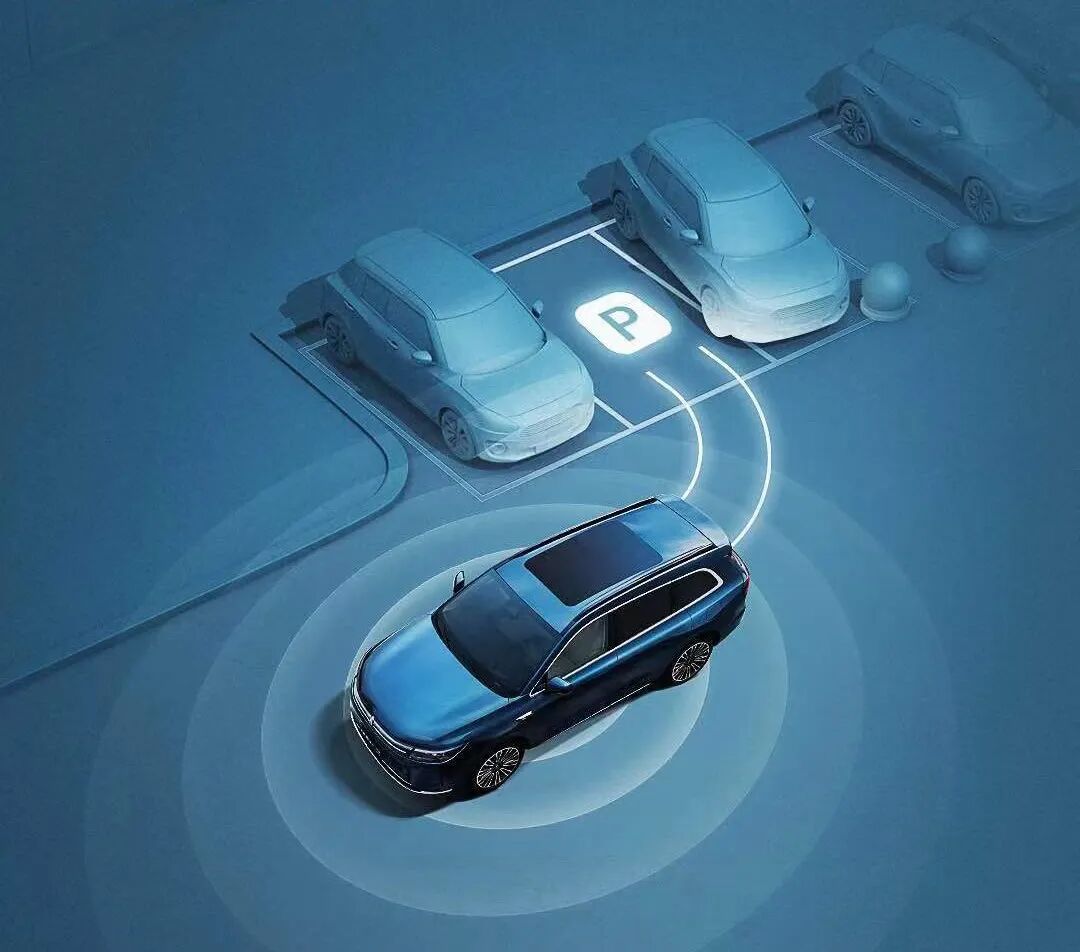
At the same time, China's powerful local supply chain has significantly reduced the cost of building large vehicles. High-strength steel, hot-stamped steel, multiple airbags, advanced driver-assistance systems, and comfort configurations can now be incorporated at a lower cost and on a larger scale. Thus, the once-significant weakness of large SUVs—handling—has been thoroughly addressed in the electric era.
We can clearly see that brands like Leapmotor and Geely Galaxy can now offer 5-meter-class SUVs priced around 150,000 yuan. Users can purchase a large SUV with superior space, configuration, safety, and overall experience at a very affordable price, a value proposition that traditional sedans struggle to match.
Considering product, technology, cost, and demand factors, we can draw a clear conclusion: Sedans priced above 150,000 yuan are losing their market footing. For many automakers—especially those in the mid-tier and second-tier, as well as new energy brands—investing hundreds of millions in R&D and spending tremendous effort promoting a sedan in this price range is likely to result in monthly sales of only two to three thousand units or even lower.
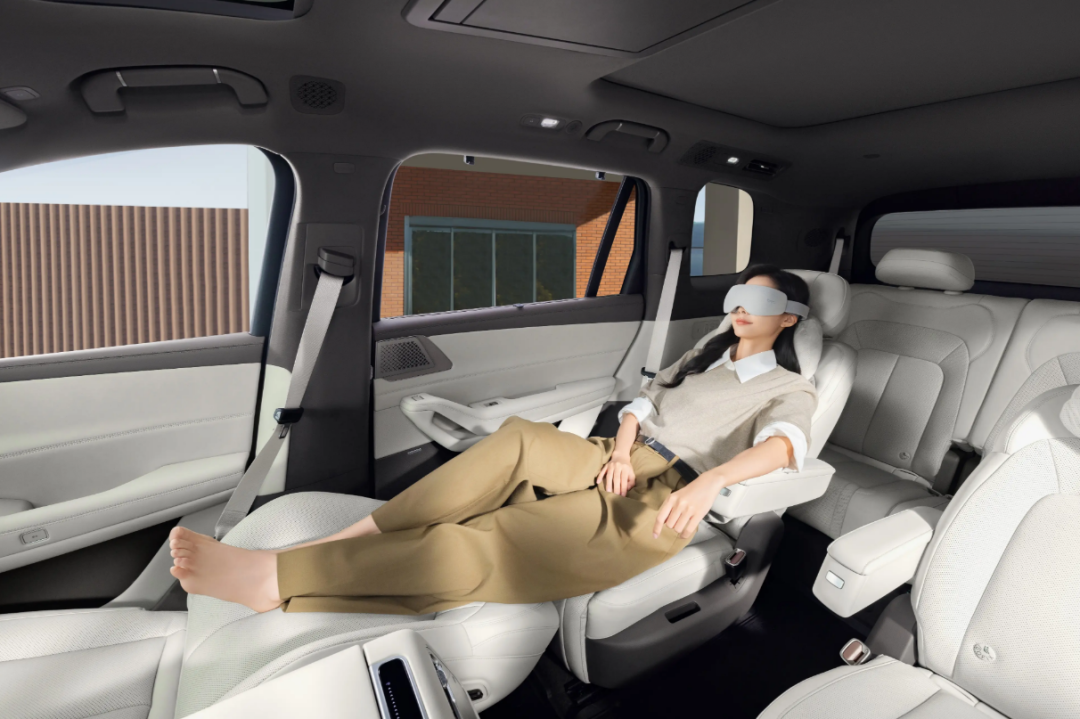
Of course, we are not denying the entire value of sedans. In the commuter market below 100,000 yuan, sedans still hold a solid position. These users prioritize low energy consumption, low costs, and ease of driving and parking, with vehicles primarily serving as first cars for young people or secondary family vehicles. Sedans remain the optimal choice in this segment.
Furthermore, the rise of new categories like station wagons, crossovers, and tourers is further diverting users who would have previously chosen sedans. These models retain the handling and stance close to that of sedans while offering cargo capacity and space practicality comparable to SUVs, becoming new choices for family users and further squeezing the living space of traditional sedans.
The Chinese automotive market has reached a new juncture. Demand structures have changed, technological conditions have evolved, consumer mindsets have shifted, and competitive rules have been rewritten. For automakers, in the consumption upgrade segment above 150,000 yuan, caution is advised. If possible, they should avoid sedans and instead allocate more resources, R&D efforts, and platforms to SUVs, multi-functional models, and family-oriented large-space vehicles, which align more closely with market trends and are more likely to gain consumer recognition.
The market trend is clear. As for whether automakers can succeed in selling large SUVs, that truly depends on their individual capabilities. After all, failing to sell large, more expensive vehicles is even more disastrous.",
-
![]()
Jitian Xingzhou: A Pioneer in Optical Payloads Secures Hundreds of Millions in Series B Funding!
-
![]()
Orders Secured Through to the Second Half of the Year! The Rationale Behind the 'Surge' in Demand for This Company’s Optical-Grade Base Films
-
![]()
Beyond Patents: The Retail Rivalry of Insta360 and DJI Unfolds
-
![]()
180 Billion Market Cap Vanished! How Did Seres Fall So Far?
-
![]()
Blockbuster! Domestic storage takes the global double crown for the first time, from an AI company
-
![]()
China Spearheads Formulation! World's Pioneering Global Technical Regulation for Automated Driving Systems Greenlit and Unveiled
-
![]()
Farewell to Pulsed Support Policies: Three Major Auto Policy Directions from Multiple Departments Take Effect on the Same Day
-
![]()
Embercore AI’s Accelerated Funding: The Robot Industry’s Shift Toward ‘Learning Systems’