Beijing Auto Show 2026: Will Huawei Dominate? Four New Trends to Watch
 04/22 2026
 526
526
"From Point Competition to Ecosystem Competition"
Author | Gong Chenyu Editor | Li Guozheng Produced by | Bangning Studio (gbngzs)
The 2026 Beijing Auto Show, opening on April 24, is drawing near. By midnight, WeChat Moments buzz with activity.
Some complain about working around the clock for days, with automakers enforcing strict demand controls. Others marvel at the event's hype, noting even the pre-show buzz is earlier than usual...
Now, automakers, suppliers, and event teams are in full sprint mode. Unlike previous shows with uneven activity, this year's event is shaping up to be the busiest ever.
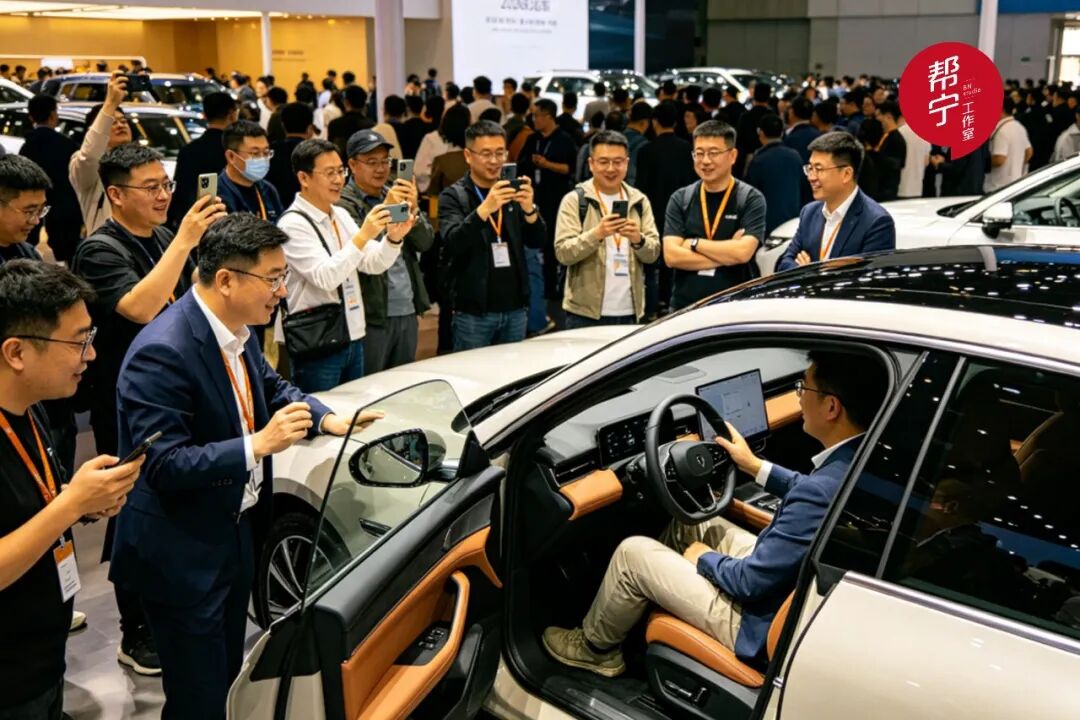
With its scale topping the global charts and 212 press conferences planned, the show marks a reassembly of the automotive industry after a shakeout. As electrification loses its novelty and intelligence dives deeper, competition intensifies. Every move by exhibitors sketches the industry's future trajectory.
Four distinct new trends are quietly emerging at this year's show, witnessing China's automotive industry's profound shift from "point competition" to "ecosystem competition" and signaling a faster tilt of global industry development center of gravity (translated as "focus") toward China.
▍01 Will It Become Huawei's Auto Show?
The most striking feature of this year's Beijing Auto Show is Huawei's pervasive presence across all vehicle halls, hinting at a near-monopoly. Netizens joke: "This looks like the Beijing Auto Show, but it's actually Huawei's show."
Huawei ADS, Huawei Digital Power, and Harmony Intelligent Mobility all have standalone booths, showcasing Huawei's intelligent driving, cabin, powertrain, and other products—from technology to products, from collaborations to self-developed solutions—comprehensively displaying its automotive layout and strength.
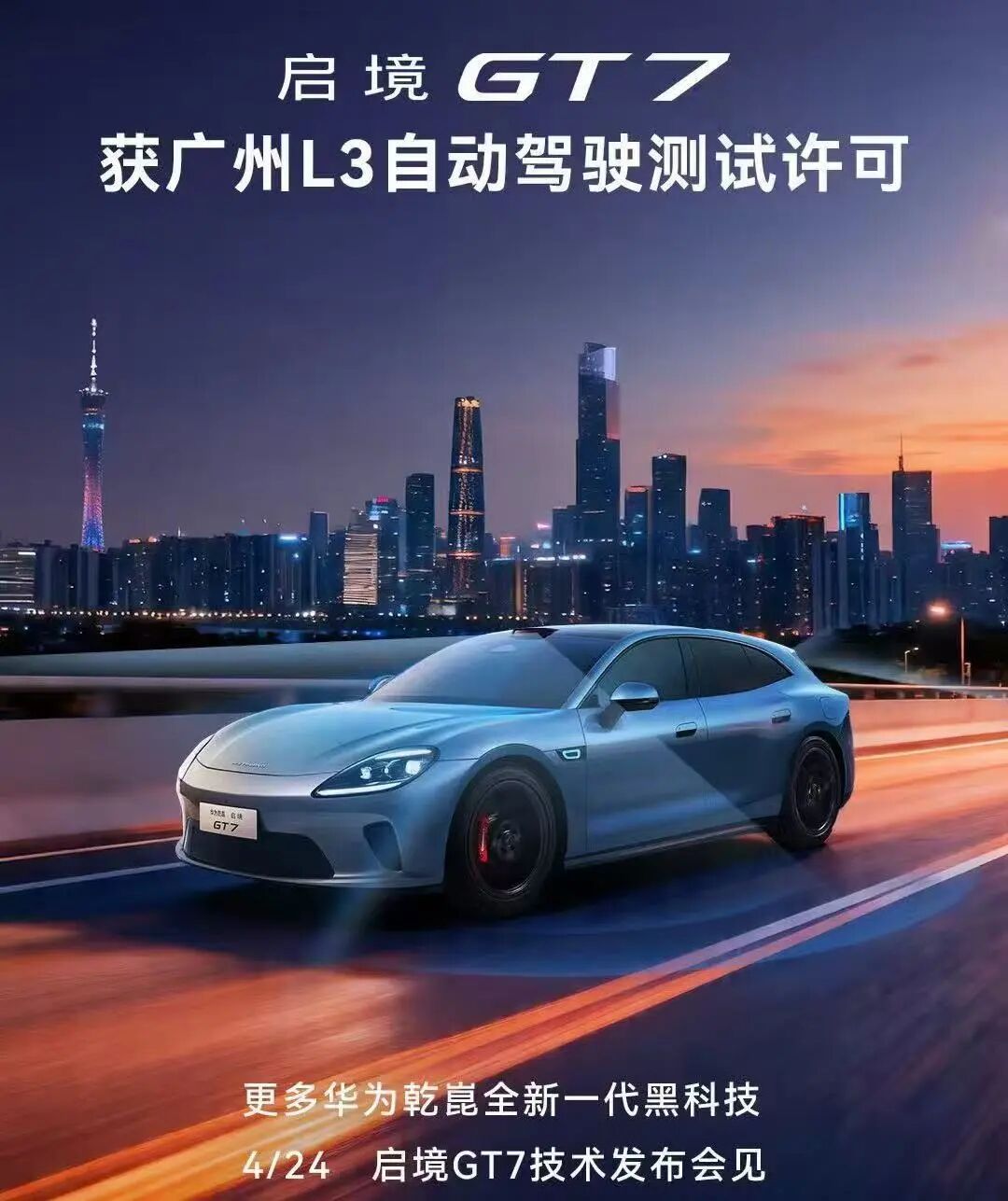
Among them, two "Jing" series brands—Yijing and Qijing—make their debut, bringing their first models: the large six-seater SUV X9 and the shooting brake GT7, co-created with Dongfeng and GAC, marking further expansion of Huawei's ecosystem.
Harmony Intelligent Mobility also participates with its full brand lineup. Its booth spans over 4,400 square meters, displaying over 20 planned vehicles, alongside brand and technology zones.
Additionally, Mengshi Motor announced on April 20 an upgraded collaboration with Huawei ADS in products, channels, and ecosystems. The two sides plan to launch four new models within two years, with the first model blending Huawei ADS's intelligent technology and off-road performance debuting at the Beijing Auto Show.
From Huawei ADS's technology exports to Huawei Digital Power's energy solutions and Harmony Intelligent Mobility's ecosystem, Huawei's influence permeates every aspect. These moves not only rewrite automaker competition but also make "ecosystem empowerment" a buzzword at this year's show, indicating a new era of intelligent automotive ecosystem competition.
▍02 Suppliers Step into the Spotlight
"We've received a flood of invites for auto show press conferences from intelligent driving and other supply chain companies, even non-automotive suppliers. Last year's Shanghai Auto Show had only a few," noted a comment in an automotive media group, echoed by many journalists.
Beyond Huawei's ubiquitous presence, this year's show marks a breakthrough: it's not just a vehicle brand extravaganza but a comprehensive display of the automotive ecosystem. Most notably, core suppliers no longer hide behind the scenes but will, for the first time, compete alongside vehicle brands on a large scale, transitioning from B2B services to C2C communication.
This reflects the industry's shift from single-vehicle competition to full-supply-chain rivalry. Whether top-tier or mid-to-lower-tier suppliers, these former "hidden champions" behind automakers now actively seek a voice at the show.
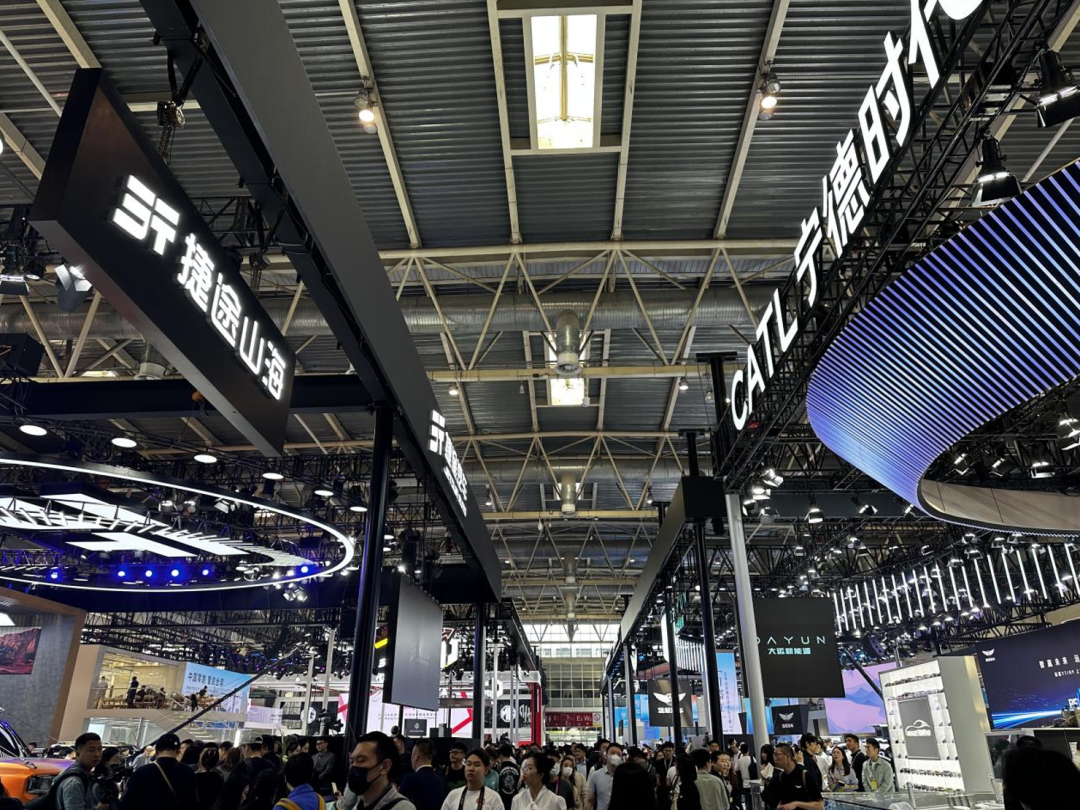
CATL showcases alongside BMW, Porsche, etc., highlighting its dominance in battery systems. Horizon Robotics and iFLYTEK stand shoulder-to-shoulder with Toyota and Changan, displaying core technologies in intelligent driving and in-car interaction. Huawei ADS and Huawei Digital Power have standalone booths, deeply integrated into the vehicle exhibition area, showcasing their ecosystem empowerment capabilities.
Beyond these automotive-focused core suppliers, the Beijing Auto Show will also welcome cross-industry newcomers.
For instance, Dreame Technology's automotive brand "Starry Sky Project" will debut. This new entrant represents consumer electronics firms' continued push into vehicle manufacturing, seeking a foothold in the automotive industry.
For Dreame, this debut is more than just creating buzz. It marks a shift from founder Yu Hao's exaggerated marketing to facing industry and market scrutiny, responding to external curiosity about its automotive path.
This change underscores the software-defined automotive era—where competition has evolved from single-vehicle brands to full-supply-chain ecosystems encompassing chips, software, hardware, and integrated solutions.
▍03 Intelligent Technologies Move from Concept to Reality
Judging by automakers' press conference teasers, "no empty promises, just concrete actions" is the industry consensus. Unlike past shows dominated by conceptual technologies, this year's highlight is the mass production of intelligent technologies. L3 autonomous driving, large-model cabins, solid-state batteries, and other technologies are no longer lab prototypes but are now featured in mass-produced models.
With L3 policy incentives continuing to roll out in 2026, this year's Beijing Auto Show will serve as a Centralized on-site exchange (translated as "concentrated realization ground") for technological advancements. Huawei ADS 5.0, XPENG XNGP 4.0, Horizon Journey 6P, and other autonomous driving solutions will trickle down to the mainstream 200,000-300,000 yuan market, becoming standard features and making high-end autonomous driving accessible to the masses.
During the show, AITO M9 and VOYAH Taishan Ultra will demonstrate L3 autonomous driving in real vehicles. On April 20, ahead of the show, Qijing GT7 announced it had received L3 autonomous driving test approval from the Guangzhou government for specific scenarios, with tests set to begin on designated Guangzhou highways.
Meanwhile, AI large models are fully penetrating mass-produced vehicles. Geely will debut a standalone tech ecosystem booth, showcasing cutting-edge technologies like Super Eva, Qianli Haohan G-ASD 4.0, and Intelligent Egg Cabin. It will also unveil China's first native Robotaxi prototype and present the latest achievements in its Holistic AI 2.0 and Holistic Safety 2.0 technology systems.
All this signals that China's automotive industry has entered a critical phase of intelligent mass production, with the industry now prioritizing technological implementation over mere concepts.
▍04 Multinational Brands Make a Comeback
Unlike the 2024 Beijing Auto Show, which saw several brands disappear, and the 2025 Shanghai Auto Show, which lacked Korean and French brands, this year's Beijing Auto Show will see all mainstream multinational brands return. Except for Tesla and a few ultra-luxury brands, every major Chinese and foreign automaker will participate, creating a lively competitive atmosphere and proving China's market remains highly attractive.
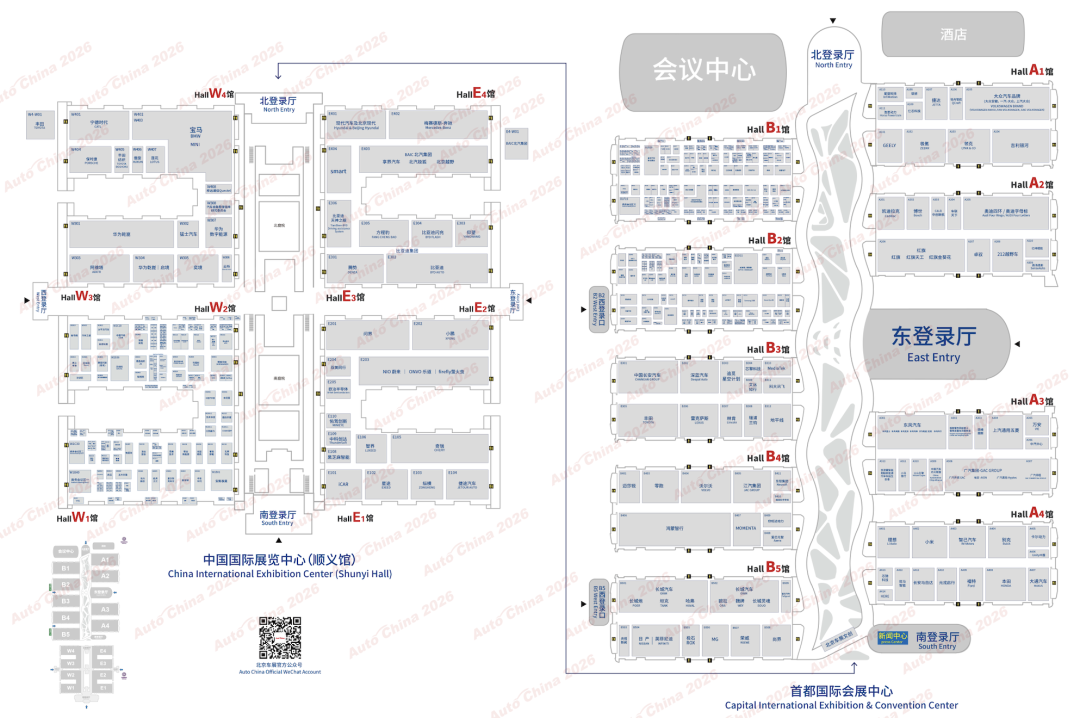
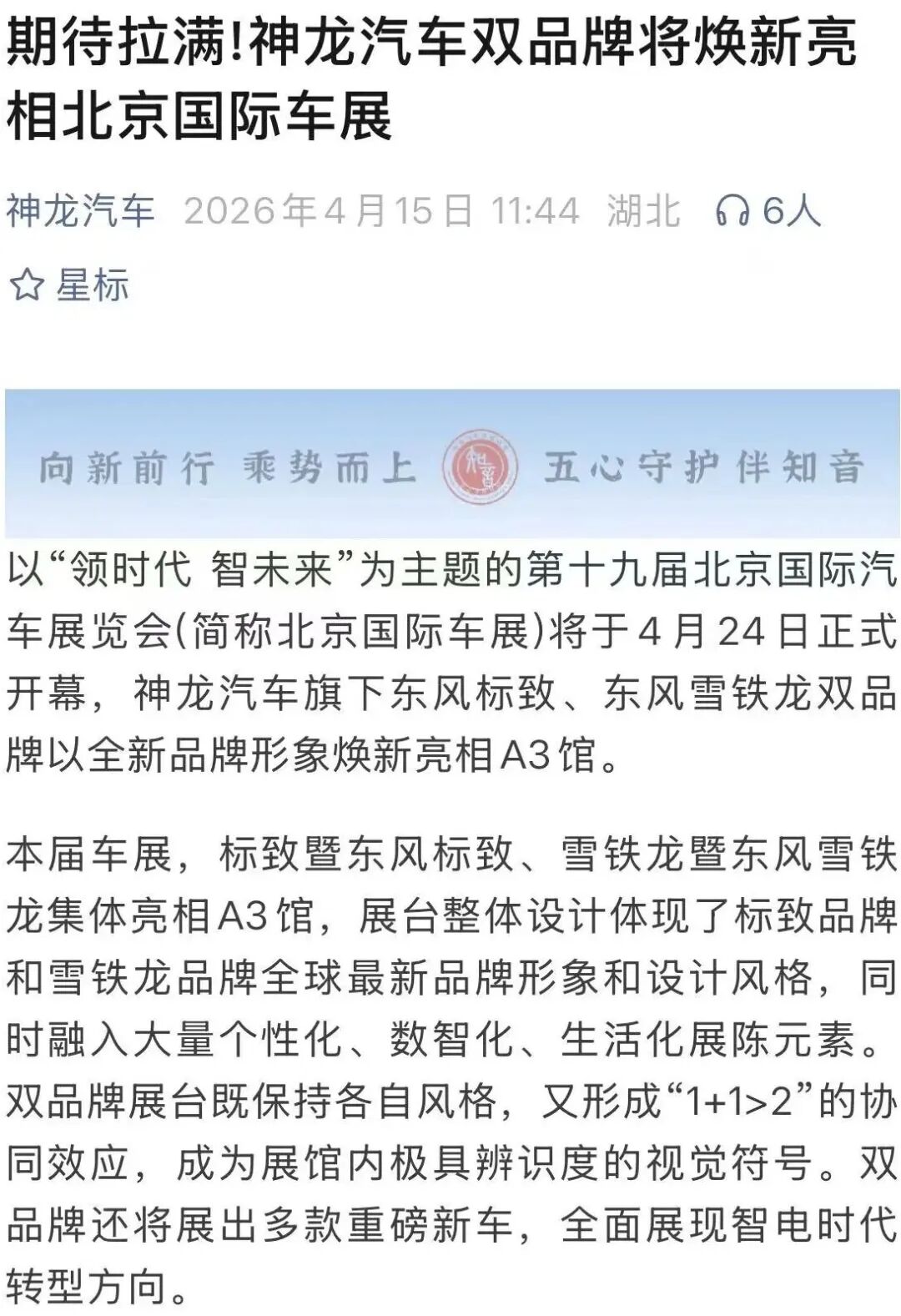
For instance, Dongfeng Peugeot and Dongfeng Citroën, absent for three years, return with transformational products for the intelligent electric era. Brands like Hyundai and Lotus, which skipped the 2025 Shanghai Auto Show, are back on the Beijing stage, underscoring their commitment to China.
Multiple Multinational car companies (translated as "multinational automakers") will unveil global debut models at this show. BMW, Mercedes-Benz, and Audi are accelerating localization, launching models based on new electric platforms to regain momentum in the new energy era.
Specifically, BMW Group will globally debut the new BMW 7 Series and all-electric i7 ahead of the show and introduce next-generation models during the event. Audi's second mass-produced model under its AUDI brand will also make an appearance. Mercedes-Benz's new models at the show will feature autonomous driving solutions designed by Chinese local teams.
Volkswagen will showcase several locally developed all-electric models. Japanese automakers like Nissan and Honda are also speeding up their transformation in China, not only launching multiple electric models tailored for the Chinese market but also officially releasing new China strategies to clarify their paths for electrification.
Behind these changes lies the maturity and inclusiveness of China's automotive market, as well as multinational brands' reevaluation of China's market status. Amid the current wave of automotive intelligence transformation, China serves as both the main battleground and an innovation testbed. All brands, regardless of origin, must actively participate to seize development opportunities.
The trends at this year's Beijing Auto Show reflect the automotive industry's true state, reshaping the competitive landscape.
From Huawei leading the ecosystem competition to suppliers breaking barriers, from intelligent technologies moving to mass production to multinational brands' collective return, the four new trends at the 2026 Beijing Auto Show prove that China's automotive industry is transitioning from follower to leader, heralding a new era of mobility.

-
![]()
Jitian Xingzhou: A Pioneer in Optical Payloads Secures Hundreds of Millions in Series B Funding!
-
![]()
Orders Secured Through to the Second Half of the Year! The Rationale Behind the 'Surge' in Demand for This Company’s Optical-Grade Base Films
-
![]()
Beyond Patents: The Retail Rivalry of Insta360 and DJI Unfolds
-
![]()
180 Billion Market Cap Vanished! How Did Seres Fall So Far?
-
![]()
Blockbuster! Domestic storage takes the global double crown for the first time, from an AI company
-
![]()
China Spearheads Formulation! World's Pioneering Global Technical Regulation for Automated Driving Systems Greenlit and Unveiled
-
![]()
Farewell to Pulsed Support Policies: Three Major Auto Policy Directions from Multiple Departments Take Effect on the Same Day
-
![]()
Embercore AI’s Accelerated Funding: The Robot Industry’s Shift Toward ‘Learning Systems’