In a Tight Spot, Will Honda Resort to Drastic Measures?
 04/22 2026
 463
463
Lead
Once a standout performer in China’s automotive sector and globally recognized for crafting high-quality vehicles, Honda now finds itself grappling with intense competition in the Chinese market. Recently, rumors of plant closures have cast a pall over Honda’s prospects in the domestic market. How to reverse its current predicament and solidify its position has become a pressing issue for Honda China.
This article is produced by Heyan Yueche Studio
Written by Zhang Dachuan
Edited by He Zi
Full text: 2,552 characters
Reading time: 4 minutes
Recently, citing an exclusive report from Japan’s Toyo Keizai Online, some Chinese media outlets have reported that Honda has decided to scale back its production capacity for gasoline-powered vehicles at its two manufacturing bases in Guangzhou and Wuhan. According to the plan, Honda will shut down two factories operated by its joint ventures in China—one in Guangzhou and the other in Wuhan—in 2026 and 2027, respectively.
Each of these two factories has an annual production capacity of 240,000 units, representing 40% of Honda’s total production capacity in China and half of its gasoline vehicle capacity. If closed, this move will have a direct bearing on Honda’s future strategic direction in China. In response, Heyan Yueche sought confirmation from GAC Honda and received the following reply: “In light of changes in the market environment, GAC Honda is continuously advancing resource integration, optimizing its strategic layout, and enhancing operational efficiency.”
At the upcoming Beijing Auto Show, Honda and its joint venture partners will participate as usual. Under the theme “Mobile Dreamland,” Honda aims to “expand the joy of mobility and lifestyle possibilities.” Facing adversity, Honda remains upbeat and optimistic.
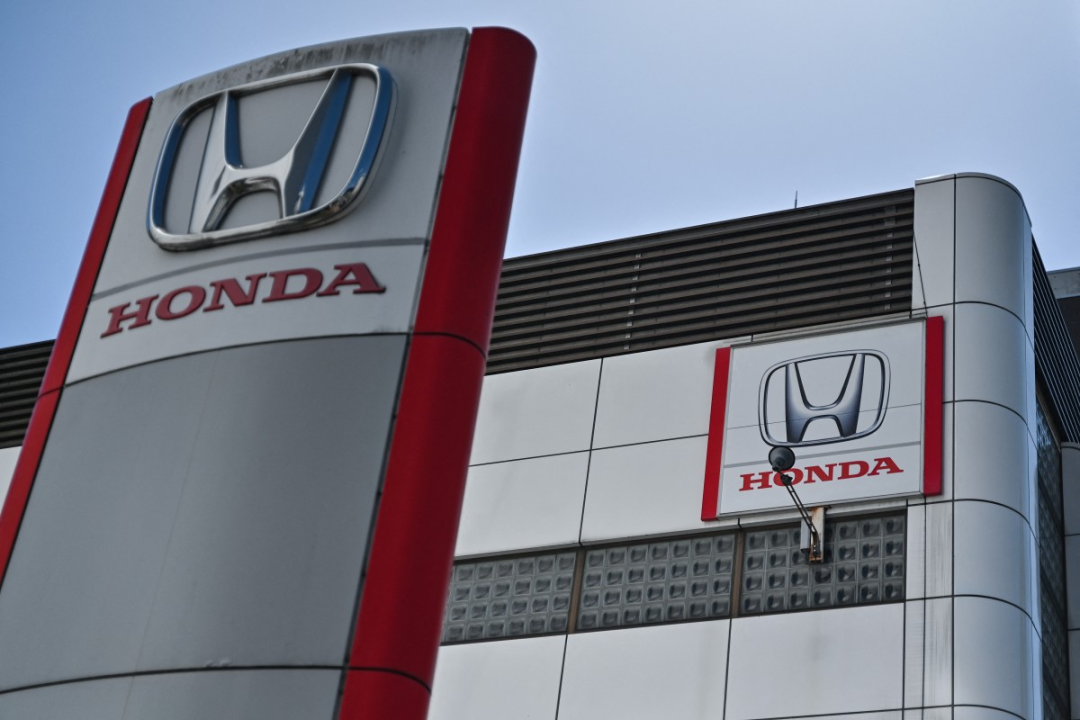
△ Foreign media reports that Honda intends to scale back its production capacity for gasoline vehicles in China.
Honda’s Predicament
In the first quarter of 2026, Honda’s sales in China reached only 122,500 units, marking a year-on-year decline of 22.4%. In March alone, sales plummeted by 34.34% to 36,200 units, with GAC Honda and Dongfeng Honda selling 17,649 and 18,452 units, respectively. Once firmly ranked among the top ten in domestic sales, these joint ventures now lag far behind mainstream emerging automakers like Leapmotor, Li Auto, and Aito. Compared to independent brands such as BYD and Geely, the sales gap is even more pronounced.
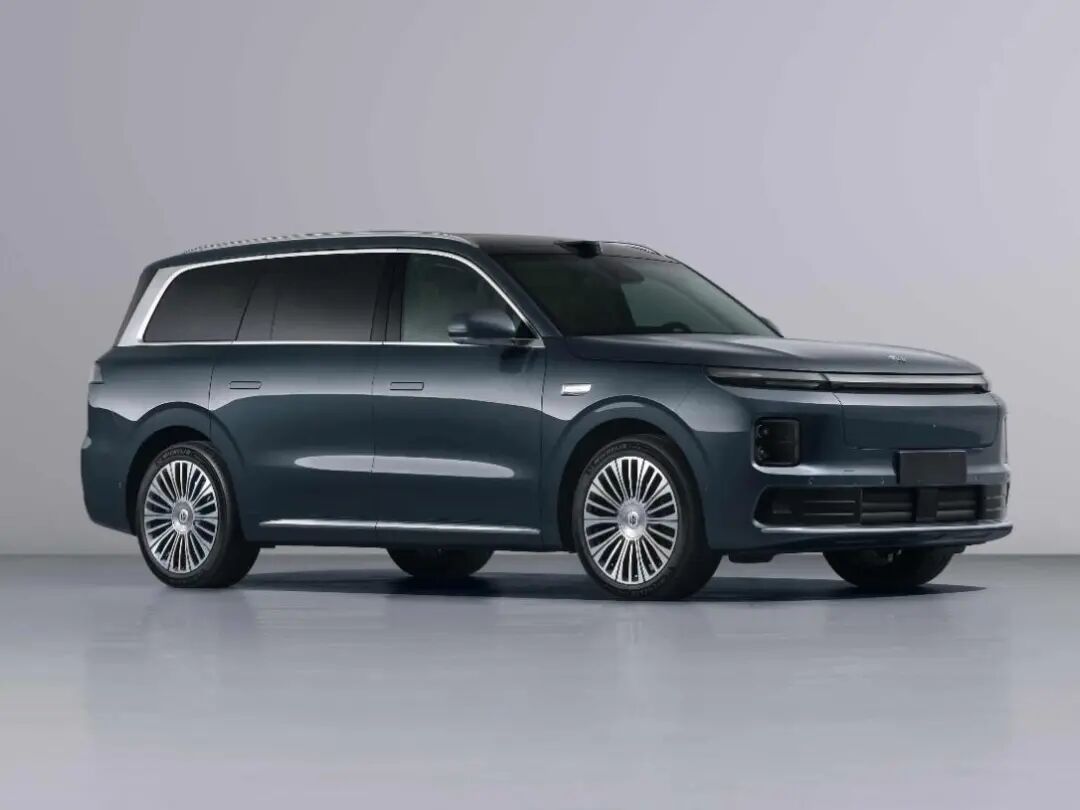
△ Emerging automakers have captured a significant share of the market traditionally dominated by established automakers.
In terms of models, the Honda CR-V was the top seller in the first quarter, with cumulative sales of 40,771 units. The Accord and Breeze followed with 29,000 and 22,000 units, respectively—a stark contrast to their peak performance of over 20,000 units in a single month. Declining terminal sales inevitably affect production capacity. Low capacity utilization makes it difficult to amortize fixed costs such as depreciation and salaries. Combined with reduced economies of scale and price promotions, these factors squeeze automakers’ gross margins, significantly narrowing profit margins or even leading to losses. Industry consensus holds that capacity utilization below 70% makes it difficult to maintain stable profitability, while below 60% likely results in widespread losses.
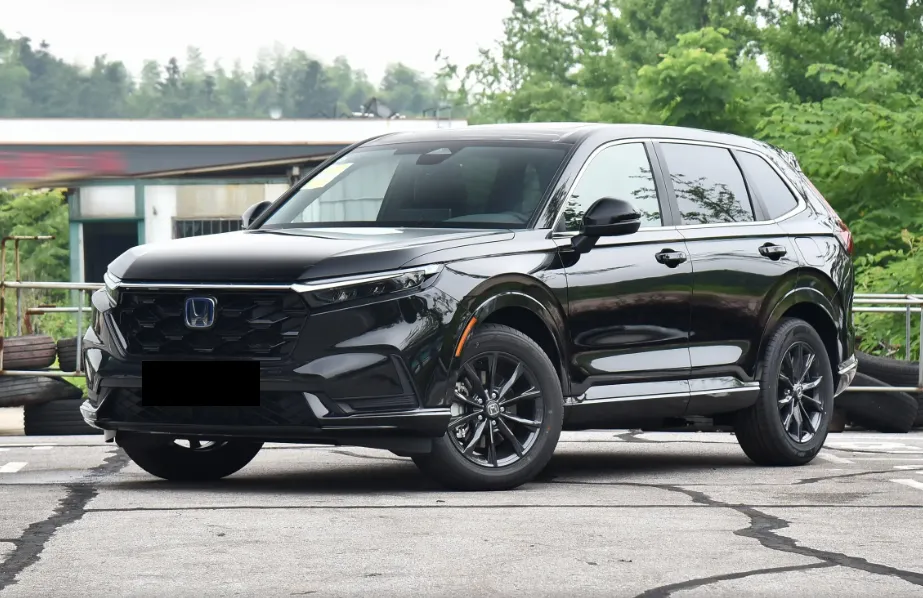
△ Honda’s best-selling model in China, the CR-V, sold 40,000 units in the first quarter.
Currently, Honda’s annual production capacity in China stands at 960,000 units for gasoline vehicles and 240,000 units for electric vehicles, totaling 1.2 million units. However, actual production in 2025 reached only 680,000 units, resulting in a capacity utilization rate of around 50%. Previously, Honda announced that it expects an operating loss of ¥270 billion to ¥570 billion for the 2025 fiscal year—its first loss since going public in 1957. In response to the crisis, Honda not only canceled three planned all-electric models for North America but also terminated its joint electric vehicle project with Sony. It is estimated that Honda’s sweeping global electrification strategy adjustments could cost up to ¥2.5 trillion. Under such operational pressure and strategic retrenchment, Honda’s potential closure of some factories in China, while surprising, is not entirely unexpected.
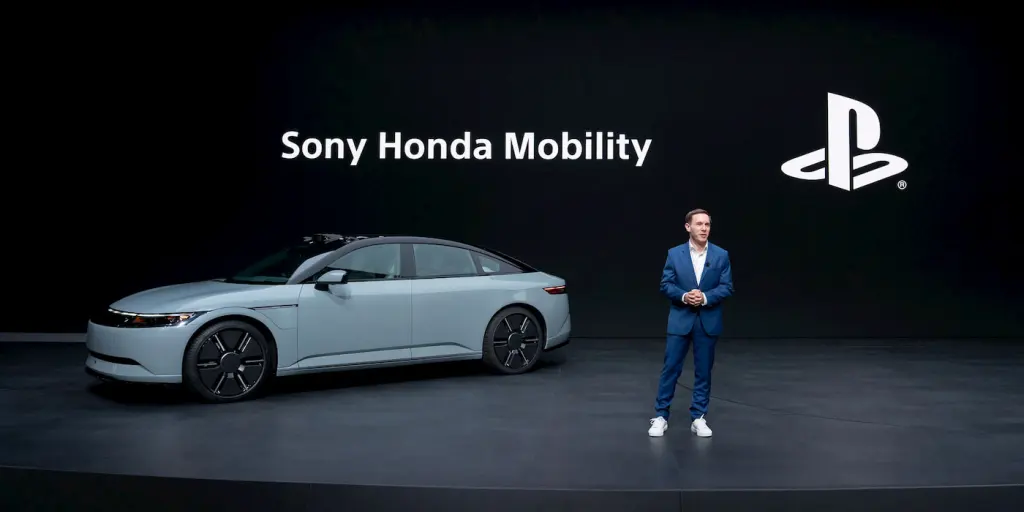
△ Having incurred losses for the first time, Honda has begun adjusting its global strategy.
How Can Honda Break Through in China?
In the first quarter just passed, Honda China and its two joint ventures did not separately disclose sales figures for new energy vehicles. Some predict that quarterly sales may have fallen short of 2,000 units, with all-electric models like the e:N series and the Ye P7/S7 underperforming. If true, this result would mean Honda has been left behind entirely.
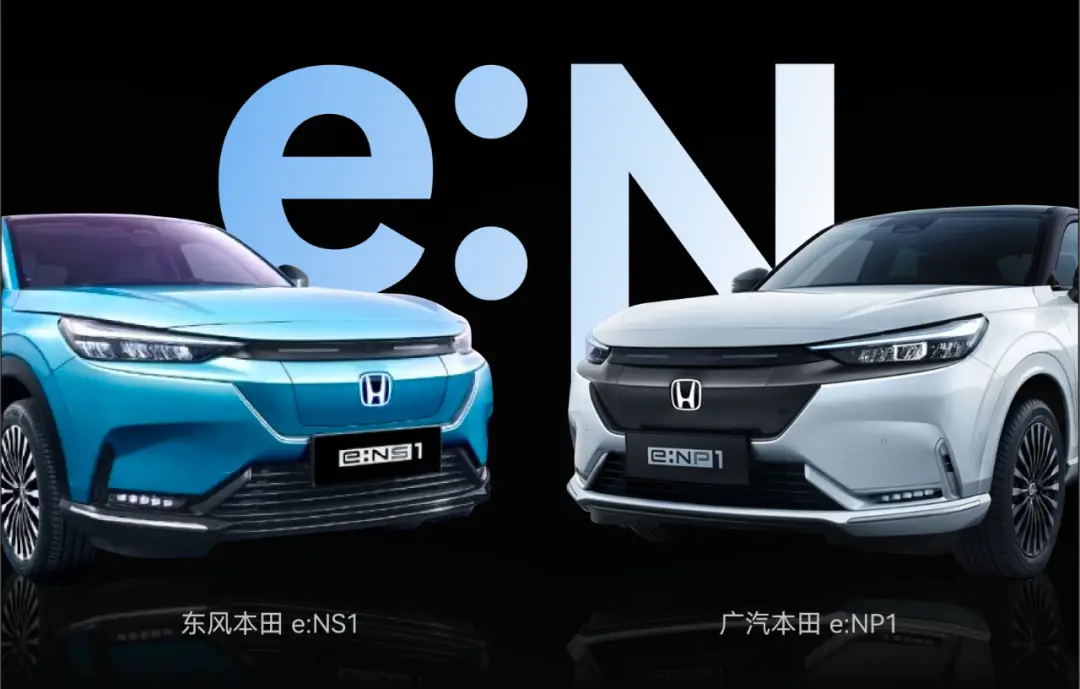
△ Honda has yet to find a breakthrough for its electric vehicles in China.
Honda’s insistence on in-house development has left it struggling to keep pace with the “China Speed” in electrification and intelligence while failing to meet the diverse needs of Chinese consumers—a major misstep. With China’s automotive market now in its final competitive stage, the window for Honda to adjust is likely closing within the next two to three years.
To reverse its fortunes in China, Honda urgently needs bold reforms. Leveraging its two joint venture partners, GAC and Dongfeng, is the most direct approach. Both have recently intensified their efforts in new energy and intelligent transformation. While not yet in the domestic first tier, they hold clear advantages over Honda’s in-house development in terms of technology and cost control. Honda should accelerate the integration of technologies from its Chinese partners. The success of Dongfeng Nissan—which launched three new energy models, the N6, N7, and NX8, by leveraging Dongfeng Motor’s capabilities—provides a valuable example.
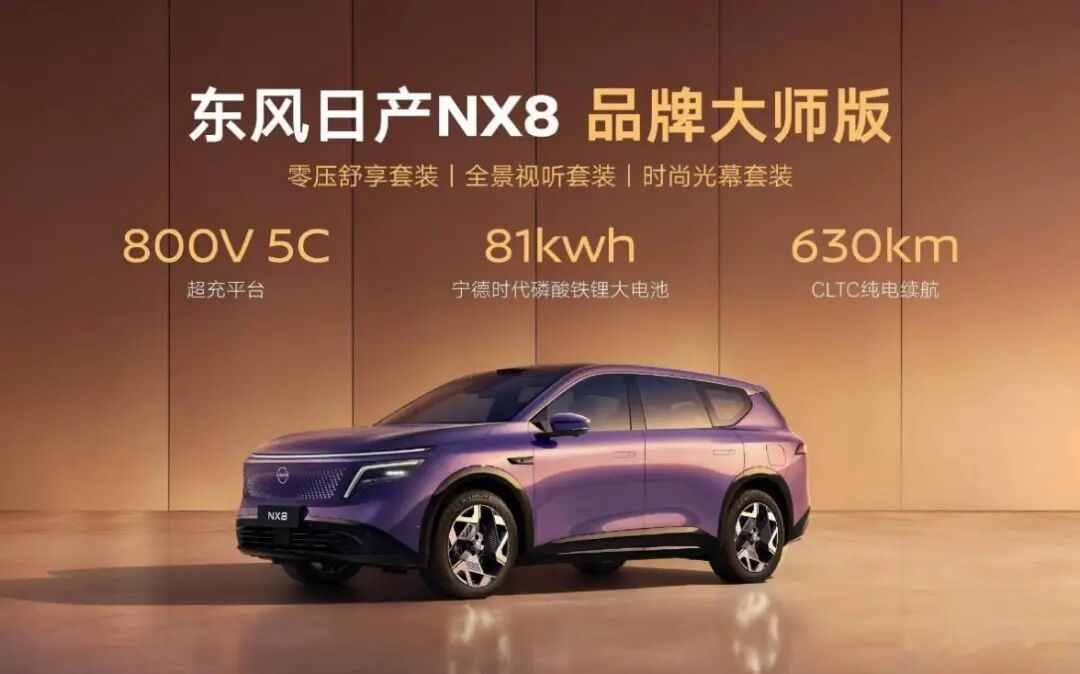
△ By leveraging Dongfeng’s technology and supply chain, Nissan created the eye-catching NX8 new energy model.
Investing in local emerging automakers would allow Honda to maintain control over its development. Volkswagen’s investment in XPeng and Horizon, as well as Stellantis’ investment in Leapmotor—with related models focusing on overseas markets—set industry precedents. Collaborating with domestic emerging automakers offers an efficient path for Honda to expand in both domestic and international markets. However, for a multinational automaker like Honda, investing in Chinese emerging automakers is no easy task. Approval processes are complex, and post-investment synergies require careful planning.
Integrating local supply chains is urgent. Whether in intelligent cockpits or intelligent driving technology, Honda needs to swiftly establish deep collaborations with leading domestic suppliers such as Huawei, Momenta, Horizon, and ECARX. These companies already have mature products and systems that are continuously evolving. If Honda insists on in-house development, it should without hesitation integrate these companies’ technologies and products into its models. Nissan, for example, has integrated HarmonyOS into the Teana, a gasoline-powered vehicle. Regrettably, Honda has been too slow in this area.
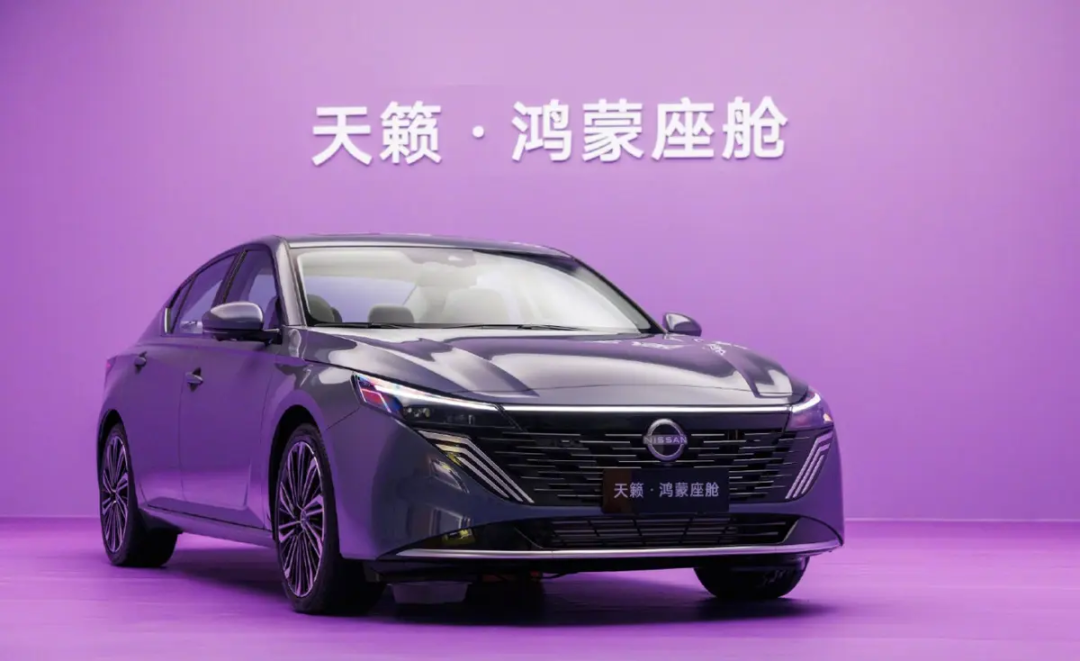
△ Nissan is accelerating integration with local new energy and intelligent connected suppliers.
Collective Pressure on Japanese Automakers
Honda is not the only multinational automaker struggling in China’s automotive market. Data shows that Japanese brands’ market share in China has plummeted from a peak of 23.1% in 2020 to less than 9% in 2025. Strategic hesitation and slow progress in the all-electric vehicle sector have caused Honda and other Japanese automakers to retreat in the domestic market.
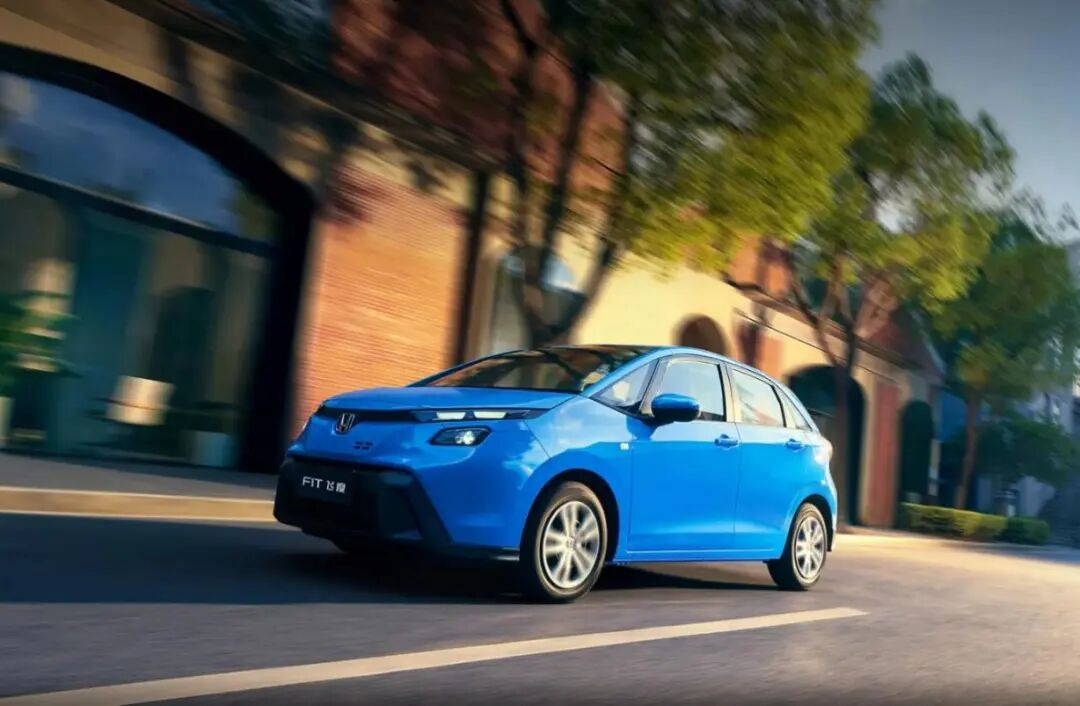
△ Japanese automakers, once dominant in the gasoline vehicle era, now face collective challenges.
Nevertheless, Honda still enjoys a strong market reputation and loyal user base in China. If it can introduce competitive new energy models, it still has a chance to turn things around. Meanwhile, like other multinational automakers, Honda needs to redefine the role of its Chinese team: China is no longer just a consumer market. With a mature and cost-effective industrial chain, it can serve as a global manufacturing base for Honda. Leveraging China’s leading new energy and intelligent connected technologies, it can also become Honda’s global electric vehicle R&D center. Increasing investment in China will not only help Honda stabilize its market share and return to growth but also support its global electrification strategy.
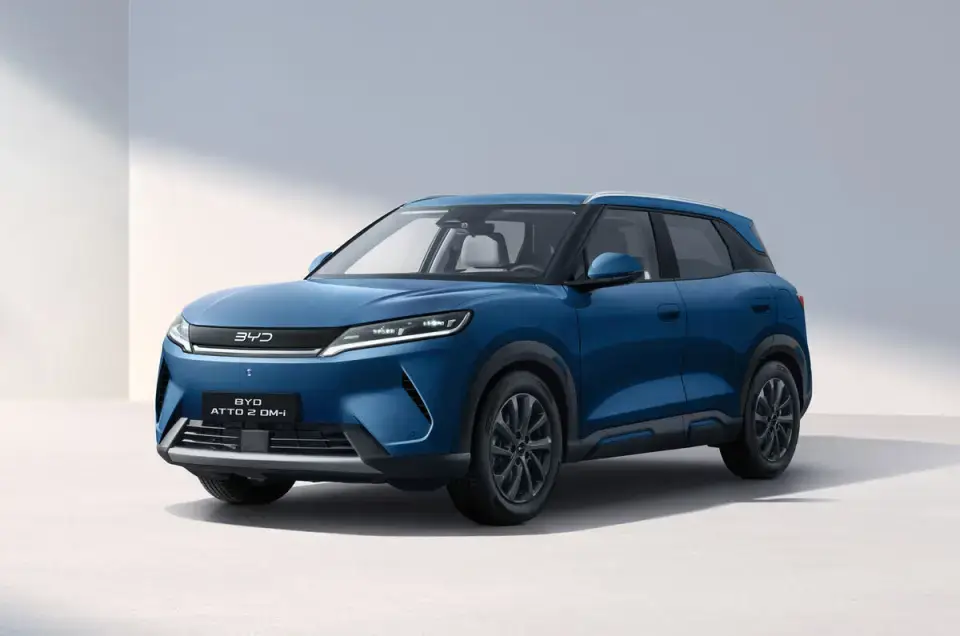
△ Increased investment in China can help Honda compete globally against Chinese new energy vehicles.
Additionally, the expiration of joint venture agreements will force Honda to accelerate adjustments. Honda’s joint venture contract with Dongfeng expires in 2043, while its agreement with GAC ends in 2028. Honda must now seriously consider how to renew its contract with GAC, replan the next phase of GAC Honda’s development, and coordinate Honda China’s and its global new energy strategy. Facing fierce competition from Chinese automakers like BYD and Geely in the global market, Honda has limited time and space for adjustment.
Commentary
Reducing production capacity for gasoline vehicles is a passive measure to mitigate losses in response to Honda’s declining sales in China. It is also a necessary step for Japanese joint ventures to reallocate resources due to delayed electrification transitions. The goal is to amortize fixed costs and improve profitability. Whether Honda can break free from its current predicament through these actions depends on the speed at which it implements its new energy products and China strategy.
(This article is original to Heyan Yueche and may not be reproduced without authorization.)
-
![]()
Jitian Xingzhou: A Pioneer in Optical Payloads Secures Hundreds of Millions in Series B Funding!
-
![]()
Orders Secured Through to the Second Half of the Year! The Rationale Behind the 'Surge' in Demand for This Company’s Optical-Grade Base Films
-
![]()
Beyond Patents: The Retail Rivalry of Insta360 and DJI Unfolds
-
![]()
180 Billion Market Cap Vanished! How Did Seres Fall So Far?
-
![]()
Blockbuster! Domestic storage takes the global double crown for the first time, from an AI company
-
![]()
China Spearheads Formulation! World's Pioneering Global Technical Regulation for Automated Driving Systems Greenlit and Unveiled
-
![]()
Farewell to Pulsed Support Policies: Three Major Auto Policy Directions from Multiple Departments Take Effect on the Same Day
-
![]()
Embercore AI’s Accelerated Funding: The Robot Industry’s Shift Toward ‘Learning Systems’