2026 Beijing Auto Show: A Spectacular Showcase of 9-Series Flagship Vehicles
 05/09 2026
 612
612
At the 2026 Beijing Auto Show, the bustling center of attention shifted dramatically. No longer was it the 100,000-yuan family sedan market that drew the largest crowds; instead, it was the premium flagship SUV segment that stole the spotlight. The Li Auto L9 Livis, NIO ES9, Denza D9, Seres M9, Yijing X9, and SAIC Volkswagen ID.ERA 9X—six remarkable '9-Series' models—went head-to-head in a fierce competition. With their imposing sizes and similar stances, they silently battled it out in terms of market positioning, performance capabilities, and technological innovations. This marked the most intense showdown among Chinese flagship SUVs to date.
Why the emphasis on '9'? In Chinese culture, the number '9' holds a special significance, representing the pinnacle of achievement and the highest level of excellence. Li Auto, Seres, and NIO were the pioneers in using '9' to set the benchmark for domestic luxury vehicles, with other brands quickly following suit. This created an industry atmosphere where 'no '9' means no flagship status.' Now, let's delve deeper into these six '9-Series' models to see what each one brings to the competitive arena.
Li Auto L9 Livis
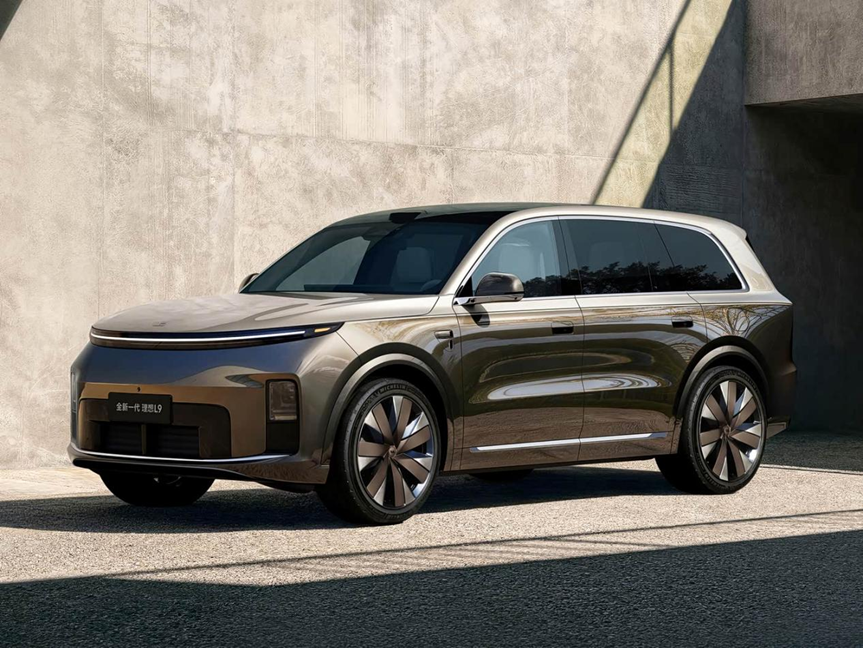
The Li Auto L9 Livis stands as a prime example of technological prowess, elevating the concepts of a 'mobile home' and 'dad's car' to unprecedented heights. With its self-developed dual chips, four LiDAR sensors, and a full drive-by-wire chassis, it redefines the driving experience. The full drive-by-wire chassis ensures 'near-zero body roll in corners and no nosedive during braking,' completely eliminating the traditional 'boat-like' sensation associated with large SUVs. Coupled with an 800V high-voltage architecture, active suspension, and a range-extender system, it offers a pure electric range of 420km and a combined range exceeding 1500km, making it the epitome of comfort and intelligence on the road.
NIO ES9
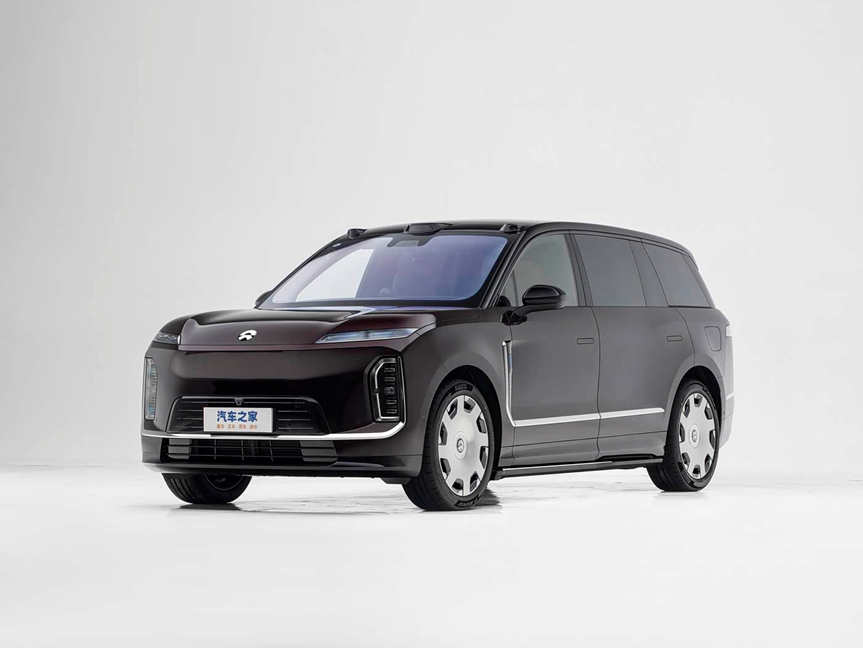
The NIO ES9 targets the intelligent electric executive flagship market, with a pre-sale price range of 528,000 to 658,000 yuan. What truly distinguishes it is its 'battery swap and fast charging' dual energy replenishment system, offering swift 3-minute battery swaps or 5-minute charging for 255km, effectively eliminating range anxiety. The executive center console and massage seats in the cabin are ES9's secret weapons. The executive center console, one-touch privacy glass, and foot massagers exude an air of sophistication and high-end business reception. Built on a 900V ultra-fast charging and battery swap architecture, featuring a self-developed 5nm intelligent driving chip and full active suspension, the ES9 achieves the industry's only 'urban pilot battery swap,' allowing the vehicle to autonomously navigate into and out of battery swap stations for energy replenishment.
In essence, the NIO ES9 seamlessly integrates battery swap capabilities, executive luxury, and top-tier intelligent driving, redefining high-end business travel with pure electric power. It stands as the top choice for pure electric enthusiasts who are passionate about battery swapping and loyal NIO fans.
Seres M9
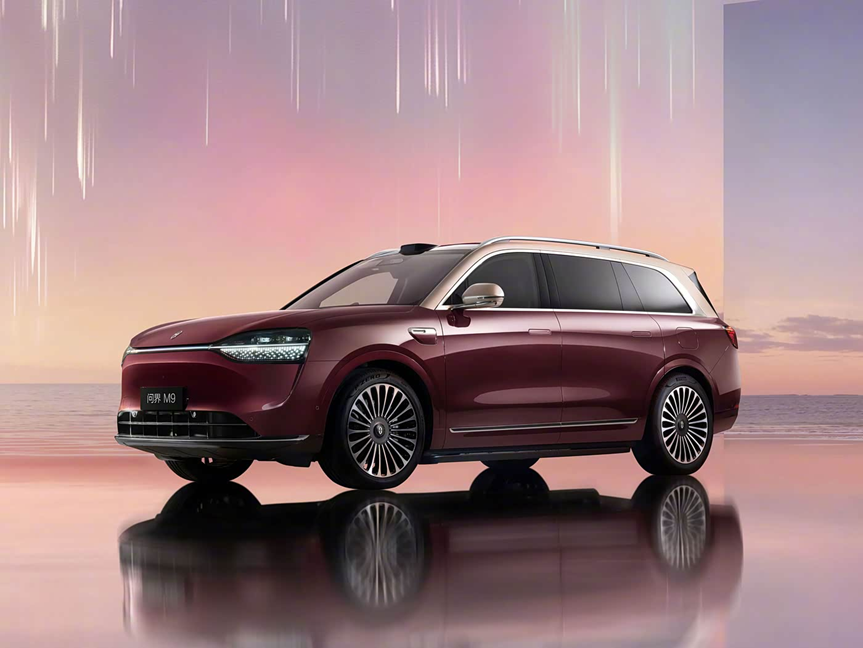
The Seres M9, backed by Huawei's comprehensive technological support, is positioned as a luxury flagship SUV, priced between 470,000 and 570,000 yuan. Its core competitive advantage lies in the seamless integration of Huawei's ADS 5.0 intelligent driving system and HarmonyOS cockpit, complemented by six LiDAR sensors, placing it at the forefront of the industry in terms of intelligent driving experience. In terms of performance, it offers both range-extender and pure electric powertrains, with the pure electric version featuring an 800V platform that supports ultra-fast charging. The Seres M9 sets new standards for intelligent luxury in the 500,000-yuan SUV segment, leveraging Huawei's technological ecosystem to appeal particularly to high-end users who seek cutting-edge technology and are deeply integrated into Huawei's ecosystem.
SAIC Volkswagen ID.ERA 9X
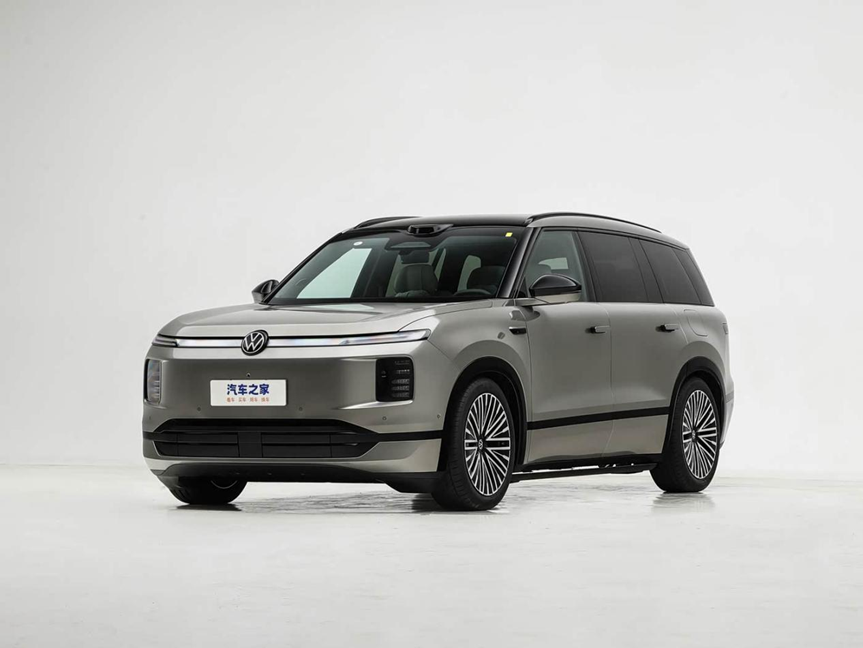
The SAIC Volkswagen ID.ERA 9X stands out as the only six-seat range-extender flagship model from a joint venture brand to enter the 300,000-yuan price segment, with a limited-time price range of 299,800 to 349,800 yuan. Its uniqueness stems from its German chassis DNA—featuring standard rear-wheel steering across all trims and dual-chamber air suspension on mid- and high-end versions—while being the first globally to adopt Momenta's R7 intelligent driving solution, addressing any intelligent driving shortcomings. Compared to its new energy rivals, it offers a more accessible entry point and the assurance of joint venture quality, carving out a pragmatic path in the '9-Series' with a combination of 'German heritage + Chinese intelligent driving + affordable pricing.'
Wey V9X
The Wey V9X, the first AI flagship model from Great Wall Motors' Guiyuan S platform, comes in standard and long-wheelbase versions. Priced competitively between 371,800 and 411,800 yuan, its standout feature is its 'three powertrains in one' design, offering pure electric, plug-in hybrid, and hybrid electric options—a rarity in the market. Behind this innovative approach lies Great Wall's latest Super Hi4 hybrid architecture, featuring a 2.0T engine, a 4-speed hybrid-dedicated transmission, an 800V high-voltage platform, and 6C ultra-fast charging, enabling 4-second acceleration in both full and low-battery states. From its powertrain and chassis to its intelligent driving capabilities, the V9X boasts the broadest power coverage and strongest scenario adaptability among the '9-Series,' thanks to its full-stack technological development.
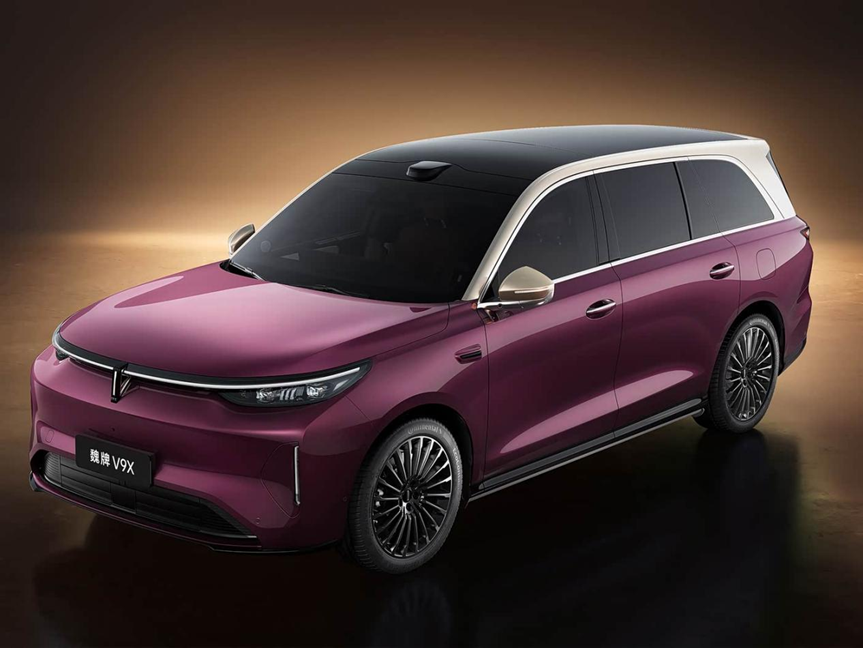
Leapmotor D19
The Leapmotor D19 stands out as the only model in the '9-Series' to lower the flagship threshold to 219,800 yuan, acting as a 'price disruptor' in the segment. Its core competitive advantage stems from cost savings achieved through full in-house development. Not only does it standardize top-tier configurations like dual-chamber air suspension and LiDAR across all trims, but it also introduces unique features like the 'Forest Oxygen Cabin' and 'dual 8797 chips,' forming a differentiated competition strategy of 'having what others don't, being better than what others have, and at a lower cost.'
The intense competition among the '9-Series' reflects the harsh reality that 'failing to ascend means elimination.' Brands like Li Auto and Seres leverage their reputation and first-mover advantage to lead the charge upward with the '9-Series.' If others don't follow suit, their mid-to-low-end market share will inevitably be eroded. In the fiercely competitive second half of the market, where existing market competition intensifies, mere technological accumulation is just an entry ticket. The key to victory lies in using self-developed technologies to drive down prices, meet family needs, and ultimately win users over with 'high-spec, low-price' cost-effectiveness.
(Images sourced from the internet; removal upon infringement notice)
-
![]()
Total Investment Hits Nearly 3.28 Billion! Goertek Launches Mass Production of 12-Inch Transparent Substrate Wafer for AR Glasses’ Micro-Nano Optical Components
-
![]()
Why Is This Precision Optical Film Leader Worth Reevaluating with a Tens of Millions Procurement?
-
![]()
AI Costs Plummet by 90% Over Nine Years: Key Insights from Davos You Shouldn’t Miss
-
Doubao, Your Late-Night AI Companion, Now Eyes Profitability
-
![]()
SRC Empowers SEER Intelligence to Reach a Market Cap of Tens of Billions, Yet Fails to Sustain Profitability
-
![]()
China’s Embodied AI Industry Faces Fierce Domestic Competition, Making Overseas Expansion Essential for Survival
-
![]()
32.8 Billion Yuan Investment! Goertek’s 12-Inch AR Glasses Optical Wafer Base in Lingang Begins Operations
-
![]()
How Far is the All-New Li Auto L8 from Being the Best Five-Seat SUV with In-House Full-Stack Development?