How Far is the All-New Li Auto L8 from Being the Best Five-Seat SUV with In-House Full-Stack Development?
 06/24 2026
 463
463
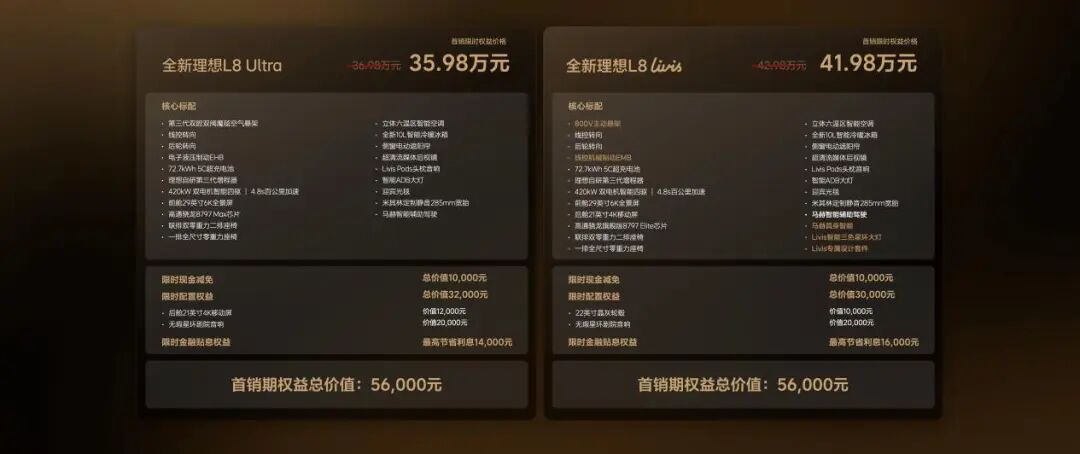
On the evening of June 23, Li Auto officially launched its new five-seat flagship L8, with the Ultra version priced at RMB 369,800 and the Livis version at RMB 429,800. After a direct price reduction of RMB 10,000 during the initial sales period, the entry-level price dropped to RMB 359,800. Li Xiang's statements at the launch event were as strong as ever, directly benchmarking the new vehicle against the BMW X5, Mercedes-Benz GLS, and Land Rover Range Rover, while also asserting that it is the 'best five-seat flagship SUV globally,' instantly raising both market expectations and controversy.
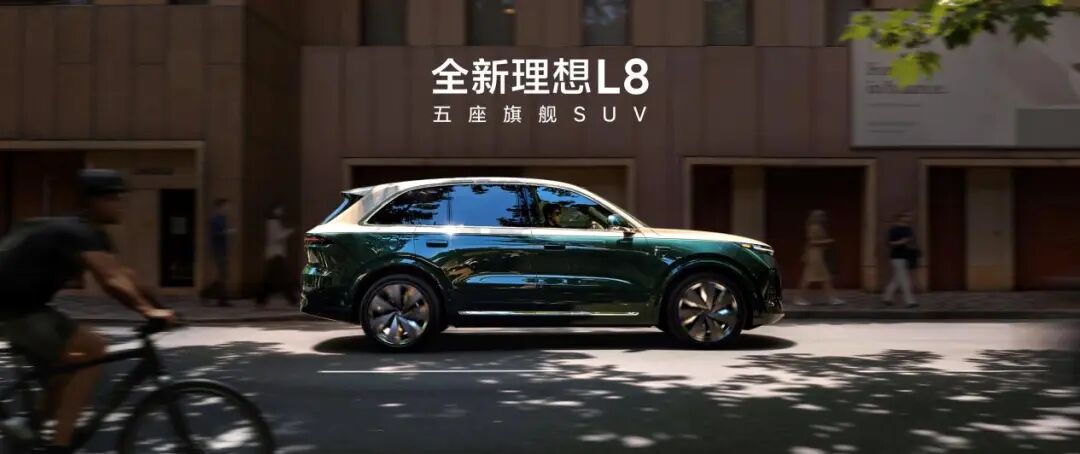
Some believe that Li Auto is leveraging rear-seat comfort and intelligence to outmaneuver traditional luxury brands, while others criticize it as just another old trick of rebadging and stacking configurations. Setting aside the promotional rhetoric from the launch event, the strategic value of this new vehicle, which completely eliminates the third row and incorporates a full suite of in-house technologies, for Li Auto, and its true capabilities in the same-class market, remain to be seen.
Li Auto Fills the Five-Seat Flagship Gap
The launch of the all-new Li Auto L8 first fills a crucial gap in Li Auto's product lineup. Previously, the Li Auto flagship L9 focused on the six-seat market, while the five-seat flagship role was filled by the L7, which was always positioned half a level lower. By adjusting the L8 to a five-seat flagship and directly aligning its core technology configurations with the L9, Li Auto has effectively placed a 'mini L9' in the RMB 350,000-450,000 price range, creating a clear scenario-based division of labor with the L9—the six-seat model serves large families with three generations, while the five-seat model targets quality travel for three-person households.

At present, demand for large six-seat vehicles is influenced by demographic structures, with a relatively limited window of opportunity. In the future, the rigid demand for three generations to ride together will gradually shrink, and the market capacity for large five-seat vehicles will instead have more long-term potential.
For the brand, this vehicle is also an important carrier for Li Auto to shed the label of 'configuration stacking' and establish its technological identity. At the launch event, Li Xiang repeatedly emphasized that four in-house technologies—800V active suspension, full-line control chassis, Mach M100 chip, and 5C extended-range system—have all been integrated into the vehicle. In the past, outsiders often joked that Li Auto gained popularity with its 'refrigerator, TV, and big sofa,' but now Li Auto is attempting to prove with full-stack in-house development that its underlying technological capabilities are equally solid.
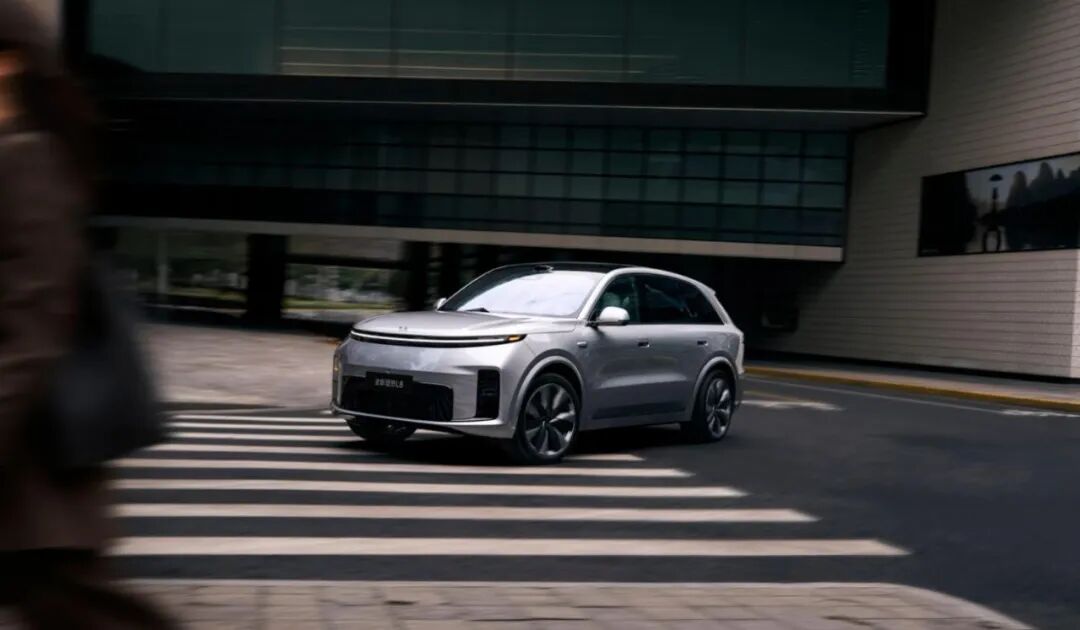
According to Huachuang Securities research report data, the current market capacity for mainstream non-six-seat SUVs priced between RMB 250,000 and RMB 400,000 is approximately 2.75 million units, but only four models have monthly sales exceeding 10,000 units, indicating that the market is far from saturated. For Li Auto, this represents a broader incremental market than the six-seat segment, and the new L8 is tasked with the core mission of driving sales volume and expanding scale. Huatai Securities also believes that the new L8 complements the L9, allowing Li Auto to rely on the L9 to raise the average selling price per vehicle while using the L8 to expand the overall sales base.
At the same time, the Livis version priced at RMB 429,800 is also testing Li Auto's price ceiling. This price point already touches the mid-range segment of traditional luxury brand mid-size SUVs, and Li Auto hopes to use higher-end chassis and intelligent driving configurations to prove its ability to establish a foothold in the market above RMB 400,000, further boosting brand premium.
Competitive Benchmarking Reveals Clear Strengths and Weaknesses
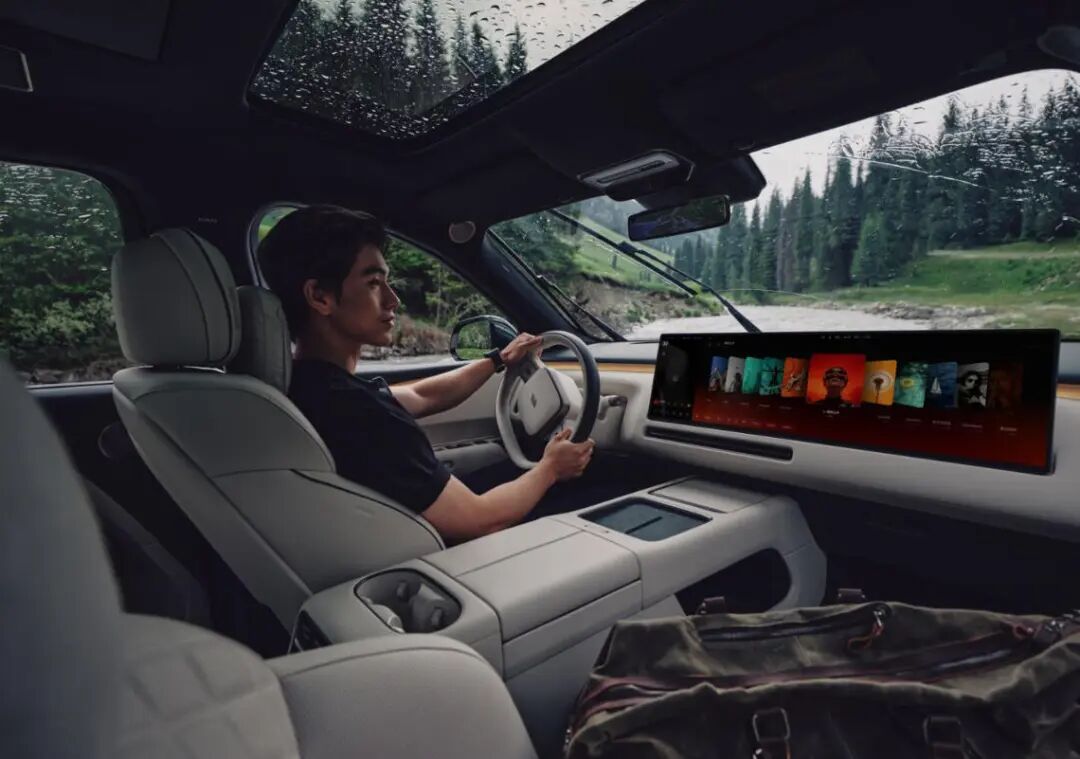
When the all-new Li Auto L8 is placed in the market for horizontal comparison, its strengths are highly prominent. The first is the experiential barrier of space and seating. With a native five-seat design, the 3,045-millimeter wheelbase is entirely dedicated to the two rows of passengers, with a standard second-row legroom of 970 millimeters, which can be extended to 1,300 millimeters in zero-gravity mode.
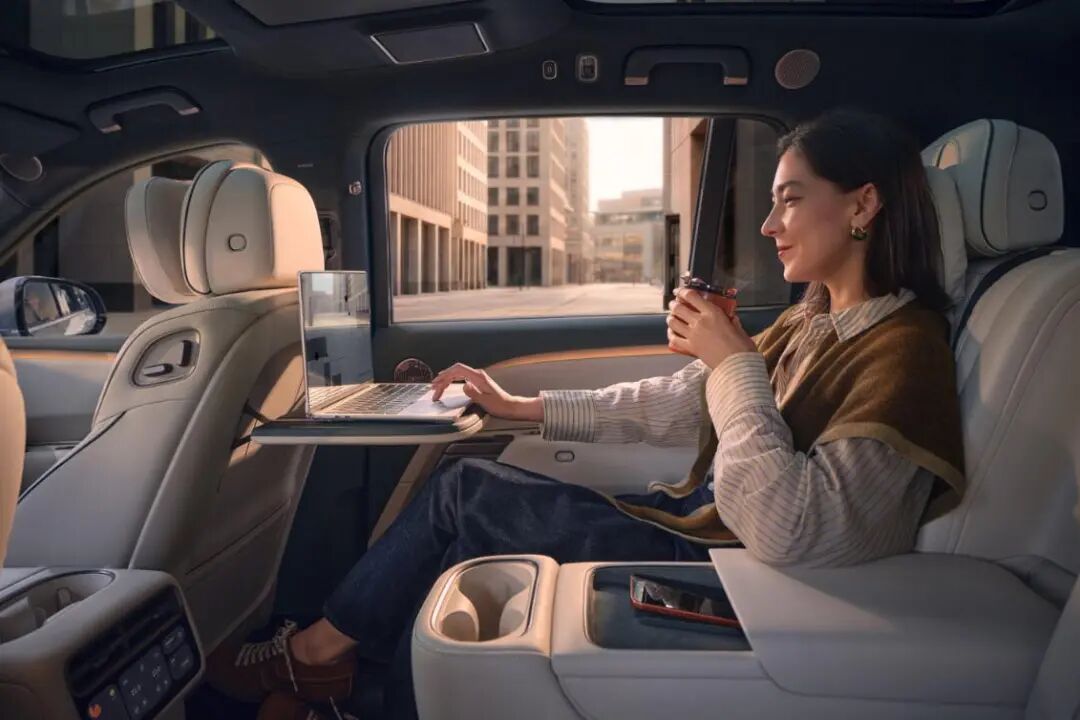
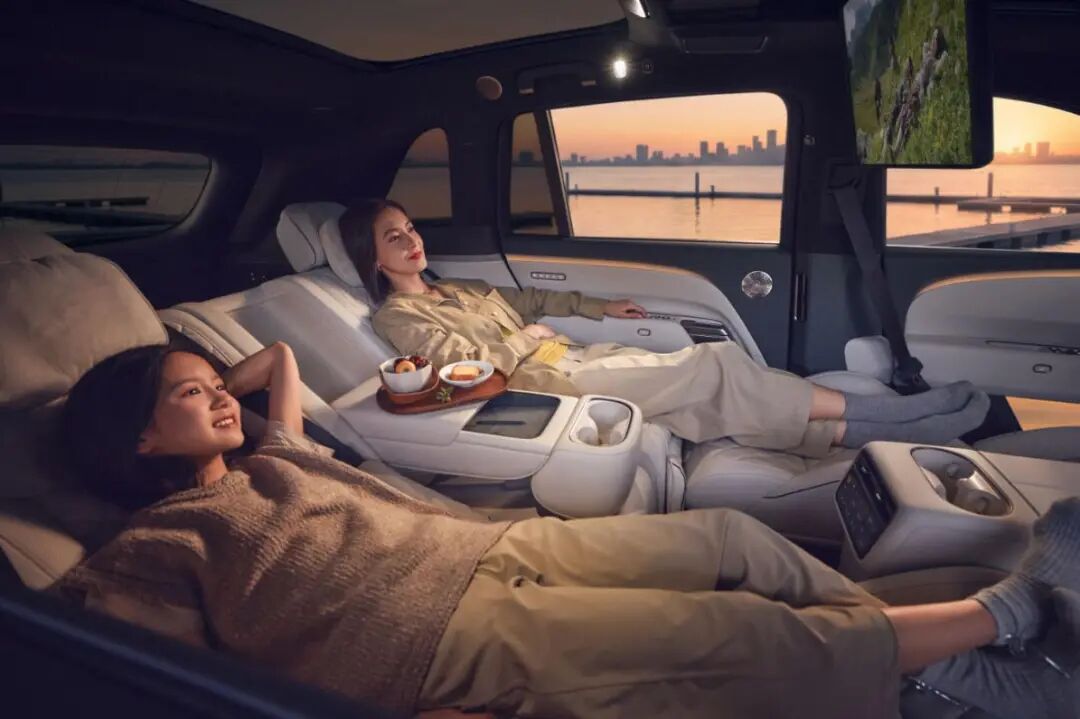
Officially claimed as the industry's first five-seat SUV equipped with four zero-gravity seats as standard, the connected seats, combined with extendable seat cushions and large-angle leg rests, make the second-row comfort nearly unmatched at the same price point. Compared to traditional luxury models like the BMW X5L and Mercedes-Benz GLE, its rear-seat configurations and intelligent experience offer significant advantages; compared to domestic competitors like the Aito M7 five-seat and NIO ES6, it also leads in space utilization and seating comfort.
The second strength lies in its full-stack in-house technological reserves. The 72.7-degree 5C ultra-fast charging battery, third-generation extended-range engine, Mach M100 intelligent driving chip, line-control chassis with rear-wheel steering—these technologies are mostly developed in-house by Li Auto, rather than simply assembled from the supply chain. For example, with 5C ultra-fast charging, the battery can charge from 10% to 80% in just 10 minutes, the extended-range combined range reaches 1,670 kilometers, and the fuel consumption at low battery is as low as 6.2 liters, placing these parameters in the first tier among extended-range vehicles at the same price point. As of now, Li Auto has more than 4,000 ultra-fast charging stations covering 31 provinces across the country, providing a solid foundation for the product experience with its charging network.
However, the weaknesses are equally noteworthy. The first is the higher intensity of competition in the five-seat SUV market. Unlike the early days when the six-seat segment had few players, the five-seat SUV market now includes perennial sales champions like the Tesla Model Y, strong contenders like the Xiaomi YU7 and Aito M7 five-seat version, and brands like Leapmotor that are siphoning off entry-level users with a 'half-price Li Auto' strategy. Relevant data shows that among the 1.2 million extended-range vehicles registered nationwide in 2024, Li Auto contributed nearly 490,000 units. However, with more brands entering the extended-range segment, Li Auto's first-mover advantage is gradually being diluted.
The second weakness is the brand premium bottleneck. Above the RMB 400,000 price point, the psychological barrier of traditional luxury brands remains strong, and many consumers with budgets in this range still prioritize the brand value of BBA. For Li Auto to break through this barrier with configurations and intelligence is no small challenge. Additionally, after the positioning adjustment, there is an overlap in the price bands between the new L8 and the current L7, and whether internal cannibalization will occur remains to be validated by the market.
Full-Stack In-House Development's True Worth Remains to Be Proven
From the perspective of brand development, the new L8 represents a concentrated showcase of Li Auto's full-stack in-house technologies and is an important pillar for future growth. Some securities firms have already raised their total sales forecast for Li Auto to 434,100 units by 2026, with the core basis being that high-configuration models like the L8 will optimize the product mix and drive both gross margin and sales volume upward.
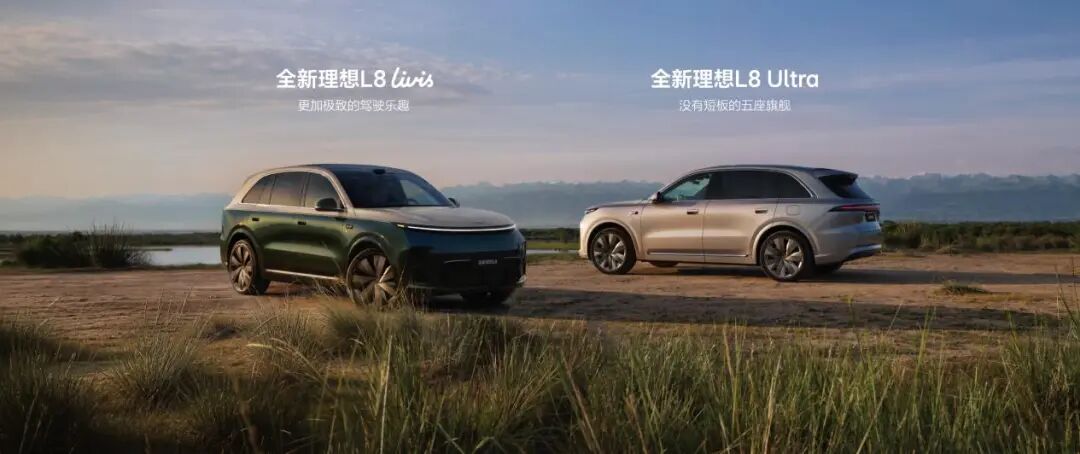
In the long run, Li Auto has established a product matrix of extended-range + pure electric and six-seat + five-seat vehicles. Once the underlying technologies are interconnected, subsequent vehicle development efficiency will be higher, and OTA iteration capabilities will become a core competitiveness (translated as 'competitive edge') for user retention.
However, Li Auto faces no shortage of challenges. The most immediate is the overall downward pressure on the extended-range market. Data shows that in May 2026, domestic extended-range vehicle sales fell by 25% year-on-year, marking the largest decline in nearly five years, with Li Auto alone accounting for more than 90% of the industry's decline.
With the improvement of pure electric charging infrastructure and the popularize (translated as 'popularization') of 800V ultra-fast charging, the range anxiety advantage of extended-range vehicles is weakening, and Li Auto's core market is at risk of shrinking. Although the new L8 reinforces the pure electric experience with 5C ultra-fast charging, it remains fundamentally an extended-range architecture and is unlikely to reverse the long-term technological trend.",
-
![]()
Total Investment Hits Nearly 3.28 Billion! Goertek Launches Mass Production of 12-Inch Transparent Substrate Wafer for AR Glasses’ Micro-Nano Optical Components
-
![]()
Why Is This Precision Optical Film Leader Worth Reevaluating with a Tens of Millions Procurement?
-
![]()
AI Costs Plummet by 90% Over Nine Years: Key Insights from Davos You Shouldn’t Miss
-
Doubao, Your Late-Night AI Companion, Now Eyes Profitability
-
![]()
SRC Empowers SEER Intelligence to Reach a Market Cap of Tens of Billions, Yet Fails to Sustain Profitability
-
![]()
China’s Embodied AI Industry Faces Fierce Domestic Competition, Making Overseas Expansion Essential for Survival
-
![]()
32.8 Billion Yuan Investment! Goertek’s 12-Inch AR Glasses Optical Wafer Base in Lingang Begins Operations
-
![]()
How Far is the All-New Li Auto L8 from Being the Best Five-Seat SUV with In-House Full-Stack Development?