Replacing a Rearview Mirror Costs 6,000 Yuan: Why Are New Energy Vehicles Cheap to Buy but Pricey to Fix?
 05/11 2026
 466
466
In recent years, the swift advancement of new energy vehicles (NEVs) has emerged as an unstoppable force, with NEVs now constituting over half of new car sales in numerous regions. While NEVs are indeed impressive, they come with a minor drawback: exorbitant maintenance costs. Some owners have reported spending as much as 6,000 yuan just to replace a rearview mirror. Why are NEVs so affordable to purchase yet so costly to repair?

I. Replacing a Rearview Mirror in an NEV Costs 6,000 Yuan
According to a report from Kuaikeji, an NEV owner recently shared their repair experience online, revealing that replacing a single rearview mirror cost 6,000 yuan. The owner lamented that while electric vehicles are now within reach for many buyers, their repair costs are prohibitively high.
Based on the 4S shop's inspection report, the rearview mirror incorporates multiple sophisticated functions, including electric adjustment, automatic folding, heating, and blind-spot monitoring. Due to damage to internal components, partial repairs were not feasible, necessitating the replacement of the entire unit. Including parts and labor costs, the total bill exceeded 5,700 yuan.
In response to this phenomenon, industry insiders have noted that the cost-effectiveness of NEV repairs is generally poor, with expensive repairs becoming an undeniable reality. The current NEV aftermarket predominantly favors replacement over repair, leading to a sharp increase in vehicle maintenance costs for owners.
Many 4S shops generate slim profits from vehicle sales, making repair services their primary revenue stream. The high cost of NEV repairs stems from the complexity of servicing core components like the three-electric system (battery, motor, electric control). Repair technicians often lack the specialized skills required, resulting in whole-unit replacements instead of targeted repairs.
Moreover, many automakers prioritize aesthetics and performance during the design phase, seldom considering repairability. For instance, expensive sensors like LiDAR are installed in areas prone to collisions, such as the front bumper, leading to astronomical repair costs for even minor impacts. Additionally, the integrated design of some components further escalates repair expenses.
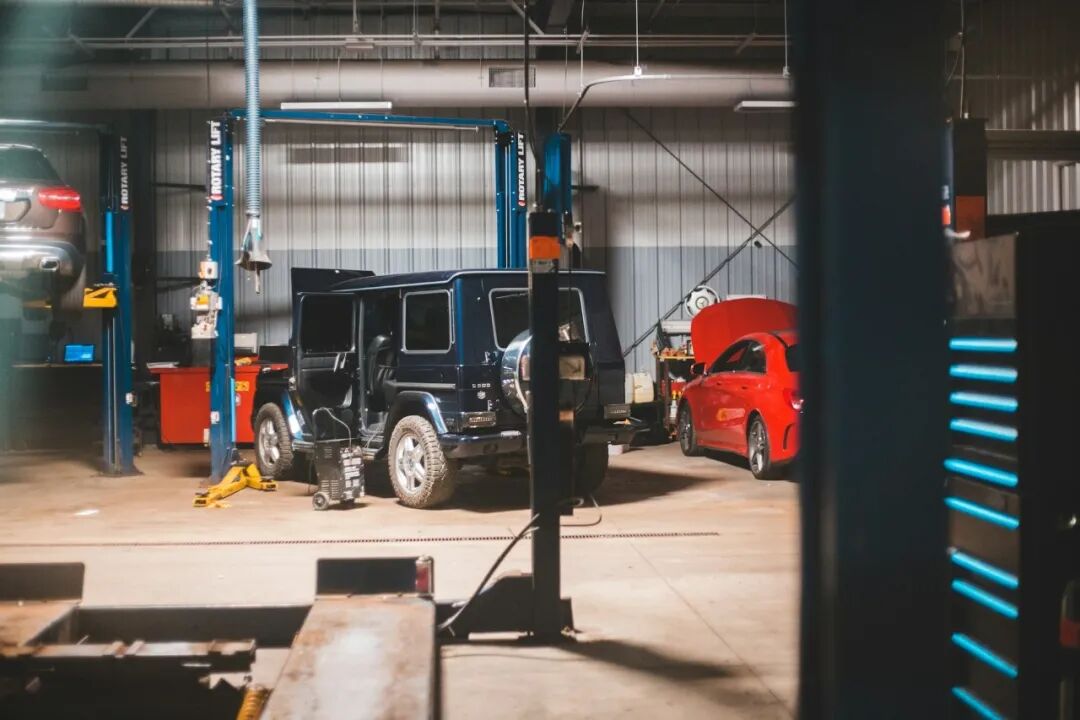
II. Why Are NEVs Cheap to Buy but Pricey to Fix?
Industry jokes like "buying a car for a hundred thousand yuan but spending six thousand on a rearview mirror" or "a minor rear-end collision leading to a total loss" are increasingly becoming painful realities for NEV owners. How did this situation arise?
Firstly, the high cost of core components is the root cause of soaring maintenance expenses. Compared to traditional fuel vehicles, NEVs represent the pinnacle of advanced technology, with fundamental changes in their core makeup. Traditional fuel vehicles rely on mechanical components like engines and transmissions, whose working principles have remained largely unchanged over more than a century of development. The stability of their core parts has significantly improved, and mechanical repairs are relatively straightforward—usually fixing only the broken part. In contrast, NEVs focus on the three-electric system (battery, motor, electric control). These core components not only have high technical thresholds and require substantial R&D investment but also account for over half of the total vehicle cost, making them the primary driver of high maintenance expenses.
At the same time, to create differentiated competitive advantages, NEVs incorporate increasingly sophisticated intelligent components, ranging from advanced driver-assistance systems to smart cockpit interfaces. These high-tech parts further inflate vehicle costs. While they offer unprecedented driving experiences, they also mean that repair costs skyrocket when failures occur. After all, cutting-edge technology comes with high R&D and production costs, as well as lower stability. These expenses ultimately manifest in the repair process, ensuring that NEV maintenance costs start at a high level from the outset.
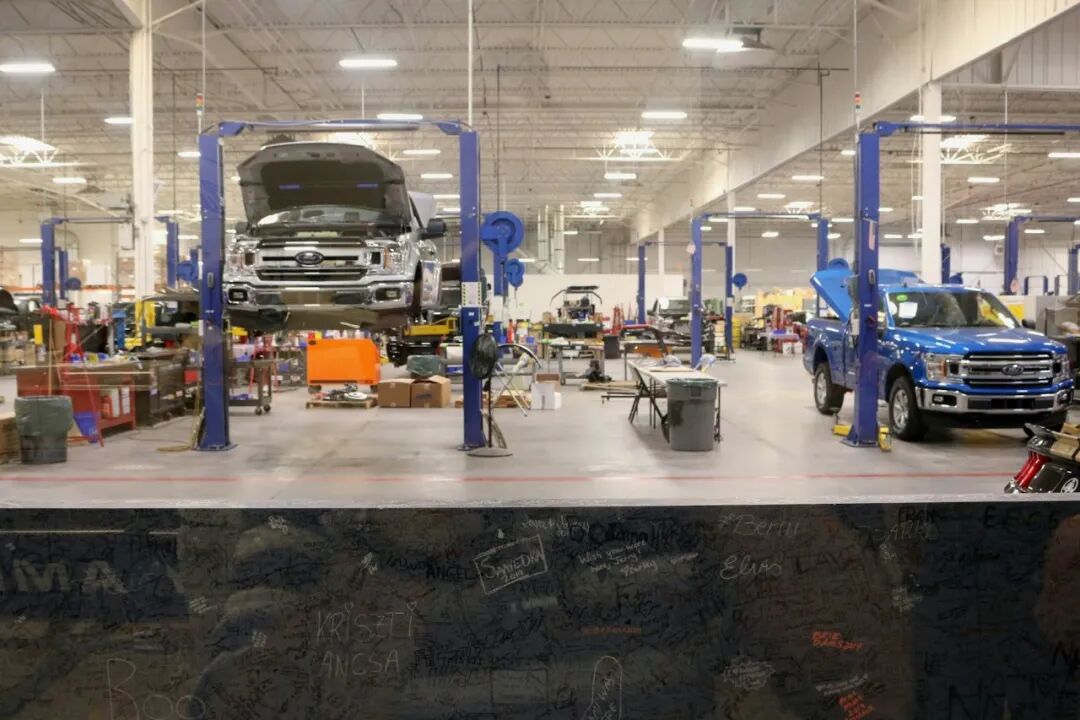
Secondly, highly integrated components increase repair difficulty and costs. In traditional automotive repair logic, "replacing only the broken part" is the golden rule. For instance, a cracked rearview mirror lens typically requires replacing just the glass—a relatively inexpensive task costing a few dozen yuan in most cases. However, in the context of NEVs, engineering logic has fundamentally shifted. To achieve lightweighting for extended range and accommodate complex intelligent driving wiring, automakers widely adopt highly integrated designs. Take the six-thousand-yuan rearview mirror as an example: it is no longer a simple reflective mirror but a sophisticated "intelligent sensing terminal." Internally, it may integrate electric adjustment modules, automatic folding modules, heating and defrosting modules, and, more critically, high-precision components like blind-spot monitoring cameras and millimeter-wave radar antennas.
While this design enhances user experience and assembly efficiency during manufacturing, it creates significant challenges in aftermarket repairs. Even minor collisions causing localized damage often render repairs impossible due to irreversible potting or one-time snap-fit designs in internal structures. Neither 4S shops nor third-party repair centers possess the capability—or even the authorization—to disassemble and repair these components. They must follow the automaker's repair manuals and replace the entire assembly, leading to exponentially higher costs. This is akin to smartphones: while feature phones could have their screens repaired independently, modern curved flexible screens often require full system replacements, with vastly different cost implications.

Thirdly, automakers' monopoly logic further drives up maintenance costs. From an industry competition perspective, most NEV companies adopt a closed-loop model of "vehicle sales + aftermarket repairs," tightly controlling critical resources like repair data, specialized diagnostic equipment, and core components. This creates formidable monopoly barriers. On one hand, automakers withhold repair data and diagnostic access from third-party repair organizations, leaving them unable to obtain fault codes or repair parameters—essential information for effective repairs. On the other hand, automakers monopolize the supply of core components, making it difficult for third-party providers to source genuine parts. As a result, these providers must rely on aftermarket parts of dubious quality. Additionally, some automakers impose clauses like "unauthorized battery disassembly voids the warranty," restricting owners from choosing third-party repair services.
More alarmingly, with declining profits from vehicle sales, many automakers now view aftermarket repairs as their primary profit center, extracting high margins through inflated repair prices and mandatory assembly replacements. This "front-end concessions, back-end compensation" business model essentially treats the repair market as a "profit reservoir." From an economic standpoint, this monopolistic market structure lacks robust competition, inevitably leading to higher service prices and inconsistent quality. Consumers are left with no choice but to accept these conditions, making it a key driver of soaring NEV maintenance costs. Even more concerning is that some automakers use legal measures to suppress third-party repair organizations, resulting in frequent cases of "repair shops being sued," further entrenching their monopoly and stifling the growth of the third-party repair market.
IV. How Can the Industry Solve the Problem of Cheap Purchase but Pricey Repairs? From a long-term industrial development perspective, resolving the "pricey to repair" dilemma requires multi-party collaboration and institutional innovation.
On one hand, from an industry standpoint, responsible automakers need to shift their mindset and adopt a long-term perspective. They should take full lifecycle responsibility, voluntarily breaking technical and parts monopolies by opening reasonable repair data and parts supply channels to third-party repair organizations—while ensuring data security. Simultaneously, they should encourage core suppliers like battery manufacturers to offer modular repair solutions, enabling precise repairs of major components like battery packs instead of mandatory full replacements, thereby addressing the current pain points in the NEV industry.
On the other hand, leveraging technological innovation and big data, automakers should prioritize "repairability" during the design phase. By analyzing the entire supply chain from a design perspective, they can optimize lifecycle repair strategies, identify reasonable boundaries between integration and modularity, and reduce repair difficulty through a balanced approach. This prevents the repair disasters caused by excessive integration.
The issue of expensive NEV repairs is a challenge in industrial development, but it is not insurmountable. As the NEV industry continues to evolve, forward-thinking automakers will inevitably confront this problem. By prioritizing long-term user experience, addressing root causes, breaking monopolies, fostering technological innovation, and rebuilding the ecosystem, they can resolve this dilemma and ensure that NEVs become genuinely affordable and repairable vehicles for consumers.
END
-
![]()
Replacing a Rearview Mirror Costs 6,000 Yuan: Why Are New Energy Vehicles Cheap to Buy but Pricey to Fix?
-
![]()
阿里的爱,需要理由
-
![]()
Is "100 Seconds of Thinking Time" Becoming a Relic? AI Reasoning Too Slow, Berkeley Pioneers Parallel Model Reasoning
-
![]()
The Biggest Investors in the Chip Industry Are Changing Their Spending Logic
-
![]()
When AI Starts Charging, How Can We Reap Maximum Benefits at Minimal Cost?
-
Xiaomi to Launch Independent Auto Sub-Brand 'Xuntian'
-
Eight Auto Companies Refute Claims of Being Summoned for Discussions
-
![]()
China’s ‘Taiji Program’ Achieves Major Breakthrough: Fully Functional Interferometer Optical Platform Successfully Developed