Final Verdict: Promoting Lightweighting of New Energy Vehicles in China through Economic Measures
 05/18 2026
 341
341
Faced with the domestic turmoil of new energy vehicles competing on configurations, parameters, and driving range, many industry insiders have recently called for an end to the trend of making NEVs larger and heavier. Lightweighting is not only vital for traditional fuel vehicles but also a key direction for NEV development and a foundational technology for the NEV industry. It is essential for increasing driving range and improving vehicle durability and safety. For China, which has already entered an automotive society, lightweighting is also a major strategy for energy conservation, emission reduction, green travel, and building a conservation-oriented society.
Automotive Lightweighting is Far More Than Just Weight Reduction
To gain a competitive edge in the fierce homogeneous competition, many domestic automakers opt to pile on configurations, ranging from panoramic sunroofs to multi-screen linkages, from complex chassis systems to redundant electronic functions. The accumulation of these configurations inevitably leads to an increase in vehicle weight. The driving range of electric vehicles (EVs) exceeds the actual needs of the entire vehicle, becoming longer and longer. The more batteries piled on, the heavier the vehicle becomes. Plug-in hybrid and range-extended models often boast pure electric driving ranges exceeding 300 kilometers, with vehicles becoming increasingly heavy as well. 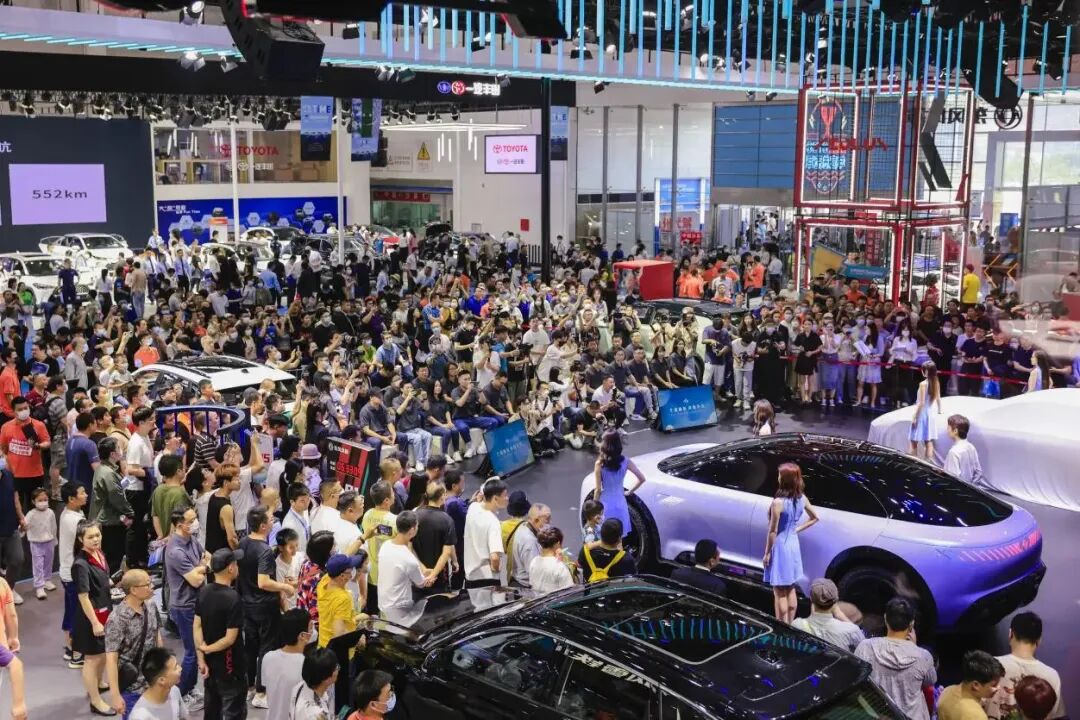
William Li, founder of NIO, recently stated at a forum that lightweighting is the core capability of electric vehicles. Qin Lihong, president of NIO, suggested using taxation and other means to encourage automakers to reduce vehicle weight.
The commercialization of solid-state batteries is still some time away, and battery energy density will not see a significant short-term increase. Reducing battery accumulation and setting reasonable driving ranges are currently important measures for lightweighting NEVs and key aspects of combating industry overcompetition.
Automotive lightweighting is far more than just a weight reduction technique; it is a core fulcrum for the automotive industry to move towards efficiency, greenness, and intelligence. As the global automotive industry accelerates its transition to electrification and intelligence, lightweighting has become one of the key paths to overcome range anxiety, reduce energy consumption costs, and enhance driving performance.
Economic Measures are Essential for Large-Scale Lightweighting
Technological breakthroughs are just the starting point. To achieve large-scale application of lightweighting, economic measures must be relied upon to provide clear guidance for this industrial transformation through market logic and incentive mechanisms.
The market mechanism has inherent spontaneity and lag. The research and development (R&D) investment in lightweighting technologies is substantial and risky, making it difficult for enterprises to form a synergistic effort through independent initiatives alone. Economic levers of policy incentives have become the key driving force for guiding industrial resources towards the lightweighting sector. By implementing precise fiscal and taxation policies, subsidy mechanisms, and standard constraints, a favorable policy environment for lightweighting development can be created.
Fiscal and taxation policies are the most direct guiding tools. Providing tax reductions and exemptions for enterprises engaged in lightweighting material R&D and offering additional deductions for R&D expenses to automakers adopting lightweighting technologies can directly reduce innovation costs and stimulate enthusiasm for R&D investment. Simultaneously, implementing accelerated depreciation policies for fixed assets in lightweighting component manufacturing encourages enterprises to update production equipment, enhance process levels, and accelerate the industrialization process of lightweighting technologies. This precise fiscal support can effectively alleviate enterprise financial pressures, transforming high-risk investments in lightweighting technology R&D into controllable industrial investments.
In addition, financial subsidies are also crucial. Linking subsidies to the vehicle lightweighting coefficient can directly guide enterprises to focus on weight reduction technologies. Providing additional subsidies for models meeting lightweighting coefficient standards and implementing tiered subsidies for models using high-end lightweighting materials such as carbon fiber can encourage enterprises to break through core technologies and promote the widespread application of high-end materials. 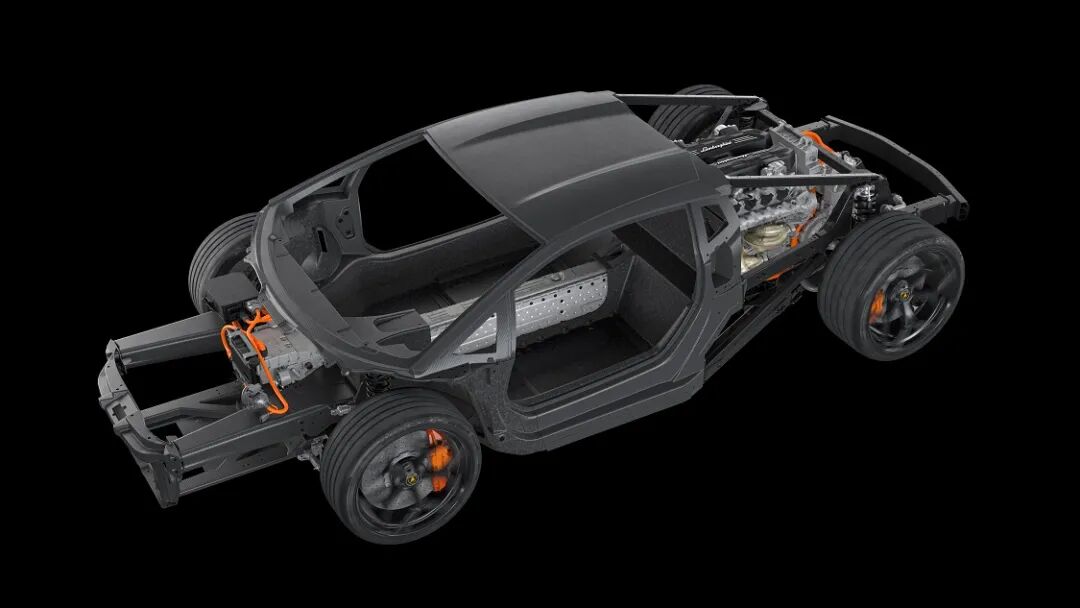
Standard constraints serve as a rigid lever to compel enterprises to advance lightweighting. By establishing stringent vehicle lightweighting standards and incorporating lightweighting indicators into automotive product market access conditions, a compelling mechanism can be formed to encourage enterprises to proactively adopt lightweighting technologies. Simultaneously, establishing a lightweighting technology certification system, providing market access facilitation for compliant products, and setting access thresholds for non-compliant products can guide industrial resources towards compliant enterprises, promoting overall industry advancement in lightweighting. Only by combining the rigid constraints of standards with the incentive guidance of policies can a strong synergistic force for promoting lightweighting be formed.
The popularization of lightweighting in NEVs must rely on the spontaneous adjustment of market mechanisms, transforming technological advantages into market advantages and cost advantages into competitive advantages. Only by activating the market vitality of the entire industry chain and achieving win-win outcomes for all parties through market competition can lightweighting truly integrate into the fabric of industrial development and become an industry consensus and voluntary action.
International Success Stories Offer Valuable Insights
Faced with increasingly stringent global carbon emission regulations and escalating consumer demands, France and Japan, two countries with a deep-rooted automotive industry, have embarked on two distinct yet characteristic paths to breakthrough in lightweighting, leveraging their unique industrial foundations and policy logics. These approaches provide important templates for the global automotive industry's transformation and upgrading. 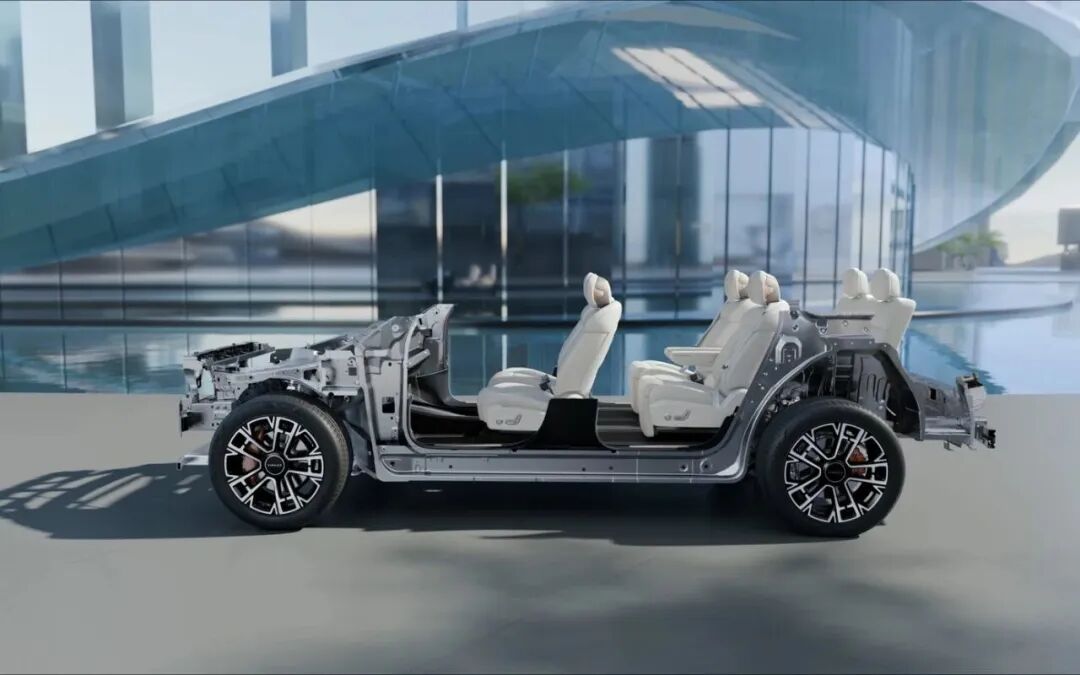
As a staunch advocate of the EU's carbon neutrality goals, France has deeply integrated automotive lightweighting into its national climate strategy, employing a combination of stringent regulations and precise subsidies to compel the industry towards lightweighting and low-carbon transformation.
For traditional fuel vehicles, France has implemented a stringent tiered penalty mechanism for automotive carbon emissions: for every gram per kilometer by which a automaker's average vehicle carbon emissions exceed the standard, a hefty fine of €10,000 per vehicle is imposed. This policy directly places lightweighting at the core of automakers' survival, as a 10% reduction in vehicle weight can lead to a 6%-8% decrease in fuel consumption and a corresponding decline in carbon emissions. Lightweighting has thus become the only path for automakers to avoid penalties and maintain market share.
For NEVs, the French government has introduced a purchase subsidy system centered on lightweighting. Purchasing NEVs weighing less than 1.4 tons can qualify for subsidies of up to €6,000, while overweight models are ineligible for subsidies. On the industrial side, France has established an automotive industry transformation fund, investing over €500 million annually to support projects such as lightweighting material R&D and production line upgrades. 
As a country with limited resources and a small land area, the Japanese government has consistently emphasized automotive lightweighting.
Unlike France's policy-driven approach, Japan leverages its deep-rooted industrial technology accumulation, viewing lightweighting as a core strategy to consolidate its global leadership in the automotive industry. By promoting breakthroughs in energy-saving technologies through lightweighting, Japan aims to overcome resource and environmental constraints through technological innovation, achieving coordinated development between the automotive industry and the ecological environment.
Japan's core competitiveness in lightweighting technologies stems from its relentless exploration of materials and processes. The Japanese government has also enacted stringent regulations to control vehicle size and weight.
To promote the development of electric vehicles, the Japanese government has introduced various preferential measures, including tax reductions and exemptions, as well as subsidies.
According to Japanese media reports, to advance the lightweighting of electric vehicles, the Japanese government has decided to impose an additional "EV (Electric Vehicle) Weight Tax" starting from 2028. From that point onward, EV owners will be required to pay taxes based on their vehicle's weight. The weight tax on electric vehicles will follow a mechanism where the heavier the vehicle, the higher the tax. In addition to electric vehicles, the tax will also apply to plug-in hybrid vehicles. 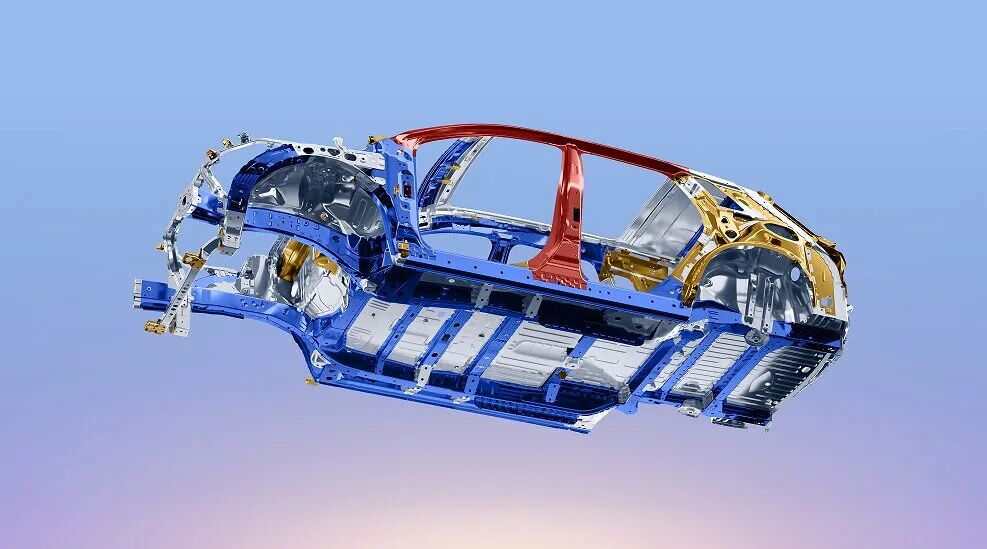
Nihon Keizai Shimbun analyzed that the additional tax burden on electric vehicles is primarily intended to secure financial resources for maintaining and improving road infrastructure. Due to the exemption of electric vehicles from fuel taxes, related tax revenues have decreased, making it difficult to guarantee financial sources. Furthermore, as electric vehicles are heavier than gasoline-powered vehicles, they impose a greater burden on road traffic, necessitating the imposition of a certain proportion of taxes.
The measures taken by the French and Japanese governments to promote automotive lightweighting are worthy of our reference and consideration. (End)
-
![]()
Rebuilding a Pinduoduo in Three Years: Temu Encounters Overseas Regulatory Challenges
-
![]()
Latest Exclusive Interview with Anthropic CEO: Claude's New Features Developed Almost Entirely by AI, Software Heading into a Free Era
-
![]()
Baidu AI: Pioneering Solo in the Entrepreneurial Landscape
-
![]()
Final Verdict: Promoting Lightweighting of New Energy Vehicles in China through Economic Measures
-
![]()
A 2 Billion Yuan Wager on Computing Power Leasing: SiE Consulting's Bold Leap into Cross-Border Transformation
-
Analysis | A 4-month-old Startup Valued at $4 Billion: What's Behind Google and NVIDIA's Simultaneous Investments in 'Self-Learning' AI?
-
Balancing Compliance and AI Innovations: How Long Can Kuaishou Tread the Tightrope?
-
![]()
Anthropic Releases Report Detailing Two Potential Scenarios for Global AI Leadership by 2028