Volkswagen Anhui Achieves Milestone in China with Strategic Market Adaptation!
 05/26 2026
 330
330
Serving as an innovation hub for the Chinese automotive landscape, Volkswagen Anhui has consistently aimed to accumulate diverse experiences, facilitating Volkswagen's strategic alignment within the Chinese market—a commitment that remains unwavering.
Editor | Li Jiaqi
Image Source | Internet
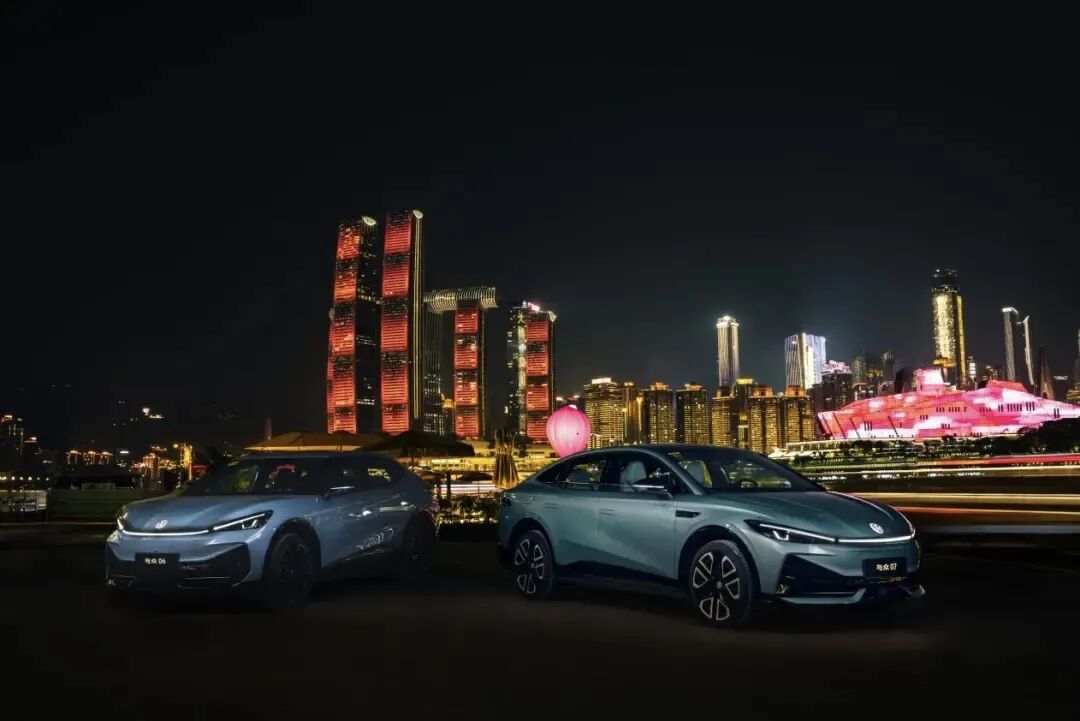
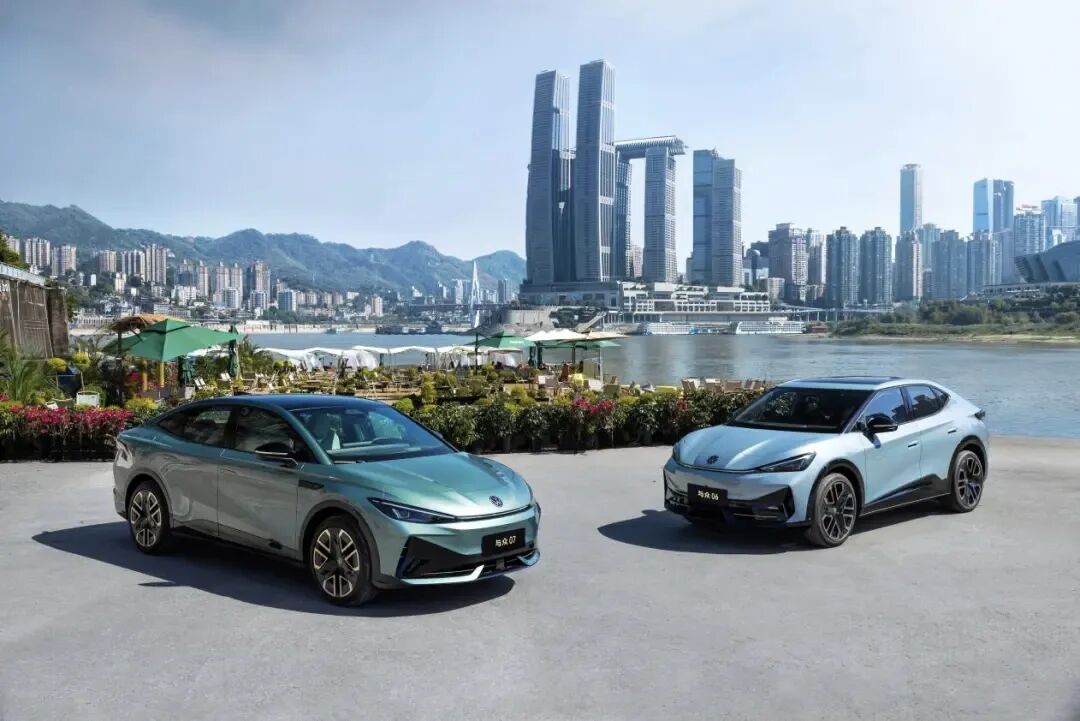
On May 23, Volkswagen Anhui unveiled two groundbreaking models, the ZON 06 and ZON 07, capturing widespread market attention. These models, boasting similar specifications, have shattered the price barriers for joint-venture pure electric vehicles (EVs), prompting speculation that Volkswagen, renowned for its iconic Gold Logo, has shifted away from premium pricing strategies of joint-venture brands, opting instead for a competitive pricing approach. However, I contend that this move represents Volkswagen Anhui's strategic endeavor to tailor its offerings to the Chinese market, marking a crucial step toward unlocking commercial potential.
In April, Volkswagen China, Volkswagen Anhui, and FAW-Volkswagen signed a 'Dealer Strategic Cooperation Memorandum,' officially introducing a 'store-within-a-store' model. This allows FAW-Volkswagen dealers to sell Volkswagen Anhui models. While some external observers perceived this as a sign of Volkswagen Anhui's struggles, suggesting that the apparent resource consolidation was a reluctant surrender, I argue otherwise. Volkswagen Anhui has proactively embraced 'leveraging trends for development,' initiating targeted adaptations for its Chinese market strategy. For a global entity like Volkswagen, Anhui's initiatives are far from futile; they represent a pioneering effort to redefine products in accordance with Chinese market dynamics, as part of Volkswagen's broader development strategy in China. The ability to confront challenges, capitalize on strengths, and unify under the group's resource allocation underscores Volkswagen's high expectations and even loftier ambitions for its Gold Logo brand in China.
For Volkswagen Anhui, it is common for an innovative system to face initial hurdles in a polarized market. Fortunately, leveraging Volkswagen's four decades of experience in China, the Gold Logo brand swiftly recognized that a gradual brand-building approach would lead to stagnation. Especially in a market deeply entrenched in price wars and dwindling industry profits, Volkswagen Anhui had to adopt unconventional strategies, relying on 'surprise maneuvers' to carve out a survival niche.
What exactly constitutes a 'surprise maneuver'?
It entails employing unconventional methods to achieve maximum impact with minimal resources—a tactic visible to competitors yet difficult to replicate. Only through such innovative approaches can Volkswagen Anhui navigate its growth phase and transition smoothly from introduction to mature operations. In this process, breaking free from the inertia of joint-venture thinking, escaping entrenched operational frameworks, and competing with the market on time and cost are imperative. Channel expansion serves merely as a precursor for Volkswagen Anhui; seizing product momentum becomes paramount. After all, the ultimate objective of all strategic shifts is to convert touchpoints, customer traffic, and brand reputation into tangible sales.
In the automotive sector, scaling up rapidly with a single product is challenging; it typically necessitates a comprehensive product lineup and gradual progression. However, since the inception of the Gold Logo brand, while the ZON 08 represents the first strategic vehicle developed through Sino-German collaboration and serves as a flagship and brand-defining model, it cannot be expected to single-handedly drive channel volume for Volkswagen Anhui.
Instead, mainstream models that align with market demand can swiftly boost sales for Volkswagen Anhui and support network expansion. Typically priced between 100,000–150,000 RMB, these vehicles, featuring compact SUVs and mid-size sedans, must offer exceptional cost-effectiveness within their class, devoid of significant product shortcomings. Only such products are suitable for channels, ensuring high store conversion rates and profitable operations. By this criterion, the ZON 07 and ZON 08 emerge as optimal solutions to meet terminal sales volume demands.
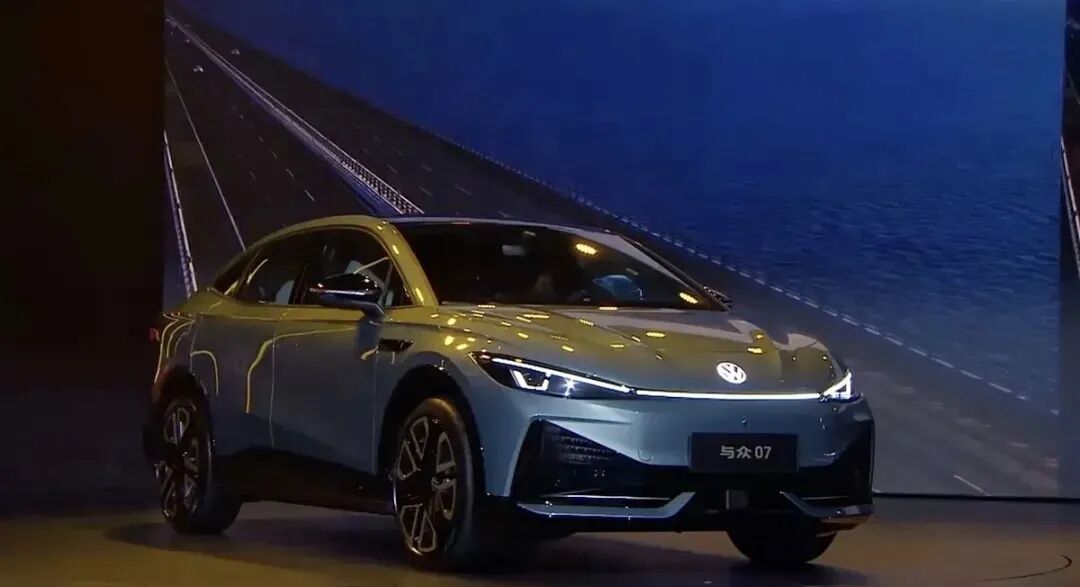
From a product standpoint, the ZON 07, priced starting at 109,900 RMB, falls within China's most volume-driven price segment for family vehicles. It undercuts domestic EVs while offering more features than joint-venture gasoline vehicles, setting a new standard for its price range with features like a triple-layer panoramic sunroof, a unique quad-screen setup, and a 4.7-meter turning radius. Compared to the BYD Qin L, Changan Deepal L07, and XPENG Mona, the ZON 07 offers a lower starting price, spacious interiors, a German-engineered chassis, and standard intelligent driving features. Against the Passat, Accord, and Camry, it matches their price levels while featuring a fully upgraded energy system. Similarly, the ZON 06 adopts this strategy, with a limited-time starting price of 134,900 RMB. Excelling in safety and texture, this compact SUV outperforms domestic pure EVs in its class, offering top-tier functionality at competitive prices, even among joint-venture new energy vehicles in the same segment.
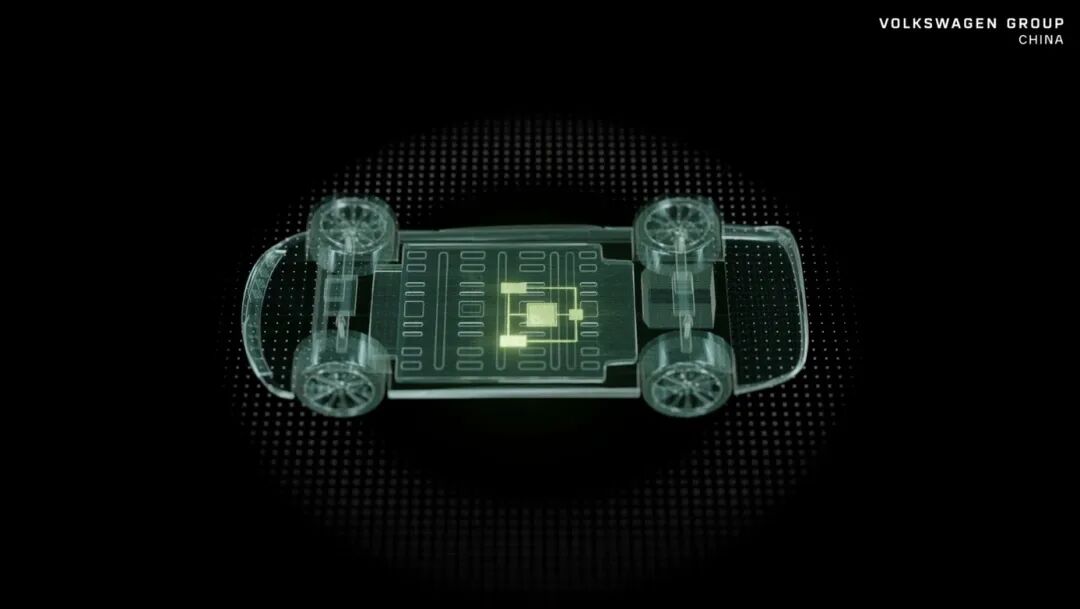
How did Volkswagen Anhui manage to launch the ZON 06 and ZON 07 within a few months? The ZON 06 is not entirely new; its chassis and body structure are based on the MEB platform. The key distinction lies in its electronic and electrical architecture and intelligent driving systems, which have been fully upgraded to the CEA architecture developed by CARIZON, a core supplier under Volkswagen. This architecture, characterized by a high degree of joint-venture self-research, authority, and alignment with China's specific demands, has reduced Volkswagen's hardware and software costs, enabling the competitive pricing of the ZON 06 and ZON 07. When introducing the ZON 07, Volkswagen Anhui CMO Li Pengcheng explicitly stated, 'Volkswagen Anhui aims to redefine the benchmark for 100,000-RMB-class pure electric smart sedans.'

Bosch and Desay SV have conducted similar analyses, revealing that vehicles relying entirely on externally procured electronic and electrical architectures are typically 10%–20% more expensive than those developed in-house by automakers. Li Bin, founder of NIO, has also publicly stated that self-developed architectures reduce NIO's average cost per vehicle by at least 10,000 RMB. From this perspective, Volkswagen Anhui's exploration of intelligence in the mass new energy vehicle market has at least caught up with—or even surpassed—most new entrants and local enterprises.
However, it is crucial to note that the CEA architecture in Volkswagen Anhui's two models now ensures not just availability but also class-leading competitiveness. A Volkswagen Anhui engineer previously shared that without a native architecture, the per-unit cost (including technology licensing and software services) for these two products would increase by at least 15,000–20,000 RMB. Beyond reducing ECUs by 30% and wiring harnesses by 40%, the responsiveness of in-car controls, voice commands, and multi-screen collaboration has also shed the sluggishness of previous generations. 'Not only does OTA flexibility keep the car fresh, but the maturity of intelligent driving also feels more natural,' the engineer added.
Thus, in this process, it becomes evident that the ZON 06 and ZON 07 are built on Volkswagen's integration of China's innovative technologies, combined with Volkswagen's own expertise in cost-effective mass manufacturing.
It is widely recognized that Great Wall, Geely, and BYD reduce costs through vertical integration of technology and components. Nevertheless, their scale, architecture reuse rates, and supply chain tiers still cannot match Volkswagen's. On a per-unit hardware cost basis, Volkswagen can even be 15% lower than some new entrants in China while maintaining high German quality standards. A Volkswagen Group executive once remarked, 'If Volkswagen truly wants to engage in a price war in the Chinese market, almost no company can withstand it.'
From the cost-control logic of the ZON 06 and ZON 07, it is clear that a mature system ensures Volkswagen Anhui can always seize the initiative in competition within the mainstream family vehicle market. From the ZON 06's successful production and manufacturing system to the collaboration between XPENG and Volkswagen on the ZON 08, and now the launch of these two mass new energy vehicles, the Volkswagen system, represented by the Gold Logo, has essentially completed its targeted market adaptation for China.
In the latter half of this year, LiDAR-equipped models with urban NOA (Navigate on Autopilot) will gradually debut, with deliveries expected by year-end. Combining China's intelligent configuration resources, Volkswagen Anhui will continue to introduce products that better meet Chinese market demands. If the current ZON 06 and ZON 07 already offer a 150,000-RMB-class (or higher) quality experience at a 100,000-RMB price point, Volkswagen Anhui will be even more confident in expanding the scalability of high-end intelligent products with high-spec models. With its foundational experience in vehicle manufacturing, Volkswagen Anhui, as an innovation testbed for the Chinese market, aims to gain experience in every aspect and help Volkswagen refine its strategy in China. For this experimental field, translating perception into tangible results is now merely a matter of time.
End
-
![]()
The Dishes of HaiDiLao Are Now Being Served by Autonomous Vehicles! Cold Chain Delivery Costs Plummet by 50%
-
![]()
The Game Changer in Embodied AI: More Important Than Being 'Number One in Evaluation' is Starting to Deliver
-
![]()
Junao Panshi Secures New Financing Round: Investing in Brain-Inspired Intelligence for Cognitive World Models, Propelling Embodied Intelligence into the Next Era
-
![]()
Musk’s Tech Tree Surpasses That of a G7 Nation
-
![]()
XPENG GX: Another Blockbuster Hits the Market
-
![]()
The Trillion-Dollar Arena for Humanoid Robots: Two Trajectories, One Shared Future
-
![]()
Why Is a 'Non-Sexy' Robot Dog Company Worth 13.9 Billion Based on Its IPO from DeepCloud Robotics?
-
![]()
The Whole Story of Great Wall Motors' Foray into Heavy Trucks