The Whole Story of Great Wall Motors' Foray into Heavy Trucks
 05/26 2026
 510
510
Have You Seen Wei Jianjun Drive a Truck?
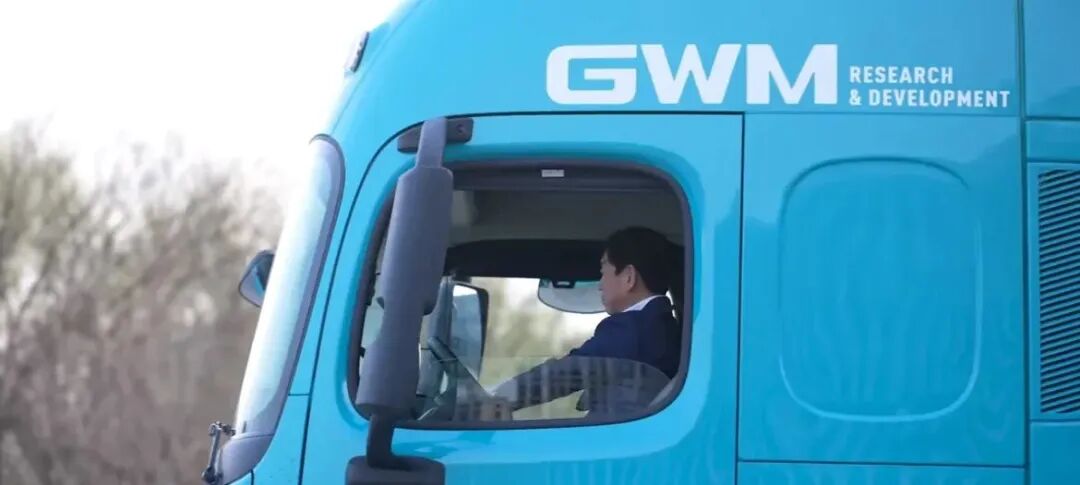
With white gloves and dark sunglasses, who would have thought that 62-year-old Wei Jianjun would pull open the door and hop into a Great Wall heavy truck? Yet, this is the latest impression many Baoding residents have of the leader of this automotive company with hundreds of billions in revenue.
As the "Baoding Car God," Wei holds an A2 driver's license, allowing him to legally drive heavy truck semi-trailers, and also a racing license. With 20 years of racing experience, he moves effortlessly between consumer vehicles, heavy trucks, and race cars. However, driving a heavy truck is clearly not a whimsical experience; building great heavy trucks has been an obsession for Wei since the early days of his entrepreneurial journey.
If you were to ask Wei Jianjun whether building heavy trucks is difficult, the answer would undoubtedly be yes. From the project's inception in 2020 to the launch of the first heavy truck model, Hi4-G, in June of last year, Great Wall has invested nearly six years and billions of yuan into this endeavor. Yet, surprisingly, in the first three months after its launch, Great Wall sold 63 hybrid heavy trucks. Looking at the entire new energy heavy truck market, annual sales of hybrid heavy trucks in 2025 were less than 1,000 units, accounting for less than 0.5% of the new energy heavy truck market.
So, was Great Wall wrong to build heavy trucks? Was Wei Jianjun's judgment mistaken? Focusing solely on short-term numbers provides little justification. Over the past two decades, the slogan of "developing both commercial and passenger vehicles" has been echoed many times in the industry, but few have succeeded. Moreover, most successful paths have involved commercial vehicle companies penetrating the passenger vehicle market, such as Foton with Borgward, JMC with Landwind, and Dongfeng with Fengshen. Conversely, examples like Great Wall, which expands from passenger vehicles into commercial vehicles, using passenger vehicle expertise to tackle the commercial vehicle sector, are virtually nonexistent.
So, why did Wei Jianjun personally drive a truck through the streets? At a time when diesel, natural gas, and pure electric vehicles dominate the heavy truck market, with hybrids struggling to gain a foothold, what drove Great Wall to venture into heavy trucks?
Editor | Li Jiaqi
Image Source | Internet
1 What Drove Wei to Build Heavy Trucks?
Great Wall's foray into heavy trucks was not a spontaneous decision. From the age of 26, when Wei Jianjun took over the near-bankrupt Great Wall Industrial Company, the commercial vehicle dreams of Great Wall Motors have been nearly synchronized with Wei's entrepreneurial history.
Great Wall's first "pot of gold" came from the "Great Wall CC1020" light truck, hand-assembled by Wei and his workers. By 1996, before launching the Deer pickup, Great Wall had already established itself in the commercial vehicle market through light bus and specialty vehicle modifications. After the Deer's debut, relying on its solid mechanical capabilities and flexible customization, Great Wall gradually solidified its position in the pickup market. Within just a year, it began exporting to Iraq, opening up international markets for Great Wall. It can be said that Wei's obsession with commercial vehicles was planted from day one of his entrepreneurial journey.
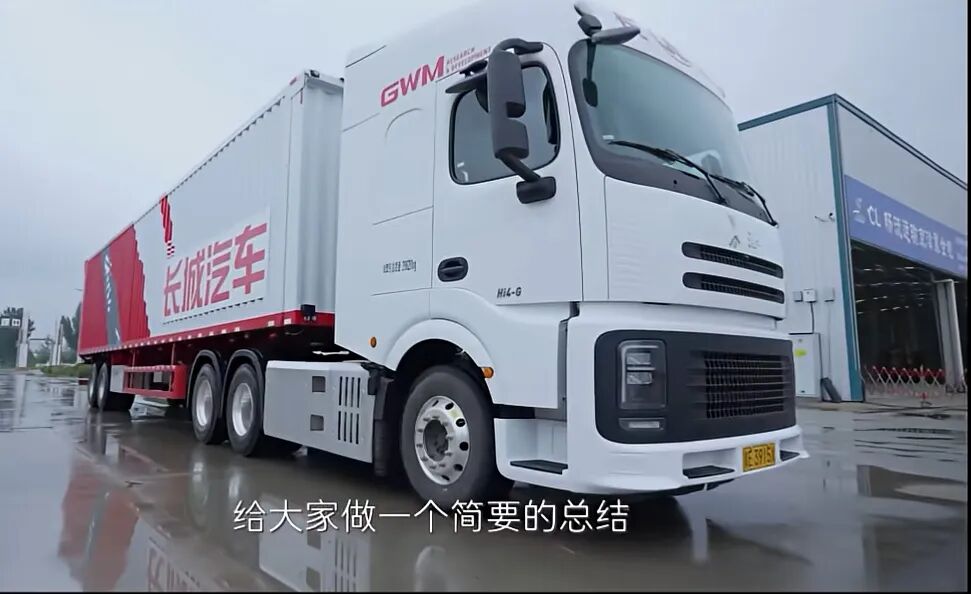
By the mid-2010s, this seed began to sprout rapidly. In 2015, Great Wall Motors invested over 5 billion yuan in the Xushui Proving Ground and Technology Center, which included China's most advanced new energy commercial vehicle simulation testing environment at the time, providing foundational conditions for developing heavy truck-level chassis and powertrain systems. The following year, Wei personally approved the launch of Great Wall's hydrogen energy strategy, establishing the "XEV Project Team" and signing preliminary cooperation agreements with several international parts giants on fuel cell commercial vehicles.
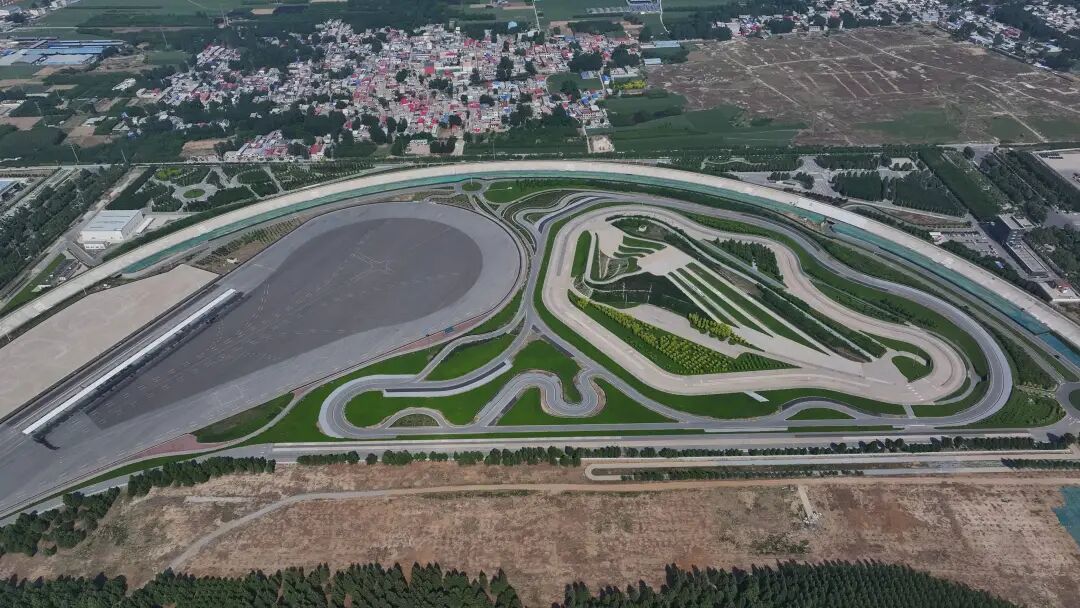
These "forward-looking layout (strategic moves)" later became the origin points for Great Wall's commercial vehicle endeavors.
In 2020, as Great Wall Motors reached its peak, with the Haval H6 dominating the SUV sales charts for years, Wei began contemplating the next battlefield. In an internal speech, he stated, "Commercial vehicles are the ultimate testing ground for Great Wall's technologies. We must do it, and we must do it to the extreme, using the highest standards to validate the reliability of our hybrid, hydrogen, and other core technologies under extreme conditions."
Thus, in May of the following year, Wei appeared in Xingtai, Hebei, to witness the signing of a cooperation agreement between Great Wall Holdings and the local government on a commercial vehicle project, announcing the project's development into a comprehensive base centered on new energy commercial vehicles and supported by key component manufacturing. In October of the same year, Great Wall became the sole shareholder of Changzheng Automobile, acquiring 100% of its state-owned equity for 920 million yuan.
Founded in 1950 and holding production qualifications for N1-N3 class commercial vehicles, Changzheng Automobile had seen its revenue reach only 83.8241 million yuan with a loss of 48.1128 million yuan in the first eight months of 2021. Although no longer at its peak, it possessed a mature production system and commercial vehicle manufacturing qualifications. For Great Wall, this was a legal "shortcut" into the heavy truck market.
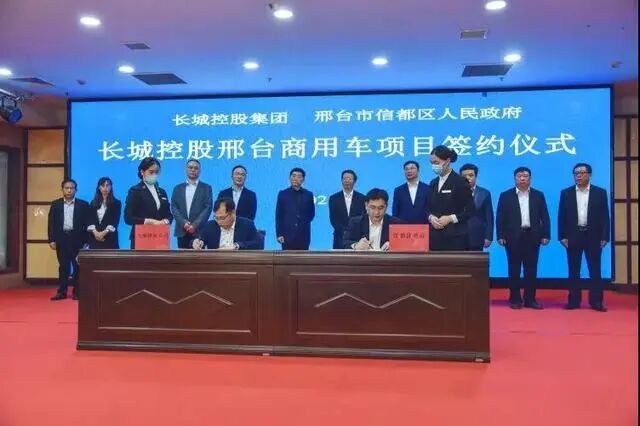
The industry's assessment of this acquisition was "moving in ready-made conditions." Changzheng Automobile had a mature R&D, production, and supporting system, and the local government promised to allocate approximately 160 million yuan before equity transfer to support process construction projects and help repay mature loans. Additionally, with a drive of just over three hours from Baoding to Xingtai, both automakers were based in Hebei, significantly reducing integration costs due to geographical proximity.
However, acquiring Changzheng was a means, not an end. From the beginning, Wei aimed for the new energy heavy truck sector. After the acquisition, Great Wall established a multi-pronged powertrain layout (strategy) encompassing hybrid, pure electric, and hydrogen energy. Among these, the first card played by Great Wall Commercial Vehicles was hybrid, specifically the Hi4-G.
This path choice was no accident. In the passenger vehicle sector, Great Wall's Hi4 hybrid technology system had already matured, with thorough validation across brands like Haval and Tank, from Hi4 to Hi4-T. The Hi4-G was an extension of this technology system into the commercial vehicle domain.
2 Capturing the "Middle Ground" Between Pure Electric and Diesel with Hi4-G!
Yet, technological ambition is one thing, and market harshness is another. In terms of overall sales, China's heavy truck market is expected to reach around 800,000 units in terminal sales in 2025. Diesel heavy trucks remain the absolute mainstay, accounting for approximately 70% of the market.
While new energy heavy trucks have seen rapid growth, with annual sales of 231,100 units, a year-on-year increase of 182%, internal differentiation is extreme. Pure electric heavy trucks account for about 95.8% of the market, fuel cell heavy trucks about 3.7%, and hybrid heavy trucks (including range extenders) sold only 1,165 units annually, accounting for 0.5%. Shortly after its launch, the Hi4-G failed to make significant waves in sales.
Knowing the narrow market for hybrid heavy trucks, why did Wei Jianjun choose this path? From a scenario perspective, short-haul operations within 200 kilometers, such as intra-plant transportation, port logistics, and urban construction waste transport, have already been firmly captured by pure electric heavy trucks due to their low operating costs and road access advantages. For medium-haul routes between 200 and 500 kilometers, pure electric heavy trucks are also beginning to replace diesel trucks in bulk. However, long-haul routes exceeding 500 kilometers represent the true core of the heavy truck market, which remains dominated by diesel trucks.
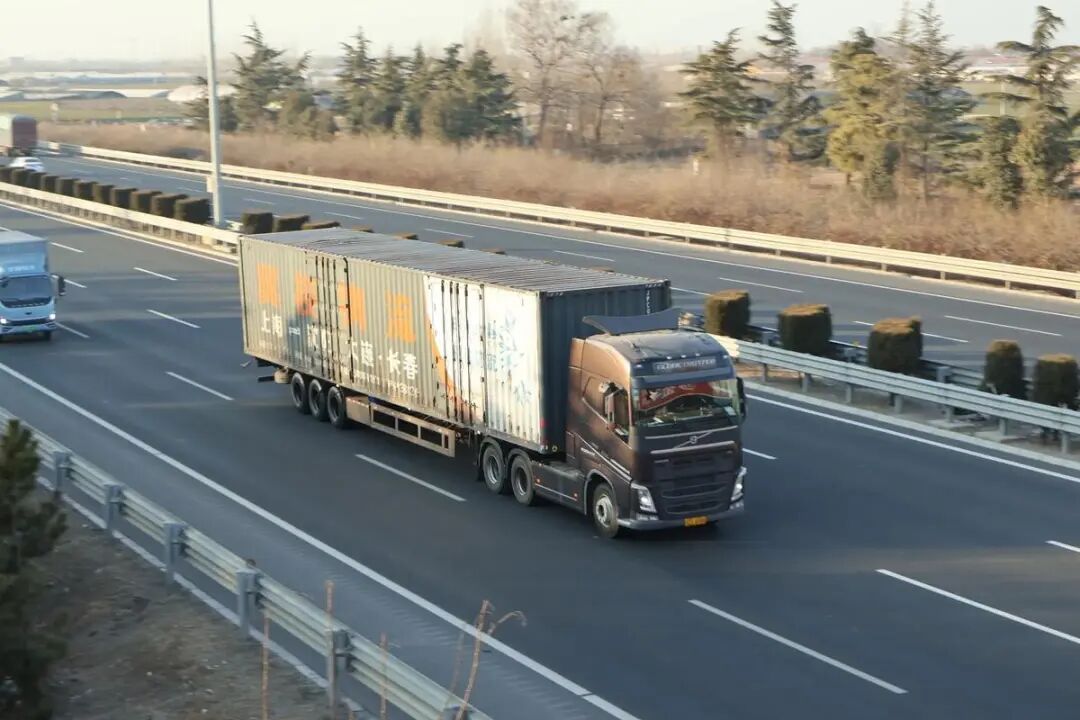
On the other hand, while diesel heavy trucks are mature and reliable, they face increasing pressure from high fuel consumption and tightening emissions regulations. Sun Yu, CTO of Great Wall Commercial Vehicles, once disclosed at a conference that China's logistics transportation empty running rate is as high as 40%, with diesel costs rising 37% compared to a decade ago. Despite daily express delivery volumes reaching 770 million parcels in 2025, automakers, logistics companies, and drivers are all trapped in profitability dilemmas, with oil price fluctuations eroding profits, stagnant freight rates for years, and the transition from China VI to China VII emissions standards adding continuous pressure.
Wei Jianjun saw precisely this "middle ground": pure electric cannot handle long-haul routes, while diesel faces increasingly stringent regulations and high fuel costs. Could hybrid become the third path?
From a technological standpoint, the Hi4-G provides a clear and quantifiable answer. While many may see it as merely extending mature passenger vehicle technology to commercial vehicles, Great Wall has actually developed many cutting-edge technologies around the Hi4-G to improve fuel efficiency and fuel consumption (fuel consumption).
This hybrid system, designed specifically for heavy trucks, combines a Cummins 13L high-efficiency diesel engine with a P2+P2.5 dual-motor architecture, delivering a combined 1,050 horsepower and a peak torque of 4,500 N·m, with transmission efficiency reaching 99.5%. The ample power is complemented by an innovative 8-speed intelligent hybrid transmission for heavy trucks, compared to the typical 5-6 gears in traditional heavy truck transmissions. This not only resolves the conflict between power and energy consumption in heavy trucks but also enables full-scenario mode switching through intelligent algorithms.
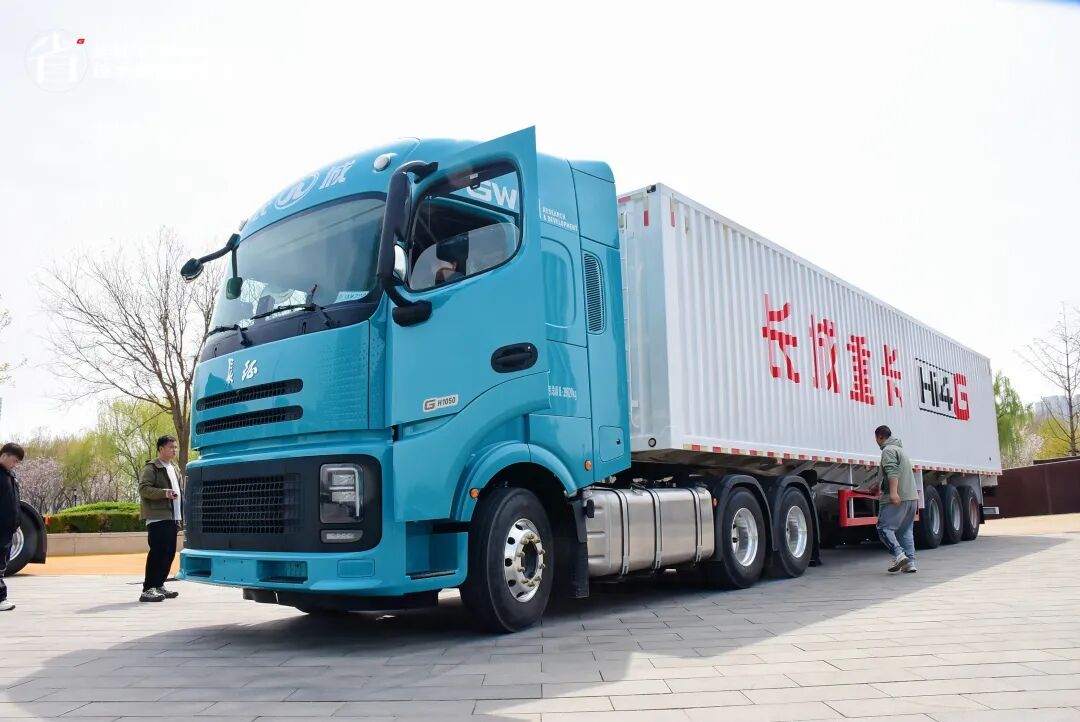
Based on this, a Great Wall heavy truck equipped with the Hi4-G hybrid system achieved a combined fuel consumption of only 29.7L/100km under the CHTC-TT national test cycle, becoming the first heavy truck model in China with a combined fuel consumption below 30L/100km, representing a 17% fuel savings compared to China IV standards. Assuming an average annual mileage of 200,000 kilometers for heavy truck drivers, this equates to recovering the vehicle's purchase cost within three years through fuel savings.
More critically, the Hi4-G offers full-scenario adaptability. For example, in urban congestion or loading/unloading scenarios, the system uses pure electric start with range extender mode, relying entirely on electric motors for low-speed creeping, avoiding the high fuel consumption and clutch wear associated with frequent diesel engine start-stop. On highways, the engine directly drives the vehicle within its most economical RPM range, while the dual motors selectively engage in parallel output based on load conditions, achieving a maximum thermal efficiency of 43%, far exceeding the industry average of 39%-40%.
3 Thinking Five Years Ahead, Planning Three Years Ahead, and Executing Carefully for One to Two Years!
However, this only answers half the question. Even if the product logic for hybrid heavy trucks holds, given the current near-zero market size, one cannot help but ask: What is Wei Jianjun's ultimate goal?
For a long time, commercial and passenger vehicles have followed entirely different cyclical logics. Passenger vehicles are consumer goods with rapid market feedback—a model launched today could become a bestseller tomorrow. However, commercial vehicles are production assets, and the penetration of new powertrains, technologies, or even models typically requires a 3-5 year introduction and adoption period.
For most heavy truck drivers and logistics company owners, a vehicle represents a hundreds of thousands of yuan investment, and with daily mileages exceeding a thousand kilometers, their primary concern is the total cost of ownership over the vehicle's lifecycle, making their decisions heavily dependent on actual operational data and reputation.
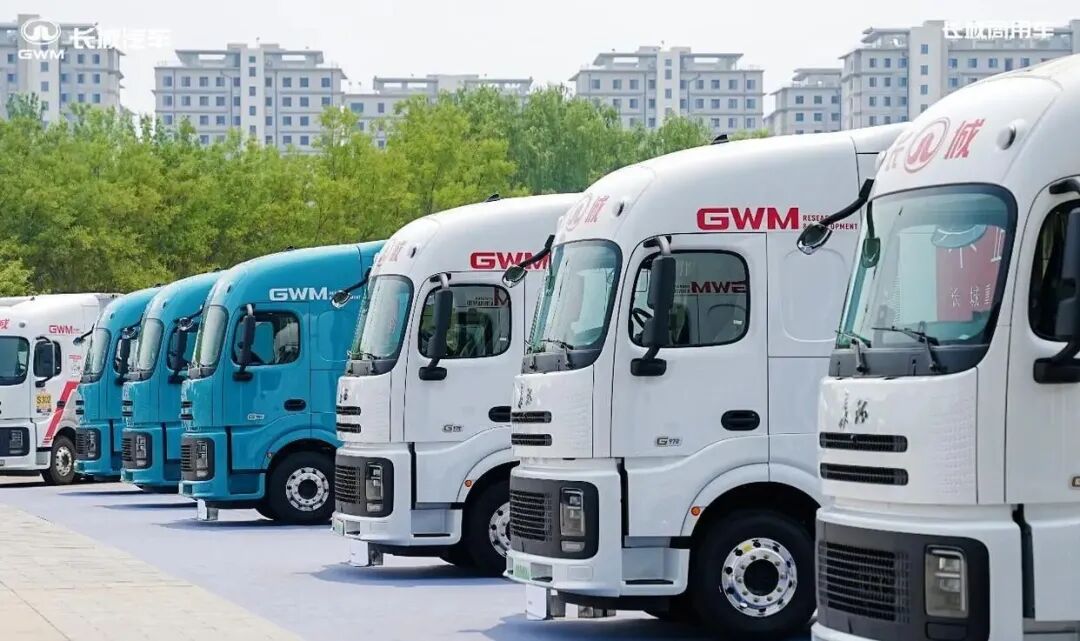
From a data perspective, the path taken by passenger vehicle electrification is now being replicated in heavy trucks. The penetration rate of new energy heavy trucks surpassed 5% in 2023, accelerated to 13.6% in 2024, and reached 29% in 2025. Industry forecasts suggest it could hit 45%-50% by 2027, with hybrid heavy trucks following a similar explosive growth path as hybrid passenger vehicles: first, pure electric models break the ice, followed by hybrid models scaling up. CITIC Securities research predicts that hybrid heavy truck penetration will rise from less than 1% in 2025 to 5% in 2026, potentially reaching 30% market share by 2030.
If this trajectory holds, Wei Jianjun's current investments in heavy trucks will coincide with the market's explosive growth. Throughout this process, Wei has never focused on short-term gains of one or two years but rather on market pattern (landscape) changes over the next three to five years. His personal driving of a heavy truck essentially signals the importance he places on the commercial vehicle business and confirms his technological route (roadmap).
Furthermore, Great Wall's layout (strategy) relates to the completeness of its technological system over the next 1-2 years. As Wei has stated, "Commercial vehicles are the ultimate testing ground for Great Wall's technologies." Commercial vehicles impose stricter demands on powertrains, durability, and energy management than passenger vehicles, making them an effective platform for validating and optimizing core technologies. The hybrid, pure electric, and hydrogen technologies accumulated by Great Wall in the passenger vehicle sector require real-world testing and iteration under high-load, long-distance scenarios like those encountered by heavy trucks.
In this process, the Hi4-G serves as both an independent product and a carrier for technological validation, with the accumulated experience and data feeding back into passenger vehicle R&D.
Especially as 2026 is seen by the industry as a turning point where hybrid heavy trucks transition from "technological reserve" to "scenario explosion." Among the 2026 models densely released by mainstream companies like Sinotruk and FAW Jiefang, new energy models account for over 60%. Wei Jianjun's personal driving of a heavy truck sends a clear signal: Great Wall must lead in this field.
End
-
![]()
The Dishes of HaiDiLao Are Now Being Served by Autonomous Vehicles! Cold Chain Delivery Costs Plummet by 50%
-
![]()
The Game Changer in Embodied AI: More Important Than Being 'Number One in Evaluation' is Starting to Deliver
-
![]()
Junao Panshi Secures New Financing Round: Investing in Brain-Inspired Intelligence for Cognitive World Models, Propelling Embodied Intelligence into the Next Era
-
![]()
Musk’s Tech Tree Surpasses That of a G7 Nation
-
![]()
XPENG GX: Another Blockbuster Hits the Market
-
![]()
The Trillion-Dollar Arena for Humanoid Robots: Two Trajectories, One Shared Future
-
![]()
Why Is a 'Non-Sexy' Robot Dog Company Worth 13.9 Billion Based on Its IPO from DeepCloud Robotics?
-
![]()
The Whole Story of Great Wall Motors' Foray into Heavy Trucks