Q1 Losses Soar to 2.3 Billion, Li Auto Fights Back: Secures Over 10,000 Orders for L9, Aims for 8,000 Monthly Sales
 05/29 2026
 567
567
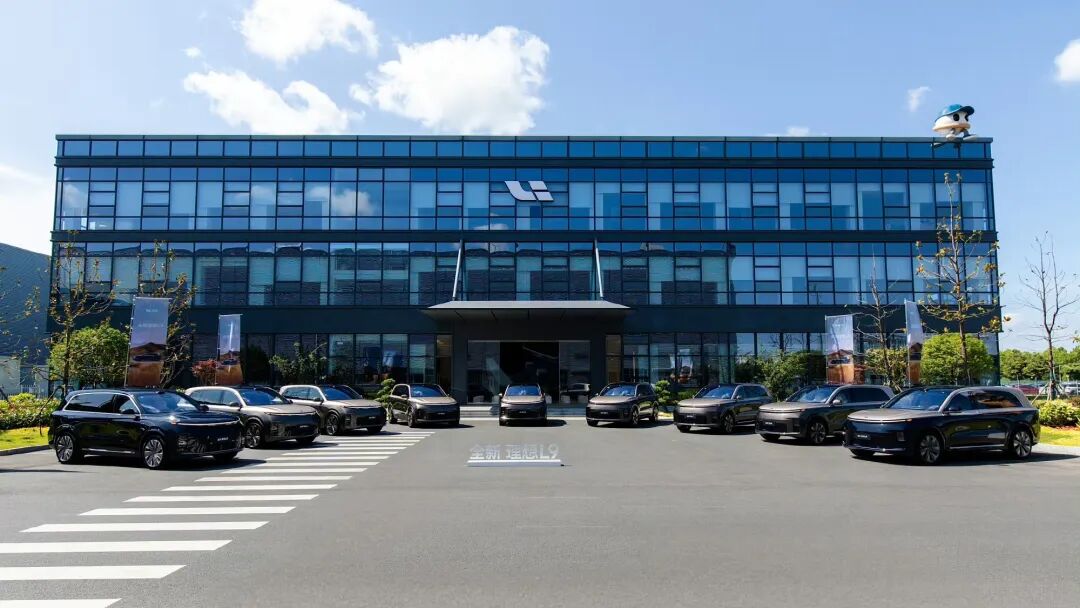
Li Auto, once the most profitable among the new energy vehicle startups, has posted its worst quarterly financial results since achieving profitability.
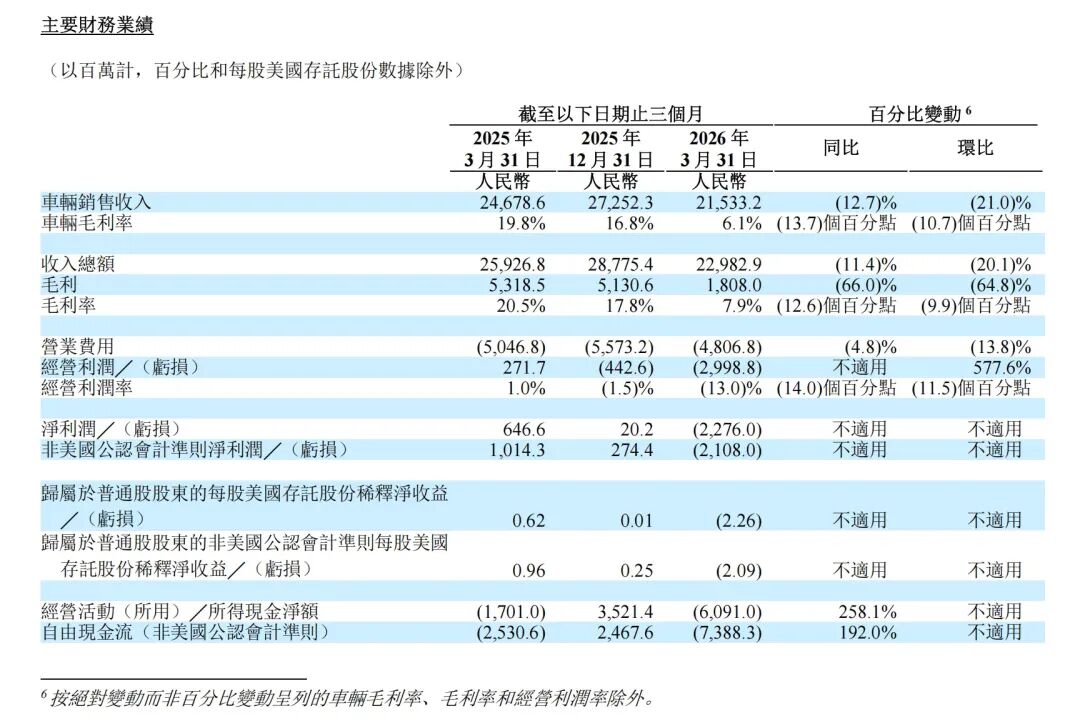
On May 28, Li Auto released its Q1 financial report. The report revealed that in the first quarter, Li Auto's total revenue stood at 23 billion yuan, marking a year-on-year decrease of 11.4% and a quarter-on-quarter decline of 20.1%. In terms of profitability, Li Auto shifted from profit to loss, with a net loss of 2.3 billion yuan. In the same period last year, Li Auto recorded a net profit of 646.6 million yuan, while in the fourth quarter of last year, its net profit narrowed to 20.2 million yuan.
Meanwhile, Li Auto's gross profit margin also experienced a significant drop. In Q1, Li Auto's overall gross profit margin was 7.9%, a year-on-year decrease of 12.6 percentage points; the vehicle gross profit margin was 6.1%, significantly lower than 19.8% in the same period last year and 16.8% in the previous quarter. Li Auto attributed the year-on-year and quarter-on-quarter declines in gross profit margin primarily to variations in the product mix. On the sales front, benefiting from the strong performance of the i6, Li Auto delivered a total of 95,142 units in Q1, a year-on-year increase of 2.5%.
For comparison, Leapmotor's revenue in Q1 this year was 10.82 billion yuan, up 8% year-on-year but down 48.5% quarter-on-quarter; its net loss was 390 million yuan, compared to a net loss of 130 million yuan in the same period last year and a net profit of 360 million yuan in Q4 last year; its gross profit margin decreased from 14.9% in the same period last year to 9.4%. NIO's revenue in Q1 this year was 25.53 billion yuan, a 112.2% year-on-year increase; its net loss was 330 million yuan, a significant improvement compared to a loss of 6.75 billion yuan in the same period last year; excluding stock-based compensation expenses, its adjusted net profit under non-GAAP was 43.5 million yuan, achieving profitability for two consecutive quarters; its gross profit margin was 19.0%.
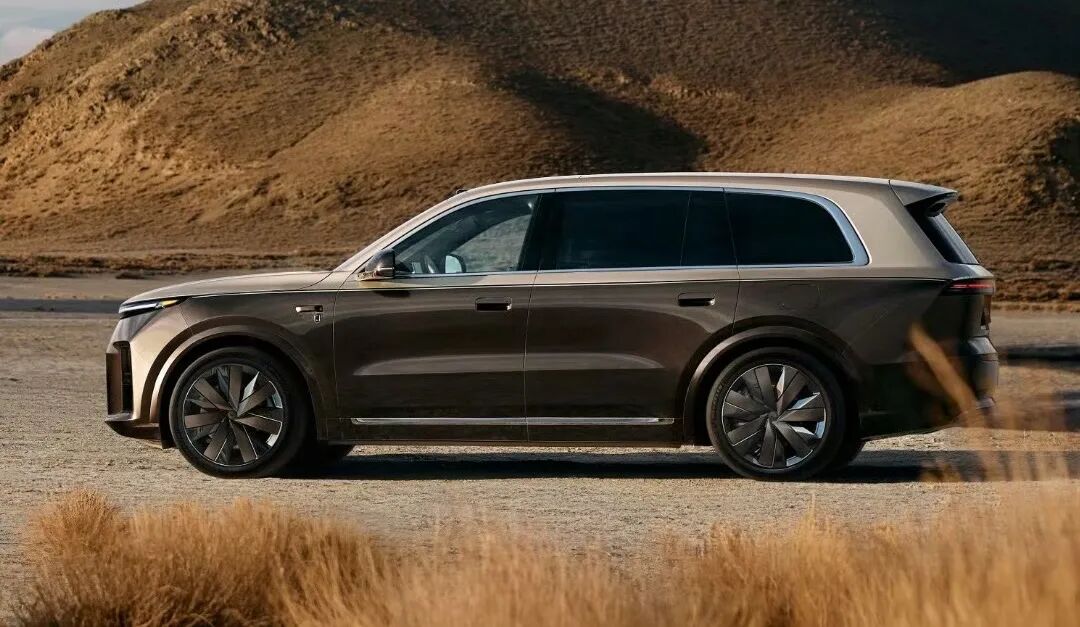
On May 15, Li Auto unveiled its first major new model of the year, the all-new L9. Currently, this model has garnered over 10,000 orders. Ma Donghui, President of Li Auto, revealed that the L9 Livis, the main version, accounts for nearly 90% of the orders, with over 10,000 firm orders; the Ultra version accounts for about 10%. "This fully reflects users' recognition of the model and the value of high-end technology, as well as their willingness to pay for premium configurations. It also signifies Li Auto's extended-range products officially establishing a foothold in the high-end market above 500,000 yuan and achieving a breakthrough in brand upgrading," Ma Donghui stated.
Li Xiang, Chairman of Li Auto, stated that the core goal of the L9 Livis flagship SUV has been initially realized, predicting that the L9 Livis can maintain a market share of over 20% in the new energy SUV market above 500,000 yuan. Starting from June, Li Auto will prioritize promoting the L9 Ultra version to further optimize the order structure. Li Xiang proposed that the goal for the L9 Ultra is to strive for a 20% market share in the 400,000-500,000 yuan new energy market.
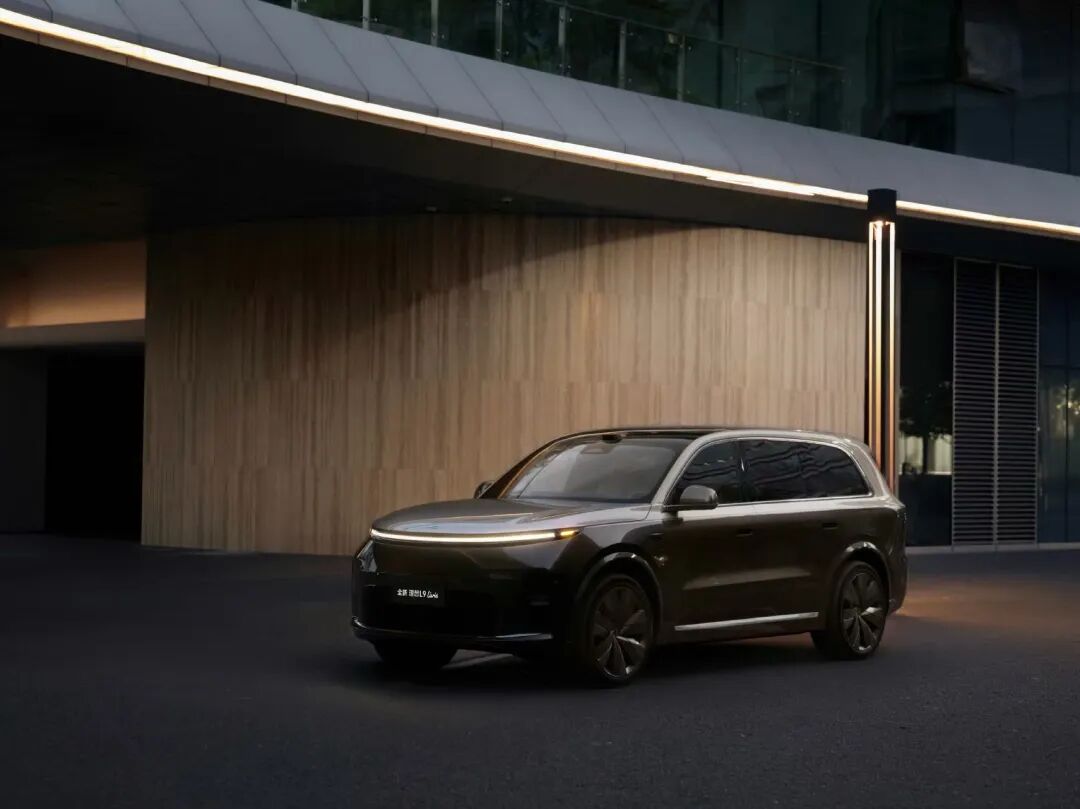
Regarding production capacity, Ma Donghui stated that the all-new L9 is produced at the Changzhou production base, with May and June being the production ramp-up period, with a monthly capacity of about 4,000-5,000 units. Previously, the supply of dual-color body panels and exclusive innovative components for the L9 Livis faced production bottlenecks. Ma Donghui revealed that they have now collaborated with core suppliers to implement a supply guarantee plan. As for the L9 Ultra version, which will be heavily promoted, there is currently sufficient production capacity reserve, allowing flexible adjustment of production scheduling based on market orders.
Ma Donghui predicted that due to the impact of production ramp-up in the early stages of the launch, the delivery volume of the all-new L9 in Q2 is expected to be around 8,000 units. "After the production capacity fully ramps up in Q3, we are confident that the steady-state monthly sales of the all-new L9 will steadily surpass the average monthly level of the old L9," Ma Donghui said. Referring to the sales during the peak period of the L9 (2023-2024), the average monthly sales were between 7,000 and 10,000 units. To surpass the average monthly level of the L9, the target monthly sales for the L9 would be over 10,000 units. In April, the only model in the large SUV market with monthly sales exceeding 10,000 units was the NIO ES8.
At the same time, Li Auto's comprehensive product matrix continues to evolve and fill gaps. The all-new L8 will be officially launched and delivered at the end of June, which Li Xiang refers to as the "five-seater version of the L9." The L8 features an extended body and wheelbase, equipped with the same 1.5T extended-range system and a 72.7-degree 5C high-capacity battery, offering a rich variety of personalized options such as dual-color body panels and electric steps. Ma Donghui stated that the L8 will complement the six-seater L9, solidifying the advantage in the high-end flagship market. Subsequently, Li Auto will also launch a revised six-seater L7 to further refine the market segmentation layout.
With the launch and delivery of the all-new L9, Li Tie, CFO of Li Auto, expects the gross profit margin to recover to around 10% in Q2. Looking ahead to the full year of 2026, Li Tie stated that with the completion of the model replacement cycle and optimization of the product line, the gross profit margin is expected to continue to improve.
On the sales front, Li Auto officially launched the store partner program in February this year. "Since the implementation of the store partner program, by fully delegating operational decision-making power and profit-sharing rights, the subjective initiative and operational vitality of the frontline teams have been unleashed," Ma Donghui said, adding that the program has brought about many positive changes.
According to him, although Q1 is traditionally a slow season for the automotive industry and the partner program is still in its initial stages of implementation, nationwide, the monthly order targets for stores have been exceeded, and the clearance of the old L series has been successfully completed, also improving user service satisfaction. Ma Donghui stated that with the continuous accumulation of store managers' operational and management experience, combined with the company's empowerment training system, the capability for refined operations of stores nationwide will continue to enhance.
"Going overseas" is also a key focus for Li Auto this year. In terms of overseas strategy, Li Auto adopts a phased expansion approach. Regarding channel and service setup, Ma Donghui stated that they will flexibly choose to establish subsidiaries to develop dealers or sign exclusive general agents based on the local market size and competitive landscape, or rely on local leading partners to quickly build a comprehensive service system integrating sales, delivery, and after-sales.
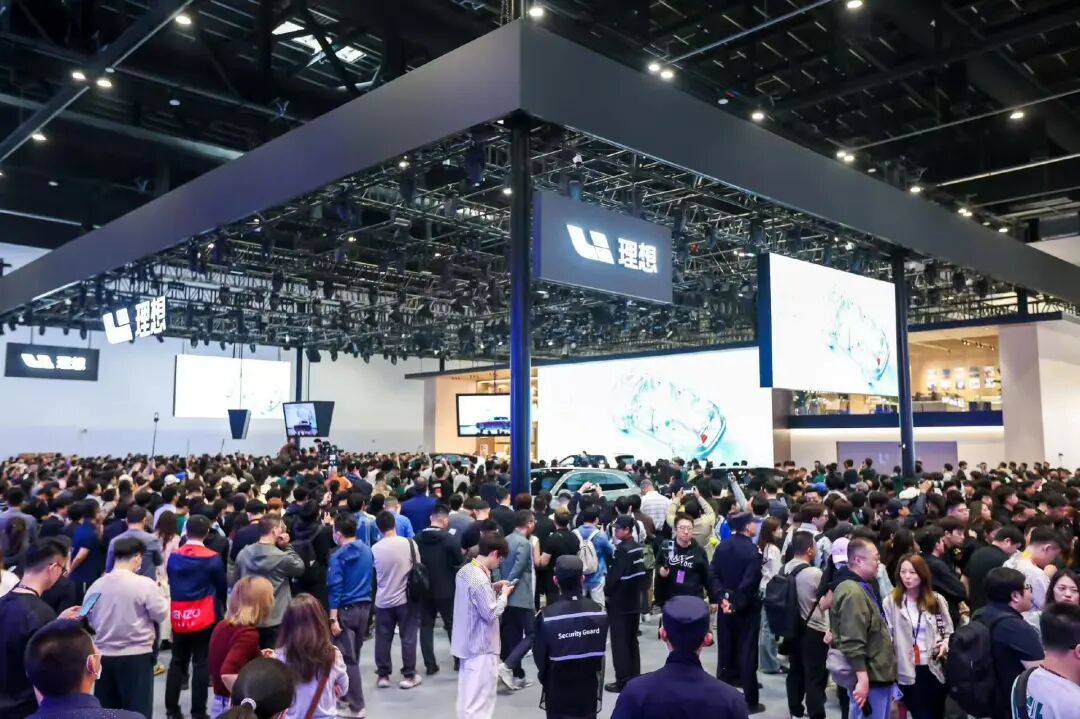
In terms of overseas expansion pace, in May, Li Auto will successively enter Macau, Cambodia, Laos, and Myanmar, continuously deepening its presence in the Southeast Asian market; in Q3, it will officially enter the Middle Eastern and Central Asian markets. At the product level, Ma Donghui emphasized that Li Auto will adhere to precise regional adaptation. For all subsequent new models, overseas regulatory adaptation will be completed synchronously during the research and development phase to better support Li Auto's internationalization strategy. For example, the first overseas-exclusive all-new L9 version will be launched in the Middle East, optimized in terms of software and hardware such as charging performance and cabin air conditioning thermal management based on local usage scenarios.
When discussing his thoughts on the future of the automotive industry, Li Xiang proposed that the competition for mid-to-high-end smart cars in the next 35 years will essentially be a competition of embodied intelligence, and the highest technological barrier in the entire industry will determine the core of a company's long-term competitiveness.
At this point, Li Xiang also shared his experience of having talent poached in the past. "In the past, our technology and information were fluid. When everyone was using NVIDIA chips, although we made many innovations, others could achieve similar levels by poaching our people," Li Xiang said.
Subsequently, he shifted gears, emphasizing that with the development of more powerful self-research computing chips, adopting completely different model deployment methods and model scales, and through vertical integration of software and hardware, this competitive approach of poaching talent will become completely ineffective. "Going forward, we will also turn our systematic capabilities into core barriers. Our capabilities and outputs will no longer be easily taken away by others," Li Xiang said.
-
![]()
The Agent hasn't arrived yet, but Ascend has already paved the way from hardware to software.
-
![]()
In 71 years, He sold products to 100 million people
-
![]()
First-hand Practical Test! Opus 4.8 Vs ChatGPT 5.5 Vs Kimi 2.6: Which is the Most Usable?
-
![]()
Fourfold Uncertainty Challenges Facing China's Agent Industry - Interpretation of the 'Report' (Part Six)
-
Crazy Anthropic
-
![]()
CNPC’s Kunlun Model Advances with 152 Implemented Scenarios, Showcasing Proactive AI
-
![]()
Revenue Increases, But Profits Don't: Pinduoduo's Anxiety Amidst Billion-Dollar Brand Building
-
![]()
Half Flock In, Half Flee Out: The Dual Dynamics of Singapore as an AI Hub