Farewell to the Era of Universal Growth: The Ticket to Growth Lies with TA!
 05/29 2026
 524
524
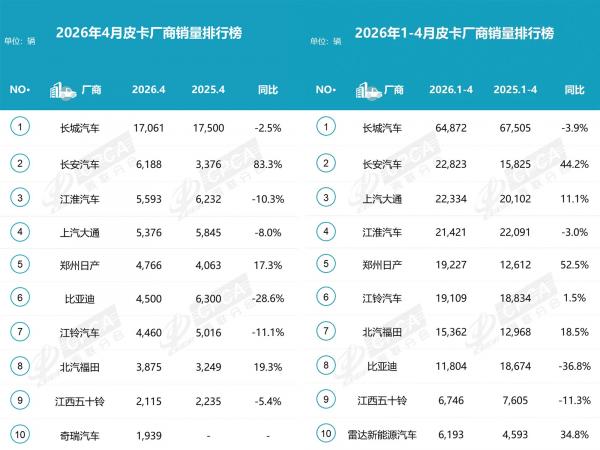
When pickups are no longer just the 'rough and tough' vehicles for construction sites, they can also become the 'mobile power sources' for outdoor enthusiasts and the 'all-round partners' for families. The competition in the pickup market has already shifted tracks. Data shows that in April 2026, 59,000 pickups were sold, up 4.2% year-on-year, with 220,000 units sold from January to April, a 6.7% increase. These figures reveal the persistence of traditional giants, the breakthroughs of new forces, and the emergence of several 'dark horses,' while also raising a question: After bidding farewell to the era of universal growth, what is the new ticket to growth?
From an overall perspective, the pickup market has bid farewell to the era of universal growth and entered a phase of structural growth where 'some rejoice while others lament.' The core market for traditional fuel-powered pickups remains stable, but user demands are quietly shifting: previously, the focus was solely on 'cargo capacity and durability,' but now, there is greater concern for drivability, intelligence, and the ability to balance home and commercial use. These changes are compelling automakers to adjust their strategies, leading to increasing market differentiation.

A closer look at brand data reveals that Great Wall Motors, as the industry leader, continues to dominate with an absolute advantage: it secured the top spot in April with 17,061 units sold and a cumulative total of 64,872 units from January to April. However, the slight year-on-year decline reflects higher market expectations for passenger vehicle trends and new energy pickups. Despite the slowdown in growth, its long-established user reputation and nationwide distribution network still make it the 'ballast stone' of the market.
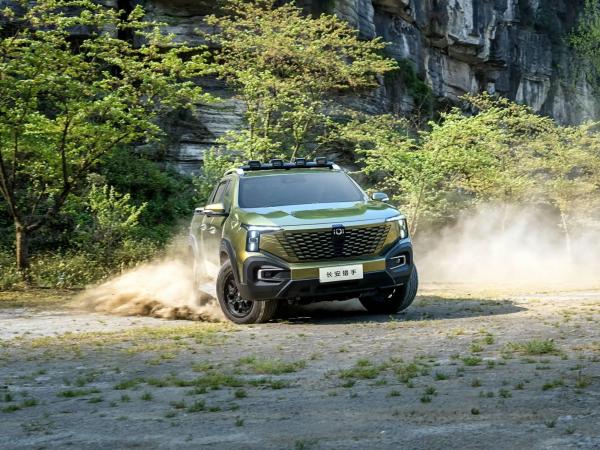
Changan Automobile, following closely behind, achieved a cumulative sales volume of 22,823 units from January to April, a significant 44.2% year-on-year increase, propelling it to second place. Its success stems from aligning with changing user demands. Changan pickups no longer emphasize solely their 'utility attributes' but instead focus on delivering a passenger vehicle experience. More comfortable cabins and smarter infotainment systems allow pickups to not only haul cargo but also take families on camping trips and adventures. This 'commercial, home, and leisure' all-in-one positioning precisely captures the dual benefits of upgrading commercial users and tapping into the sink (lower-tier) passenger vehicle market, as evidenced by its 83.3% year-on-year growth in April.
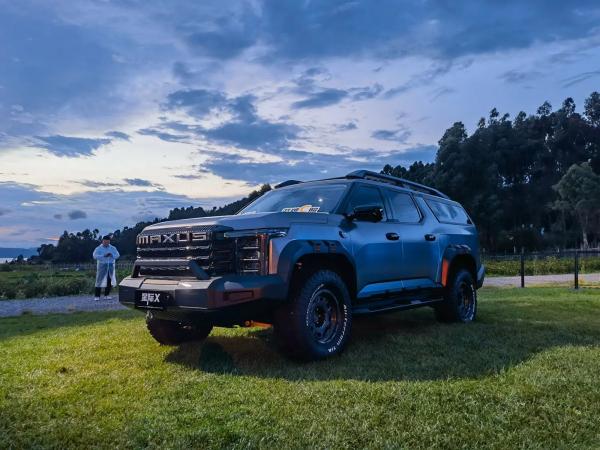
SAIC MAXUS secured third place with a cumulative sales volume of 22,334 units from January to April, an 11.1% year-on-year increase, making it one of the few traditional automakers in the leading group to achieve positive growth. Its growth strategy lies in two key areas: 'passenger vehicle trends + customization.' On one hand, its T-series pickups, with their strong cargo capacity powered by diesel engines and passenger vehicle-grade NVH performance, have stabilized their core user base in engineering and logistics. On the other hand, off-road customization options and camping modification kits precisely meet the personalized needs of outdoor enthusiasts, transforming pickups from 'utility vehicles' into 'lifestyle carriers.' This is the foundation of its steady growth in a mature market.

JAC Motors maintained its fourth-place position with a cumulative sales volume of 21,421 units from January to April, experiencing only a slight 3.0% year-on-year decline amid intensifying industry competition. As a brand with deep roots in the pickup market, JAC's core strength lies in its 'strong ties with commercial users.' Its T-series models, known for their fuel efficiency, high reliability, and affordable pricing, have become the preferred utility vehicles for many self-employed businesses and county-level users. Additionally, JAC's technological expertise in diesel engines and chassis tuning ensures stable performance in heavy-duty scenarios, with maintenance costs that align with the needs of users in lower-tier markets.
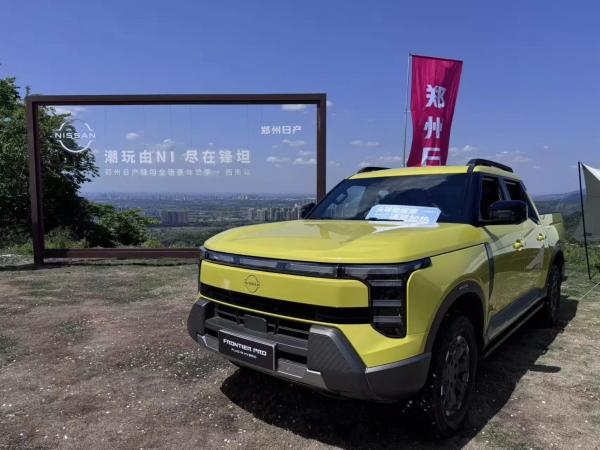
Zhengzhou Nissan, the 'growth champion' on the list, surged with a 52.5% increase, leaping from seventh to fifth place, showcasing its robust 'old-school strength.' Leveraging its 'Stellar Core' global multi-terrain platform, it has achieved simultaneous development of fuel, pure electric, and hybrid models, retaining traditional utility vehicle users while capturing high-end users through new energy products. Meanwhile, its scenario-based modification services and trade-in policies precisely meet the 95% replacement and upgrade demands of pickup users, driving sales growth against the trend.

RADAR New Energy, one of the few new energy pickup brands on the list, represents another market possibility. Its lower operating costs and smoother driving experience have attracted cost-conscious enterprise users and young consumers seeking novel experiences. While its current market share is small, its 34.8% growth rate already demonstrates the market potential of new energy pickups.
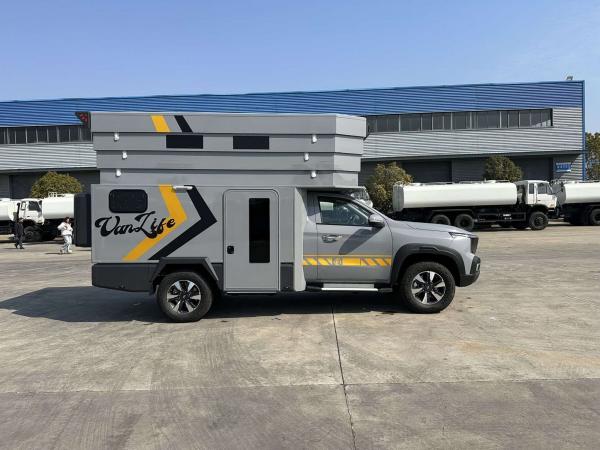
Commercial Vehicle Community believes that in the coming pickup market, passenger vehicle trends and new energy will become key variables. On one hand, users no longer focus solely on 'cargo capacity'; comfort, intelligence, and aesthetics are increasingly important, with products that balance commercial and home use becoming more popular. On the other hand, policy support and rising user acceptance will encourage more brands to enter the new energy pickup segment, offering opportunities for some brands to achieve a competitive edge. Additionally, customized products tailored to niche scenarios such as outdoor camping, modifications, and professional operations will become new growth drivers.
Epilogue
It is clear that the pickup market has bid farewell to the 'quantity-driven' era and entered a 'precision-driven' phase: in the mature market, success hinges on 'who understands users better.' Leading brands must continue to consolidate their core positions, while newcomers should seize niche demands and technological trends. In short, the pickup market will no longer be a 'race of volume'; instead, the ticket to growth will go to those who can best meet genuine user needs.
-
![]()
The Agent hasn't arrived yet, but Ascend has already paved the way from hardware to software.
-
![]()
In 71 years, He sold products to 100 million people
-
![]()
First-hand Practical Test! Opus 4.8 Vs ChatGPT 5.5 Vs Kimi 2.6: Which is the Most Usable?
-
![]()
Fourfold Uncertainty Challenges Facing China's Agent Industry - Interpretation of the 'Report' (Part Six)
-
Crazy Anthropic
-
![]()
CNPC’s Kunlun Model Advances with 152 Implemented Scenarios, Showcasing Proactive AI
-
![]()
Revenue Increases, But Profits Don't: Pinduoduo's Anxiety Amidst Billion-Dollar Brand Building
-
![]()
Half Flock In, Half Flee Out: The Dual Dynamics of Singapore as an AI Hub