More Affordable Than Wuling: Huawei's Intelligent Driving Solution Set to Break Price Barriers
 06/10 2026
 355
355
At RMB 149,800, this is far from the floor price for Huawei's intelligent driving technology.
It is estimated that Wuling will maintain its position as the most affordable provider of Huawei's intelligent driving technology in the RMB 100,000-200,000 price range for at most around three months. In early May 2026, SAIC-GM-Wuling's Baojun brand launched the first model in its Huajing series with a starting guide price of RMB 159,800 and a limited-time starting price of RMB 149,800. Equipped with semi-full Huawei technology, this model features in-cabin LiDAR, ADS 5 Pro, HarmonyOS Cockpit 5, Huawei Vehicle Cloud, and Huawei communication.
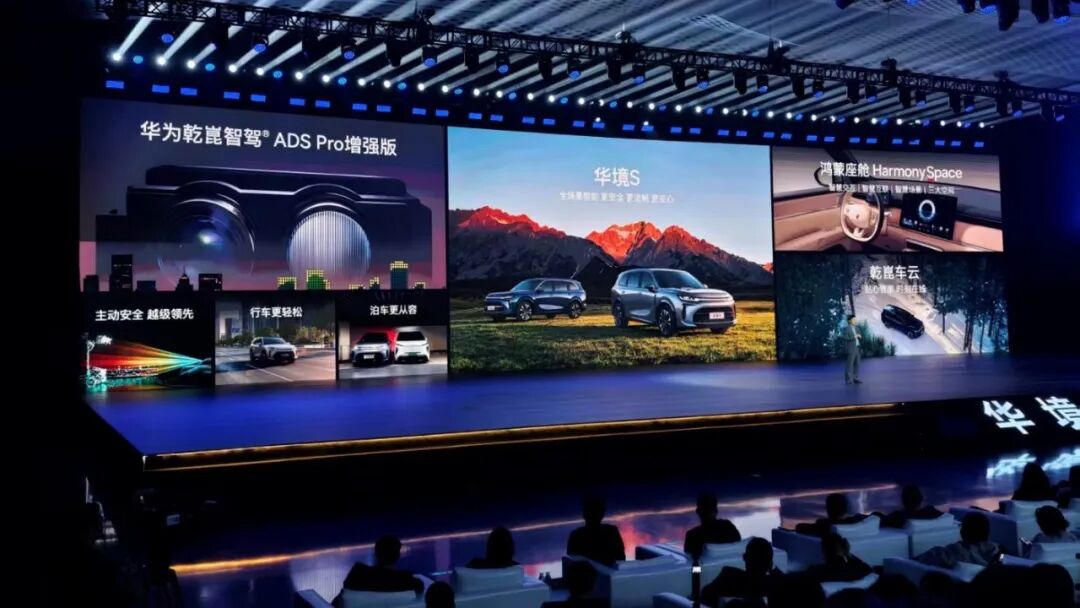
Given its price point under RMB 200,000, it is normal for this model to lack certain features compared to full-spec models like Harmony Intelligent Mobility and VOYAH, such as 896-line LiDAR, 192-line LiDAR, and the XMC chassis system.
However, the goal of making technology accessible to all has not yet been achieved. According to Baojun's current data, the versions priced at RMB 165,800 and RMB 175,800 account for 70% of orders, while the low-spec version accounts for about 15%. In other words, it primarily attracts consumers who previously owned joint-venture brand vehicles seeking affordable alternatives, and the market gap has not yet been fully opened. However, this situation is likely to change in the coming months.
Under RMB 130,000? Is Huawei Cheaper Than XPENG?
Which automotive group currently collaborates most deeply with Huawei? The answer is Dongfeng.
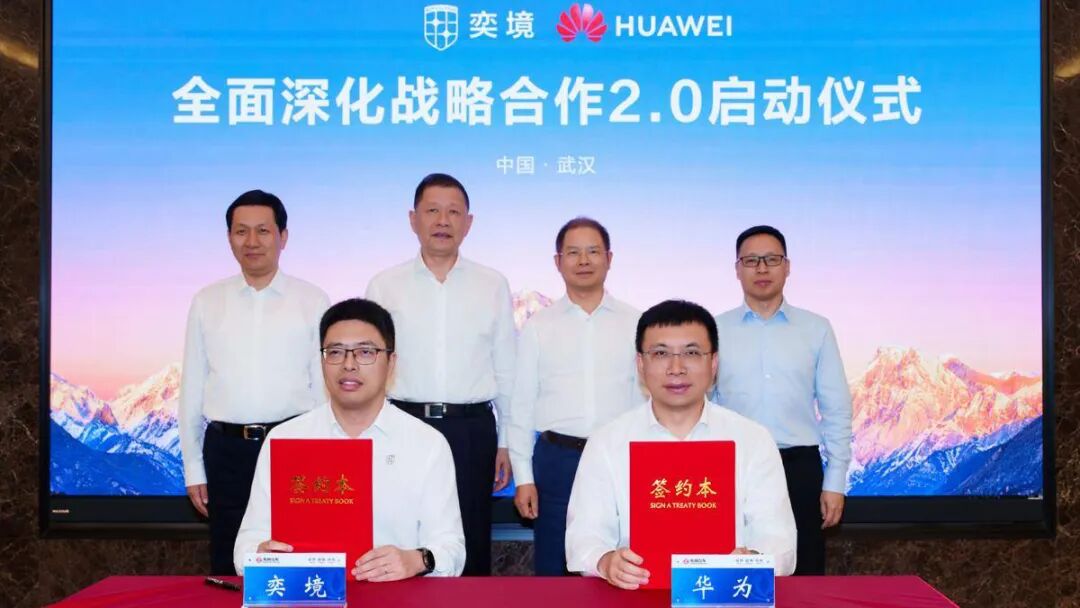
With brands like VOYAH, Yijing, E-π, Mengshi, and Fengxing, along with its stake in Seres, Dongfeng Group holds six key assets. This has led to the popular saying that "the best Huawei intelligent driving technology is found in Dongfeng vehicles."
In the market segment above RMB 200,000, which is already a highly competitive area for Huawei's intelligent driving technology, models like the VOYAH Dreamer, Taishan X8, Yijing X9, and E-π M8 have still managed to find their niches. The market segment under RMB 200,000, while not a blue ocean for the entire automotive market, is certainly one for Huawei's Qiankun Intelligent Driving Solution.
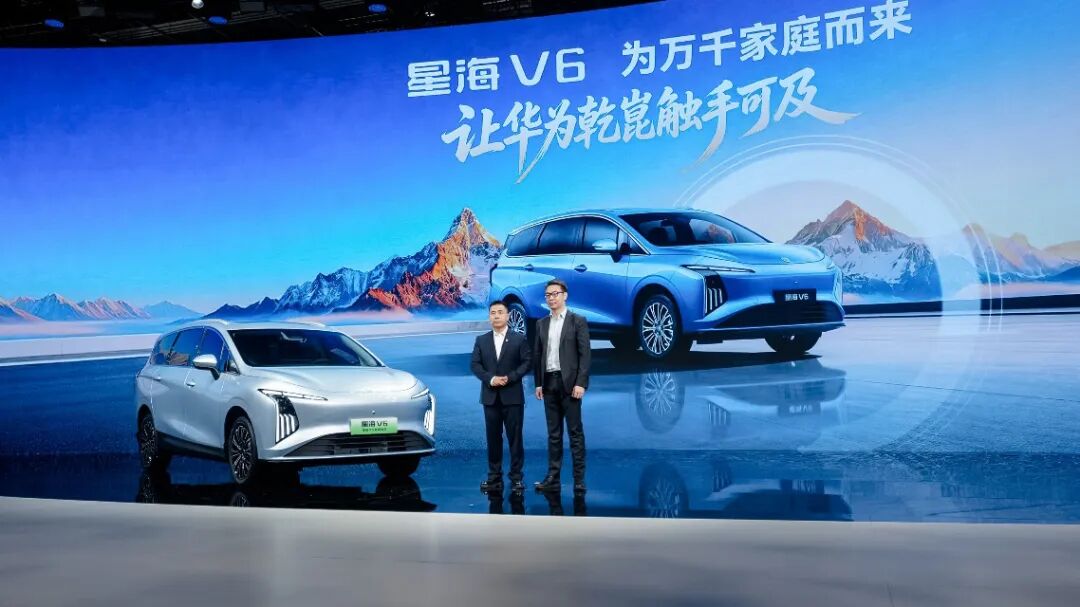
The latest contender is Dongfeng Fengxing's Xinghai series. Like SAIC-GM-Wuling, Fengxing, based in Liuzhou, aims to establish itself as a new benchmark for Huawei-powered vehicles under RMB 150,000.
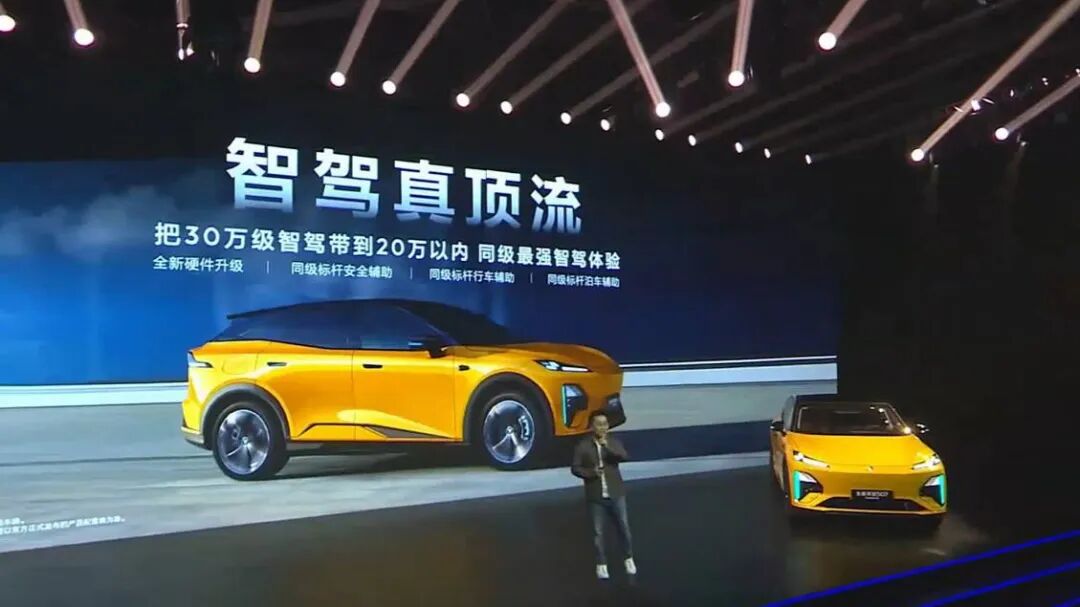
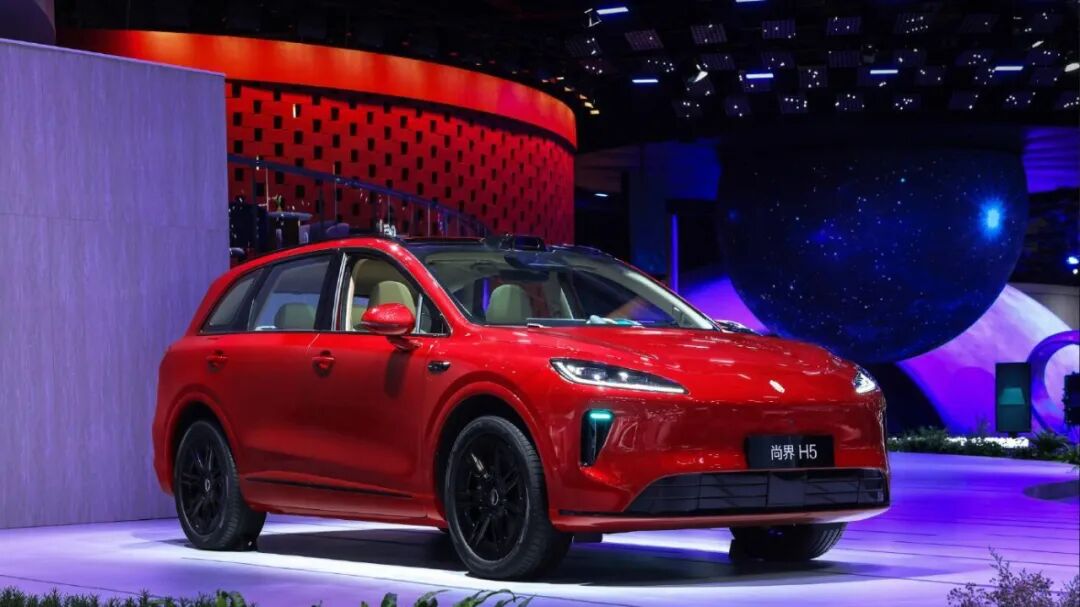
Currently, there are few mainstream products in this price range under RMB 200,000 that feature Huawei's latest technology and support both highway and urban piloted driving. These include the Shenlan S07, Baojun Huajing S, and Shangjie H5, with price ranges as follows: Shenlan S07 (limited-time RMB 159,900-169,900), Huajing S (limited-time RMB 149,800-193,800), and Shangjie H5 (RMB 179,800-199,800).
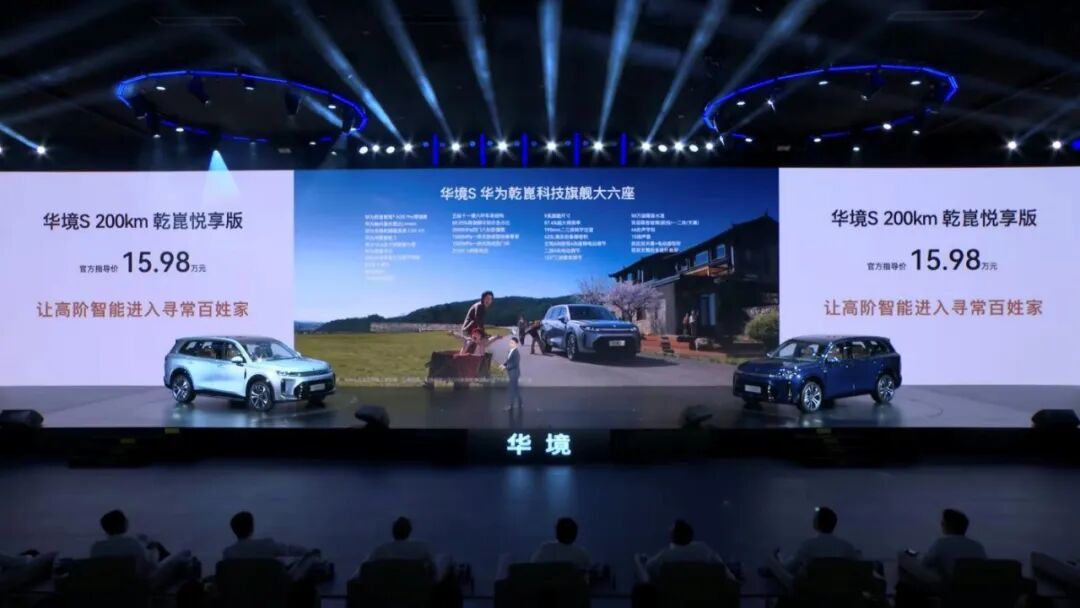
The final base car (bare car, meaning without additional fees) prices for the Shenlan S07 and Huajing S require an additional RMB 6,000 for limited-time software activation, bringing the total to RMB 155,000-200,000. The Shangjie H5, equipped with the ADS MAX version featuring 192-line LiDAR, requires an activation fee of RMB 12,000, bringing the price to the RMB 190,000-210,000 range.
According to data from the China Passenger Car Association and the China Auto Dealers Association, in 2025, vehicles priced under RMB 150,000 will account for over 50% of sales. Clearly, there is significant potential for the widespread adoption of AI-powered intelligent driving assistance in China's largest consumer market.
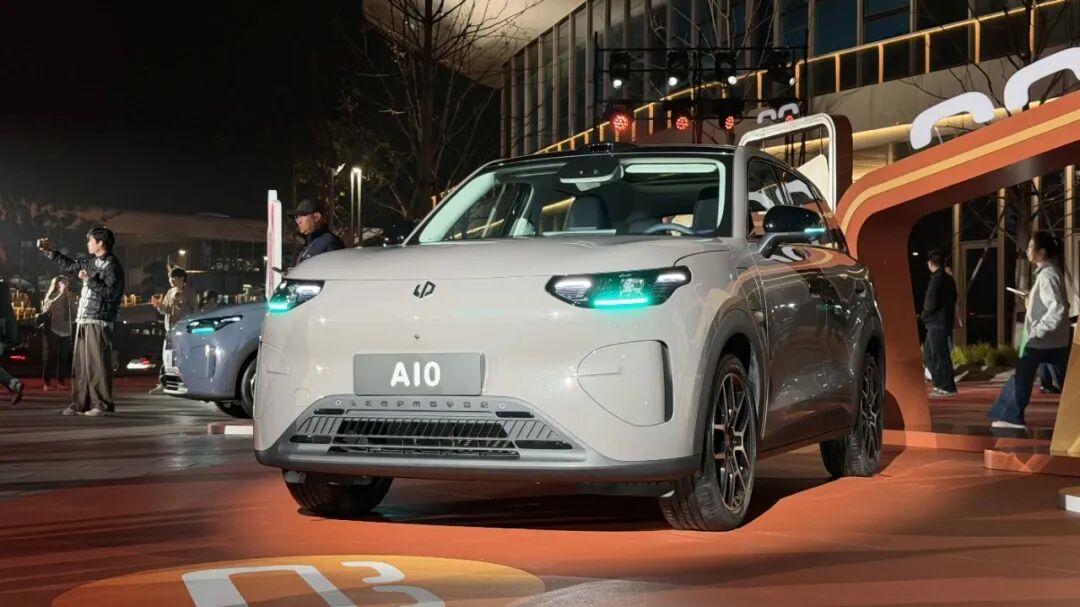
Currently, there are only a few notable new entrants in this segment. One is the Leapmotor A10, which ranked second in SUV sales in May this year with 22,300 units sold, surpassing the Lixiang i6, AITO M6, and Yuan UP, and closely following the Model Y. The other is the XPENG MONA M03 in the sedan market, with 14,100 units sold in the Chinese retail market in May.
Priced at RMB 86,800, the Leapmotor A10 offers three key features: LiDAR, VLA, and parking-to-parking capability. Given that Leapmotor's cost control remains a mystery to outsiders, its current performance can only be replicated by industry giants like BYD, Geely, Changan, Chery, and Great Wall Motors.
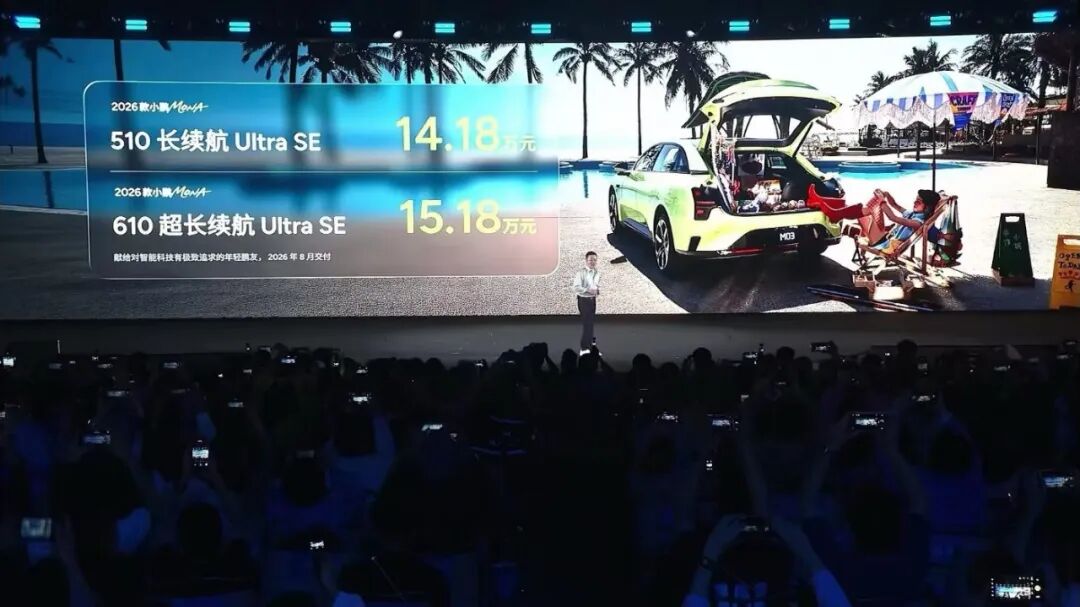
The XPENG MONA M03 is simpler, with four models featuring urban NOA + highway NOA priced at RMB 129,800, RMB 139,800, RMB 141,800, and RMB 151,800, respectively. There are also semi-full and full-spec versions, with the dual-Turin versions priced between RMB 141,800 and RMB 151,800.
"We can definitely offer a price surprise, but rest assured, it's not just about the price," was the response I received from Dongfeng Fengxing executives during our interaction.
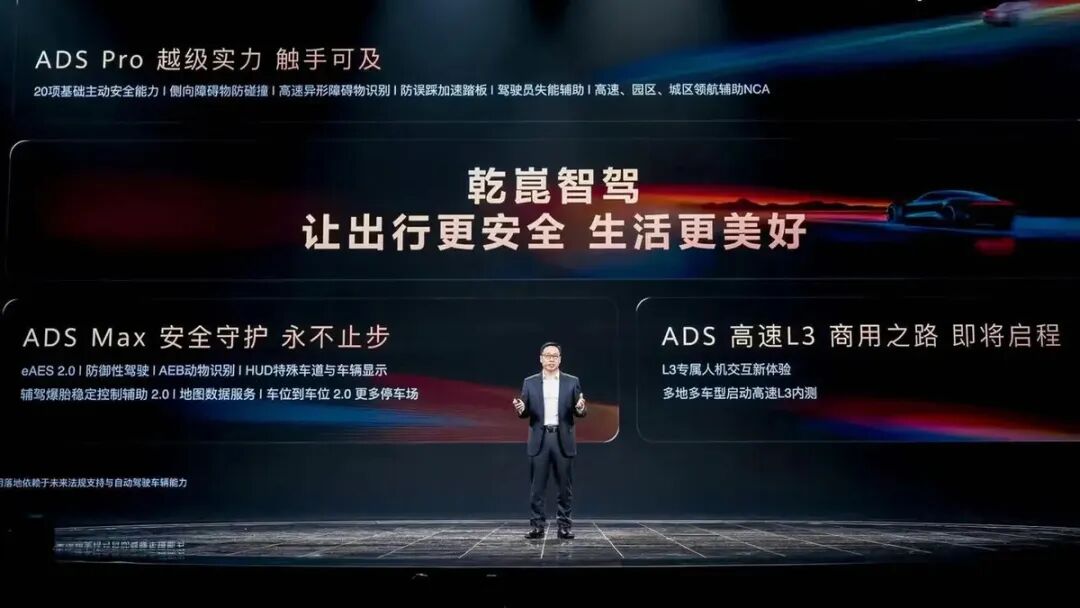
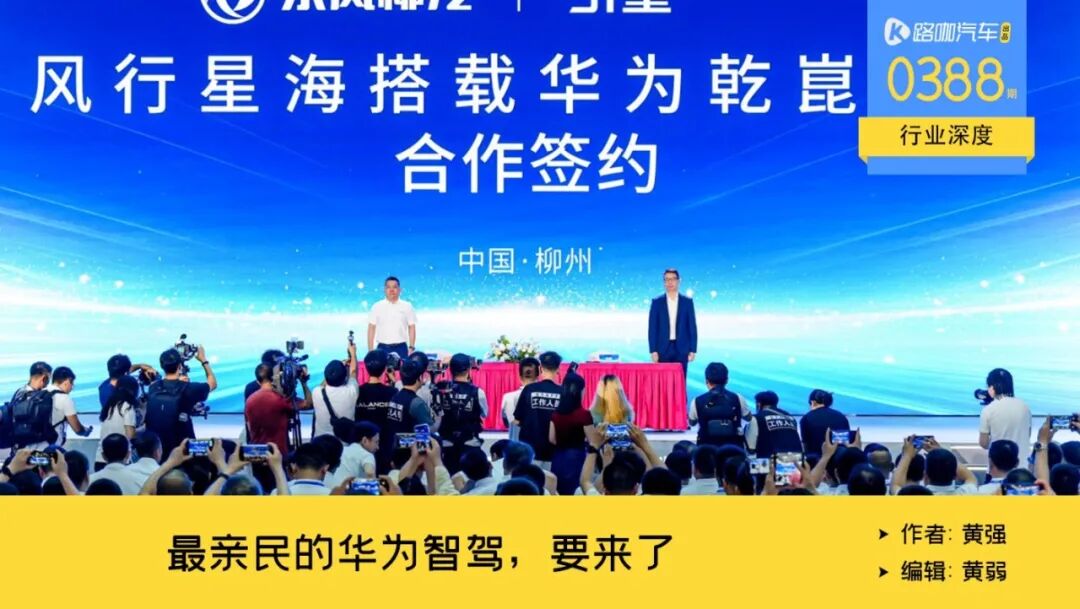
The answer lies in the Xinghai V6 model. Unveiled at the Beijing Auto Show in April this year, the Xinghai V6 signed a cooperation agreement with Huawei's Intelligent Automotive Solution BU in June, focusing on Huawei's Qiankun Intelligent Driving Solution. It is important to note that this cooperation is mutually beneficial. Having collaborated seven years ago, Huawei is well aware of its partner's capabilities, leading to a joint effort to break the "RMB 150,000 barrier."
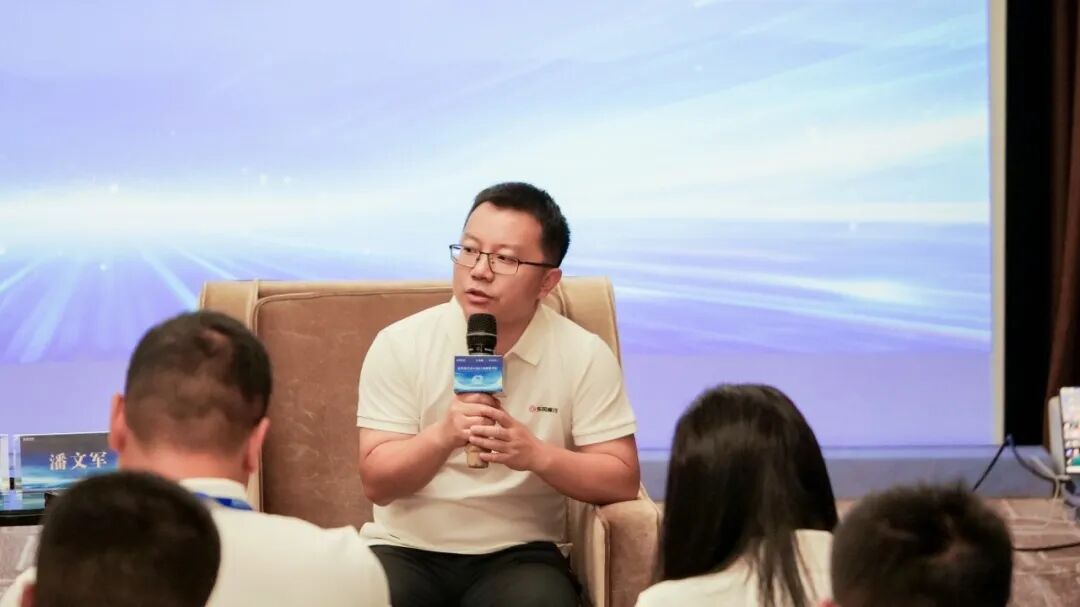
The current pricing and other details of the vehicle are still under discussion. However, there are two key factors that generate optimism about its pricing. First, in multiple interviews, Pan Wenjun, the product technology director of Xinghai V6, mentioned a common demand that has emerged from both live chat and comments during Huawei's Qiankun launch event, as well as from various global surveys.
"The technology is great, but with a monthly income of RMB 3,000-5,000, when can I afford it?" Additionally, the Dongfeng Fengxing brand has long focused on the RMB 100,000-150,000 price range.
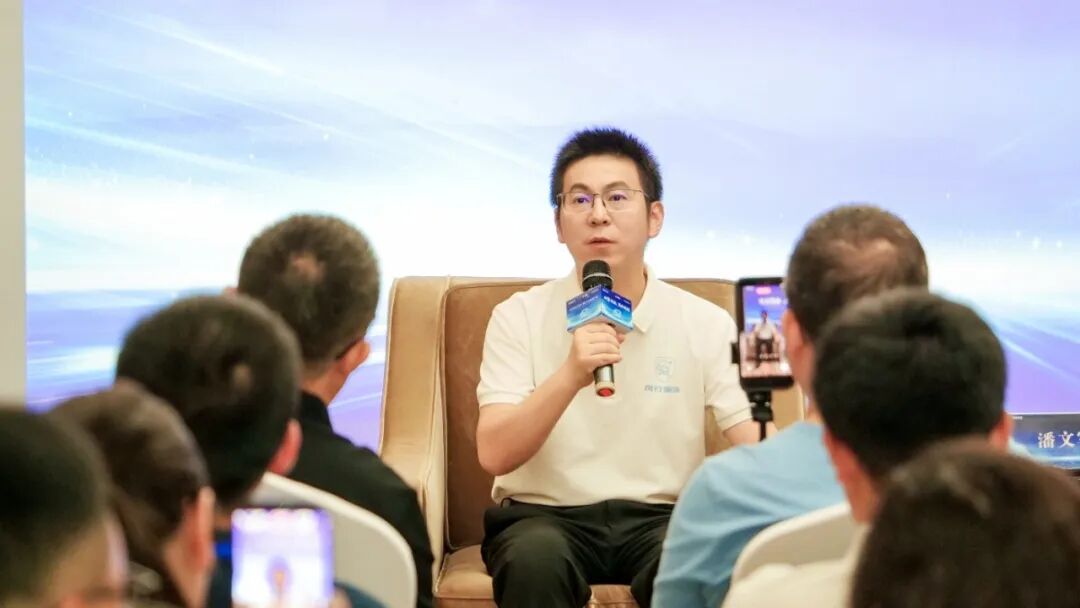
Chen Lai, the deputy general manager of Dongfeng Liuzhou Motor's passenger vehicle sales company, also provided a clear response. Despite increasing homogenization in the auto market, Dongfeng Fengxing is committed to offering "intelligent affordability."
All these factors suggest that the Huawei Qiankun Intelligent Driving Solution-equipped version of the Xinghai V6 is likely to enter the market at under RMB 140,000, breaking the existing price floor. It may even challenge the RMB 130,000-140,000 price range.
After all, at the brand launch event, when the Xinghai V9 was announced with a limited-time starting price of RMB 169,900, it demonstrated its pricing power in the under-RMB-200,000 segment.
Relying on Huawei, But Not Dependent on It
For other automakers, achieving such price expectations would be difficult.
Although Dongfeng Fengxing's brand recognition in the current market is far inferior to that of Huawei, Xiaomi, NIO, XPENG, BYD, and Geely, it is certainly not in the same league as Zotye.
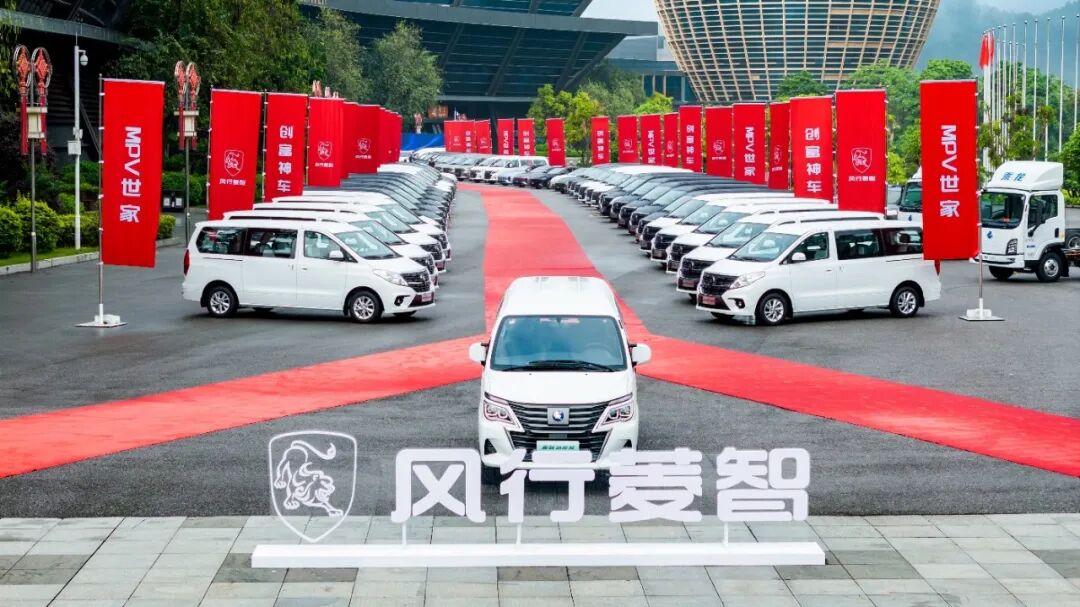
The Lingzhi MPV is a perennial favorite in China's MPV segment, suitable for both commercial and passenger use, and has been a profitable asset for many small and medium-sized business owners. A closer look reveals its solid reputation for quality. Furthermore, the Fengxing T5, launched around 2019, once outperformed the then-popular Baojun 730, while the T5 EVO in 2020 captured a significant share of young users from the Chang'an UNI-T, once holding pricing power in the post-95 market in lower-tier cities.
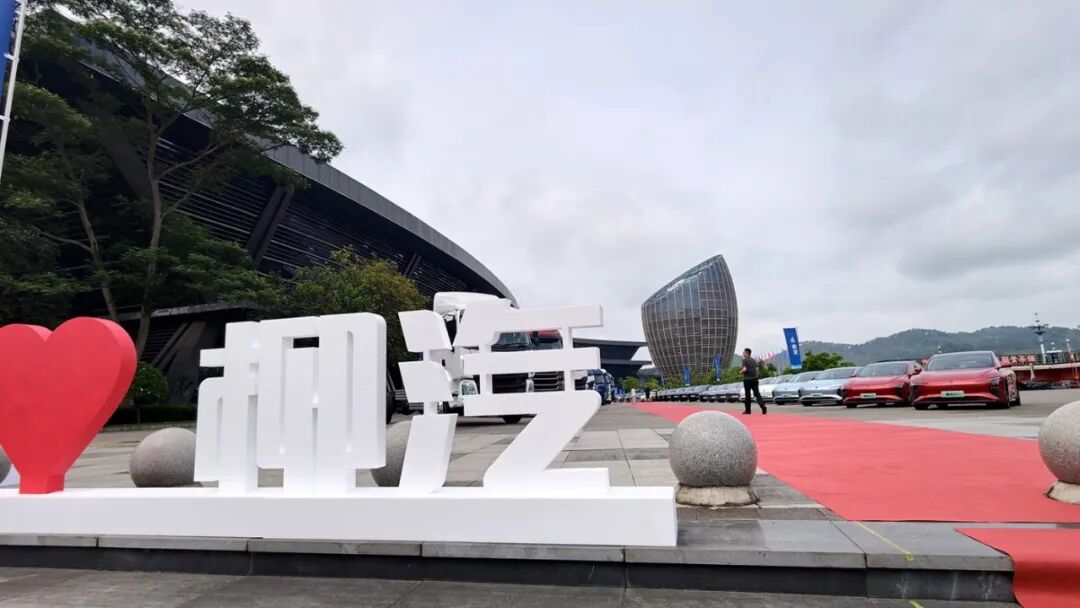
According to discussions with Chen Lai, most people's perception of Dongfeng Fengxing needs to be reconstructed.
Key takeaways include its rich heritage, expertise in space utilization, durable quality, and affordability.
With 25 years of experience as a state-owned automaker, Dongfeng Liuzhou Motor has achieved top-five or top-six rankings in both the commercial and passenger vehicle sectors. Its commercial vehicles have a higher average price than well-known models from FAW Jiefang and lead in sales.
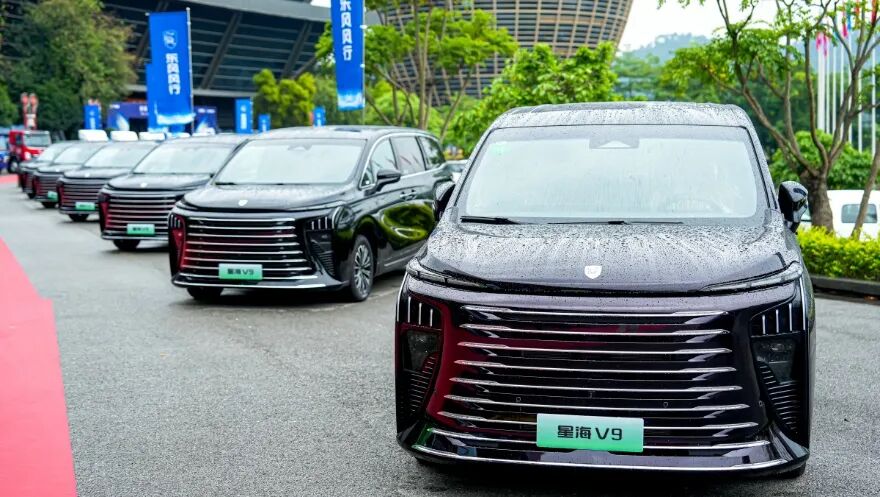
As a space expert, Dongfeng Fengxing has been developing China's first independently developed MPV for 25 years, giving it a unique understanding and competitive edge in space utilization.
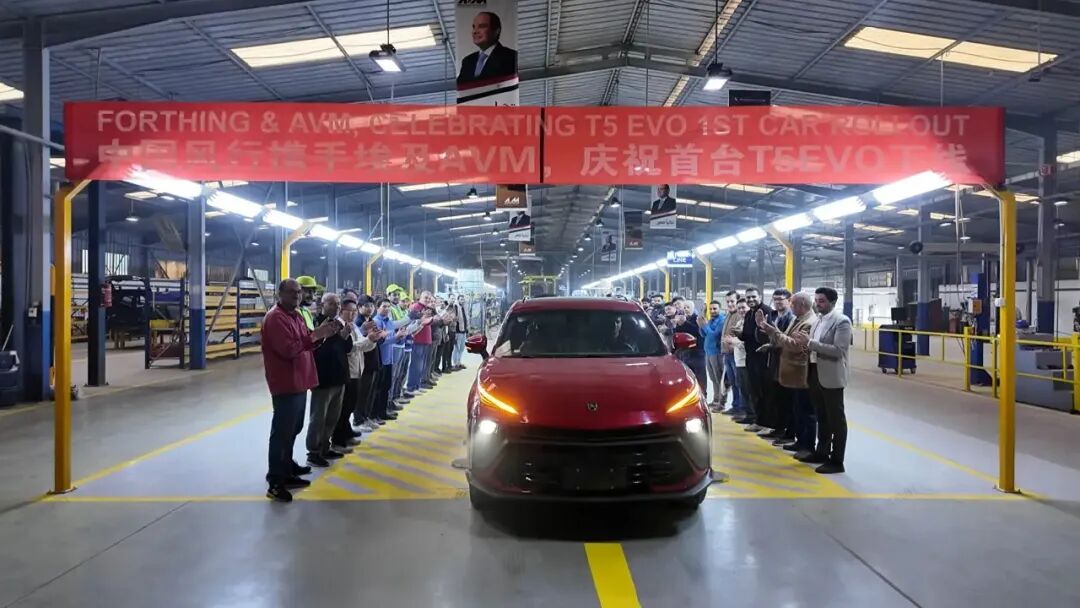
Its durable quality is not only built on past reputation but also on its highly intelligent and automated production, which serves as a model for overseas expansion. For example, its KD factory in Egypt represents the vanguard of Chinese technology and manufacturing going global.
Regarding affordability, it is not just about regional profitability like SAIC-GM-Wuling but also supported by its parent group. Liuzhou is a powerful industrial city in China, covering 40 out of 41 major industrial categories at the national level, with over 1,300 large-scale industrial enterprises. Moreover, according to the latest data, the local matching rate (localization rate) of core components for new energy vehicles' "three major electric systems" and "three minor electric systems" has exceeded 60%. As early as 2024, the localization rate of new energy vehicle components had already reached 60%.
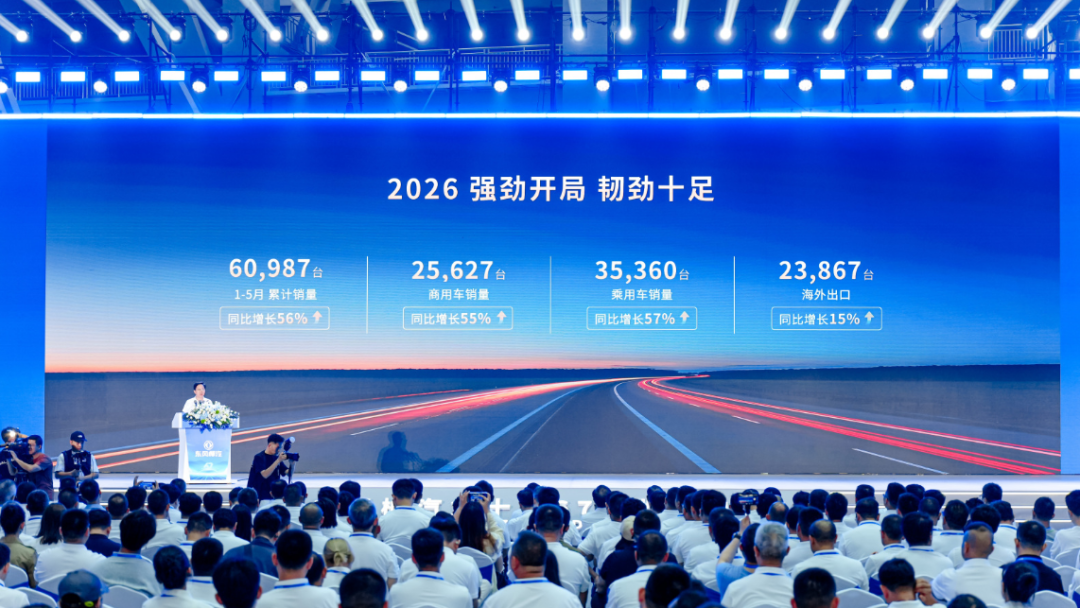
Based in Liuzhou, Dongfeng Liuzhou Motor inherently enjoys advantages in components and manufacturing, giving it a natural cost advantage. Additionally, backed by Dongfeng Group, which excels in new energy and intelligent technologies among the three major state-owned automakers, Dongfeng Fengxing can further enhance its cost advantage through technology sharing and access to group components and key expertise. Examples include the world's top-ten Mach hybrid powertrain and the proven three-electric system in terms of charging speed, energy density, and stability.
Furthermore, a memorable statement from the discussions was:
"Relying on Huawei, but not dependent on Huawei."
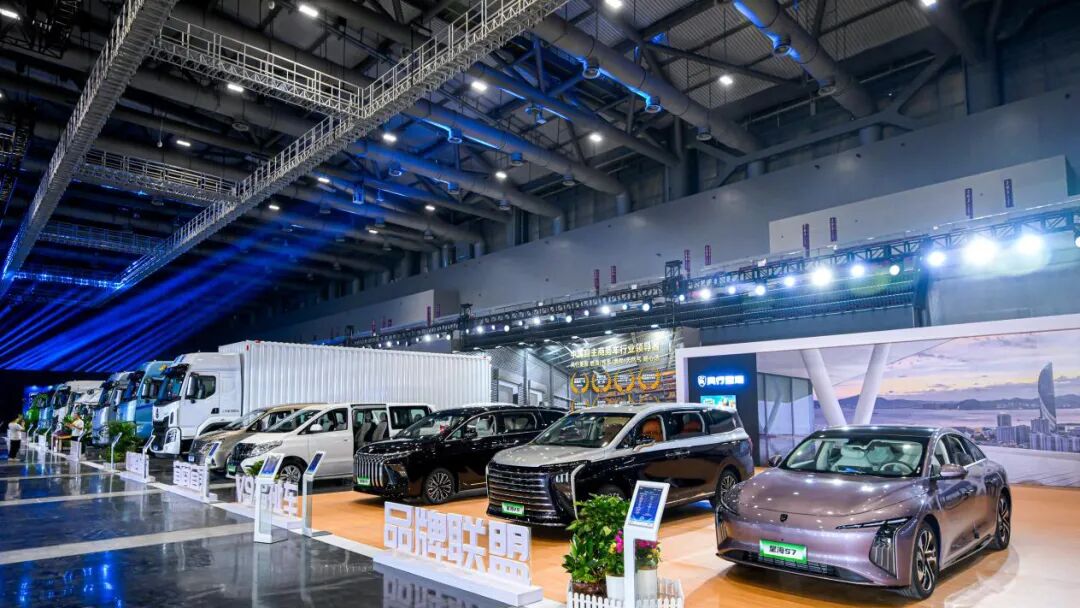
Unlike previous cases where Huawei served as a lifesaver for sales reversals, Dongfeng Fengxing demonstrates self-sufficiency and a drive for faster and better development. Firstly, Dongfeng Fengxing has inherent advantages in differentiation, personalization, and customization. For example, it consistently offers superior comfort within the same body size, thanks to 25 years of experience in vehicle design and space utilization. Its differentiation lies in understanding user needs, such as catering to the increasing elderly population by providing models that highly align with their demands due to age-related declines in driving skills and reaction times, following its collaboration with Huawei's Qiankun Intelligent Driving Solution.
“Faster and better” is also a major highlight. As early as 2019, Dongfeng Fengxing introduced Huawei's IPD system, and in 2025, it will introduce Huawei's IPMS system and quality system. Therefore, the efficiency in introducing technologies will be higher, which not only highlights product features at the sales end but also serves as a core cost control factor.
Previously, when interviewing Dongfeng's VOYAH, executives once gave us a similar answer. For the same technology implementation project, they often only need to send 50% of the engineers required by other automakers to get the job done. The current advantages of Liuzhou Motor and Dongfeng Fengxing are clearly the same.
In Conclusion
Based on all the above, we can expect the starting point for changing the market landscape to emerge.
Imagine a pure electric vehicle priced under RMB 150,000 that can comfortably accommodate a family of six for travel, serve both home and commercial purposes when used by an individual, and is equipped with Huawei's latest urban and highway pilot assisted driving systems.
This would be a unique offering in the niche market and easily attract consumers' attention.
Of course, for Dongfeng Fengxing, the product is just the first step. In today's automotive market, the chaotic competition of a few years ago has begun to subside. Whether a company can grow upwards depends not only on sales volume but also on its brand. Recently, many automakers' CEOs and executives have been proposing theories related to the “brand clarification period”. Among the reasons for consuming new energy vehicles, brand has risen from fifth place a few years ago to second place today.
How to attract one's own user base and deepen people's understanding of Dongfeng Fengxing is clearly a major challenge.
However, Dongfeng Fengxing is about to provide answers now. In addition to improving vehicle quality, it is also expected to introduce warranty policies that surpass industry standards in the future, providing greater peace of mind for users. Moreover, it aims to integrate more deeply with travel, leisure, and entertainment, such as fishing competitions.
-
![]()
Breaking into the AI Computing Power and Low-Altitude Economy Sectors! Tongya Technology Heads for Hong Kong IPO: Tripling Revenue in Three Years, Third in Global Market Share, with Matrix Partners Ch
-
![]()
Will ByteDance’s Collaboration with Saido Follow Huawei’s Footsteps?
-
![]()
Revenue Surges 50-Fold: Q1 Earnings Match Annual Profit, This Year's Hottest Business Revealed
-
![]()
Cook’s Gourd Holds No Magic Cure for Apple’s AI Woes
-
![]()
Stellantis Presents a Catalyst, Propelling Chinese Automobiles Towards Global Supremacy
-
![]()
The First AI Car! Seres + ByteDance, AIVA Targets the 200,000+ Market with Its First Vehicle Launching This Year | Mirror Pro
-
![]()
Most People Don't Understand Kimi's World Cup Prediction
-
![]()
Behind Saido: The Strategy of a Company Backed by CATL and ByteDance