Stellantis Presents a Catalyst, Propelling Chinese Automobiles Towards Global Supremacy
 06/10 2026
 501
501
Introduction
The global market dominance of Chinese automobiles is unfolding at a pace far swifter than anyone could have envisioned.
On October 17, 1957, at the second session of the China Export Commodities Fair, Mr. Beita, Chairman of Jordan Overseas Trading, placed an order for three Jiefang CA10 vehicles, marking the inaugural step in Chinese automobile exports.
The Jiefang CA10, New China's inaugural domestically produced vehicle, was modeled after the Soviet GAZ-51 truck from the Stalingrad Automobile Plant, with modifications tailored to China's road conditions, raw materials, and bridge load capacities. Its production commenced on July 13, 1956.
The mass production and export of the 'Old Jiefang' heralded the dawn of the Chinese automobile industry.
At the time, few could have foreseen that it would take just over six decades for Chinese automobiles to flood overseas markets in such overwhelming numbers.
According to sales data from the China Association of Automobile Manufacturers, China's automobile exports surged to 7.098 million units in 2025, marking a year-on-year increase of 21.1%. Among these, new energy vehicle exports reached 2.615 million units, soaring by 103.7% year-on-year.
By 2026, the momentum of Chinese-made vehicles venturing overseas continued to intensify.
In the recently concluded month of May, Chery Group's overseas sales soared to 181,871 units, an 80.5% year-on-year surge; BYD's overseas sales of new energy vehicles (including pickups) reached 160,644 units, up by 80.7% year-on-year; SAIC Group's overseas sales totaled 129,500 units, a 32.46% year-on-year increase; Geely Group's overseas export sales hit 85,144 units, an 183.7% year-on-year leap...
Meanwhile, videos of BYD's car-laden transport ships docking have been circulating online, evoking a sense of awe and sparking frenzied photo-taking by foreigners, as if the Chinese automobile industry is already leading the pack.
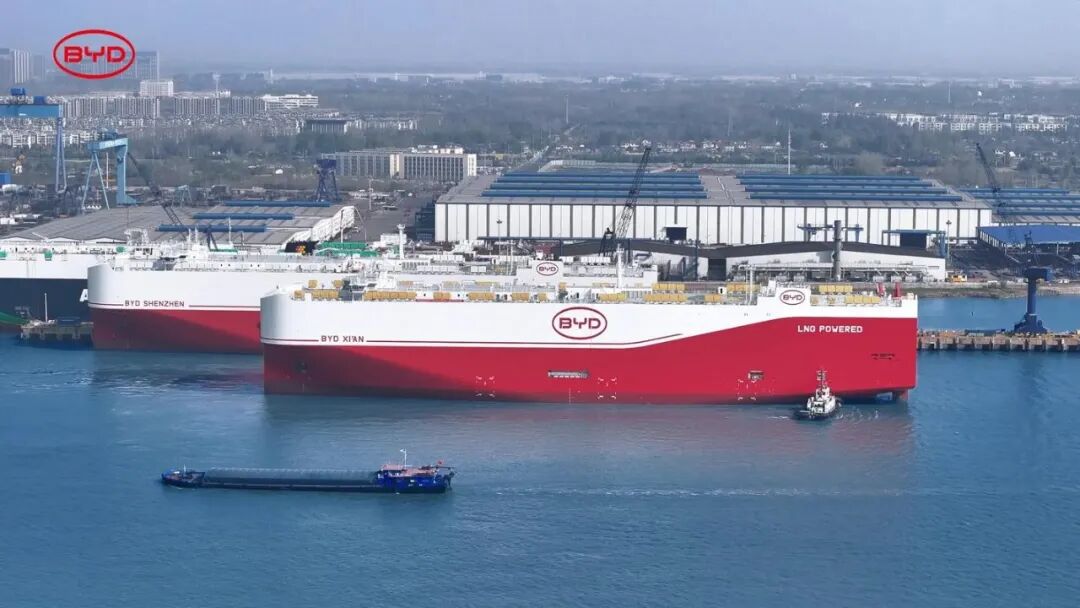
Beyond exporting complete vehicles, the Chinese automobile industry is also actively engaging in the global automobile industry's development in various capacities.
Firstly, Korean automakers such as Hyundai and Kia are leveraging China as a vital production base, capitalizing on China's mature and cost-effective industrial chain to export models produced in China to other markets.
Secondly, the global expansion of the industrial chain, exemplified by CATL, is underway. CATL has established production bases in Germany, Hungary, Spain, and Indonesia to support the development of new energy vehicles in these regions.
Thirdly, the 'New Joint Venture Model,' represented by DPCA, is gaining traction. Both Chinese and foreign partners are utilizing China's mature intelligent electric vehicle technology and the foreign party's high-quality brand and channel assets to jointly create new intelligent electric vehicles for global sales.
Among these initiatives, DPCA's 'New Joint Venture Model' is pioneering a new landscape for the development of joint venture brands, offering fresh ideas and significantly accelerating the globalization of the Chinese automobile industry.
01 Joint Venture Automakers 'Forced' into a New Era
With the ascent of independent brands, the position of joint venture brands in the Chinese market is becoming increasingly precarious.
Prior to 2014, joint venture brands consistently held over 70% of the market share in China; from 2015 to 2021, their market share remained stable at over 60%.
Since then, it has witnessed a rapid decline, with joint venture brands' market share falling below 60% in 2022, dropping to 50.2% in 2023, and further declining to 35.4% in 2025.
More alarming than the decline in market share is the contraction of the Chinese automobile market.
According to data from the China Passenger Car Association, retail sales in the national passenger car market reached 1.545 million units in May 2026, a 20% year-on-year decrease; cumulative retail sales in the first five months of 2026 reached 7.15 million units, a 19% year-on-year decrease.
From a long-term perspective, low birth rates, an aging population, and a shrinking total population all indicate that the Chinese automobile industry is on the verge of entering a 'shrinking era.'
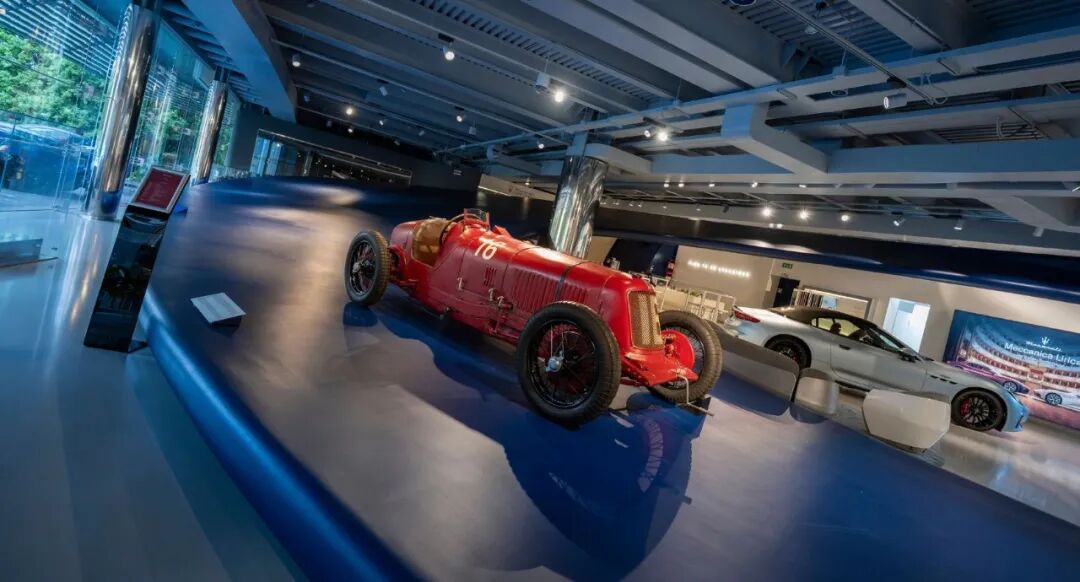
On one hand, independent brands are rising strongly, and joint venture shares are declining rapidly; on the other hand, the total market volume is starting to decline, and the pie is getting smaller.
This situation has left the once-dominant joint venture brands in a quandary, with foundry work, factory sales, and capacity optimization becoming their main coping strategies in recent years.
However, these measures are merely temporary fixes and cannot stem the tide of the Chinese automobile industry's rise.
A wiser approach is to embrace the Chinese automobile industry and leverage Chinese strength to address Chinese challenges!
This has led to the current scenario where Toyota utilizes BYD's batteries, Volkswagen jointly develops new models with XPENG, and HarmonyOS cockpits gradually become an industry standard.
Unexpectedly, the rise of independent brands is not confined to the Chinese market; their accelerated global expansion is having a significant impact on the 'local markets of foreign brands.'
To counter this challenge, foreign automakers are exploring new development strategies, with Freelander serving as a prime example.
Freelander is an independent global intelligent electric vehicle brand that combines Chery's technology platform with the brand assets of 'FREELANDER' licensed by Jaguar Land Rover. It embodies both Chinese strength and brand sentiment, offering immense development potential.
From Chery and Jaguar Land Rover's perspective, Freelander represents an upgraded attempt at cooperation between the two parties. If successful, both parties will reap the benefits; if not, the negative impact on both will be minimal.
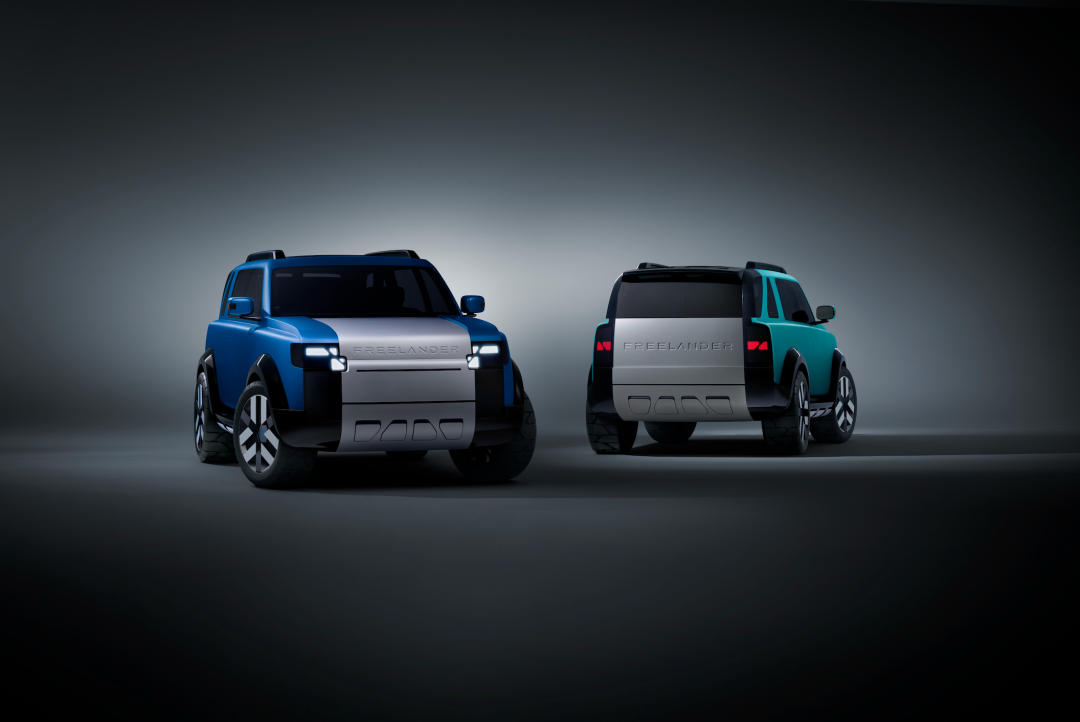
Compared to Freelander, DPCA's 'New Joint Venture Model' takes it a step further.
DPCA is poised to mass-produce new models for Peugeot and Jeep, integrating Chinese strength and the foreign party's brand assets for global sales.
The distinction lies in that Peugeot and Jeep are betting on their brand futures, with the new models directly adopting the Peugeot and Jeep logos and global sales channels, making it a more thorough approach than Freelander's upgrade of a discontinued model series into a brand.
DPCA's 'New Joint Venture Model' is a bold endeavor based on Dongfeng's technology platform and the brand futures of Peugeot and Jeep, with a higher threshold and a greater likelihood of success.
It is believed that it won't be long before foreign brands follow suit, and the 'New Joint Venture Model' of leveraging Chinese technology to integrate with their brand advantages for global development will become a pivotal direction in the future.
02 Joint Ventures: Beyond Just Selling Cars
While joining forces with numerous Chinese partners to inject 8 billion yuan into DPCA, Stellantis also set its sights on VOYAH.
On June 2, Olivier, Stellantis' Executive Vice President and Head of China and Asia-Pacific, visited VOYAH, touring the VOYAH factory and full-function user center, and engaged in in-depth discussions on the next steps for strategic cooperation.
In May of this year, Dongfeng Motor and Stellantis Group signed a non-binding memorandum of understanding, proposing to establish a joint venture in Europe with Stellantis holding 51% and Dongfeng Motor holding 49%. The business scope will comprehensively cover sales, distribution, manufacturing, procurement, and engineering R&D.
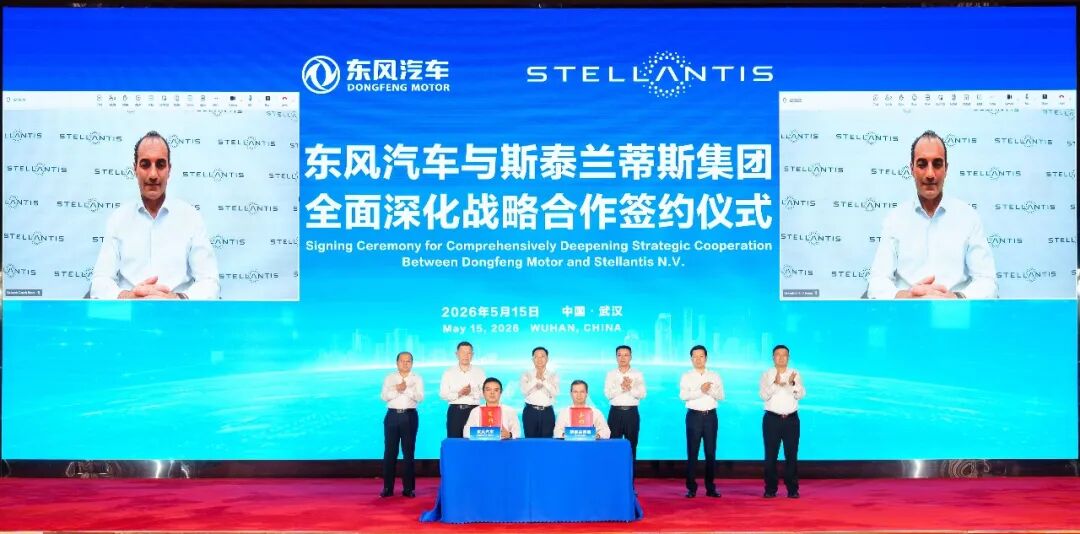
More notably, both parties also discussed the feasibility of localizing Dongfeng's models at Stellantis' Rennes factory in France. After the establishment of the joint venture, the focus will initially be on launching and selling Dongfeng's high-end new energy vehicle brand, VOYAH, in select European markets.
Stellantis' high-level visit to VOYAH marks a significant alignment between the two parties regarding VOYAH's overseas business following the signing of the memorandum of understanding on deepening strategic cooperation between Dongfeng Motor and Stellantis Group. It signifies an acceleration in translating strategic consensus into tangible actions.
Seeing this, many immediately think of Leapmotor.
In October 2023, Stellantis invested 1.5 billion euros in Leapmotor, acquiring a 21.3% stake. The two parties established a joint venture named 'Leapmotor International,' with Stellantis holding 51%. This joint venture exclusively holds the rights to manufacture, export, and sell Leapmotor's products outside the Greater China region.
In May 2026, Stellantis' cooperation with Leapmotor was further upgraded, with Leapmotor's technology architecture being applied for the first time to Opel's new all-electric SUV. The two parties will jointly produce the vehicle at Figueruelas factory in Zaragoza, Spain. Meanwhile, the Leapmotor B10 will also be introduced for production at this factory, with production potentially commencing as early as 2026.
In addition, the Villaverde factory in Madrid, Spain, may also commence production of a new model from Leapmotor in the first half of 2028. The ownership of this factory is also under discussion, with the possibility of transferring it to Leapmotor International's Spanish subsidiary in the future. The vehicles produced will be sold by Leapmotor International in Europe, the Middle East, and Africa.
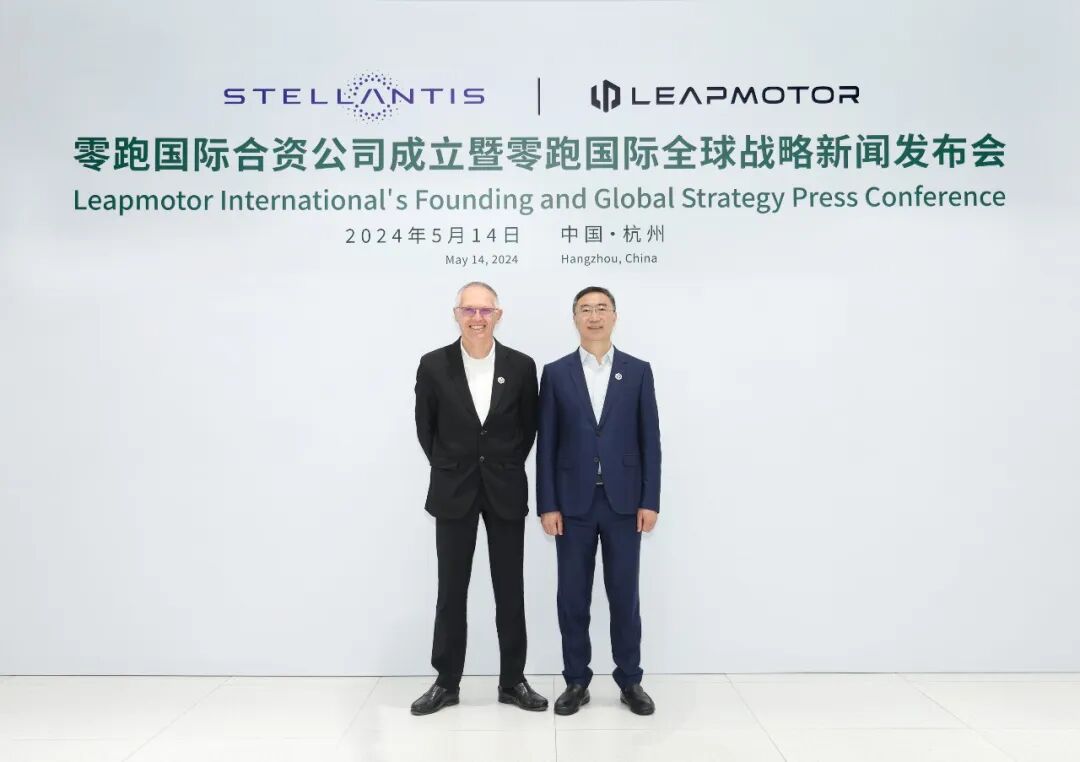
Beyond Europe, Stellantis' cooperation with Leapmotor will also extend to the North American market. Reports indicate that the two parties are in talks to utilize an idle factory in Brampton, Ontario, Canada, to produce electric vehicles. If successful, Leapmotor will become the first Chinese new force automobile brand to achieve localized production in North America.
From the Chinese perspective, both Leapmotor and VOYAH can leverage Stellantis' advantages in the European and American markets to accelerate their overseas expansion, presenting a rare opportunity.
From Stellantis' perspective, high-quality intelligent electric vehicles from brands like Leapmotor and VOYAH can fill the gap in its intelligent electric vehicle portfolio and enhance Stellantis' capacity utilization, maximizing the protection of existing production and sales channels.
Furthermore, Stellantis is also learning from Chinese automakers through joint venture cooperation. Utilizing Leapmotor's technology architecture to produce Opel's all-electric models carries a hint of 'market-for-technology' exchange.
This is a multi-win cooperation.
Facing the new era of intelligent electric mobility, Stellantis has abandoned its previously aloof stance and is fully leveraging Chinese automakers to maximize the compensation for its own shortcomings. This is a highly pragmatic approach. Compared to Volkswagen's cooperation with XPENG in the Chinese market, Stellantis' approach is more aggressive, granting the entire group more possibilities for development.
03 What Are Stellantis' Intentions?
'Partnerships will be embedded in our future strategy.'
At the Financial Times' 'Future of the Car Summit' in the UK on May 12, Antonio Filosa, CEO of Stellantis Group, made this statement, followed by a series of intensive cooperation announcements from Stellantis.
DPCA manufacturing Jeep vehicles, injecting capital into DPCA, strengthening cooperation between Leapmotor and Dongfeng, and so on.

In addition, there are rumors that FAW Hongqi is attempting to enter the European market through the Zaragoza factory in Spain using Leapmotor's channels; HarmonyOS Intelligent Connected Vehicle, JAC Motors, and Maserati have already initiated contact regarding cooperation on new energy models; BYD has also discussed the possibility of taking over idle factories with various European automakers, including Stellantis.
Behind these series of transformations is the smooth implementation of the 'FaSTLAne 2030' strategy.
At the Investor Day on May 21, Stellantis released the 'FaSTLAne 2030' strategic plan, a five-year development plan totaling 60 billion euros aimed at accelerating the group's performance growth and profitability.
Over the next five years, Stellantis Group will invest 60 billion euros, with 60% of the funds focused on the brand and product sectors, primarily targeting high-return markets such as North America and Europe.
By 2030, Stellantis Group will launch over 60 all-new models across all brands and powertrain types, with significant facelifts for 50 models. This includes 29 battery electric vehicle (BEV) models, 15 plug-in hybrid or range-extended electric models, 24 hybrid models, and 39 internal combustion engine or mild hybrid models.
Stellantis will also adopt a differentiated brand operation strategy, with Jeep, Ram, Peugeot, and Fiat designated as the group's four core brands, receiving 70% of the brand and product investment resources. Chrysler, Dodge, Citroën, Opel, and Alfa Romeo will focus on niche regional markets, sharing the group's global R&D platform and technological achievements; DS and Lancia will be managed by Citroën and Fiat, respectively; Maserati will expand its product lineup.

In addition, optimizing the manufacturing layout, empowering regional and localized teams, and forming complementary partnerships with Stellantis' core strengths are also key focuses for Stellantis in the coming years. By 2030, Stellantis' revenue is expected to grow from 154 billion euros in 2025 to 190 billion euros.
Frankly, Stellantis' transformation is not a proactive strategic move; rather, it is a forced decision made under the confluence of multiple pressures.
On one front, radical strategic shifts have driven Stellantis into the red.
In early 2026, the company abruptly announced a staggering restructuring charge of up to €22.2 billion (approximately $26 billion). This market-jolting decision was triggered by its complete cessation of pure electric pickup truck production, divestment of stakes in battery joint ventures, and deferral of multiple electric vehicle investment projects.
This move has had a pronounced negative impact on Stellantis' financial performance.
Financial results for 2025 reveal that Stellantis Group posted net revenue of €153.508 billion for the year, a 2% decline from €156.878 billion in 2024. Pummeled by substantial extraordinary charges—primarily adjustments to its new energy strategy—the company reported a full-year net loss of €22.332 billion.
On the other hand, Chinese-made vehicles are making significant inroads into overseas markets, leveraging their unparalleled advantages in smart electrification.
This is underpinned by China's automotive industry's early-mover advantage in critical areas such as batteries, electric drivetrains, smart cockpits, and assisted driving systems, creating a formidable barrier for foreign brands to bridge in the short term.
This competitive landscape has compelled Stellantis to pivot toward more open and collaborative approaches for sustainable growth. While China's automotive sector propels Stellantis forward, it also rides the wave of globalization, diversifying and enriching the global automotive ecosystem.
The pace at which China's automotive industry is capturing global market share is quickening!
04 Conclusion
Few could have foreseen that Dongfeng Peugeot Citroën Automobile (DPCA), once a cornerstone of China's automotive sector, would experience a renaissance in the era of smart electric vehicles.
In the 1980s, China officially designated the automotive industry as a pillar sector, prioritizing the establishment of a mass-market sedan factory with an annual capacity of 300,000 units. This ambitious project was entrusted to Second Automobile Works (SAW, now Dongfeng Motor Corporation), the industry leader at the time.
Meanwhile, SAIC was tasked with "localizing production of 30,000 sedans," while FAW was assigned the "pilot project for 30,000 mid-to-high-end sedans to curb imports."
However, China's sluggish economic development and nascent automotive market held little allure for global automakers, who saw limited commercial potential in the country.
It wasn't until early 1989 that SAW finally secured an agreement with France, facilitated by long-term low-interest loans from the French government. SAW introduced Citroën and planned to launch models in 1991. However, geopolitical shifts and Western sanctions against China delayed Citroën's market entry until 1992.
In February 1993, the sedan project of Dongfeng Peugeot Citroën Automobile Co., Ltd. commenced construction in Zhuankou. Two months later, the Wuhan Economic and Technological Development Zone was officially established. Located southwest of Wuhan in the Zhuankou and Guoxuling areas along the Yangtze River's north bank—approximately 15 kilometers from the city center—the zone spans a planned area of 31 square kilometers and focuses on automotive and related industries.
This marked the birth of "China's Motor Valley."
DPCA's establishment fostered a complete industrial ecosystem in Wuhan, laying a robust foundation for subsequent waves of automotive-related investments and nurturing a pool of skilled talent.
Three decades later, DPCA finds itself grappling with declining sales.
Fortunately, the seeds it sowed for China's automotive industry have flourished into a thriving forest. China's automotive sector has transcended the era of "bartering market access for technology" and embarked on a new phase of "leveraging technology to expand global market reach."
DPCA's role has evolved once again, emerging as a pivotal force driving the globalization of China's automotive industry. Its journey underscores a simple yet profound truth: China's automotive industry is playing an increasingly central role in the global automotive value chain.
Note: Please credit the original source for reprints.
THE END
-
![]()
"Shaking Hands" with WeChat's AI Ecosystem: Didi Paints a New Vision for AI
-
![]()
The Battle of Instant Retail: Does Huawei Want Meituan to Win?
-
![]()
The Success of AITO Underscores Seres' Need for Saido AIVA
-
![]()
Apple's Cook Takes Final Bow: Siri Reimagined, Gemini Steps In, But Capital Markets Remain Unconvinced
-
![]()
Apple’s Cook Bids Adieu: Siri Reinvented, Gemini Joins the Fray, But Are Capital Markets Unimpressed?
-
![]()
Breaking into the AI Computing Power and Low-Altitude Economy Sectors! Tongya Technology Heads for Hong Kong IPO: Tripling Revenue in Three Years, Third in Global Market Share, with Matrix Partners Ch
-
![]()
Will ByteDance’s Collaboration with Saido Follow Huawei’s Footsteps?
-
![]()
Revenue Surges 50-Fold: Q1 Earnings Match Annual Profit, This Year's Hottest Business Revealed