Will ByteDance’s Collaboration with Saido Follow Huawei’s Footsteps?
 06/10 2026
 361
361
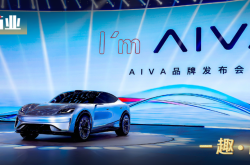
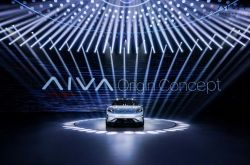
On June 9, Saido Technology officially launched its new AI automotive brand, AIVA, in Beijing. What should have been a routine brand debut quickly became a hot topic due to two unexpected events. First, Avatr publicly accused AIVA of having a strikingly similar brand name and logo design on the afternoon of the launch, even releasing a legal statement to reserve the right to pursue legal action. Second, the event reignited speculation about whether ByteDance would venture into car manufacturing.
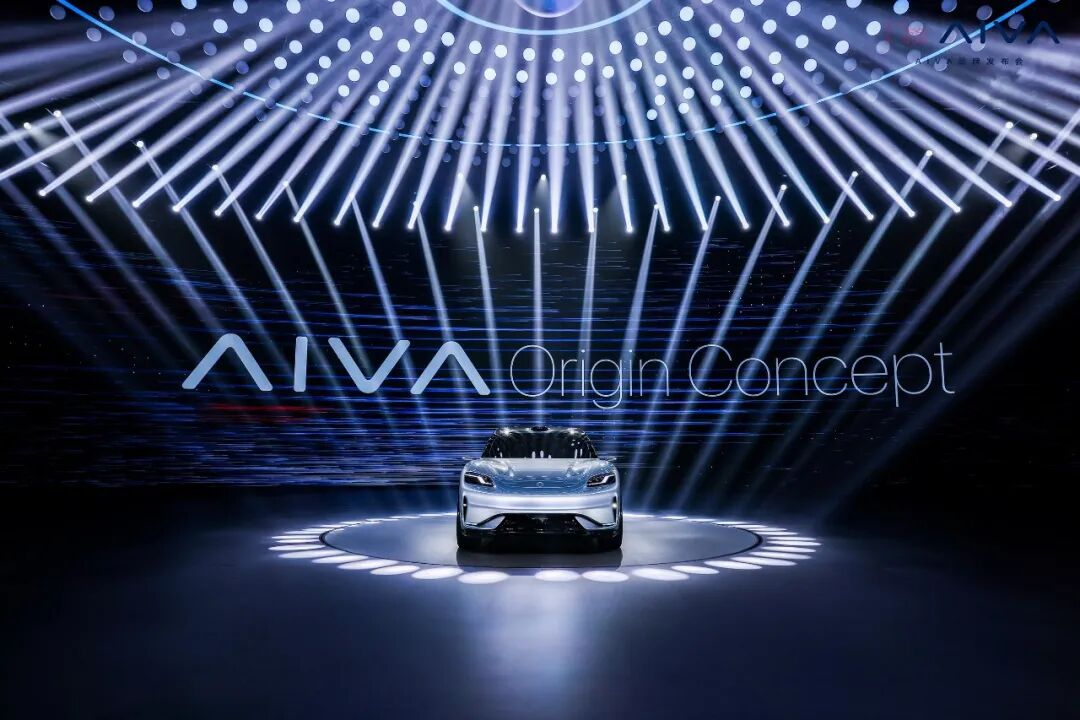
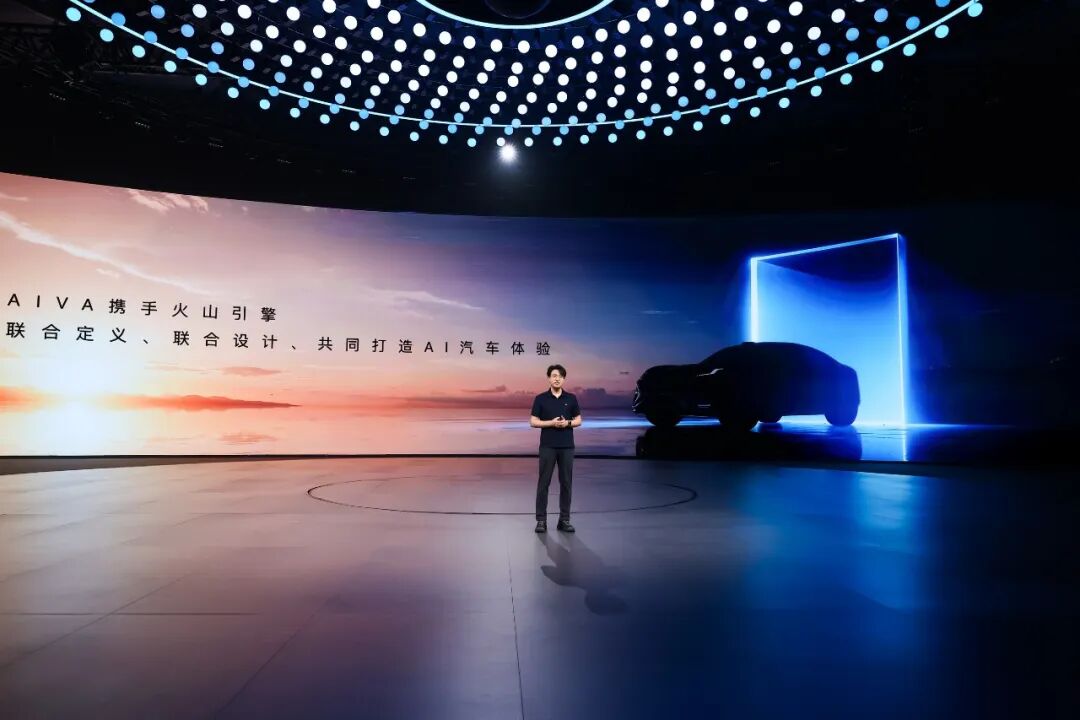
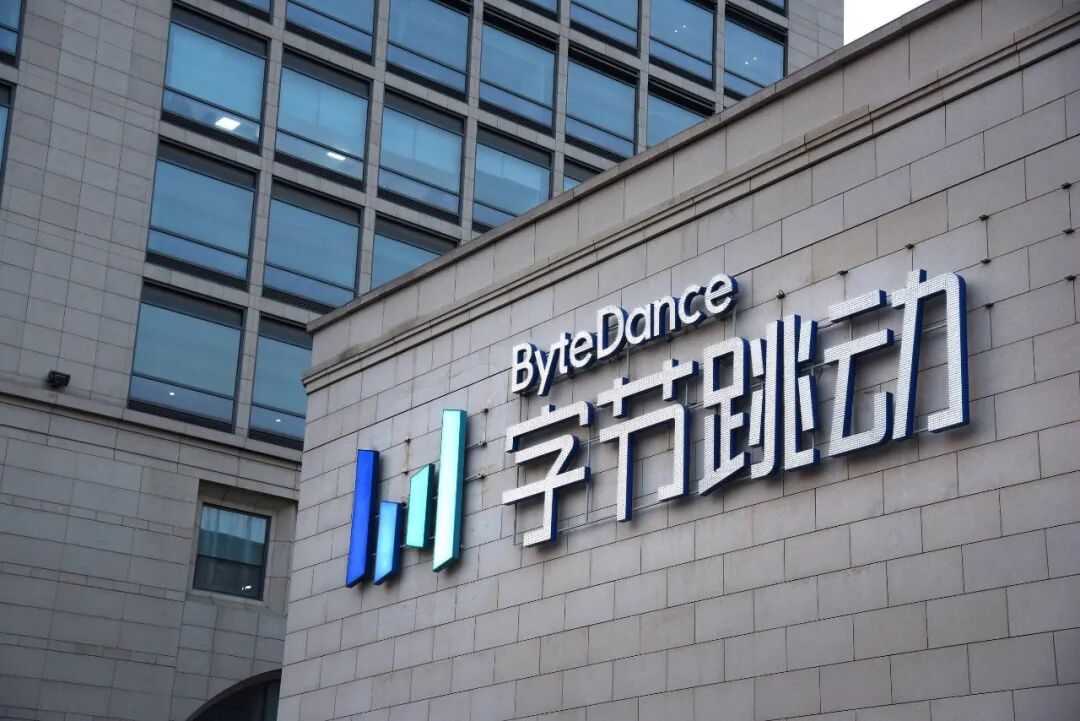
Just days before, ByteDance had issued its third official statement of the year denying plans to build cars, explicitly stating, "We have no plans to manufacture cars or launch an automotive brand," and "Saido is not an automotive brand launched by ByteDance or Doubao, and there is no equity cooperation between ByteDance and Saido." Ironically, the entire AIVA launch event emphasized deep collaboration with Volcengine, with Volcengine Vice President Yang Liwei personally announcing that Doubao’s large model and smart cockpit technology services would be provided to AIVA.
This scenario inevitably draws comparisons to Huawei’s past. Both companies have repeatedly emphasized "not building cars," both have engaged in deep collaboration with Seres, and both have made their technological brands a core selling point. However, Huawei chose intelligent driving as its breakthrough, while ByteDance opted for the smart cockpit. One aims to have "Huawei-enabled" vehicles everywhere, while the other wants every car to have a "Doubao brain." These are two vastly different paths—which one will succeed?
The Escalating Shadow War Over the "No Car-Building" Strategy
Many observers like to compare ByteDance to Huawei, believing ByteDance could become the next Huawei. However, a closer look at their cooperation models reveals fundamental differences.
Huawei’s collaboration with Seres is essentially "Huawei-led, Seres-manufactured." From product definition, design, and development to brand marketing and sales channels, Huawei calls the shots. Seres is responsible only for production, manufacturing, and supply chain management, with even its 4S stores replaced by Huawei stores. This model allows Huawei full control over the product experience but severely weakens the partner’s autonomy, reducing it to a mere contract manufacturer.
In contrast, ByteDance’s collaboration with Saido resembles a traditional technology supply relationship. According to official information, Saido Technology is an independently operated entity jointly established by state-owned capital, Seres, CATL, and various industrial capital parties, responsible for brand, product, and business advancement. Volcengine serves merely as a technology partner, providing Doubao’s large model and smart cockpit technology services without participating in vehicle R&D, production, or sales, nor holding any equity stake.
This model offers clear boundaries: ByteDance avoids the immense risks of car manufacturing, while Saido maintains relatively independent operations. However, the downside is evident: ByteDance cannot deeply participate in product definition like Huawei, making it difficult to ensure the final user experience. After all, the smart cockpit is just one part of a car. If core elements like chassis, powertrain, and intelligent driving lag, even the best cockpit cannot save a vehicle.
Moreover, ByteDance’s automotive strategic layout is far less extensive than Huawei’s. Huawei boasts a complete intelligent driving solution, HarmonyOS, automotive-grade chips, LiDAR, and other core technologies. ByteDance, meanwhile, only has Doubao’s large model and the smart cockpit built around it. As of April 2026, Doubao’s large model has been deployed in over 7 million vehicles, covering mainstream automakers like Mercedes-Benz, BMW, BYD, and Zeekr. However, most of these collaborations merely integrate Doubao as a voice assistant into infotainment systems, falling short of AIVA’s claim of "rethinking from the source of product definition."
A Grand Opening and Its Challenges
Frankly speaking, AIVA holds a decent hand. Its shareholder lineup is impressive: Seres brings mature vehicle manufacturing capabilities and a supply chain system, CATL provides cutting-edge battery technology and charging solutions, state-owned platforms offer policy and financial support, and ByteDance contributes AI technology and traffic advantages. Together, they cover nearly all elements needed for car manufacturing.
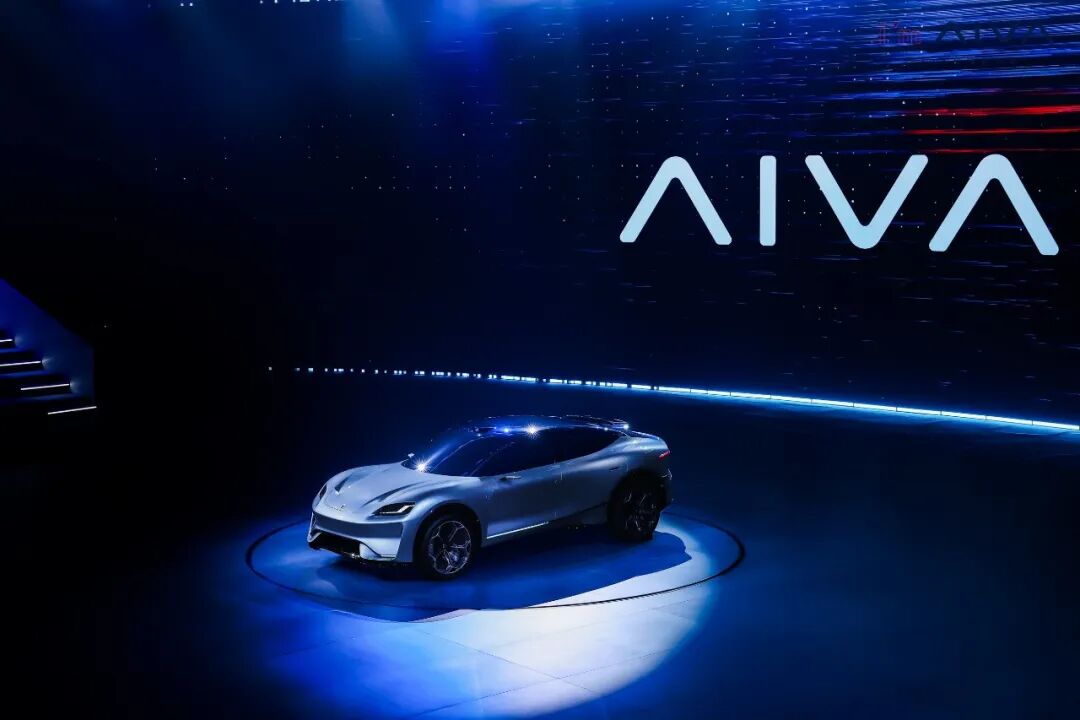
AIVA’s concept of "AI defining the car—AI first, then the car" indeed addresses a current industry pain point. Traditional smart cars typically develop hardware platforms first, then overlay various functions. This "hardware-first, software-later" approach often results in fragmented user experiences, forcing users to navigate through layers of menus. AIVA aims to place AI at the forefront of product definition, letting AI first understand user needs, simulate scenarios, and design interactions before organizing the automotive product accordingly.
This vision sounds promising but is extremely challenging to implement. Can AI truly uncover users’ authentic needs? Do those needs hold commercial value? Even if the needs are correct, can they be engineered into reality? These questions remain unanswered. Moreover, the entire industry is exploring AI-native vehicles, with everyone starting from the same baseline. AIVA lacks irreplaceable technological barriers.
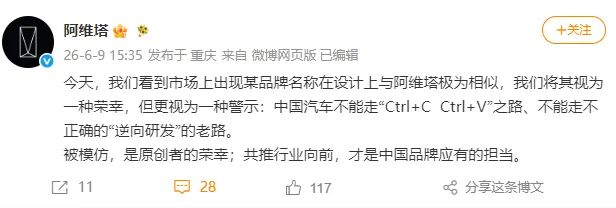
Worse still, AIVA faces a brand crisis before its launch. Avatr’s official accusations have tarnished AIVA with a "plagiarism" label from the start. Although Saido explained during the launch that AIVA stands for "Artificial Intelligence Voyage Ahead," symbolizing AI accompanying users forward, netizens remain unconvinced. Visual comparisons show striking similarities in font design and arrangement between AIVA and Avatr’s English logos, making the association hard to ignore.
Brand image is crucial for a new brand, especially in the mid-to-high-end market above 200,000 yuan, where consumers are highly sensitive to brand tone and originality. If AIVA cannot quickly shed its "plagiarism" stigma, subsequent market promotion will face significant hurdles.
Can AI Fully Define a Car?
According to official information, AIVA’s first mass-produced model, the ME7, will debut in 2026, targeting the mainstream market above 200,000 yuan. From current leaks, the ME7’s biggest selling point is undoubtedly its smart cockpit powered by Doubao’s large model.

Volcengine Vice President Yang Liwei stated at the launch that in the era of physical AI, the relationship between humans and cars will undergo three fundamental shifts: interactions will evolve from "mechanical and rigid" to "universal and vivid," intelligence from "feature stacking" to "emergent capabilities," and experiences from "monotonous" to "relaxed and enjoyable." Specifically, AI will no longer passively wait for instructions but actively perceive users’ states and needs to provide personalized services. For example, AIVA will adjust air conditioning temperature and fan speed based on season, clothing, and user status, even matching travel rhythms to routes, scenarios, and driving habits.
These features sound appealing, but we must remain rational. Nearly all smart cars on the market today promote similar capabilities, yet actual experiences vary widely. Many so-called "proactive services" end up as unwanted interruptions. Moreover, smart cockpit experiences depend not only on large models but also on infotainment system smoothness, hardware configurations, and integration with other functional domains.
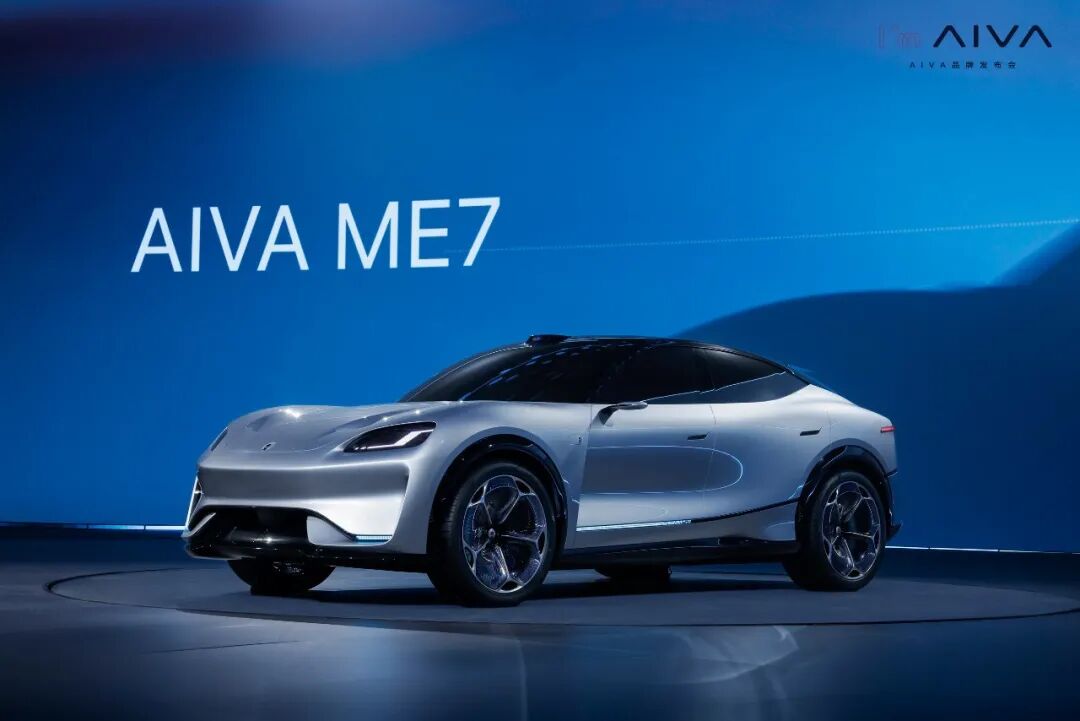
Beyond the smart cockpit, virtually no information has been released about the ME7’s chassis, powertrain, range, or intelligent driving system—all top concerns for consumers. This has led many to suspect that AIVA might merely offer a cockpit upgrade while relying on Seres’ existing vehicle platforms.
Furthermore, the market above 200,000 yuan is fiercely competitive, with Tesla and BBA at the top and BYD, Li Auto, and Aito below. Backed by Huawei, Aito delivered over 34,000 units across its lineup in May, securing the top spot in the high-end market. For AIVA to carve out a share, a smart cockpit alone is insufficient.
Ultimately, AIVA’s success hinges not on launch event narratives about "AI defining cars" but on whether the ME7 can convince consumers above 200,000 yuan to pay for Doubao’s brain.
-
![]()
"Shaking Hands" with WeChat's AI Ecosystem: Didi Paints a New Vision for AI
-
![]()
The Battle of Instant Retail: Does Huawei Want Meituan to Win?
-
![]()
The Success of AITO Underscores Seres' Need for Saido AIVA
-
![]()
Apple's Cook Takes Final Bow: Siri Reimagined, Gemini Steps In, But Capital Markets Remain Unconvinced
-
![]()
Apple’s Cook Bids Adieu: Siri Reinvented, Gemini Joins the Fray, But Are Capital Markets Unimpressed?
-
![]()
Breaking into the AI Computing Power and Low-Altitude Economy Sectors! Tongya Technology Heads for Hong Kong IPO: Tripling Revenue in Three Years, Third in Global Market Share, with Matrix Partners Ch
-
![]()
Will ByteDance’s Collaboration with Saido Follow Huawei’s Footsteps?
-
![]()
Revenue Surges 50-Fold: Q1 Earnings Match Annual Profit, This Year's Hottest Business Revealed