Is There Still Room for Growth in the Off-Road Vehicle Market, Now Brimming with Domestic Brands?
 06/10 2026
 476
476
In the post-new energy era, the off-road market is facing a myriad of challenges.
The latest edition of the China Taklimakan Rally has drawn to a close, marking a year that shone brightly for new energy vehicles. Alongside perennial participant Great Wall Motors, Dongfeng Mengshi and JETOUR made their debuts with a splash, achieving remarkable feats.
Beyond the confines of the racetrack, enthusiasm for off-roading has surged. On June 6th, Hongqi officially unveiled its first rugged off-road vehicle, the G919. Prior to this, GAC Trumpchi's inaugural off-road SUV, the Yue7, made its debut on the MIIT list. Coupled with the earlier introduction of the Geely Galaxy Warship 700, it's evident that nearly all domestic automakers have set their sights on the rugged off-road market.
Newcomers are not the only ones making waves. Established players in the rugged off-road segment, such as Great Wall Motors, Chery, and BYD, are also showcasing their prowess, leveraging technology to carve out a sales niche and distinguish themselves from the competition.
Driven by shifts in technological approaches and product definitions, the rugged off-road market is transitioning from a phase of broad market expansion to a new era of intense competition centered around defining market standards.
From Niche to Mainstream
The off-road market has undergone a comprehensive transformation over the past three years, evolving from a niche pursuit to a mainstream trend characterized by explosive growth in both technology and sales.
From 2023 to 2025, annual market sales skyrocketed from approximately 500,000 units to 894,000 units, nearly doubling in size over the span of five years.
In addition to this overall growth, new energy has emerged as the primary driver of sales. In 2023, sales of new energy off-road vehicles stood at just 86,000 units, with a penetration rate of less than 1%. By 2025, sales had surged to 447,000 units, with a penetration rate exceeding 48.6%. Meanwhile, the penetration rate among domestic brands surpassed 68%, signaling a fundamental shift in market dynamics.
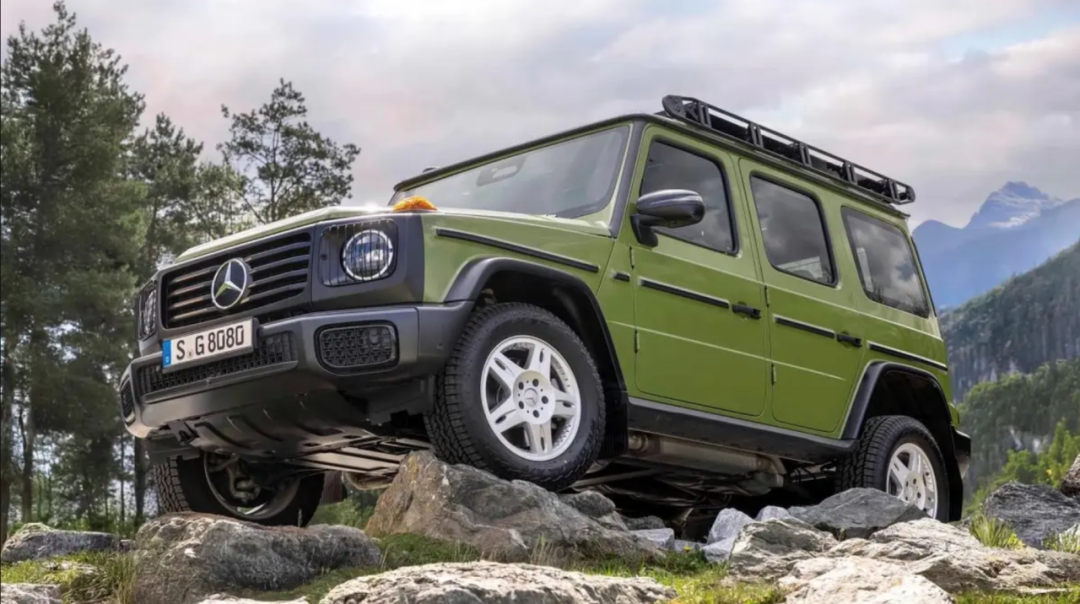
During the era of internal combustion engine vehicles, rugged off-road vehicles were a niche hobby that demanded significant financial investment. Models like the Toyota Prado, Land Rover Defender, and Jeep Wrangler were often out of reach for the average consumer, due to the dual barriers of technology and brand prestige.
However, the advent of new energy technology has completely reshaped this landscape. The integration of electric motors has made power and torque readily accessible. Electric motors can deliver maximum torque from a standstill, eliminating the need for traditional large-displacement engines and significantly lowering the technical barriers to off-roading.
On the flip side, unlike traditional mechanical four-wheel drive systems, the integration of electric motors has made four-wheel drive more accessible and cost-effective. The days when mechanical four-wheel drive was monopolized by a few suppliers, such as BorgWarner, are now a thing of the past. A single rear motor can now achieve four-wheel drive without the need for complex driveshaft layouts.
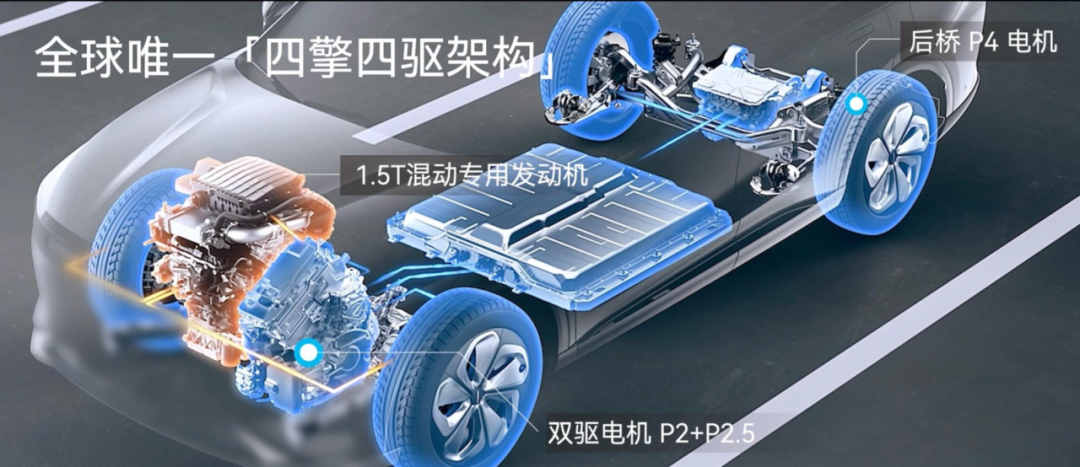
More crucially, electrification has directly led to a reduction in usage costs. New energy off-road vehicles do not require high-powered engines, and hybrid technology enables them to consume 60% less energy than their gasoline-powered counterparts of the same class. This not only lowers the entry barrier but also reduces ongoing costs.
Moreover, the widespread adoption of intelligent technologies has enhanced driving comfort. Smart features such as LiDAR and advanced driver-assistance systems are now being widely applied to off-road vehicles, addressing the traditional challenges of complex operation and difficulty in handling. This transformation has turned off-roading from a specialized activity into a skill that the general public can master in their daily lives.
Under the influence of the numerous advantages of new energy, the domestic off-road vehicle market has also undergone significant changes. The market segment priced between 200,000 and 400,000 yuan has become the core battleground for domestic brands, with Fangchengbao and Tank emerging as the main contenders. However, the high-end market remains dominated by Mercedes-Benz and Land Rover, with only the Yangwang U8 managing to break through.
Meanwhile, with the popularization of new energy, the off-road market has evolved from a singular focus on performance to a diversified landscape with multiple segments, catering to the diverse needs of different consumers.
Differentiated Competition
When discussing off-road vehicles today, their value extends far beyond exceptional off-road capability. Consumers are increasingly drawn to a relaxed and personalized "boxy" lifestyle. Data shows that up to 95% of rugged off-road vehicle owners engage in off-roading only once a year or even less, yet they are still willing to pay a premium for these vehicles.
Another survey conducted in 2025 reveals that 70% of Chinese off-road vehicle users primarily use their vehicles for urban commuting and light off-roading on weekends, with only 30% requiring heavy-duty off-road capabilities.
These market changes have prompted automakers to adjust their product strategies accordingly. Most users now demand vehicles that offer both off-road capability and urban driving comfort while ensuring cost-effectiveness.
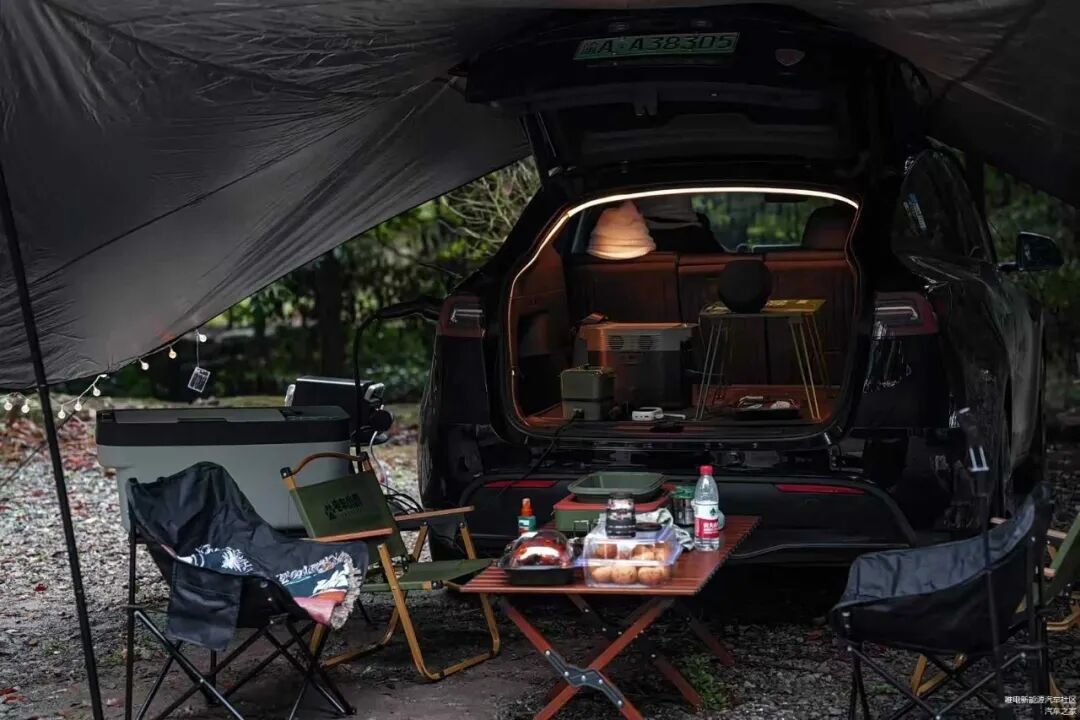
Under such market demands, what consumers actually need is not necessarily a rugged off-road vehicle but a product that resembles one.
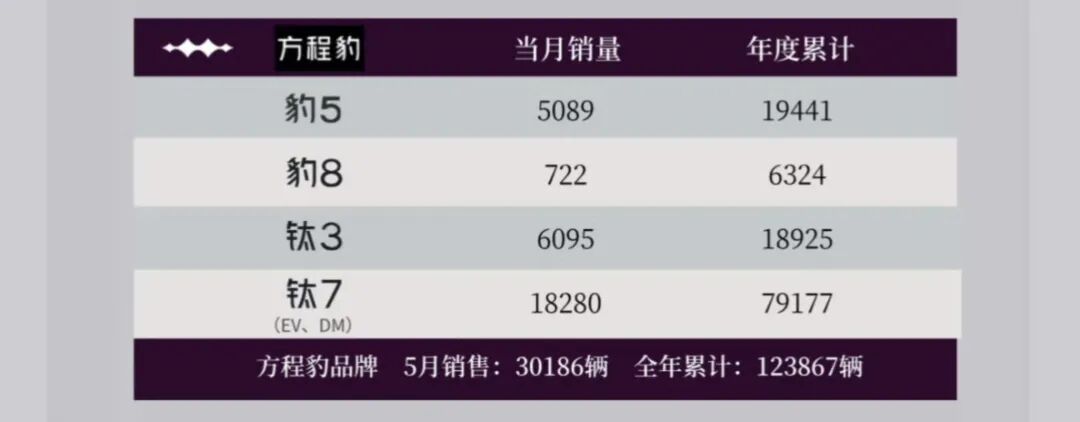
Take Fangchengbao as an example. According to BYD's official sales data, the brand sold 30,186 units in May, with 18,280 units being the Titan 7, accounting for over 60% of total sales. In contrast, the Leopard 8 and Leopard 5 combined sold less than 6,000 units. This sales distribution mirrors the overall market trend.
Most consumers do not require rugged technical features like a heavy-duty chassis capable of handling extreme conditions. Instead, they seek products that are suitable for daily use, offer light off-roading capabilities, and come with low usage costs.
These market changes have presented opportunities for more automakers to find their niche in specific segments.
Hongqi's first off-road vehicle, the G919, is clearly positioned as a high-end product. By drawing a parallel between the G919 and the domestically produced C919 aircraft, Hongqi aims to reinforce the premium positioning of this new model through its brand pricing strategy.
From the disclosed specifications, the Hongqi G919 features a 2.0T range-extender powertrain and a four-motor layout, similar to BYD's Yangwang U8. It boasts a body-on-frame design, three mechanical differential locks, and air suspension, meeting the vast majority of off-road demands. Additionally, it includes Huawei's ADS advanced driver-assistance system, catering to the needs of new energy intelligence.
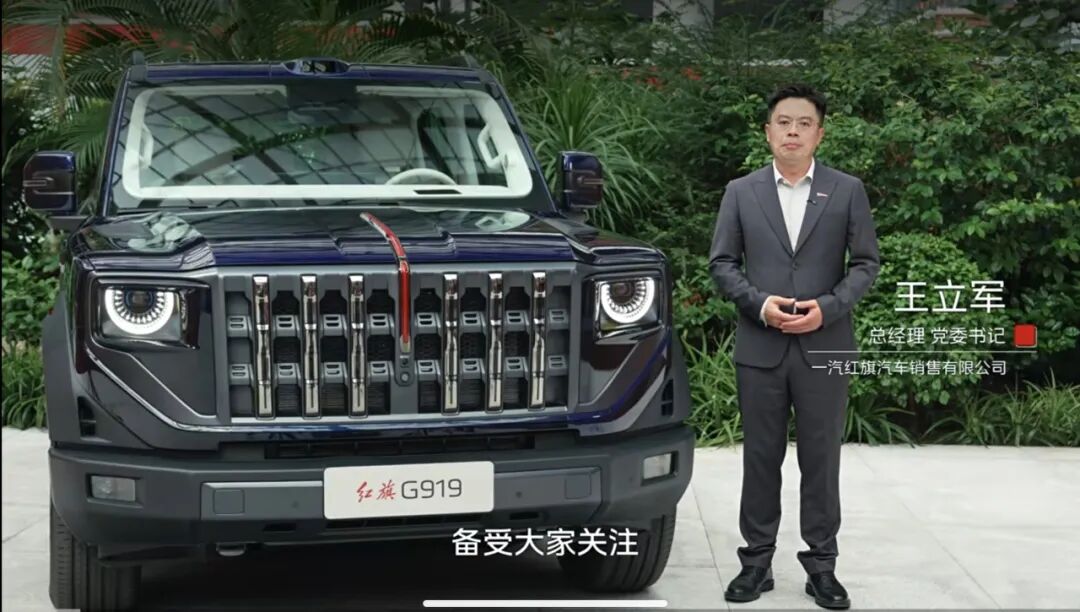
Based on the currently disclosed pricing, the 600,000 to 800,000 yuan range suggests that this model is unlikely to be a high-volume seller. For Hongqi, the G919 is more about competing with rivals like the Mercedes-Benz G-Class and Land Rover Defender.
In contrast, the Geely Galaxy Warship 700 and GAC Trumpchi Yue7 are positioned for the mainstream market, primarily focusing on urban commuting while accommodating light off-roading needs.
This aligns with the development strategies of both automakers. During the era of internal combustion engines, both Geely and GAC Trumpchi performed well in the SUV market. As they transition into the new energy era, they continue to focus on the family SUV segment.
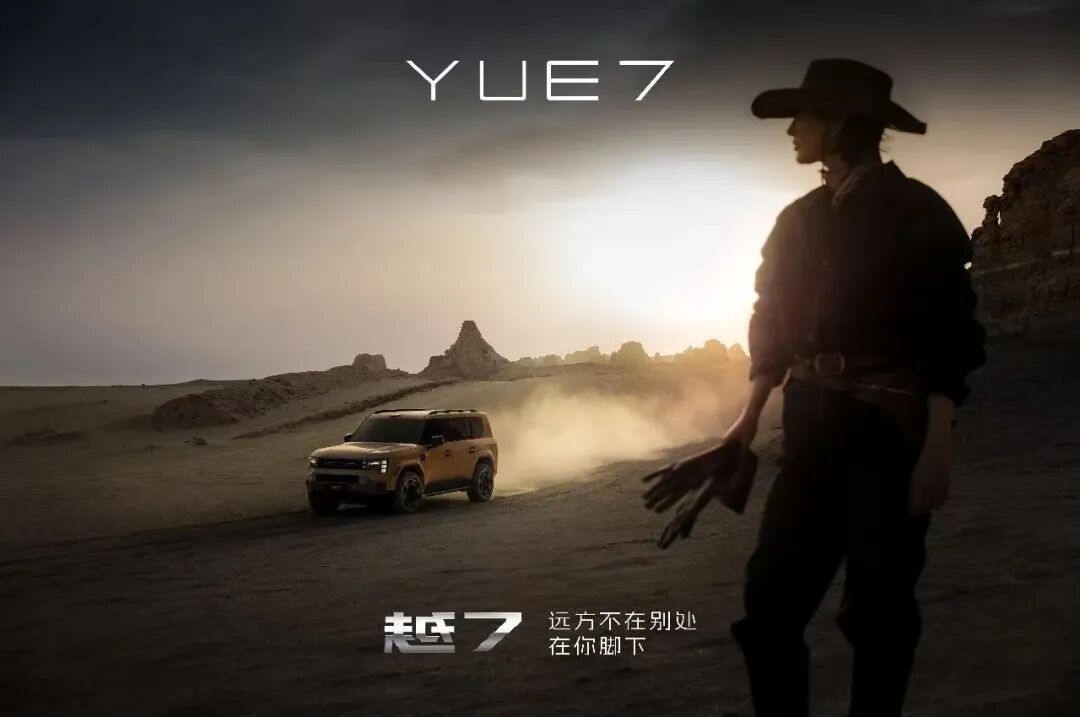
Now, with the market continuously evolving, these automakers need new segments to expand their sales volumes while also validating their technological advancements.
The collective entry of new players has intensified competition but also brought fresh possibilities.
The popularization of new energy has helped domestic off-road vehicles expand their market, moving beyond the rugged off-road 1.0 era through electrification and successfully growing the mainstream market. Now, with the integration of intelligence, the rugged off-road market is entering a new phase of meticulous cultivation, where personalized products will drive market expansion, making off-roading more than just a niche hobby.
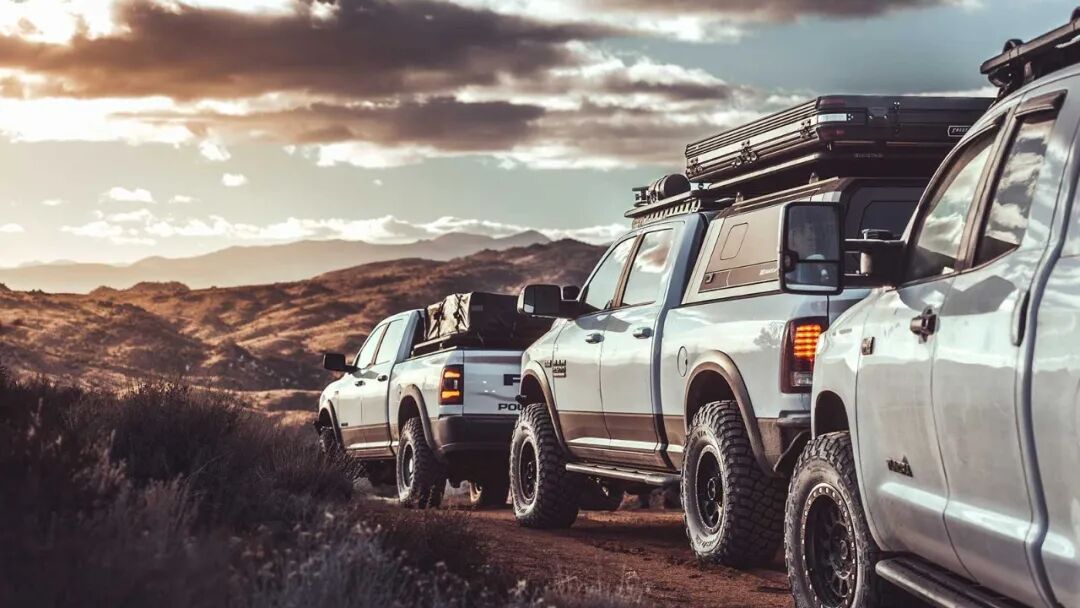
The rapid market expansion brings both opportunities and the potential for bubbles.
While all automakers are engaged in vehicle manufacturing, rugged off-roading requires unique technical expertise. Whether automakers can maintain their composure amid fierce competition and truly adopt a "long-termist" approach in product development and marketing will determine their success in this chaotic market.
For consumers, this intense competition among automakers is largely beneficial, as it will lead to the creation of more diverse, superior, and cost-effective off-road models.
Note: Some images are sourced from the internet. If there is any infringement, please contact us for removal.
-END-

-
![]()
"Shaking Hands" with WeChat's AI Ecosystem: Didi Paints a New Vision for AI
-
![]()
The Success of AITO Underscores Seres' Need for Saido AIVA
-
![]()
Apple's Cook Takes Final Bow: Siri Reimagined, Gemini Steps In, But Capital Markets Remain Unconvinced
-
![]()
Apple’s Cook Bids Adieu: Siri Reinvented, Gemini Joins the Fray, But Are Capital Markets Unimpressed?
-
![]()
Breaking into the AI Computing Power and Low-Altitude Economy Sectors! Tongya Technology Heads for Hong Kong IPO: Tripling Revenue in Three Years, Third in Global Market Share, with Matrix Partners Ch
-
![]()
Will ByteDance’s Collaboration with Saido Follow Huawei’s Footsteps?
-
![]()
Revenue Surges 50-Fold: Q1 Earnings Match Annual Profit, This Year's Hottest Business Revealed
-
![]()
Cook’s Gourd Holds No Magic Cure for Apple’s AI Woes