Ditching Huawei: The Biggest Misconception Surrounding Saidoo
 06/12 2026
 406
406
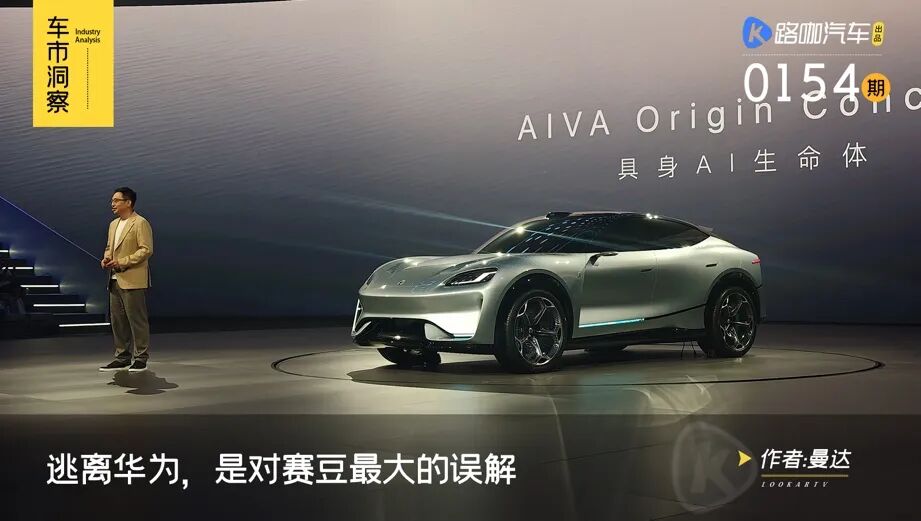
Even in 2026, China's automotive market continues to witness the emergence of new brands.
Following in Huawei's footsteps, Seres has teamed up with new partners to establish Saidoo Technology and introduce the new brand AIVA. Saidoo Technology came into being through the renaming and restructuring of the former Landian Technology. Given Landian's less-than-impressive track record—only managing monthly sales of 3,000 units after several years—doubts have surfaced. For a car priced around 100,000 yuan, such sales figures can hardly be deemed a success.
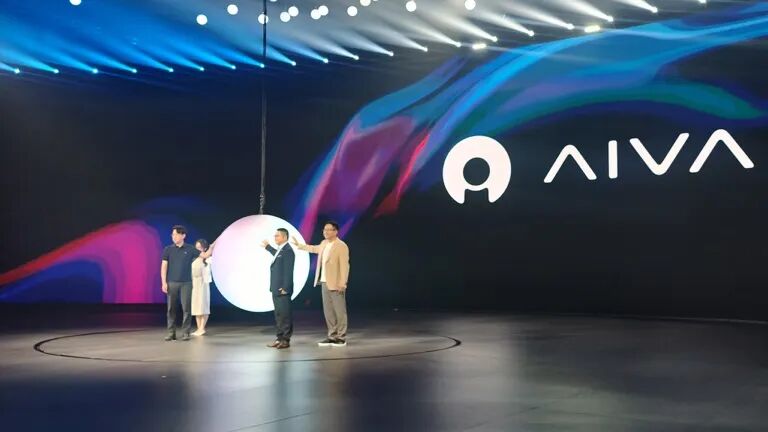
However, branding Landian as a failure outright is a misconception. Few have taken note of Landian's achievements in overseas markets. Consequently, AIVA will not limit itself to the domestic market.
With the launch of the AIVA brand, there's also speculation about whether Saidoo signifies Seres' attempt to distance itself from Huawei. Actually, the opposite is true—Seres does not aim to shed its contract manufacturing identity.

Saidoo's ambition is not to de-emphasize Huawei's influence on AIVA. The first concept car, Origin, has made its debut, with plans to introduce the production model ME7 within the year. The new vehicle comes equipped as standard with Volcano Engine's Doubao large model, supporting multimodal interaction, emotion perception, contextual recommendations, and seamless integration with the Douyin and Feishu ecosystems. For intelligent driving, the partner is not Huawei ADS, with which Seres has deep-rooted ties, but rather the domestic algorithm provider Yuanrong Qixing. This has sparked swift discussions about whether "Seres is moving away from Huawei."
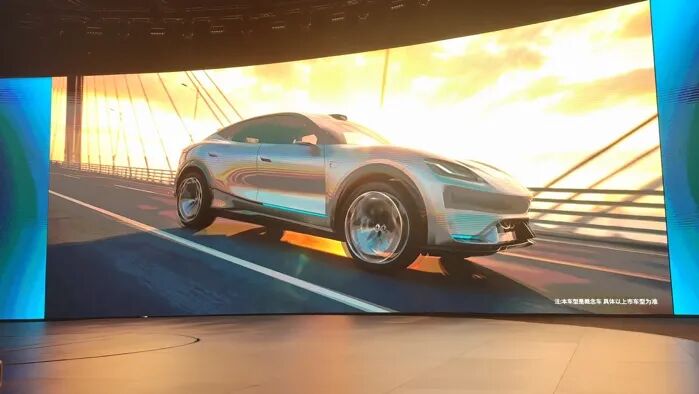
However, a closer examination of Saidoo's launch content and brand structure reveals that "de-Huawei-ization" is merely a superficial impression. Seres' true ambition extends far beyond simply realigning with a new partner—it aims to leverage AI to carve out a new growth space in the global market.
Firstly, Saidoo bears strong traces of Huawei. AIVA's president, Li Bo, played a pivotal role behind the AIDO M5, M7, and M9 product lines. AIVA's new vehicles will be manufactured at Seres' Phoenix Factory, which was previously home to the AIDO M7. This indicates that Saidoo's core capabilities in manufacturing, supply chain management, and quality control are imprinted with the experience gained during the AIDO era. Saidoo is attempting to forge its own path based on its experience collaborating with Huawei.
Secondly, a core rationale behind Saidoo's inception is "going global." Insiders at Seres reveal that Saidoo was initially positioned to target overseas markets. In fact, while Seres' Landian brand has a limited domestic presence, it achieves monthly sales of several thousand units overseas, far surpassing AIDO's export scale.
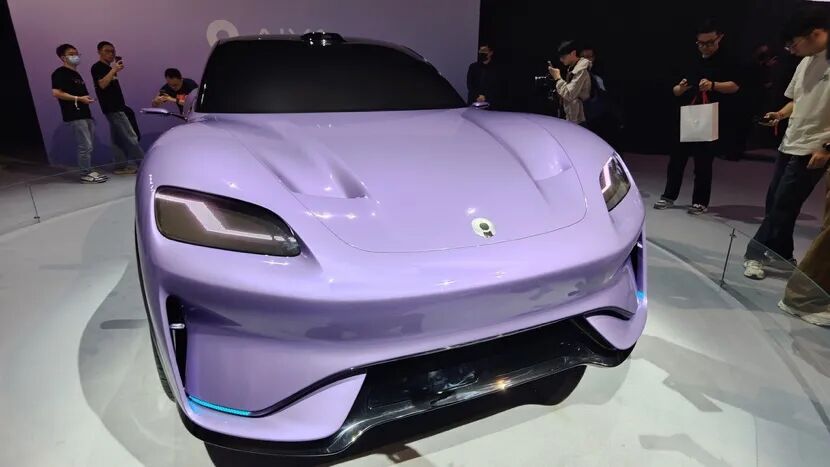
The same source disclosed that the original Landian brand plans to rename itself "Saihu BU" and focus on overseas markets, with the overseas brand named DFSK.
Saidoo's future positioning will also involve a dual domestic and international strategy, with powertrain options covering pure electric and extended-range models. This means Saidoo's strategic goal is to compete for a share of the AI car market globally, not just domestically.
From its inception, Saidoo evolved from Seres' Landian Technology. After structural reorganization, a company under Chongqing's state-owned assets became the majority shareholder, with Seres in second place and CATL also joining as an investor. Volcano Engine and the Doubao large model serve as deep technical partners, providing capabilities in computing power, AI, and data security.
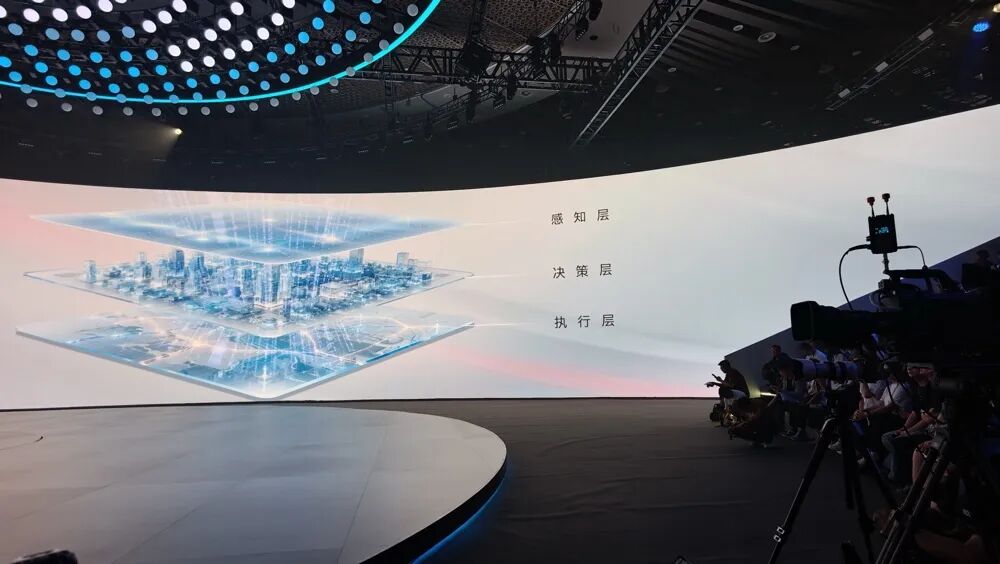
So, what is Saidoo's true ambition? The answer lies in its car-building logic: AI comes first, then the car.
Traditional automakers follow the logic of "build a good car, then add AI features." Saidoo takes the opposite approach: it first defines the boundaries and scenarios for AI capabilities, then designs the car's form and interactions around AI. For example, AIVA's AI air conditioning dynamically adjusts temperature control strategies based on the age and status of occupants (children, post-exercise individuals, the elderly). If it detects you've overslept and are running late, your navigation habits, following distance, and even the in-car ambiance will automatically adjust... The car learns to proactively understand, adapt to, and serve its occupants.
While many automakers mention the concept of an "automotive robot," AIVA is the first to dissect scenarios so meticulously at its launch. The Chinese automotive market is already fiercely competitive—introducing another new brand is not the goal. The key is whether this brand can truly stand out in the new realm of AI cars. Saidoo's ambition is to seize this historic window of opportunity where "AI defines the car."
Saidoo Cannot Avoid the Pitfalls That Landian Faced
A harsh reality cannot be ignored: the domestic mainstream market for vehicles priced between 100,000 and 200,000 yuan is already saturated, becoming a "battleground" for China's new energy vehicles. Above, there are the defensive lines of NIO, Li Auto, and XPeng; to the side, there is the formidable presence of Xiaomi SU7; below, there are the cost barriers of traditional giants like BYD and Geely.
Thus, when a new vehicle appears with the core philosophy of "AI defines the car," targeting the 200,000-yuan market, is this just the beginning of another AI bubble?
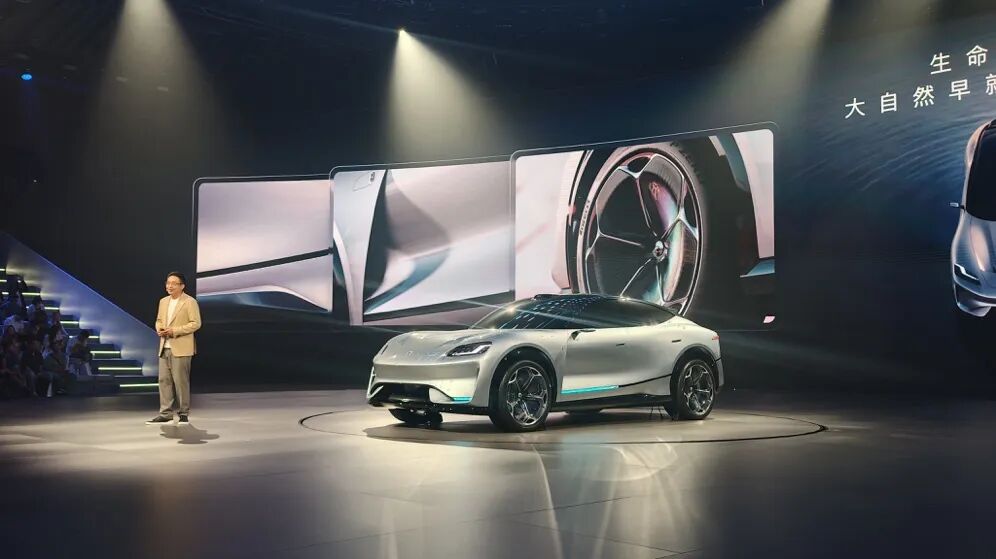
In the 200,000-yuan market, Xiaomi is an unignorable factor. However, there are clear differences in the underlying product philosophies. Xiaomi SU7's success hinges on its mechanical prowess, backed by Nürburgring credentials, striking a balance between "driving pleasure" and "tech ecosystem."
AIVA, in contrast, completely detaches from the mechanical realm and directly targets emotional connections with digital natives. For "Generation Z" or even "Generation Alpha," awareness and acceptance of Doubao, intelligent recommendations, and seamless interactions far outweigh obsessions with engine roar or zero-to-100 acceleration.
However, AIVA's philosophy of "AI first, then the car" raises a deeper, more challenging question: Will an AI designed to learn from users amplify their bad habits? If a driver habitually drives slowly, parks illegally, or even exhibits road rage, will this "understanding" AI partner offer gentle reminders and corrections, or will it "go with the flow" and even reinforce these dangerous behaviors to "please" the user?
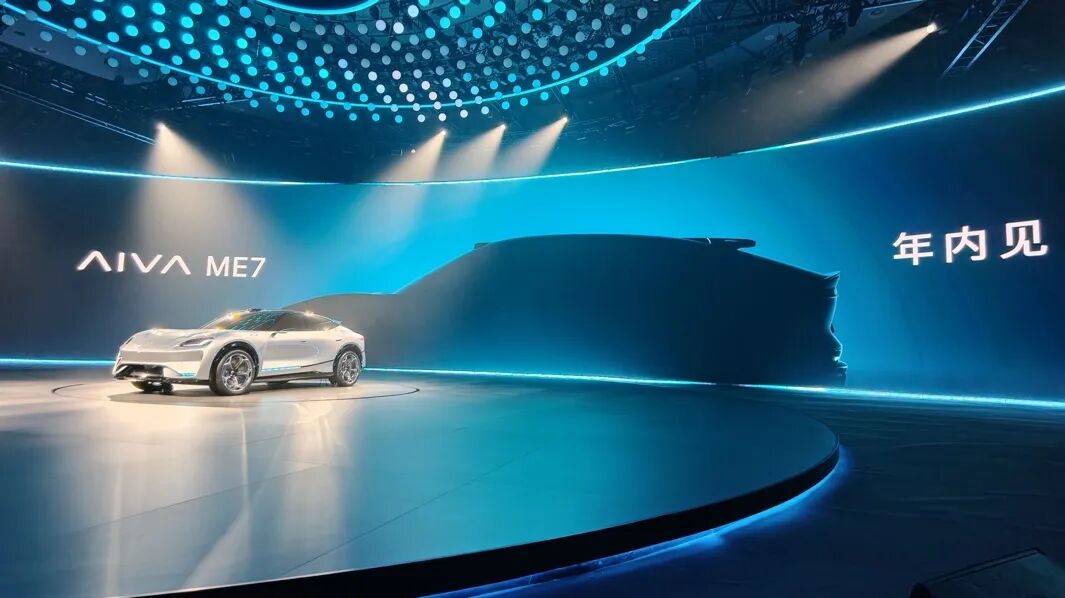
Looking back at Landian's failure in the domestic market, its positioning around 100,000 yuan suffered from weak brand recognition and cost-effectiveness compared to mainstream brands, leading to poor sales. Landian's failure seemed to validate the correctness of Seres' partnership with Huawei, but the core issue was not the presence or absence of Huawei. Rather, without leading platform and three-electric (battery, motor, electronic control) technologies, the Landian brand was destined to struggle in market competition.
The pitfalls Landian encountered cannot be bypassed by Saidoo. Relying solely on the slogan "AI defines the car" will not be enough for AIVA to break through.
The critical factor remains what technological and platform resources Seres will invest in AIVA. Production in the same factory as the AIDO M7 already signals something: if Landian was Seres' trial to shed contract manufacturing, then AIVA will test how much Seres has learned from its collaboration with Huawei.
-
![]()
Apple Shareholders Paid $230 Billion in 'Make-Up Exam Fees' for Apple's AI
-
![]()
Oracle Plummets? The Irreparable Flaws Beyond AI Infrastructure - 'High Interest, High Debt + Stagnant Software'
-
![]()
Oracle Plummets? The Irreparable Damage That AI Infrastructure Can't Fix—'High Interest, High Debt + Failing Software'
-
![]()
The Largest IPO in History Is on the Horizon: Why SpaceX Justifies a $1.75 Trillion Valuation
-
![]()
Cook's Gourd Holds No Magic Cure for Apple's AI Woes
-
![]()
Uber Exhausts Annual AI Budget in Just Four Months: Why Can't Even Uber Sustain AI Token Costs?
-
Unitree Goes Public, Ushering in an Era of Capital Frenzy for Robots?
-
![]()
In-Depth Exploration of the Physical AI Industry Ecosystem