Nearly 200 Years of Effort: Humans Finally Drive Electric Vehicles with Greater Proficiency
 06/15 2026
 421
421
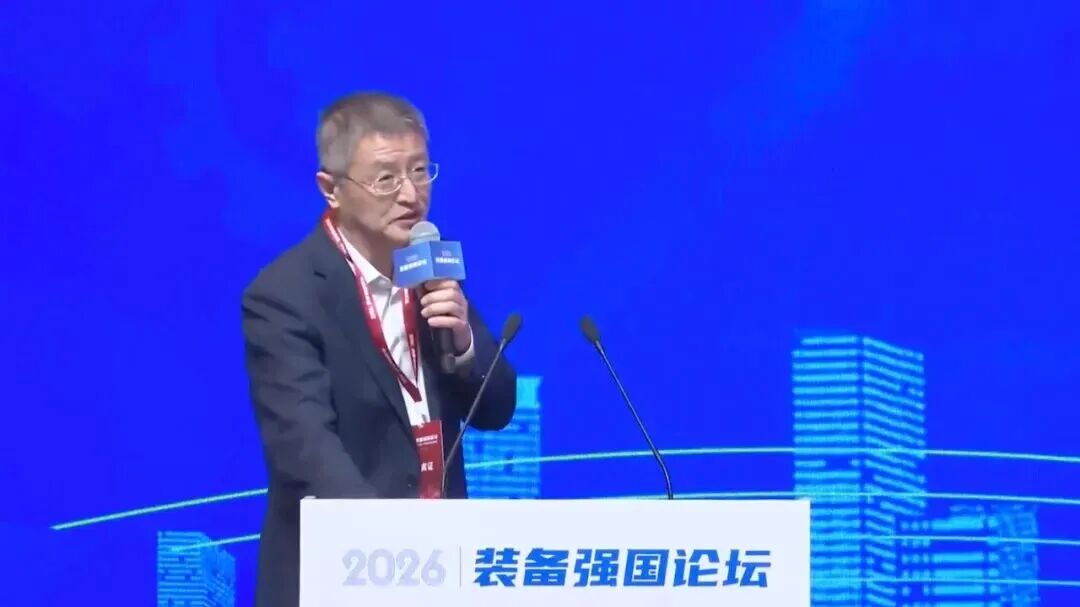
Just a few days ago, at the '2026 Equipment Powerhouse Forum,' Academician Wu Kai, the Chief Scientist of CATL, made a significant announcement: CATL will focus on the research and development of 'lithium-air batteries' over the long term.
Known as the ultimate direction for next-generation battery technology, this system boasts a theoretical energy density limit nearly 5 to 10 times that of existing lithium batteries. In simpler terms, if this battery technology becomes a reality, internal combustion engines will essentially become obsolete.
The news sparked excitement among many car enthusiast groups. Those who were previously waiting for solid-state batteries before upgrading their vehicles now have another reason to delay their purchase.
However, as someone who has long observed the automotive industry, I remained unperturbed by the news.
After all, from the announcement of a concept to the availability of a new energy vehicle that you can actually buy, there are several hurdles to overcome. These include basic research, engineering scale-up, lifespan verification, and the lengthy industrial negotiations between suppliers and OEMs.
Moreover, behind this excitement lies a somewhat harsh physical reality: humans have been striving for nearly two centuries to find a sufficiently perfect 'energy container' for electricity on this planet.
Today, when you're at a 4S store listening to the salesperson skillfully promote lithium iron phosphate, ternary lithium, fast-charging capabilities, and battery warranties, these terms may sound futuristic. However, the act of 'powering wheels with electricity' itself is ancient, possibly beyond your imagination.
While you stand in the showroom today, deliberating over fast-charging capabilities and charging station distribution, European ladies a century ago were also concerned about how far away the battery swap station was from their homes.
A History Older Than Internal Combustion Engines
In 1831, during the 11th year of Emperor Daoguang's reign in the Qing Dynasty, Faraday discovered electromagnetic induction, laying the theoretical foundation for electric motors to drive machinery.
Then, in 1859, French physicist Plante invented the lead-acid battery, marking the first time humanity possessed a rechargeable battery and making electric vehicles truly feasible.
In 1881, French inventor Trouvé used a lead-acid battery paired with a Siemens motor to create the first recognized manned electric vehicle to hit the road. This vehicle predates Karl Benz's internal combustion engine car by a full five years.
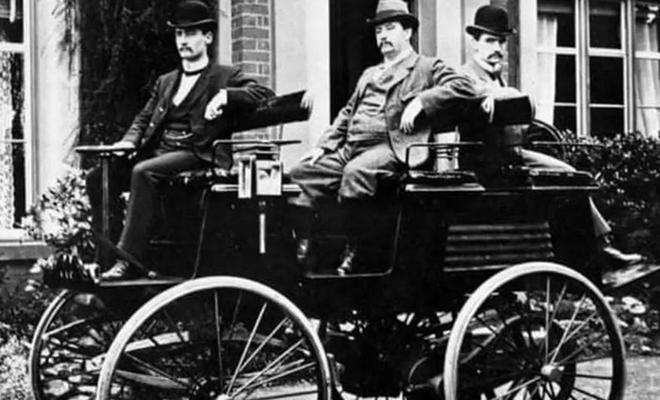
So, strictly speaking, electric vehicles were not followers of fuel-powered vehicles; they were the pioneers.
Moreover, in the late 19th and early 20th centuries, electric vehicles thrived quite well. They were quiet, emitted no exhaust, and didn't require a crank handle to start, making them elegant for short trips in the city.
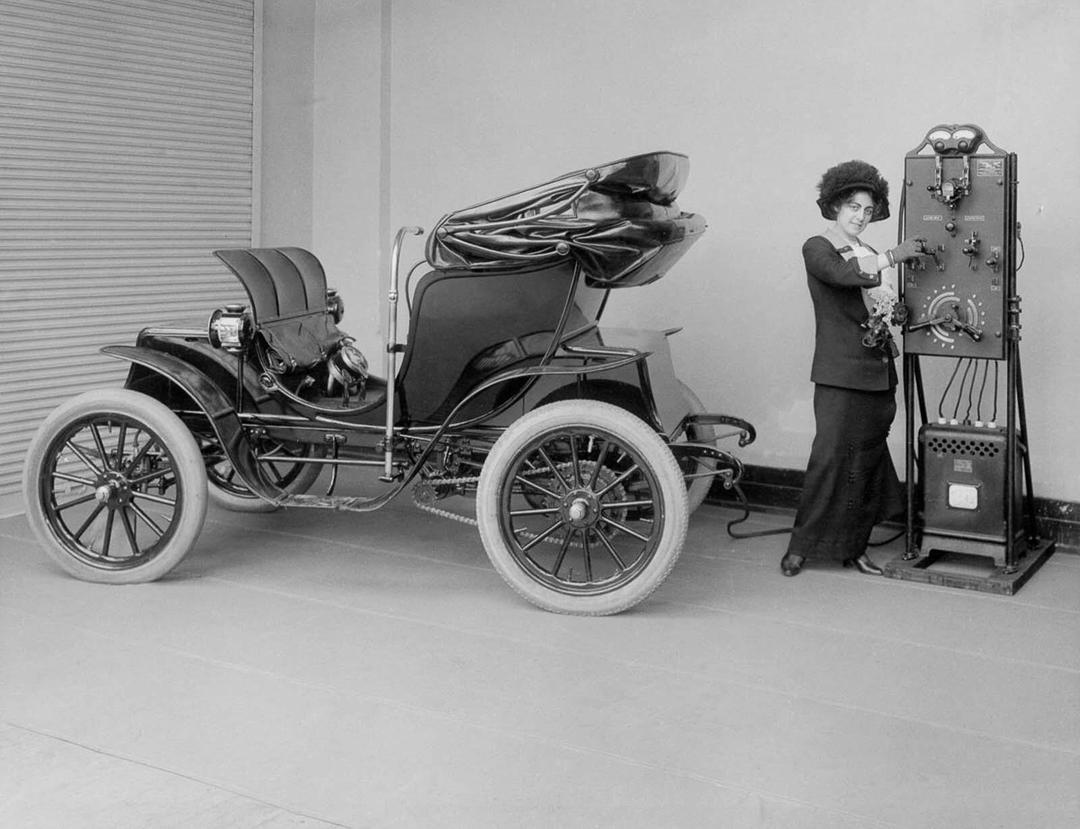
Electric taxis were once ubiquitous on American streets, postal vehicles used electricity, and electric vehicles were the preferred choice for ladies going out. Additionally, because lead-acid batteries were too heavy to carry home for charging, many large cities built numerous battery swap stations to serve users.
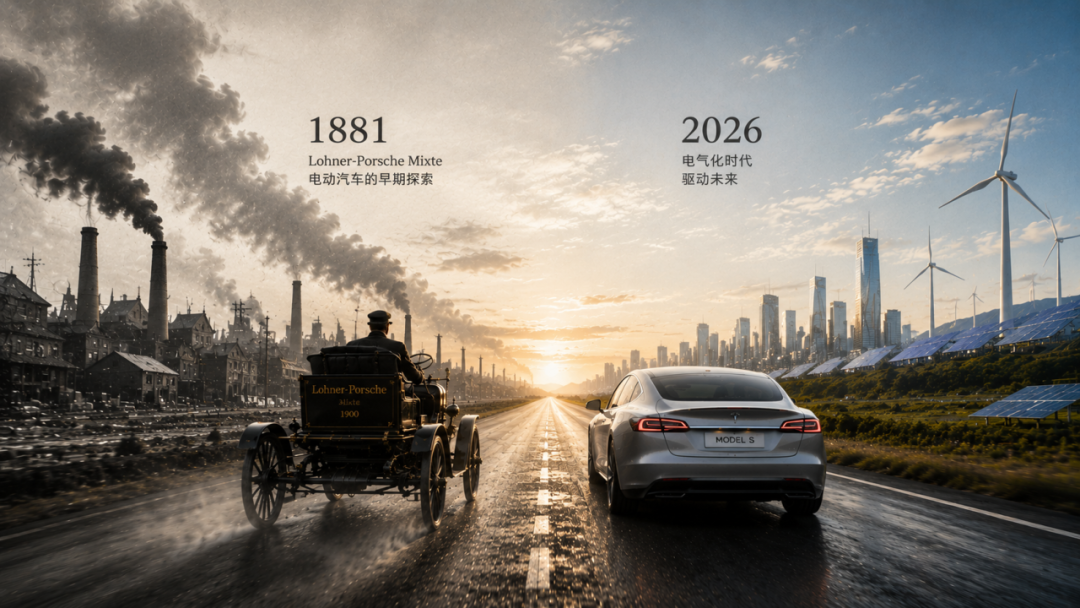
Some familiar brands today also produced electric vehicles during this period, such as the Porsche Lohner-Porsche Mixte, which could reach a top speed of 130 km/h.
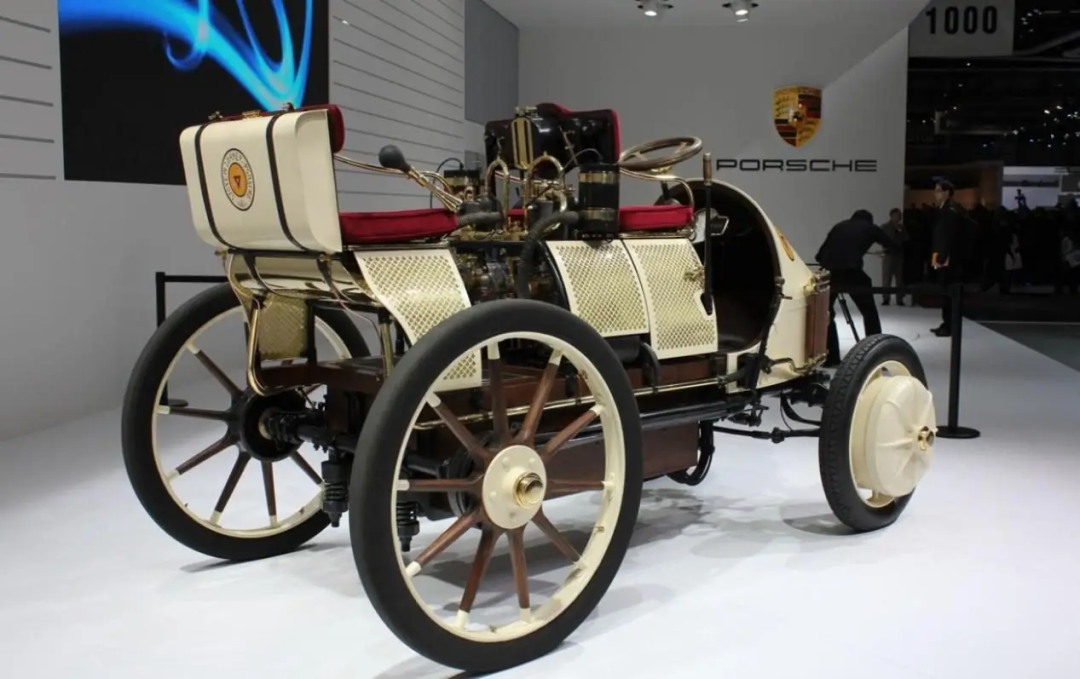
In the following decades, electric vehicles experienced a golden period of development, with sales and market share consistently surpassing those of fuel-powered vehicles.
However, the mass production of Ford's Model T subsequently drove down car prices, with a selling price of less than $700, nearly half that of electric vehicles.
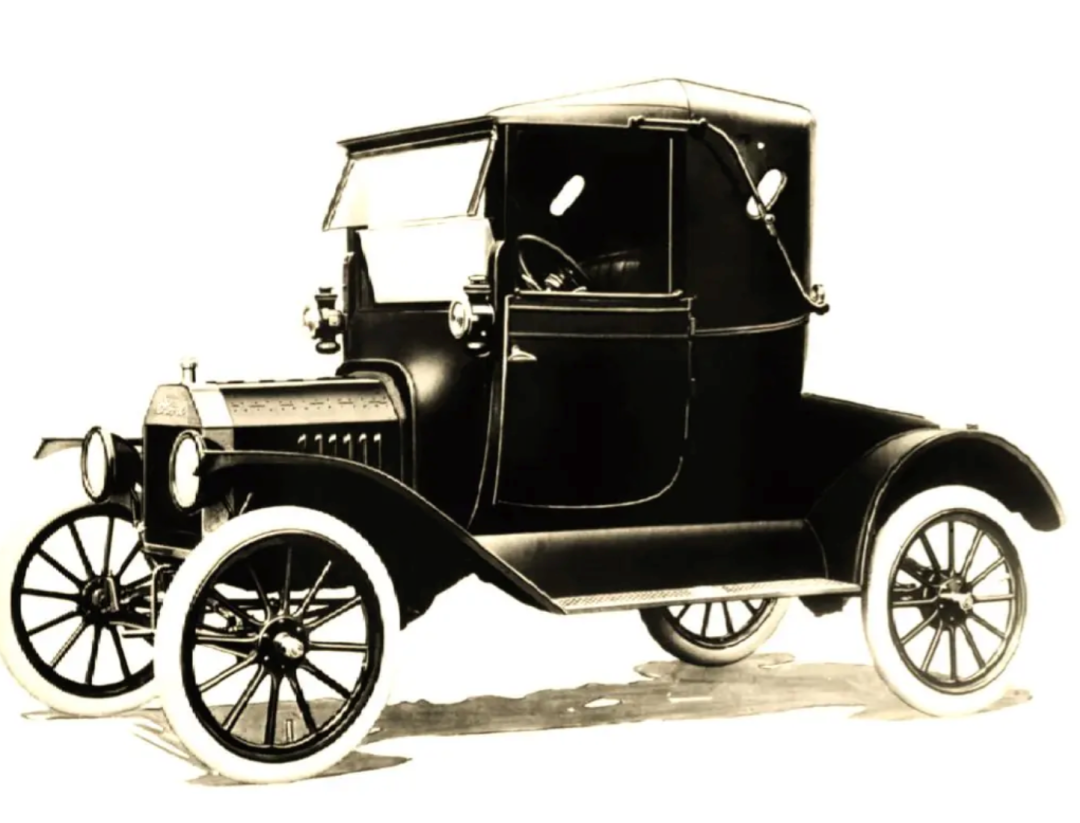
At the same time, President Roosevelt's large-scale infrastructure projects, which provided work relief, increased the demand for long-distance travel across interstate highways. Coupled with falling fuel prices, lead-acid battery electric vehicles gradually declined, later finding applications only in specific settings like golf courses.
Of course, lead-acid batteries did not completely disappear from automobiles; they still exist in the vast majority of fuel-powered vehicles, quietly sitting under the hood, responsible for an important but unobtrusive task: starting the engine.
So, how did electric vehicles make a comeback into the mainstream in the past decade?
Fuel prices were a driving factor, but not the fundamental one. From a materials science perspective, it was because humans finally found a material with higher energy but lighter weight to replace lead.
And it took decades for humans to tame it.
The Birth of Lithium Batteries
Lithium, the third element on Mendeleev's periodic table, is currently known as the most chemically reactive metal.
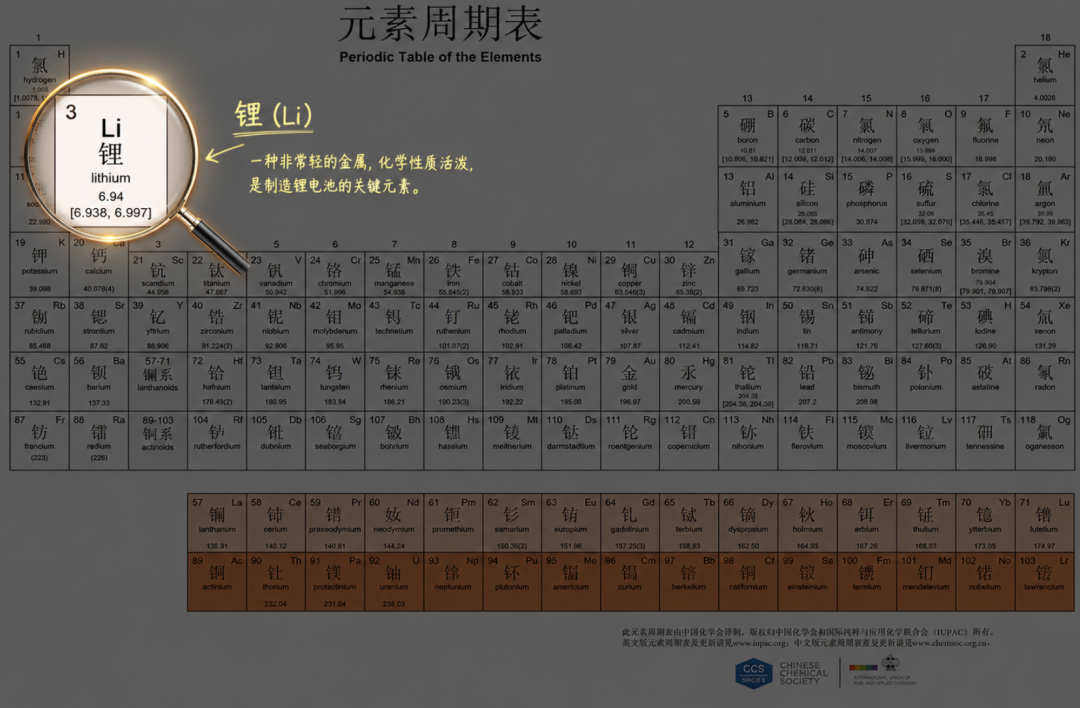
If you cut a piece of metallic lithium and throw it into water, it will hiss and spin on the surface, releasing hydrogen gas and even igniting.
This means it is inherently a wild horse that can run incredibly fast, as long as you can tame it.
One gram of metallic lithium contains approximately 3800 milliamp-hours of energy—enough to fully charge an entire iPhone.
To store the same amount of electricity, only a few kilograms of lithium are needed, compared to tens or even hundreds of kilograms of lead-acid. This is an inequality written into the laws of physics from the beginning, a gap that cannot be bridged by craftsmanship alone.
In the 1970s, scientists at Exxon created the first lithium metal battery. Its energy density was astonishing, but after repeated charging and discharging, lithium would grow dendritic crystals on the negative electrode surface, continuously growing like needles and eventually puncturing the separator, causing a short circuit and explosion.
In the 1980s, the Canadian company Moli Energy attempted to mass-produce lithium metal batteries for use in mobile phones, but a large-scale fire and recall ensued, leading to the company's bankruptcy. Lithium's reputation for being 'volatile' was firmly established.
The real turning point came from a shift in thinking by Japanese chemist Yoshino Akira.
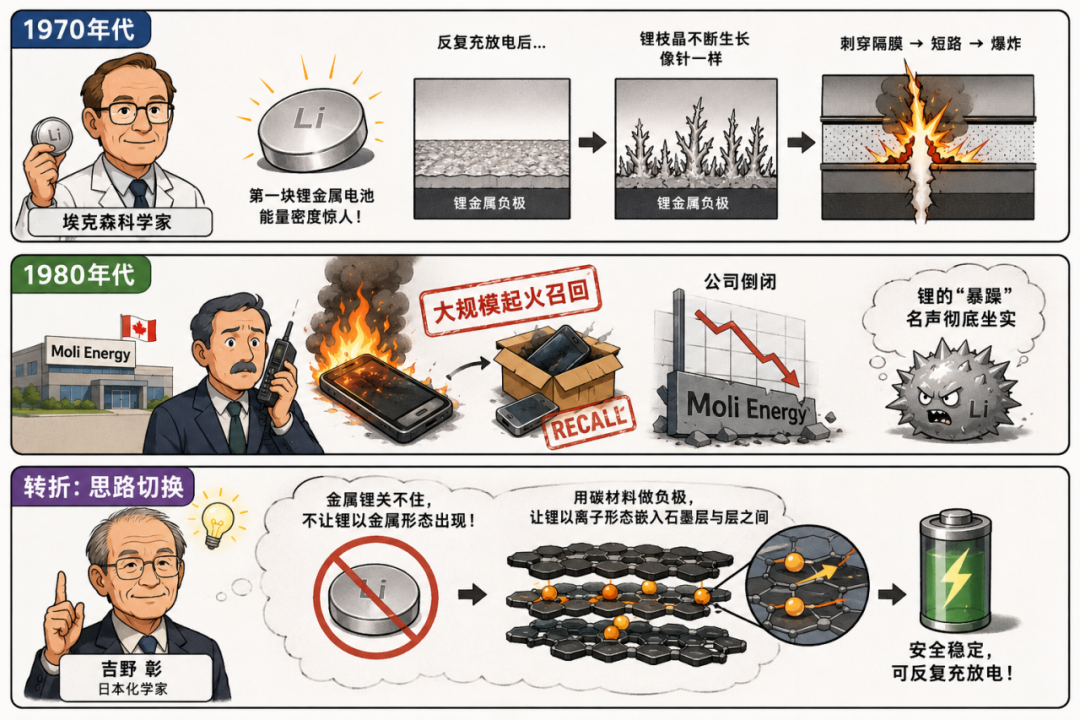
He thought, since metallic lithium cannot be contained, why not prevent lithium from appearing in its metallic form? He used carbon materials as the negative electrode, allowing lithium to exist in an ionic form between the layers of graphite.
If we compare the graphite carbon layers to neatly stacked shelves, lithium ions are the goods neatly stored between the layers; whereas the past metallic lithium negative electrode was equivalent to abandoning the shelves and directly stacking the lithium raw materials in the warehouse space, with unrestrained metallic lithium growing and protruding uncontrollably during charging and discharging, making it difficult to manage.
In 1991, Sony mass-produced the first commercial lithium-ion battery. Thus, humanity finally found a way to 'cage' lithium for the first time.
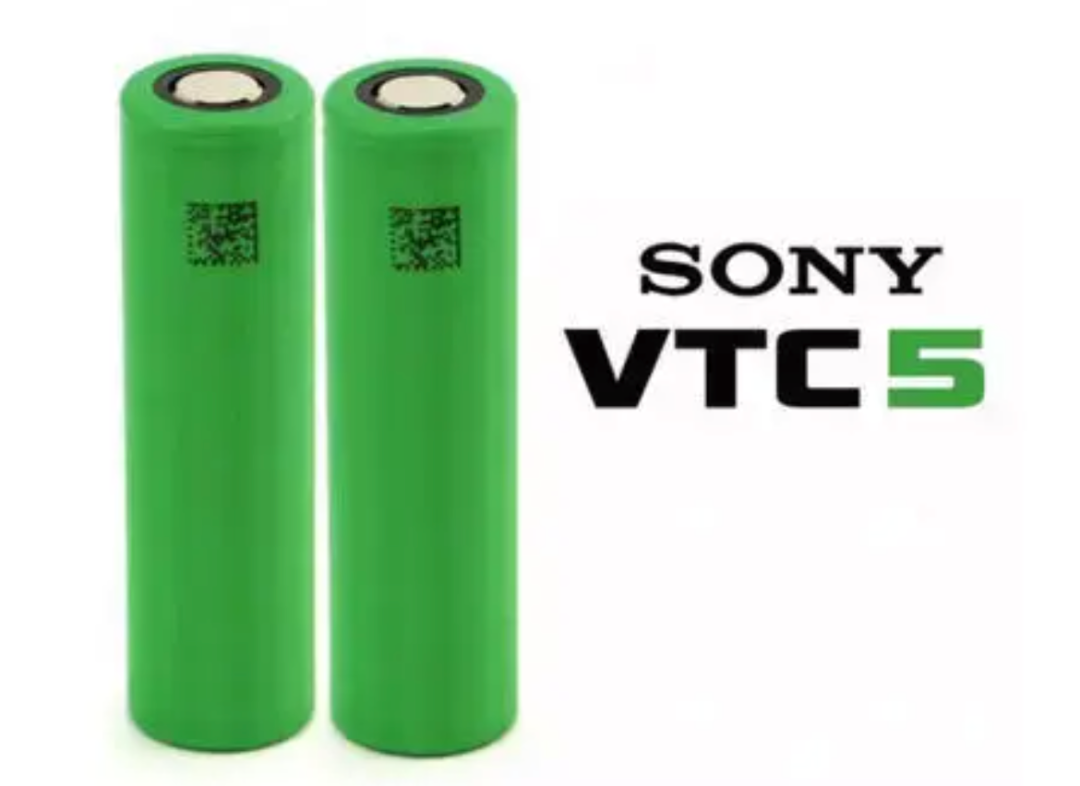
Even now, the design of this 'cage' has been continuously improved. The power battery in your car today is the ultimate form of this cage.
From Salt Lakes to Battery Cells: How the Wild Horse Was Caged
If we were to dissect a freshly made lithium battery cell in a factory, you would find that the underlying structure of this cage is as intricate as a layered 'microscopic sandwich.'
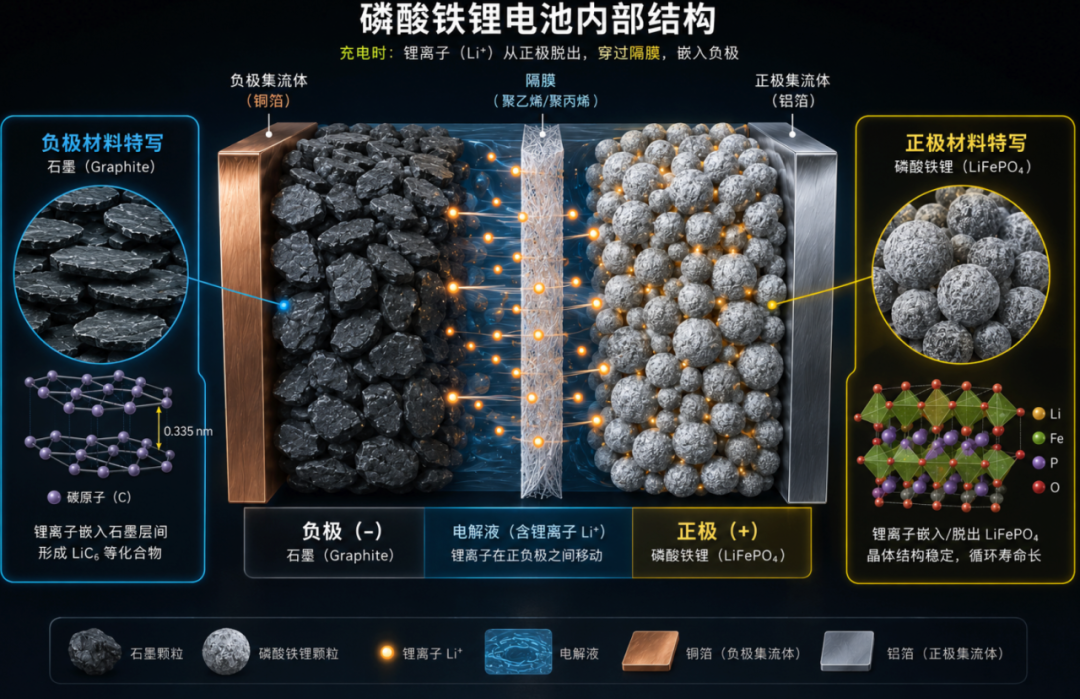
First, there are the current collectors on both sides.
The positive electrode is a very thin layer of aluminum foil, and the negative electrode is a layer of copper foil, connected through a circuit. The operation of the electric motor relies on the electrons migrating through this circuit.
Next are the core positive and negative electrode materials.
The mainstream negative electrode uses artificial graphite made from pure carbon processes, which has a very perfect layered structure at the microscopic level, with numerous nanoscale gaps between the layers.
The positive electrode is a lithium compound, with common materials now mainly being lithium iron phosphate and nickel-cobalt-manganese ternary lithium.
Finally, there is the separator and electrolyte sandwiched between the positive and negative electrodes.
The separator is actually a plastic product, not only one-tenth the diameter of a hair in thickness but also, due to the nature of plastic, insulating. The microholes on it only allow lithium ions to pass through, while electrons can only be blocked outside and find another path.
The electrolyte, formulated from organic carbonates and lithium salts, acts as a 'lubricant' for the lithium ions to shuttle back and forth.
After understanding the structure of lithium batteries and comparing them to lead-acid batteries from a century ago, we can intuitively feel why lithium batteries discharge more powerfully.
Traditional lead-acid batteries use heavy lead plates immersed in highly corrosive dilute sulfuric acid.
Their power generation is essentially a crude chemical reaction of 'dissolution and precipitation'—each time they discharge, the lead plates dissolve and form large chunks of lead sulfate solid.
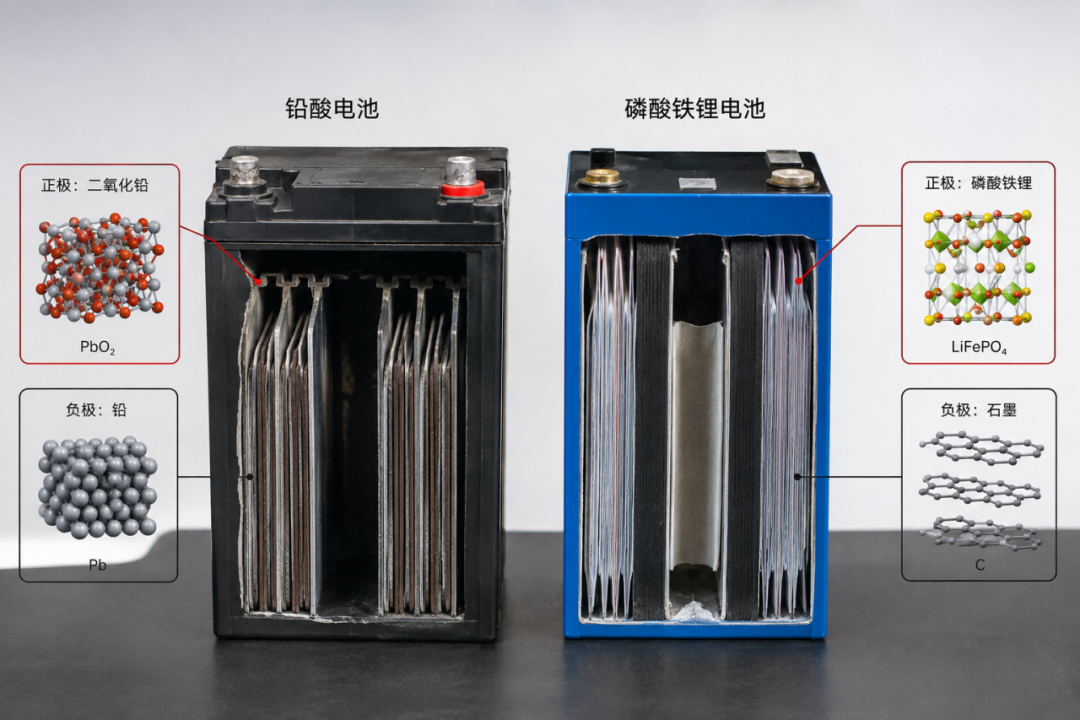
When charging, these solids are then stubbornly dissolved back. It's like each time two armies face off, they have to tear down the city walls to use as bricks to throw, and after repeated charging and discharging, the city walls naturally collapse, and the discharging ability weakens.
Lithium batteries, on the other hand, excel in their structure and material superiority by 'not destroying the framework.'
Whether it's the olivine crystal lattice of the positive electrode or the graphite layers of the negative electrode, they can be understood as extremely stable luxury hotels. Lithium ions check out and check in today and tomorrow, coming and going, while the hotel's load-bearing walls and room structures remain intact.
This 'intercalation' material design allows lithium batteries to achieve a significant advantage over lead-acid batteries in terms of lifespan and energy density.
However, creating such an intricate 'cage' requires considerable effort.
Let's take CATL's upstream layout as a sample and follow lithium on its complete journey from ore to battery cell.
Naturally occurring lithium almost never exists in its elemental form, so there are two main sources of lithium.
One is hard-rock ores, such as the spodumene mines in Australia that supply some of CATL's materials. The ores are roasted, acidified, leached, and finally purified into white powders of lithium carbonate or lithium hydroxide.
The other is salt lake brines, such as those from the Atacama Salt Flat in South America and salt lakes in Qinghai, China. The high-concentration brines are pumped up and concentrated in evaporation ponds, then lithium is extracted using adsorption or membrane separation technologies.

Next, these white powders enter the material preparation stage.
Taking lithium iron phosphate batteries as an example, lithium salts are uniformly mixed with iron phosphate raw materials and sintered at ultra-high temperatures to form positive electrode powder with an olivine crystal structure. This powder is then mixed with a binder to form a 'slurry' and uniformly coated onto aluminum foil.
On the other side, purified artificial graphite is also coated onto copper foil.
For ternary lithium batteries, nickel, cobalt, and manganese elements from places like Indonesia are mixed in certain proportions and sintered into powder to form the positive electrode material.
Finally, the battery cell factory, according to needs, either rolls the positive and negative electrode sheets into cylindrical or square aluminum shell cells like rolling sushi, or layers them like stacking books to make pouch or square aluminum shell cells, then infuses them with organic electrolyte and hermetically seals them.
Thus, lithium, this wild horse, is officially tamed by a nanoscale 'cage' constructed through chemistry and precision craftsmanship.
How Lithium Batteries Work: How to Make the Wild Horse Run?
The cage is built, but caging a wild horse is just the first step.
To make it work, you have to make it run, and run along the route you design, obediently back and forth.
The reason lithium ions can obediently run back and forth is also related to something they carry—electrical potential energy.
The concept of electrical potential energy is not difficult to understand; its principle is exactly the same as that of gravity and flowing water.
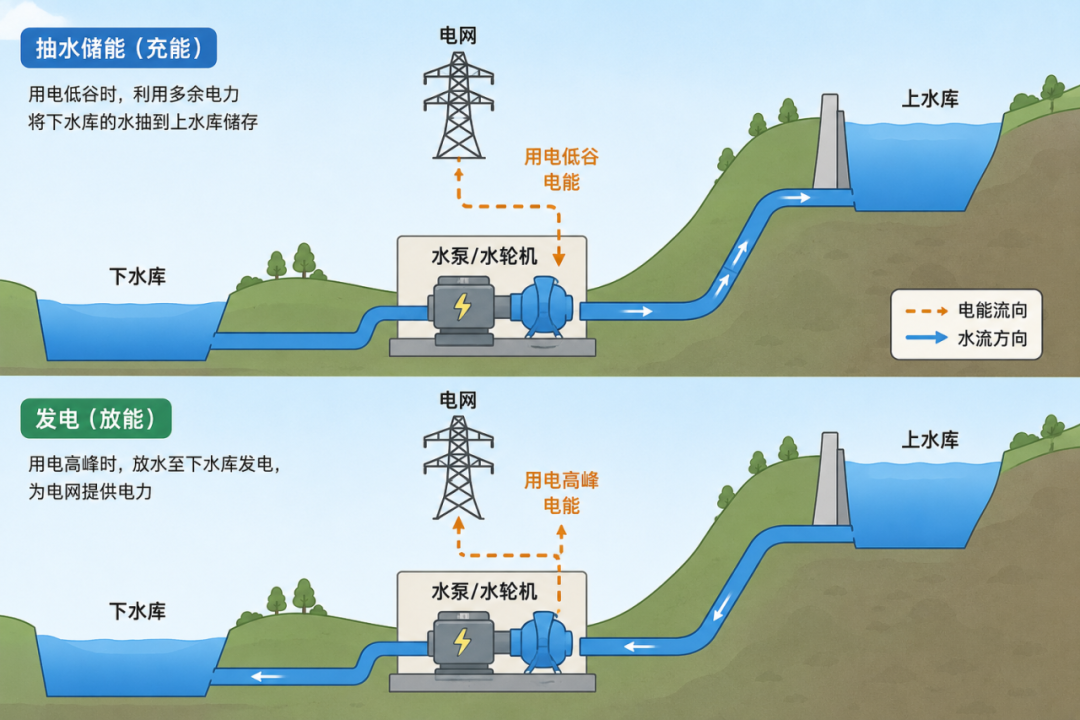
A fully charged negative electrode can be likened to a high-altitude reservoir. Discharging is akin to opening the floodgates, allowing water to flow downhill (here, 'go with the flow' means naturally harnessing the situation to release energy for work). Conversely, charging is like using a pump to force water uphill, consuming electrical energy to transport lithium ions (acting as 'water') back to the high-altitude negative electrode for storage.
When fully charged, lithium ions are stored within the graphite layers of the negative electrode, with the negative electrode at a high potential and the positive electrode at a low potential.
Upon connecting the external circuit, lithium ions migrate through the separator towards the positive electrode, while electrons form an electric current along the external circuit, powering the motor—this is the process of discharging.
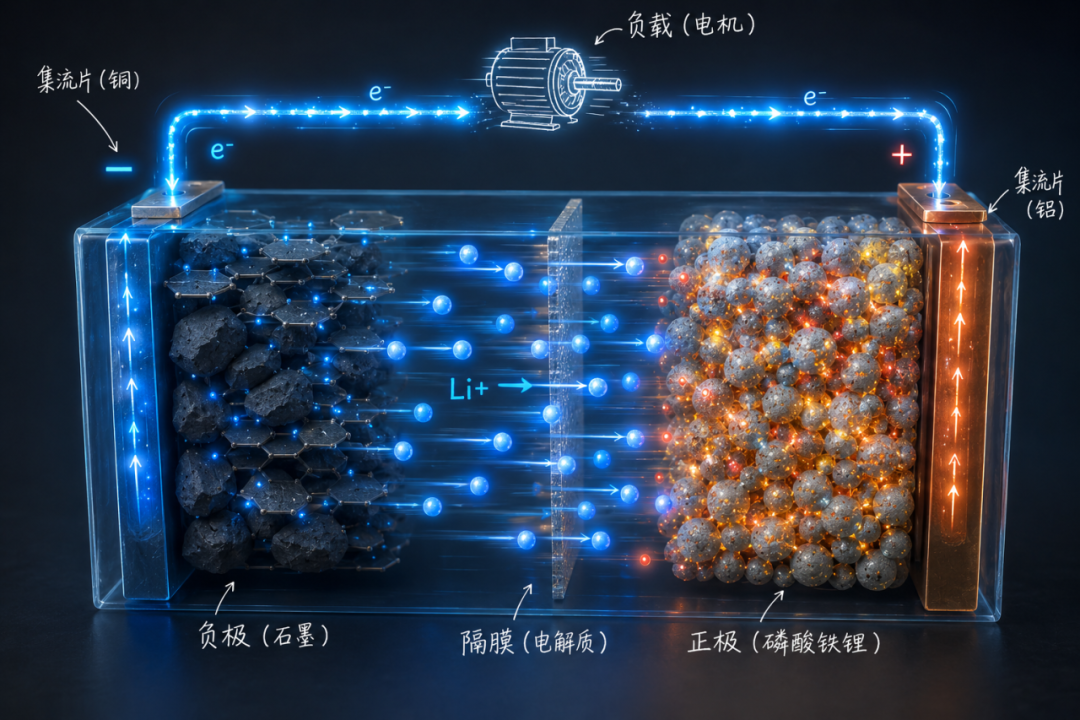
Charging is essentially the reverse process. An external power supply exerts pressure to forcibly draw lithium ions from the positive electrode back into the gaps of the negative graphite electrode, converting electrical energy into electrical potential energy for storage.
Expanding on this analogy, fast charging can be compared to running a water pump at full speed.
If lithium ions are drawn out too forcefully and cannot penetrate (or seep into) the graphite layers in time, they may deposit on the surface of the negative electrode in a metallic form—a phenomenon known as 'lithium plating.' The plated lithium can form needle-like dendrites, which, if they puncture the separator, can cause a short circuit and thermal runaway.
Therefore, one of the core functions of the battery management system is to regulate the temperature and flow rate of this 'water flow' to ensure safe and efficient operation.
Battery degradation occurs when this pumped hydro storage system has been in use for an extended period, causing certain areas of the 'reservoir' to become permanently blocked. As a result, the amount of 'water' (energy) that can be stored decreases, leading to a reduction in driving range.
Lithium Iron Phosphate (LFP) vs. Ternary Lithium: How to Choose
Having delved into the technical details, let's return to real-world scenarios. I'm sure you've encountered moments of indecision when choosing a new energy vehicle.
The salesperson might say this car uses lithium iron phosphate and that one uses ternary lithium—one is safer, the other offers a longer range.
However, when you examine the specifications, some LFP cars also boast decent ranges, not significantly shorter than their ternary lithium counterparts.
This can be perplexing. Given that LFP inherently has a lower energy density, how does it manage to keep up in terms of range?
The answer actually has two layers: the first lies in the materials themselves, and the second in the packaging and design.
Let's start with the materials.
Lithium iron phosphate has an olivine structure, resembling a row of densely packed, fixed shelves.
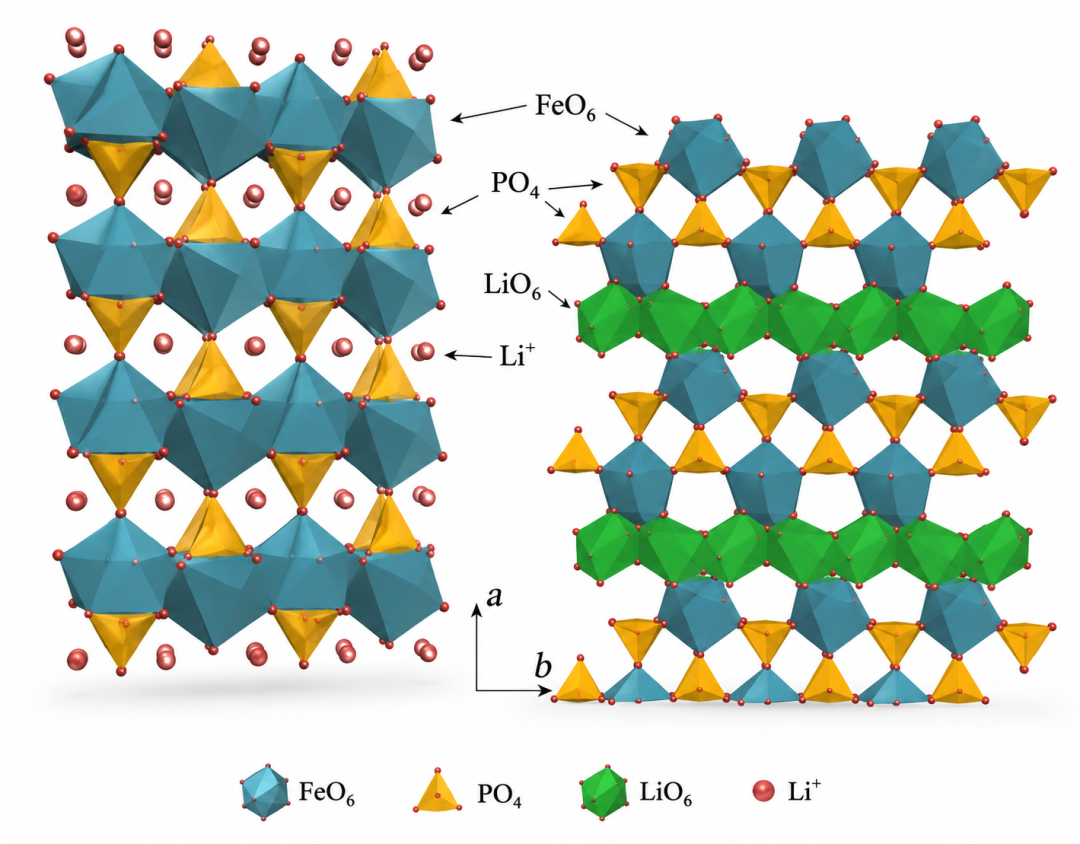
Each shelf has designated slots where lithium ions fit snugly, moving in and out through one-dimensional channels.
The advantage of this structure is its extreme sturdiness—with a thermal decomposition temperature above 270°C, it is less prone to catching fire and has a long cycle life, remaining functional after thousands of charge-discharge cycles.
The downside is that the narrow channels slow down the movement of lithium ions, resulting in lower total energy storage per unit weight compared to ternary lithium.
Ternary lithium, on the other hand, has a layered structure, resembling a row of open bookshelves without fixed slots. Lithium ions move in and out between the layers in two dimensions through spacious channels, allowing for faster movement.
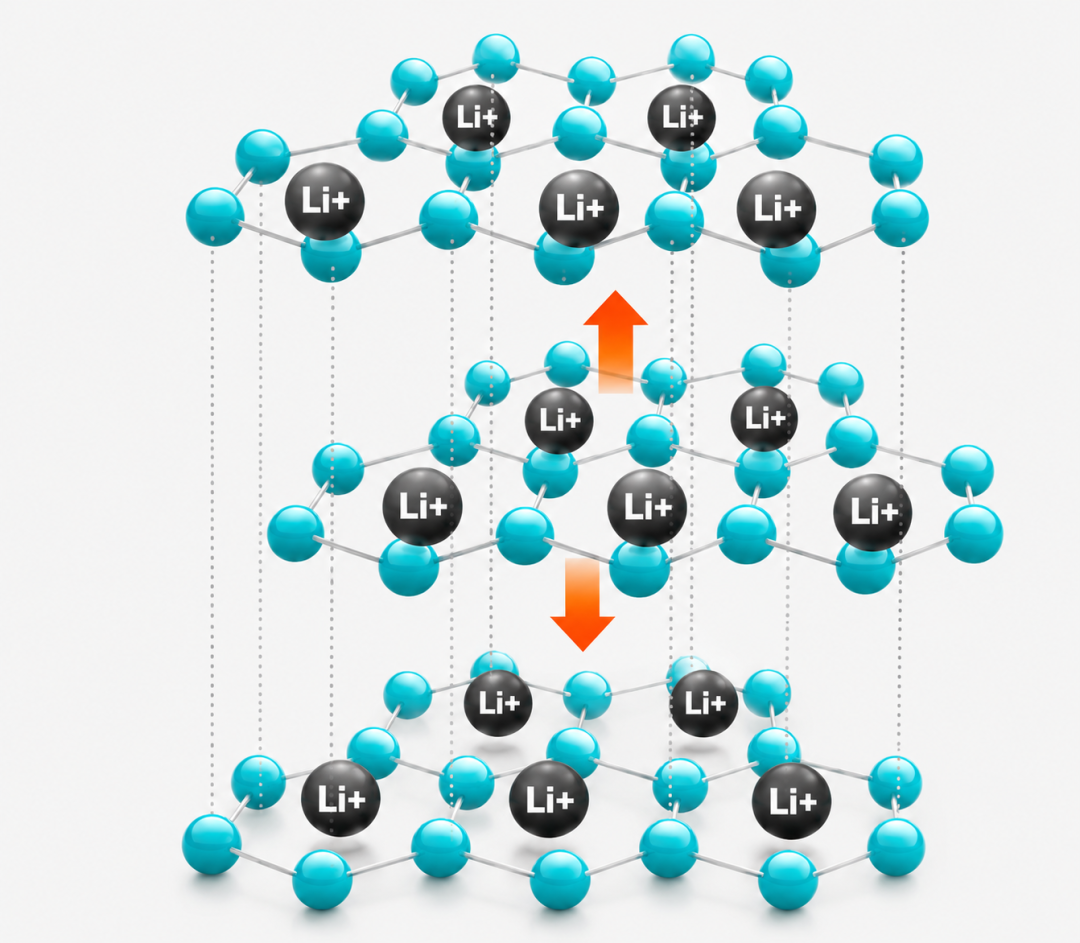
However, these open bookshelves are less stable than fixed shelves, with a thermal decomposition temperature ranging from 180 to 220°C. Higher nickel content increases energy but also poses greater stability challenges.
At this point, the inherent differences are clear: ternary lithium can inherently store more energy, while LFP is inherently more stable.
But the question remains—how does LFP manage to keep up in terms of range? One answer lies in the packaging and design.
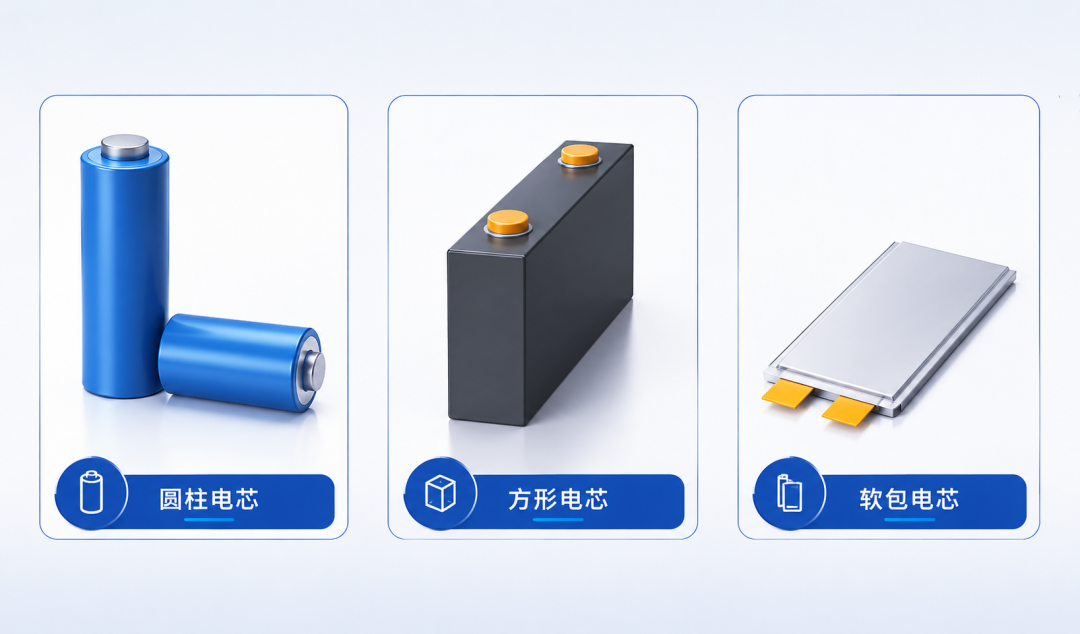
The 'innate talent' of the cell materials only sets the upper limit; the energy density of the battery pack depends more on 'craftsmanship' in packaging and design.
For example, modern CTP (Cell to Pack) technology directly integrates cells into a battery pack, eliminating the weight and space of intermediate modules.
CATL's Shenxing Battery and BYD's Blade Battery are examples of this approach.
There's also CTB (Cell to Body) technology, where the chassis is designed integrally, turning the battery pack itself into a structural component of the vehicle body, further reducing volume.
Examples include Xiaomi's SU7 and YU7, Tesla's Model 3 and Y, and BYD's Dolphin.
By optimizing packaging and structure to the extreme, many LFP battery packs, such as CATL's Shenxing Battery, can achieve energy densities approaching those of ternary lithium, with actual ranges sufficient for daily use in most vehicle models.
Moreover, the third-generation Shenxing ultra-fast-charging battery can charge from 10% to 98% in just 6 minutes and 27 seconds, achieving an equivalent charging power of 10C and a peak of 15C. This effectively solves the charging efficiency issue in new energy vehicles while maintaining safety.
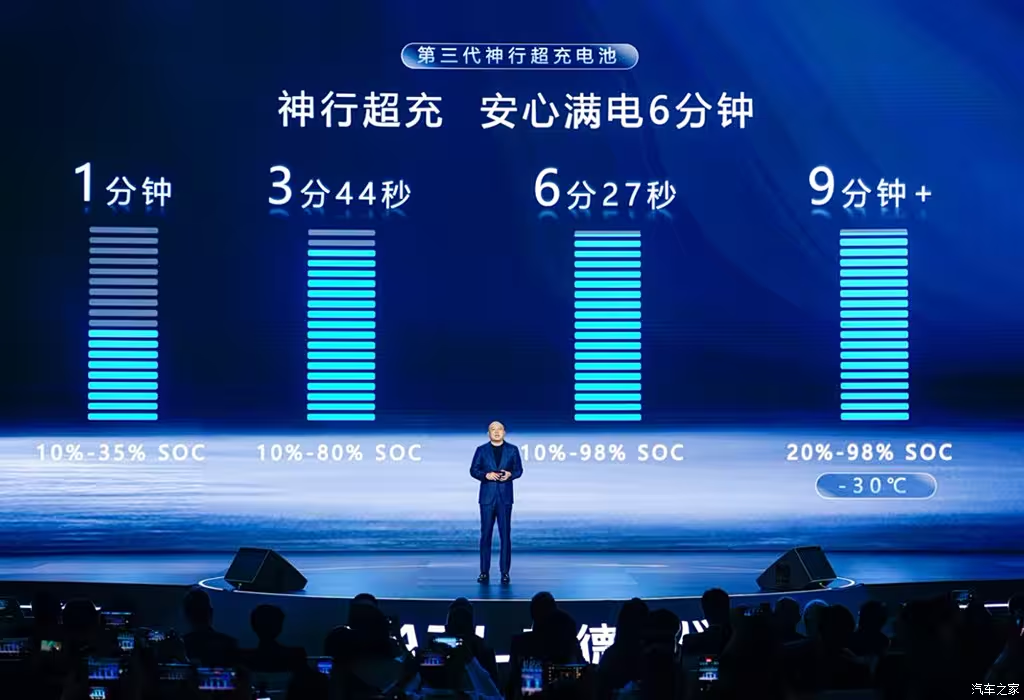
However, if you seek extreme long range, explosive power output, and a lightweight vehicle design, LFP batteries may be too heavy under the same conditions. In such cases, higher energy density ternary lithium batteries are still needed, such as CATL's Qilin Battery, which is used in almost all high-performance electric vehicles you can name.
CATL recently introduced the third-generation Qilin Battery, which achieves a range of 1,000 km while reducing weight.
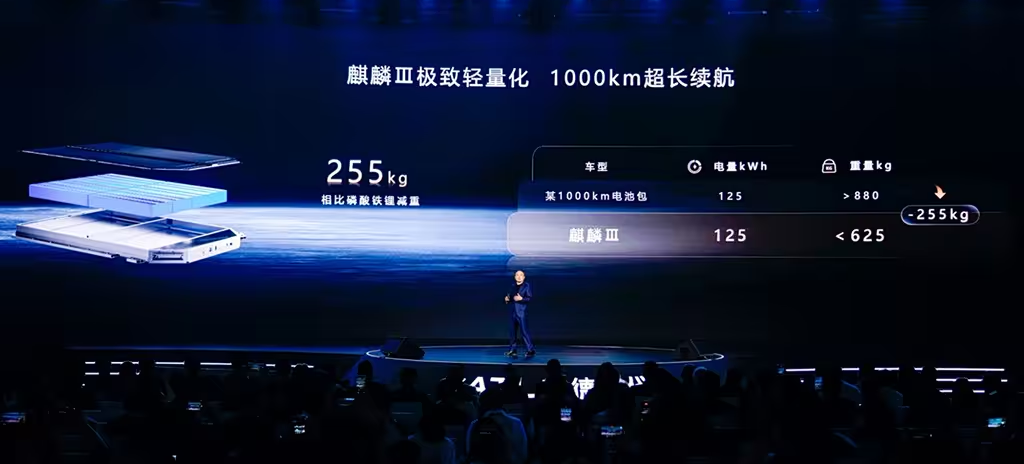
Of course, many hesitant consumers currently want both stability for daily commuting and long-distance travel, as well as strong power, but the market lacks batteries that meet these demands.
In response, CATL is developing the Xiaoyao dual-core battery, which integrates two types of cells into the same battery pack, allowing each cell to leverage its strengths and perfectly match diverse driving scenarios.
Moreover, the two types of cells in this battery pack can be combined according to demand, with an intuitive naming logic:
'Iron' refers to lithium iron phosphate, 'ternary' refers to ternary lithium, and 'sodium' refers to sodium-ion batteries.
Each combination has its advantages—the 'ternary + iron' setup uses ternary cells in the main zone for explosive power and iron lithium cells in the range-extending zone for safety and durable charging.
The 'sodium + iron' dual-core setup places sodium-ion batteries in the main zone, maintaining over 90% capacity at -40°C, specifically addressing the severe range reduction in northern winters.
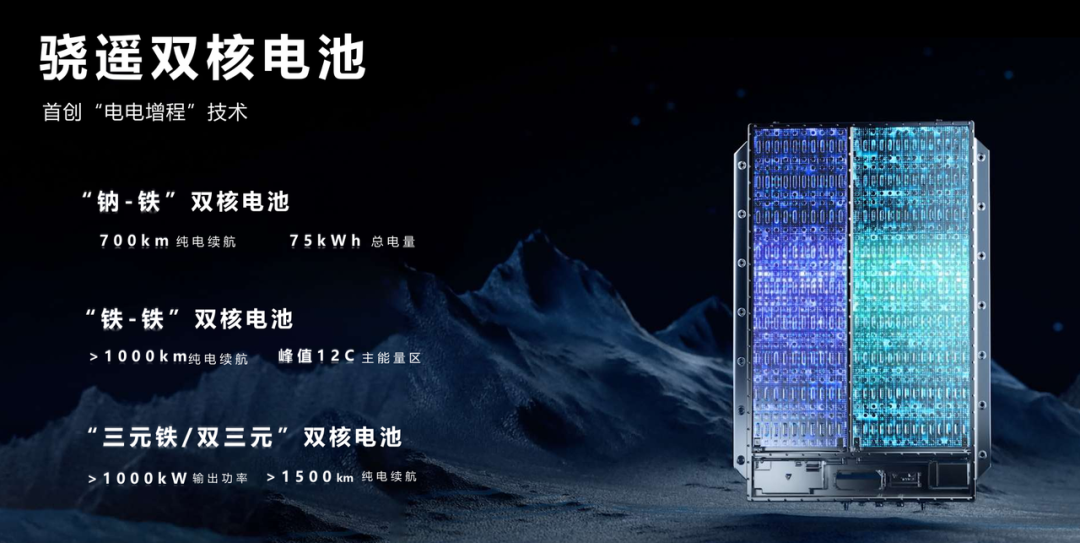
Regarding the 'sodium' in the dual-core setup, we must elaborate for our northern friends, as I believe this is the final piece to solve the pain points of buying new energy vehicles in northern regions.
Sodium and lithium belong to the same group of metallic elements and share similar chemical properties, but sodium is much milder, easier to extract than lithium, cost-effective, and performs well in low temperatures. Batteries made with sodium suffer less range reduction in winter.
With the mass production of sodium-ion batteries and their application in energy storage and commercial vehicles, more passenger vehicle brands are offering sodium-ion battery options.
Northern friends who previously hesitated about new energy vehicles can now consider them.
However, sodium-ion batteries have one drawback: sodium ions are larger than lithium ions, making them harder to insert into graphite layers, so their energy density temporarily lags behind lithium.
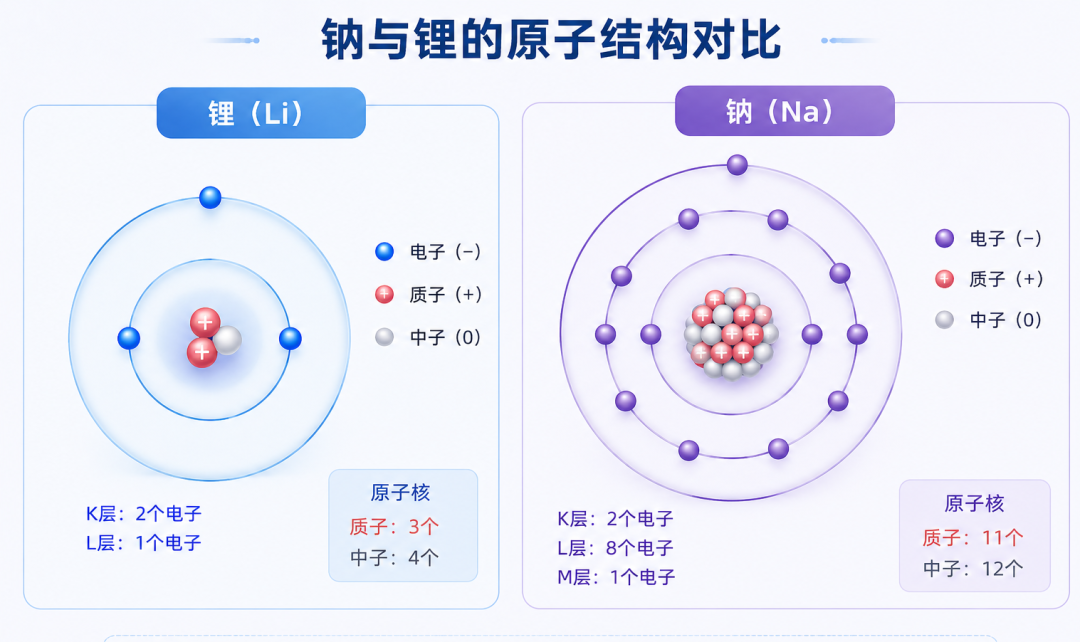
Nevertheless, this is just a matter of balancing low-temperature performance and range efficiency. With advancements in materials and packaging, this challenge will gradually be overcome.
For most consumers, if you've made it this far, the next time a salesperson mentions these battery terms, you'll already have the expertise to respond confidently.
You only need to know one thing: every question you're pondering in the showroom today—safety, range, charging, durability—was also pondered by those who sat in the first electric vehicles 160 years ago.
The only difference is that their only option was a cumbersome lead-acid battery.
What you have to choose from today is the latest solution humanity has developed over nearly two centuries—selecting lithium from the periodic table, building nanoscale shelves for it, and pushing energy density mile by mile through engineering optimization before handing it to you.
Car Talk
Over a century ago, lead-acid batteries couldn't even complete a city trip. Today, a single battery can almost traverse an entire province.
In the future, lithium-air batteries might enable long-distance travel without range anxiety.
By then, people may still hesitate in car showrooms.
Every electric vehicle you drive is not just an industrial product.
It's a letter written over two centuries by physicists, chemists, engineers, and miners.
The recipient is you, who doesn't want to be stranded on the road, and the signature is the promise made since the lead-acid era.
Ref:
1. A general introduction to lithium-ion batteries: From the first concept to the top six commercials and beyond
2. Comprehensive review of lithium-ion battery materials and development challenges
3. SMM 2023-2027 China's Lithium Electric New Energy Industry Chain Report
Operated by | Su Hongying
Produced by | Da Zhong Kan Che
-
AI Asset Spin-offs at Tech Giants: Is Kling Paving the Way for ByteDance and Alibaba?
-
![]()
Why Zhang Xue? Why HONOR?
-
![]()
Exclusive! Tencent’s ‘Tencent Drive’ with AI-Powered Asset Backup in the Works—A Game-Changing Move
-
![]()
Internal Upheaval in Initial Listing Days: SpaceX's AI Division Faces Accelerated Talent Loss, with 50+ R&D Staff Exiting in 2026
-
![]()
Price War Fails, Chinese Automakers Have No Retreat
-
![]()
Still in the Red but Outpacing Tesla: What Lies Behind SpaceX's $2.1 Trillion Valuation?
-
![]()
Humanoid Robots Go Global: From 'Actors' to 'Workers'
-
![]()
Still Incurring Losses Yet Outpacing Tesla: What Does SpaceX's $2.1 Trillion Valuation Signify?