Weekly Stock Review|SpaceX Goes Public, A-Shares Return to 4000 Points, Market Needs a Bit of 'Magic'
 06/15 2026
 526
526
Reviewing Weekly Automotive Stocks, Observing the Diverse Automotive Market.
The stock market is indeed a form of metaphysics, with surges largely dependent on opportunity. Before the highly anticipated SpaceX IPO, the A-share market took center stage. After a week of fluctuations, the Shanghai Composite Index reclaimed the 4000-point level, indicating a generally positive market trend.
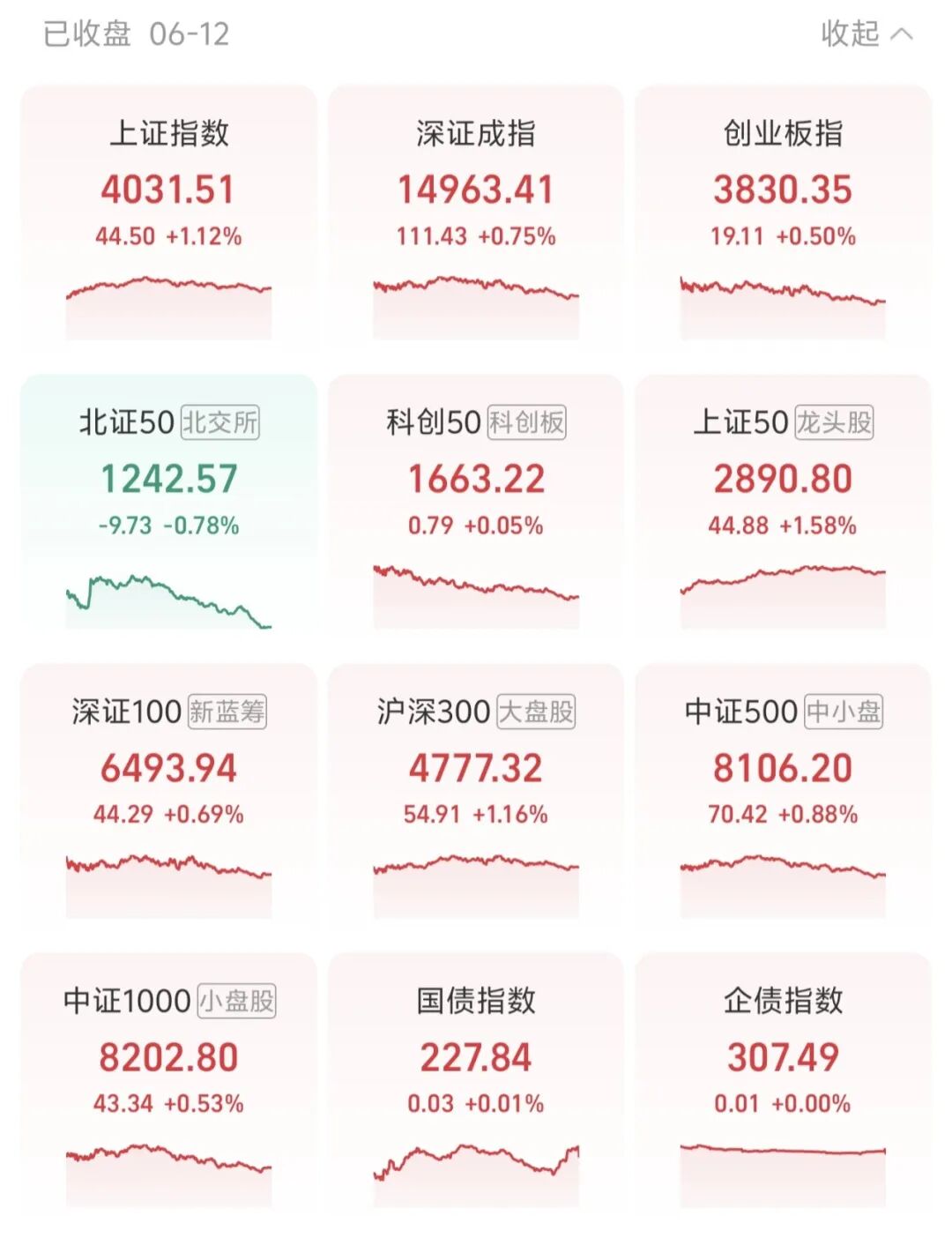
By Friday's close, trading volumes surged across both exchanges. The Shanghai Composite Index rose 1.12% to 4031.51 points, the Shenzhen Component Index gained 0.75% to 14960.41 points, and the ChiNext Index increased by 0.50% to 3830.35 points. Total trading volume across both markets reached 3.215 trillion yuan, up 26% from the previous day, surpassing the 3 trillion yuan mark again. Apart from the benchmark index, major indices flourished, filling the market with hope.
After the Shanghai Composite Index fell back to the 4000-point level last week, the stock market remained in a tug-of-war this week, offering little hope. However, on the final trading day of the week, the market rapidly heated up, with a significant surge propelling the Shanghai Composite Index back above 4000 points. A total of 3,926 stocks rose, with 106 hitting their daily limit.
The most significant gains in the stock market were seen in the highly anticipated commercial space concept stocks. Influenced by SpaceX's upcoming IPO, commercial space-related stocks surged on Friday, with dozens of stocks hitting their daily limit, reflecting optimism about the sector's prospects.
According to documents filed by SpaceX with the U.S. Securities and Exchange Commission, the company's IPO is priced at $135 per share, with 555.6 million shares to be issued, raising nearly $75 billion. This marks the largest global IPO, more than doubling the previous record set by Saudi Aramco's $29.4 billion listing in 2019.
It can only be said that when it comes to hyping concepts, the U.S. stock market leads the way. Although SpaceX's progress lags far behind expectations, it hasn't hindered its ability to generate capital market gains, especially after Elon Musk merged xAI with SpaceX, further boosting its valuation.
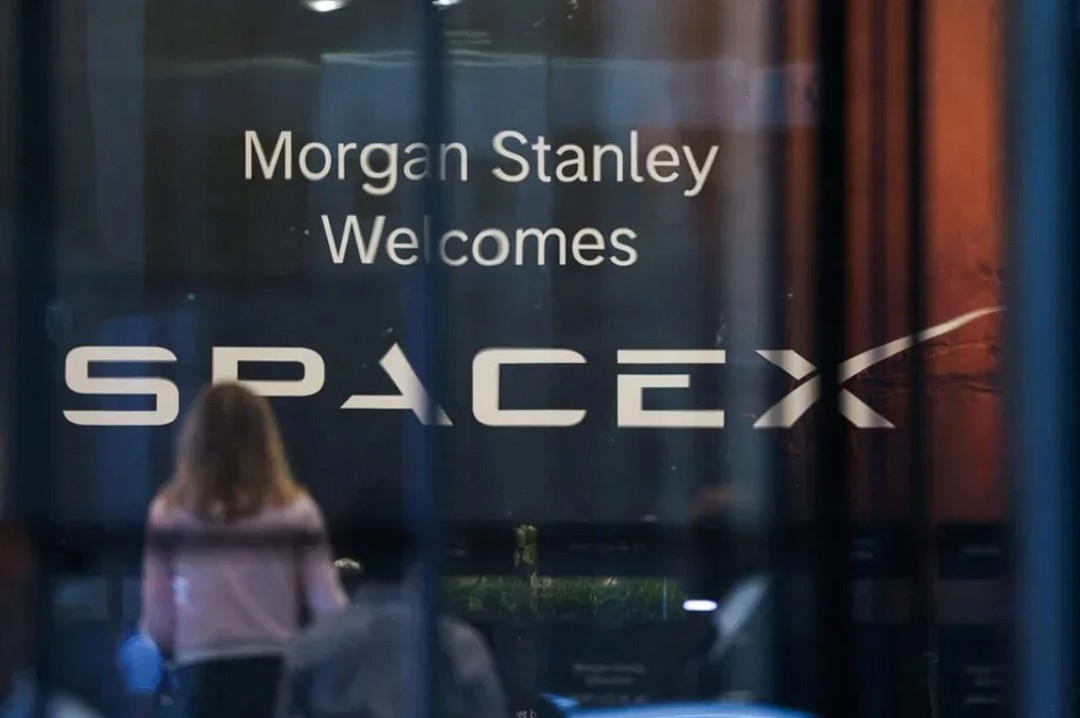
The surge in commercial space stocks ignited by SpaceX also proves that the market sometimes craves a bit of metaphysics. Nvidia also demonstrated this week that the market can indeed be influenced.
Against the backdrop of a sharp decline in South Korean stocks and global chip stocks last week, Nvidia's Jensen Huang announced on Monday a collaboration with SK Hynix to develop next-generation AI storage technology. This not only rescued SK Hynix's falling stock price but also revived the entire South Korean stock market, rebounding from the previous 'Black Friday' and showcasing the power of AI-driven momentum.
Just when everyone thought the AI craze had peaked, a single statement from Huang once again put the market back on track, preventing the nearly year-long rally in memory chips from coming to an end.
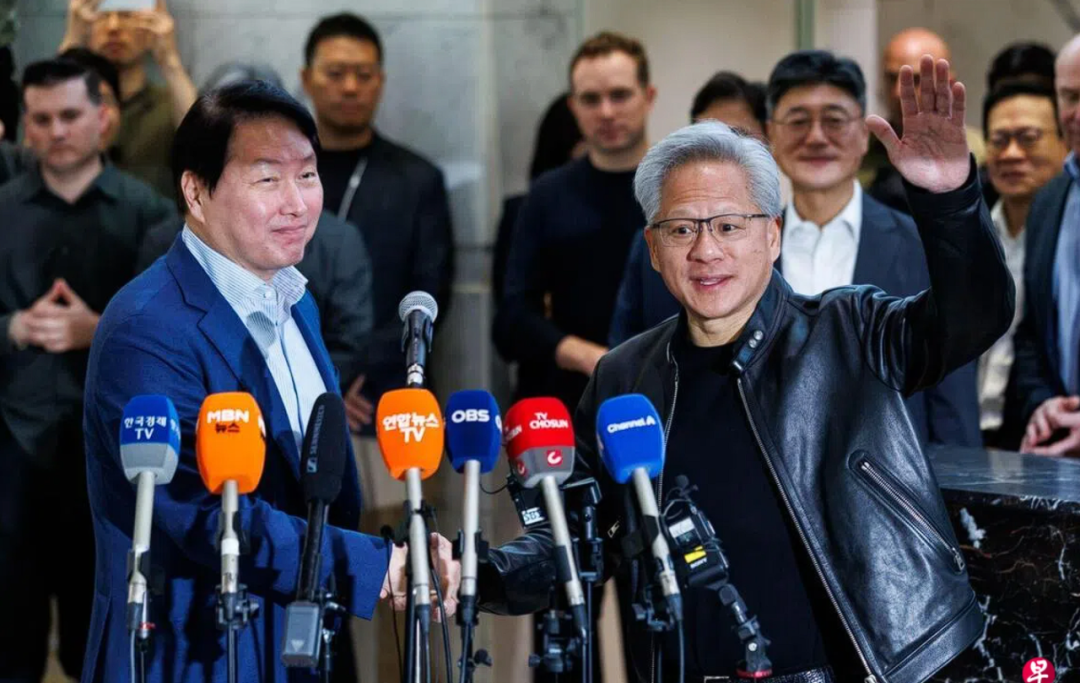
According to Huang, demand for memory chips from AI is expected to continue rising over the next five years, with the current artificial supply-demand imbalance persisting until 2030. Despite companies like Samsung Electronics and Kioxia planning to further expand production capacity and double output, the upcycle is expected to continue, with memory chips remaining in short supply.
Goldman Sachs further raised its target prices for Samsung and SK Hynix by 20%, noting that SK Hynix's stock price has already surged over 220% this year.
Under the influence of this memory chip rally, Japanese storage company Kioxia's market capitalization also surpassed Toyota's this week, becoming Japan's most valuable listed company.
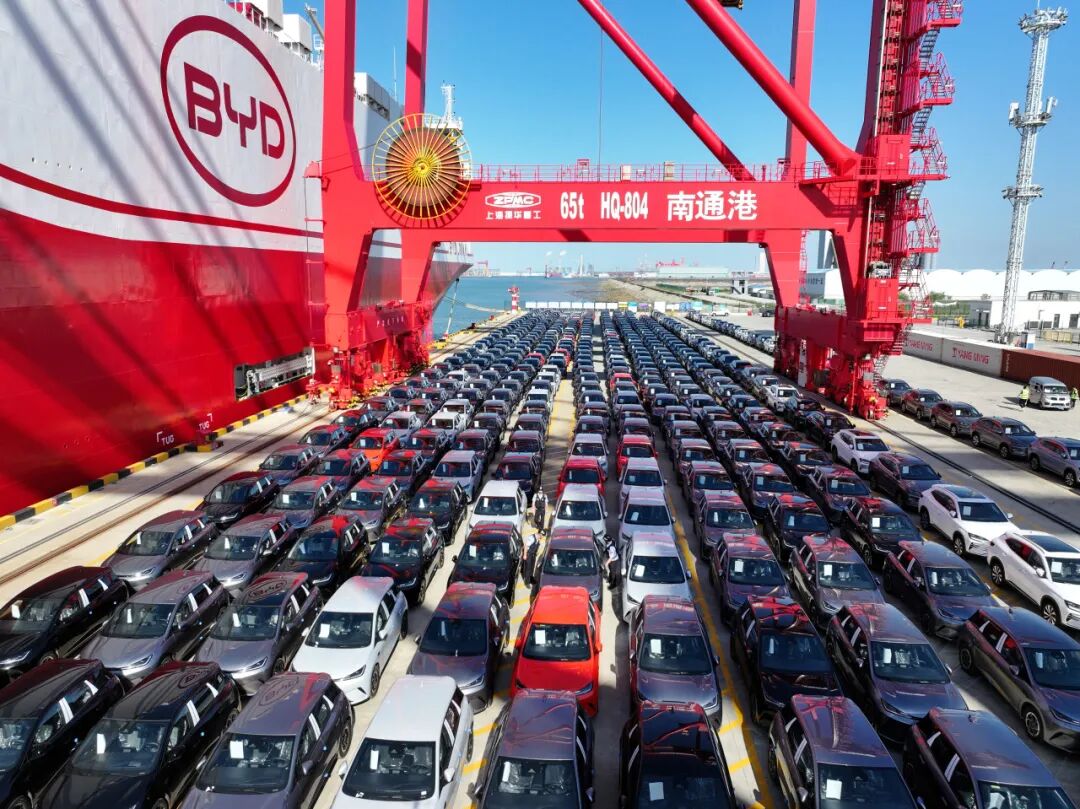
Behind Toyota's fall lies the risks and crises facing the global automotive industry. Elon Musk's focus has shifted entirely to SpaceX's IPO and launches, global oil prices have soared, and fuel-powered vehicles have lost their dominant position in the Chinese market.
While new energy vehicles have replaced fuel-powered vehicles in terms of sales, they still have a long way to go in terms of profitability and stock prices.
Specifically, the domestic new energy market faces particular difficulties. Although sales and penetration rates indicate that China is now a new energy vehicle market, with no fuel-powered vehicles among the top ten sellers in May, the market has fully embraced new energy under the influence of multiple factors.
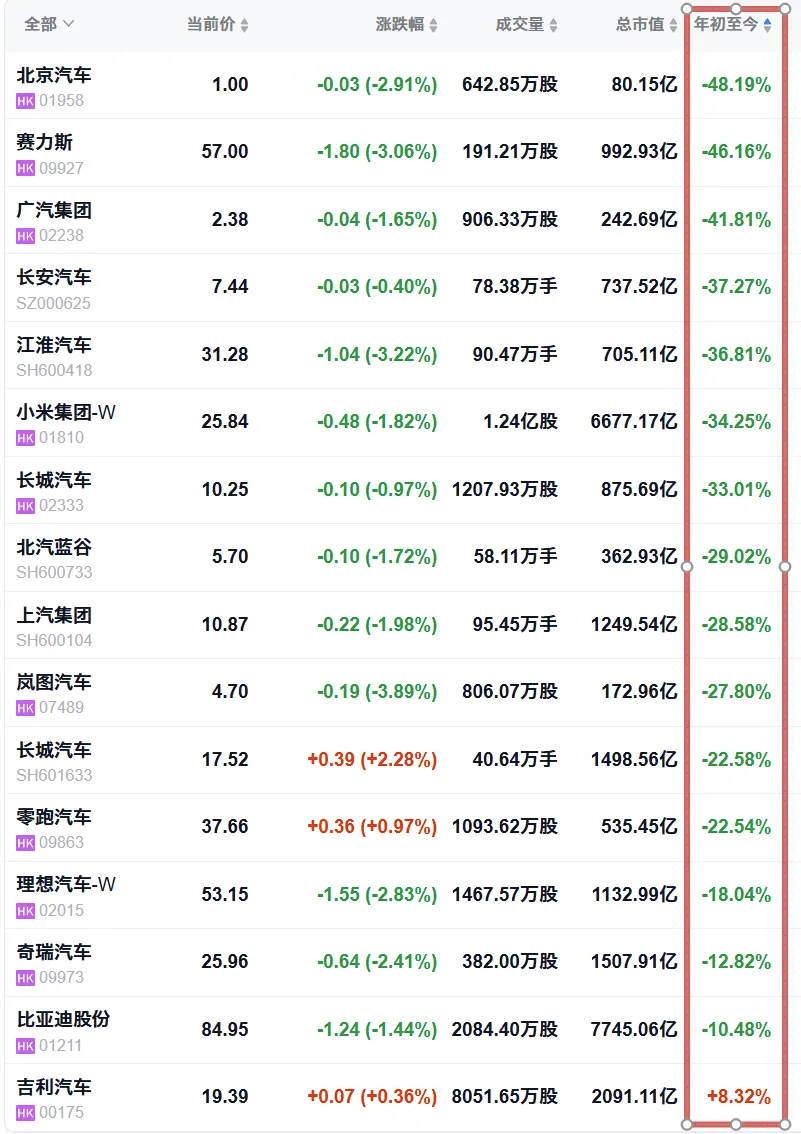
However, in the stock market and financial reports, these high-flying automakers have suffered their most severe setbacks. Most new forces are still struggling to achieve profitability, and their stock prices have declined significantly. According to statistics, among domestically listed automakers this year, only Geely's stock price has maintained an upward trend.
Take BYD, for example. Its stock price closed at 97.72 yuan per share in 2025 and closed at 91.60 yuan this Friday, down 6% cumulatively. However, BYD's sales performance remains the best domestically over the past six months, and it has also released technologies like second-generation flash charging and self-developed chips.
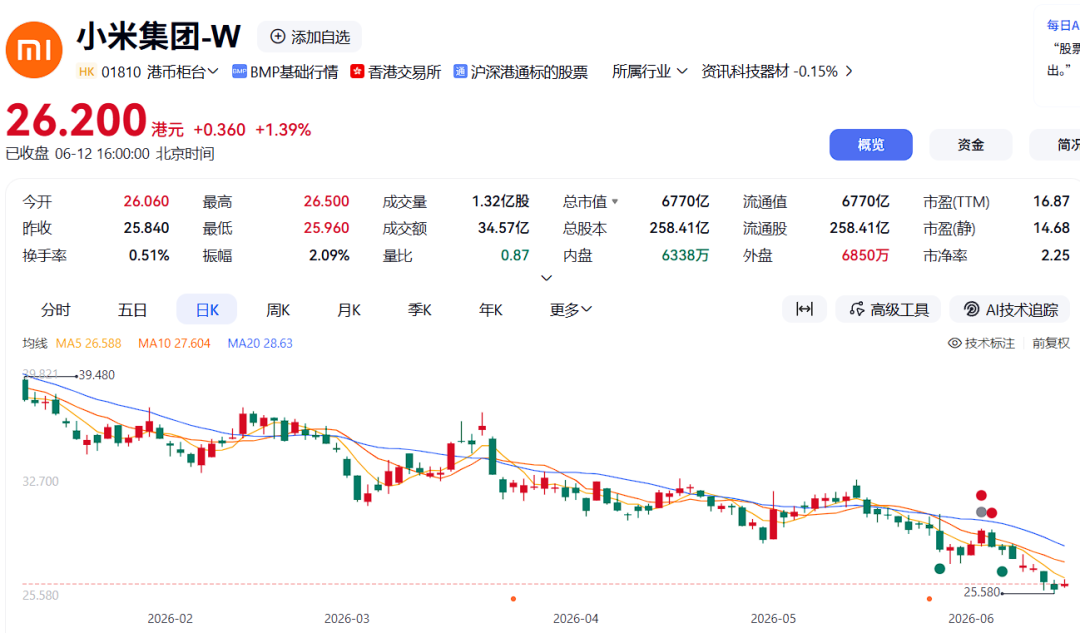
New forces skilled at storytelling face even greater challenges. For instance, Xiaomi Group, which achieved a stock price turnaround through car manufacturing, closed at HK$39.30 at the end of 2025 and HK$26.2 this Friday, with its market capitalization shrinking by 33% in just five months.
Even Leapmotor, the sales champion among new forces, cannot escape this phenomenon. Its stock price closed at HK$38.82 this week, down more than HK$10 from the beginning of the year. As a result, it faced inquiries from the China Securities Regulatory Commission during a share placement, requiring supplementary information on core factors behind its performance turnaround and significant changes in gross profit margins.
Of course, fluctuating profitability is not unique to Leapmotor. At the China Automotive Chongqing Forum on Friday, Wang Xia, President of the Automotive Industry Committee of the China Council for the Promotion of International Trade, highlighted several painful realities, including declining sales and the automotive industry's profit margins hitting a record low, among other sectoral issues.
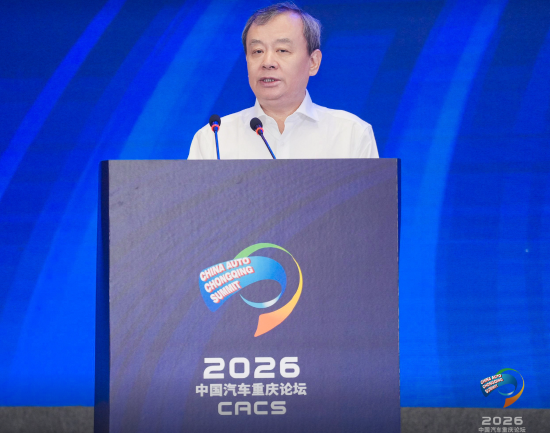
He pointed out that the triple decline in sales, marketing, and profits in the automotive industry is historically rare, with automakers facing severe crises. He emphasized that 'sales without profit support are merely empty number games.'
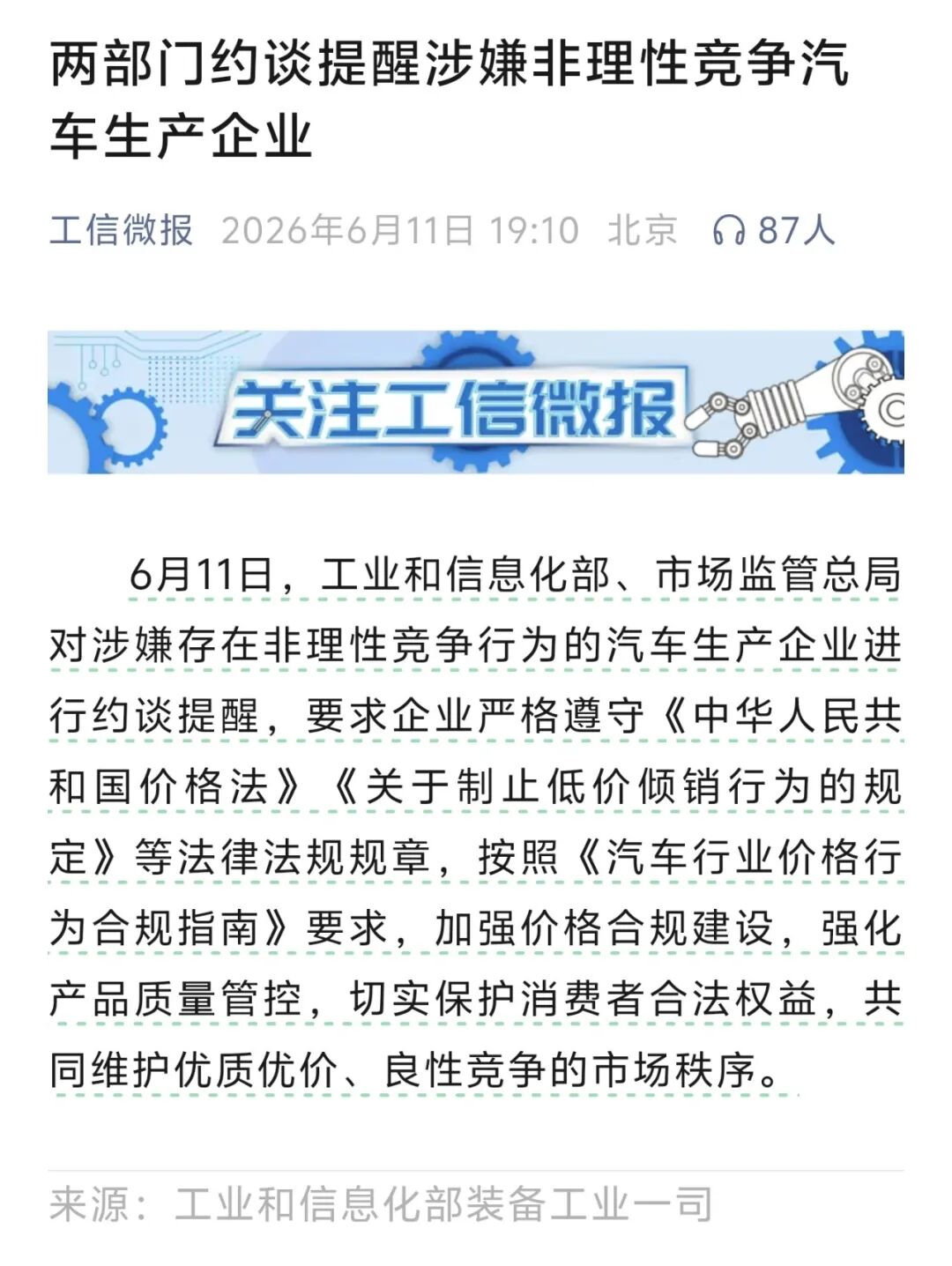
Amid the relentless competition in the new energy market, automakers are racking their brains to survive, with some even resorting to unscrupulous tactics. On June 11, the Ministry of Industry and Information Technology and the State Administration for Market Regulation reminded automotive manufacturers suspected of engaging in irrational competition through interviews.
Although no specific automaker or automakers were identified, this stance demonstrates that regulatory authorities are beginning to standardize industry competition. The unnamed approach casts suspicion on every automaker, enhancing its deterrent effect.
As a focal point of industrial transformation, new energy vehicles represent not just industry changes but also influence the future of the entire manufacturing supply chain, upstream and downstream. Standardizing competition in the automotive industry promotes its healthy development, as only a continuously profitable industry is a healthy one.
In contrast, the seemingly prosperous automotive market struggles to perform in the stock market. The positive impact of even strong sales pales in comparison to the influence of a single AI trend. Enhancing industry health is the true magic the automotive industry needs, as it cannot wait for others to create opportunities.
Note: Some images are sourced from the internet. If there is any infringement, please contact us for removal.
-END-

-
AI Asset Spin-offs at Tech Giants: Is Kling Paving the Way for ByteDance and Alibaba?
-
![]()
Why Zhang Xue? Why HONOR?
-
![]()
Exclusive! Tencent’s ‘Tencent Drive’ with AI-Powered Asset Backup in the Works—A Game-Changing Move
-
![]()
Internal Upheaval in Initial Listing Days: SpaceX's AI Division Faces Accelerated Talent Loss, with 50+ R&D Staff Exiting in 2026
-
![]()
Price War Fails, Chinese Automakers Have No Retreat
-
![]()
Still in the Red but Outpacing Tesla: What Lies Behind SpaceX's $2.1 Trillion Valuation?
-
![]()
Humanoid Robots Go Global: From 'Actors' to 'Workers'
-
![]()
Still Incurring Losses Yet Outpacing Tesla: What Does SpaceX's $2.1 Trillion Valuation Signify?