Why Rolls-Royce Ditched Its All-Electric Ambitions and Why Ultra-Luxury Cars Are Embracing Hybrids
 06/16 2026
 506
506
In recent years, with the rapid rise of new energy vehicles, luxury car brands have been in a headlong rush towards full electrification. However, many ultra-luxury brands have recently hit the brakes. Even Rolls-Royce has abandoned its all-electric vision. Why are ultra-luxury cars turning their backs on pure electric and embracing hybrids?
I. Rolls-Royce Ditches Its All-Electric Dream
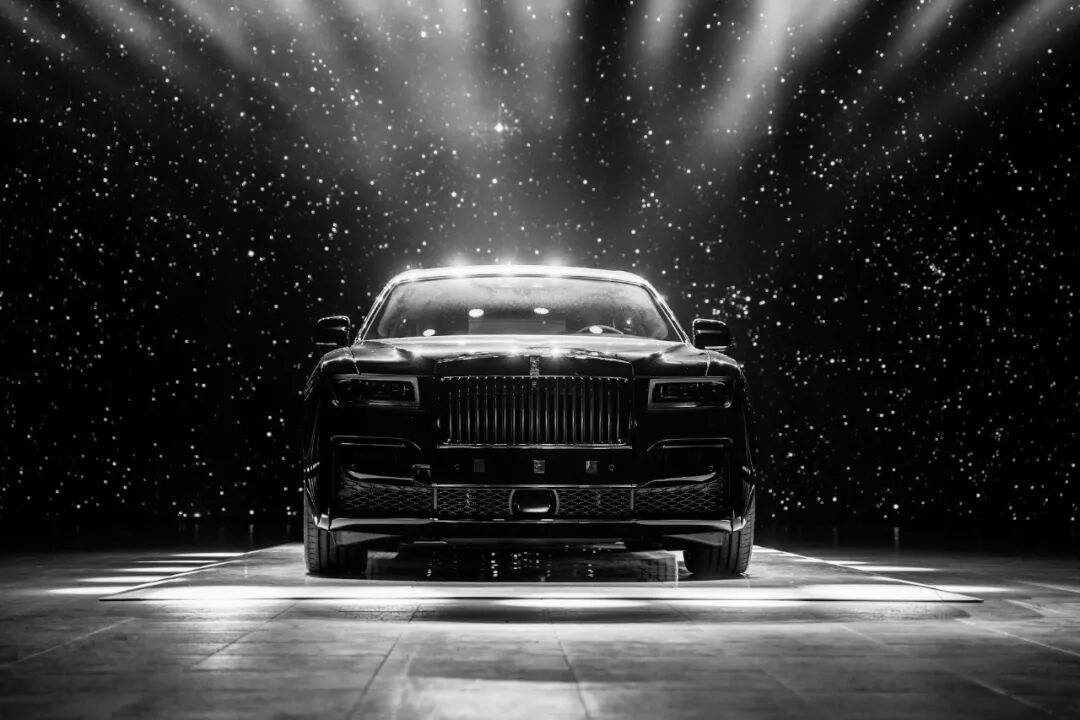
According to Red Star News, Rolls-Royce unveiled the all-electric Spectre Series II, starting at $398,000. The new model boasts a 16% increase in range and a 14% reduction in charging time compared to its predecessor. However, the launch event focused more on customization than on cutting-edge intelligent features.
Notably, in March this year, Rolls-Royce scrapped its goal of full electrification by 2030, opting to keep its iconic V12 engine in production for at least another decade. Similar moves have been made by Ferrari, Lamborghini, Bentley, and Porsche, signaling a collective shift among ultra-luxury brands from "electric radicalism" to a "parallel operation of gasoline and electric."
Recently, several ultra-luxury brands have slowed their all-electric transition. In September 2025, Porsche decided to delay some electric models and introduce new internal combustion engine (ICE) models with stronger brand characteristics. In March this year, it announced that its new flagship model would first launch in gasoline and hybrid versions, with the all-electric version postponed.
In October 2025, Ferrari significantly scaled back its electric vehicle (EV) targets, lowering the goal for the proportion of all-electric models by 2030 from 40% to 20%, while increasing the proportion of gasoline vehicles to 40%.
Alfa Romeo also announced in 2025 that it would abandon its goal of full electrification in North America by 2027, instead adopting a strategy of multiple powertrain options.
In February this year, Lamborghini announced the abandonment of its all-electric strategy, focusing instead on plug-in hybrid models and canceling the production plan for the Lanzador all-electric GT, shifting to plug-in hybrid.
Aston Martin officially announced the abandonment of its aggressive electrification goals, significantly reducing investment in all-electric models and restarting a gasoline and hybrid-first approach, while canceling plans for multiple all-electric models and retaining only one all-electric SUV.
II. Why Are Ultra-Luxury Cars Abandoning All-Electric for Hybrid?
Recently, Rolls-Royce's announcement to withdraw from its all-electric strategic goal has caused quite a stir in the automotive industry. Previously, ultra-luxury brands such as Aston Martin, Ferrari, and Lamborghini had also adjusted their all-electric strategies, refocusing on hybrid technology. What lies behind this collective shift among ultra-luxury car brands?
Firstly, the all-electric surge was a collective misjudgment. Over the past decade, Tesla has reshaped the global automotive industry landscape, breaking traditional fuel-powered cars' competitive barriers with its all-electric technology and driving the entire automotive industry towards a unilateral consensus that "all-electric is the future." In mainstream market perception, there was a trend of overcorrection, with overly optimistic judgments leading to the belief that electrification and intelligence were the only ultimate direction for the automotive industry's evolution, and that fuel-powered cars would eventually be completely phased out. This industry perception profoundly influenced the strategic layouts of all automakers, including ultra-luxury brands. For ultra-luxury giants, fully embracing all-electric at that time was a core strategy to avoid being left behind.
Although ultra-luxury brands possess high-end market barriers, they still fear being abandoned by the wave of industrial evolution, worried that sticking to fuel technology would label them as conservative and outdated, losing their high-end tech brand value positioning. Therefore, major ultra-luxury brands high-profilely released all-electric transition timelines, fully promoting the research and development and launch of all-electric models, attempting to replicate the electrification success path of mainstream automakers, preemptively securing a position in the high-end all-electric blue ocean market, and capturing the value high ground of top-tier new energy vehicles. This strategic choice, a common decision amid the industry boom, aimed to complete strategic iteration by following industry trends but failed to deeply discern the essential differences between the ultra-luxury car track and the ordinary family car track, laying the core hidden risk for subsequent strategic adjustments.
Secondly, the business logic of ultra-luxury cars fundamentally differs from that of ordinary family cars. However, the biggest issue actually stems from this so-called consensus. As the saying goes, no strategy can be a one-size-fits-all solution, and any logic that deviates from objective economic laws is bound to encounter problems. Just like in the new energy vehicle market, different tiers of the market have completely different demand elasticities and value anchors. The core demands of ordinary family car consumers are travel efficiency, usage cost, and cost-effectiveness, i.e., "saving money and being easy to use." All-electric models indeed have a significant advantage in these dimensions. However, the ultra-luxury car market follows a different logic, namely the Veblen effect. Consumers who buy Rolls-Royce are not pursuing the savings of a few dollars in electricity costs or even the technological sense of a zero-to-100 acceleration that is a few tenths of a second faster. What they are buying is the emotional experience, the resonance with mechanical art, and the extremely scarce social symbol value brought by ultra-luxury cars.
All-electric models inherently carry the attribute of "technological democratization." The instantaneous, silent torque burst of electric motors erases the carefully tuned mechanical rhythm and sound barriers of V12 and V8 engines. When a $100,000 electric car can out-accelerate a multi-million-dollar supercar in a straight line, the scarcity built on mechanical performance barriers is deconstructed. All-electric makes ultra-luxury cars lose their soul, becoming homogeneous and cold, which precisely touches the bottom line of the ultra-luxury car business logic. Without the playfulness of mechanical art and the emotional attachment brought by internal combustion engines, the premium foundation of ultra-luxury cars will collapse.
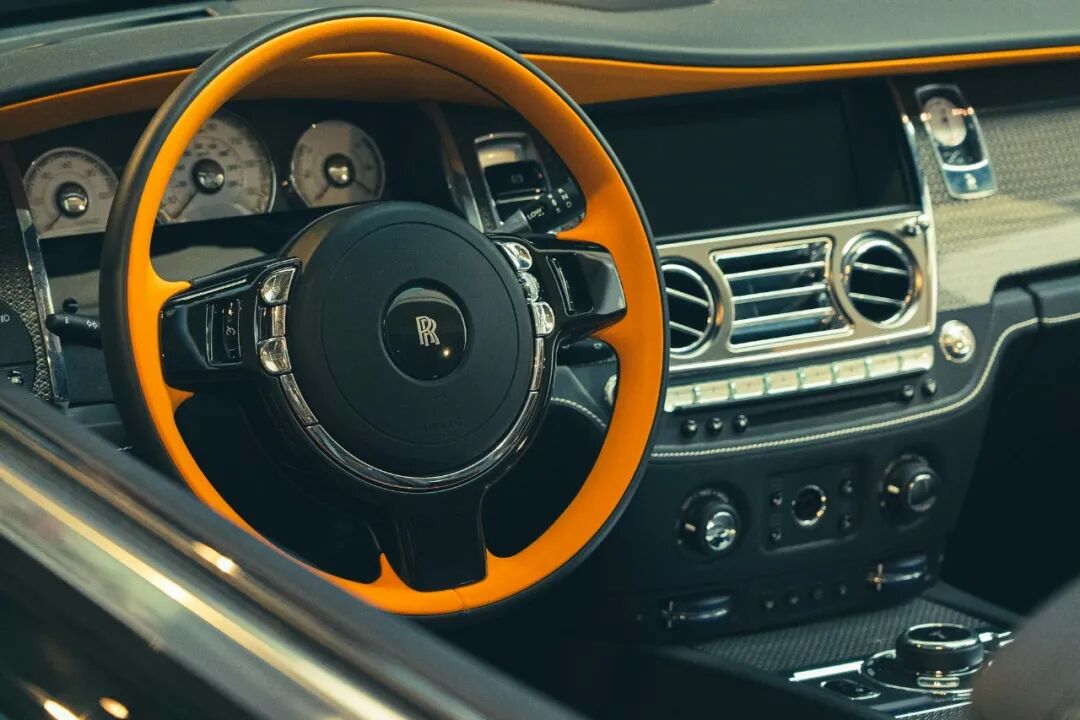
Thirdly, hybrid has become the "optimal intermediate solution" found by ultra-luxury car brands. Since the ultra-luxury car market does not buy into the all-electric direction, but traditional fuel-powered cars seem too outdated, is there a solution? After several years of painful exploration and trial and error, hybrid has become the only viable solution for many ultra-luxury car companies at present. On the one hand, hybrid models retain the core fuel power architecture, fully inheriting the iconic engine sound, mechanical handling texture, and traditional automotive aesthetics of ultra-luxury cars, safeguarding the core value barriers accumulated by luxury brands over a century and continuously meeting the core demands of high-net-worth users for driving experience, ritual sense, and scarcity, avoiding the brand value dilution problem brought by all-electric transition.
On the other hand, the electric motor system equipped in the hybrid architecture can compensate for the shortcomings of fuel-powered cars in terms of instantaneous power, starting smoothness, and intelligent power supply, providing sufficient and stable energy support for high-end intelligent cockpits, luxury comfort configurations, and active safety systems, enabling ultra-luxury cars to possess both traditional mechanical texture and modern intelligent technological attributes, aligning with the intelligent development trend of the new era automotive industry.
More importantly, compared to the dilemma of all-electric platforms requiring massive capital investment and being difficult to amortize costs through small-scale production, the hybrid route can rely on mature internal combustion engine supply chains to control research and development and manufacturing costs while achieving stable profit output. This intermediate path that balances technology and tradition is the most ideal choice currently found by ultra-luxury brands between commercial rationality and brand heritage.
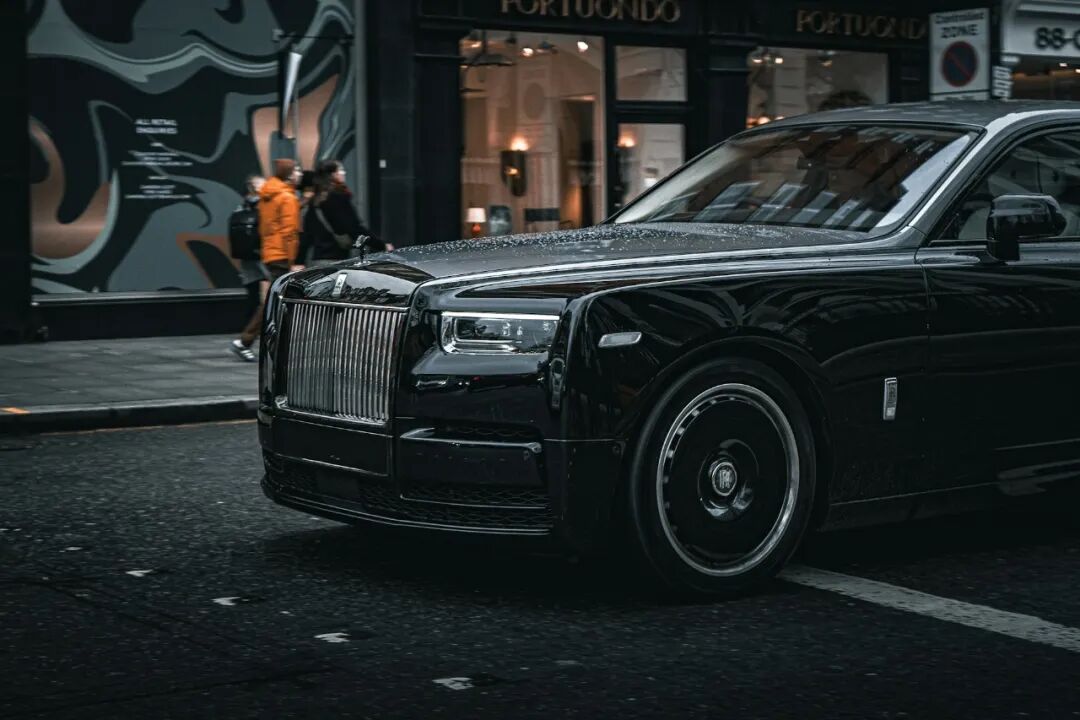
Fourthly, retreating strategically may be the best choice for ultra-luxury cars. In the long run, the long-term coexistence of all-electric and fuel-powered vehicles will be inevitable, and the survival strategy of ultra-luxury cars retreating strategically demonstrates profound industrial rationality. The replacement of any technology is not accomplished overnight but exhibits a long-tail effect. In the absolutely high-end ultra-luxury market, the advantages of fuel-powered and hybrid vehicles are difficult for all-electric models to completely replace in the foreseeable future. This is not only constrained by the physical and chemical bottlenecks of batteries but also by the deep-seated laws of consumer psychology. Rolls-Royce and others withdrawing their all-electric goals is not conservatism but a sophisticated "retreat to advance."
From the perspective of the industrial life cycle, survival requires not only foresight but also resilience. When the all-electric wave recedes and the market returns to rationality, ultra-luxury car brands find that adhering to their core competencies is more important than blindly expanding into unfamiliar areas. The long-term existence of fuel-powered and hybrid vehicles provides ultra-luxury car brands with a precious strategic buffer period, allowing them to steadily explore the true form of ultra-luxury all-electric vehicles without losing their brand character, perhaps solid-state batteries or a completely new energy form, but certainly not by hastily converting fuel-powered cars to electric or using mediocre electric motors to make do.
It can be said that the strategic shift of top ultra-luxury car brands like Rolls-Royce is not going against the trend but a rational decision that respects industrial differences and market laws. The electrification of the automotive industry is an inevitable trend, but there must be segmented differences under the trend. Withdrawing the all-electric goal and prioritizing hybrid and fuel-powered vehicles is not a complete denial of technological progress but a survival strategy of retreating to advance. This rational choice based on real market demand and self-profitability is not only a protection of brand history but also a respect for commercial laws.
END
Daily Quote: "We once so eagerly sought external recognition, only to realize in the end that the world belongs to ourselves and has nothing to do with others." In the first half of life, we are busy acquiring, filling, and rushing to worldly hustle and bustle; in the second half, we should learn to empty, let go, and enjoy the peace of solitude.
Jiang Han's Perspective
-
![]()
Zhou Yuan's Second Half and Zhihu's New Positioning
-
![]()
Behind DeepSeek's Financing Buzz: China's AI Giants Revalued as Strategic Assets
-
![]()
A Flurry of Small and Medium-sized Ride-hailing Platforms Go Public, AutoNavi Emerges as the Biggest Winner
-
![]()
Market Rectification Still Hinges on Xiaomi; 15-Minute Vacuum Pumping Now Mandatory Across the Air Conditioning Industry
-
![]()
The Battle for AI-Powered Payments is Ready to Ignite: Alipay and WeChat Both Draw Their Swords
-
![]()
A 3.2% Profit Margin: The Last Vestige of Dignity in the Auto Industry
-
![]()
Why Is Zhihu Unable to Launch Its Own 'Doubao' Like Zhou Yuan Envisions?
-
![]()
Lin Junyang’s Startup Secures $20 Million in First-Round Financing, with Tencent as Investor