A 3.2% Profit Margin: The Last Vestige of Dignity in the Auto Industry
 06/16 2026
 504
504
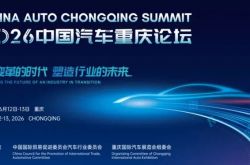
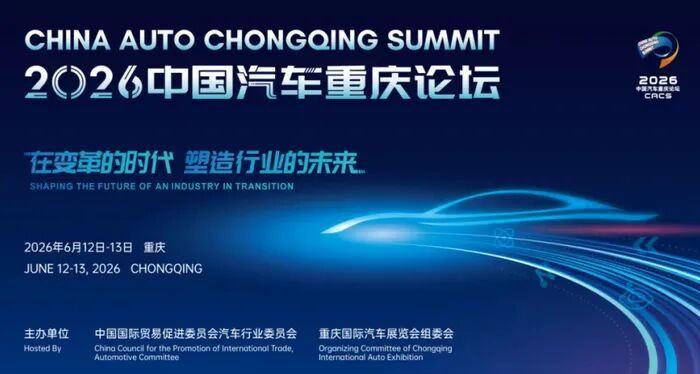
The recently concluded 2026 Chongqing Auto Forum lacked the vibrant atmosphere of new car launches that characterized previous editions. Instead, it was permeated by a palpable sense of gloom.
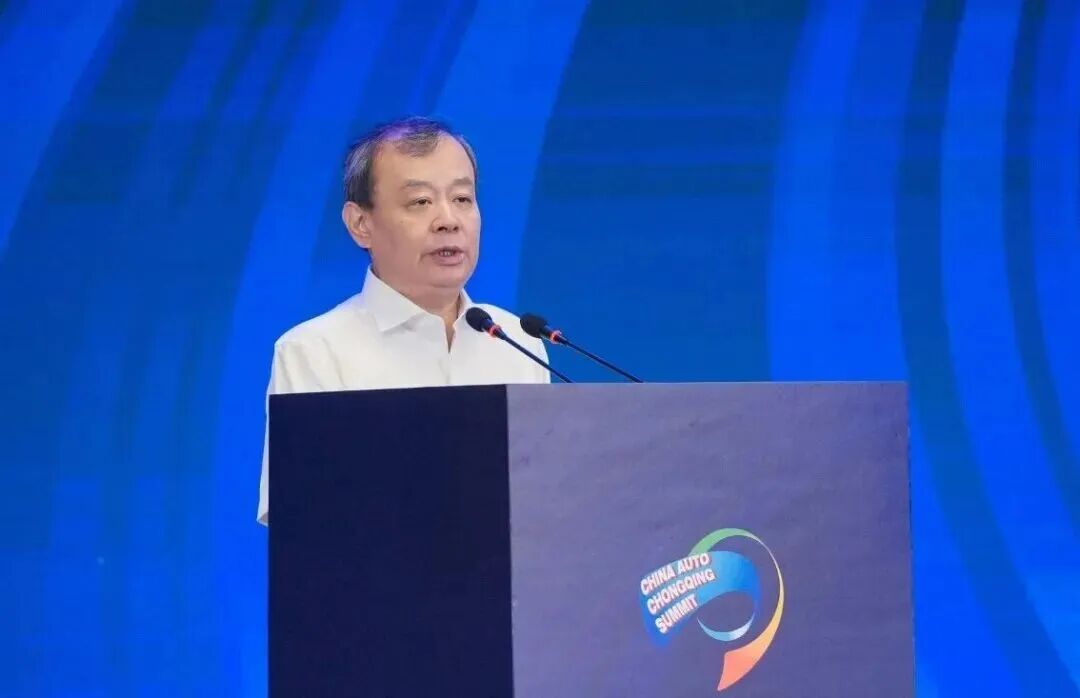
At the forum, Wang Xia, President of the Automotive Industry Sub-Council of the China Council for the Promotion of International Trade and the Automotive Industry Chamber of Commerce of the China Chamber of International Commerce, posed three thought-provoking questions regarding value competition, globalization, and AI, leaving little room for industry pretense. NIO Chairman Li Bin's remark that "an extraordinary period will last at least five years" quickly went viral. The summit resembled an industry-wide briefing, where pressures hidden in financial reports and market trends over the past six months were finally laid bare and thoroughly discussed.
The Cold Winter Is Not Just a Slogan
NIO Chairman Li Bin's assessment at the forum was candid: the industry should brace for a 15% to 20% year-on-year decline in domestic retail sales for the full year. This projection is not arbitrary. Data from the China Passenger Car Association supports this view: from January to May this year, domestic passenger car retail sales have already dropped by 19.5% year-on-year. By the first week of June, the weekly year-on-year decline had widened to 23%, bringing the cumulative year-on-year drop to exactly 20%.
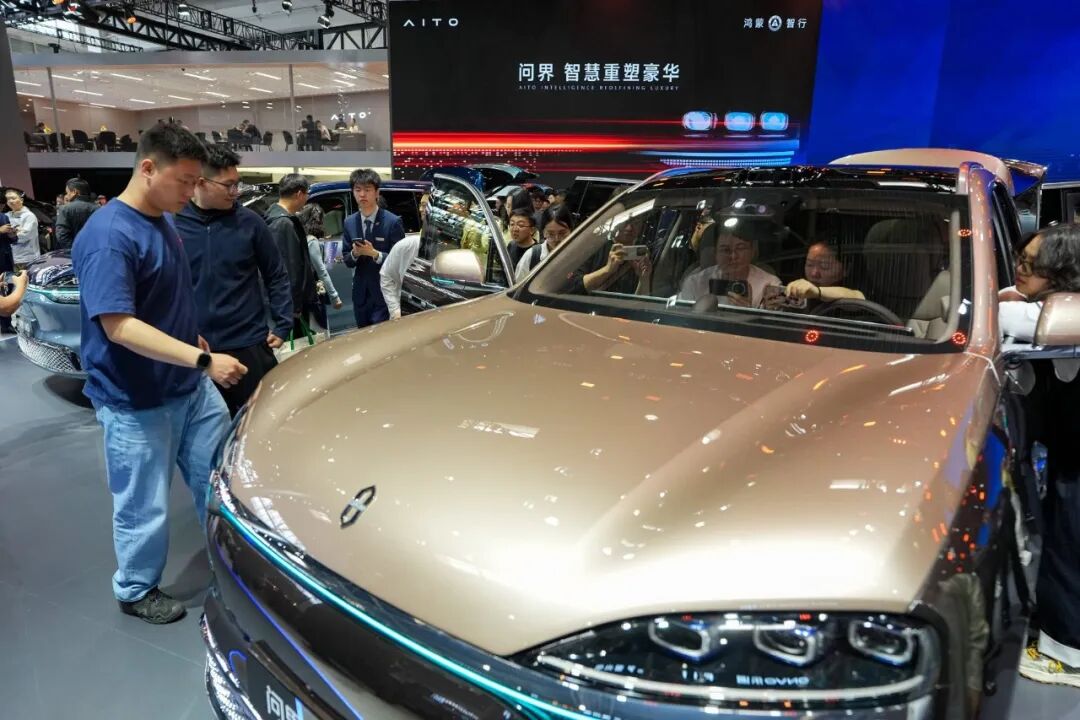
In the first quarter, many attributed the sales decline to the aftermath of last year's policy-driven overconsumption, expecting a rebound within a few months. However, by April and May, such hopes had largely faded. Demand contraction is not a temporary fluctuation but the new normal after reaching the ceiling of car ownership—domestic passenger car ownership has reached 370 million vehicles, with the incremental dividend largely exhausted. In this phase of intense competition for existing market share (the "Stock Battle"), lackluster growth figures are inevitable.
More concerning than the sales decline is the grim profitability data. Official figures from the National Bureau of Statistics reveal that in the first quarter of this year, automotive manufacturing revenue reached RMB 2,412.8 billion, a slight 0.2% year-on-year decrease. However, total profits plummeted by 18% year-on-year to RMB 78.4 billion, resulting in a sales profit margin of just 3.2%. This level is not only a recent low but also significantly below the national average of 4.9% for industrial enterprises above a designated size.
In simpler terms, for every RMB 100 in business automakers do, they pocket just over RMB 3 in net profit, falling short of even the average profitability of ordinary manufacturing industries. More intriguingly, this is after many automakers have already slashed R&D, marketing, and overhead costs. After years of price wars, the marginal effects have severely diminished.
Wang Xia also noted in his speech that consumers have begun to "resist" price wars. Since the beginning of this year, nearly 20 brands have proactively reduced their terminal discounts, with some high-end intelligent driving versions seeing price rebounds exceeding 20%. It's not that automakers no longer want to engage in price wars; rather, continuing would jeopardize even basic operational safety.
Li Bin's statement that the extraordinary period for smart electric vehicles will last at least five more years may sound harsh but is not necessarily alarmist. The past decade marked the tail end of industry dividends, where boldness and speed could capture market share. The upcoming era of meager profits will be the norm, where competition hinges on refinement and risk resilience. In the final round, endurance, not explosive power, will determine the winners.
The Industry Logic Is Quietly Shifting
Among the four major industry turning points highlighted by Wang Xia at the forum, the three core shifts precisely correspond to the industry's future breakthrough directions: from scale competition to value competition, from unilateral output to ecological symbiosis, and from electrification and intelligence to AI reshaping. These are not mere new conceptual slogans but inevitable choices forced by the market.
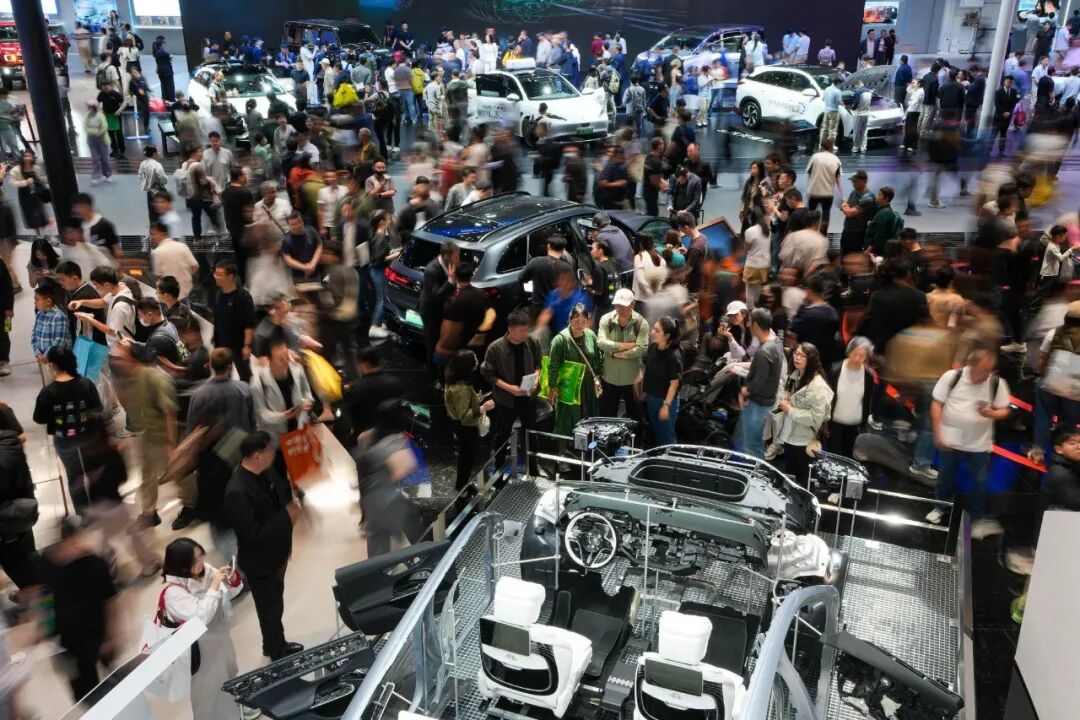
The first shift is from scale worship to value restoration. In earlier years, automakers fixated on sales rankings, believing that scaling up would naturally dilute costs and boost profits. Now, reality has delivered a wake-up call: scale without profit support is essentially running with a heavy load—the more you sell, the heavier the burden. In the first quarter, many leading automakers saw their sales hold up but profits halved, underscoring the failure of scale effects. When price cuts no longer drive sales growth, value competition becomes one of the few viable paths—either moving upmarket with technology and branding to earn premiums or moving downmarket with extreme cost control to capture share. The middle ground will become increasingly crowded.
The second shift is from a "merchandise-selling logic" to an "ecosystem logic" in overseas expansion. In previous years, Chinese automakers going overseas mostly shipped domestically produced cars for sale, following a unilateral output model. However, with increasing overseas trade barriers and local brands catching up, the low-price, high-volume model is becoming increasingly untenable. Wang Xia referred to globalization as a "compulsory course" rather than an "extra-credit question," making it clear: the upcoming overseas expansion is not about grabbing a quick incremental boost but about establishing a foothold. It requires integrating into local supply chains and service systems, forming a symbiotic relationship with local markets to truly stand firm and withstand cyclical and policy fluctuations.

The third shift is from the first half of electrification and intelligence to the second half of AI reshaping. In recent years, when the industry discussed intelligence, it repeatedly focused on screen sizes, radar counts, and computational power, essentially stacking hardware parameters. However, with increasing hardware homogenization and parameters hitting the ceiling, the real differentiator has shifted to AI. AI is not a simple upgrade of intelligence; it will fundamentally rewrite product definitions, production processes, and even the relationships between automakers and suppliers, reconstructing the entire industry's operational logic. Whoever can first translate AI's value into tangible product experiences and operational efficiency will gain an early lead in the next round of competition.
Survival Is the Top Priority
Talking about shifting to value competition is easy; implementing it is not. For most automakers, the most pressing task now is not how to become industry leaders but how to safely navigate this five-year adjustment period.
First, they must abandon unrealistic scale obsessions. Previously, automakers set annual targets with ambitions of million-unit sales and double-digit growth rates. Now, the priority is to build a thick safety cushion. They need to control production capacity, cut unprofitable product lines, and scale back non-core businesses.

These actions may not sound "inspiring," but they are the most pragmatic choices during an industry shakeout. After all, at this stage, cash flow matters more than market share, and healthy profitability matters more than impressive sales figures. Second, the core of value competition is not blind price hikes but allocating costs to areas users truly perceive. Adding features where users are willing to pay is value; adding them where no one cares is pure waste.
Take high-end intelligent driving as an example. A few years ago, many brands piled on hardware, but the experience failed to keep pace, leaving users unimpressed and unwilling to pay extra. Now, some brands have solidified the usability and ease of use of intelligent driving, and even with higher prices, consumers are still willing to buy—that's true value competition.
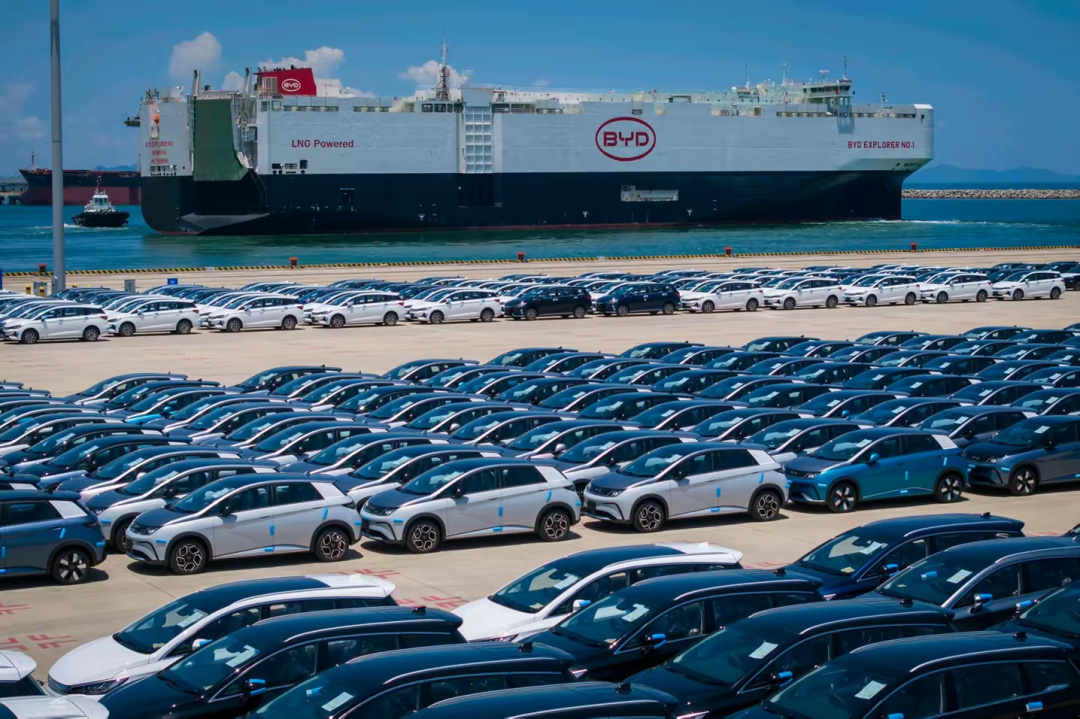
Third, overseas expansion can no longer replicate the cutthroat domestic competition. The biggest pitfall for Chinese automakers in overseas markets is engaging in price wars among themselves, ultimately earning publicity but losing money and tarnishing the reputation of all Chinese brands. True globalization involves gradually building brand recognition in local markets, establishing localized supply chains and service networks, and even forming win-win partnerships with local enterprises. Only by transforming from "Chinese companies selling cars overseas" to "locally rooted enterprises" can they withstand trade frictions and market fluctuations.
Finally, AI implementation should start with efficiency gains rather than chasing distant concepts. For automakers, AI doesn't have to initially aim for far-off goals like fully autonomous driving. Instead, they should first apply AI to R&D cost reduction, production efficiency improvement, and user operations—areas where benefits can be quickly realized. Boosting internal efficiency and reducing costs is more practical than telling any grand narratives.
The warnings from the Chongqing Auto Forum may not be pleasant to hear, but they are all grounded in reality. This five-year extraordinary period will be an elimination round for the weak and a window of opportunity for the strong. The era of price wars is over; the curtain has just risen on value wars. Only automakers that can survive this cycle will truly deserve the dividends of the next era.
-
![]()
Zhou Yuan's Second Half and Zhihu's New Positioning
-
![]()
Behind DeepSeek's Financing Buzz: China's AI Giants Revalued as Strategic Assets
-
![]()
A Flurry of Small and Medium-sized Ride-hailing Platforms Go Public, AutoNavi Emerges as the Biggest Winner
-
![]()
Market Rectification Still Hinges on Xiaomi; 15-Minute Vacuum Pumping Now Mandatory Across the Air Conditioning Industry
-
![]()
The Battle for AI-Powered Payments is Ready to Ignite: Alipay and WeChat Both Draw Their Swords
-
![]()
A 3.2% Profit Margin: The Last Vestige of Dignity in the Auto Industry
-
![]()
Why Is Zhihu Unable to Launch Its Own 'Doubao' Like Zhou Yuan Envisions?
-
![]()
Lin Junyang’s Startup Secures $20 Million in First-Round Financing, with Tencent as Investor