May’s Independent New Energy Vehicles: A Mixed Bag of Successes and Challenges
 06/22 2026
 414
414
Introduction
The automotive market is increasingly competitive, and every sales increment is hard-earned.
According to May’s new energy vehicle sales report, the four major independent players—BYD, Geely, Chery, and Great Wall—continue to command over half of the domestic new energy vehicle market. The overall market landscape features both highlights and minor setbacks, making for a dynamic scene.
The automotive market wasn’t particularly buoyant this month, but the new energy vehicle penetration rate soared to 62.9%, with independent brands accounting for over 70%. Electrification has firmly become the domain of independent automakers, while joint-venture brands are largely relegated to the sidelines with minimal presence.
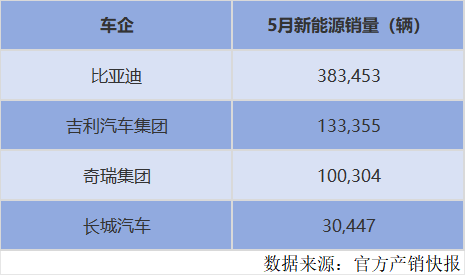
Among the four major independent automakers, BYD remains the standout, selling 383,000 new energy vehicles in May, leading by a substantial margin and securing the monthly sales crown for the 60th consecutive month—a truly unassailable position. Although year-on-year growth was modest, month-on-month growth surged nearly 20%. Following the introduction of second-generation blade batteries and flash-charging technology, consumer enthusiasm gradually rebounded. High-end lines like Tengshi and Fangchengbao saw steady sales increases, while Yangwang slowly gained market traction. Overseas performance was even more impressive, with 160,000 units exported in a single month, up 80% year-on-year, achieving solid success both domestically and internationally. However, being at the top comes with its challenges—growth slowdown is inevitable due to the massive base. Moving forward, BYD must rely on high-endization and overseas markets to unlock new potential.
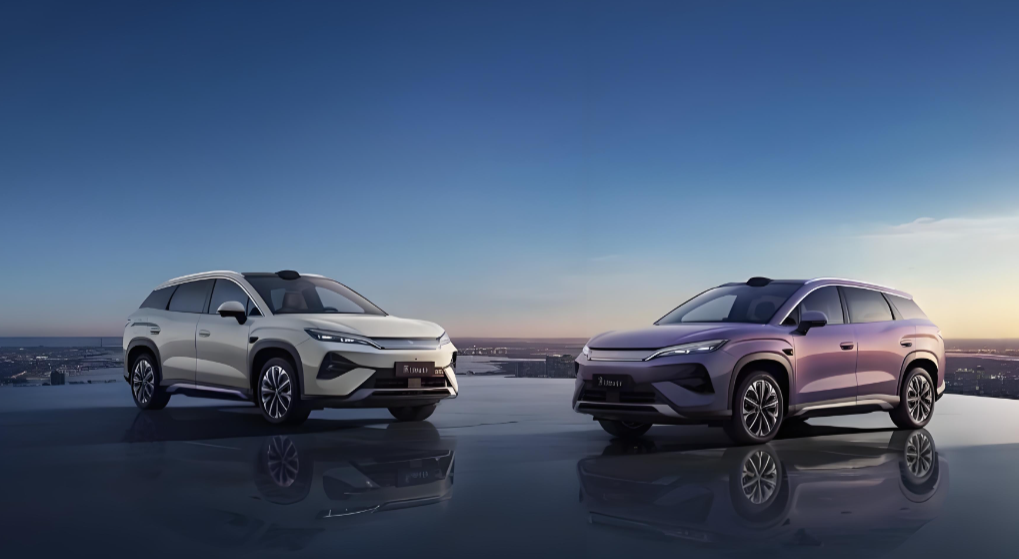
Geely and Chery were locked in fierce competition in May, with sales figures extremely close. Geely sold 237,000 units overall, with new energy vehicles accounting for 133,000 units and a penetration rate exceeding 55%. Overseas exports reached 85,000 units, surging 184% year-on-year, showcasing strong momentum in global expansion.
Chery Group sold 100,000 new energy vehicles, up nearly 60% year-on-year. One brand focuses on steady domestic growth, while the other leverages overseas markets. The total sales gap between the two is just around 2,000 units, ensuring even fiercer competition ahead. However, both have minor shortcomings—Geely’s Galaxy series, aside from the Xingyuan model, is showing fatigue in other vehicles, while Chery needs to further boost domestic consumer enthusiasm.
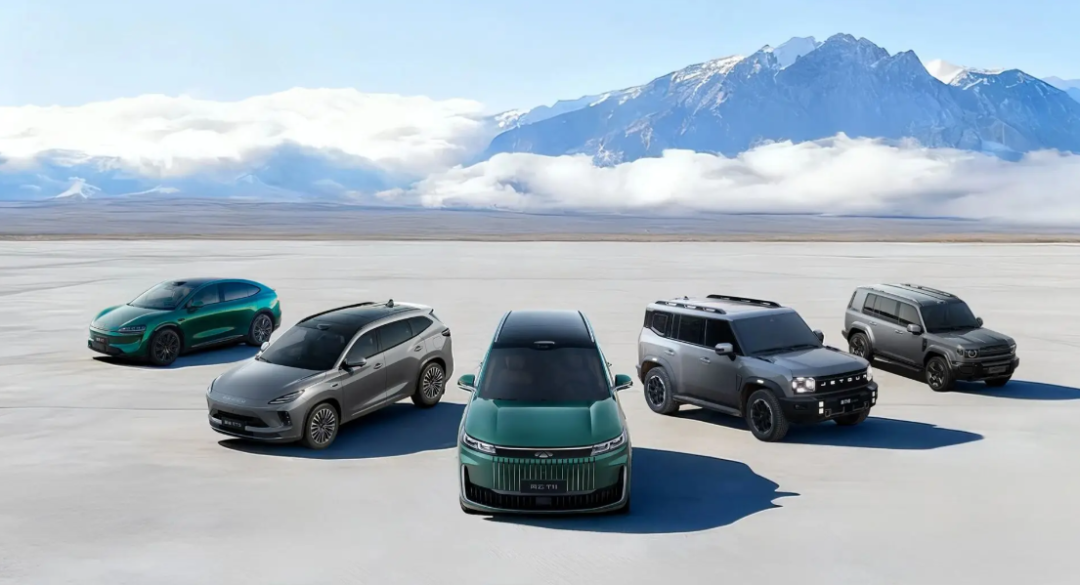
In comparison, Great Wall was relatively low-key in May, selling 100,000 units overall, with new energy vehicles contributing just 30,000 units, temporarily lagging behind the other three independent brands. It’s not that Great Wall is underperforming; rather, its pace is slower, and its new energy transition isn’t fast enough. In reality, Great Wall has a solid foundation with strong technology and capabilities—it just needs to find the right rhythm, accelerate new vehicle launches, and enhance market promotion; otherwise, it risks being left further behind by its peers.
Overall, May’s independent new energy vehicle market followed a pattern of “the strong get stronger, the middle face intense competition, and the tail feel pressure.” BYD dominates alone, firmly occupying both the high-end and mainstream markets; Geely and Chery rush forward with multi-brand strategies and overseas expansion, vying for second place; Great Wall needs to step up its efforts to keep pace with the group.
Now that the domestic market has entered a phase of stock competition (inventory competition), relying solely on domestic competition is insufficient—going global has become key. The four major automakers are scrambling for overseas market share, with new energy exports surging over 110% year-on-year in May, accounting for over 54% for the first time. Overseas markets have become a new growth engine.
In summary, the performance of the four major independent new energy vehicle brands in May once again proves that our domestic brands have firmly grasped the initiative in the new energy vehicle market. BYD continues to lead, Geely and Chery closely follow, while Great Wall gathers strength to catch up. Despite each having its own minor challenges, the overall upward trend remains unchanged. With more new vehicles launching and overseas markets continuing to expand, we anticipate independent brands to make even greater strides in the global market.
-
![]()
When AI Dominates 618, Is Human Live Streaming the Ultimate Challenge?
-
![]()
Behind SpaceX's IPO: Musk, Boasting a Trillion-Dollar Net Worth, Still Grapples with a Severe 'Cash Crunch'
-
![]()
【OFweek Weike Cup】CASTECH Nominated for 2026 Optics Industry Outstanding Component Supplier
-
![]()
【OFweek Weike Cup】Accelink Technologies Competes for 2026 Outstanding Optical Component Supplier in Optical Industry
-
![]()
A Leading Computing Power Provider Secures 1.5 Billion Yuan in Private Placement, Expands Smart Computing Center to 12,000 Racks
-
![]()
【OFweek Weike Cup】Sundek Officially Enters for the 2026 Outstanding Contribution Award for Optical Industry Application Solutions
-
![]()
Geely's Three Strategic Cards for Future Layout Unveiled at Hong Kong Auto Show
-
![]()
GAC Toyota’s Sales Boom: Forging Vehicles with Enduring Value for the Long Haul