BMW Suspends Production of All Locally-Manufactured BEV Models: Should You Grab a Bargain Now or Hold Out for the Next Generation?
 06/23 2026
 386
386
As we draw closer to July 2026, BMW's BEV lineup in China is poised for a comprehensive transformation.
BMW has officially announced that the production of its locally-manufactured i3, i5, and iX1 BEV models will cease simultaneously in July. This will result in a temporary absence of BMW's locally-produced BEV models from the market until the fourth quarter, when the next-generation iX3 long-wheelbase variant is scheduled for launch.
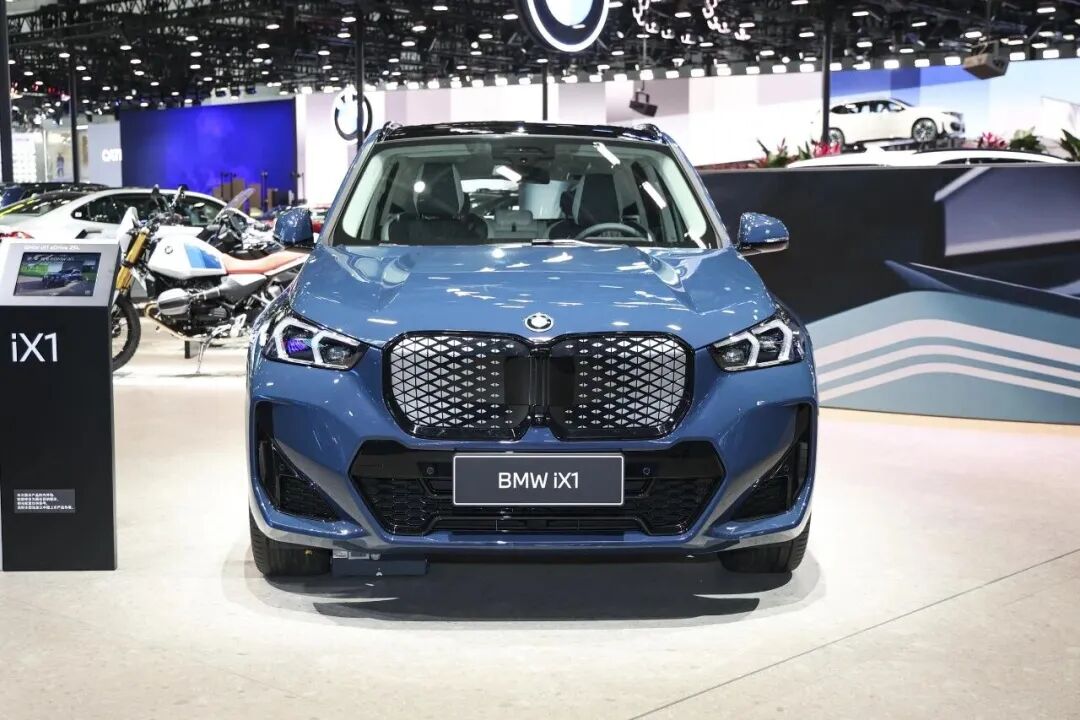
The production halt is not a withdrawal from the market; rather, it's paving the way for the next generation. However, for consumers, the pressing question remains: Is now the opportune moment to purchase current models at a discounted price?

On-Site Investigation: Discounts Fall Short of 'Clearance' Levels
Recent visits to various BMW dealerships in Beijing revealed that although a limited quantity of current models is in stock, dealers are no longer accepting new orders.
In terms of pricing, the iX1 now enjoys an additional discount of RMB 60,000-70,000 on top of the early-year official price reductions, while the i3 is discounted by an extra RMB 90,000-100,000. Some models have become quite appealing, with the i3's starting price in Beijing now at RMB 187,000 and the iX1's at RMB 165,000.
However, there's a catch: these discounts are not significantly different from those offered before the production halt. Typically, models receive 'clearance' discounts prior to production cessation, but BMW has not followed this trend with substantial price reductions.
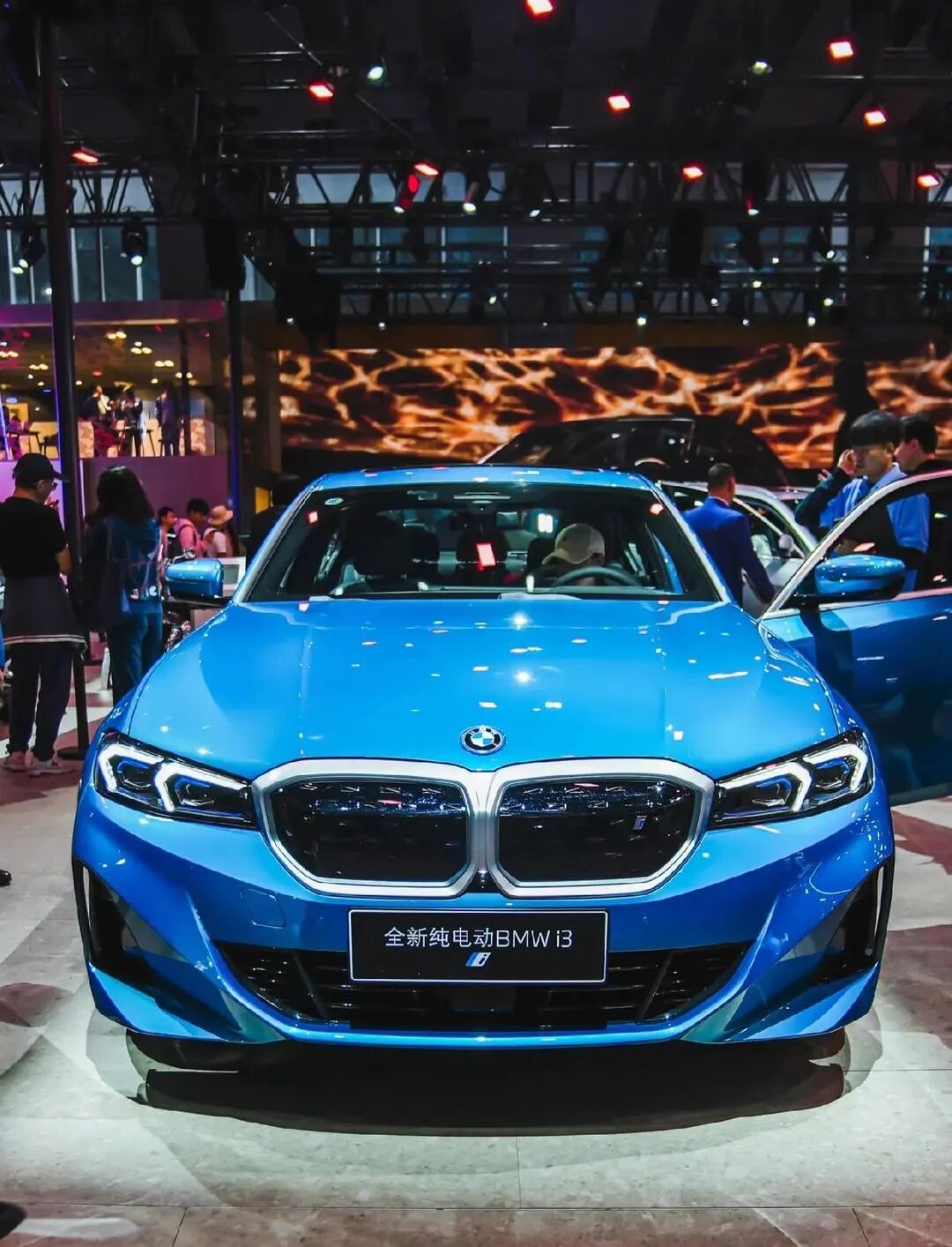
The reasons are evident: inventory levels are low, so dealers lack the incentive to offer further discounts. Moreover, BMW is reluctant to dilute its brand value through excessive price cuts. For consumers hoping to 'buy at the lowest point,' the current discounts may not be as enticing as anticipated.
The production halt did not come as a shock. Sales data indicates that these models have long struggled in the market.
From January to May 2026, the combined retail sales of the i3, i5, and iX1 barely exceeded 10,000 units, accounting for less than 4% of BMW's total domestic sales. Price adjustments earlier in the year failed to produce significant results. In contrast, several popular domestic NEV models easily surpass 10,000 units in monthly sales.
A key factor lies in the platform. All three models are constructed on the CLAR platform, which accommodates both ICE and BEV models—commonly referred to as 'ICE-to-BEV conversions.' This platform has inherent limitations: poor space utilization, high energy consumption, and limited scalability for smart technologies. BMW Group R&D data reveals that iterating CLAR-based BEV models costs 40% more than models based on next-generation platforms, rendering continued production highly uneconomical.
What Does the BEV 'Gap' Signify?
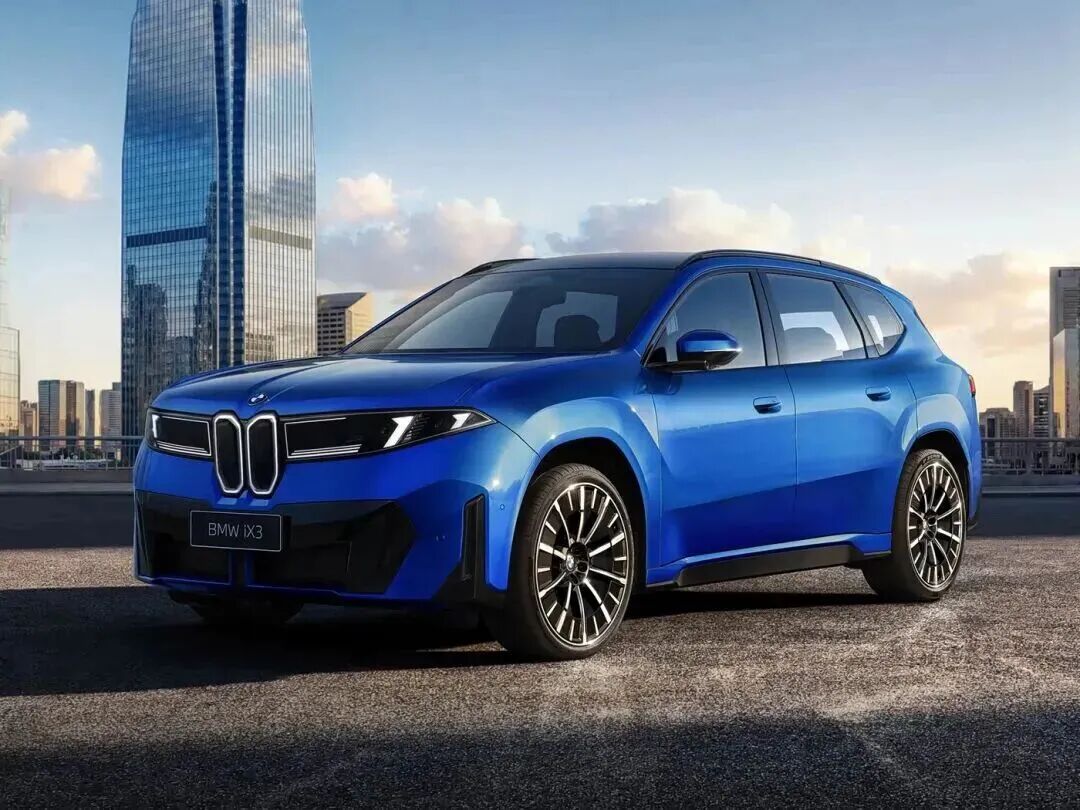
Following the production halt in July, BMW's locally-produced BEV lineup will temporarily have no models available. The next-generation BMW iX3 long-wheelbase variant is not expected until the fourth quarter, while the next-generation BMW i3 long-wheelbase variant will arrive in 2027.
This creates a 'gap' of at least three months, during which BMW will have no BEV models for sale in China—an unusual move. By comparison, when the current BMW 7 Series fully ceased production in June 2026, the mid-cycle refreshed new 7 Series was already slated for July 2026 production, ensuring a seamless transition.
From an industry standpoint, this is a risky signal. BMW's China sales have declined for three consecutive years, with its ICE vehicle market share shrinking significantly this year. Meanwhile, BMW's NEV penetration rate in China stands at just 6.6%, far below the national NEV penetration rate of 54.1%. In China, where NEVs dominate, BMW's electrification pace is clearly lagging.
However, the technical specifications of the upcoming next-generation models are impressive. The first locally-produced model, the iX3 long-wheelbase variant, features a full 800V high-voltage system and sixth-gen eDrive technology, equipped with a 108kWh large cylindrical battery. It achieves over 900km of CLTC range and can recharge 400km of range in just 10 minutes. The wheelbase is extended to 3,005mm, 108mm longer than the overseas version. Smart driving is jointly developed by BMW and Momenta, supporting full-scenario navigation assistance.
But technical superiority is merely the first step. Pricing will be the linchpin for success.
Notably, before the next-generation iX3 long-wheelbase variant launches, Mercedes-Benz's BEV GLC commenced pre-sales in June, with the five-seat high-spec version priced at RMB 349,000. This model, the first locally-produced long-wheelbase variant developed on the MB.EA pure electric platform, is seen as Mercedes-Benz's farewell to 'ICE-to-BEV conversions' and 'inflated pricing.' The pricing and market reception of the Mercedes-Benz GLC EV will undoubtedly provide crucial insights for BMW's pricing strategy for the next-generation iX3.
Conclusion: Should You Buy at a Discount or Wait?
For consumers with cash on hand and considering current BMW models facing production halts, we advise caution when attempting to 'buy at the lowest point.'
Discounts on the current i3 and iX1 have not significantly increased due to the production halt, so the actual benefits of 'buying at the lowest point' are limited. More importantly, these models, based on the 'ICE-to-BEV conversion' platform, lag behind competitors in core areas such as smart technologies, range, and space. Even at attractive prices, buyers would be acquiring technologically outdated products.
For consumers not in urgent need of a vehicle, waiting for the next-generation models may be the more rational choice. Of course, this requires patience—the iX3 is not expected until the fourth quarter, and the i3 until 2027. Moreover, the final pricing and actual delivery experience of the next-generation models remain to be seen in the market.
-
![]()
Over 50% of Revenue Hinges on Yutong Optics! This Optical Equipment Manufacturer is Charging Towards an IPO
-
![]()
YOCO Optics Finalizes Industrial and Commercial Registration Update Post 160 Million Yuan Investment in Jiangfeng Biology, Securing 20% Stake to Emerge as Second-Largest Shareholder!
-
![]()
Google Market Value Plummets by $1.5 Trillion Overnight Following the Loss of Two Key Figures
-
![]()
Put an End to the EV 'Weight Gain Race'! Can Your Car Still Be Driven Under the New National Standards?
-
![]()
In 2026, 'AI Upstarts' Collectively Bet on World Models
-
![]()
【OFweek Weike Cup】Phoenix Optics Officially Participates in the 2026 Optical Industry Annual Innovation Product Award
-
![]()
Ford Ditches Mach-E: Will Its Billion-Dollar Electrification Drive Have to Start All Over Again?
-
![]()
【OFweek Weike Cup】Shuangli Hepu Officially Participates in the 2026 High-Growth Enterprise Award in the Optical Industry