France-Italy Micro Four-Wheeler Electrification Boom: A New Opportunity for China's Supply Chain to Go Global?
 06/24 2026
 335
335
As Chinese domestic manufacturers of new energy vehicles (NEVs) face tariff and certification hurdles in Europe's passenger car market, a less-noticed sector—the French and Italian markets for four-wheeled light vehicles—is experiencing rapid electrification. According to a report by JATO Dynamics, a global automotive market research and data analysis firm, battery electric vehicles (BEVs) are projected to constitute approximately 75% of four-wheeled light vehicle (Quadricycle) sales in France and Italy by 2025. This figure significantly outpaces the BEV penetration rates in the passenger car markets of both regions during the same period.
Under EU regulations, four-wheeled light vehicles are defined as compact motor vehicles with four wheels, falling between two-wheelers and small cars. They are categorized into two subcategories:
L6e (Light Quadricycle): With a maximum design speed of ≤45 km/h, a maximum unladen mass of ≤425 kg (excluding battery), and a peak motor power of ≤6 kW. An AM driver's license is required, with the minimum driving age as low as 14 in some European countries.
L7e (Heavy Quadricycle): With a maximum design speed of ≤90 km/h, an unladen mass limit of 450 kg (for passenger vehicles) or 600 kg (for cargo vehicles), and a peak motor power of ≤15 kW. A B1 or B category driver's license is required.
Combining the stability and protection of four-wheeled vehicles with the economy and convenience of lightweight design, these vehicles are emerging as compelling alternatives to traditional urban cars in densely populated European cities with parking challenges. They are particularly popular among young drivers, commuters, and cost-conscious travelers.
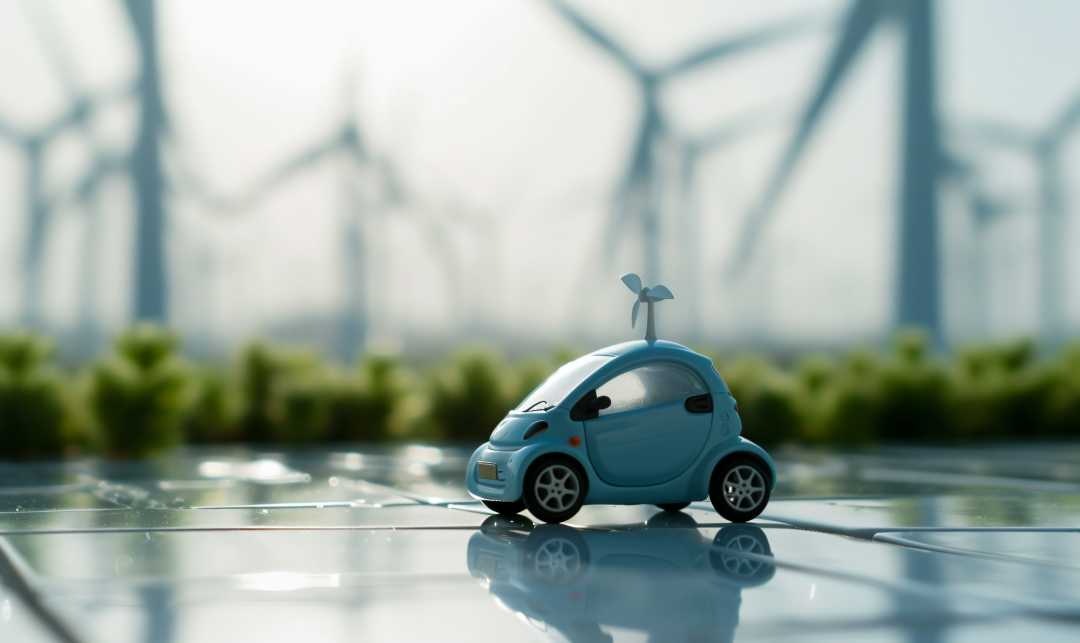
Between 2024 and 2025, France registered 57,000 four-wheeled light vehicles, roughly 1.5 times the volume of the Italian market. BEVs already account for 75% of total sales, compared to just 20% in France's overall passenger car market and only 6.2% in Italy during the same period. Four-wheeled light vehicles have become one of the most thoroughly electrified segments in Europe.
Notably, French four-wheeled light vehicles are not eligible for government electric vehicle incentive programs, yet their BEV sales still increased by 19%. This suggests that the market's electrification is no longer dependent on policy support but is driven by the inherent appeal and economic viability of the products.
The primary driver of this structural transformation is the Euro 5+ emission standards, which came into effect on January 1, 2024. The new regulations impose stricter compliance requirements on internal combustion engine (ICE) four-wheeled light vehicles, including mandatory OBD II onboard diagnostics, the introduction of real-world driving emission tests (replacing reliance solely on laboratory data), and significantly enhanced durability standards for emission control systems.
The tightened regulations have effectively set a countdown for the phase-out of ICE powertrains. In France, registrations of ICE four-wheeled light vehicles plummeted by 57%; in Italy, ICE models declined by 46%. The retreat of ICE vehicles has outpaced the electrification efforts of traditional manufacturers, creating a substantial market gap.
The current French and Italian four-wheeled light vehicle market is a mature segment that has been cultivated by a few key players over decades. Ligier (established in 1970), Microcar (1982), Aixam (1983), and Chatenet (1984) laid the industrial and brand foundations of this market and still collectively account for over 90% of the historical market share.
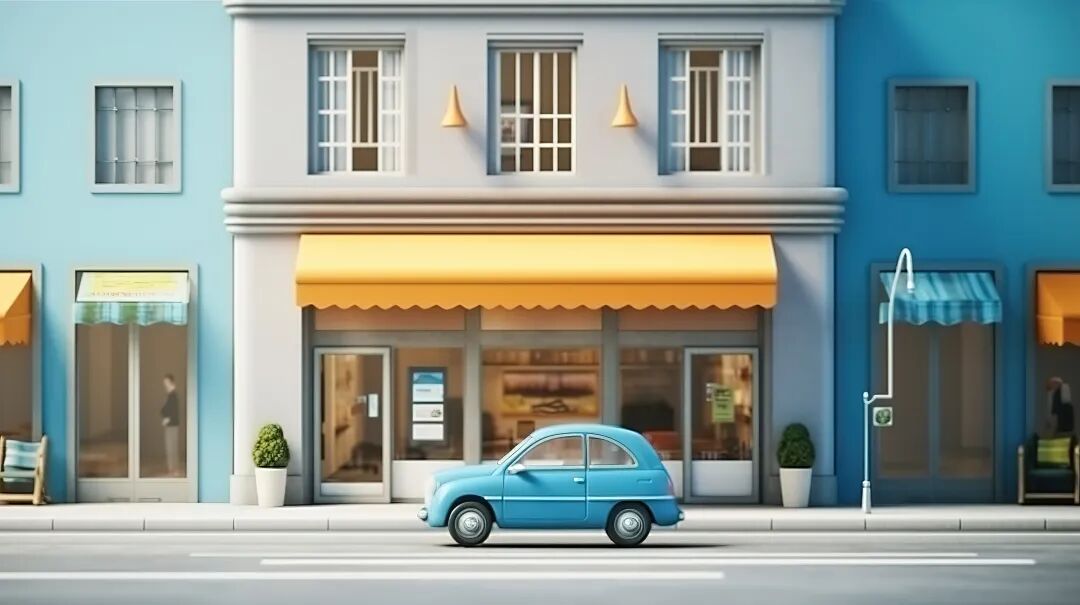
However, Stellantis' entry is reshaping the competitive landscape. Leveraging brands like Citroën and Fiat, Stellantis achieved a 6.1% growth in a declining French market, increasing its market share by 12 percentage points. Its brand portfolio collectively contributed to 74% of total BEV four-wheeled light vehicle sales.
In contrast, traditional manufacturers offering both ICE and BEV powertrains have been hit hardest. Aixam and Ligier recorded sales declines of 43% and 49%, respectively, between 2024 and 2025. Although their BEV model shares have increased, the gains remain insufficient to offset the losses from collapsing ICE vehicle sales.
The competitive landscape in the Italian market closely mirrors that of France, with Stellantis leading at 43% market share, followed by Aixam (21.9%) and Ligier (10.6%). Turin-based newcomer XEV ranks fourth, steadily closing the gap.
Unlike the mainstream passenger car market, where electric vehicles (EVs) are generally perceived as more expensive than ICE vehicles, BEVs in the four-wheeled light vehicle segment already have a significantly lower average price than ICE models. In France, the average price of a BEV four-wheeled light vehicle is €10,676, compared to €15,337 for ICE models—a price difference exceeding €4,600. This price advantage is primarily attributable to Stellantis' mass production strategy.
The rapid electrification of Europe's four-wheeled light vehicle market presents a notable opportunity for Chinese automakers.
First, there is a genuine market gap. The crowding-out effect of Euro 5+ on ICE vehicles is accelerating, while traditional manufacturers' electrification offerings are lagging. Stellantis alone cannot fill the entire market's transition gap, leaving opportunities for new entrants.
Second, price competitiveness is crucial for market entry. Four-wheeled light vehicle users are highly price-sensitive. Stellantis' success hinges on pricing its products around €10,000. Chinese automakers, with their inherent advantages in supply chain costs and scalable production, could be highly competitive in this price range if they obtain European type approval (L6e/L7e).
Third, user demographics are evolving. As some EU countries lower the driving age to 14 (with an AM license), the user base is shifting rapidly from traditional elderly mobility users to young urban populations. This necessitates a youthful redesign of product aesthetics, digital experiences, and brand communication—areas where Chinese smart electric product teams excel.
Fourth, beyond complete vehicles, a pioneering entry through the "three-electric supply chain" (battery, electric motor, electronics) might be more realistic. European domestic four-wheeled vehicle manufacturers have significant outsourcing needs in areas such as electric drive systems, battery management systems (BMS), and thermal management. Chinese supply chain enterprises, entering as Tier 1 component suppliers, could offer a lower-risk and faster-to-implement pathway.
For Chinese automakers interested in entering Europe's micro-mobility market, four-wheeled light vehicles may represent a lower-barrier, faster-growing, and less consolidated entry point compared to passenger cars. JATO's report concludes with an open question: As affordability becomes a decisive competitive factor, will Chinese automakers follow their European passenger car expansion footprint into the French and Italian four-wheeled light vehicle markets?
Layout | Zheng Li
Source | JATO Dynamics
Image Source | Qianku.com
-
![]()
Total Investment Hits Nearly 3.28 Billion! Goertek Launches Mass Production of 12-Inch Transparent Substrate Wafer for AR Glasses’ Micro-Nano Optical Components
-
![]()
Why Is This Precision Optical Film Leader Worth Reevaluating with a Tens of Millions Procurement?
-
![]()
AI Costs Plummet by 90% Over Nine Years: Key Insights from Davos You Shouldn’t Miss
-
Doubao, Your Late-Night AI Companion, Now Eyes Profitability
-
![]()
SRC Empowers SEER Intelligence to Reach a Market Cap of Tens of Billions, Yet Fails to Sustain Profitability
-
![]()
China’s Embodied AI Industry Faces Fierce Domestic Competition, Making Overseas Expansion Essential for Survival
-
![]()
32.8 Billion Yuan Investment! Goertek’s 12-Inch AR Glasses Optical Wafer Base in Lingang Begins Operations
-
![]()
How Far is the All-New Li Auto L8 from Being the Best Five-Seat SUV with In-House Full-Stack Development?