Dreame Technology's Strategic Withdrawal from the Automotive Arena!
 06/25 2026
 507
507
Written by | Guanchejun
Less than a year after Dreame Technology officially declared its entry into vehicle manufacturing, its plans for mass-producing automobiles seem to have come to a complete halt.
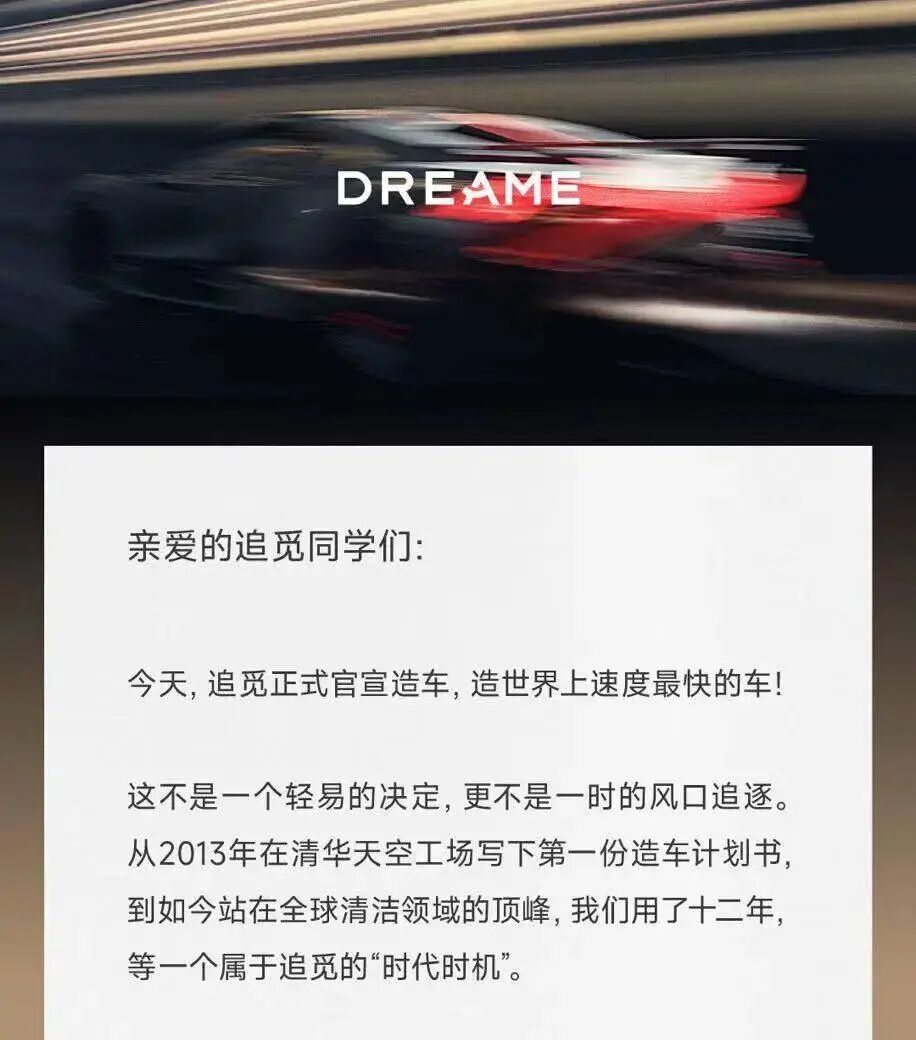
In August 2025, Dreame Technology made a splash by releasing an open letter, announcing its high-profile foray into vehicle manufacturing. Founder Yu Hao penned in the letter: "Building cars represents the pinnacle of industry, the ultimate technological battleground, and an expedition fraught with 'life and death' challenges."
However, this ambitious expedition lasted a mere ten months before it was abruptly forced to apply the brakes.
The turning point occurred in June of the current year. Dreame unveiled the largest strategic realignment since its inception, consolidating its previously fragmented system spread across over 200 business units into four core sectors: Smart Home, Outdoor Living, Smart Mobility, and Embodied AI.
The direct repercussion of this restructuring on the automotive business was significant. The three automotive business units (BUs)—Stellar Future, Starry Sky Project, and Interstellar Crossing—which had been independently progressing towards mass production, were now brought under the umbrella of the Industrial Research Institute and relieved of their full-vehicle delivery responsibilities.
Meanwhile, Guanchejun noted from various media reports that Dreame's ambitious plans for mass-producing high-end electric vehicles in 2027 and establishing overseas factories have all been put on ice.
The once-thriving vehicle manufacturing landscape has swiftly receded into the vague domain of technological reserves.
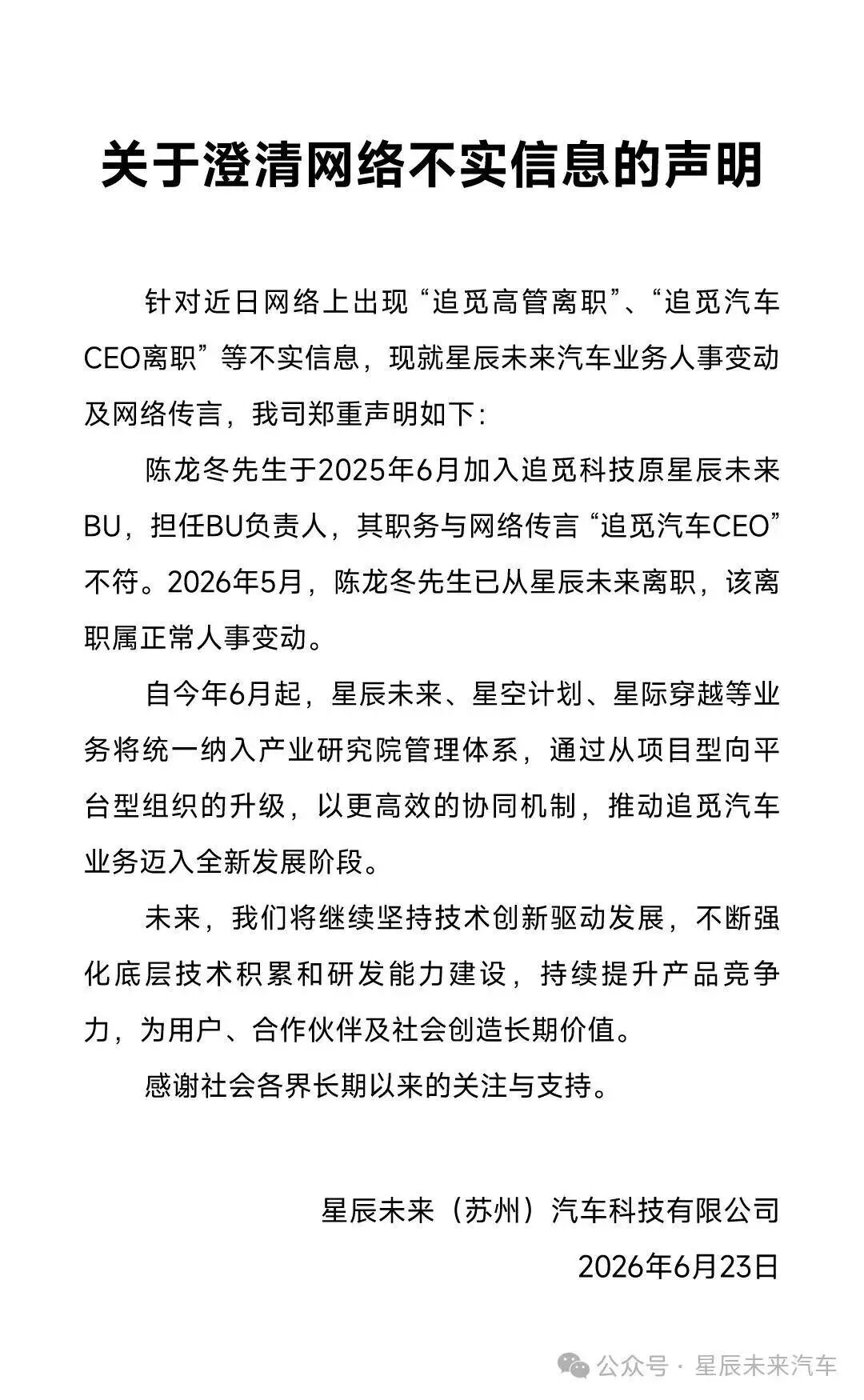
Shortly after the strategic realignment was announced, on June 23, the departure of Chen Longdong, the former head of the Stellar Future BU, was officially confirmed.
The official statement revealed that he joined in June 2025 and departed in May 2026, attributing his exit to normal personnel changes and specifically clarifying that his position did not align with the online rumors of him being the CEO of Dreame Automotive.
However, this clarification failed to quell external skepticism, particularly given that Stellar Future had been a pivotal carrier of Dreame's automotive ambitions.
Reflecting on Dreame's vehicle manufacturing odyssey, in Guanchejun's perspective, its high-profile approach was on par with any other cross-industry entrant.
Public records indicate that after announcing its plans in August 2025, Dreame swiftly assembled a team of nearly a thousand people, with the intention of launching high-end electric vehicles in 2027. It even ventured to Germany to scout for a site, ultimately locating its factory near Tesla's Berlin Gigafactory.
In the first half of 2026, Dreame's three automotive BUs took turns showcasing concept cars—sports cars, SUVs, and luxury coupes all made their debut. In late April, it unveiled the Nebula Next 01 JET version, a supercar equipped with a rocket boost system, at a U.S. event, boasting that it could accelerate from 0 to 100 km/h in a mere 0.9 seconds.
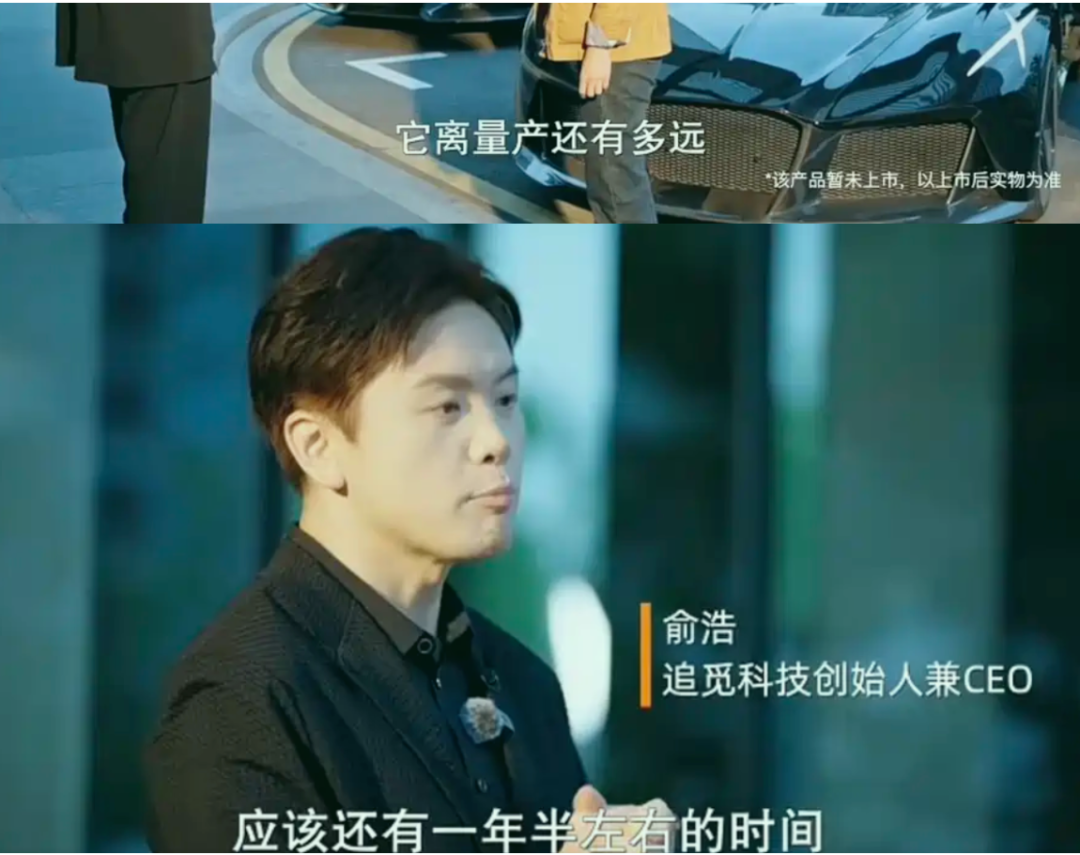
However, beneath the vibrant exterior, there was a persistent lack of tangible products that consumers could interact with. There were no pre-sales, no test drives, and no clear brand positioning. Dreame Automotive remained confined to the realm of exhibition booths and PowerPoint presentations.
In Guanchejun's view, the temporary suspension of Dreame's vehicle manufacturing endeavors ultimately stems from the simultaneous erosion of 'funding' and 'regulatory support.'
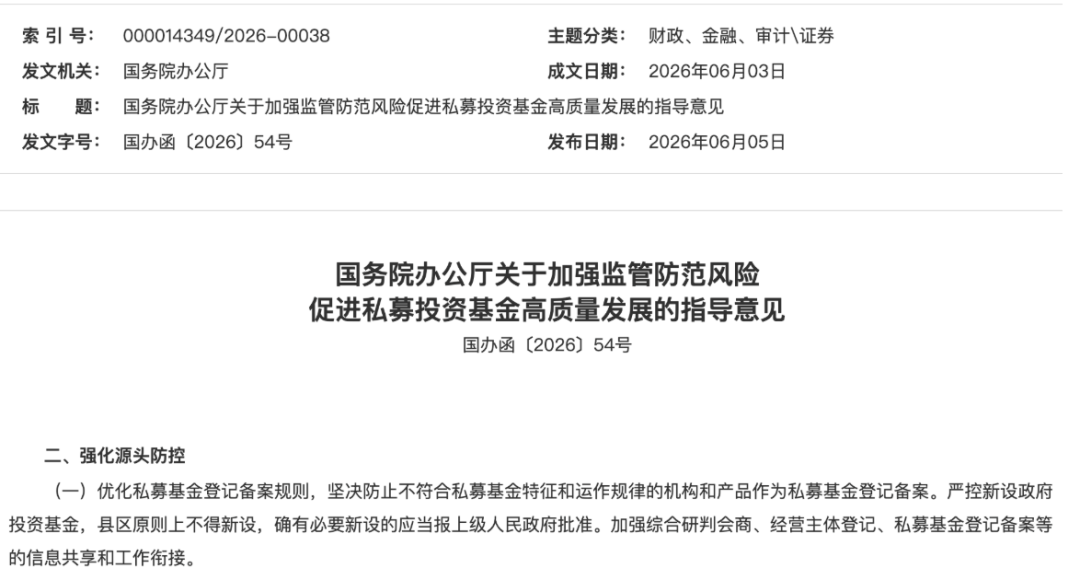
Firstly, let's consider external regulations. The State Council's Document No. 54 explicitly prohibits, in principle, new government investment funds at the district and county levels, meaning that the leveraged expansion model Dreame had previously relied on lost its policy backing.
At this juncture, Dreame had collaborated with government funds from 17 localities, with a total scale of approximately 20 billion yuan and actual contributions surpassing 7 billion yuan.
Next, let's examine internal funding. Starting in March 2026, the group began gradually cutting off support: loans were halved in April, reduced to 25% in May, and internal interest-free loans were completely discontinued in June.
Most critically, Dreame's current profit volume simply cannot sustain the cash-intensive nature of vehicle manufacturing. The available data reveals that its annual profit is approximately 3 billion yuan, a figure that pales in comparison to the financial demands of the vehicle manufacturing sector.
Even adopting a lightweight asset outsourcing model, the upfront rigid expenditures for model development, mold creation, and supply chain setup still amount to billions of yuan.
Subsequently, Dreame retained its automotive business within the Industrial Research Institute, focusing on foundational research such as EEA architecture, smart cockpits, and embodied AI, asserting that related technologies could still reverse-empower its main business of robotic vacuums.
The demotion from a business division to a research institute essentially signals the demise of Dreame's vehicle manufacturing aspirations.
Dreame's saga once again underscores a fundamental truth: Cross-industry vehicle manufacturing is not about grand concepts but about tangible delivery. Vehicle manufacturing has never been a threshold that can be surmounted with mere courage and storytelling.
The charts in this article, unless otherwise sourced, are all derived from public disclosures through various channels. We hereby acknowledge and express our gratitude! The views expressed herein are for reference only and do not constitute investment advice.
This article is original content from Leverage Guanche and is prohibited from being reproduced without authorization. If you wish to reproduce it, please obtain authorization. Additionally, when reproducing with authorization, please indicate the source and author at the beginning of the article. Thank you!
-
![]()
Expert Interpretation of New Policy Combination: Activating the Trillion-Dollar Automotive Aftermarket
-
![]()
Doubao Goes 'Professional', Volcano Rolls the Snowball
-
AI: No Sign of a Bubble!
-
![]()
NVIDIA-Backed AI Unicorn Secures $1.5 Billion Funding: Revenue Soars 2000%
-
![]()
Doubao Pro is Here: How Can Seed 2.1 Be Integrated into Real Processes?
-
"PCB Juice" Sees Four Consecutive Declines: Even Computing Power Material Suppliers Can't Lift This "Old Stock"
-
![]()
Potential 'Seismic Shift' in the U.S. TV Industry: Competition Shifts from Hardware Sales to Traffic Entry Points
-
![]()
Audi A6L's Defense in the Luxury C-Class Market: Following Huawei's Smart Driving Integration, Is Large-Battery HEV the Next Move?