Final Ruling: The Automotive Statistics Field is in Chaos and Cries Out for Regulation
 06/26 2026
 497
497
The Chinese automotive industry is rife with turmoil, marked by internal competition issues, online disruptions such as false advertising and the hiring of online commentators for promotional purposes (commonly known as "navy" in Chinese internet slang), as well as irregularities in automotive evaluations and statistics.
In response to this chaos, over the past two years, relevant national authorities have rolled out a series of rectification and standardization measures. The latest "Network Evaluation Norms" issued by the Cyberspace Administration of China and the State Administration for Market Regulation tackle the rampant chaos in automotive evaluations from a legal perspective, establishing a long-term institutionalized mechanism.
The automotive industry stands as a cornerstone of the national economy, with automotive statistics playing a pivotal role in industrial decision-making, innovation, supply chain management, imports and exports, policy formulation, and market monitoring. They serve as a crucial safeguard for the Chinese automotive industry to achieve scientific decision-making, technological innovation, efficient operations, and steady growth.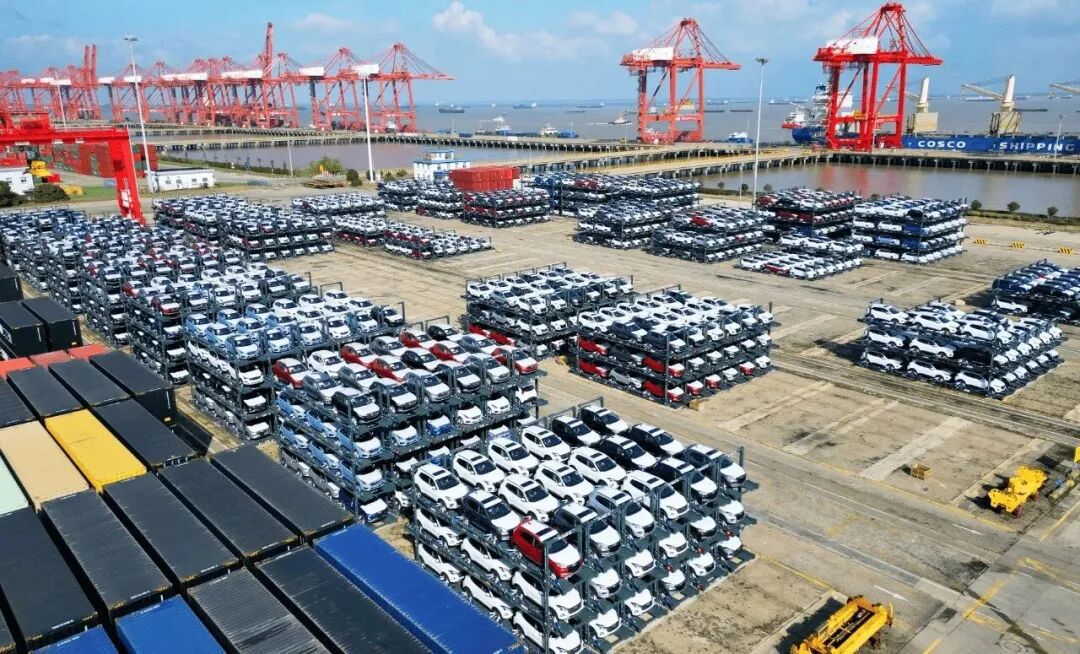
However, in reality, chaos in automotive statistics is widespread. Diverse statistical methods, arbitrary data inflation by companies, significant discrepancies between order and delivery data, and a proliferation of fragmented rankings not only distort the true market landscape and fuel cutthroat price competition but also mislead investors, consumers, and industrial decision-makers, severely hampering the healthy development of the automotive industry. These issues must be addressed and regulated from a legal standpoint.
Chaos in Automotive Statistics Undermines Industry Progress
Currently, apart from official and authorized institutions, numerous unauthorized third-party online platforms, self-media outlets, and even commercial consulting firms have ventured into automotive statistics. These entities often lack professional statistical capabilities and rigorous data verification mechanisms. To attract traffic and cater to capital preferences, they frequently cherry-pick data and even fabricate conclusions through estimation and inference.
Some commercial organizations deliberately craft automotive ranking lists to vie for industry clout. By obscuring statistical standards and manipulating statistical cycles, they skew data results, turning what should be an objective reflection of a company's strength—sales rankings—into a tool for commercial maneuvering.
The rapid dissemination of such false automotive statistical information online not only tarnishes corporate reputations but also undermines fair competition across the industry. When data becomes a pawn in interest games and a tool for economic gain, its intended reference value is lost, severely impeding industrial progress.
Currently, chaos in domestic automotive statistics primarily manifests in the following ways:
1. Inconsistent statistical standards and muddled data.
The current state of domestic automotive production and sales statistics is chaotic. Some institutions and individuals arbitrarily release statistical data with varying standards, unclear concepts, and numerous errors.
Automotive sales are categorized into wholesale and retail volumes. Wholesale volume refers to the quantity shipped by automakers to dealers, while retail volume represents the quantity sold to consumers. In reality, some automakers use delivery volume as a substitute for both, creating confusion over whether the data represents wholesale or retail sales.
Automobiles are broadly divided into passenger vehicles and commercial vehicles. Passenger vehicles include sedans, SUVs, MPVs, and crossover passenger vehicles (compact vans). Some institutions have introduced the concept of so-called narrow passenger vehicles.
According to rules of origin, any vehicle produced domestically is considered a domestic automobile, including those produced by domestic automakers, joint ventures, and wholly-owned foreign enterprises. However, some institutions and individuals mistakenly define domestic automobiles as Chinese independent brand automobiles.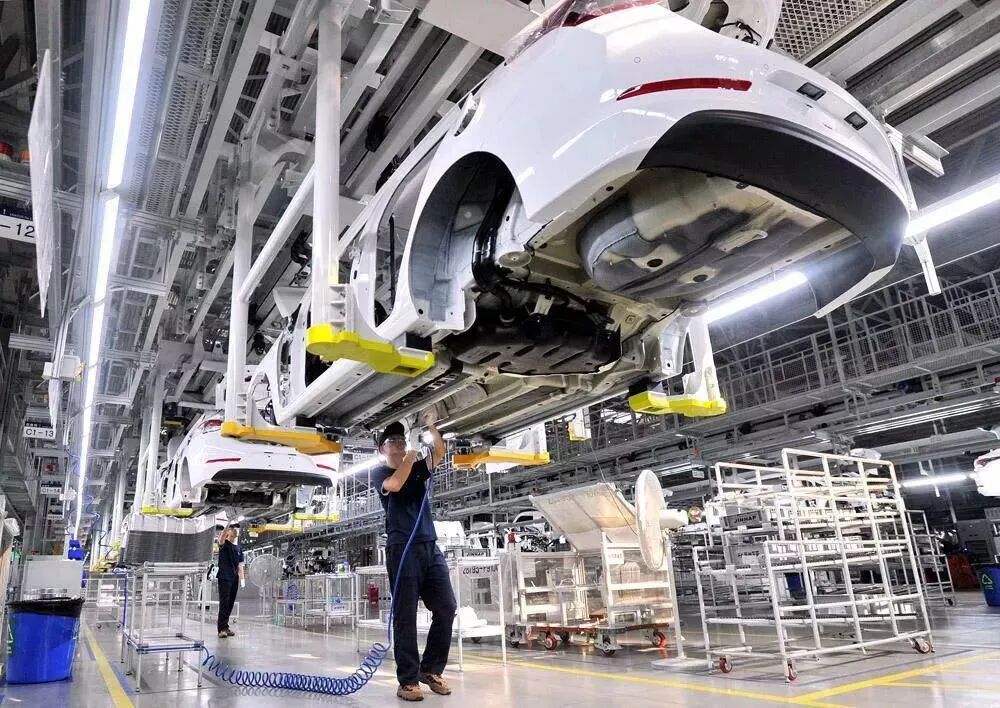
2. Inflated automotive statistical data, forming a fraudulent industrial chain.
Some automakers commonly hype "small orders, large orders" data upon new vehicle launches, with data bubbles intensifying. Their tactics include fake orders to inflate volumes and concealing cancellation rates.
Some automakers, online platforms, and self-media outlets, keen on gaining attention, frequently release weekly and daily sales rankings, artificially creating data comparisons and fostering a vicious competition focused solely on sales volume. This forces companies to follow suit and beautify their data.
3. False reporting of data and lack of effective verification.
Some automakers engage in double-counting and repeatedly include unclosed orders when reporting production and sales data to industry associations, artificially inflating figures. Additionally, some dealers pre-register inventory vehicles, packaging them as new vehicle deliveries and giving rise to the chaos of "zero-kilometer used cars."
4. Disordered disclosure of statistical data and rampant false advertising.
Some automakers selectively release favorable data while deliberately concealing negative information such as inventory levels, order cancellations, and inventory pressures. A plethora of fragmented weekly and daily ranking data with unclear sources hypes up sales rankings, fostering comparisons and undermining efforts, disrupting market expectations, and exacerbating industry disorder.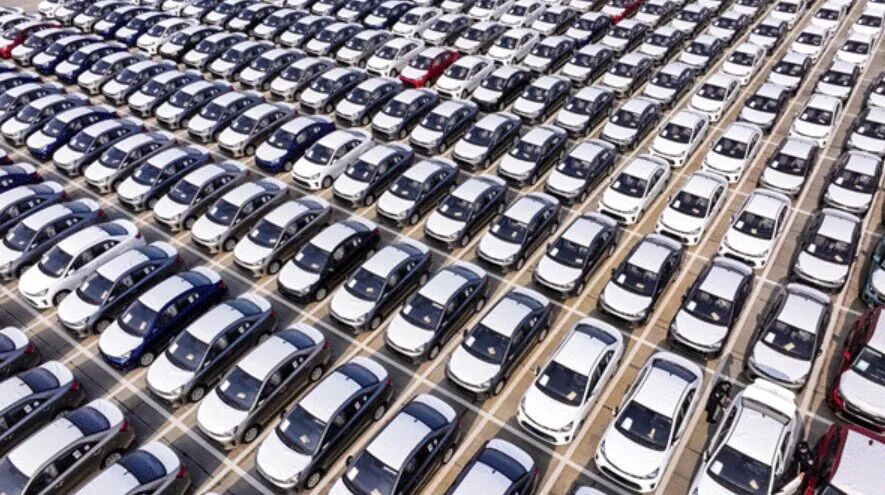
The frequent occurrence of chaos and disordered data in automotive statistics has inflicted multiple harms on the automotive industry. It disrupts macro-industrial decision-making, undermines fair competition, and misleads consumer judgments and capital market expectations.
Automotive Statistics: A Specialized Field Not for Everyone
Automotive statistics is a specialized field with stringent standards, requiring professional personnel and technical means. It is not something that anyone or any institution can arbitrarily undertake or publish.
The reason some online platforms and self-media outlets are eager to create and release automotive sales rankings is primarily to attract attention and gain economic benefits.
Currently, the only automotive statistical data authorized by the government is the monthly automotive production and sales statistics released by the China Association of Automobile Manufacturers (CAAM).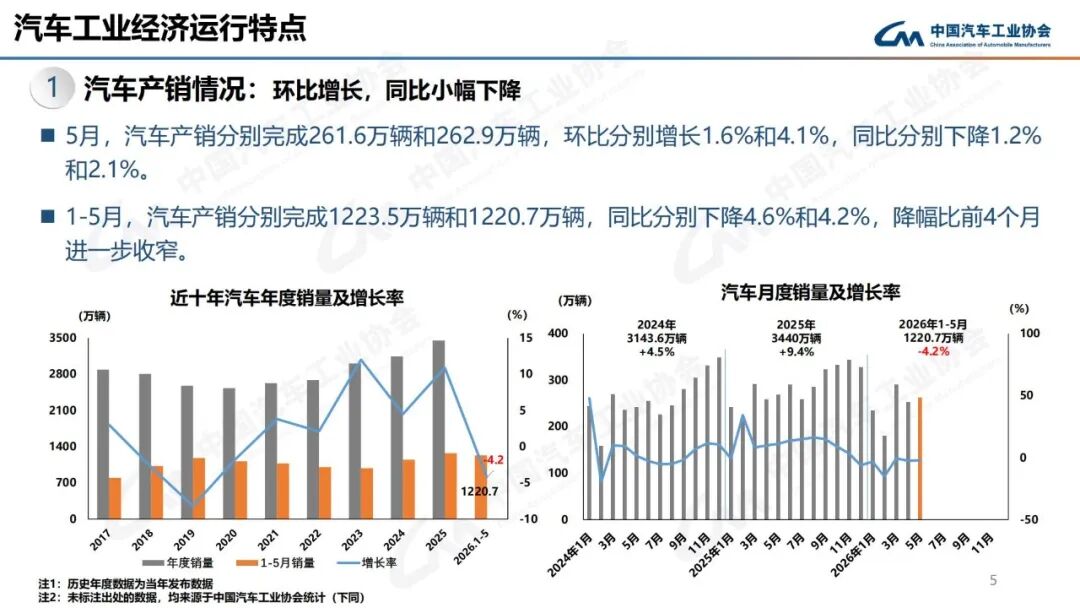
As early as 2002, the former State Economic and Trade Commission and the National Bureau of Statistics authorized the CAAM to undertake automotive industry statistics previously managed by the former State Mechanical Industry Commission.
The CAAM's automotive production and sales data are reported by various automakers, compiled, and then released. The automotive sales volume refers to the quantity shipped by automakers to dealers. Automakers are legally obligated to truthfully report production and sales data to the CAAM and must not engage in fraud. Failure to do so violates the "Statistics Law of the People's Republic of China."
The Traffic Management Bureau of the Ministry of Public Security releases quarterly statistics on the total number of motor vehicles nationwide, new registrations, and other related data. The number of newly registered vehicles, i.e., new car registrations, represents the retail volume. Since the Ministry of Public Security does not release new car registration figures monthly, data compiled by insurance institutions based on compulsory traffic insurance has become the sole source for obtaining monthly new car retail volumes.
Some analysts argue that to standardize automotive production and sales statistics, it is first necessary to unify automotive statistical standards and clarify data definitions. Three core indicators must be clearly distinguished: production volume (number of completed vehicles leaving the factory), wholesale volume (vehicles sold by automakers to dealers), and retail volume (vehicles registered and purchased by individual users). Automakers must label the type of data when releasing it externally and are strictly prohibited from using wholesale volume as a substitute for retail volume.
Secondly, it is essential to unify the industry's data release cycles, strictly adhere to industry association initiatives, and eliminate various unofficial daily and weekly rankings. Monthly and quarterly data should serve as the primary basis for industry statistics to curb the hype of fragmented data.
Thirdly, the number of vehicles covered by compulsory traffic insurance should be used as the primary source for terminal sales volume (retail volume) to establish a unified official statistical system and reduce data conflicts among multiple institutions.
It is recommended that relevant national authorities formulate industry norms for automotive statistics, akin to the "Network Evaluation Norms," to ensure that automotive statistics have legal and regulatory foundations to adhere to. (End)
-
![]()
ByteDance, DJI, and Xiaohongshu Secure Top Three Positions Among China’s Fastest-Growing Unicorns
-
Tesla's in-car voice system in China is finally learning to 'understand human language'
-
![]()
Foreigners Are Amazed: Chinese Electric Vehicle Drive Systems Unveil Innovative 'Poses'
-
![]()
700,000 Brothers and the Future of Robots: Behind JD.com's 'Nirvana Plan'
-
![]()
Zhipu's Trillion-Dollar Valuation: A New Chapter for China's AI
-
![]()
Is Laifen, a 'Dyson Alternative' on the Rise, Now Ensnared by the 'Alternative Curse'?
-
![]()
Beyond Patents: Insta360 and DJI Compete in Retail
-
![]()
Piercing Through Industry Chaos: The Curtain Rises on Compliance for Autonomous Driving