Who Needs Whom More: Is NIO a ‘Treasured’ Exhibit in Museums?
 07/01 2026
 466
466
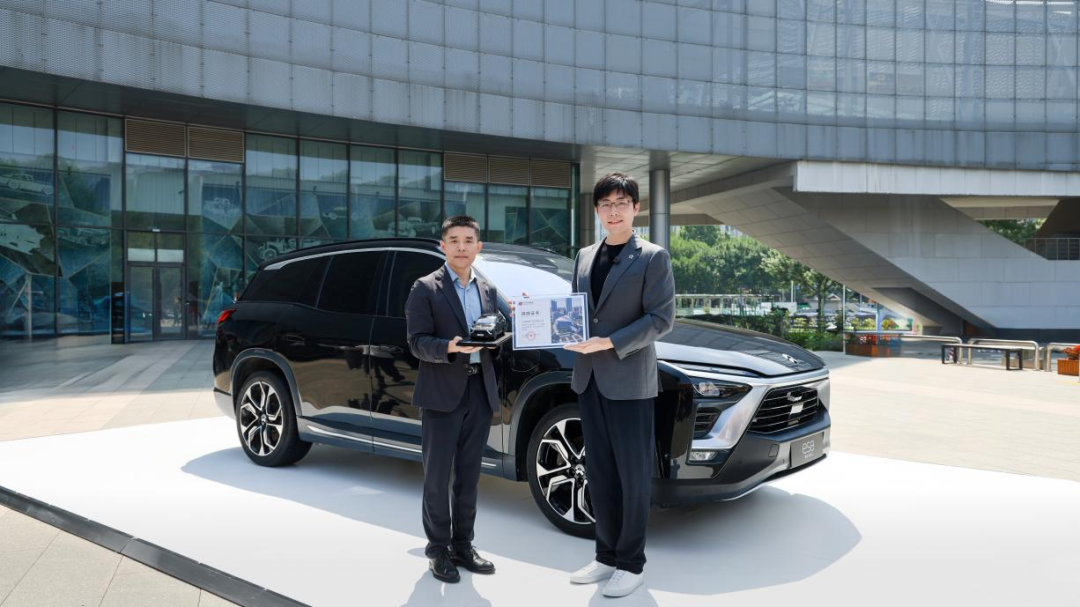
Eight years ago, when the first ES8 rolled off the production line at the JAC-NIO plant and was delivered to its first owner—NIO co-founder Li Tianshu—skepticism about this new automotive player was at its peak, with labels such as ‘PPT car-making’ and ‘money-grabbing scam’ being bandied about. Eight years later, this ‘veteran’ vehicle, boasting nearly 200,000 kilometers on its odometer, was solemnly displayed in the exhibition hall of the Beijing Auto Museum.
On June 28th, the NIO ES8 marked its 8th anniversary of delivery. To commemorate this milestone, NIO held the NIO ES8 8th Anniversary Delivery Commemoration and Vehicle 0001 Donation Ceremony at the Beijing Auto Museum, reflecting on the ES8's eight-year journey in the high-end pure electric vehicle market.
At the event, Li Bin skillfully raised his phone to capture this iconic moment. The camera panned across three generations of the ES8, along with the upcoming large five-seater model. These four vehicles, spanning eight years, encapsulate NIO's every innovation, change, and steadfast commitment to the high-end pure electric path.
The pertinent question here is, who needs whom more in this ‘two-way journey’? Against the backdrop of China's new energy sector's surge in ‘high-end’ narratives, NIO's donation of a classic model to the museum—is it a historical summary or a strategic move to navigate the current competitive landscape through brand positioning?
Editor | Li Jiaqi
Image Source | Internet
1. One ES8 Fills a 'Historical Gap' in a National Museum!
The Beijing Auto Museum houses over 200 historically significant vehicles. From ancient Chinese south-pointing chariots and Ji Li Drum Carts to replicas of the world's first automobile, the Benz Patent-Motorwagen, and classic models like the Beetle, to domestically produced Dongfeng sedans and Hongqi CA770s from Changchun, as well as iconic models from the joint venture era like the Santana, Jetta, and Xiali...
These exhibits, grounded in history, technology, and the future, trace the mainline of automotive industry development. However, a ‘gap’ exists in this narrative: as a national first-level automotive theme museum, the collection has long focused on classic fuel-powered models and traditional domestic brands, lacking iconic physical artifacts from the current new energy transition phase, especially those centered around China's independent high-end new energy vehicles.
The first-generation ES8 perfectly fills this collection gap, not only because it represents NIO's industry-transforming innovations like battery swapping, full-aluminum body construction, and breaking the 400,000-yuan luxury market barrier for domestic brands but also because NIO, as an industry representative, has comprehensively documented China's automotive industry's transition to new energy.
The first-generation ES8, delivered in 2018, was the first domestic high-end pure electric SUV to stabilize above the 400,000-yuan price point with large-scale deliveries. It pioneered full-aluminum body construction, home battery swapping systems, and mass-produced air suspension, breaking foreign brands' monopoly on high-end new energy vehicles. Its inclusion in the museum preserves the complete industrial footprint of domestic new energy vehicles' breakthrough from zero to one.
Without this artifact, the historical chain of the Beijing Auto Museum's electrification era would inevitably be incomplete.
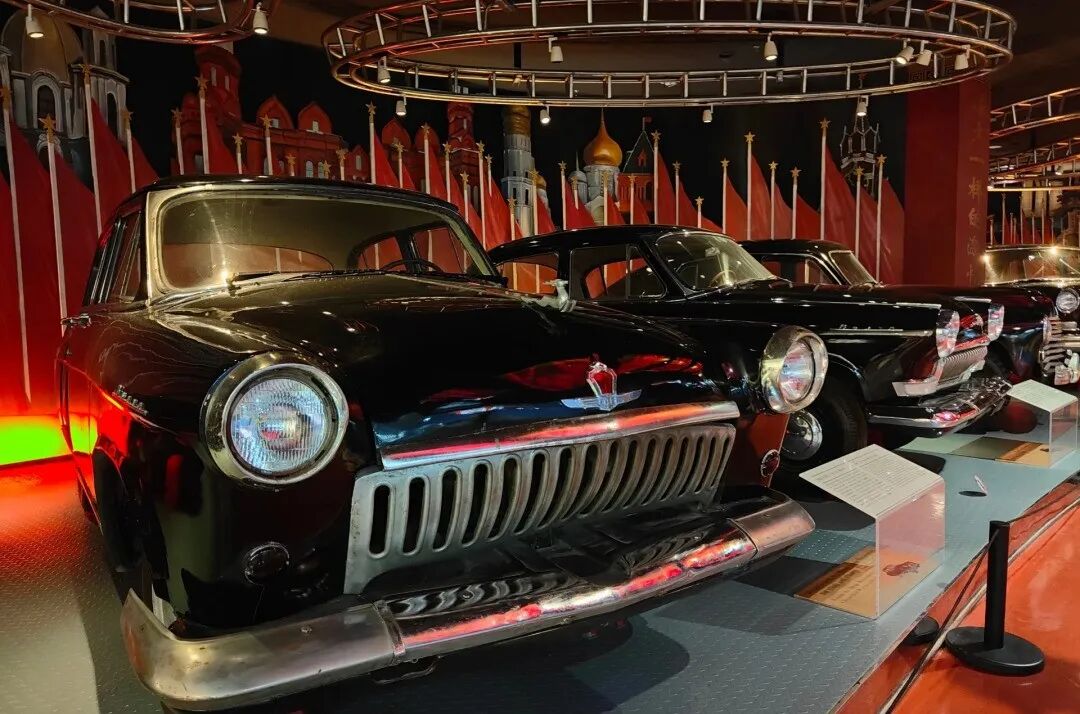
Now, it resides in the main exhibition hall of the Beijing Auto Museum, adjacent to iconic artifacts like the Benz Patent-Motorwagen and the Hongqi CA770, collectively showcasing the development of automotive and new energy vehicle industries.
Here, the ES8 is not an isolated product but a collection of ‘many firsts’: the first large high-end pure electric SUV in the museum developed and mass-delivered by a Chinese startup, the first production vehicle to fully validate in-house R&D technologies like full-aluminum bodies, air suspension with CDC, and the interactive AI companion NOMI, and the first iconic product to bring the battery swapping system and energy replenishment ecosystem into public view...
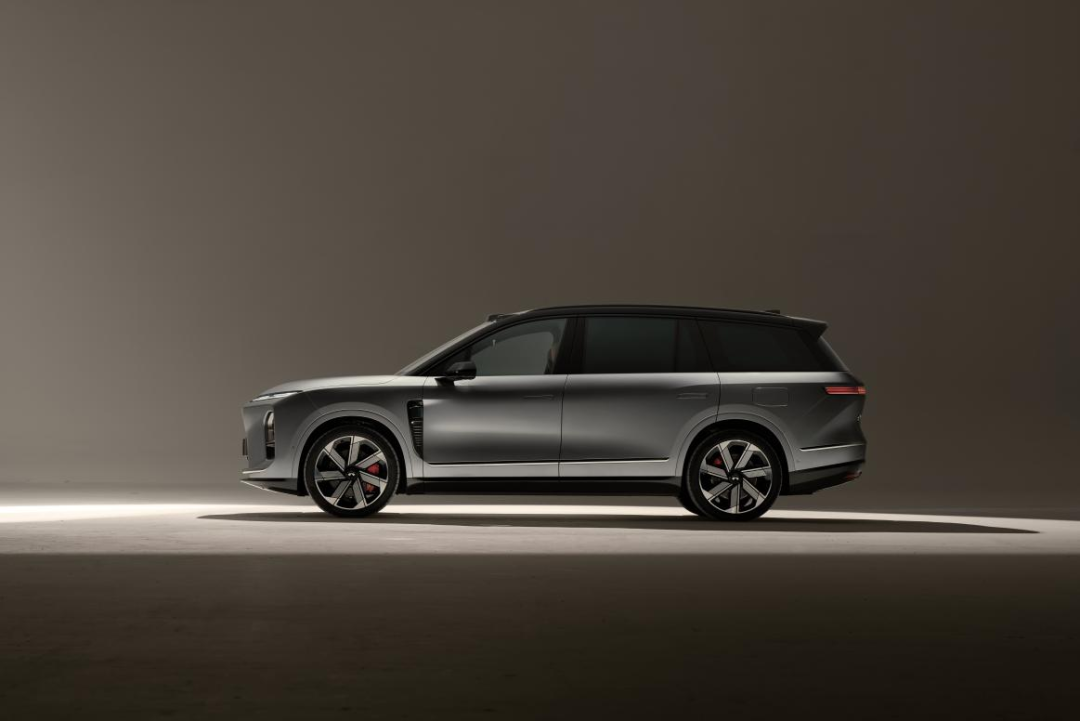
The ES8 embodies a complete development path of China's independent high-end new energy vehicles in their early exploration. Many ask why NIO's first museum piece is the ES8 rather than the EP9. As NIO's inaugural work, the EP9, a true technological flagship, symbolizes ‘technical capability’; the ES8, however, represents NIO's transition from technical capability to scalable product capability, marking the shift of high-end positioning from showrooms to households, from racetracks to daily life.
2. More Memorable Than History: The 'Co-Builders' Who Made History!
For the Beijing Auto Museum, a vehicle serves to help visitors remember history; for NIO, it represents the ‘co-builders’ behind this history.
The donor of vehicle 0001, Li Tianshu, is a founding team member of NIO, dubbed the ‘Father of NOMI,’ and a core participant and contributor throughout the ES8's development. Before the ES8's birth, the industry's understanding of in-car voice assistants was limited to ‘function activation via commands.’ Li Tianshu made a crucial judgment: the ES8's voice assistant should not be a mere tool but an emotional, interactive, and ‘present’ in-car companion.
With no precedents or off-the-shelf supplier solutions, the entire NOMI software and hardware had to be developed from scratch. Li Tianshu led the team in refining NOMI's interaction logic, expression animations, and hardware durability, even personally testing hundreds of voice command response boundaries. NOMI later became the ES8's most distinctive feature, even influencing the brand's personalized image.
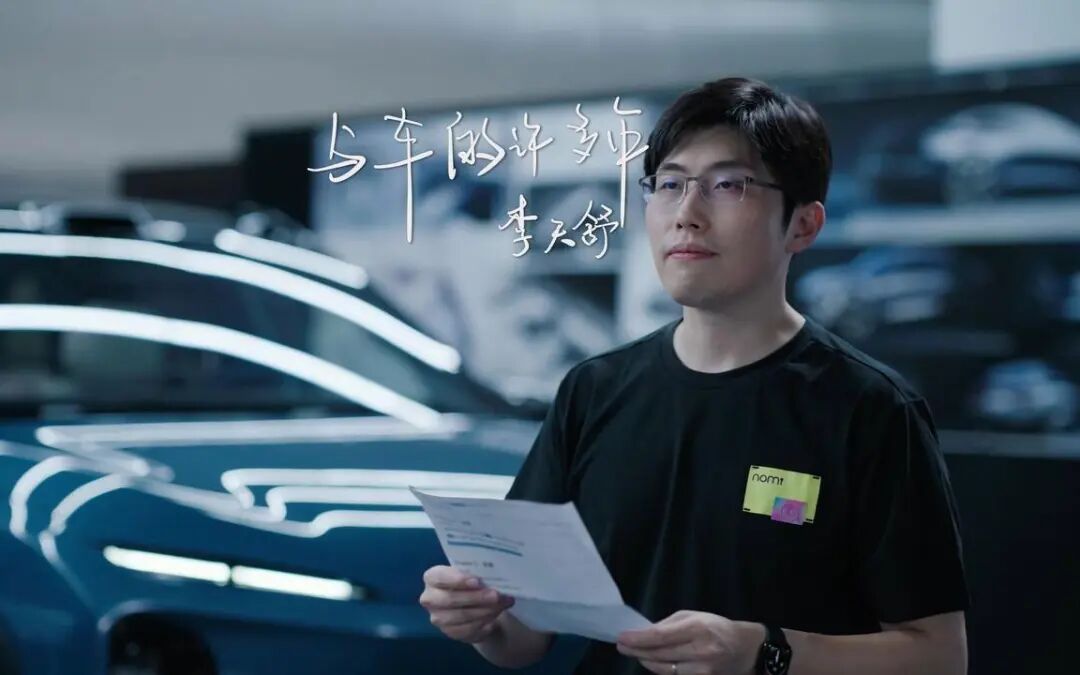
Like Li Tianshu, 10,000 others hold the title of NIO ES8 Founder Edition owners, including Tencent's Pony Ma, JD.com's Richard Liu, Hillhouse's Lei Zhang, Sequoia Capital's Neil Shen, and Bertelsmann Asia Investments' Dragon Yu. NIO's core user co-creation model, which truly distinguishes it from other automakers, originated with these 10,000 founding owners.
The inaugural NIO Day charter flights, user volunteers, owner representatives ringing the bell in the U.S., owners transitioning into power partners, and the NIO Radio user community were all first implemented by this founding group. These owners witnessed the brand's lows and grew with it, later repurchasing new vehicles, participating in brand activities, and co-building offline communities, forming a stable loyal base. For example, owner number 4, Chao Yijun, as NIO's legal advisor, participated in regulatory research and policy compliance for disruptive innovations like battery swapping and BaaS from the initial ES8's R&D to mass production, delivery, and commercialization. Chen Yudong, then-Bosch China President, facilitated Bosch's supply of advanced electro-mechanical brake systems to NIO, helping achieve chassis integration, lightweighting, and extended range—key hardware addressing technical bottlenecks in core chassis electrification for new forces.
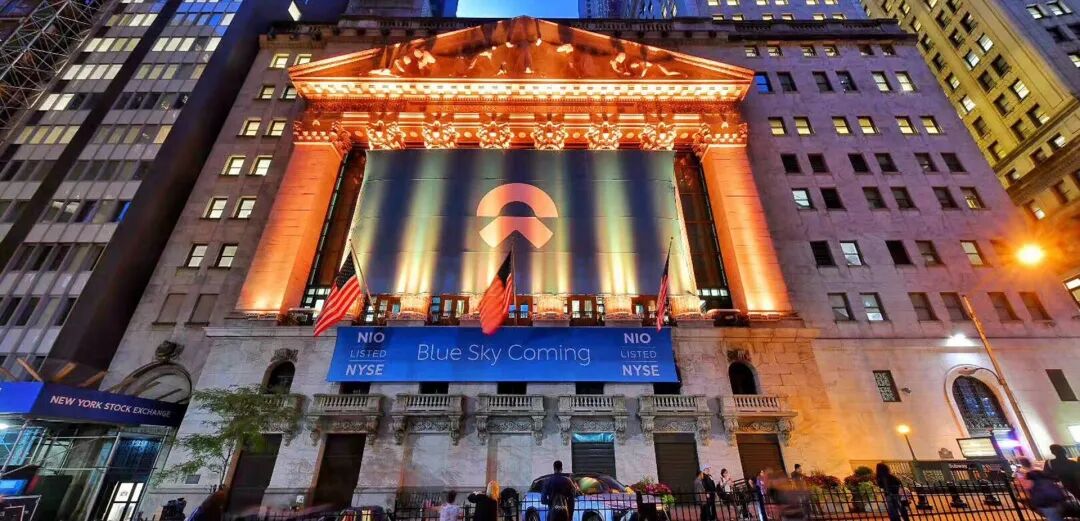
In 2019, during the darkest period of NIO's brand development, its stock price plummeted to $1.19, a new low since listing; the ES8 faced public backlash over software bugs and reduced range; negative news about losses, layoffs, financing difficulties, and executive departures followed. Li Bin was dubbed ‘the most miserable person of 2019.’ It was this group of founding owners who supported Li Bin through this phase. In September 2019, NIO raised $200 million in convertible bonds through private placements to founder Li Bin and Tencent affiliates, with each party subscribing $100 million to infuse capital into NIO.
These owners were not just consumers but experts in their fields. Virtually all Chinese new force automakers now emulate NIO's user operations, building communities, developing apps, and hosting offline events, but with varying forms and effects. Fundamentally, NIO never followed the ‘product first, then users’ approach; instead, users were the product definers, technology drivers, and brand builders from the start.
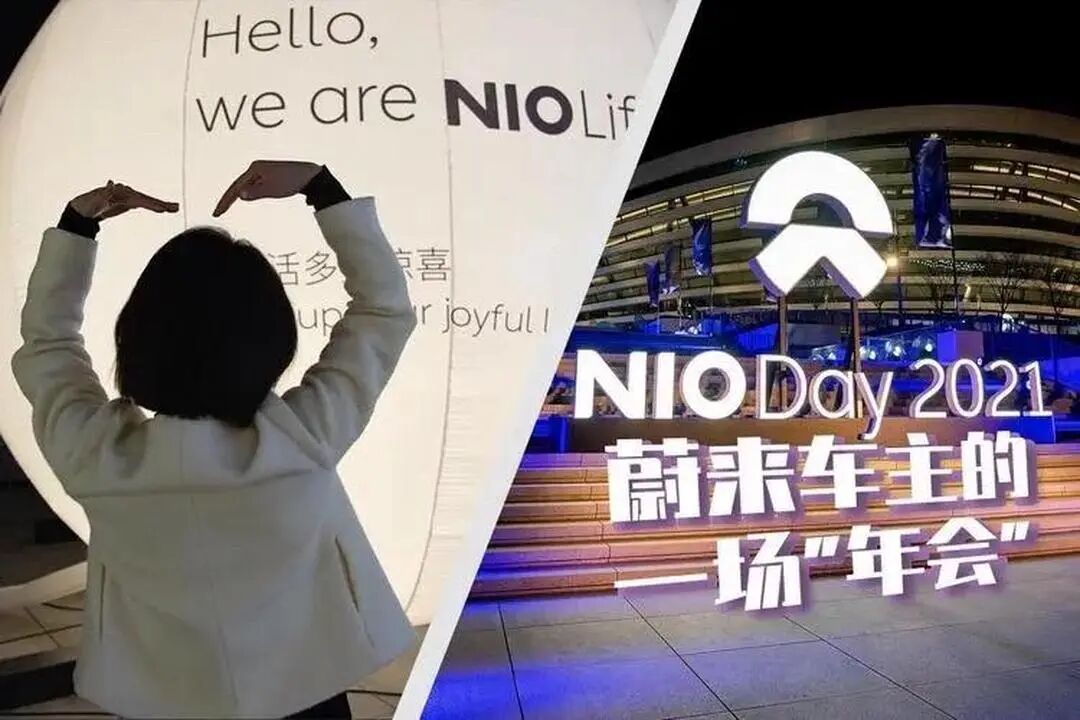
Browsing the NIO app, owner-shared content—from travel guides to modifications, public welfare to complaints, images to audio—has formed a unique production line over a decade. Through its exclusive app community, NIO has established a direct dialogue channel with users. On this platform with nearly 200,000 daily active users, Li Bin spends time communicating with users daily. To date, the NIO app has received over 1 million effective user feedback suggestions, with over 150,000 adopted to drive product feature optimizations, service process improvements, and business model iterations.
3. China's High-End New Energy Can No Longer Be 'All Flash, No Substance'!
Following this logic, NIO's donation of the ES8 to the museum essentially serves as a reminder to China's entire high-end new energy sector at this juncture.
In recent years, China's new energy vehicle sector has seen an intensifying wave of high-end brand launches. Traditional automakers are accelerating the incubation of high-end sub-brands, new forces are clashing in the 300,000-yuan-plus market, and tech giants are collectively entering under the banner of ‘ecosystem car-making.’ Suddenly, ‘high-end new energy’ seems like a label anyone can wear.
Yet beneath the surface, few truly differentiated products exist. Especially in the large six-seater market where the ES8 competes, homogenization is severe: over 3-meter axles, uniform ‘2+2+2’ layouts, identical rear entertainment screens, and independently adjustable captain's chairs... According to incomplete statistics, the Beijing Auto Show alone saw over 11 new model premieres or launches from brands like BYD, SAIC Volkswagen, Audi, Hyper HT, Eletre, Great Wall, and Hongqi, but the products were largely indistinguishable.
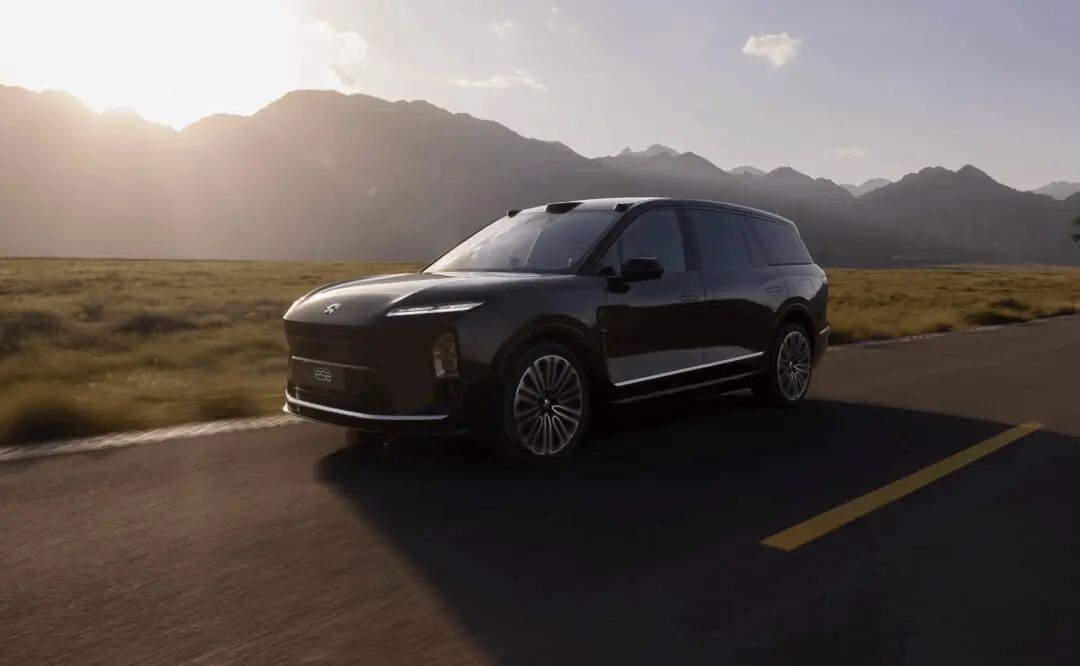
A survey by a third-party industry consultancy reveals that China's domestic new energy large six-seater SUV market currently has about 25-30 models, with over 20 highly overlapping in positioning. Among these, only 8-10 models average monthly sales exceeding 2,000 units, with the top 20% of brands capturing nearly 80% of the segment's sales.
In contrast, the eight-year iteration of the NIO ES8 provides a blueprint for a ‘virtuous cycle’ of high-end development. First is the depth of strategic investment. From the ES8 project's launch in 2016 to the end of 2024, NIO has invested over 43 billion yuan in R&D. Key allocations include NT platform development represented by the ES8, full-aluminum body construction, full-stack self-developed intelligent driving, and battery swapping infrastructure. For context: developing a new pure electric platform typically costs billions in the industry, while NIO's cumulative investment in battery swapping alone exceeds 10 billion yuan.
Second is the sense of accumulation in product culture. From the pioneering yet immature X-Bar front fascia of the first-generation ES8 to the refined sophistication of the second-generation platform and the intelligent driving hardware leap in the third generation, NIO's iterations have consistently revolved around a single theme: high-end pure electric + charge/swap/upgrade capabilities.
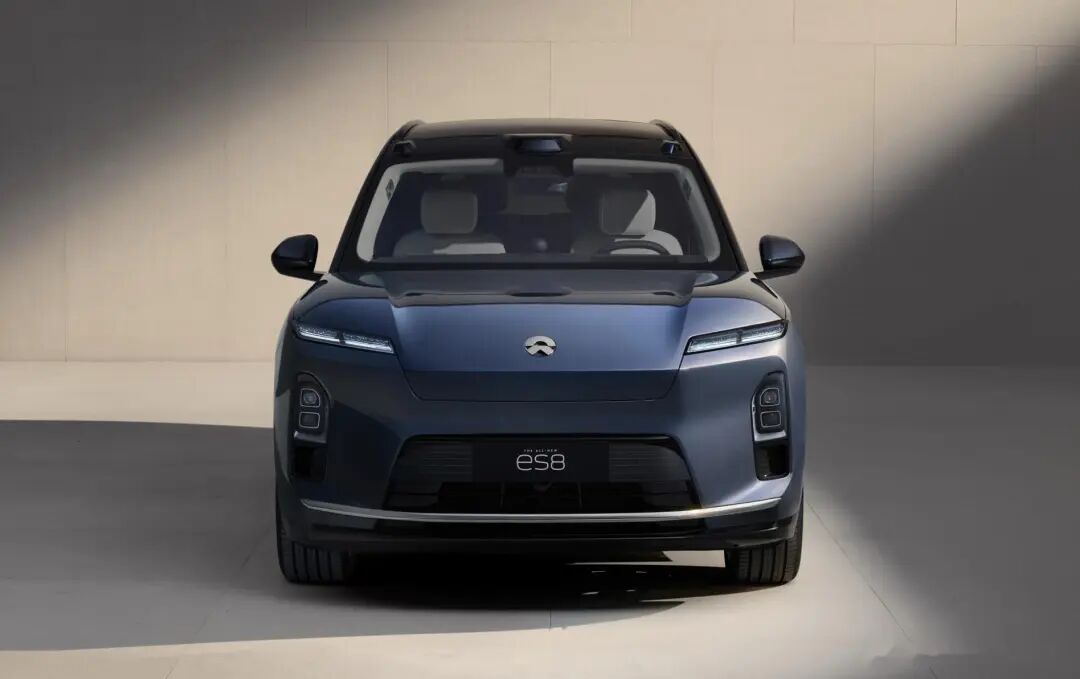
This long-term strategic consistency and resource density yield a direct result: eight years later, the first-generation ES8's design language and technical architecture remain contemporary. The battery swapping experience, NOMI interaction, and ‘Queen's Seat’ product definitions established then remain benchmarks for industry user experience comparisons today.
Earlier this year, Li Bin proposed the concept of a ‘brand clarification period.’ In his view, China's new energy vehicle market is transitioning from an early chaotic brand phase to a new stage of brand value realignment, where consumers no longer merely compare specifications but inspect a brand's value proposition, technical roadmap, and user commitments over longer cycles. Brands lacking core substance and plagued by product homogenization will gradually be eliminated in this phase.
From this perspective, NIO's donation of the ES8 to the museum essentially serves as a reminder, using an eight-year market-tested product to provide a traceable, verifiable answer to ‘what truly defines high-end development.’ It proves that NIO's success in high-end new energy did not rely on price wars or feature stacking but on iterative product heritage, sustained technological investment, and user co-creation—truly accumulating throughout the high-end process!
End
-
![]()
Apple’s Prices Skyrocket Up to 3,500 Yuan! Who Empowered Cook to Hike Prices?
-
![]()
ByteDance Executives Go Viral!
-
![]()
ByteDance Executives Dominate Headlines!
-
![]()
Perspective | An Ke Cashes Out from the Computing Power Support Sector Under His Flagship, Jin Jing New Energy Faces Four Real Challenges in Its HK$2.5 Billion Acquisition
-
![]()
Selling Cars No Longer Profitable: Guanghui Transforms into a 'Landlord'
-
![]()
Anchoring Physical AI, Momenta Passes Public Verification
-
![]()
The Era of Self-Reflection: Internet Titans Face Internal Critique
-
![]()
Storage Surges 386%: AI Fuels a 'Structural Inflation'