BYD Delegates Power, Geely Centralizes It: Which Transformation is Better Suited for the Future?
 07/01 2026
 567
567
Lead | Lead
Both BYD and Geely are benchmarks in China's current automotive market. Facing intensified industry competition and accelerated new energy transitions, the two automakers have adopted diametrically opposed strategies: Geely adheres to the 'One Geely' strategy, consolidating resources and focusing brands for synergistic development; BYD, conversely, promotes organizational decentralization, specialized layouts, and diversified track expansion. The divergent transformation paths and development logics of these two industry giants have become a highly research-worthy phenomenon in China's automotive market.
This article is produced by Heyan Yueche Studio
Written by Zhang Dachuan
Edited by He Zi
Full text: 2,417 characters
Reading time: 4 minutes
Recently, BYD initiated its largest-ever organizational transformation in its vehicle business since its founding, reorganizing its four major brands—Wangchao, Ocean, Denza, and Fangchengbao—into independent business units operating under independent accounting and self-financing market mechanisms.
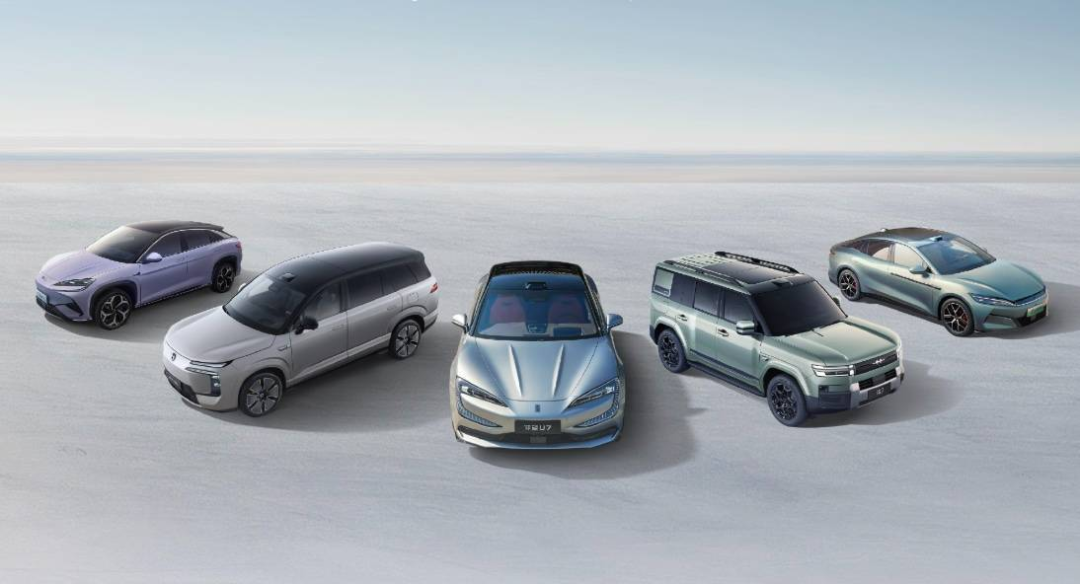
△ BYD initiates its largest-ever organizational transformation in its vehicle business since its founding
Simultaneously, the company is restructuring its R&D system, establishing an architecture of 'Group Technology Platform + Brand Research Institutes.' The original vehicle R&D forces of the Central Engineering Institute have been decentralized to each brand, granting them autonomy in product definition and development; the Group's General Institute focuses on core technologies and platforms such as Blade Battery, DM-i hybrid technology, Yunnian chassis, and vehicle electronic architecture. Among them, the premium brand Yangwang adopts differentiated management, excluded from short-term profitability assessments, and receives key support from the Group, primarily undertaking cutting-edge technology exploration and long-term technology reserve tasks.
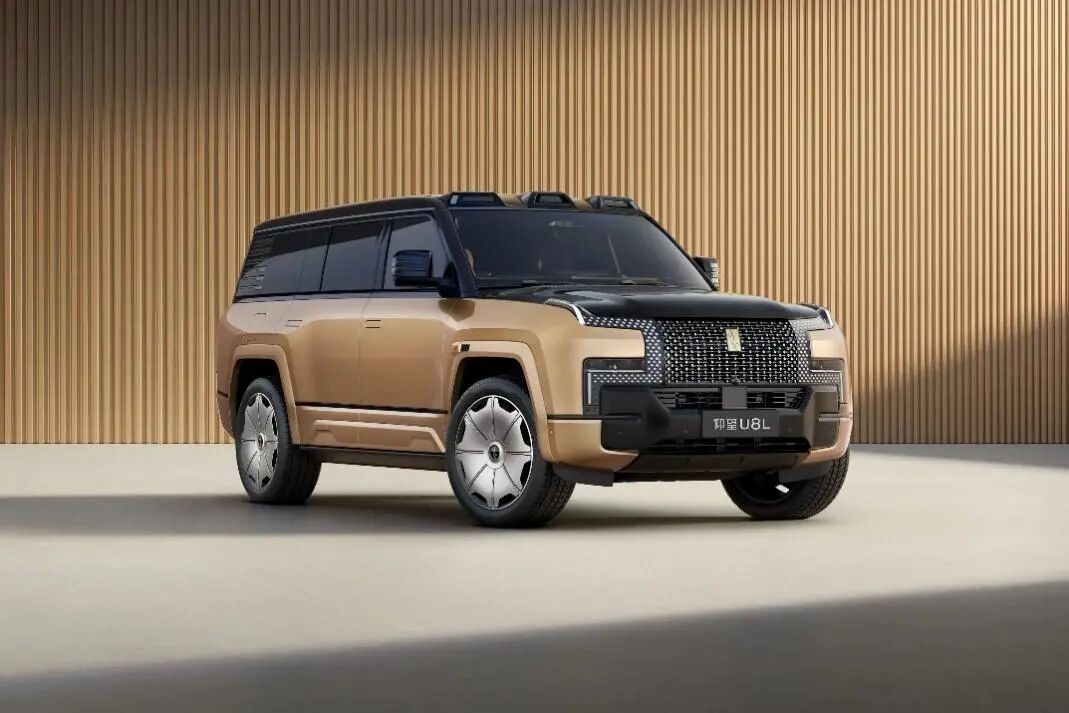
△ The premium brand Yangwang adopts differentiated management, excluded from short-term profitability assessments
Why is BYD Pursuing Change?
In June 2026, BYD initiated a large-scale organizational decentralization and self-financing reform, with the core objective of addressing challenges such as plateauing scale, declining efficiency, and profitability pressures, driving the company's transition from 'scale-driven' to 'profit and efficiency-driven' growth.
Currently, the new energy industry has entered a phase of market saturation competition, with intensified price wars driving the industry's average profit margin down to 3.2%. BYD has also experienced slowing growth: net profit in the first quarter of 2025 was approximately RMB 4.085 billion, a 55% year-on-year decrease, with sales volume declining by 20% in the first five months. The marginal effect of the price-for-volume model continues to weaken. Meanwhile, internal issues within the company have gradually surfaced. Under a unified technology platform, multiple models overlap in architecture, three-electric systems, and price ranges, leading to product homogenization and channel cannibalization, exemplified by increased competition between the Tang and Haishi 07 models. The mutual extrude among models at the same price point has also exposed issues of blurred brand boundaries and inefficient product decision-making.
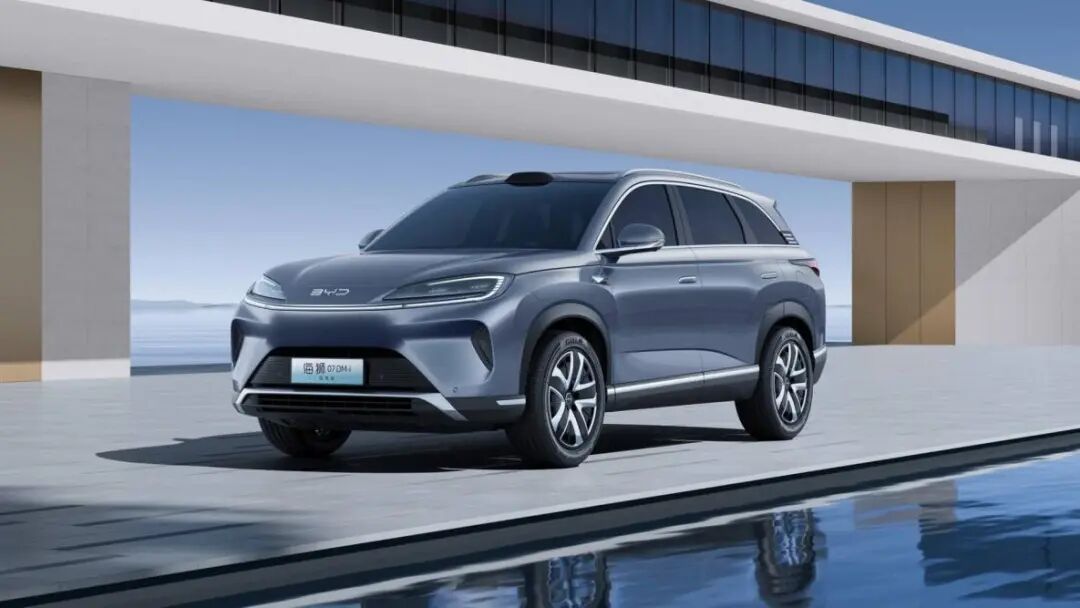
△ Multiple models overlap in price ranges
In terms of operational mechanisms, the long-standing unified R&D and cost-sharing model has exacerbated mismatches between input and output. Mainstream brands bear the primary sales volume, while premium brands have smaller volumes; R&D investment continues to rise, with brand-side cost constraints lacking, resulting in low resource utilization efficiency. This round of reforms reorganizes Wangchao, Ocean, Denza, and Fangchengbao into independent business units operating under independent accounting and self-financing, strengthening market-oriented constraints. Simultaneously, the R&D system is adjusted to a 'Group Technology Platform + Brand Research Institutes' model, with the Group focusing on foundational technologies such as Blade Battery, DM-i hybrid technology, and Yunnian chassis, while each brand gains autonomy in product definition and development to reduce internal friction and enhance efficiency. In terms of assessment mechanisms, each brand is managed hierarchically: Wangchao and Ocean focus on volume and efficiency, Denza on premium MPVs, Fangchengbao on structural balance, and Yangwang is excluded from short-term profitability assessments, focusing on cutting-edge technology exploration and long-term reserves.
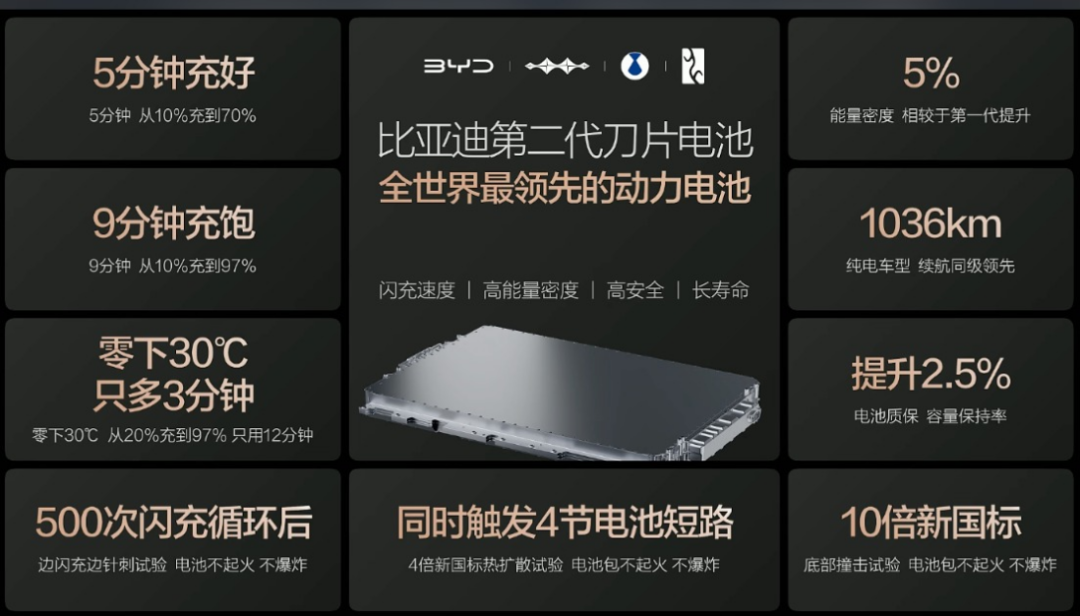
△ The Group will focus on foundational technologies such as Blade Battery, DM-i hybrid technology, and Yunnian chassis
Overall, this reform aims to address issues of homogenized competition and inefficiency through restructuring of responsibilities and market-oriented mechanisms, enhancing BYD's long-term operational quality in a market saturation competition environment.
Are BYD and Geely's Strategies Divergent?
BYD's organizational reform and Geely's 'One Geely' strategy may seem directionally different, but they are not fundamentally divergent; rather, they represent two distinct path choices under the same industry transformation. China's new energy vehicle market has entered a high-quality development stage, with sales exceeding 12 million units in 2025, intensified industry competition, and continuously declining profit margins. The focus of corporate competition has shifted from scale expansion to efficiency and quality improvement.
Against this backdrop, Geely is advancing its 'One Geely' strategy, integrating Geometry into Galaxy, consolidating Lynk & Co with Zeekr, incorporating Yizhen and Leidar into a unified management system, and gradually converging Ruilan into the Group's framework. Essentially, this is achieved through brand consolidation and system integration to reduce redundant investments and strengthen centralized collaborative efficiency in R&D, procurement, and manufacturing.
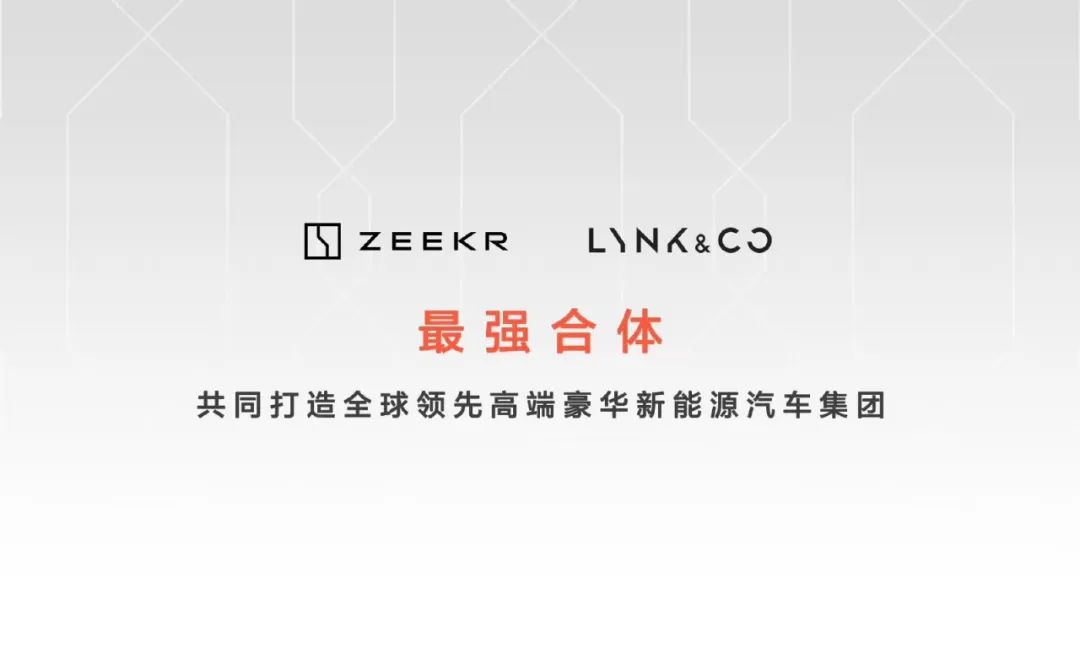
△ Geely advances its 'One Geely' strategy, strengthening centralized collaborative efficiency in R&D, procurement, and manufacturing
BYD, on the other hand, adopts a different path. Based on a unified technological foundation (Blade Battery, DM-i, e-Platform, etc.), it splits Wangchao, Ocean, Denza, and Fangchengbao into independent business units, delegating product definition and development authority to enhance market responsiveness and brand differentiation capabilities, while reinforcing self-financing mechanisms to constrain efficiency.
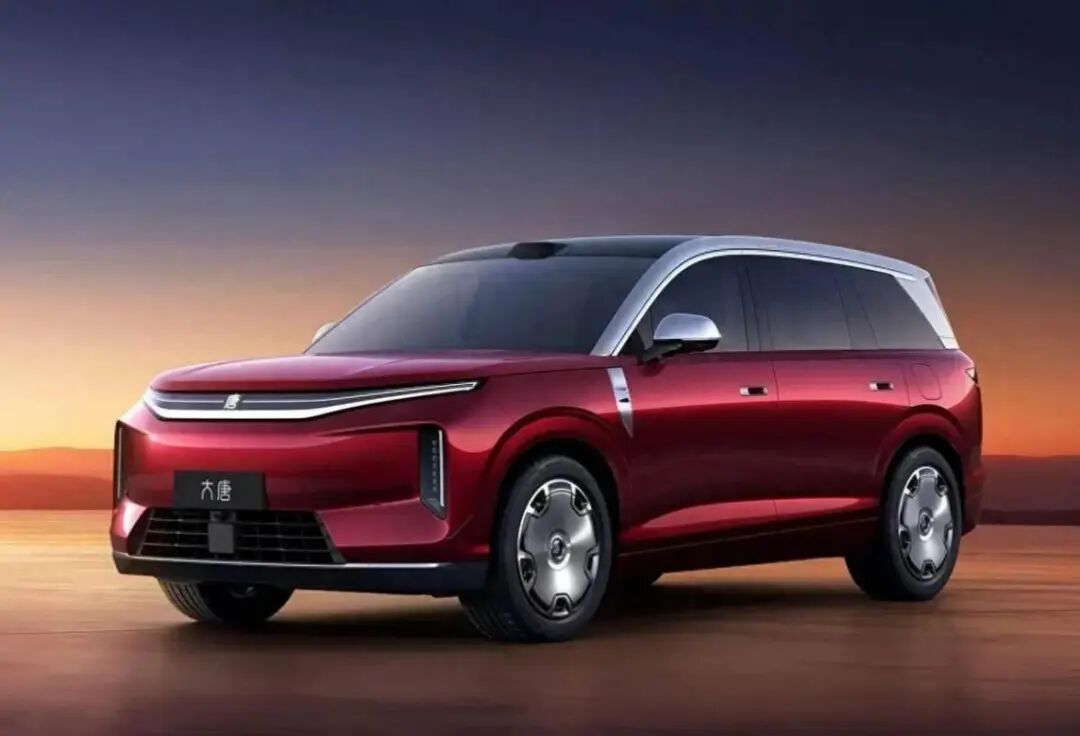
△ BYD leans towards 'decentralized operations, unleashing vitality'
The difference lies in organizational orientation: Geely leans more towards 'centralized integration, strengthening synergy,' while BYD leans towards 'decentralized operations, unleashing vitality.' However, their goals align—both aim to enhance organizational efficiency and operational quality in a market saturation competition. From an industry perspective, these two paths are not isolated. Automakers such as Changan, SAIC, GAC, and Chery are also advancing platform-based R&D and brand structure optimization. Against the backdrop of intelligent electrification, R&D investments continue to rise, and automotive industry competition is shifting from product competition to comprehensive organizational capability competition.
The Industry Enters a Phase of Market Saturation Competition
China's automotive industry is entering a phase of market saturation competition, with profound changes occurring in the logic of industrial competition.
First, the industry has shifted from incremental to market saturation competition. In 2025, China's new energy vehicle sales will exceed 13 million units, with penetration rates consistently above 50%, transitioning from high-speed growth to structural competition. In this context, relying solely on brand and model expansion is no longer sustainable for growth, and companies are beginning to focus more on per-unit profit, R&D efficiency, and operational quality. For example, Geely's advancement of the 'One Geely' strategy to integrate multi-brand resources, and BYD's optimization of its organizational structure to strengthen independent brand operations, both reflect a shift in competitive focus from scale expansion to efficiency improvement.
Second, organizational capabilities are becoming a core competitive edge. The intelligent electric vehicle industry chain is extremely complex, making it difficult to form long-term barriers with a single product. Geely achieves technological sharing through the SEA architecture, Shendun Battery Safety System, and intelligent driving platform, reducing redundant R&D; BYD relies on technological foundations such as Blade Battery, DM-i hybrid technology, and e-Platform 3.0, delegating product definition authority to enhance brand responsiveness. Essentially, future competition will depend more on R&D collaboration, supply chain integration, and decision-making efficiency rather than the capabilities of a single model.
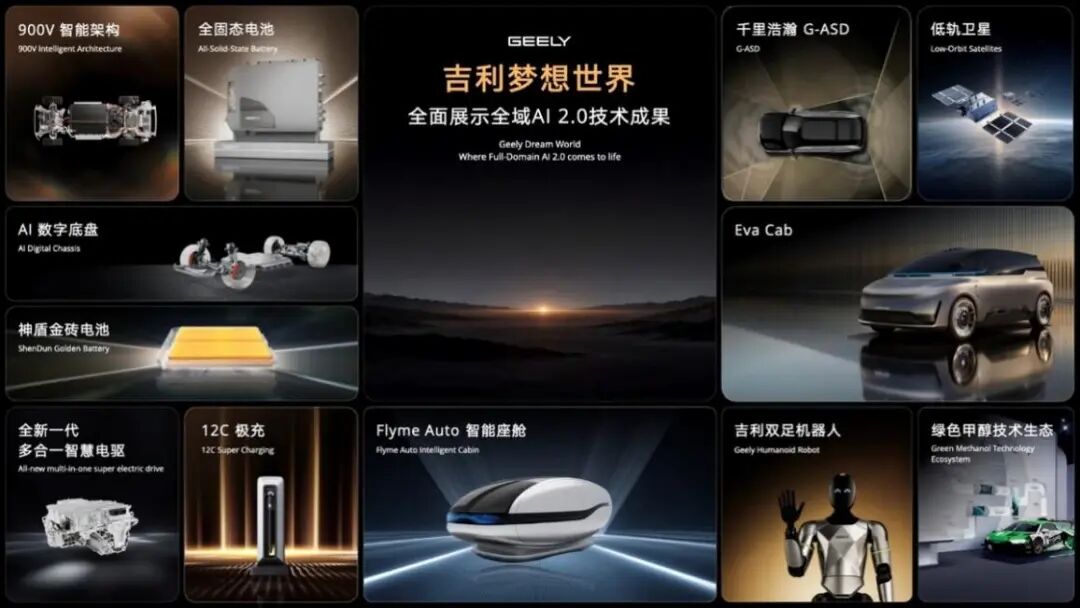
△ Future competition will depend more on R&D collaboration, supply chain integration, and decision-making efficiency rather than the capabilities of a single model
Finally, China's automotive industry is moving towards a high-quality development stage. Industry concentration continues to rise, with leading enterprise (leading enterprises) expanding their market shares and weaker brands accelerating their exit or being consolidated. International experience reflects a similar trend, with Volkswagen relying on MQB and MEB platforms, and Toyota on the TNGA architecture, to achieve synergistic development across multiple brands. In the future, Chinese automakers will also form a mainstream model of 'unified technology platforms + differentiated brand operations,' with the focus of competition shifting from 'product competition' to 'system competition,' and from 'scale expansion' to 'efficiency and quality-driven' growth.
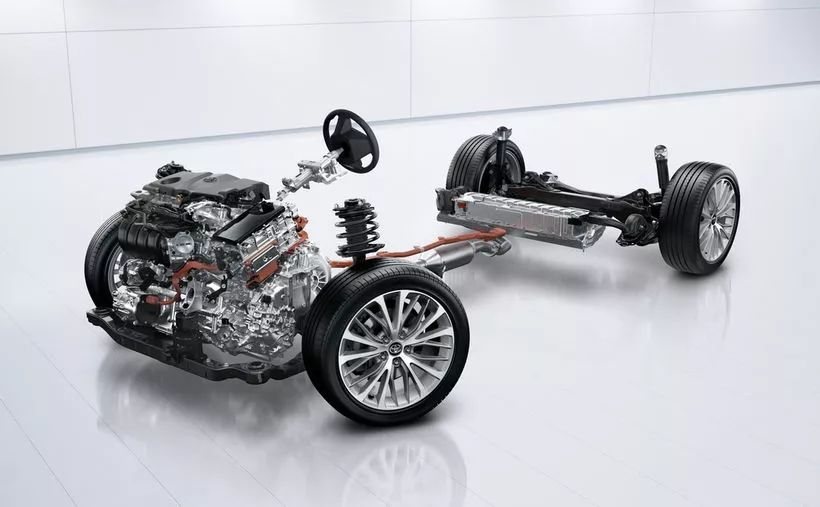
△ In the future, Chinese automakers will also form a mainstream model of 'unified technology platforms + differentiated brand operations'
Commentary
China's automotive industry is shifting from incremental expansion to market saturation efficiency competition, with the core corporate contradiction transitioning from 'scale growth' to 'efficiency improvement.' Geely's 'One Geely' strategy emphasizes brand convergence and resource centralization, while BYD strengthens brand decentralization and independent operations under a technological foundation. Despite differing paths, their goals align—both aim to enhance organizational efficiency and market responsiveness. The key to future competition will no longer be single products but a comprehensive contest of organizational structure, R&D systems, and resource allocation capabilities.
(This article is original to Heyan Yueche and may not be reproduced without authorization)
-
![]()
It's Kunlunxin's Turn to Play
-
![]()
Is the New Performance Peak Just the Starting Point? What Will Be Crystal-Optech's Next Destination?
-
![]()
Goertek Pours 69 Million Yuan into Elite Precision: Ramping Up Optical Precision Manufacturing and R&D Capabilities
-
![]()
Avatr Attempts HKEX Listing Again, With 20,000 Vehicles Sold in First Five Months
-
![]()
NVIDIA Announces 10-Fold Production Capacity Increase in 2 Years, Disrupting the Energy Storage Industry
-
![]()
AI Enters the Second Half: Models Are No Longer Scarce, What’s Truly Scarce Are Computing Power, Scenarios, and Trust
-
![]()
Rediscovering Momentum After Years of Obscurity: What Fuels Changhong TV's Resurgence?
-
【In-depth】Current Market Status and Key Enterprise Analysis of Confocal Fluorescence Microscopes in 2026