Emerging Leaders Surge Ahead, While Others Grapple with Challenges|Mid-Year Review ①
 07/09 2026
 568
568
Text by Yang Xuejian, Source: Jiedian Auto
As 2026 reaches its midpoint and emerging automotive brands unveil their June sales figures, it's an opportune moment to reflect on and summarize their performance in the first half of the year. Have brands that set ambitious goals of "selling one million vehicles annually" at the beginning of the year met their halfway targets? Have their flagship models become market sensations?
Based solely on the data, mainstream emerging brands have demonstrated robust performances. However, with the overall market tightening and the combined impact of regulatory policies, the test of brand resilience has reached a critical juncture. Those who can weather the storm and maintain stability are more likely to advance to the next round of competition.
1. Leapmotor: Leading the Charge
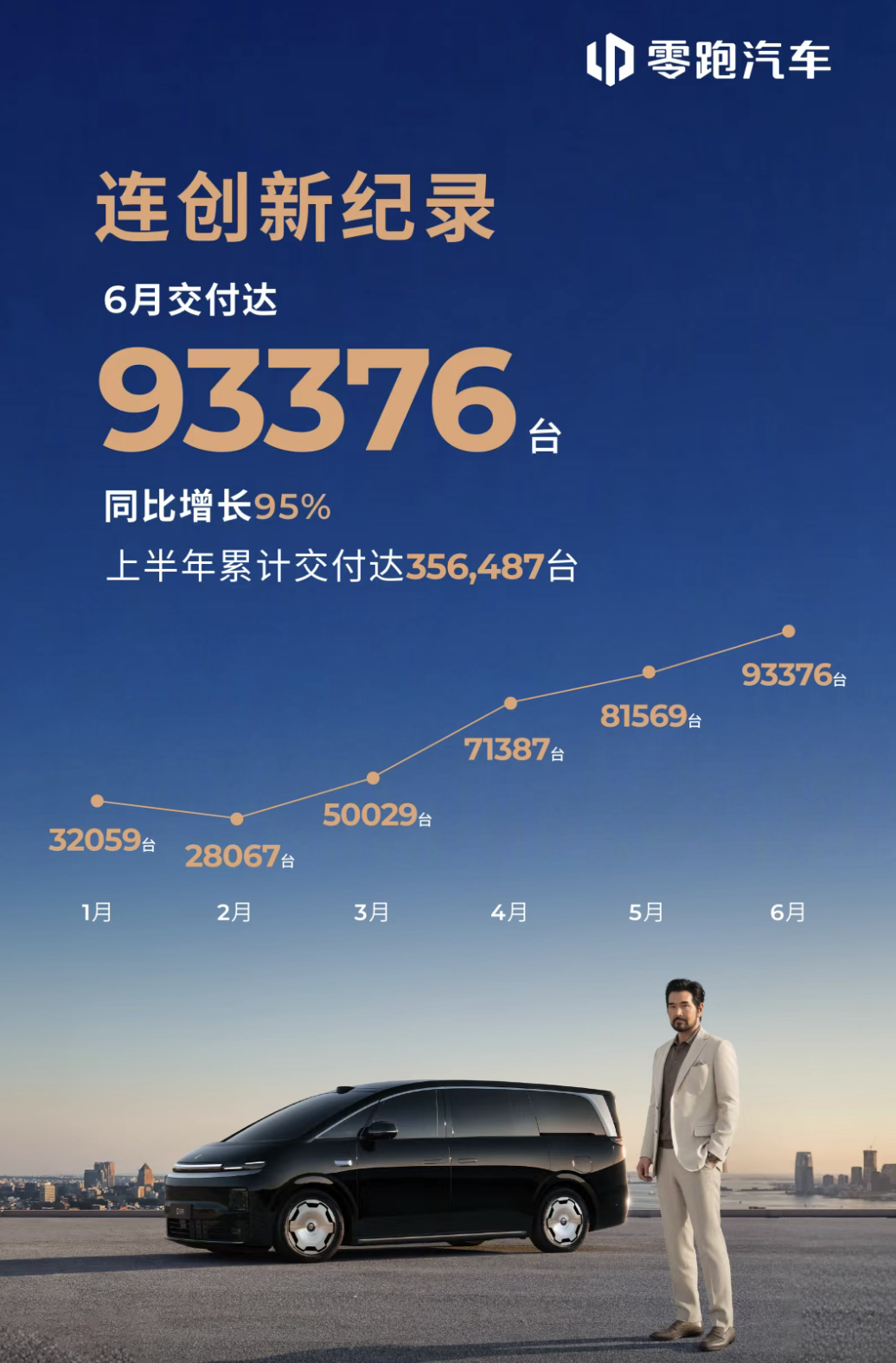
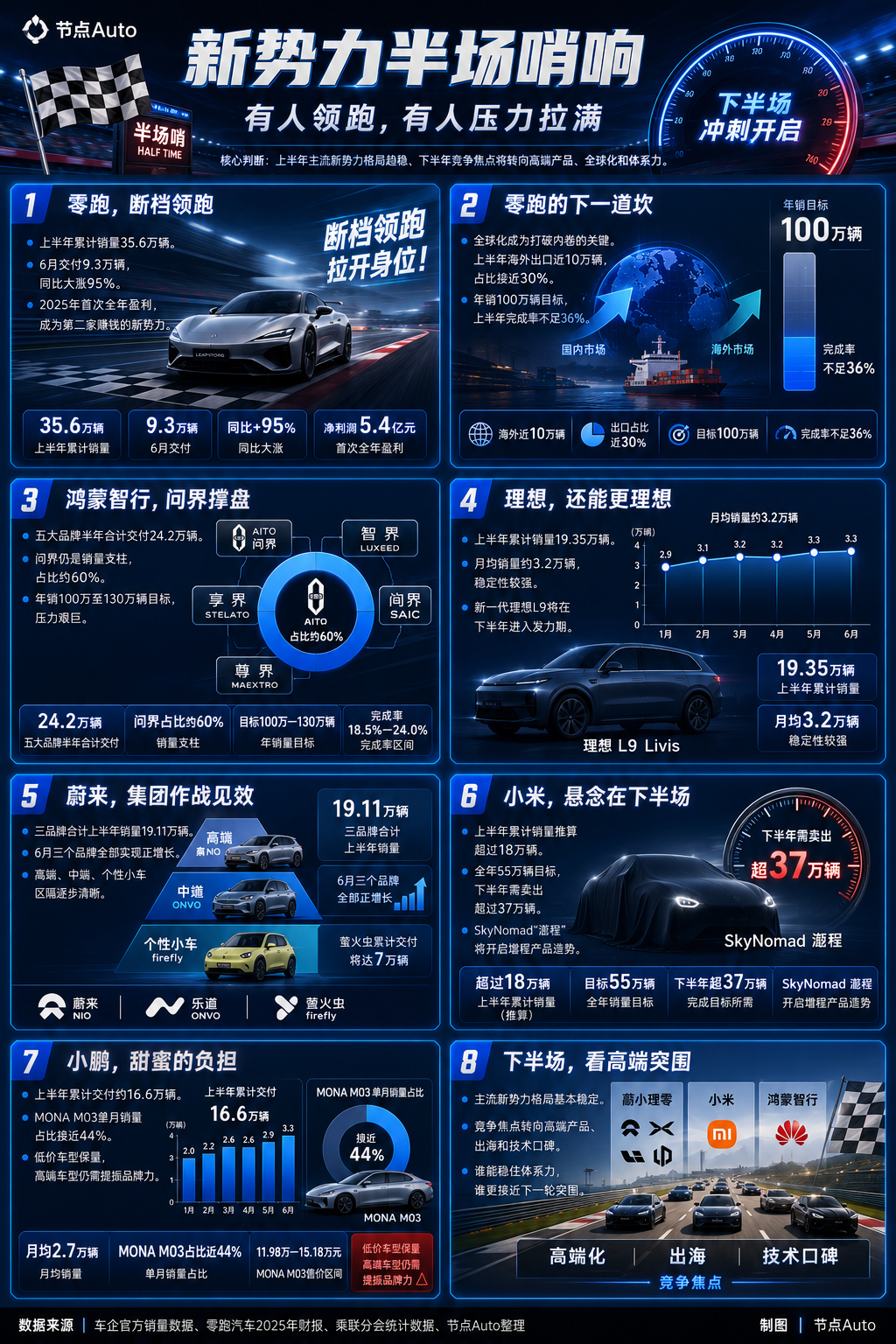
Reviewing the performance of emerging brands from January to June 2026, Leapmotor has continued its strong momentum from 2025, establishing itself as a formidable force among its peers. It remains both fast and stable, with its lead continuously expanding. In the first half, Leapmotor delivered a cumulative total of 356,000 vehicles. Notably, after breaking the 80,000-unit monthly sales mark in May, it achieved another impressive feat in June with 93,000 deliveries, marking a year-on-year surge of 95%.
More significantly, in March 2026, Leapmotor released its 2025 financial report, showing a net profit attributable to the parent company of RMB 540 million, marking its first full-year profit. This makes it the second profitable Chinese new energy vehicle startup after Li Auto.
What has Leapmotor done right? This is a question many are pondering.
Zhu Jiangming, founder and chairman of Leapmotor, has repeatedly emphasized the importance of "globalization" in overcoming domestic challenges. Zhu believes that the initial goal should be to achieve 60% domestic and 40% overseas sales. Ultimately, reaching 40% domestic and 60% overseas sales would represent true globalization. Data shows that in the first half of the year, Leapmotor delivered nearly 360,000 vehicles globally, with nearly 100,000 units exported, surpassing its total exports for last year and accounting for nearly 30% of its total deliveries. This places Leapmotor at the forefront among emerging brands in terms of exports.
2. Himeng Zhixing: AITO's Dominance Holds Firm
Following Leapmotor is the Himeng Zhixing alliance, whose five brands delivered a combined total of 242,000 vehicles in the first half. Interestingly,
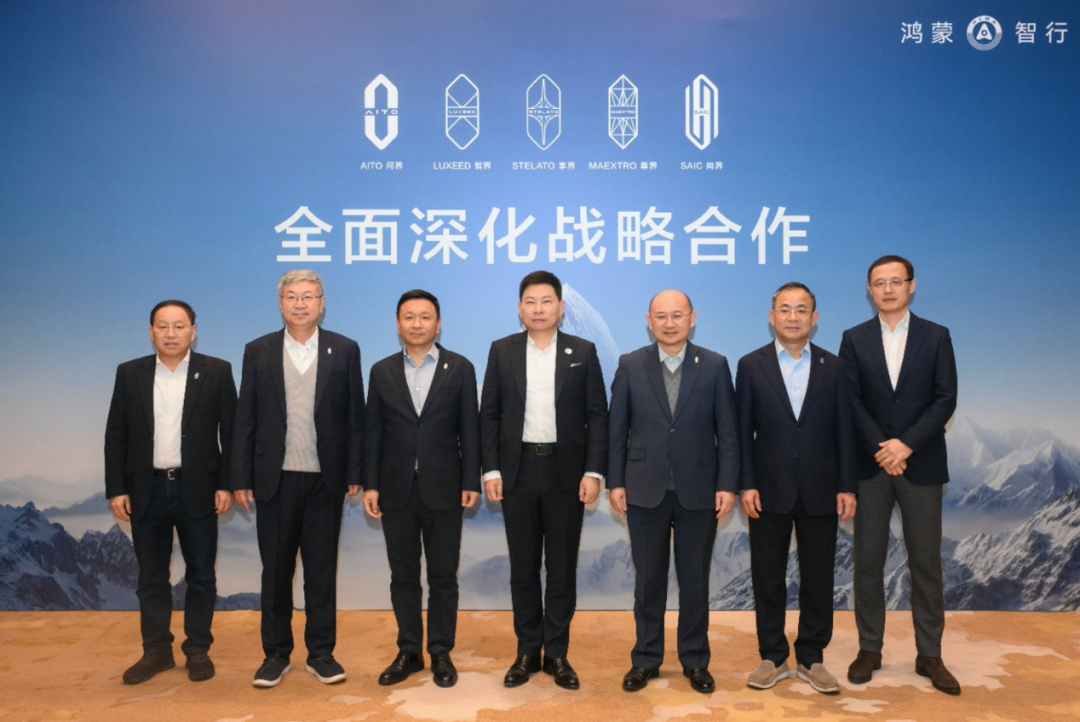
It's worth mentioning that as early as the end of 2025, at the Himeng Zhixing Comprehensive Strategic Cooperation Deepening Conference, Yu Chengdong, Huawei's Executive Director, Director of the Product Investment Review Committee, and Chairman of Terminal BG, revealed during a livestream that Himeng Zhixing's core goal for 2026 was to deliver 1 to 1.3 million new vehicles annually. Based on its first-half sales, the completion rate stands at only 18.5%-24.0%, leaving a daunting task for the second half.
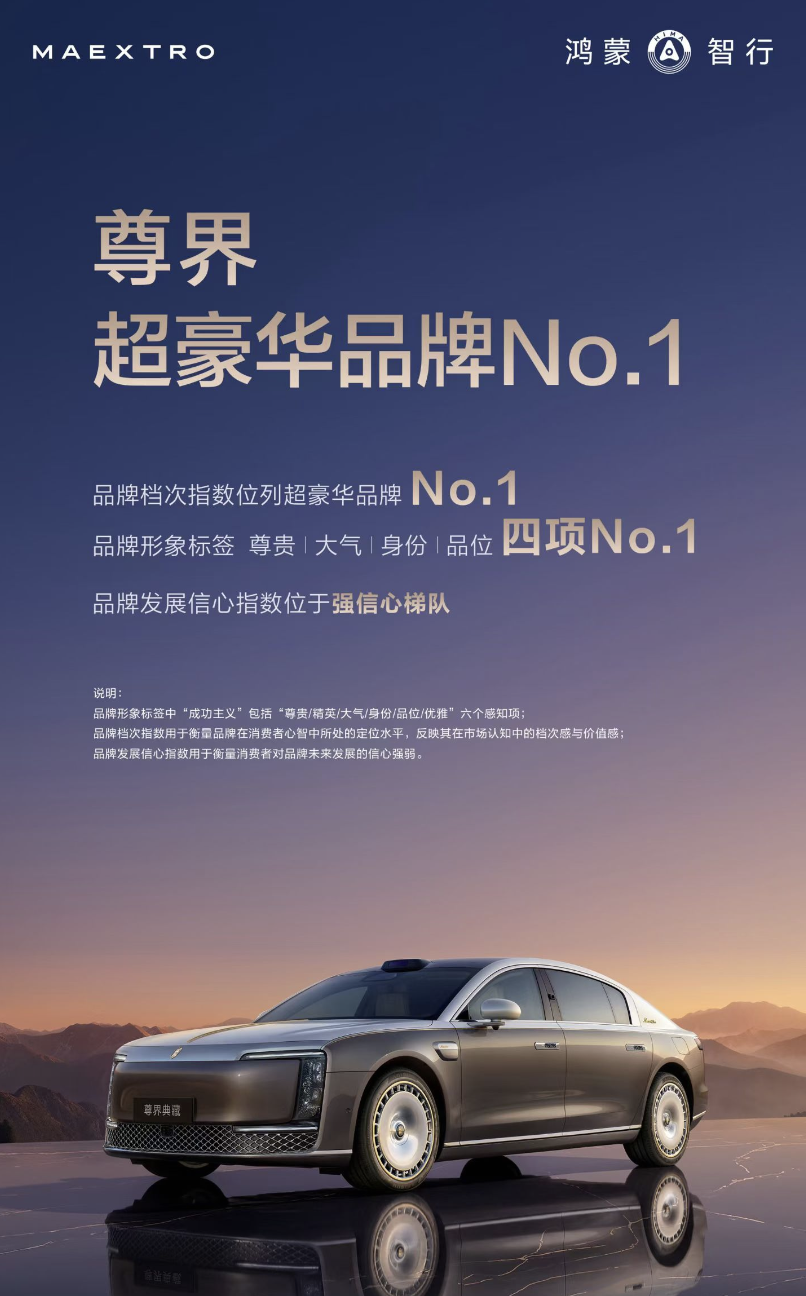
However, besides AITO, the other "Four Realms" within Himeng Zhixing are also making sustained efforts to drive product iterations. For example, the million-dollar ZUNJIE brand has established itself in the ultra-luxury car market. The youngest brand, SHANGJIE, saw its first model, the Z7/Z7T series, surpass 10,000 deliveries just one month after launch, offering more room for future growth.
3. Li Auto: Room for Enhancement
In May 2026, Li Auto unveiled its highly anticipated new Li L9 Livis, marking its first move into the second half of the embodied intelligence era. The impact of this model on sales will become clearer in the second half. Meanwhile, in the first half, Li Auto delivered a cumulative total of 193,500 vehicles, ranking third after Leapmotor and Himeng Zhixing. If considering single-brand performance, Li Auto ranks second, closely following Leapmotor.
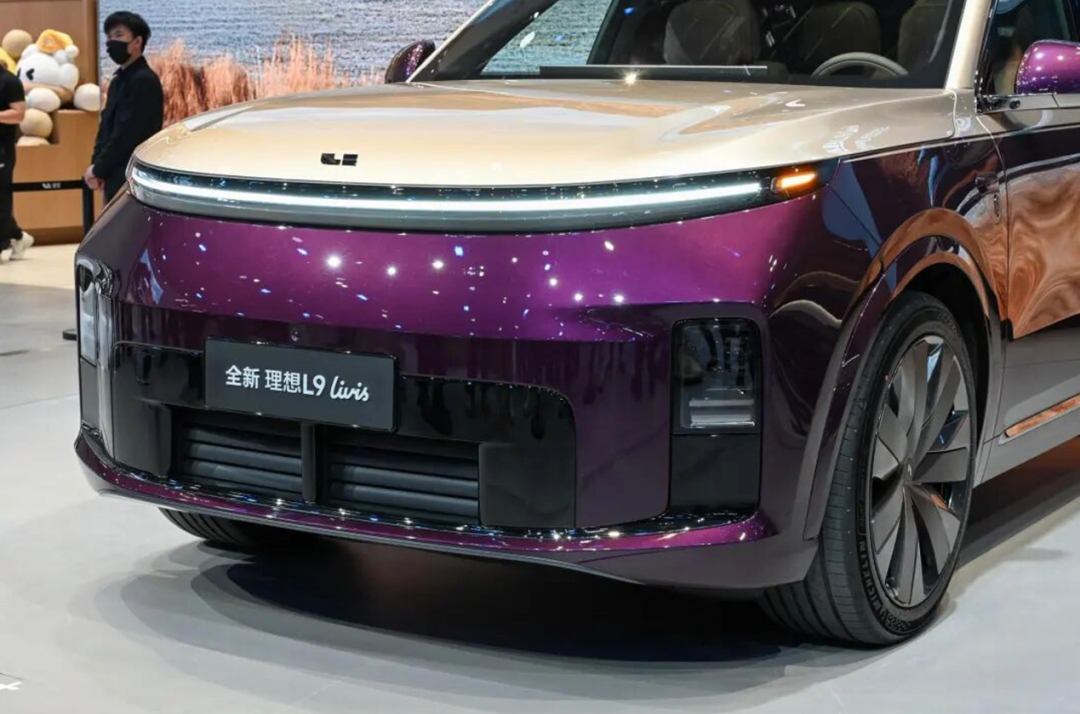
However, in
Looking at Li Auto's current product lineup, the Li i6 has become a major sales contributor, accounting for half of its sales and becoming a new pillar. Its monthly sales exceeded 16,000 units in January and February, then surged to over 20,000 units in March. For those who once doubted Li Auto's ability to produce pure electric vehicles, the Li i6 has shattered those biases.
Meanwhile, the former flagship extended-range model, the Li L6, still maintains average monthly sales of over 5,000 units. While this figure pales in comparison to its peak, it remains commendable amid declining enthusiasm for extended-range vehicles in the domestic market. According to CPCA statistics, wholesale sales of extended-range vehicles in May 2026 were only 95,000 units, down 24.9% year-on-year, marking the largest decline in five years.
For Li Auto, the situation will likely improve in the second half. Especially with the launch of the all-new Li L9, which will officially enter its peak sales period, this model will lead Li Auto's products into the era of embodied intelligence, spanning both pure electric and extended-range technologies.
4. NIO: Group Strategy Pays Off
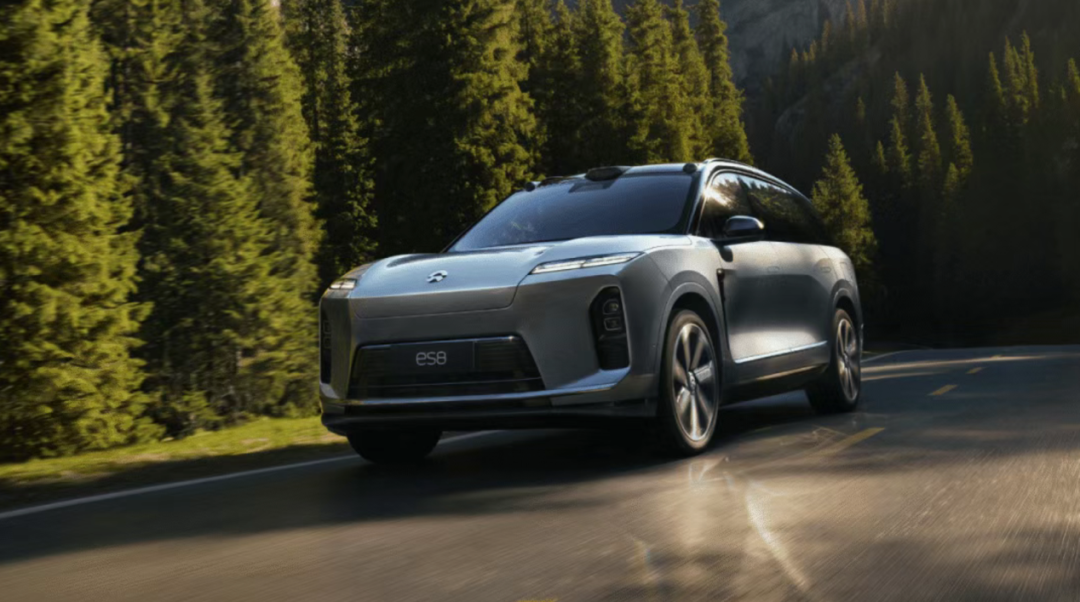
With the combined efforts of NIO, LEAPMOTOR, and Firefly, NIO achieved first-half sales of 191,100 vehicles, closely following Li Auto. More reassuring for NIO's leadership is that all three brands achieved positive growth in June, setting a positive tone for the second half. The niche Firefly model, once overlooked, is approaching 70,000 cumulative deliveries.
As sales stabilize, NIO's losses are no longer a hot topic. Reviewing the first half,
It should be noted that while NIO's overall sales have improved, this is based on the combined efforts of three brands, meaning its operational and service costs remain higher than those of other automakers. Therefore, in
5. Xiaomi: Suspense Lingers for the Second Half
In the first half of 2026, Xiaomi Automobile did not release specific monthly sales figures, but its cumulative sales are estimated to exceed 180,000 vehicles. While highly competitive against rivals, Xiaomi's momentum and growth have faced resistance in the first half of 2026. At the beginning of the year, Xiaomi set an annual sales target of 550,000 vehicles. Based on its first-half performance, progress has been slow, meaning Xiaomi needs to sell over 370,000 vehicles in the second half to meet its target.
Xiaomi will begin focusing on the extended-range market in the second half. On July 8, the company officially announced its new product series, "SkyNomad" (Chinese name: "Peng Cheng"), meaning "sky nomad," marking Xiaomi's formal entry into the extended-range vehicle market.
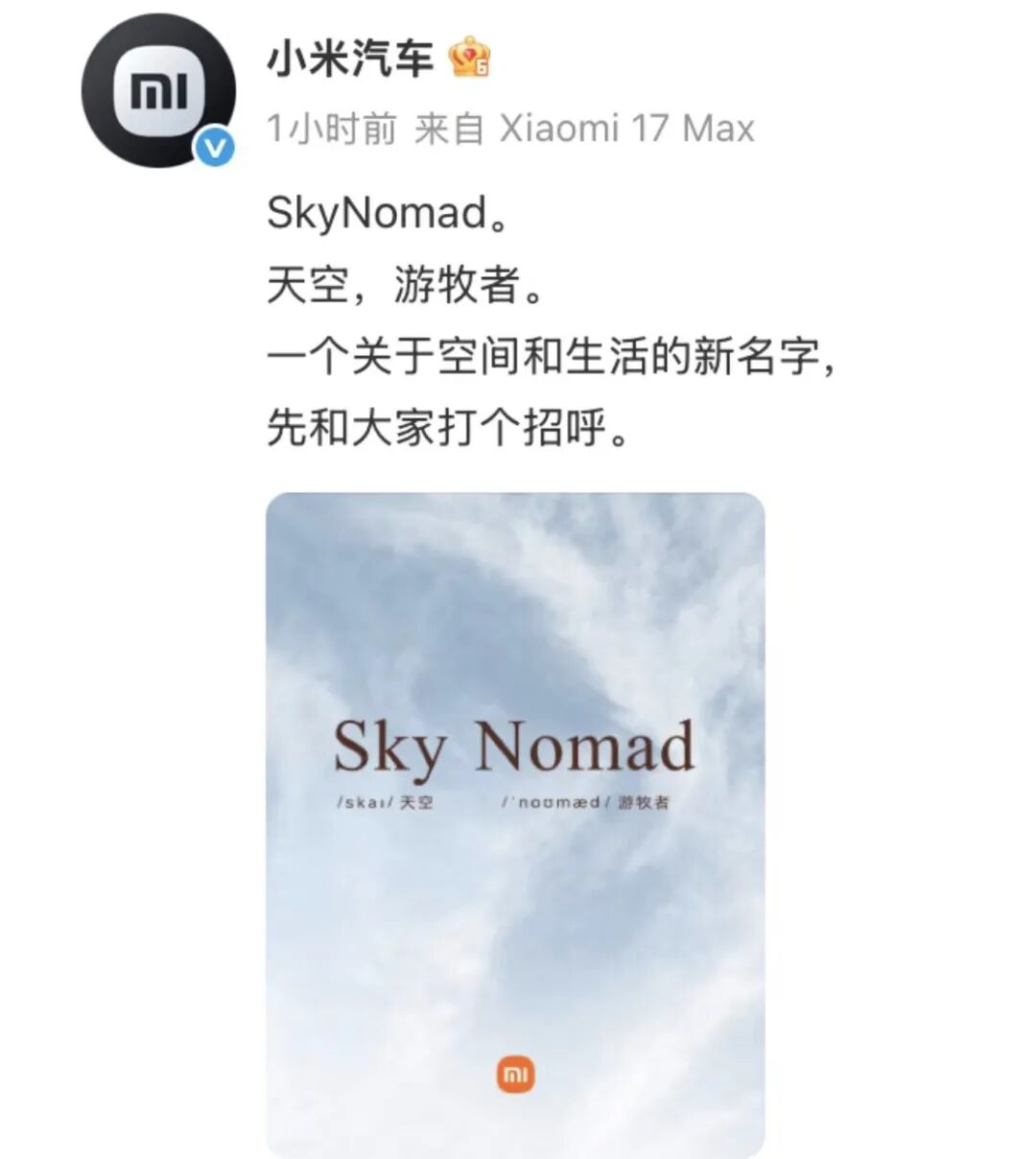
Building on the 180,000 vehicles sold with just the SU7 and YU7 models, the performance of the SkyNomad extended-range vehicle in the second half could further boost Xiaomi's sales.
Of course, as mentioned earlier, the current domestic market's enthusiasm for extended-range vehicles is waning, adding uncertainty to Xiaomi's new model's performance and casting doubt on whether Xiaomi can achieve its annual sales target.
6. XPENG: Unleashing Accumulated Strength
Like Leapmotor, XPENG relies on cost-effective models to maintain sales volume while pursuing high-end products. In the first half, XPENG delivered approximately 166,000 vehicles, averaging 27,000 monthly deliveries. However, XPENG faces structural concerns, with the XPENG MONA M03 accounting for nearly 44% of its monthly sales. This model is priced between RMB 119,800 and RMB 151,800.
In other words, the stronger the performance of the XPENG MONA M03, the more it becomes a sweet burden for XPENG. While it ensures attractive sales figures, its impact on profitability is limited.
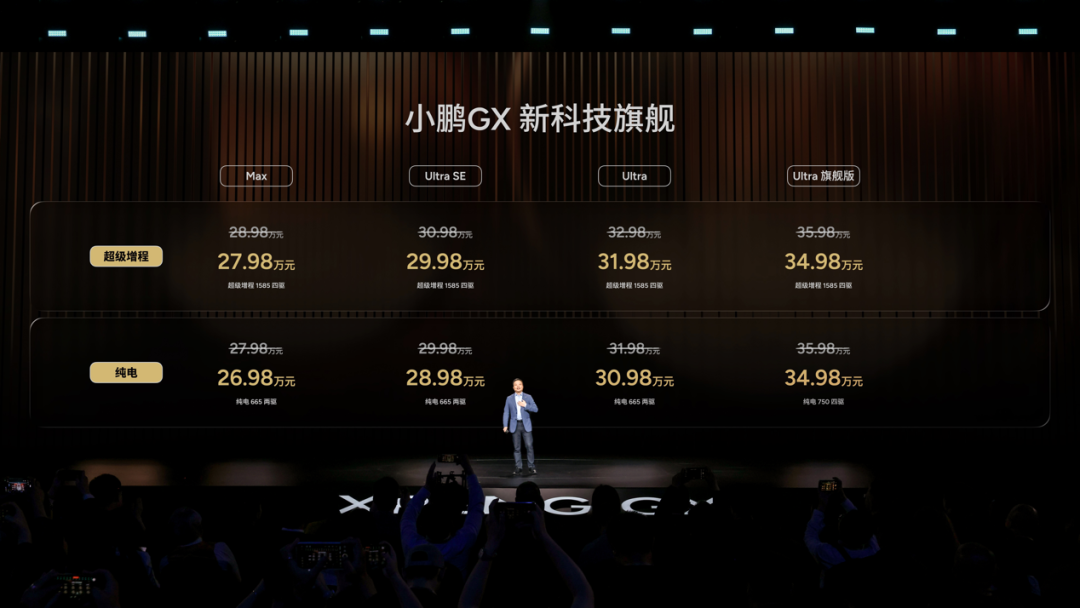
The flagship XPENG GX represents XPENG's entry into the era of physical AI, serving as a key to the next era, similar to the all-new Li L9. However, XPENG has adopted a "dimensionality reduction" strategy by pricing the GX between RMB 269,800 and RMB 349,800, reflecting its strong demand for sales performance.
According to official data, the XPENG GX received 24,863 orders within 12 hours of its launch, with order conversions set to materialize in the second half.
7. Conclusion
From the initial chaos of over 200 emerging brands to the current stable lineup of "NIO, XPENG, Li Auto, Leapmotor," Xiaomi, and Himeng Zhixing,
XPENG Group may be the next to break through, as its cooperation with Volkswagen Group in China is ongoing. If this partnership can extend to Europe, XPENG could truly spread its wings. However, Volkswagen faces stronger union resistance in Germany, as seen when XPENG's rumored acquisition of a Volkswagen factory was met with fierce criticism from union leaders. Whether the two sides can find the optimal cooperation path remains to be seen.
Li Auto is already on the path toward embodied intelligence, leading in another dimension, though this strategic shift has yet to reflect in sales.
NIO resembles a traditional automaker, distinguishing its high-end, mid-range, and niche brands by product line while maintaining its service standards, making it one of the best in terms of brand building among emerging brands.
Looking ahead to the second half,
*Featured image generated by AI

-
![]()
Model Giant Jieyue Xingchen Steps into Smartphone Arena: A Strategic Alliance with Huaqin Technology
-
![]()
Big Model Firm Dives into Phone Market: StepFun and Wingtech Forge a ‘Dynamic Duo’
-
![]()
Zhongrun Optics Makes a Bold Move with 1 Billion Yuan Investment: Is a Turning Point on the Horizon for the Precision Optics Industry?
-
![]()
Deploy CLBO Crystals and YIG Single Crystals! Erythritol Leader Invests 30 Million in Youwei Optoelectronics
-
CXMT’s July 16 Subscription: Leading Domestic Memory Manufacturer—What’s the Earning Potential per Lot?
-
![]()
Rhythm Discrepancy and Premium Value Erosion: Foreign Luxury Brands Must Re-evaluate Their China Strategy
-
![]()
Half-Year, 1 Billion Yuan Financing, 7 Billion Yuan Valuation: A New Dark Horse Emerges in the Embodied AI Sector
-
![]()
Strong Rebound for Tech Stocks in Hong Kong Stock Market: Is It Time to Bottom-Fish?