Even Li Auto Is Facing Challenges. Can Xiaomi Make a Mark in the Extended-Range Hybrid Vehicle Market?
 07/13 2026
 355
355
Whether or not extended-range hybrid technology is deemed outdated, it cannot be denied that, riding the wave of new energy trends, extended-range hybrid vehicles have witnessed remarkable sales achievements in recent years. Spearheaded by Li Auto, a number of emerging automotive players, including Seres, Voyah, Avatr, Leapmotor, XPeng, and Zeekr, have all introduced extended-range hybrid models. By 2024, extended-range hybrid vehicles had reached their zenith.
In that year, sales of extended-range hybrid vehicles exceeded the one million milestone for the first time, hitting 1.167 million units, marking a year-on-year increase of 78.7%. Additionally, that same year, new automotive forces such as XPeng, Avatr, and Zeekr, which had initially concentrated on pure electric vehicles, began venturing into the extended-range hybrid vehicle market.
In essence, 2024 heralded the golden age of 'extended-range for all'.
The following year, 2025, saw sales in the extended-range hybrid vehicle market soar to a new peak, totaling 1.235 million units for the year. However, it is worth noting that despite setting a new record, the year-on-year growth rate slowed down significantly, with only a 6% increase.
Barring any unforeseen circumstances, domestic sales of extended-range hybrid vehicles are projected to experience their first decline in recent years in 2026. Based on currently available sales data, sales of extended-range hybrid vehicles in the first half of this year stood at only 504,000 units, representing a year-on-year decrease of 13.1%. Particularly in June, sales plummeted to just 94,000 units, a year-on-year decline of 25.2%, marking the largest single-month sales drop for extended-range hybrid vehicles in recent memory.
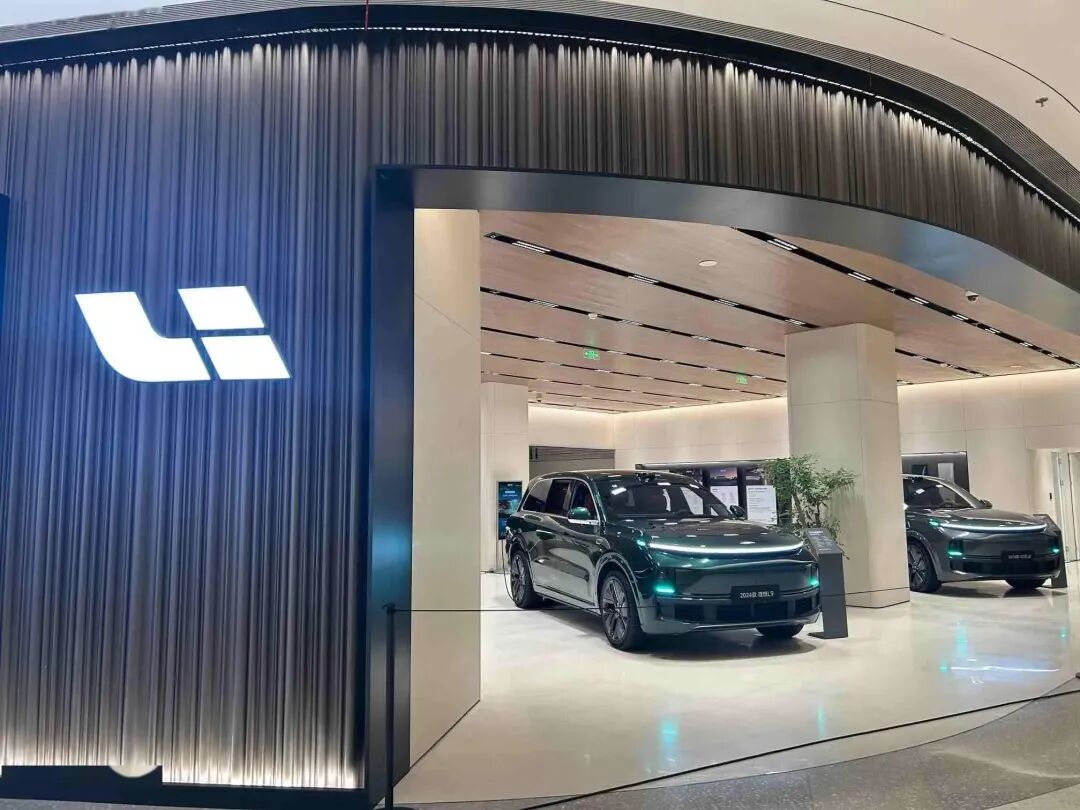
When considering the sales performance of automotive companies, Li Auto and Seres remain the two most prominent emerging automotive forces in the domestic extended-range hybrid vehicle market. Relatively speaking, as a newer entrant, Seres has actually overtaken Li Auto in terms of extended-range hybrid vehicle sales, as evidenced by the sales figures.
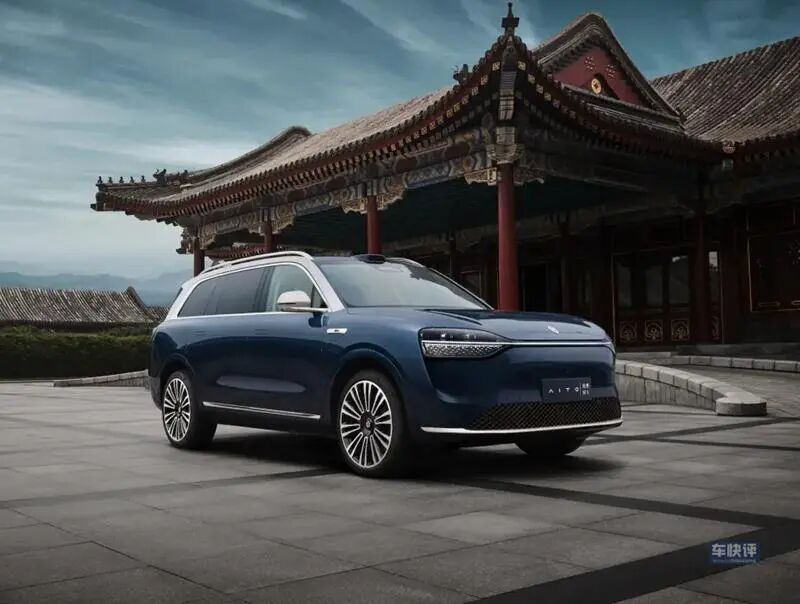
In 2024, there were four extended-range hybrid models with annual domestic sales surpassing 100,000 units, with Li Auto and Seres each contributing two models. In 2025, there were again four models with sales exceeding 100,000 units, but this time Seres accounted for three. One contributing factor to this shift is Li Auto's strategic pivot towards its i-series pure electric models.
Nevertheless, the decline in sales of extended-range hybrid vehicles is an undeniable reality.
However, at this critical juncture, Xiaomi Auto has made its move. Recently, Xiaomi Auto officially unveiled that its new brand will be named Pengcheng, with a focus on the extended-range hybrid vehicle market. The inaugural model, the Pengcheng N90, is positioned as a large extended-range hybrid SUV, boasting a length of nearly 5.3 meters and a wheelbase close to 3.1 meters, clearly targeting the Seres M9 and Li Auto L9. It is slated for launch as early as the end of July, with a starting price of approximately 250,000 yuan.
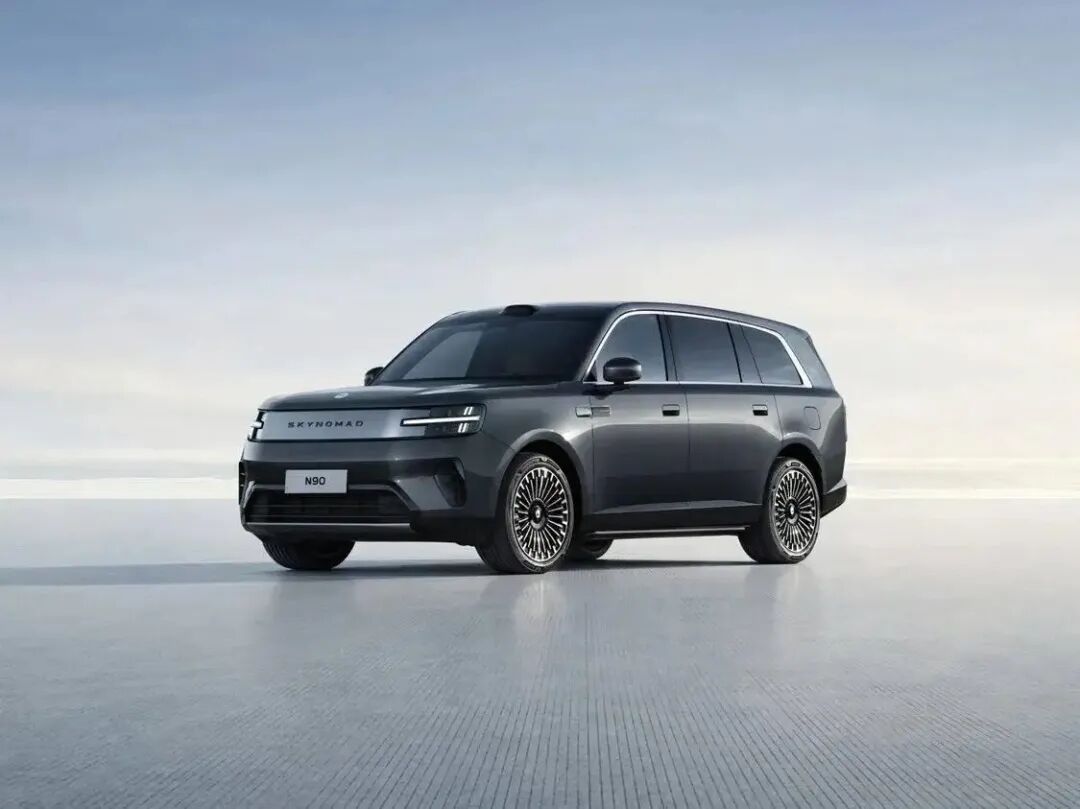
Leveraging the personal appeal of Lei Jun and the brand strength of Xiaomi, coupled with its competitive pricing and solid product offerings, it is boldly predicted that the Pengcheng N90 will rival the Seres M9 (extended-range hybrid version) and the Li Auto L9 in terms of sales post-launch.
Yet, a new challenge emerges: even if the Pengcheng N90 achieves robust sales upon its debut, can it propel Xiaomi Auto towards its annual sales target of 550,000 units? As of the end of June this year, Xiaomi Auto's cumulative sales for the year stood at only 185,000 units, translating to a mere 33.8% target completion rate.
Given Xiaomi Auto's current sales trajectory, to fully meet this year's sales target, the average monthly sales over the next six months must reach approximately 60,900 units. However, the combined monthly sales of the Xiaomi SU7 and Xiaomi YU7 models are unlikely to surpass 40,000 units.
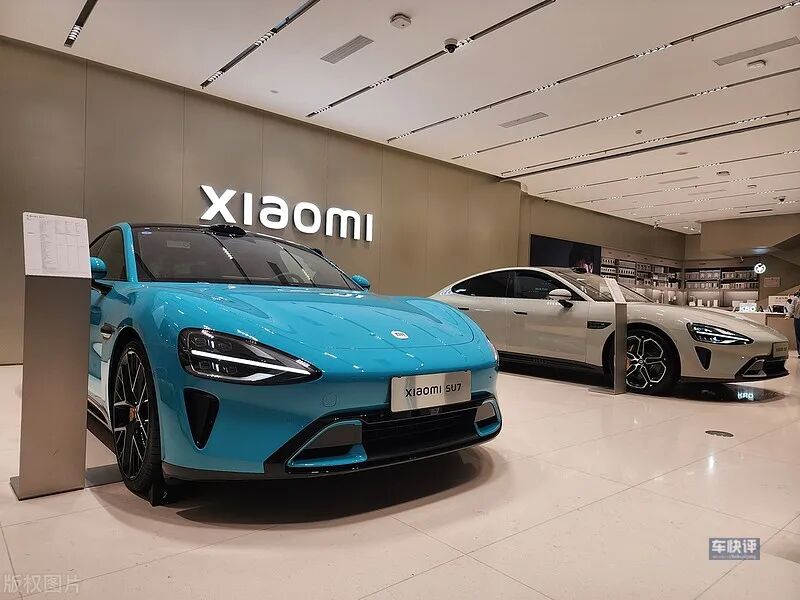
To put it diplomatically, even assuming monthly sales of 40,000 units, it will still be a formidable task for the Pengcheng N90 to achieve monthly sales exceeding 20,000 units.
Copyright Notice: This article is original content from Che Kuaiping. Reproduction requires explicit authorization. Unauthorized reproduction is strictly prohibited, and any instances of plagiarism or misappropriation of images and text will be met with legal action. Some images in the article are sourced from the internet, with copyright归属 (belonging to) the original authors. If your work is used, please contact us for royalties or deletion.
-
![]()
Even Li Auto Is Facing Challenges. Can Xiaomi Make a Mark in the Extended-Range Hybrid Vehicle Market?
-
![]()
Surplus Capacity Leasing vs. Aggressive Expansion: Is Meta's 'Dual Strategy' a Deliberate Move?
-
![]()
German Business Leaders Contemplate 'Embracing the 996 Culture,' While Chinese Auto Workers Simply Aspire to Clock Out On Time
-
Graduating with a Violin Serenade in a Luobo Kuaipao, Enjoying Yunba Rides, and Watching Football with Milu: Shenzhen's Seamless Integration of Driverless Cars into Daily Life
-
![]()
Shenzhen Unveils 331 Nighttime Autonomous Vehicle Routes in Three Months: Even Logistics Embrace Off-Peak Operations in the Vibrant City
-
![]()
Why Did the Lingguang App Lose Its Competitive Edge? A Strong Hand Played Poorly
-
![]()
Monthly Double Building Purchases for 3.8 Billion: Is Duan Yongping Still in Sync with Pinduoduo?
-
![]()
Tesla FSD’s China Debut: How Orbbec’s ‘AI Eyes’ Are Revolutionizing Intelligent Driving and Robotics