The Secret Behind Li Auto L6's Return to 20,000 Monthly Sales Lies in 34 Prefecture-Level Cities in Northeast China!
 07/16 2026
 383
383
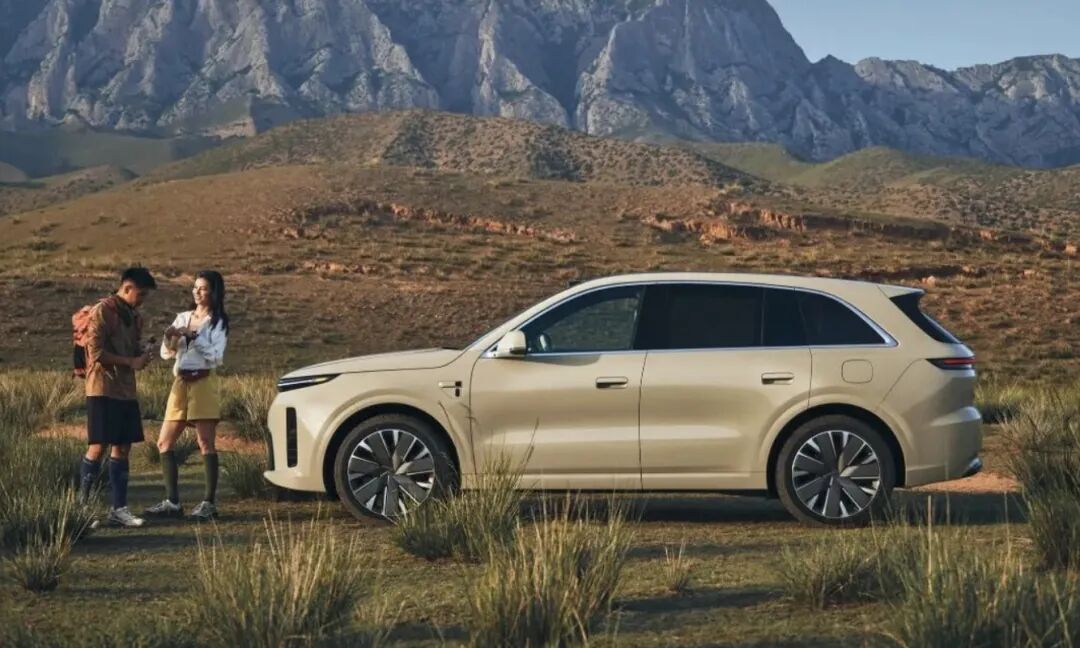
In just one day, the new generation of Li Auto L6 will be officially launched, with nationwide deliveries expected to begin within a week. Although positioned as a facelift, the upgrades are more akin to a vertical generation shift compared to typical annual updates. Not only has the battery capacity been increased from 36.8kWh to 51kWh, but the chipset now comes standard with the Mach M100 intelligent driving chip, bringing the hardware specifications fully in line with the L9.
In the first half of this year, Li Auto delivered a cumulative total of 193,500 vehicles, with the pure electric i6 becoming a stable contributor to monthly sales. Now, with the refresh of the L9 to L8 and the comprehensive upgrade of the L6, Li Auto's extended-range product lineup has nearly fully covered embodied intelligence capabilities, maintaining a tight and clear product rhythm—clearly indicating Li Auto's determination to regain ground in the extended-range market.
As the absolute volume leader in Li Auto's extended-range family, the L6 has surpassed 400,000 cumulative deliveries since its launch, with peak monthly sales once reaching 25,000 units, making it a true cornerstone of the brand's sales. Against this backdrop, to fill the annual sales gap and return the brand's overall scale to a stable upward trajectory, the new L6 is the most promising model to drive monthly sales back above 40,000 units.
Where should this battle be fought? From an industry-wide perspective, there is almost no ready-made template to follow. However, when viewed through the lens of China's unique regional differences in vehicle usage, the answer becomes clearer—leveraging the core advantages of the new L6's extended-range technology across more than 30 prefecture-level cities in Northeast China, restoring the dual-wheel drive closed loop (closed loop) of i6 pure electric + L6 extended-range, and using the lower-tier markets in northern China to bridge the sales gap in the second half of the year.
Editor | Li Jiaqi
Image Source | Internet
1. "High Prices Don't Sell, Low Prices Don't Feed"
Since the beginning of this year, a clear price stratification has emerged in the mid-size family SUV segment: Extended-range models from brands like Leapmotor and Seres have seen their base prices drop to the 150,000-180,000 yuan range, while the AITO M7 and Avatr 07 are positioned in the 200,000-240,000 yuan bracket. The Li Auto i6 and current L6 are anchored in the premium family segment starting at 249,800 yuan, with the industry's mainstream (mainstream) average transaction price hovering around 225,000 yuan. For Li Auto, the new L6 first faces a pricing dilemma. If priced higher than the i6, the two models will inevitably cannibalize each other. The i6 targets urban short-distance commuting with its 800V ultra-fast charging advantage, appealing to young families in first- and second-tier cities in East and Central China with home charging capabilities. The L6's core selling points are its extended-range technology, eliminating range anxiety, and its suitability for long-distance, all-scenario driving. As a result, families with a 250,000 yuan budget would likely opt for the more fully equipped and lower operating cost i6. 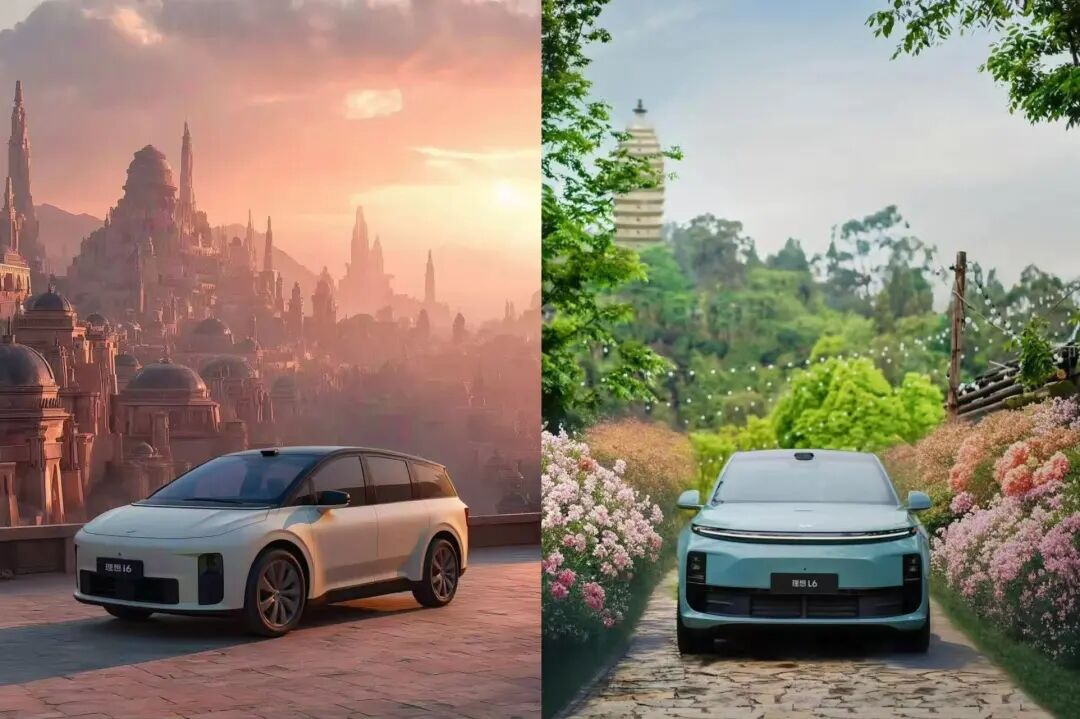
Conversely, if the L6 significantly drops in price to capture volume, the short-term gain would come at the cost of a sharp decline in the brand's per-unit gross profit. It's important to note that the i6 and L6 are currently Li Auto's two highest-volume models, supporting the overall profitability. Referring to first-half terminal data, Li Auto's Q1 revenue per vehicle was approximately 226,000 yuan, with costs around 213,000 yuan, yielding a gross profit of only about 13,000 yuan per vehicle. If the L6 is forced to compete on price, it would further drag down the brand's overall profitability. Thus, the new L6's pricing will likely remain on par with the i6. However, this makes it difficult to unlock incremental growth in traditional core regions. First, East China, as Li Auto's traditional stronghold, has seen urban users' charging infrastructure improve significantly, with pure electric penetration exceeding 50%. Combined with intense competition from NIO and Tesla in the region, extended-range models struggle to differentiate themselves. 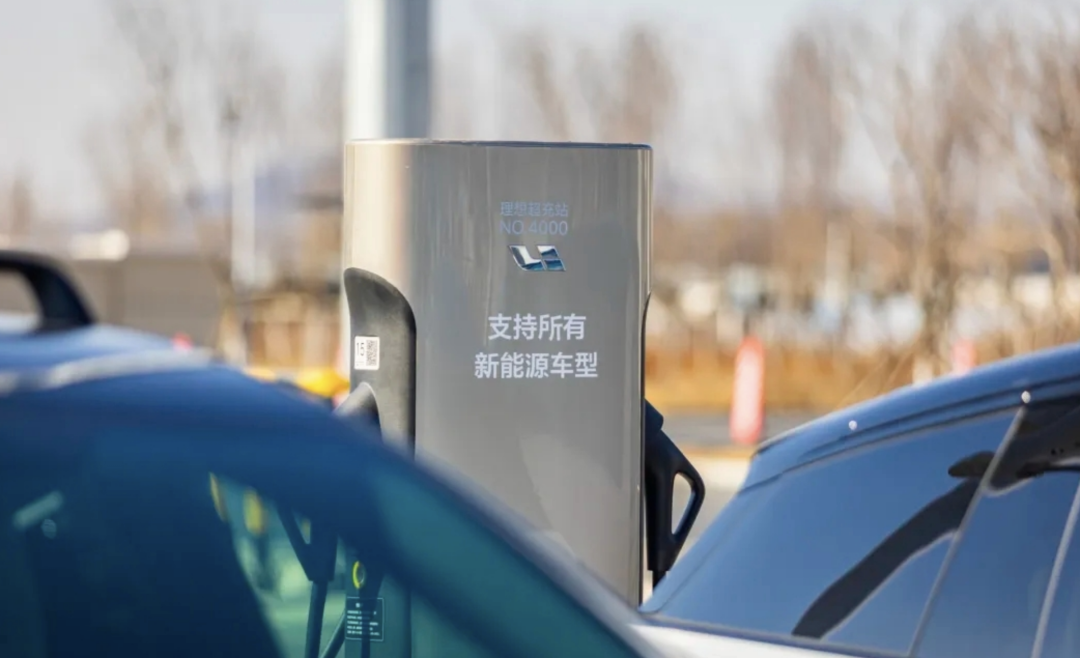
Turning to the Western Chengdu-Chongqing market, while it is a key high-penetration region and core consumption area for extended-range vehicles, the market size has a hard ceiling. In 2026, new energy vehicle sales in East China reached 4.4826 million units, while the Southwest region totaled only 1.3236 million units, less than one-third of East China's volume. In terms of brand share, BYD, AITO, and Seres have long dominated the market. Even if the L6 adopts a At Par (parity) strategy locally, the regional market size is unlikely to support a monthly sales target of 20,000 units. In contrast, northern cold-climate lower-tier markets such as Northeast China, Inner Mongolia, and Qinghai-Gansu perfectly align with the L6's extended-range positioning, allowing it to avoid direct value competition with the i6 while leveraging the unique advantages of extended-range models. Additionally, the cold environment naturally amplifies the extended-range advantage, as local users' demand for long-distance travel and freedom from range anxiety far exceeds that in East and South China, eliminating the need for extreme price cuts to secure orders.
2. Why Can 34 Cities in Northeast China Become the Growth "Breakthrough" for the New L6?
Among these regions, Northeast China's population base, consumption potential in prefecture-level cities, and road travel scenarios are the most representative. A long-overlooked fact is that over the past few years, the Northeast has been Li Auto's most stable regional market in terms of sales fluctuations and growth. According to third-party insurance data, from 2024 to 2026, Li Auto's combined market share in Liaoning, Jilin, and Heilongjiang provinces remained relatively low in absolute terms but consistently controlled fluctuation within 5%. In contrast, Li Auto's core market in Central China saw its market share shrink by 12 percentage points due to price wars, while some core cities in East China experienced a nearly 9 percentage point decline in extended-range share due to accelerated pure electric adoption. The nationwide decline of extended-range models has hit a clear "speed bump" in Northeast China. 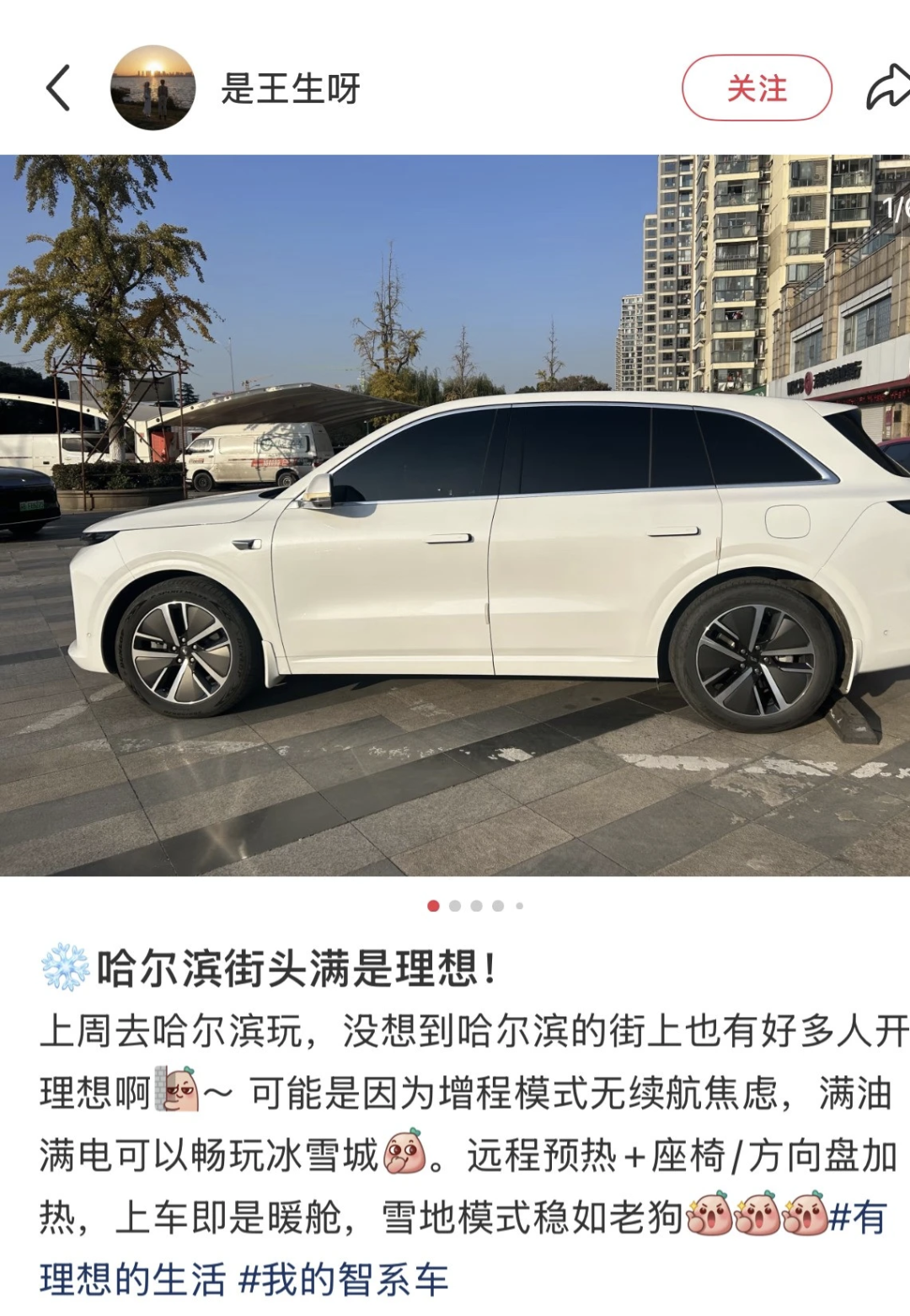
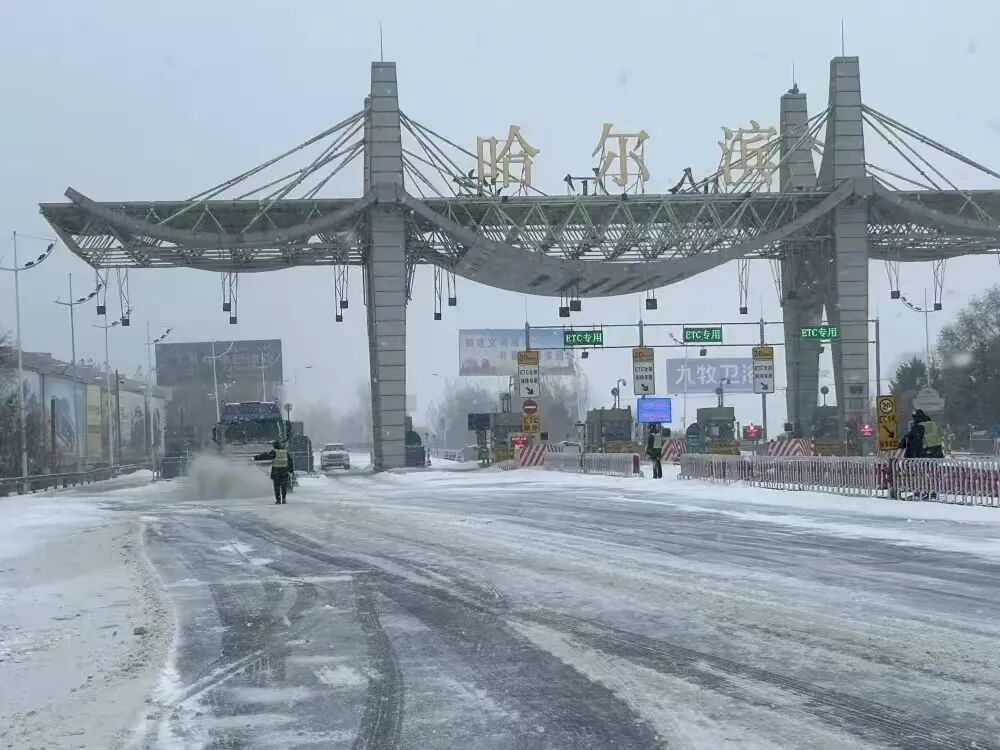
This is because, in Northeast China's five-month-long low-temperature environment each year, the actual range of pure electric vehicles typically declines by 35%-45%. Even new models equipped with semi-solid-state batteries struggle to maintain more than 65% of their range at -20°C. Coupled with the scarcity of charging infrastructure in counties and rural areas, long queues for fast charging and slow charging speeds in low temperatures are common during peak travel periods. While plug-in hybrids have attempted to strike a balance between gasoline and electric power in recent years, their reliance on complex clutch structures and transmission coordination introduces more potential failure points. In contrast, Li Auto's extended-range technology takes a simpler and more Northeast-friendly approach: the engine generates electricity without direct drive, using a single motor for propulsion, resulting in simple power coupling and stable operation. As a result, Northeast China has become one of the highest-weight regions in Li Auto's national footprint. Based on 2025 public data, one in every 10 new energy vehicles in Northeast China is a Li Auto; one in every three premium SUVs is a Li Auto; and one in every two extended-range vehicles is a Li Auto! 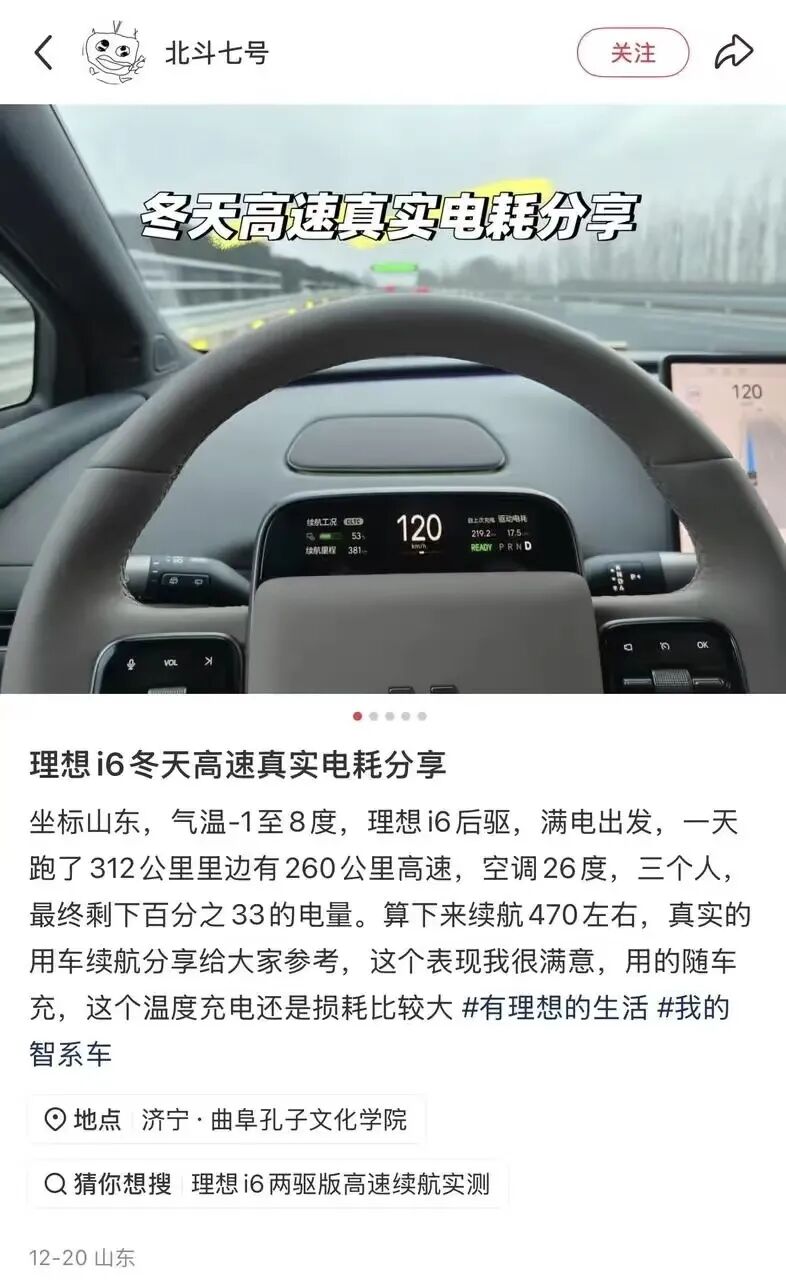
While the existing market in Northeast China is underestimated, its growth potential is equally overlooked. The three Northeast provinces have a combined permanent population of approximately 96 million, with over 50 million licensed drivers and around 24 million passenger vehicles. According to Ministry of Commerce used car statistics, the average replacement cycle for domestic fuel-powered family cars is 8.6 years. Over 1.2 million mid-size fuel-powered SUVs purchased in Northeast China between 2018 and 2022 are now entering their replacement cycle starting in 2026. Additionally, owners of first-generation pure electric vehicles, whose battery health has dropped below 80%, face rigid replacement demand. Combined, these two groups are expected to create an annual replacement capacity of over 300,000 mid-size family SUVs in Northeast China's prefecture-level cities alone. 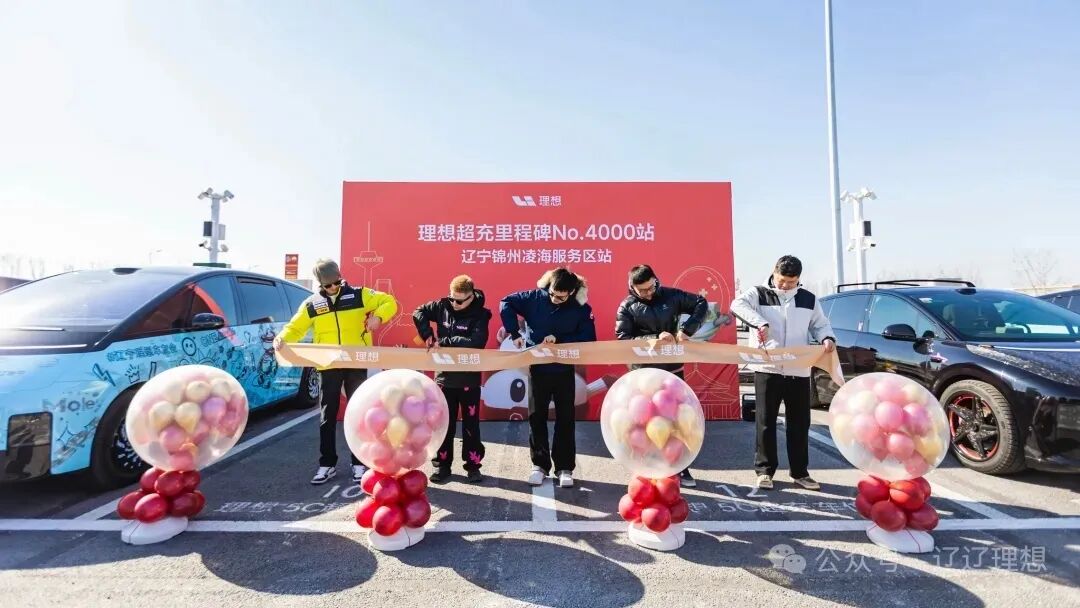
More critically, Li Auto's channel expansion into lower-tier markets has been nearly stagnant in recent years. As of June this year, Li Auto had only 11 retail centers in Northeast China, all highly concentrated in high-tier cities like Shenyang, Dalian, Changchun, and Harbin. Taking Heilongjiang as an example, major cities such as Daqing, Qiqihar, and Mudanjiang, each with populations exceeding one million, lack Li Auto delivery centers. The situation is similar in the other two provinces. This means that for Li Auto, significant room for growth remains in Northeast China's penetration rate if channels and service systems can be further improved and adapted.
3. In Northeast China, Li Auto Aims to Fight a "Rural Areas Encircle the Cities" Campaign!
In this process, rather than making heavy investments in lower-tier markets, Li Auto could transform its fixed channel assets into lightweight, mobile, and turnaround-capable assets. Simply put, instead of requiring customers to visit stores for vehicle viewing and maintenance, the brand could proactively bring product experiences, sales services, and after-sales support to county-level areas, using "mobile services" to replace "fixed stores" and Thoroughly eliminate (completely break down) channel barriers in lower-tier markets.
For example, through lightweight roadshows, county-level mobile test drives, on-site maintenance, and local secondary network collaborations, fixed store assets can be converted into flexible, mobile service assets capable of full coverage. This approach precisely delivers the L6's unique product stories and scenario-based value to every lower-tier market, eliminating information gaps and activating latent consumption and replacement demand.
The L6's comprehensive product upgrades serve as the core foundation for this channel activation model. The most visible change comes from the battery. The new L6's battery capacity has been significantly upgraded from 36.8kWh to 51kWh, with the CLTC pure electric range jumping to nearly 300 kilometers. What does this number mean in Northeast China's harsh winter conditions? Even under the most stringent winter conditions (60% range reduction), users can still travel approximately 180 kilometers on pure electric power, covering the weekly commuting needs of most prefecture-level city residents.
Equally critical is the democratization of intelligent driving. The new generation end-to-end intelligent driving model is no longer an optional extra for high-end variants but comes standard across all L6 trims. This system has undergone targeted training for ice and snow road recognition, maintaining stable lane line and following distance detection even in blizzard conditions with visibility below 200 meters. In contrast, among extended-range models priced below 200,000 yuan currently on the market, only 35% come standard with Level 2 assisted driving, and virtually none are calibrated for ice and snow scenarios.

From a demand perspective, lower-tier usage scenarios in Northeast China perfectly align with the L6's product positioning. Local families' daily commuting radii typically range from 30-50 kilometers, with national family car usage data showing that nearly 60% of county-level family cars travel less than 50 kilometers daily, easily covered by pure electric mode for short trips. Home charging during off-peak hours costs less than 0.1 yuan per kilometer. For long-distance travel during holidays, the extended-range system allows for refueling without planning charging stops, addressing northern users' biggest pain point.
In other words, Li Auto's next step should not treat Northeast China as a marginal market for stable sales but as a testing ground for validating extended-range benchmarks. This regional tiered strategy of "pure electric for high-tier cities, extended-range for northern lower-tier markets" can be replicated in other cold-climate regions with similar consumption patterns, such as Inner Mongolia, Xinjiang, Qinghai, and Gansu, forming a nationwide, differentiated operational system.

This is also the best way for Li Auto to respond to capital market skepticism. Persistent pessimism toward the extended-range segment in capital markets stems from two key judgments: first, that the extended-range market has reached its size limit due to pure electric substitution and policy phase-outs, with a clear ceiling; and second, that Li Auto's differentiation is being eroded by competitors in this stock market (mature market).
The new L6's strategy of targeting lower-tier markets in Northeast China directly counters these two judgments. Extended-range technology is not outdated—it simply needs to be matched with the most suitable usage scenarios. By deeply cultivating lower-tier incremental markets like Northeast China and leveraging regional usage differences to amplify product advantages, Li Auto is not only pursuing short-term volume growth but also making a strategic move to balance its pure electric and extended-range product lines for the long term.
End
With Knowledge and Style, "Whoosh"—Let's Go!...
-
![]()
The Dead End of GoPro: Unveiling the Decisive Factors in DJI and Insta360's Competition
-
![]()
The Dead End for GoPro: Unveiling the Key to Victory in DJI and Insta360's Competition
-
DeepSeek Targets A-share IPO Amid RMB 480 Billion Valuation Debate
-
![]()
WPS Meitu XiuXiu: The Threat to Its Market Position from AI Large Models
-
![]()
After Seres Reports Losses, What Is the Capital Market Really Worried About?
-
![]()
Honor, Stepfun, and Nubia Vie for 'Pioneering' Status: The Fierce Contest Among AI-Powered Smartphones
-
![]()
Glory, Stepfun, and Nubia Vie for the Pioneering Position: AI-Powered Smartphones Engage in Intense Competition
-
![]()
Apple AI Gains Approval but Faces Outdated Challenges