BMW X5: Not Everyone Is an Art Connoisseur
 07/16 2026
 435
435
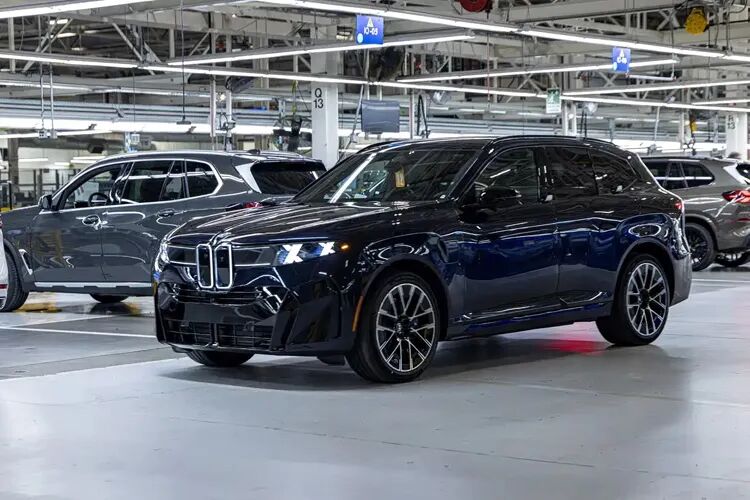
After years of anticipation, the BMW X5, a dream car for an entire generation, finally unveils its latest iteration under BMW's New Class initiative. When BMW revealed the actual vehicle at its Spartanburg plant in North America, nearly everyone was taken aback by its groundbreaking design.
In BMW's current lineup, the 'large nostril' kidney grille stands out as the brand's most iconic design element, a motif that has endured from the last century to the present day, becoming a unique hallmark. 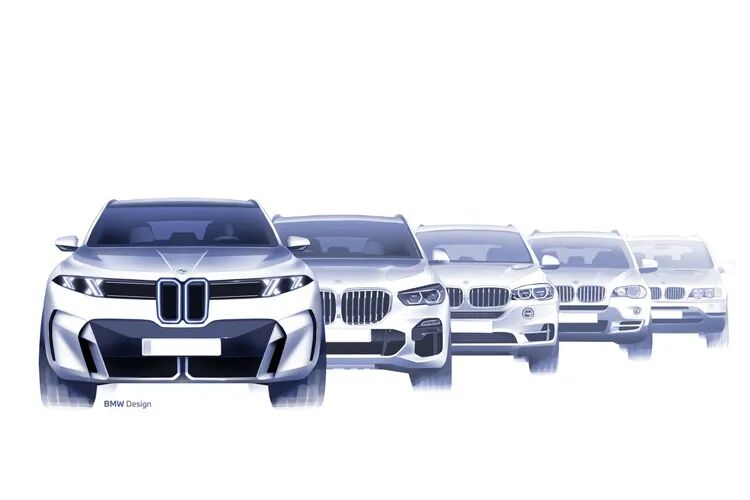
Beginning with the new generation i-series and iX-series electric vehicles, the kidney grille design underwent a radical transformation, and this change has now extended to the brand's gasoline vehicle range, including the fifth-generation BMW X5. 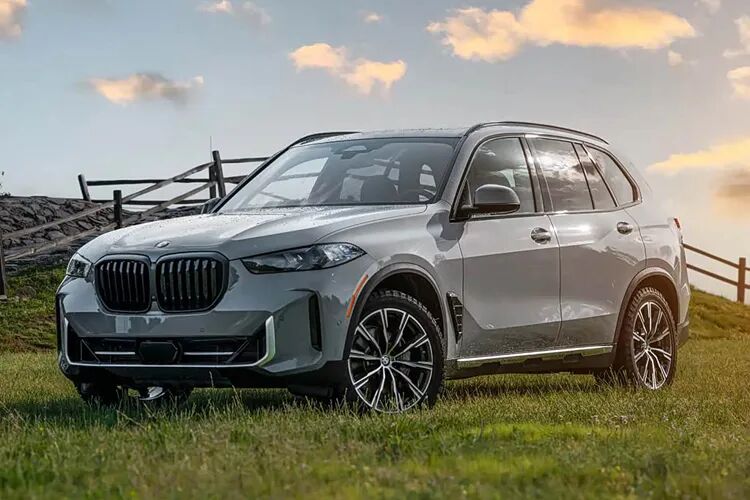
It's evident that the once horizontally flattened 'nostrils' have now been vertically elongated, surrounded by LED light strips to complement the electrified and intelligent product lineup. This trend is not exclusive to BMW; nowadays, both gasoline and electric vehicles seem to embrace LED decorative elements. Could it be that future technology is destined to come with a touch of 'light pollution'? 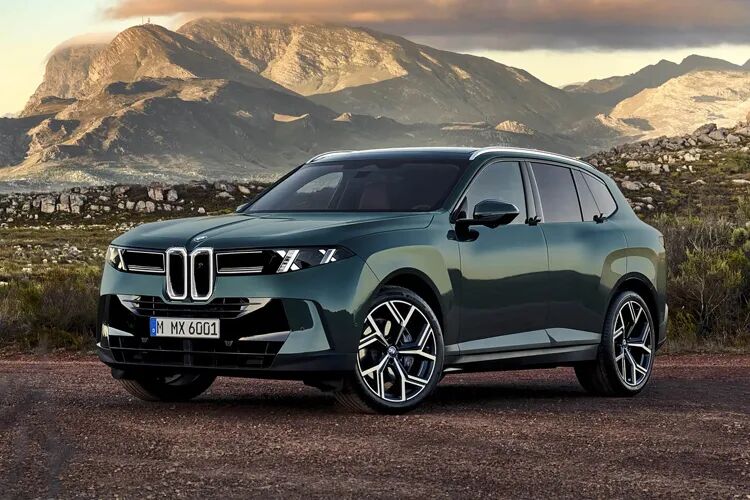
Similarly, the widespread adoption of LED or laser light sources, compared to traditional halogen or xenon lights, has given manufacturers more creative freedom in headlight design. However, few dare to be as audacious as the BMW X5. 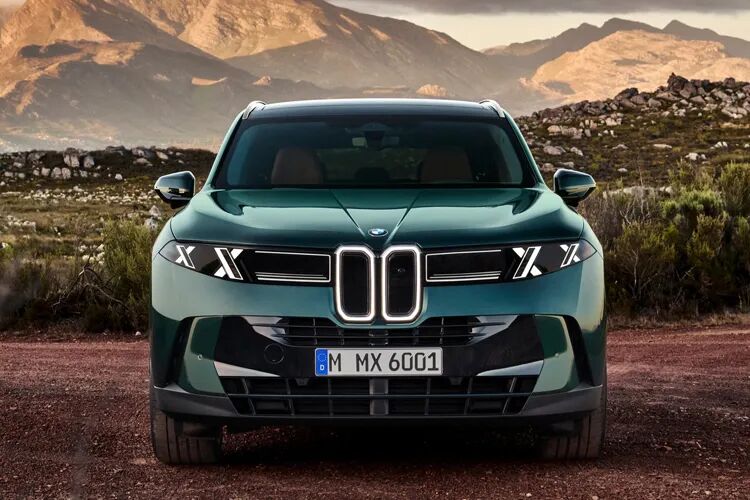
In a nod to its SUV naming system, the BMW X5's headlights directly incorporate four 'X' shaped light strips. This bold artistic expression might leave Chinese audiences, influenced by Confucian culture, somewhat perplexed. 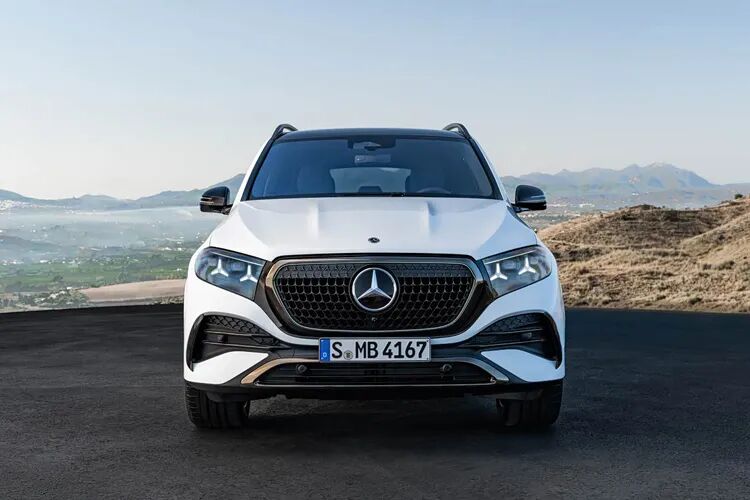
Mercedes-Benz GLE: We can also take a moment to appreciate the headlights of the 'old rival' Mercedes-Benz GLE, which coincidentally also employs an 'X' shape, though it's clear that the latter pays tribute to its own three-pointed star logo. 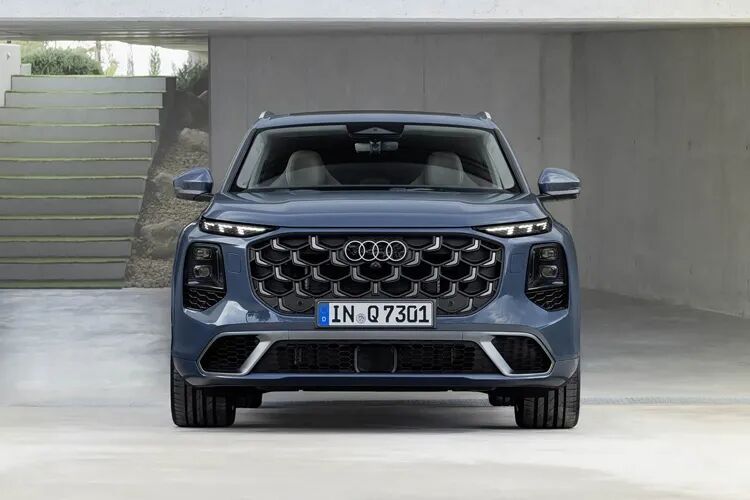
In contrast, Audi, renowned as the 'light factory,' appears to have taken a more conservative approach. The next-generation Audi Q7, for instance, maintains the demeanor of a sophisticated tough guy. Like its exterior, the cabin of the new-generation BMW X5 also boasts numerous 'revolutionary' and flashy features. 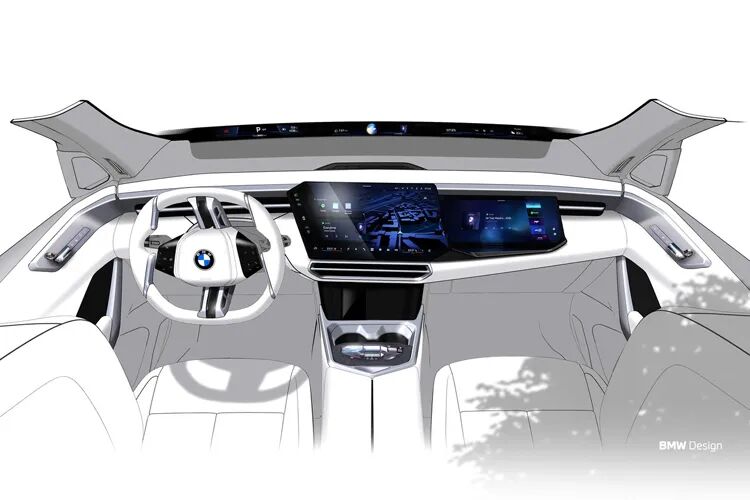
The entire cabin layout, akin to the brand's new generation electric vehicle lineup, exudes a cyberpunk vibe, sparing no expense in incorporating LCD screens throughout. Among these, the 'tilted' central display and passenger screen are considered the brand's signature design elements. 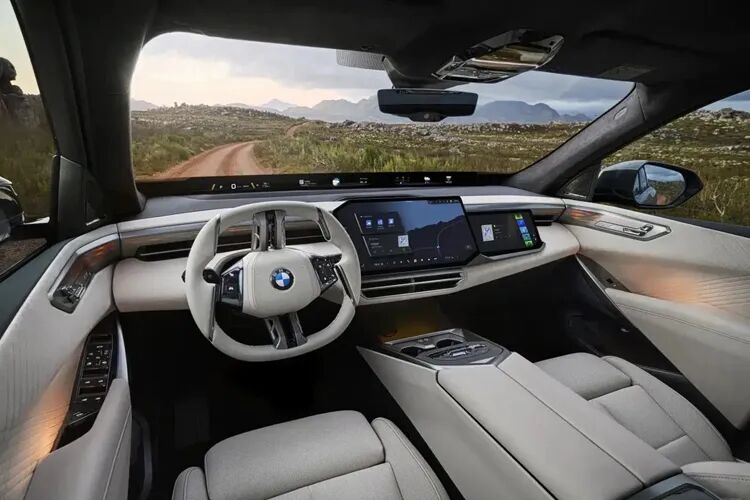
More intriguingly, BMW has crafted a unique cross-shaped steering wheel for this vehicle. It resembles a four-spoke design but is actually connected only at the 12 o'clock and 6 o'clock positions and the outer ring, while the 3 o'clock and 9 o'clock positions feature button panels linked to the central axis, not the outer ring. This design is indeed novel and eye-catching. 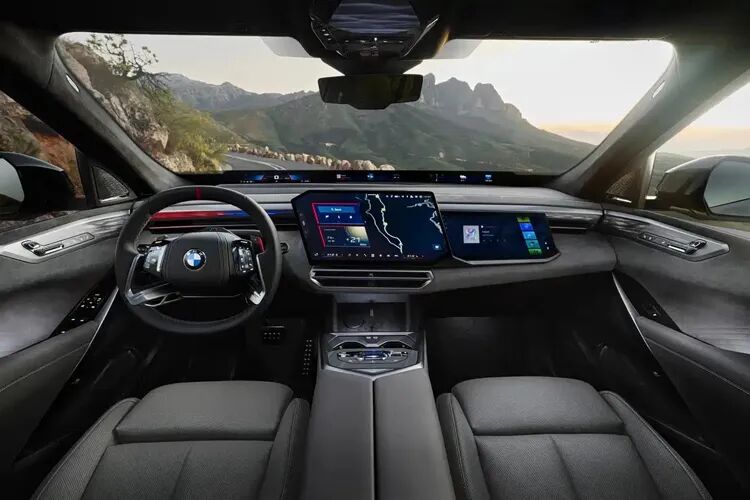
Of course, users also have the option to choose a more traditional steering wheel design, with minimal changes to the central button panel layout. However, the connecting spokes are positioned at the 4 o'clock and 7 o'clock positions, resembling a traditional four-spoke design, though it's technically still a two-spoke design. Finally, let's talk about the powertrain: the updated BMW X5 is also evolving from a traditional gasoline vehicle to a diverse powertrain lineup. 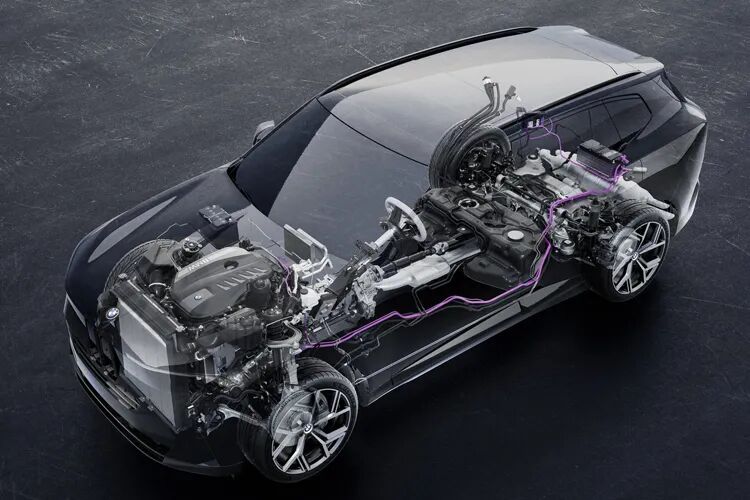
Among them, the BMW X5 40 xDrive gasoline version retains the B58 3.0T L6 turbocharged engine, delivering a maximum power of 294kW and a peak torque of 540Nm, matched with an 8AT transmission and xDrive all-wheel-drive system. Compared to the domestic X5L, there are virtually no major changes except for slight increases in data. 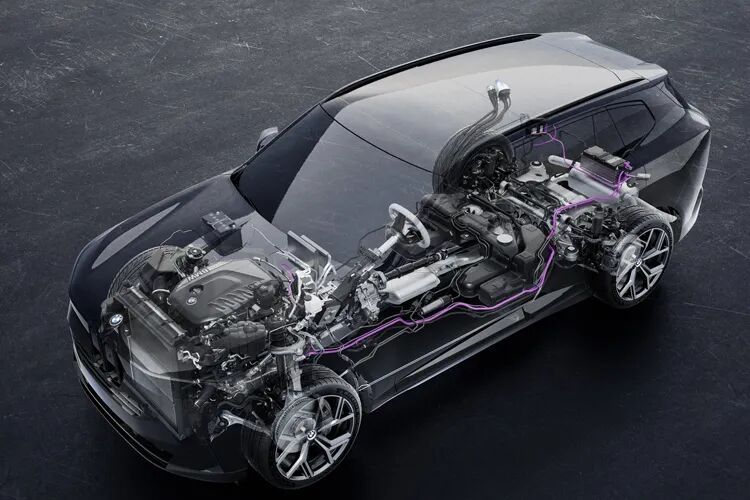
Significantly, the plug-in hybrid product lineup is expanding, with the X5 50e xDrive and X5 M60e xDrive both built on the B58 engine, featuring electrified units primarily including a P2 motor (145kW) located at the front of the 8AT transmission and a 29.48kWh lithium-ion battery pack. The difference lies in the engine's two tunings of 230kW and 313kW, with the latter offering significantly more power, though both have a pure electric range of around 100km (WLTP cycle). 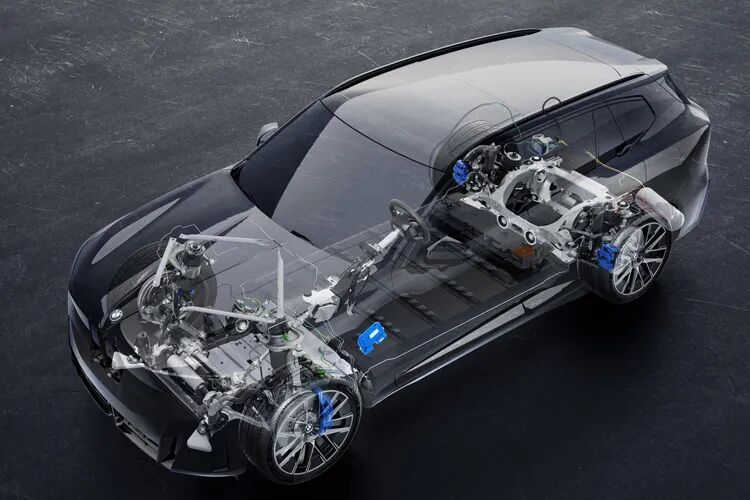
Similar to the iX series, this generation of BMW X5 also offers a pure electric version, utilizing the sixth-generation eDrive electric drivetrain system and naturally equipped with an 800V high-voltage electrical system. Among them, the iX5 60 xDrive features front and rear dual motors, with maximum powers of 183kW and 242kW, respectively. For the European market, the BMW X5 60 xDrive provides a 141kWh cylindrical cell lithium-ion battery pack, with a WLTP pure electric range of 845km and supporting a maximum 460kW DC fast charging. From this perspective, BMW has indeed caught up with domestic mainstream standards in terms of the three-electric system, but it still lacks some cutting-edge technological innovation applications. 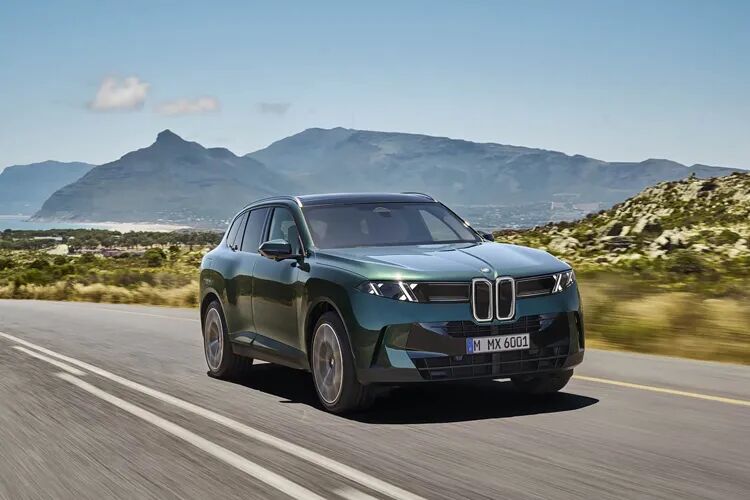
Of course, the 40d xDrive diesel version is still available in some markets, featuring a 3.0T L6 twin-turbocharged diesel engine paired with a 48V mild hybrid system, achieving a maximum torque of 670Nm at low speeds. 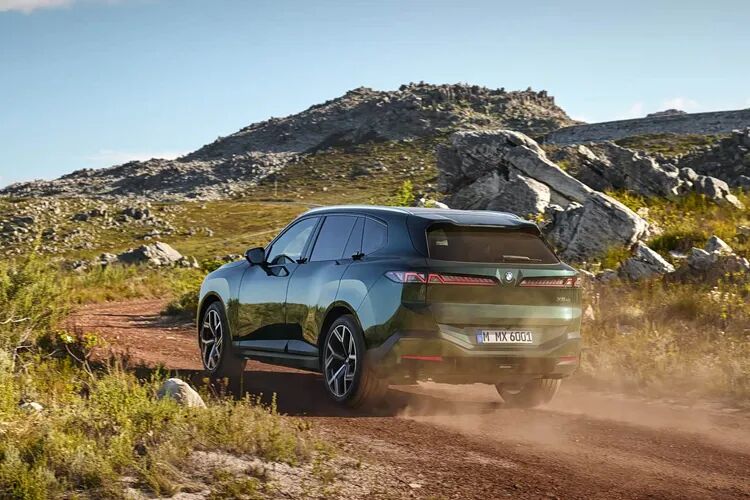
Additionally, the M Power department will officially introduce an X5 M60 version, equipped with a 4.4T V8 twin-turbocharged engine. If further enhanced with a plug-in hybrid system, its combined power could exceed 500kW. However, judging by the new generation M5, this approach, while potent, poses a significant drawback for a high-performance vehicle due to its hefty 2-ton curb weight. In Conclusion: 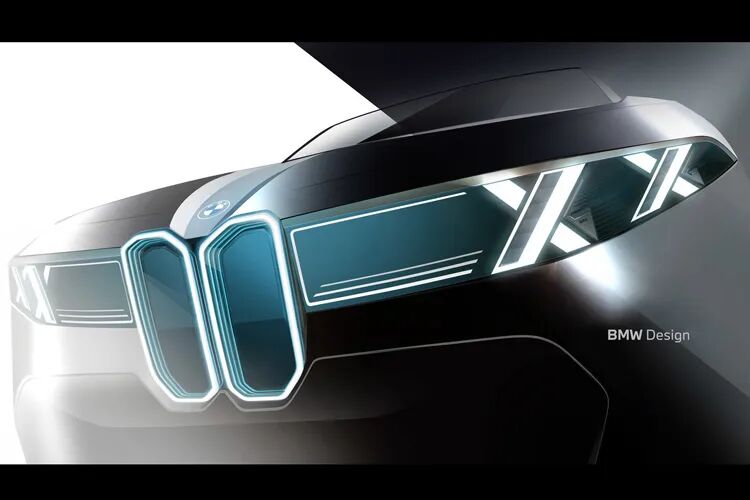
Regardless of the product, as long as it's designed for the general public, it should align with the current era's user aesthetics, allowing for some small innovations that catch users' eyes without overturning the current environment and context. Don't assume that everyone is a highly perceptive artist; we're all ordinary individuals without the ability, let alone the obligation, to appreciate your wild imagination.
-
![]()
The Dead End of GoPro: Unveiling the Decisive Factors in DJI and Insta360's Competition
-
![]()
The Dead End for GoPro: Unveiling the Key to Victory in DJI and Insta360's Competition
-
DeepSeek Targets A-share IPO Amid RMB 480 Billion Valuation Debate
-
![]()
WPS Meitu XiuXiu: The Threat to Its Market Position from AI Large Models
-
![]()
After Seres Reports Losses, What Is the Capital Market Really Worried About?
-
![]()
Honor, Stepfun, and Nubia Vie for 'Pioneering' Status: The Fierce Contest Among AI-Powered Smartphones
-
![]()
Glory, Stepfun, and Nubia Vie for the Pioneering Position: AI-Powered Smartphones Engage in Intense Competition
-
![]()
Apple AI Gains Approval but Faces Outdated Challenges