Forty Years On: From Volkswagen’s State-Backed Entry into China to BYD’s Hiring of a Former European Foreign Minister
 07/16 2026
 431
431
In the past, when Chinese automakers sought European talent, their focus was on designers, chassis engineers, and sales executives boasting decades of experience at Volkswagen or Mercedes-Benz.
The logic was simple: if Europeans found Chinese car designs unappealing, bring in a European designer; if the chassis lacked a German feel, recruit German engineers; if there was uncertainty about European car-buying habits, onboard a manager well-versed in local dealer networks.
Each company addressed its specific needs—hiring to fill gaps.
But this time, BYD is clearly aiming higher than just filling gaps. It has directly appointed a former foreign minister.
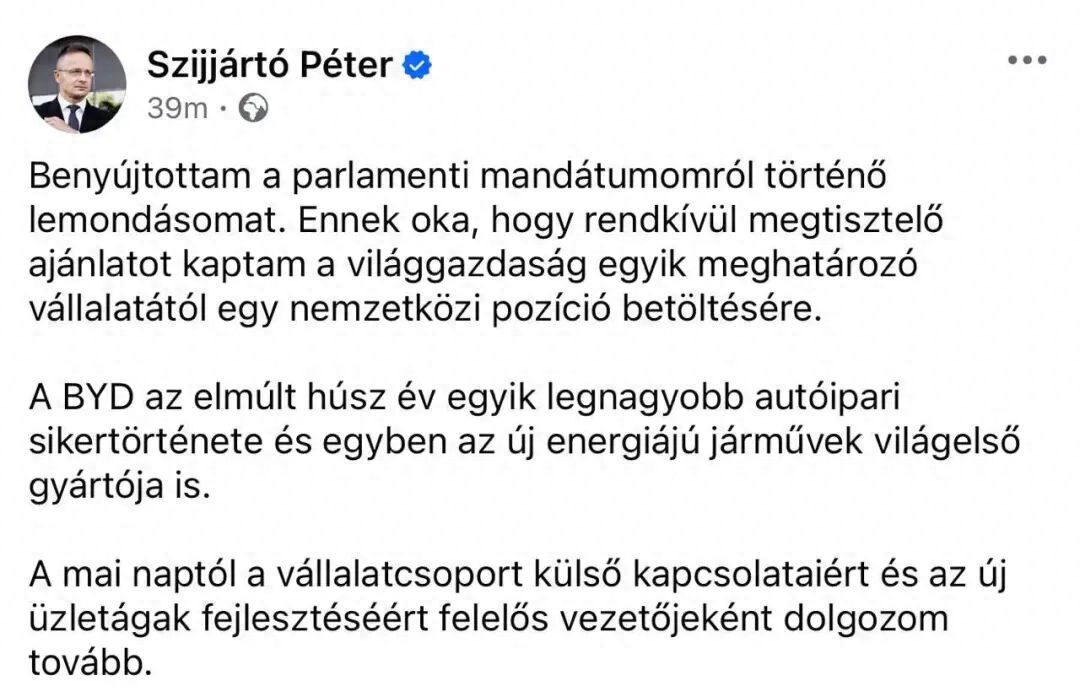
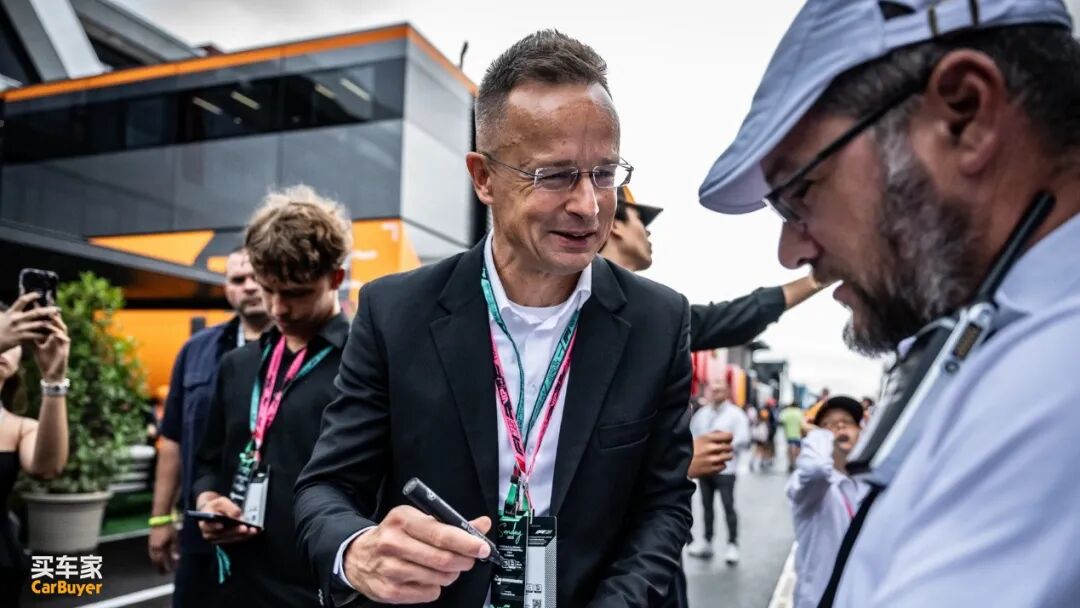
On July 15, Péter Szijjártó, Hungary’s former Minister of Foreign Affairs and Trade, announced his resignation as a member of parliament to join BYD’s international management team, where he will oversee external relations and new business development.
Szijjártó is no ordinary retired politician who occasionally appears on TV to discuss international affairs or pens a memoir.
Since 2002, he has served as a Hungarian member of parliament and held the position of Minister of Foreign Affairs and Trade for nearly 12 consecutive years, from 2014 to 2026. Over the years, Hungary has actively sought investment from Chinese automakers and battery companies, with Szijjártó being one of the most enthusiastic advocates.
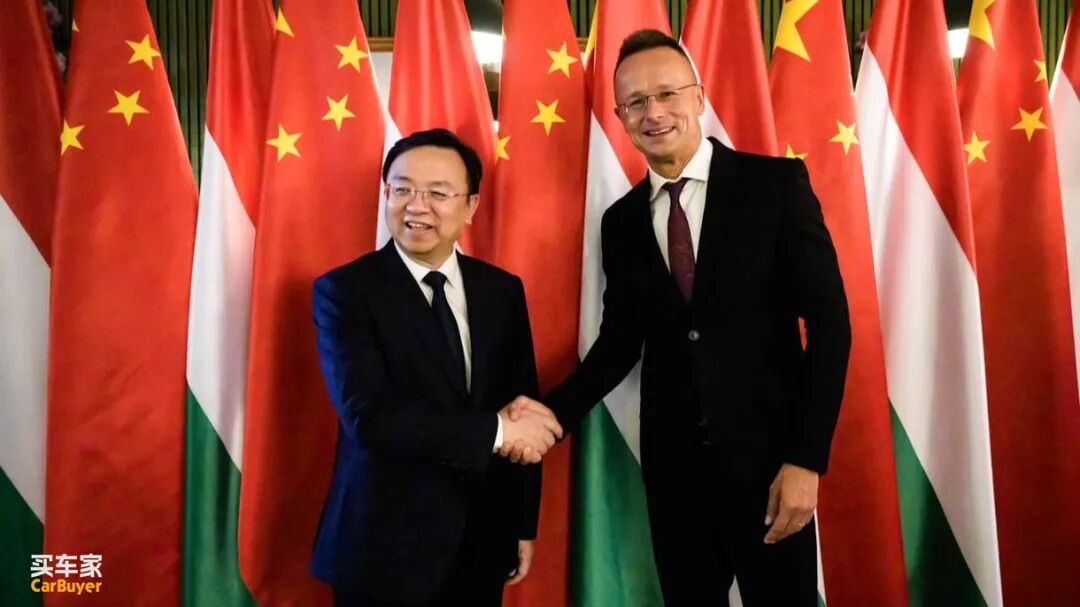
He was deeply involved in BYD’s decision to establish its first European passenger vehicle factory in Hungary. Now, he has transitioned from one side of the negotiating table to the other.
It would be overly simplistic to assume BYD hired him to set European prices for the Seal or to help Denza adopt a more Westernized English name.
What BYD truly values is likely the unwritten “Manual for Navigating European Political and Business Relations” that exists only in his mind.
He knows which department handles approvals, the importance local governments place on job creation, how to negotiate subsidies, what unions fear most, the hidden dynamics between the EU and member states, what can be said publicly, and what should be discussed behind closed doors.
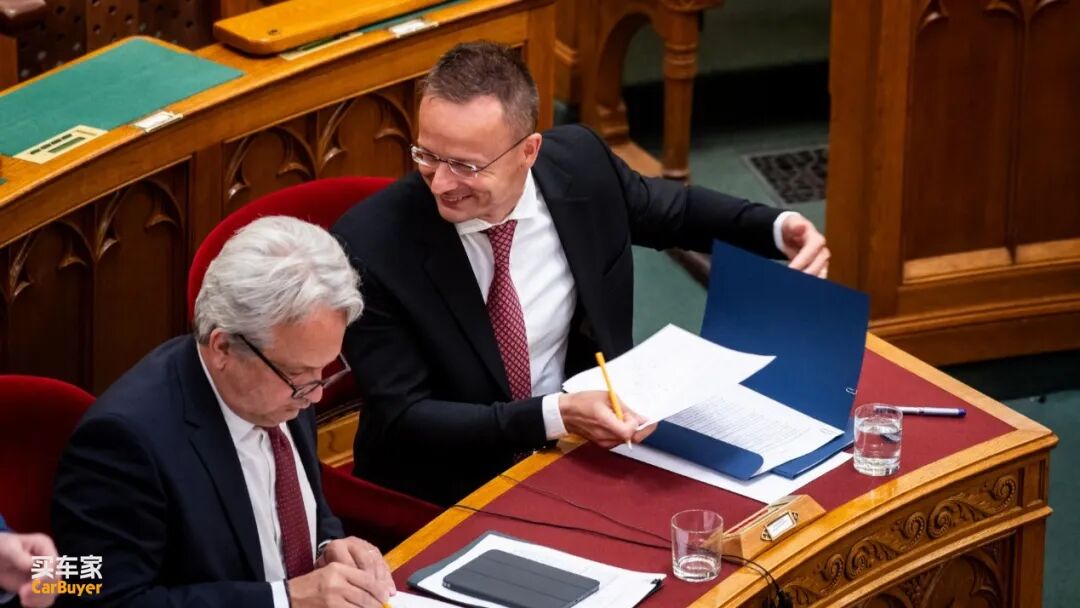
These details are neither listed in product specifications nor discussed at tech launches, but in Europe, they may carry more weight than an advanced hybrid system.
In the past, when Chinese automakers went global, their biggest challenge was building dealer networks. Later, as they began establishing factories, the focus shifted to local supply chains and manufacturing capabilities.
Today, the real scarcity may be having someone who can confidently walk into European government offices, knowing whom to meet, what to say, and how to say it.
While this may sound novel, the intertwining of the automotive industry and politics is far from new.
Over four decades ago, foreign automakers didn’t enter China by simply presenting product brochures. Back then, Volkswagen waited patiently while China opened the door.
Volkswagen and China began serious engagement in 1978. Negotiations lasted six years before a joint venture contract was formally signed in 1984.
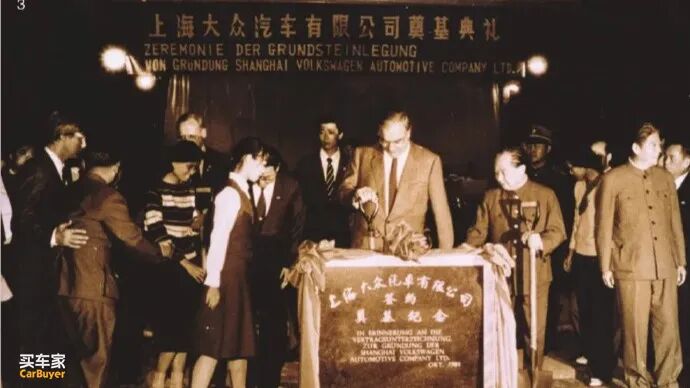
In hindsight, everything seems logical. China needed technology, Volkswagen needed a market, and the Santana rolled off the production line.
But at the time, it was no small feat. China had virtually no private car market. Questions about whether foreign companies could manufacture cars, how joint ventures should operate, and how to divide technology and profits had no clear answers.
Volkswagen wasn’t betting on a mature market but on a place that barely seemed to have a “market” at all.
China, too, faced choices: continue relying on imports and small-scale production or truly invite foreign capital, technology, and management systems.
This wasn’t a decision made in a few conference room meetings. It required national strategies of reform and opening-up, rounds of government coordination, and top-level approval for joint ventures in the automotive sector.
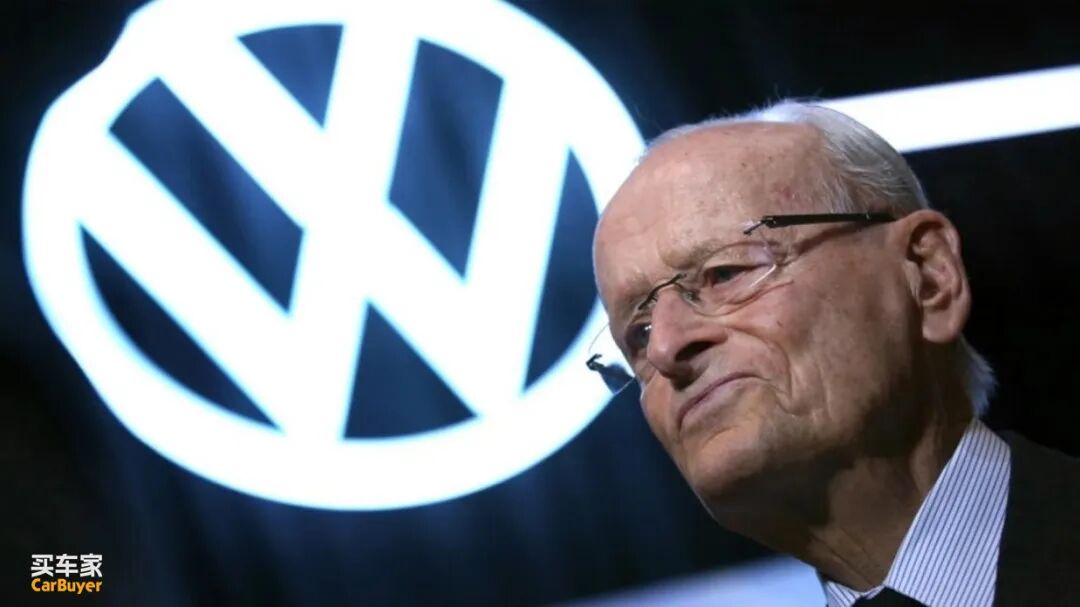
The German side also needed visionaries. Carl Hahn, Volkswagen’s former chairman, is widely regarded as the key figure in Volkswagen’s China entry. Many within the company were skeptical about the Chinese market, seeing it as neither affordable nor immediately profitable. Hahn, however, pushed forward, securing a foothold.
Thus, Volkswagen’s entry into China 40 years ago didn’t rely solely on the Santana. On one side, the Chinese government opened institutional doors to import technology and rebuild the automotive industry. On the other, Volkswagen’s management was willing to bet on an uncertain market.
Without China’s institutional reforms, Volkswagen wouldn’t have even sat at the joint venture negotiation table. Without Volkswagen’s commitment, Germans might not have engaged in six years of talks to figure out how to proceed.
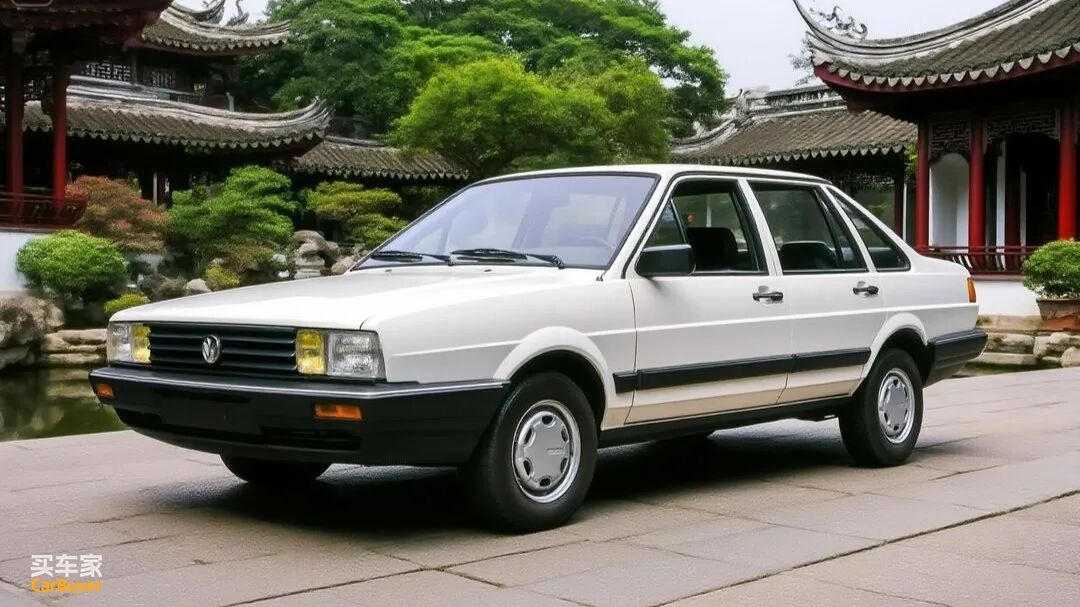
Ultimately, the hardest part for Shanghai Volkswagen wasn’t building the Santana but establishing the rules that allowed it to be built in China.
Four decades later, the roles have reversed.
Back then, China lacked technology, capital, and modern production management. Volkswagen brought models, standards, and production lines.
Today, BYD brings batteries, electric motors, electronic control systems, intelligence, and supply chain efficiency to Europe, studying how to navigate local policy frameworks.
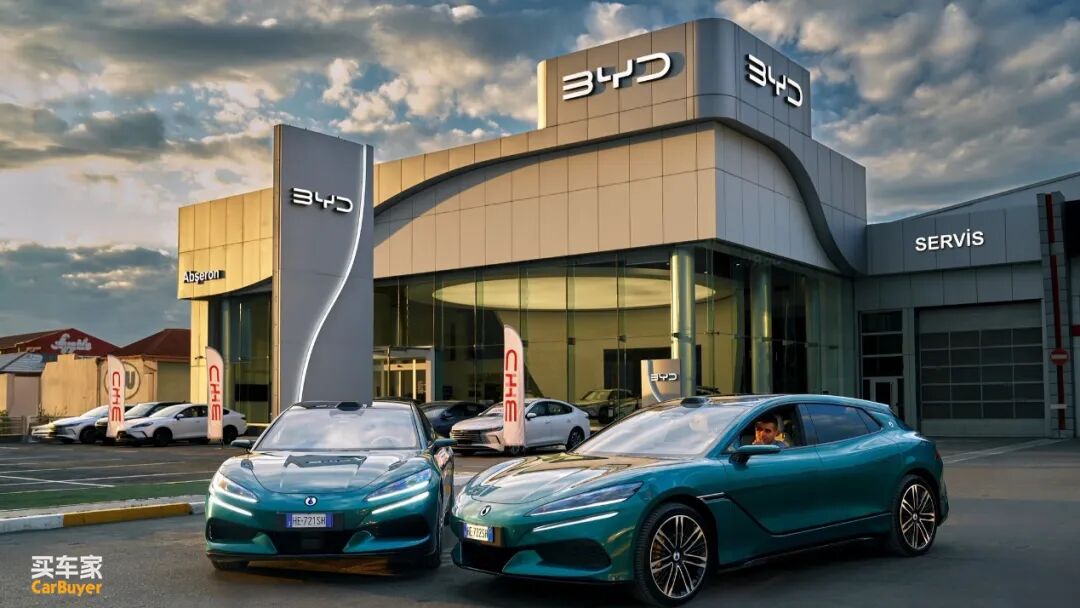
Volkswagen once needed to prove to China that joint ventures could bring technology, factories, and industrial chains.
Today, BYD must prove to Europe that it’s not just shipping cars for sale but also creating factories, jobs, tax revenue, R&D centers, and local suppliers.
The roles have changed, but the fundamental approach remains similar.
Cars are more than four wheels and two rows of seats; they’re tied to employment, taxes, local finances, manufacturing, and industrial security.
Thus, BYD’s strategy in Hungary cannot be reduced to just building a factory.
In 2023, BYD announced its first European passenger vehicle production base in Szeged, Hungary. Later, it established its European headquarters and R&D center in Budapest.
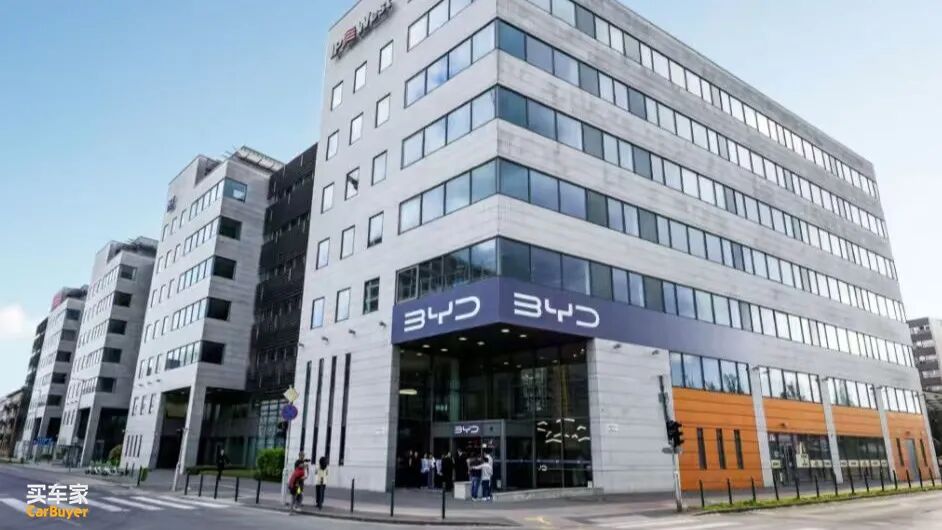
The production base builds cars, the headquarters manages operations, the R&D center handles localization, and the existing commercial vehicle business complements the setup. Hungary is becoming BYD’s gateway to Europe.
Now, with a former foreign minister overseeing external relations and new business development, BYD isn’t just testing the waters, opening a few stores, or selling a few models. It’s preparing to establish production, R&D, and management systems.
The real challenges often arise post-construction: increasing local component ratios, introducing European suppliers, managing union relations, fulfilling job promises, complying with EU regulations, and deciding where to build the next factory.
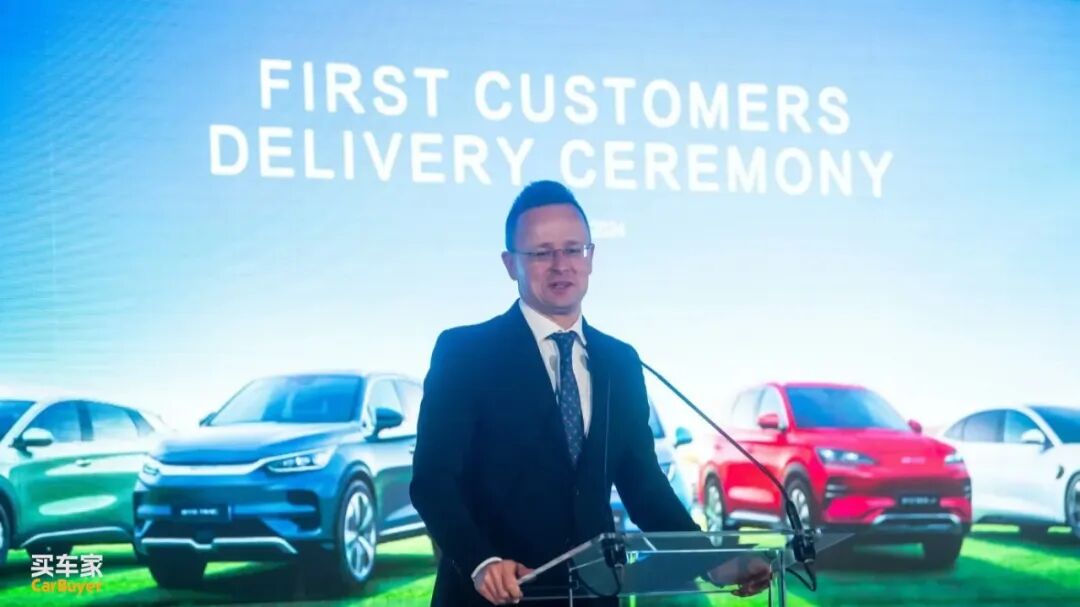
Though Europe calls itself a “union,” its countries have distinct business environments.
France has its industrial policies, Germany its union systems, while Italy, Spain, and Eastern European nations vary in their attitudes toward Chinese investment.
Governments welcoming factories today may change tomorrow; industrial support granted today could become political ammunition for opposition parties later. Chinese automakers, accustomed to studying consumers domestically, must now study elections in Europe.
This is where Szijjártó’s true value lies. He knows not just Hungary but also how EU member states interact and when Chinese investment is seen as job creation versus industrial threat in European politics.
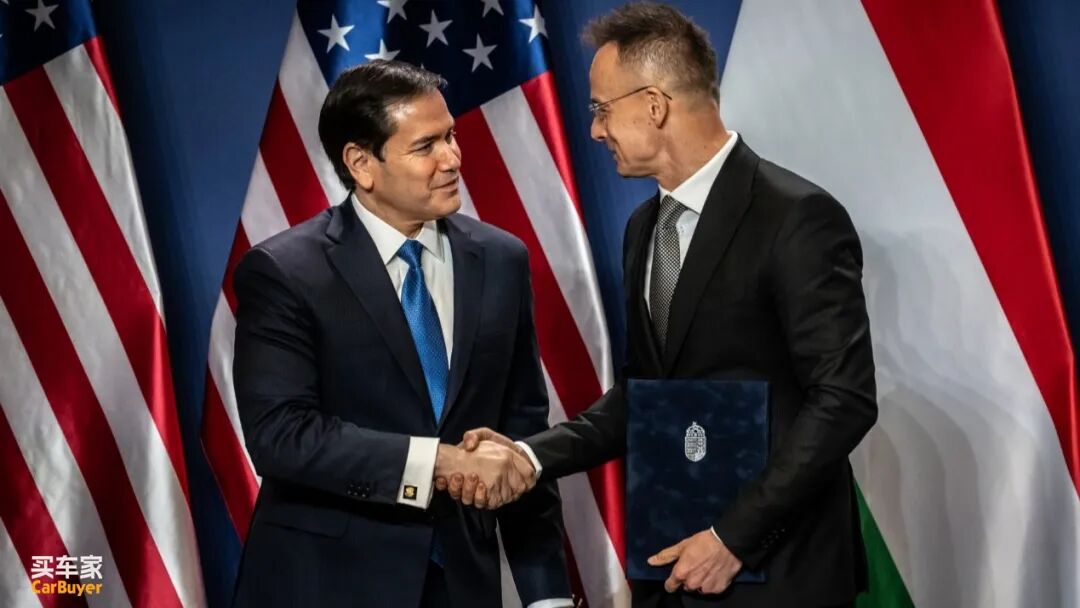
BYD needs more than a spokesperson. It needs someone who knows when to speak, to whom, and how far to go.
After all, the European automotive market is never just about product specs. Longer range, faster charging, and lower prices matter, but so do tariffs, carbon rules, government subsidies, unions, local jobs, data security, and geopolitics.
Excellent cars only qualify you for the exam. The exam’s location, question setters, and grading criteria—those require a different skill set.
Traditional European automakers’ real advantages aren’t just engines, chassis, or badges. Behind Volkswagen, Mercedes, Renault, and Stellantis lie vast factories, supplier networks, union members, local taxes, and employment.
If an automaker sustains tens or even hundreds of thousands of jobs locally, it becomes a political asset no one dares move lightly.
When a European automaker struggles, governments can’t simply say, “Market competition—survival of the fittest.” Factory closures would shake unemployment rates, local finances, and votes. This is the deepest moat protecting traditional European automakers.
To truly establish itself in Europe, BYD cannot remain just a foreign car seller. It must build factories, hire locals, nurture suppliers, set up R&D centers, and integrate into local industrial chains.
One day, when BYD factory orders affect thousands of European households, politicians will think twice before discussing restrictions on Chinese cars.
Thus, BYD’s factory in Hungary isn’t just about shortening transport distances or avoiding tariffs. More importantly, it transforms BYD from “a rival to Europe’s automotive industry” to “part of Europe’s automotive industry.”
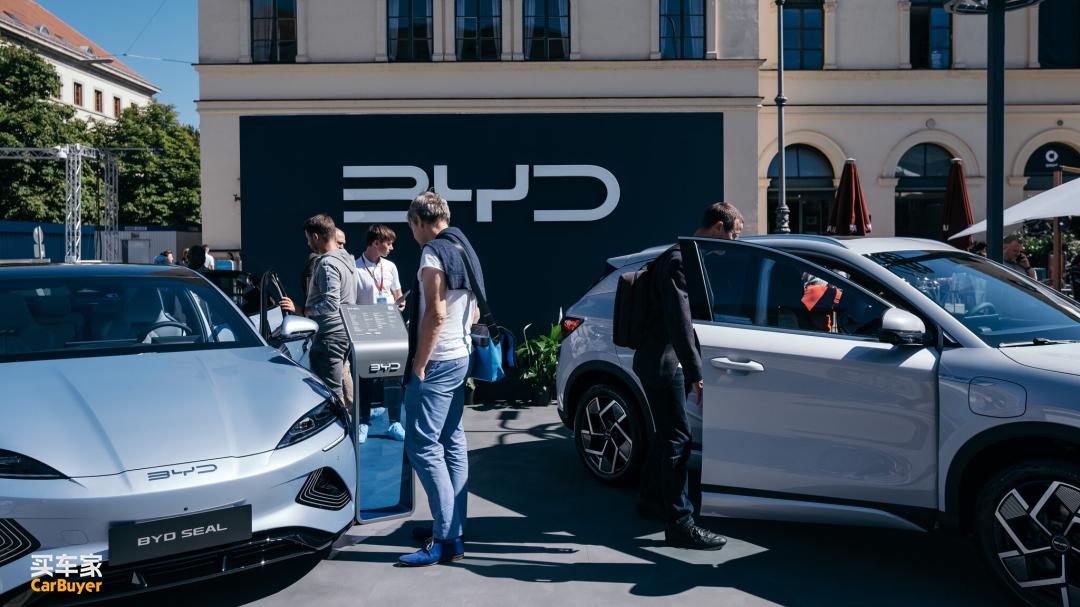
Szijjártó’s hiring fills the most sensitive and irreplaceable gap.
Forty years ago, Volkswagen entered China, waiting for the government to open institutional doors. Forty years later, BYD, unwilling to wait at the door, has brought in a former foreign minister who knows the doors, the paths, and everyone behind them.
Of course, this move is controversial precisely because of that.
During his tenure, Szijjártó personally promoted BYD’s investment in Hungary. Now, shortly after leaving office, he joins BYD in an international management role—a classic “revolving door” scenario.
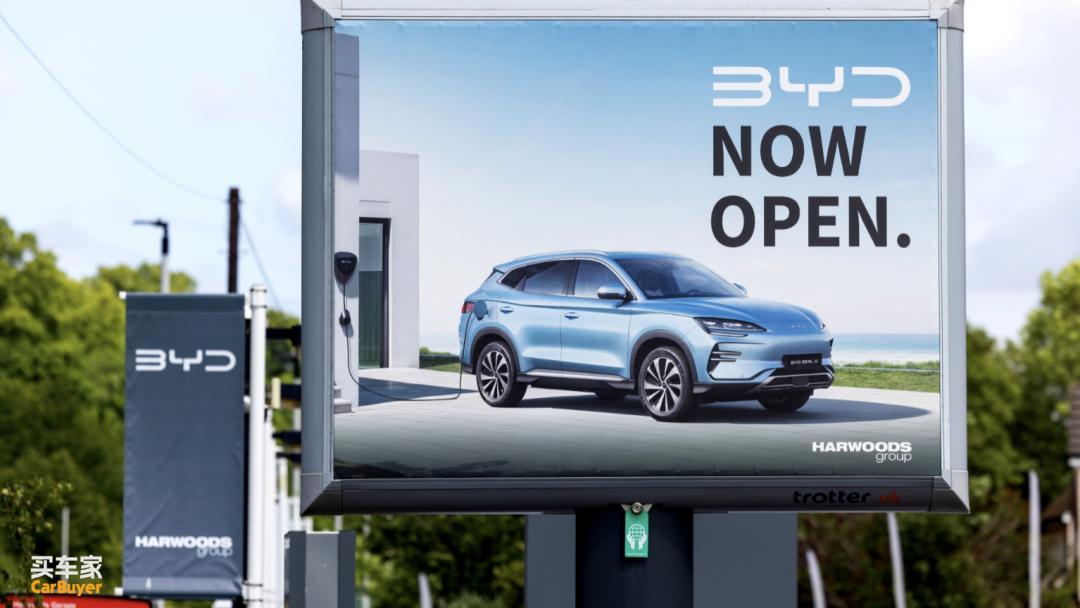
One day representing the government in negotiations, the next representing the company—whether this is procedurally sound is one question; whether it looks odd to the public is another.
Given the EU’s sensitivity to Chinese electric vehicle subsidies, industrial competition, and local jobs, a former foreign minister joining BYD will inevitably invite scrutiny of past collaborations between BYD and the Hungarian government.
For BYD, this appointment is like a European political and business pass. The upside: many doors will open. The downside: the pass bears the imprint of the previous government.
Yet, viewed differently, the political stir caused by a single executive appointment suggests BYD is no longer a minor player in Europe.
If a Chinese automaker sold only a few hundred cars monthly in Europe, few politicians would care whom it hired.
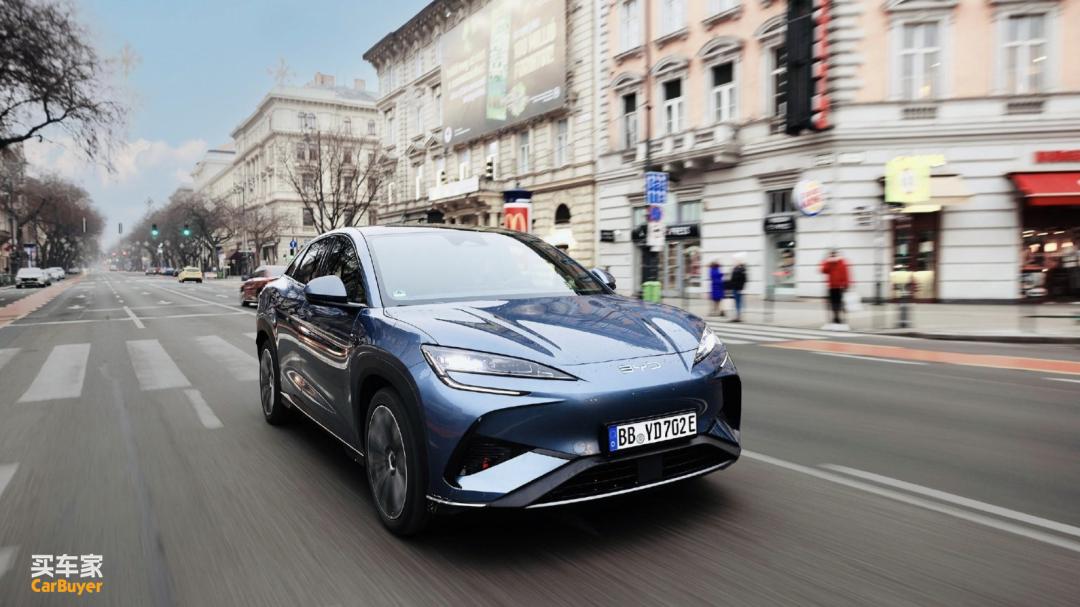
Only when it builds large factories, affects local employment, or threatens Europe’s existing automotive landscape does a personnel change become political news.
In the past, we judged a Chinese automaker’s globalization by its market entries, sales volumes, and factory counts. Going forward, we may also need to assess its ability to build global interest networks.
True multinationals don’t just sell products abroad. They create jobs, shape industrial rules, negotiate with governments, build local alliances, and align their interests with those of host societies.
Volkswagen did this in China decades ago. Today, BYD has reached this crossroads.
Of course, hiring a former foreign minister doesn’t guarantee automatic success in Europe. Political connections can smooth paths but cannot replace product competitiveness. A former minister can open government doors but cannot force European consumers to buy cars.
Without competitive products, even the strongest connections merely dress up failure more elegantly. But when products are competitive, the ability to resolve localization, policy communication, and interest distribution issues faster may determine who survives.
So, in my opinion, the truly noteworthy aspect of this news is not that a former Hungarian Foreign Minister has taken on a new job. Rather, it is that the approach of Chinese automakers going global has started to change.
Forty years ago, Volkswagen came to China with its Santana, waiting for China to open the door for it. Forty years later, BYD has brought its new energy vehicles to Europe and has started to study the door locks by itself, even going so far as to directly recruit people who know where the keys are into the company.
In the past, multinational automakers relied on governments to build roads. Now, Chinese automakers are starting to hire their own guides who know the way.
-
![]()
Is Tencent AI Heading in the Right Direction?
-
Latest Update! Jinding Optics’ GEM IPO Review Now “Under Inquiry”
-
![]()
VOYAH’s CBO Sets Ambitious Target: Secure Top 3 Spot in Luxury BEV Market Within Two Years, Launch 4 New Models to Cover All BEV Segments
-
![]()
Sehwa Technology Invests 740 Million Yuan, Eyeing the Lucrative Optical Film Market!
-
![]()
150 Million Users, $40 Million ARR: AIShige Technology Enters the Final Round of AI Video Competition
-
![]()
StepOn Star Forays into Smartphone Manufacturing: A Rationally Sound Yet High-Risk Endeavor
-
![]()
TCL Zhonghuan: Embracing a New Story Despite Anticipated Losses
-
![]()
Forty Years On: From Volkswagen’s State-Backed Entry into China to BYD’s Hiring of a Former European Foreign Minister